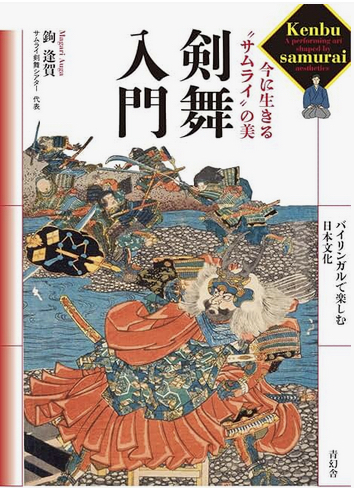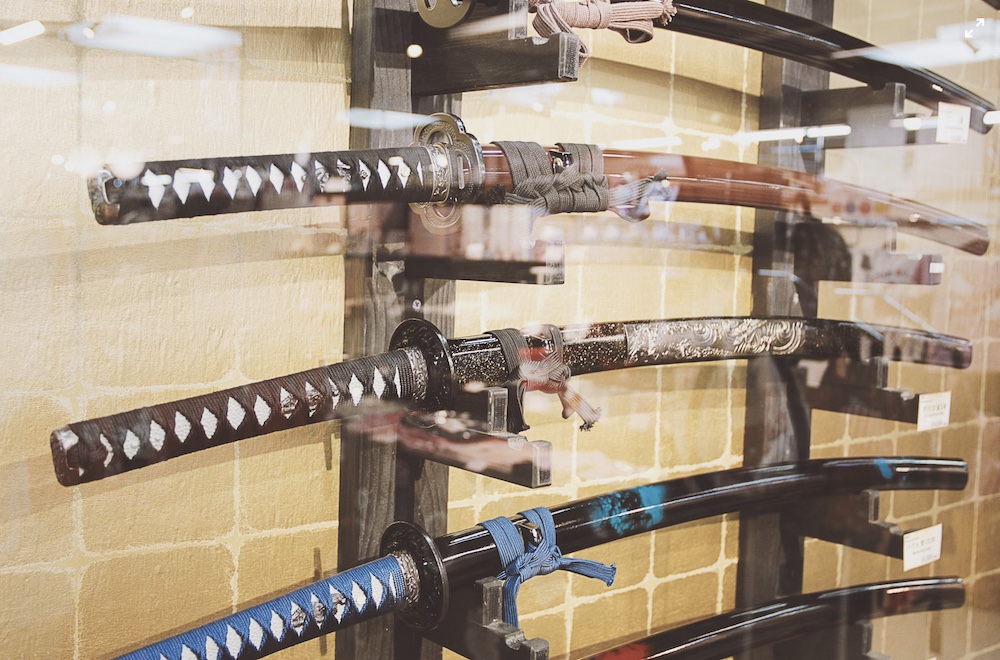
My very first piece in kenbu sword dance was Tsurugi Tachi (“Sword and Blade”).
I had never heard shigin before. I had never held a sword in my life — not once, well past the age of sixty. And in my school days, I absolutely hated classical Chinese poetry and ancient Japanese literature.
I have no idea how long I’ll keep this up. But I hope it’s something I can continue for my health, for a long time to come.
I’m leaving this AI-assisted article here as a record of the piece.
I’ve written about it before with AI help, but this time I asked Claude.
A clear, resonant voice trembles through the air, and a line of classical Chinese poetry rings out with full, unhurried power —
Shigin (詩吟) is a traditional Japanese performing art, beloved to this day, in which classical Chinese and Japanese poetry is chanted with melodic expression.
Among its many pieces, those containing the words tsurugi tachi — an ancient term for the sword — evoke the spirit of the warrior and stir something deep in the listener.
This article introduces the appeal of shigin and the world of classical Chinese poetry as expressed through Tsurugi Tachi.
What Is Shigin?
Shigin is a traditional Japanese performing art in which classical Chinese poetry (kanshi) and Japanese waka are chanted with a distinctive melodic style.
It is not mere recitation. Through the rise and fall of the voice, the way notes are held and released, the performer expresses the scenery and emotion embedded in the poem.
The distinctive technique — drawing sound up from deep in the belly and sustaining it in long, resonant tones — steadies not only the listener’s heart, but the performer’s own.
The History of Shigin
Shigin is said to trace its roots to the Edo period.
In the domain schools (hankō) and private academies of that era, reciting Chinese poetry aloud — a practice called sodoku (素読) — was fundamental to education.
Over time, melodic patterns were layered onto this recitation, gradually evolving into what we know today as shigin.
After the Meiji era, it spread further as a performing art that stirred the spirit of patriots and reformers, and many schools of shigin were established.
Characteristics of Shigin
- Classical Chinese and Japanese poetry chanted with melody
- Powerful vocal delivery rooted in diaphragmatic breathing
- Distinctive ornamentation: yuri (vibrato) and kobushi (melodic turns)
- Widely regarded as beneficial for both physical and mental wellbeing
The World of Classical Poetry Through “Tsurugi Tachi”
Tsurugi tachi is an ancient term for the sword — and in the shigin world, it stands as a symbol of the warrior’s soul and courageous spirit.
Classical Chinese poems containing such imagery of the blade are frequently performed in shigin, bringing a sharp sense of tension and exhilaration to those who hear them.
Poetry That Reflects the Warrior’s Heart
The patriots of the late Edo period entrusted their resolve and convictions to classical Chinese poetry.
The determination of a warrior on the eve of battle. The ache of leaving one’s homeland behind. The serene willingness to sacrifice one’s life for a greater cause. All of this is held within poems written by men who wore the sword.
When chanted as shigin, the taut atmosphere and burning passion within these poems come alive in a way that reading the words on a page cannot capture.
The Appeal of Bold, Vigorous Sound
Poems containing tsurugi tachi are, fittingly, often chanted with power and vigor.
In moments where the voice rises high and taut, a sense of tension arises — as though a blade is being drawn from its scabbard.
Yet in the quieter phrases that follow, lingering in the space between notes, the solitude and sorrow of the warrior quietly surface.
It is precisely this interplay of tension and release — strength and stillness — that makes shigin so uniquely compelling.
How to Enjoy Shigin
Shigin can be enjoyed both as a listener and as a practitioner. Even for those encountering it for the first time, a few guideposts can deepen the experience considerably.
- Learn the meaning and background of the poem first — it makes the imagery far more vivid
- Listen closely to the rise and fall of the voice, and the use of ma (間, meaningful silence and space)
- Compare bold, vigorous poems with lyrical, contemplative ones
- Look for shigin groups or classes in your area and try it yourself
The Joy of Knowing the Background
To truly deepen your enjoyment of shigin, it helps to understand the era in which a poem was written, and the state of mind of its author.
Even a single phrase like tsurugi tachi carries behind it a turbulent age, and a life fully lived within it.
When you understand that context, each note of the chant lands with greater weight — and speaks more directly to the heart.
Trying It Yourself
Shigin is not only for listening. Chanting it yourself — giving voice to the poetry — is where its deepest appeal reveals itself.
Sending the voice out from the diaphragm in full, sustained tones is said to relieve stress and support physical health.
There’s no need to overthink it. Start by chanting a single line of a poem you’re drawn to, out loud.
Summary
The world of classical Chinese poetry as expressed through shigin’s Tsurugi Tachi conveys the warrior’s soul — and the timeless depths of human emotion — with a voice that is at once powerful and delicate.
Classical literature breathes and lives when given voice through melody. The result is a depth of feeling that the written word alone cannot reach.
If shigin is unfamiliar to you, I hope you’ll find a moment to simply listen — to let that clear, resonant sound wash over you.
I believe you’ll find yourself moved by the richness of Japan’s traditional performing arts, and by the world that classical Chinese poetry opens up.
References
- Agency for Cultural Affairs, Japan — Traditional Performing Arts: https://www.bunka.go.jp/
- Japan Shigin Institute (公益社団法人 日本詩吟学院): https://www.ginei.jp/
- Kotobank — Shigin / Tsurugi Tachi: https://kotobank.jp/
Books on Shigin and Kenbu
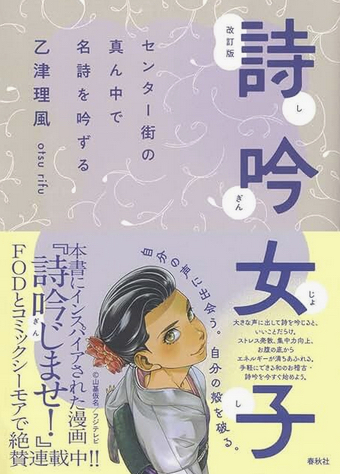
- Shigin Joshi (詩吟女子) — Details here
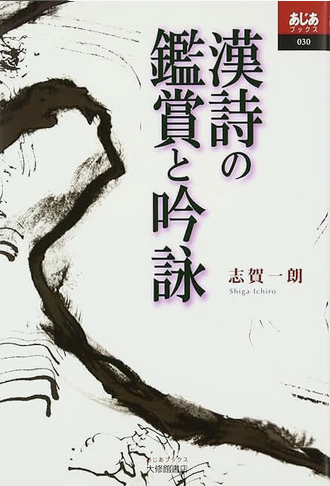
- Kanshi no Kanshō to Gin’ei (漢詩の鑑賞と吟詠) — Details here
- Kenbu Nyūmon (剣舞入門) — Details here
Shigin Joshi (詩吟女子)
Kanshi no Kanshō to Gin’ei
Kenbu Nyūmon