I began the Saigoku Pilgrimage of the Thirty-Three Temples in 2026. For the sacred sites I have already visited, I have written articles accompanied by my own photographs.
From here, I will have AI write support articles about the sites I have yet to visit — as a way of preparing for the journey ahead.
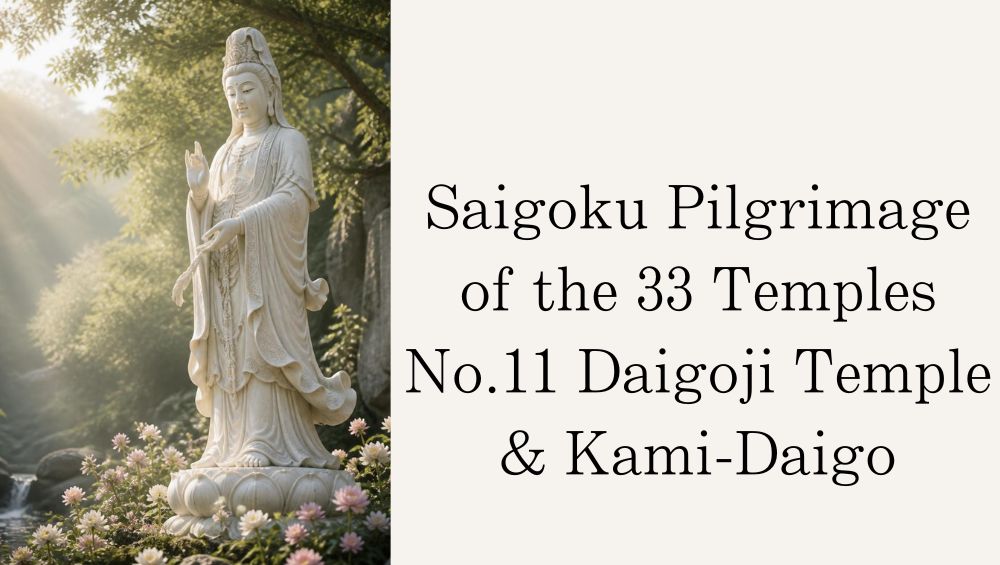
Nestled in the hills of southeastern Kyoto, Daigoji Temple (醍醐寺) is one of Japan’s most treasured spiritual sites. As the eleventh temple on the famous Saikoku Thirty-Three Kannon Pilgrimage—a centuries-old route connecting 33 sacred temples across western Japan—Daigoji offers a remarkable combination of UNESCO World Heritage splendor, breathtaking cherry blossoms, and the rugged challenge of a true mountain pilgrimage.
In this guide, we’ll explore the history, highlights, and practical tips for visiting Daigoji and its mountaintop counterpart, Kami-Daigo, in a way that’s easy to follow even if you’re new to Japanese pilgrimage traditions.
What Is Daigoji Temple?
Daigoji was founded in the year 874, during Japan’s elegant Heian period, by the revered monk Shobo (also known as Rigen Daishi). It serves as the head temple of the Daigo branch of Shingon Buddhism, an esoteric school of Japanese Buddhism known for its rich rituals and mountain-based spiritual practices.
The temple began high in the mountains at a site now called Kami-Daigo (Upper Daigo), where the first halls were built. Over time, the temple expanded down to the foot of the mountain, forming Shimo-Daigo (Lower Daigo). Together, these two areas grew into the grand temple complex we see today.
In 1994, Daigoji was registered as a UNESCO World Heritage Site as part of the “Historic Monuments of Ancient Kyoto.” It houses numerous National Treasures and Important Cultural Properties, making it one of the most significant temples in all of Japan.
Highlights of Shimo-Daigo (Lower Daigo)
The lower grounds at the base of the mountain are home to magnificent halls and pagodas that are easy to access on foot. Among them, the five-story pagoda—the oldest wooden structure in Kyoto Prefecture—is an absolute must-see.
- Five-Story Pagoda (Goju-no-to): Built in 951 and designated a National Treasure, this iconic pagoda is the symbol of Daigoji.
- Kondo (Main Hall): A National Treasure that enshrines the principal image of Yakushi Nyorai, the Buddha of Healing.
- Sanboin: Famous for its exquisite garden, created when the powerful warlord Toyotomi Hideyoshi held his legendary “Daigo Flower Viewing” cherry blossom party here in 1598.
The Pilgrimage to Kami-Daigo (Upper Daigo)
The true heart of the pilgrimage lies high above. The sacred Kannon statue honored as part of the Saikoku route—Juntei Kannon, a form of the Bodhisattva of Compassion—is associated with the mountaintop area of Kami-Daigo.
Reaching it requires a genuine hike. Starting near the Nyonindo Hall in Lower Daigo, pilgrims climb a mountain trail for roughly an hour to reach the summit. This makes Kami-Daigo one of the most physically demanding stops on the entire Saikoku pilgrimage.
Hiking Time and What to Prepare
The trail climbs to an elevation of about 450 meters. While the path is maintained, it includes many slopes and stone steps, so proper preparation is essential.
- Climbing time: Approximately 50 minutes to 1 hour each way.
- Wear comfortable walking shoes and practical clothing.
- Bring water and rain gear to be safe.
- Entry to the mountain has time restrictions, so an early start is strongly recommended.
Highlights of Kami-Daigo
The reward for your effort is a collection of halls surrounded by a deeply sacred, serene atmosphere.
- Daigo-sui: The sacred spring that gave the temple its name. This blessed water still flows today.
- Yakushido (Yakushi Hall): A precious structure designated as a National Treasure.
- Kaisando and Nyoirindo Halls: Atmospheric halls that beautifully convey the spirit of Japanese mountain worship.
One important note: the original Juntei Hall, which once enshrined the pilgrimage’s Kannon image, was destroyed by a lightning strike. Today, pilgrims can pray to Juntei Kannon and receive their pilgrimage seal at the Kannondo Hall in Lower Daigo. This means that visitors who are concerned about the physical challenge can still complete this stop of the pilgrimage without making the mountain climb.
Goshuin (Pilgrimage Seals) and Access
The goshuin—a beautiful, hand-brushed temple seal collected by pilgrims as proof of their visit—for Juntei Kannon can be received at the Kannondo Hall in Lower Daigo, located near the Daikodo (Great Lecture Hall). Those who make the climb to Kami-Daigo can also receive the seal at the temple office there.
Getting There
- By Train: About a 10-minute walk from Daigo Station on the Tozai Subway Line.
- By Car: About 20 minutes from the Kyoto-Higashi IC on the Meishin Expressway (parking available).
Conclusion
Daigoji is a rare pilgrimage site that offers two distinct experiences in one. In Shimo-Daigo, you can admire the dazzling architecture of a World Heritage temple, while in Kami-Daigo, you can feel the profound sanctity of Japan’s mountain worship traditions firsthand.
Whether you come for the spring cherry blossoms, the fiery autumn leaves, or the deep sense of accomplishment that comes from climbing to pray before the Kannon, a visit to Daigoji is sure to be an unforgettable journey. Listen to your body, keep an eye on the weather, and explore this remarkable temple at your own pace.
References
About Goshuin Stamp Books and Related Items
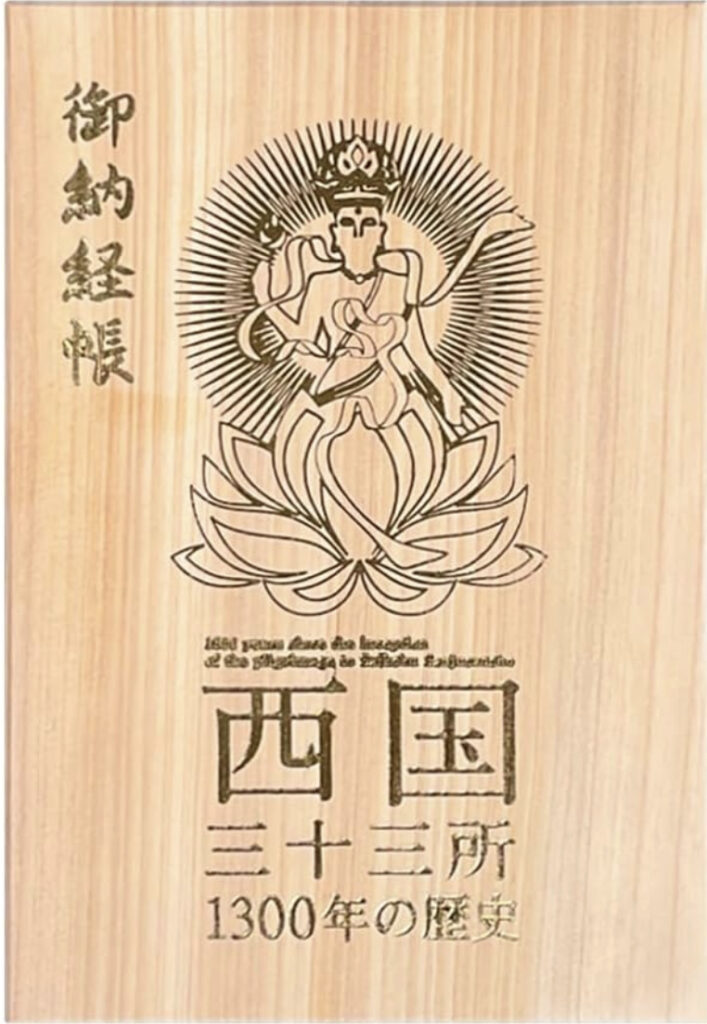
I usually collect the pre-written kakioki type of goshuin stamps, but for the Thirty-Three Temple Pilgrimage I wanted stamps written directly into a dedicated book, so I purchased one especially for the journey.
Goshuincho stamp books are also sold at the temples of the Saigoku Pilgrimage. However, the accordion-fold (jyabara) style can cause ink to bleed through to the other side. For that reason, I would recommend a bound style rather than accordion-fold — ideally one where each page is separated by an interleaving sheet of paper.
Nokyo-cho — Saigoku Thirty-Three Temples
Gold brocade binding (with vinyl cover) · Lightweight, quick-drying special washi paper that resists ink bleed-through
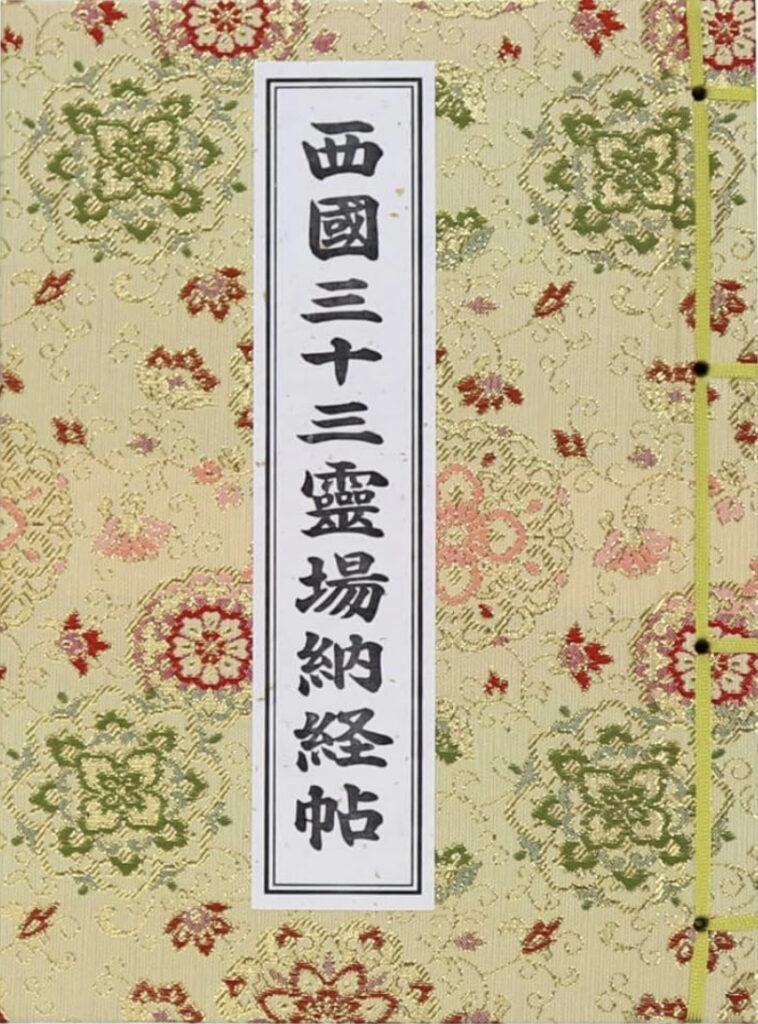
Nokyo-cho — Saigoku Thirty-Three Temples
Hinoki (Japanese cypress) solid wood binding · Handmade washi paper, accordion-fold double-layer style
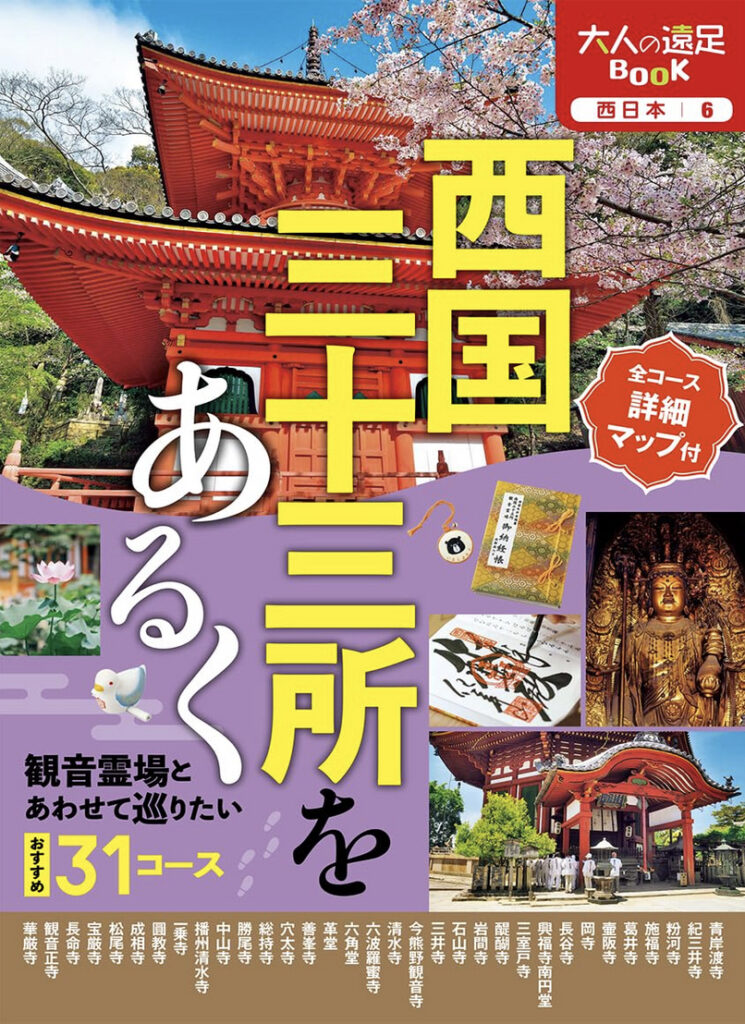
Walking the Saigoku Thirty-Three Temples
Otona no Ensoku BOOK
A guidebook for enjoying the pilgrimage and the pleasures of dedicated walking
Introduction & Overview
- What Is Esoteric Buddhism? Tendai and Shingon Explained in Simple Terms
- The Deep Connection Between the Saigoku Pilgrimage and Esoteric Buddhism | Why We Journey to Kannon Bodhisattva
Buddhas & Bodhisattvas
- What Are the 33 Forms of Kannon Bodhisattva? A Complete Guide to the Principal Images of the Saigoku Pilgrimage
- What Is the Difference Between Nyorai, Bosatsu, Myōō, and Ten? An Illustrated Guide to the Deities of Esoteric Buddhism
Practices & Culture
- The Meaning of the Heart Sutra Explained Simply | The World of the Sutras Chanted on Pilgrimage
- What Are Goshuin, Omiei, and Sange? The Esoteric Buddhist Culture You Encounter on the Saigoku Pilgrimage
Temples & History
Saigoku Pilgrimage of the Thirty-Three Temples — List of Sacred Sites
- No.12 Syohoji
- No.13 Ishiyamadera
- No.14 Miidera
- No.15 Imakumano-Knnonji
- No.16 Kiyomizudera
- No.17 Rokuharamitsuji
- No.18 Rokkakudo-Chohoji
- No.19 Kaudo-Gyoganji
- No.20 Yoshiminedera
- No.21 Anaoji
- No.22 Sojiji
- No.23 Katsuoji
- No.24 Nakayamadera
- No.25 Bansyu-Kiyomizudera
- No.26 Ichijyoji
- No.27 Engyoji
- No.28 Nariaiji
- No.29 Matsunoodera
- No.30 Chikubusima-Hogonji
- No.31 Chomeiji
- No.32 Kannonsyoji
- No.33 Kegonji