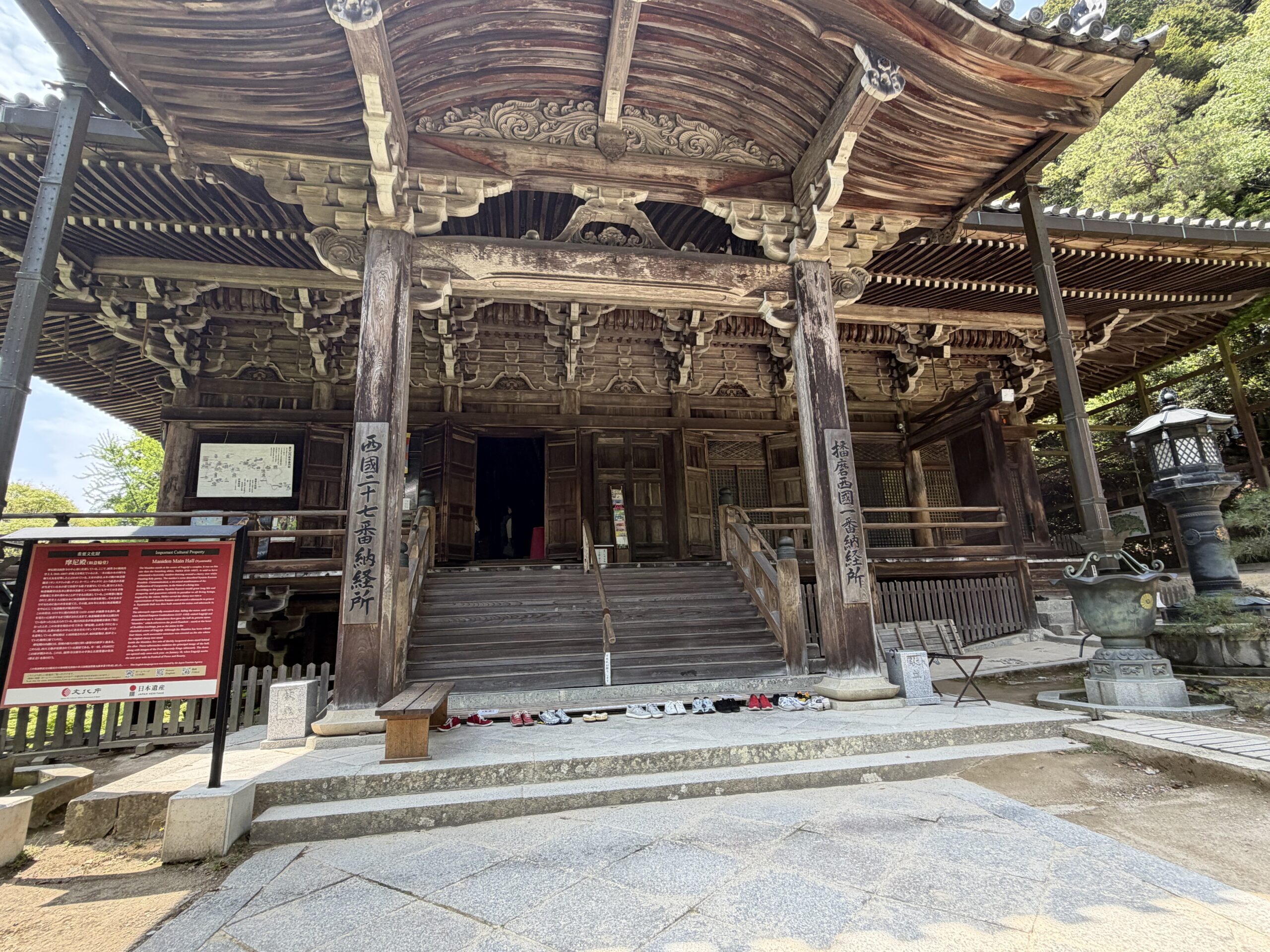
I began the Saigoku Pilgrimage of the Thirty-Three Temples in 2026. For the sacred sites I have already visited, I have written articles accompanied by my own photographs.
From here, I will have AI write support articles about the sites I have yet to visit — as a way of preparing for the journey ahead.
Nestled near the lush greenery of Nara Park in the heart of Nara City stands Nan-endo, a beautiful octagonal temple hall that serves as the ninth stop on the Saigoku Kannon Pilgrimage. Beloved by pilgrims and tourists alike, this sacred site sits within the grounds of Kofuku-ji, a UNESCO World Heritage temple where history, faith, and stunning architecture come together in perfect harmony. In this post, we’ll take a deep dive into the many charms of Nan-endo and Kofuku-ji Temple.
What Are Nan-endo and Kofuku-ji?
Nan-endo (the “Southern Round Hall”) is one of several halls located within the grounds of Kofuku-ji, the head temple of the Hosso school of Japanese Buddhism, with roots dating back to the Nara period (710–794). Kofuku-ji flourished as the family temple of the powerful Fujiwara clan and has remained one of Nara’s most representative temples throughout its long history. Today, it is registered as part of the UNESCO World Heritage Site known as the “Historic Monuments of Ancient Nara.”
Nan-endo is said to have been built in 813 by Fujiwara no Fuyutsugu, who erected it to honor the memory of his late father, Fujiwara no Uchimaro. As its name suggests, the hall is distinguished by its elegant octagonal shape. The current structure was rebuilt in 1789, during the Edo period.
The Principal Deity and Devotion
The principal image enshrined at Nan-endo is the Fukukenjaku Kannon Bosatsu (the Bodhisattva of Compassion who saves all beings without exception). This form of Kannon, the Buddhist deity of mercy, has attracted devout worship since ancient times. The statue is normally kept as a hibutsu (a “secret Buddha” hidden from public view) and is only revealed once a year, on October 17th, during the Daihannyakyo Tendoku-e ceremony, a ritual reading of Buddhist scriptures.
Highlights of Nan-endo
When visiting Nan-endo, there are several features that deserve your unhurried attention.
- The graceful octagonal architecture: The vivid vermilion octagonal hall represents a rare and precious architectural style seldom seen in Japan.
- The Shitenno (Four Heavenly Kings) and Fukukenjaku Kannon statues: The hall houses Buddhist statues designated as National Treasures, and their solemn, majestic presence is a must-see.
- A famous spot for wisteria: The wisteria trellis in front of Nan-endo bursts into magnificent bloom in spring, delighting visitors with its beauty.
Other Spots to Visit Within Kofuku-ji
Nan-endo is far from the only attraction here—the grounds of Kofuku-ji are dotted with unmissable landmarks. Since you’ve made the trip, be sure to explore them all.
- The Five-Story Pagoda: A National Treasure and symbol of Nara, this pagoda stands about 50 meters tall, and its imposing presence is truly breathtaking.
- The Tokondo (Eastern Golden Hall): A National Treasure hall enshrining Yakushi Nyorai, the Buddha of Healing.
- The National Treasure Museum: Home to the famous Ashura statue and other precious Buddhist images you can view up close.
- The Chukondo (Central Golden Hall): The central building of Kofuku-ji, reconstructed in 2018.
Goshuin and the Joys of Pilgrimage
One of the great pleasures of the Saigoku Pilgrimage is collecting goshuin—beautiful, hand-inscribed temple seals that serve as proof of your visit. At Nan-endo, you can receive the goshuin for the ninth pilgrimage site. The staff at the nokyosho (the office where seals are issued) provide attentive service, so be sure to collect one as a memento of your pilgrimage.
Nan-endo also has its own goeika, a devotional pilgrimage song or poem. Loosely translated, it reads: “The spring sun shines brightly upon Nan-endo, while thin clouds clear away over Mount Mikasa.” Reflecting on this verse as you worship will make your visit an even more memorable experience.
Access Information
Nan-endo and Kofuku-ji are located in the heart of Nara City, making them easily accessible. This convenient location makes them perfect to combine with sightseeing.
- Address: 48 Noborioji-cho, Nara City, Nara Prefecture
- By Train: About a 5-minute walk from Kintetsu Nara Station, or about a 15-minute walk from JR Nara Station
- Nearby: Nara Park, Todai-ji Temple, and Kasuga Taisha Shrine are all within walking distance
One delightful bonus is that you can enjoy a leisurely stroll while interacting with the famous deer of Nara Park along the way.
Conclusion
As the ninth site on the Saigoku Pilgrimage, Nan-endo sits within the grounds of the World Heritage temple Kofuku-ji—a remarkable place where history, faith, architecture, and nature come together in harmony. From the beauty of its octagonal hall and the National Treasure statues enshrined within, to the wisteria flowers of spring, there is always something new to discover with each visit.
Because it is located in an area where so many of Nara’s famous attractions are clustered, you can enjoy both sightseeing and pilgrimage in a single trip. If you find yourself on the Saigoku pilgrimage journey, take your time and visit Nan-endo and Kofuku-ji with a relaxed and open heart. You’re sure to spend a truly memorable moment there.
References
About Goshuin Stamp Books and Related Items
I usually collect the pre-written kakioki type of goshuin stamps, but for the Thirty-Three Temple Pilgrimage I wanted stamps written directly into a dedicated book, so I purchased one especially for the journey.
Goshuincho stamp books are also sold at the temples of the Saigoku Pilgrimage. However, the accordion-fold (jyabara) style can cause ink to bleed through to the other side. For that reason, I would recommend a bound style rather than accordion-fold — ideally one where each page is separated by an interleaving sheet of paper.
Nokyo-cho — Saigoku Thirty-Three Temples
Gold brocade binding (with vinyl cover) · Lightweight, quick-drying special washi paper that resists ink bleed-through
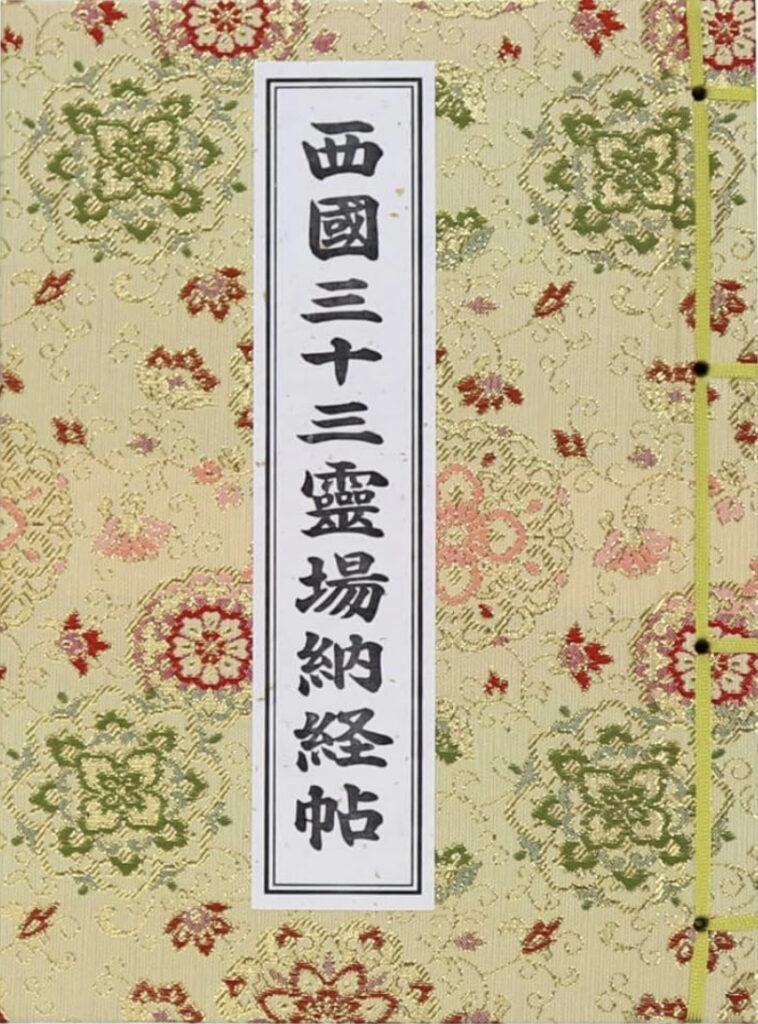
Nokyo-cho — Saigoku Thirty-Three Temples
Hinoki (Japanese cypress) solid wood binding · Handmade washi paper, accordion-fold double-layer style
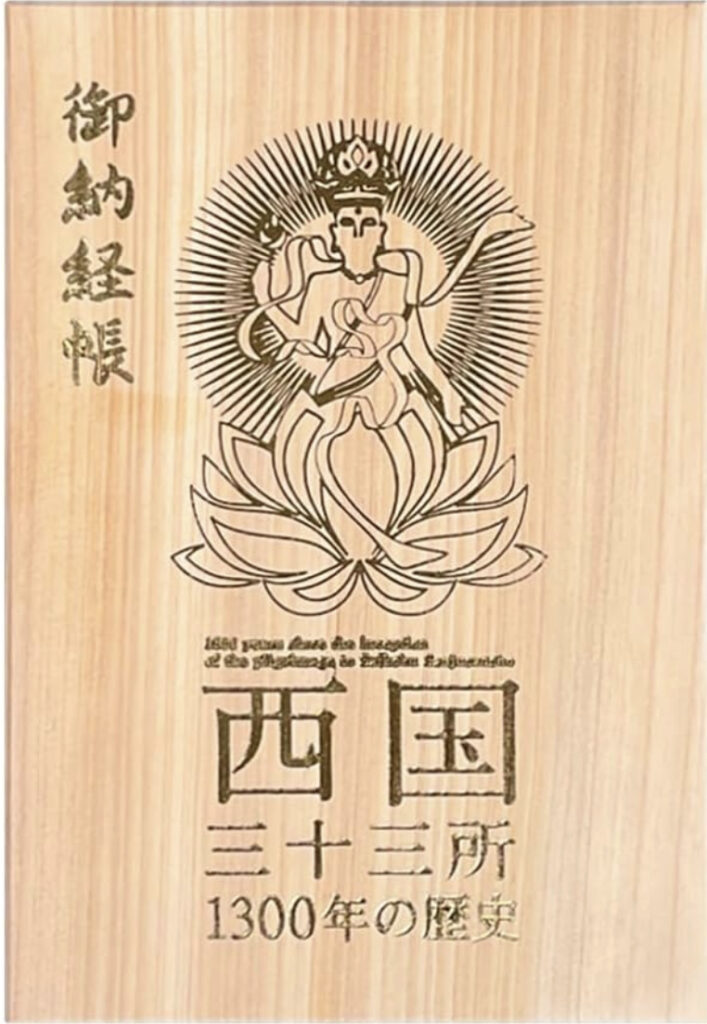
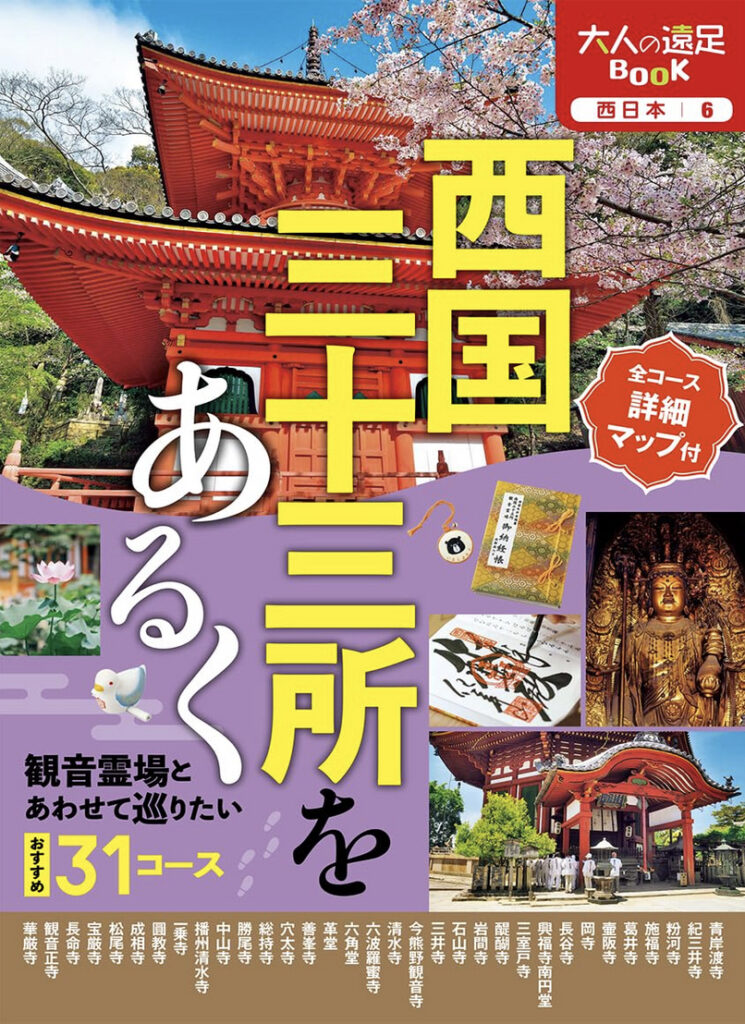
Walking the Saigoku Thirty-Three Temples
Otona no Ensoku BOOK
A guidebook for enjoying the pilgrimage and the pleasures of dedicated walking
Introduction & Overview
- What Is Esoteric Buddhism? Tendai and Shingon Explained in Simple Terms
- The Deep Connection Between the Saigoku Pilgrimage and Esoteric Buddhism | Why We Journey to Kannon Bodhisattva
Buddhas & Bodhisattvas
- What Are the 33 Forms of Kannon Bodhisattva? A Complete Guide to the Principal Images of the Saigoku Pilgrimage
- What Is the Difference Between Nyorai, Bosatsu, Myōō, and Ten? An Illustrated Guide to the Deities of Esoteric Buddhism
Practices & Culture
- The Meaning of the Heart Sutra Explained Simply | The World of the Sutras Chanted on Pilgrimage
- What Are Goshuin, Omiei, and Sange? The Esoteric Buddhist Culture You Encounter on the Saigoku Pilgrimage
Temples & History
Saigoku Pilgrimage of the Thirty-Three Temples — List of Sacred Sites
- No.12 Syohoji
- No.13 Ishiyamadera
- No.14 Miidera
- No.15 Imakumano-Knnonji
- No.16 Kiyomizudera
- No.17 Rokuharamitsuji
- No.18 Rokkakudo-Chohoji
- No.19 Kaudo-Gyoganji
- No.20 Yoshiminedera
- No.21 Anaoji
- No.22 Sojiji
- No.23 Katsuoji
- No.24 Nakayamadera
- No.25 Bansyu-Kiyomizudera
- No.26 Ichijyoji
- No.27 Engyoji
- No.28 Nariaiji
- No.29 Matsunoodera
- No.30 Chikubusima-Hogonji
- No.31 Chomeiji
- No.32 Kannonsyoji
- No.33 Kegonji