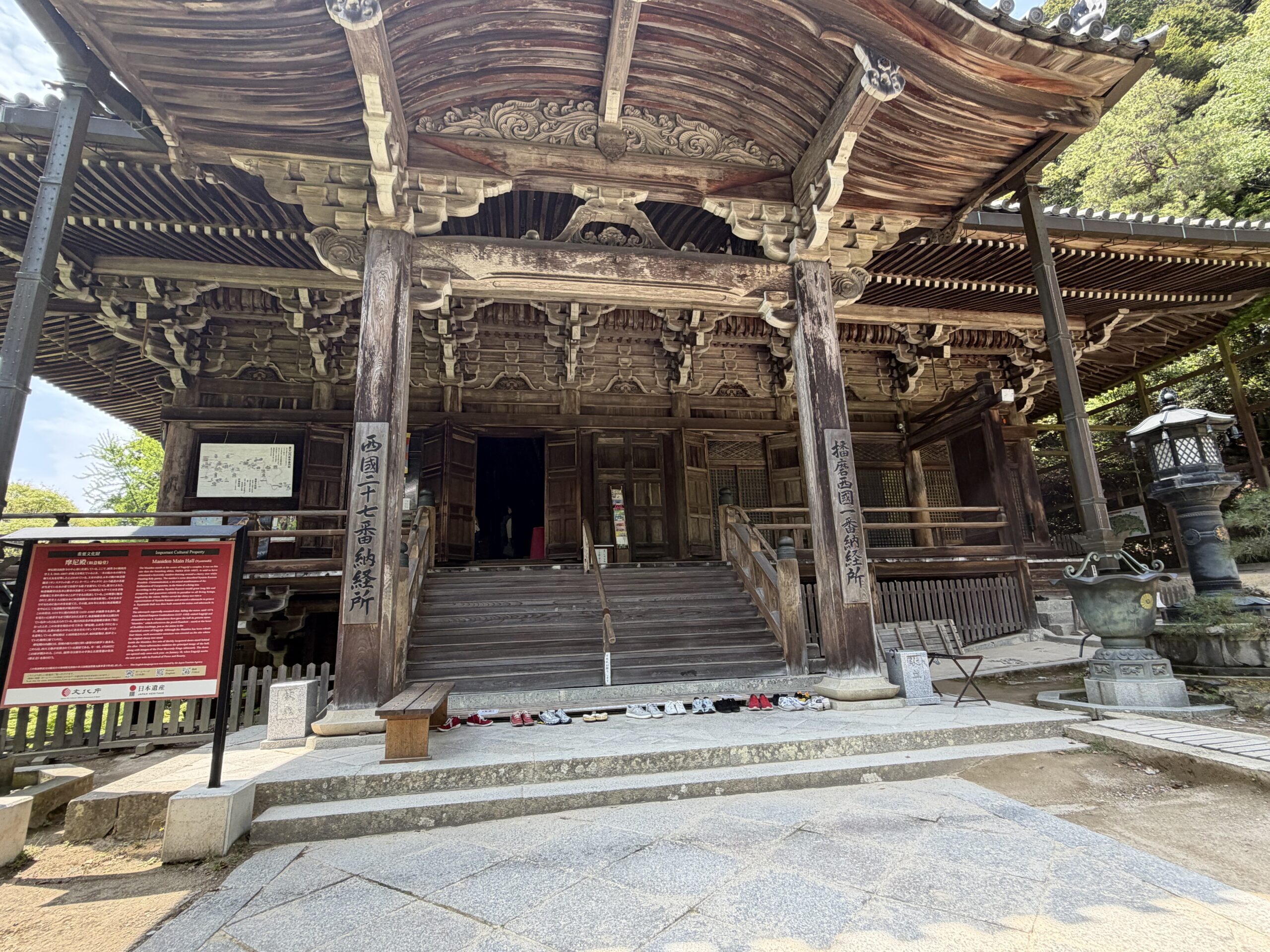
I began the Saigoku Pilgrimage of the Thirty-Three Temples in 2026. For the sacred sites I have already visited, I have written articles accompanied by my own photographs.
From here, I will have AI write support articles about the sites I have yet to visit — as a way of preparing for the journey ahead.
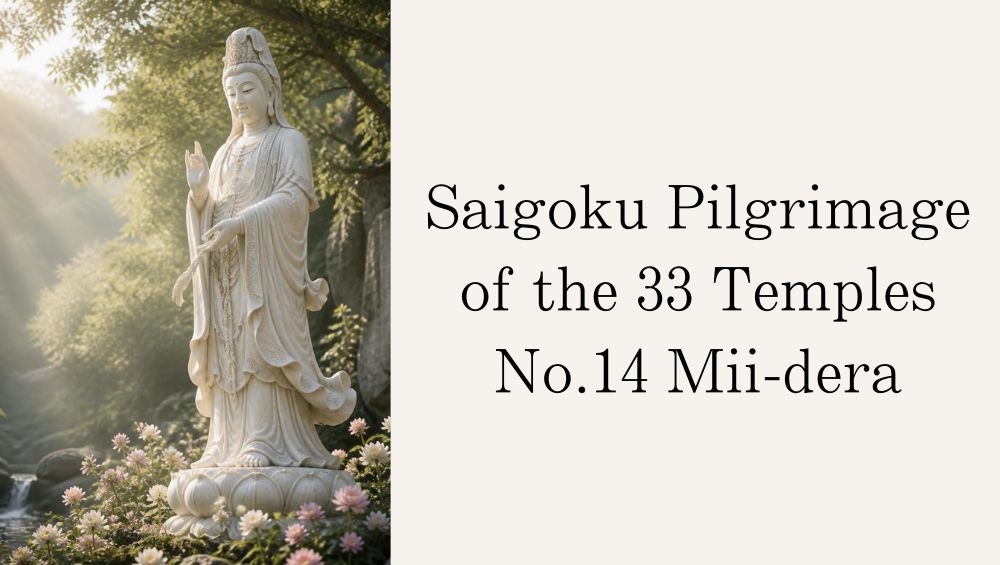
Nestled at the foot of Mount Nagara in Otsu City, Shiga Prefecture, overlooking the shimmering waters of Lake Biwa, stands one of Japan’s most storied temples: Mii-dera. Officially known as Onjo-ji, this ancient temple serves as the fourteenth sacred site on the famous Saigoku Thirty-Three Kannon Pilgrimage. With more than 1,300 years of history, national treasures around every corner, and breathtaking views of Japan’s largest lake, Mii-dera is a destination that captivates both devoted pilgrims and curious travelers alike.
What Is Mii-dera (Onjo-ji)?
Mii-dera is the head temple of the Tendai Jimon school of Buddhism, and its full formal name is Nagarasan Onjo-ji. According to tradition, it was founded in the 7th century, giving it a remarkable history spanning over thirteen centuries.
The popular name “Mii-dera” literally means “Temple of the Three Wells.” It comes from a sacred spring on the grounds whose waters were said to have been used for the first ritual baths of three different emperors—Emperor Tenji, Emperor Tenmu, and Empress Jito. This earned it the nickname “Mii no Tera” (the Temple of the Sacred Well).
Throughout its long history, Mii-dera suffered repeated destruction from wars and fires. Yet each time, it was rebuilt and rose again from the ashes. For this reason, it has come to be known as the “Phoenix Temple”—a powerful symbol of resilience and enduring faith.
Highlights of Mii-dera
The temple’s expansive grounds are dotted with national treasures and important cultural properties. Take your time strolling through the precincts to fully appreciate everything this remarkable site has to offer.
The Kondo (Main Hall) — A National Treasure
The Kondo, or main hall, is the central building of Mii-dera and is designated as a National Treasure. A masterpiece of Momoyama-period architecture (late 16th century), it is said to have been rebuilt by Kita-no-Mandokoro, the principal wife of the legendary warlord Toyotomi Hideyoshi. Its dignified, imposing presence is truly awe-inspiring. Inside, the hall enshrines a statue of Miroku Bosatsu (Maitreya, the Buddha of the future).
The Evening Bell of Mii
Known as one of the “Eight Views of Omi” (a classic series of celebrated scenic spots around Lake Biwa), the Evening Bell of Mii is famed for its beautiful tone and is counted among the “Three Great Bells of Japan.” Its solemn, resonant sound has a way of quietly calming the hearts of all who hear it—a moment of serenity in an age-old setting.
The Kannon-do (The Pilgrimage Hall)
The Kannon-do is the actual designated site of the fourteenth stop on the Saigoku Pilgrimage. It enshrines Nyoirin Kannon (a form of the Bodhisattva of Compassion). Perched on elevated ground, the hall offers spectacular panoramic views of Lake Biwa and the city of Otsu spread out below. Be sure to pause here during your visit and savor the magnificent scenery—it’s the perfect place to rest and reflect.
The Akaiya (Sacred Spring House)
Located beside the Kondo, the Akaiya is the very spot where the sacred spring that gave Mii-dera its name still flows. Clear, pure water bubbles up here to this day. Don’t miss the exquisite carving of a dragon adorning the structure, said to be the work of the famous master sculptor Hidari Jingoro.
Goshuin and the Pilgrim’s Song
One of the great joys of the Saigoku Pilgrimage is collecting goshuin—beautiful temple seals written and stamped by hand as proof of your visit. At Mii-dera, you can receive your goshuin at the Kannon-do.
Each pilgrimage temple also has its own goeika, a traditional devotional poem or chant. Mii-dera’s goeika reads:
- “As the moon rises and sets between the waves, the ringing of Mii-dera’s bell heralds the dawn over the lake.”
This evocative verse captures the moon reflected on the surface of Lake Biwa and the gentle sound of the Evening Bell of Mii—an image full of quiet, poetic beauty.
Visitor Tips and Nearby Attractions
Here is some practical information to help you make the most of your visit to Mii-dera:
- Conveniently located about a 10-minute walk from Mii-dera Station on the Keihan Railway.
- Also accessible by bus or on foot from JR Otsu Station and Otsukyo Station.
- Famous as a cherry blossom spot in spring, with special evening illuminations during the season.
- The grounds are extensive, so comfortable walking shoes are highly recommended.
- Pair your visit with the Lake Biwa Canal and other sights around Otsu City for a full day of exploration.
The spring cherry blossom season is especially magical. With an estimated 1,000 cherry trees in bloom across the precincts, the temple draws crowds of flower-viewing visitors. The sight of historic temple halls framed by clouds of pink blossoms is well worth the trip.
Conclusion
As the fourteenth stop on the Saigoku Thirty-Three Kannon Pilgrimage, Mii-dera (Onjo-ji) offers an extraordinary blend of attractions: over 1,300 years of history, a wealth of cultural treasures including the magnificent Kondo, and stunning views over Lake Biwa. Reflecting on the temple’s powerful legacy as the “Phoenix Temple” while quietly pressing your palms together in prayer at the Kannon-do is sure to be an experience you will never forget.
Whether you come as a pilgrim or simply to enjoy the seasonal beauty and rich history, Mii-dera is a destination that rewards every visitor. Why not make your way to this venerable temple by the shores of Lake Biwa and discover its timeless charm for yourself?
References
About Goshuin Stamp Books and Related Items
I usually collect the pre-written kakioki type of goshuin stamps, but for the Thirty-Three Temple Pilgrimage I wanted stamps written directly into a dedicated book, so I purchased one especially for the journey.
Goshuincho stamp books are also sold at the temples of the Saigoku Pilgrimage. However, the accordion-fold (jyabara) style can cause ink to bleed through to the other side. For that reason, I would recommend a bound style rather than accordion-fold — ideally one where each page is separated by an interleaving sheet of paper.
Nokyo-cho — Saigoku Thirty-Three Temples
Gold brocade binding (with vinyl cover) · Lightweight, quick-drying special washi paper that resists ink bleed-through
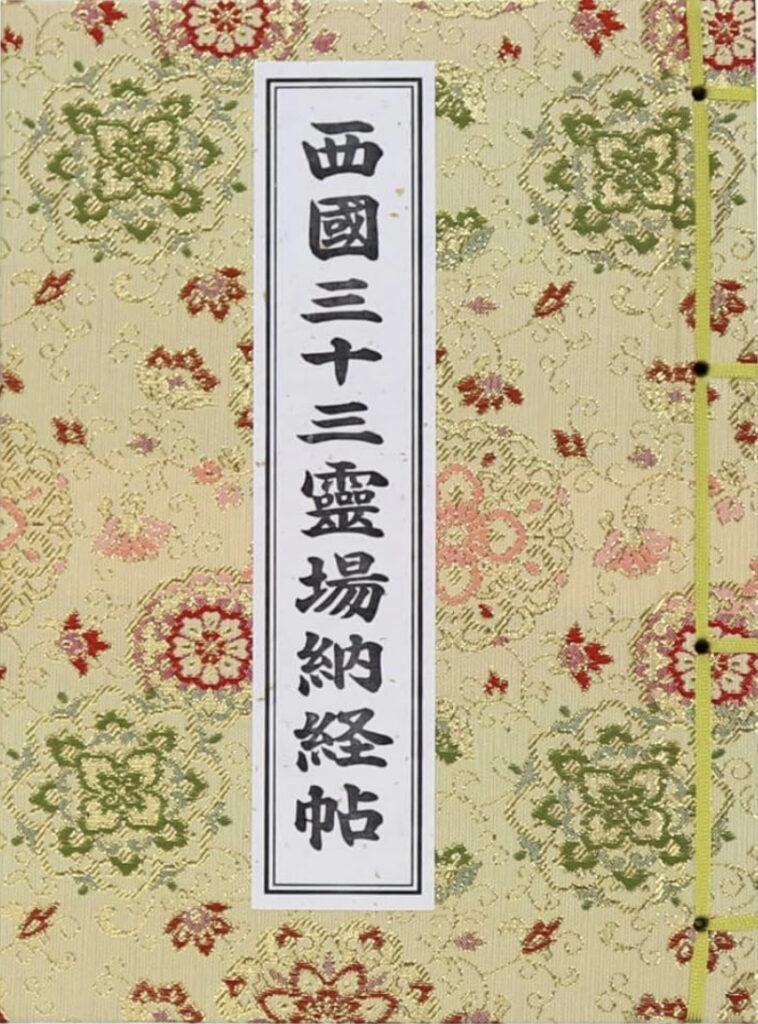
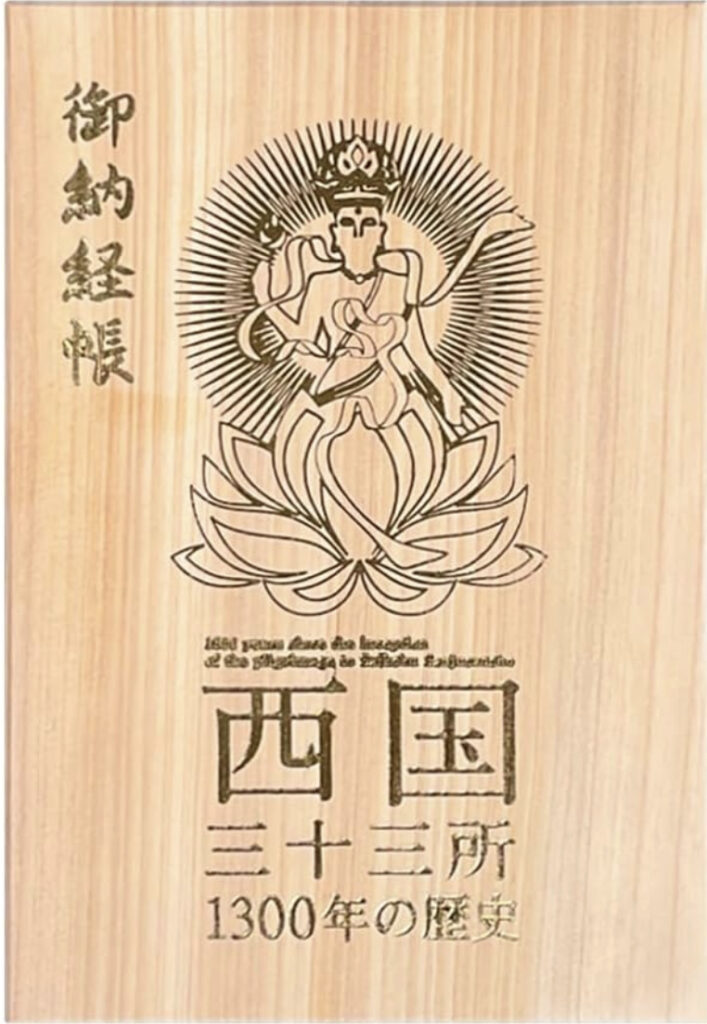
Nokyo-cho — Saigoku Thirty-Three Temples
Hinoki (Japanese cypress) solid wood binding · Handmade washi paper, accordion-fold double-layer style
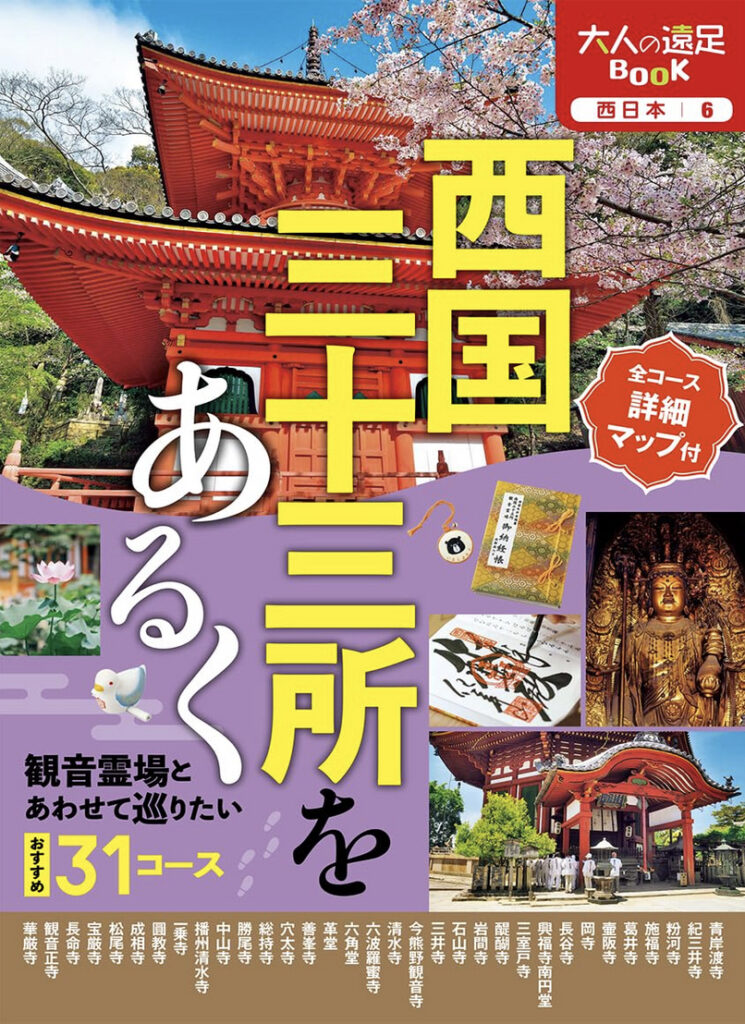
Walking the Saigoku Thirty-Three Temples
Otona no Ensoku BOOK
A guidebook for enjoying the pilgrimage and the pleasures of dedicated walking
Introduction & Overview
- What Is Esoteric Buddhism? Tendai and Shingon Explained in Simple Terms
- The Deep Connection Between the Saigoku Pilgrimage and Esoteric Buddhism | Why We Journey to Kannon Bodhisattva
Buddhas & Bodhisattvas
- What Are the 33 Forms of Kannon Bodhisattva? A Complete Guide to the Principal Images of the Saigoku Pilgrimage
- What Is the Difference Between Nyorai, Bosatsu, Myōō, and Ten? An Illustrated Guide to the Deities of Esoteric Buddhism
Practices & Culture
- The Meaning of the Heart Sutra Explained Simply | The World of the Sutras Chanted on Pilgrimage
- What Are Goshuin, Omiei, and Sange? The Esoteric Buddhist Culture You Encounter on the Saigoku Pilgrimage
Temples & History
Saigoku Pilgrimage of the Thirty-Three Temples — List of Sacred Sites
- No.12 Syohoji
- No.13 Ishiyamadera
- No.14 Miidera
- No.15 Imakumano-Knnonji
- No.16 Kiyomizudera
- No.17 Rokuharamitsuji
- No.18 Rokkakudo-Chohoji
- No.19 Kaudo-Gyoganji
- No.20 Yoshiminedera
- No.21 Anaoji
- No.22 Sojiji
- No.23 Katsuoji
- No.24 Nakayamadera
- No.25 Bansyu-Kiyomizudera
- No.26 Ichijyoji
- No.27 Engyoji
- No.28 Nariaiji
- No.29 Matsunoodera
- No.30 Chikubusima-Hogonji
- No.31 Chomeiji
- No.32 Kannonsyoji
- No.33 Kegonji