If you have ever set out on the Saikoku Pilgrimage (Saikoku Sanjūsankasho), the oldest established pilgrimage route in Japan, you will quickly discover that the journey offers far more than scenic temple visits. Three cultural treasures—goshuin, miei, and sange—are gifts shaped by Japan’s esoteric Buddhist (Mikkyō) traditions, and each one deepens the experience of moving from temple to temple. Understanding what they mean before you go can transform a simple sightseeing trip into something genuinely moving. Let’s walk through each one in turn.
What Is a Goshuin? The Seal of Worship Explained
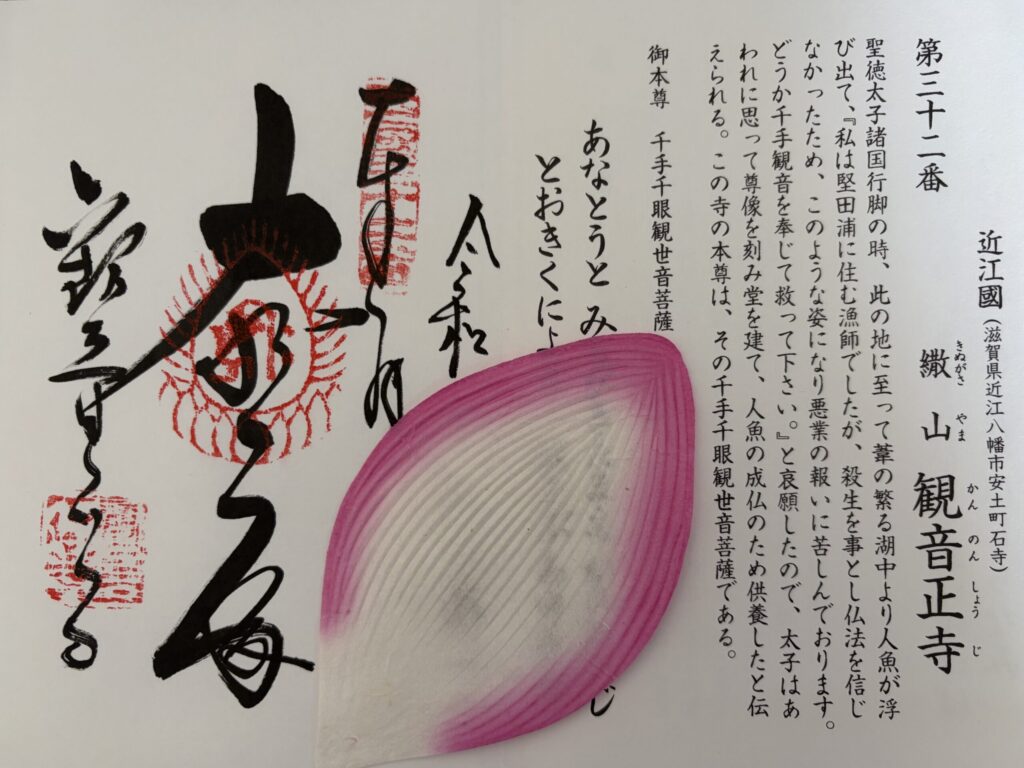
A goshuin (御朱印) is the combination of brushed calligraphy and a vermilion seal that you receive as proof of having worshipped at a temple or shrine. The practice has surprisingly devotional roots: it is believed to have originally been a receipt for offering copied sutras, which is why it is also called nōkyō-in (納経印), literally a “sutra-offering seal.” On routes like the Saikoku Sanjūsankasho, pilgrims collect a goshuin at each of the temple stations, building up a single book that records every step of their journey.
When you hand over your goshuin book at the nōkyōsho (the office where these are issued), a monk or temple attendant writes the temple’s name and the name of its principal deity in bold, flowing brushstrokes, then layers vermilion seals over the writing. In an age dominated by screens and digital everything, standing there watching the brush move and catching the scent of fresh ink is a quietly remarkable thing to witness.
Etiquette for Receiving a Goshuin
- Complete your prayers at the main hall (hondō) before heading to the nōkyōsho.
- Remember that a goshuin is a token of faith, not a stamp-rally collectible.
- Wait quietly while the calligraphy is being written.
- Offer the fee (hatsuho-ryō) politely.
That last point is worth emphasizing. Pilgrims often describe the goshuin as the heartbeat of the journey, and approaching the office with the same respect you would show at the altar keeps the spirit of the practice intact.
What Is a Miei? Carrying Home the Image of the Buddha
A miei (御影, read miei or omie) is a small card bearing an image of a temple’s principal deity. Across the Saikoku Sanjūsankasho, many temple stations present a miei to visitors at the same time they issue the goshuin. The image of the honzon (principal object of worship) is rendered on a slip of paper small enough to rest in your palm, and for many pilgrims it carries the feeling of taking the Buddha home with them—an unusually intimate kind of keepsake.
Miei come in two forms: plain black-and-white versions and colored ones known as color miei. If you place the cards you gather into a dedicated miei-chō (御影帳, or miei album), by the time you complete the pilgrimage you will have all thirty-three principal deities assembled in a single volume. The finished book takes on the atmosphere of a mandala in its own right. Keeping a separate miei-chō alongside your goshuin book makes everything far easier to organize when you look back later.
What Is Sange? The Meaning of the Scattered Flower Petals
The word sange (散華) refers to the scattering of flowers as an offering to the Buddha. During ceremonies such as memorial services, paper shaped like lotus petals is scattered, and that very petal-shaped slip of paper is itself also called sange. The gesture has been carried forward into the present day as part of formal ritual.
At its core, sange is performed to praise Shakyamuni Buddha and the various Buddhas, and to purify the space. The sight of multicolored lotus petals drifting down is said to express the splendor of the Pure Land. Sange is sometimes distributed at special events such as the unveiling ceremonies (kaichō hōyō) held for commemorative projects, and quite a few pilgrims treasure these petals as souvenirs of their journey.
How to Enjoy Your Sange
- Use it as a bookmark tucked into a book.
- Paste it onto backing paper as a record of your pilgrimage.
- Frame it for display.
Because paper sange are thin and delicate, slipping them into a clear file folder is the safest way to carry them home without creasing.
How the Saikoku Pilgrimage Connects to Esoteric Buddhist Culture
The Saikoku Sanjūsankasho is a circuit of thirty-three temple stations, each enshrining Kannon Bosatsu (the Bodhisattva of Compassion) as its principal deity. It is regarded as Japan’s oldest pilgrimage route. The customs of goshuin, miei, and sange all grew up within this long history, giving visible, tangible form to acts of faith.
The sequence of offering sutras, receiving sacred items, and making offerings reflects a distinctly esoteric (Mikkyō) way of thinking: the idea of forging a karmic bond, or en, with the Buddhas. Seen this way, gathering these treasures station by station is not mere collecting. It is the steady, deliberate work of deepening your connection to the Buddhas, one temple at a time.
Frequently Asked Questions
- Q: What is the difference between a goshuin and a miei?
- A: A goshuin is the brushed calligraphy and vermilion seal you receive as proof of worship, while a miei is a small card depicting the principal deity of that temple station. In short, the goshuin is a record, and the miei is the image of the Buddha you receive.
- Q: Can anyone receive sange?
- A: Sange is most often distributed during memorial services or commemorative events, so it is not always available. It’s best to check with each temple station in advance.
- Q: Do I need a miei-chō (miei album)?
- A: It isn’t essential, but because it lets you organize and preserve the miei you receive, it’s a convenient thing to prepare if you plan to continue the pilgrimage.
- Q: Should I get my goshuin before or after worshipping at the main hall?
- A: The basic flow is to complete your prayers at the main hall first, then receive your goshuin at the nōkyōsho. Always remember that a goshuin is a token of faith.
Conclusion
Goshuin, miei, and sange together form a rich layer of esoteric Buddhist culture that you encounter along the Saikoku Pilgrimage. The goshuin marks your worship, the miei lets you receive the image of the principal deity, and the sange is the flower petal offered to the Buddha. Once you understand what each one means, every temple visit takes on greater depth. As you build up memories in a single goshuin book or miei album, why not take your time cultivating a quiet, lasting bond with the Buddhas?
References
About Goshuin Stamp Books and Related Items
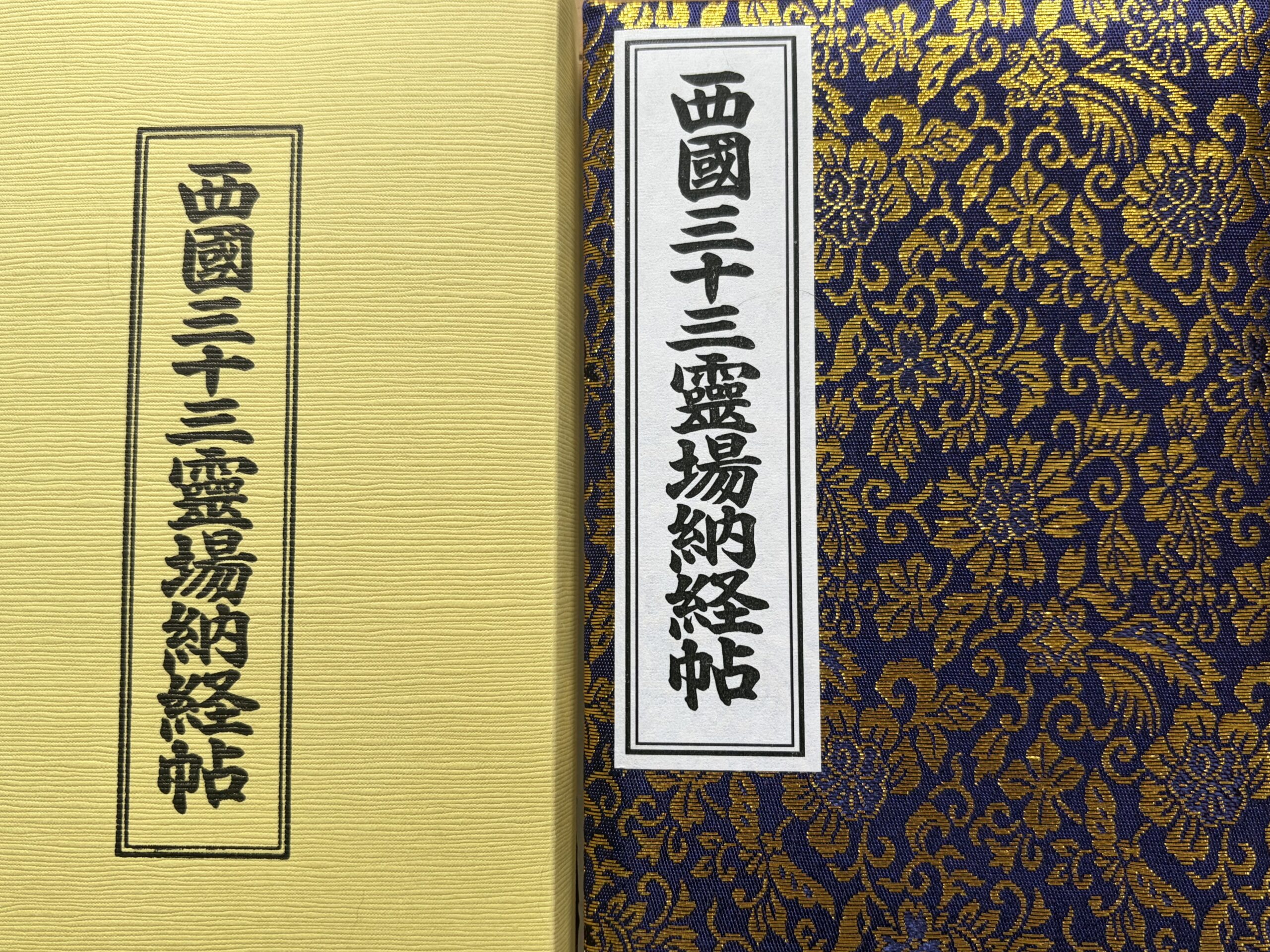
I usually collect the pre-written kakioki type of goshuin stamps, but for the Thirty-Three Temple Pilgrimage I wanted stamps written directly into a dedicated book, so I purchased one especially for the journey.
Goshuincho stamp books are also sold at the temples of the Saigoku Pilgrimage. However, the accordion-fold (jyabara) style can cause ink to bleed through to the other side. For that reason, I would recommend a bound style rather than accordion-fold — ideally one where each page is separated by an interleaving sheet of paper.
Nokyo-cho — Saigoku Thirty-Three Temples
Gold brocade binding (with vinyl cover) · Lightweight, quick-drying special washi paper that resists ink bleed-through
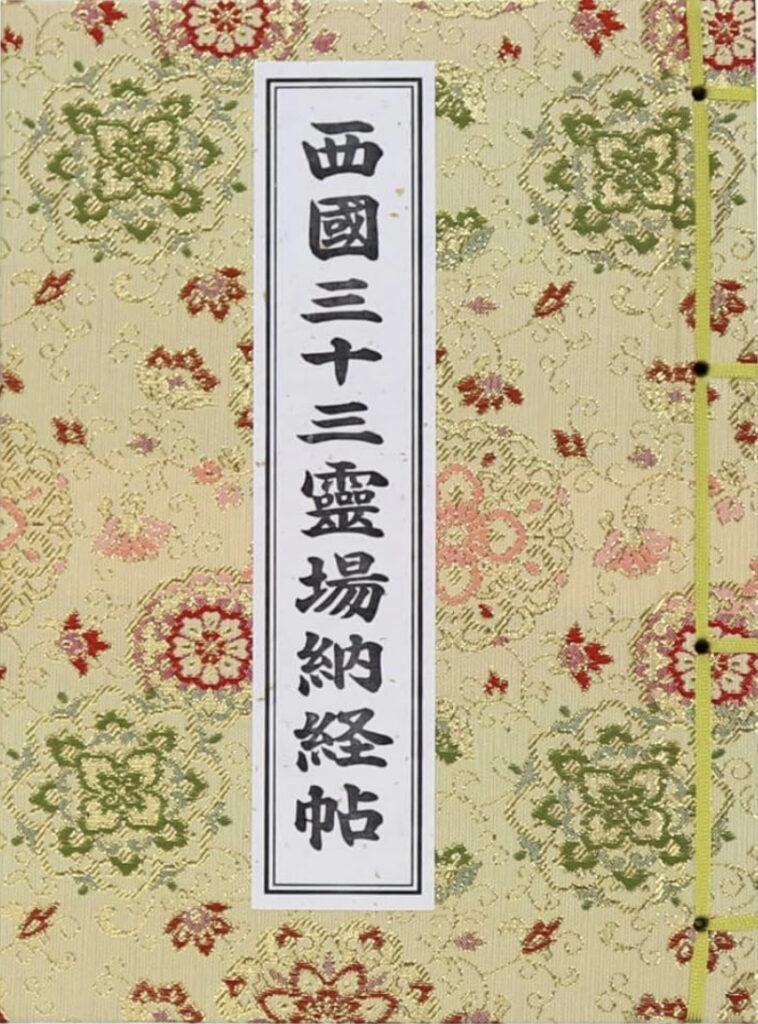
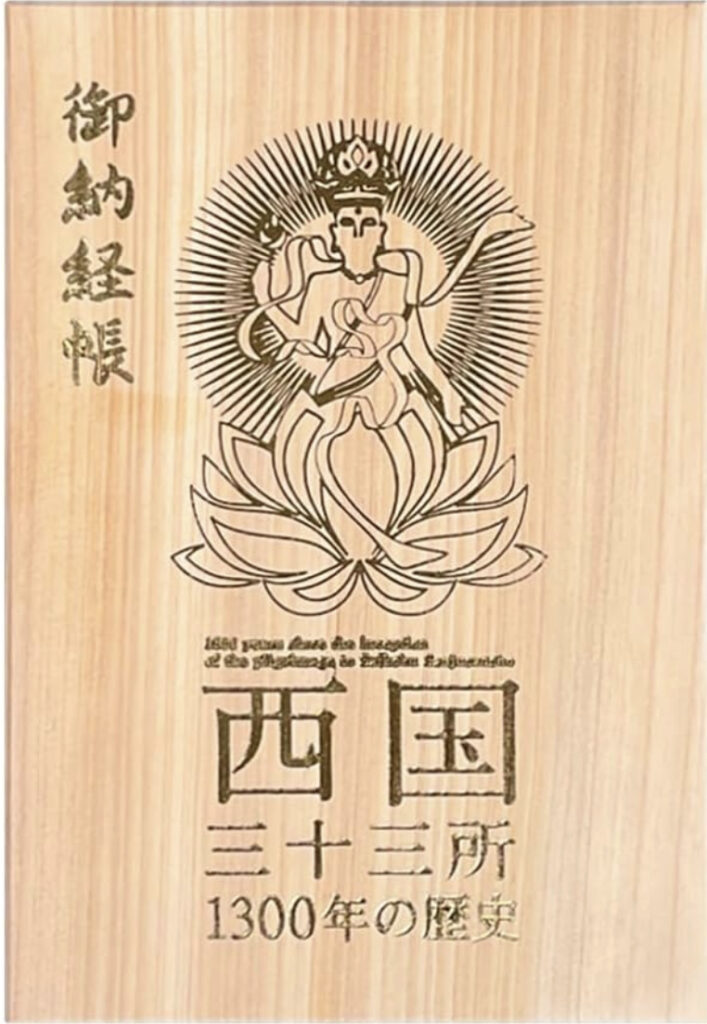
Nokyo-cho — Saigoku Thirty-Three Temples
Hinoki (Japanese cypress) solid wood binding · Handmade washi paper, accordion-fold double-layer style
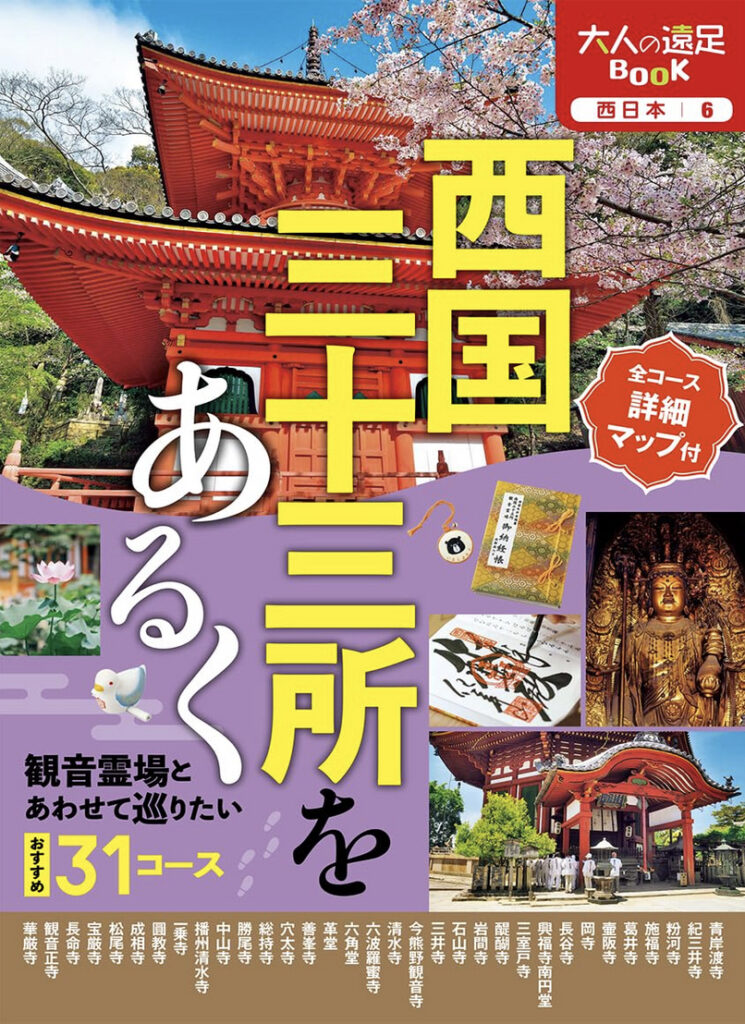
Walking the Saigoku Thirty-Three Temples
Otona no Ensoku BOOK
A guidebook for enjoying the pilgrimage and the pleasures of dedicated walking
Introduction & Overview
- What Is Esoteric Buddhism? Tendai and Shingon Explained in Simple Terms
- The Deep Connection Between the Saigoku Pilgrimage and Esoteric Buddhism | Why We Journey to Kannon Bodhisattva
Buddhas & Bodhisattvas
- What Are the 33 Forms of Kannon Bodhisattva? A Complete Guide to the Principal Images of the Saigoku Pilgrimage
- What Is the Difference Between Nyorai, Bosatsu, Myōō, and Ten? An Illustrated Guide to the Deities of Esoteric Buddhism
Practices & Culture
- The Meaning of the Heart Sutra Explained Simply | The World of the Sutras Chanted on Pilgrimage
- What Are Goshuin, Omiei, and Sange? The Esoteric Buddhist Culture You Encounter on the Saigoku Pilgrimage
Temples & History
Saigoku Pilgrimage of the Thirty-Three Temples — List of Sacred Sites
- No.12 Syohoji
- No.13 Ishiyamadera
- No.14 Miidera
- No.15 Imakumano-Knnonji
- No.16 Kiyomizudera
- No.17 Rokuharamitsuji
- No.18 Rokkakudo-Chohoji
- No.19 Kaudo-Gyoganji
- No.20 Yoshiminedera
- No.21 Anaoji
- No.22 Sojiji
- No.23 Katsuoji
- No.24 Nakayamadera
- No.25 Bansyu-Kiyomizudera
- No.26 Ichijyoji
- No.27 Engyoji
- No.28 Nariaiji
- No.29 Matsunoodera
- No.30 Chikubusima-Hogonji
- No.31 Chomeiji
- No.32 Kannonsyoji
- No.33 Kegonji