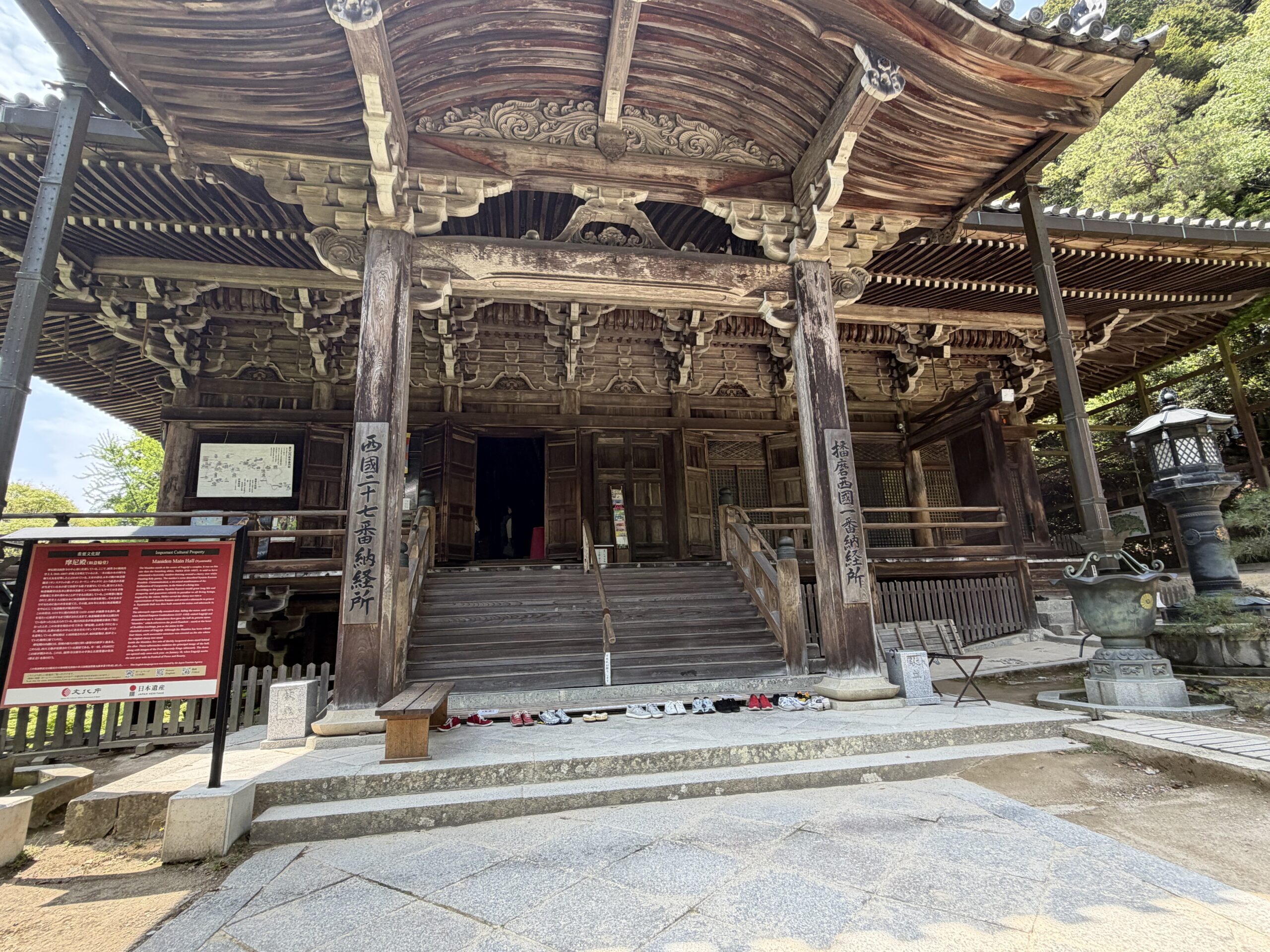
I began the Saigoku Pilgrimage of the Thirty-Three Temples in 2026. For the sacred sites I have already visited, I have written articles accompanied by my own photographs.
From here, I will have AI write support articles about the sites I have yet to visit — as a way of preparing for the journey ahead.
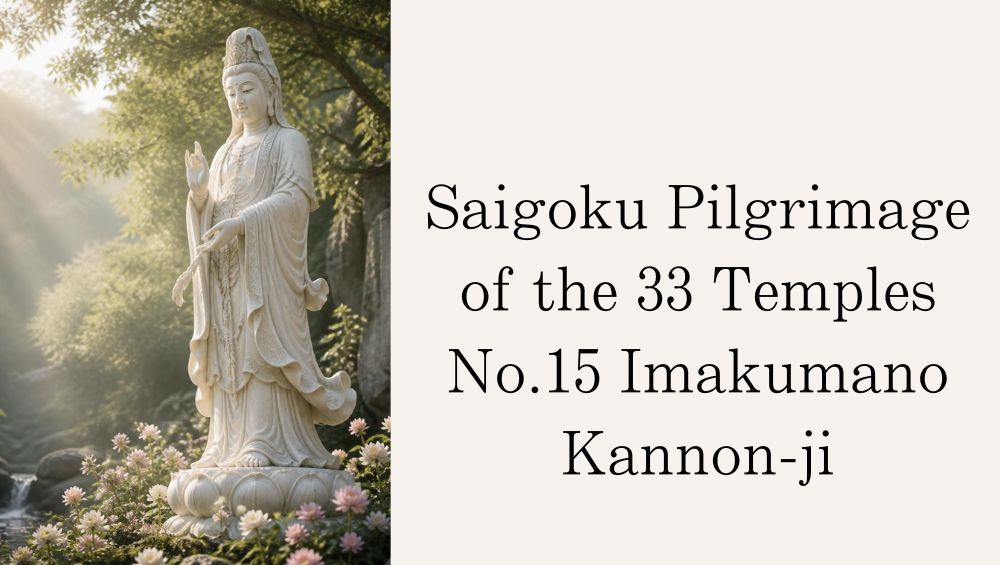
Nestled in the wooded hills of Higashiyama in eastern Kyoto, Imakumano Kannon-ji is the 15th sacred site on the Saigoku Pilgrimage. Known above all as a temple of healing — particularly for ailments of the head, including headaches, dizziness, and dementia — it has drawn pilgrims and devotees for over a thousand years. Quiet and serene, it offers a contemplative contrast to the crowds of nearby Kiyomizudera.
What Kind of Temple Is Imakumano Kannon-ji?
Imakumano Kannon-ji belongs to the Shingon sect and sits within the precincts of Sennyuji Temple in Higashiyama-ku, Kyoto. Its formal name is Higashiyama Imakumano Kannon-ji (東山今熊野観音寺), and its principal image is the Juichimen Kanzeon Bosatsu — the Eleven-Faced Kannon.
The temple is said to have been founded by the monk Kobo Daishi (Kukai) during the reign of Emperor Saga in the early Heian period. According to tradition, a golden light appeared on this hillside, and Kobo Daishi carved the Kannon image himself in response to a divine vision. The founding legend speaks of healing from the very beginning.
The Temple of Headache Cures
Imakumano Kannon-ji is especially revered for its power to heal ailments of the head — headaches, strokes, dizziness, and in more recent times, dementia. This tradition traces back to Emperor Go-Toba (1180–1239), who suffered from persistent headaches and prayed fervently to the Kannon here. His condition is said to have improved miraculously, and from that time the temple became known as a place of healing for the head and mind.
Today, a stone statue of Koyanagi Jizo — a child-like Jizo figure holding a sacred staff — stands near the entrance, specifically enshrined for the prevention and healing of dementia. Many families visit to pray for elderly loved ones.
Highlights of the Temple Grounds
The Main Hall and Principal Image
The main hall enshrines the Eleven-Faced Kannon, said to have been carved by Kobo Daishi himself. The hall is intimate in scale, creating a sense of close, personal encounter with the deity. Many pilgrims come to offer quiet, sincere prayers here.
The Tahoto Pagoda
A graceful two-storied tahoto pagoda stands on the hillside above the main hall, visible through the trees. Dating from the medieval period, it adds a sense of quiet antiquity to the grounds and offers a beautiful subject for photography, especially in autumn.
The Autumn Foliage
The temple is surrounded by maple trees, and autumn transforms the grounds into a blaze of red and gold. As a less-visited alternative to the famous autumn spots nearby, Imakumano Kannon-ji offers an atmosphere of calm beauty that many visitors find deeply moving.
Connection to Sennyuji
The temple sits within the larger precinct of Sennyuji, the imperial mausoleum temple where many emperors of the late Heian through modern eras are enshrined. Walking through this area evokes a profound sense of Kyoto’s imperial history.
Practical Information and Access
- Address: 15-795 Imakumano Komatsucho, Higashiyama-ku, Kyoto
- Sect: Shingon (Omuro branch)
- Principal Image: Juichimen Kanzeon Bosatsu (Eleven-Faced Kannon)
- Access: Approx. 10 min walk from Tofukuji Station (JR/Keihan) / City bus stop “Imakumano” (今熊野)
- Stamp office hours: Generally 8:00 AM – 5:00 PM
The approach to the temple is a peaceful wooded path, and the grounds are compact enough to explore comfortably in 30–45 minutes. It pairs naturally with a visit to nearby Sennyuji or Tofukuji.
Summary
Imakumano Kannon-ji is a place of quiet grace in the heart of Kyoto’s temple district. Its centuries-old connection to healing — especially for the head and mind — gives it a deeply human warmth. Whether you come as a pilgrim on the Saigoku route, or simply to find a peaceful corner of Kyoto away from the crowds, the Kannon of Imakumano welcomes all with open hands.
References
About Goshuin Stamp Books and Related Items
I usually collect the pre-written kakioki type of goshuin stamps, but for the Thirty-Three Temple Pilgrimage I wanted stamps written directly into a dedicated book, so I purchased one especially for the journey.
Goshuincho stamp books are also sold at the temples of the Saigoku Pilgrimage. However, the accordion-fold (jyabara) style can cause ink to bleed through to the other side. For that reason, I would recommend a bound style rather than accordion-fold — ideally one where each page is separated by an interleaving sheet of paper.
Nokyo-cho — Saigoku Thirty-Three Temples
Gold brocade binding (with vinyl cover) · Lightweight, quick-drying special washi paper that resists ink bleed-through
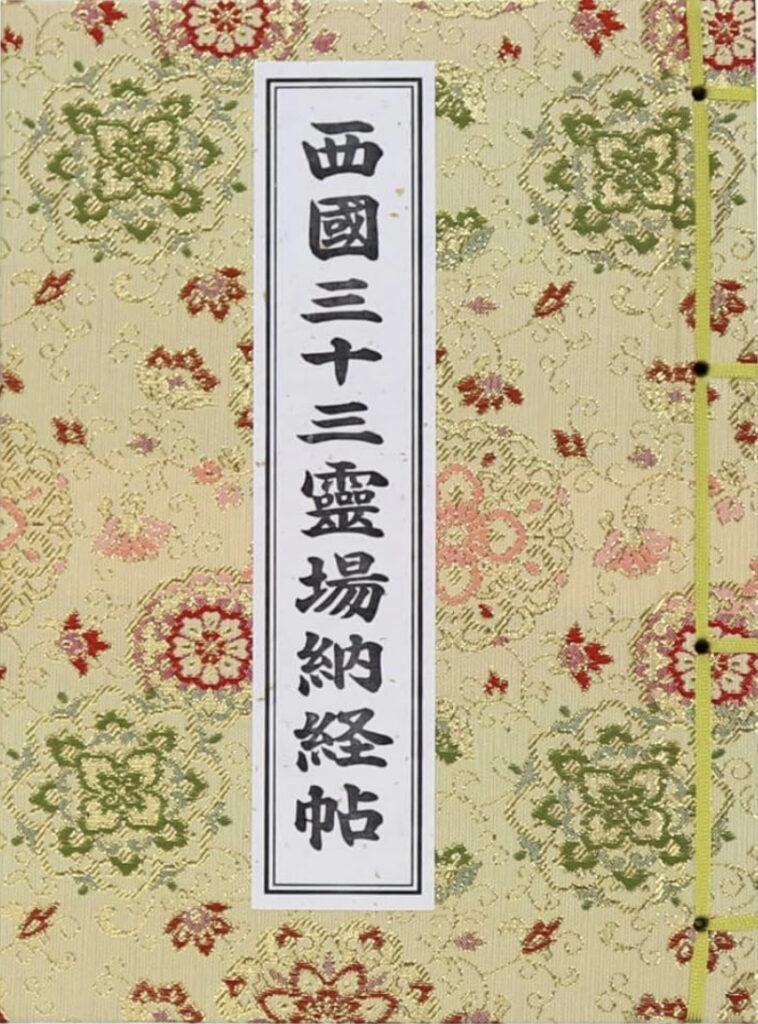
Nokyo-cho — Saigoku Thirty-Three Temples
Hinoki (Japanese cypress) solid wood binding · Handmade washi paper, accordion-fold double-layer style
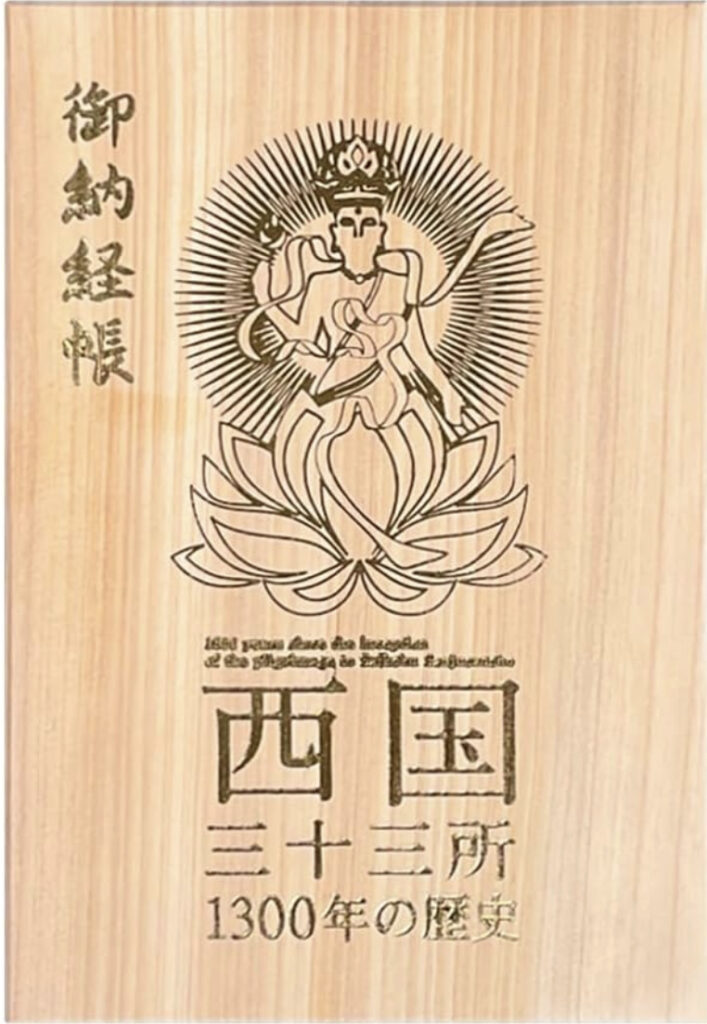
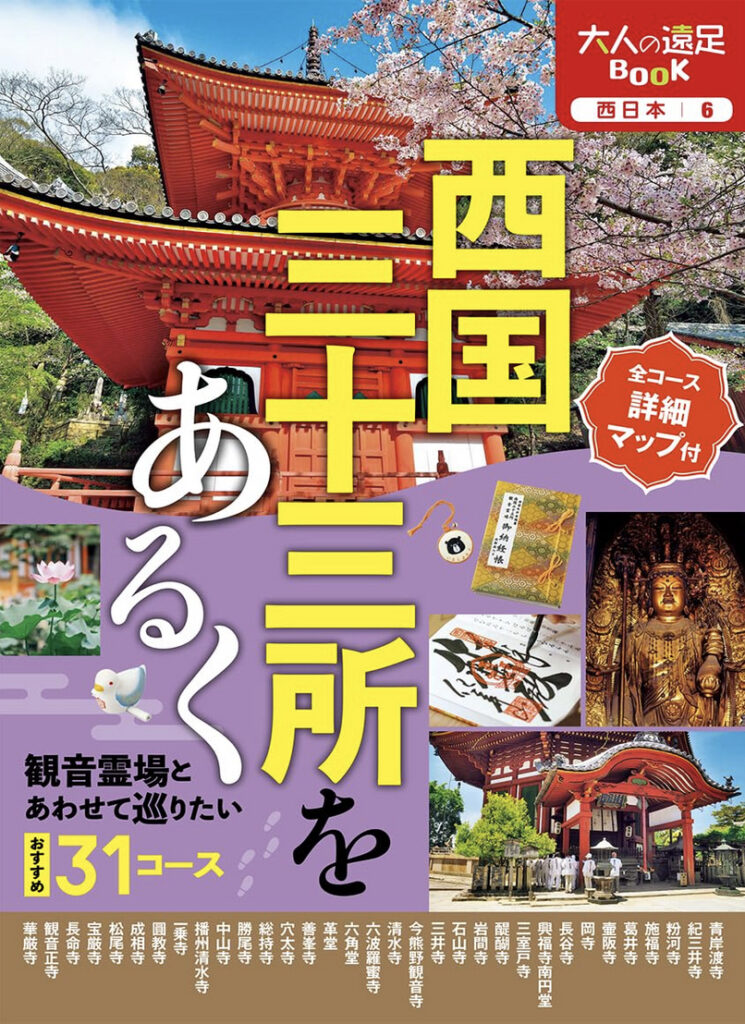
Walking the Saigoku Thirty-Three Temples
Otona no Ensoku BOOK
A guidebook for enjoying the pilgrimage and the pleasures of dedicated walking
Introduction & Overview
- What Is Esoteric Buddhism? Tendai and Shingon Explained in Simple Terms
- The Deep Connection Between the Saigoku Pilgrimage and Esoteric Buddhism | Why We Journey to Kannon Bodhisattva
Buddhas & Bodhisattvas
- What Are the 33 Forms of Kannon Bodhisattva? A Complete Guide to the Principal Images of the Saigoku Pilgrimage
- What Is the Difference Between Nyorai, Bosatsu, Myōō, and Ten? An Illustrated Guide to the Deities of Esoteric Buddhism
Practices & Culture
- The Meaning of the Heart Sutra Explained Simply | The World of the Sutras Chanted on Pilgrimage
- What Are Goshuin, Omiei, and Sange? The Esoteric Buddhist Culture You Encounter on the Saigoku Pilgrimage
Temples & History
Saigoku Pilgrimage of the Thirty-Three Temples — List of Sacred Sites
- No.12 Syohoji
- No.13 Ishiyamadera
- No.14 Miidera
- No.15 Imakumano-Knnonji
- No.16 Kiyomizudera
- No.17 Rokuharamitsuji
- No.18 Rokkakudo-Chohoji
- No.19 Kaudo-Gyoganji
- No.20 Yoshiminedera
- No.21 Anaoji
- No.22 Sojiji
- No.23 Katsuoji
- No.24 Nakayamadera
- No.25 Bansyu-Kiyomizudera
- No.26 Ichijyoji
- No.27 Engyoji
- No.28 Nariaiji
- No.29 Matsunoodera
- No.30 Chikubusima-Hogonji
- No.31 Chomeiji
- No.32 Kannonsyoji
- No.33 Kegonji