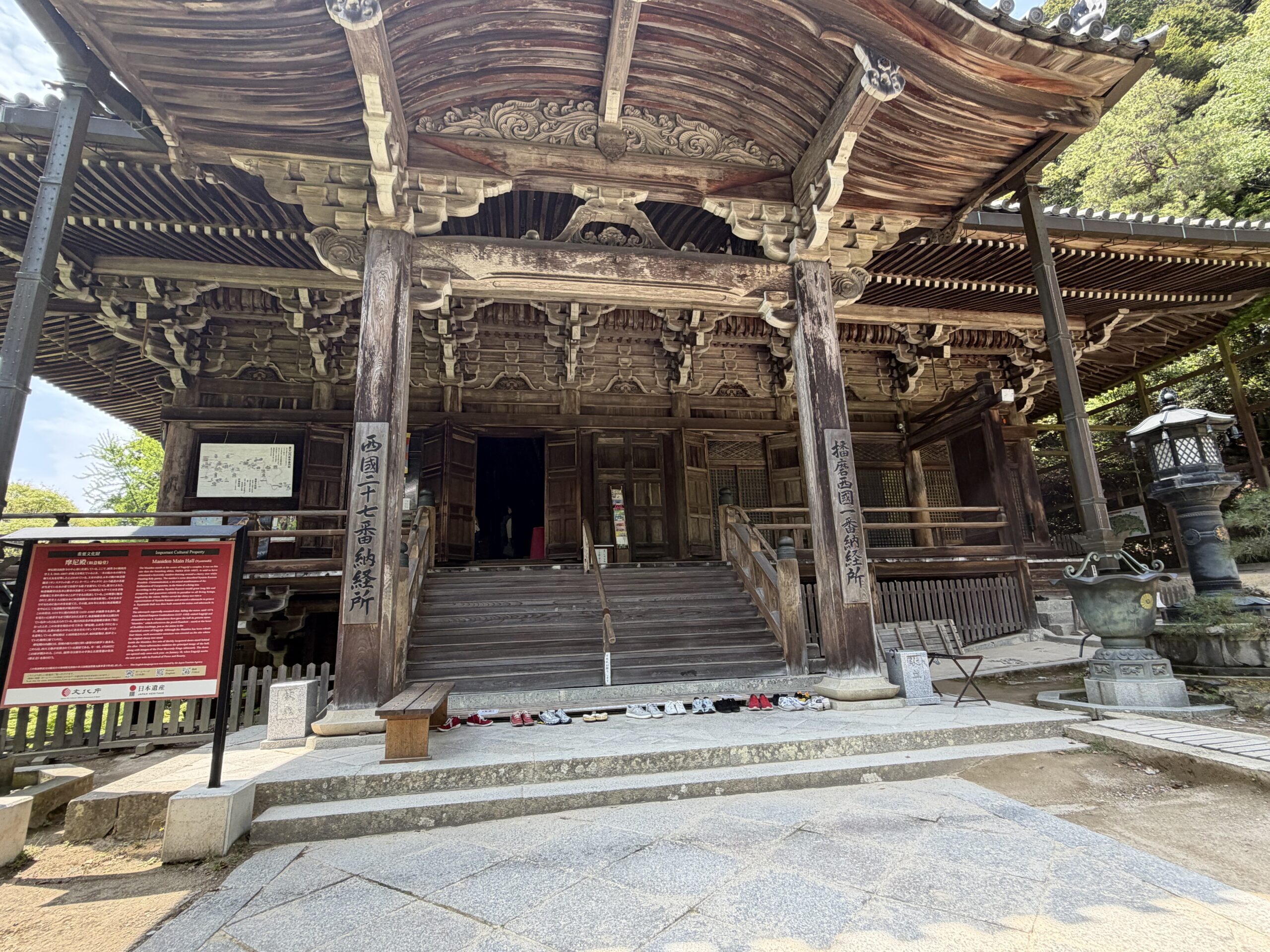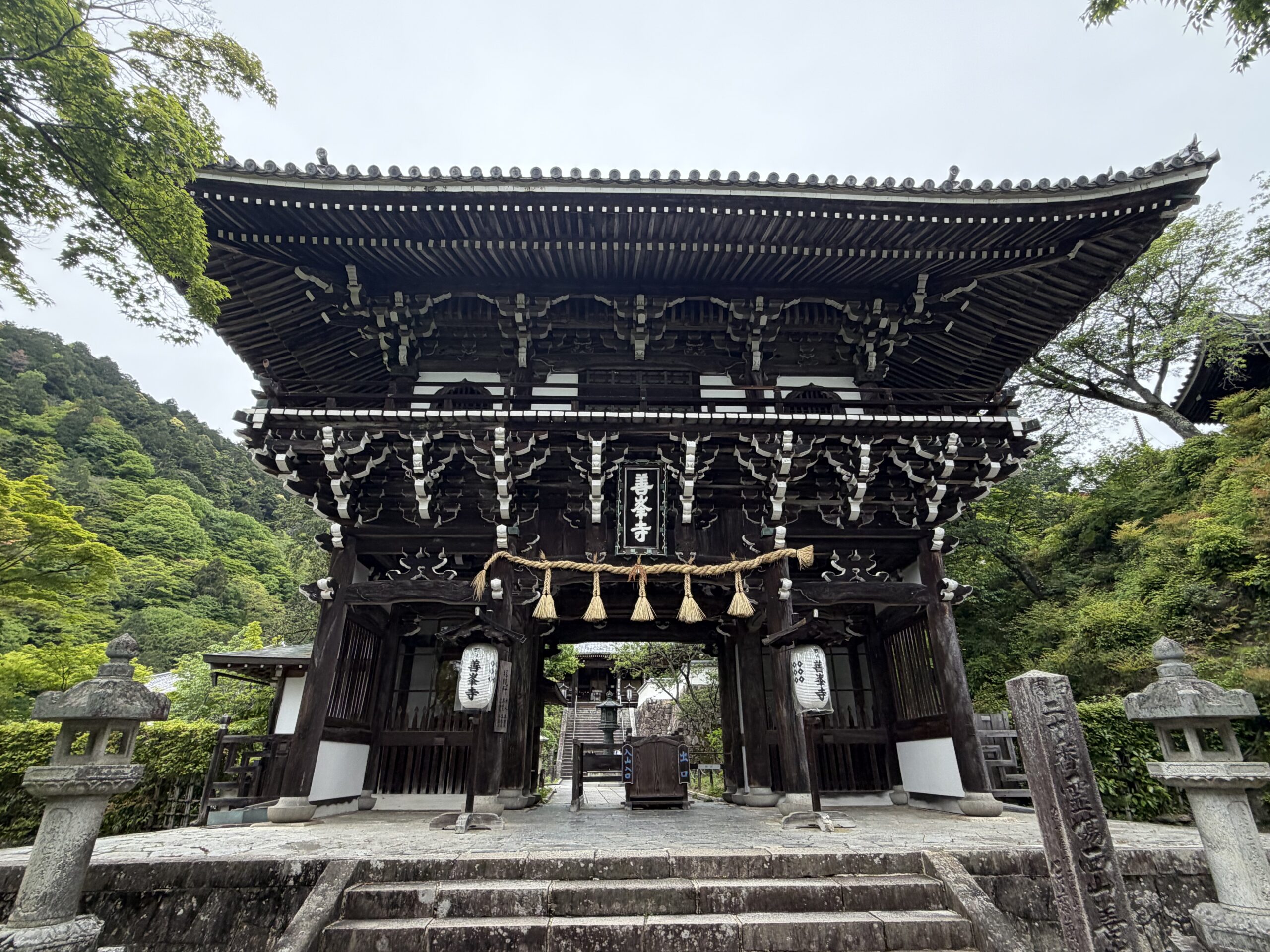
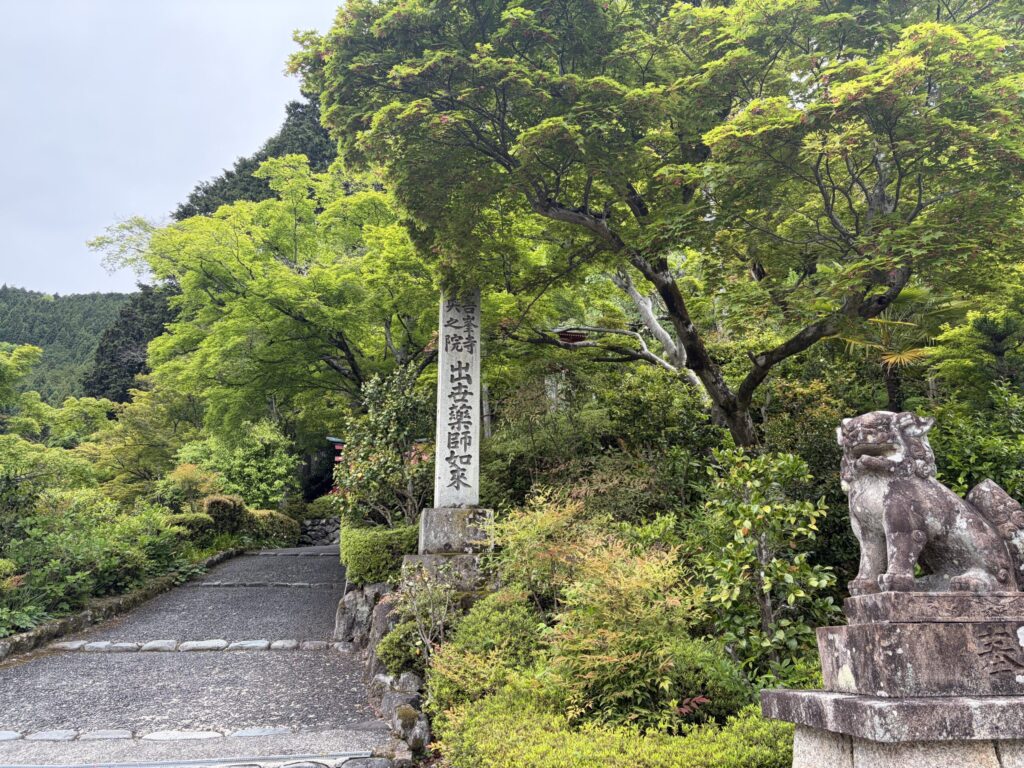
I visited Yoshimine-dera in the fresh green season of 2026, when the bush warblers were singing. Some visitors walked up from the bus stop at the foot of the mountain, but I drove up the narrow, steep road by car.
I had AI write a support article about Yoshimine-dera. The photos are all original.
Yoshimine-dera (善峯寺), the 20th sacred site on the Saigoku Pilgrimage of the Thirty-Three Temples, is a celebrated temple nestled on the mid-slopes of the Nishiyama hills in Nishikyo Ward, Kyoto City. Its vast grounds offer a panoramic view of the Kyoto cityscape, while seasonal flowers and historic structures captivate all who visit.
Here is an introduction to the highlights and pilgrimage appeal of Yoshimine-dera, where nature and faith exist in harmony.
What Is Yoshimine-dera? History and Origins
Yoshimine-dera is an independent temple of the Tendai school, said to have been founded in 1029 (Chōgen 2) by the monk Genzan. Its principal image is the Senju Kanzeon Bosatsu (Thousand-Armed Kannon), and the temple has long been revered as a sacred site of Kannon worship, drawing countless pilgrims through the centuries.
In later eras, it received deep devotion from the imperial family, including Emperor Goen’yū, and came to be known as the “Nishiyama Palace Temple” (Nishiyamagu Monzeki). The temple is also renowned for the role played by Keishō-in — mother of the fifth Tokugawa shogun Tsunayoshi — in its revival. Much of the temple complex seen today was established through her generous support.
The Ōnin War and the Temple’s Revival
Yoshimine-dera was once a vast monastic complex with more than fifty halls and pagodas, but the Ōnin War (1467–1477) destroyed much of it. It was Keishō-in who magnificently revived the fallen temple, and her legacy lives on throughout the grounds to this day.
Highlights of Yoshimine-dera
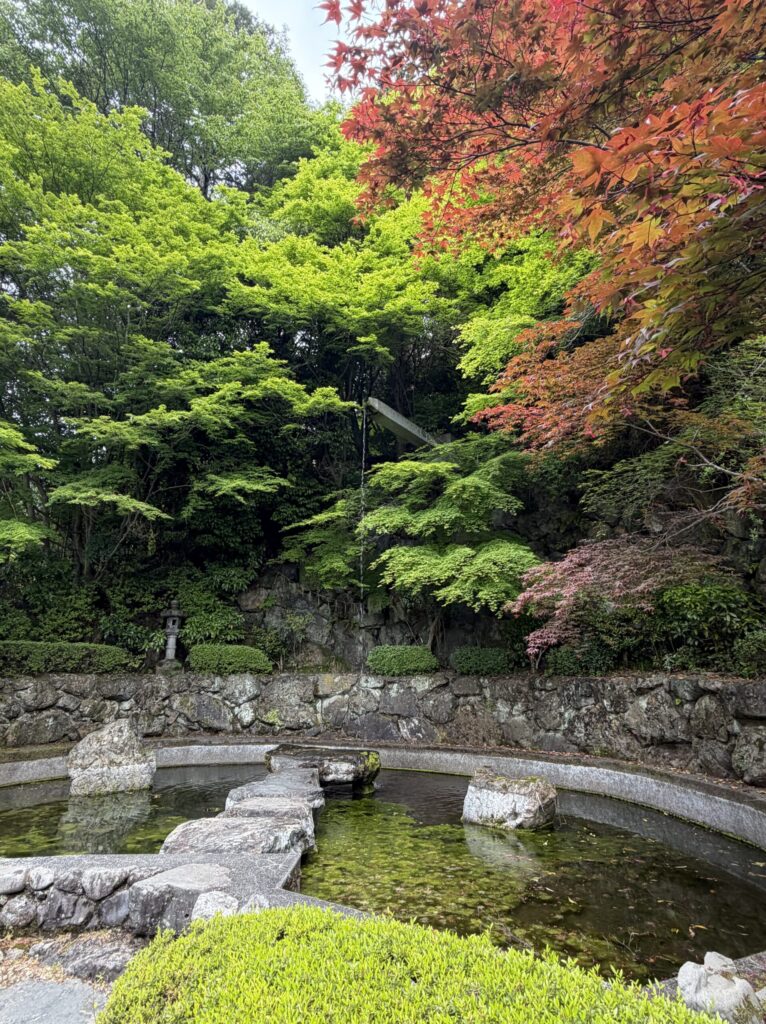
The greatest appeal of Yoshimine-dera lies in its expansive grounds and abundant nature. Visitors can stroll among halls and sanctuaries scattered across the mountain slopes while enjoying breathtaking views of Kyoto.
The Natural Monument “Yūryū no Matsu”
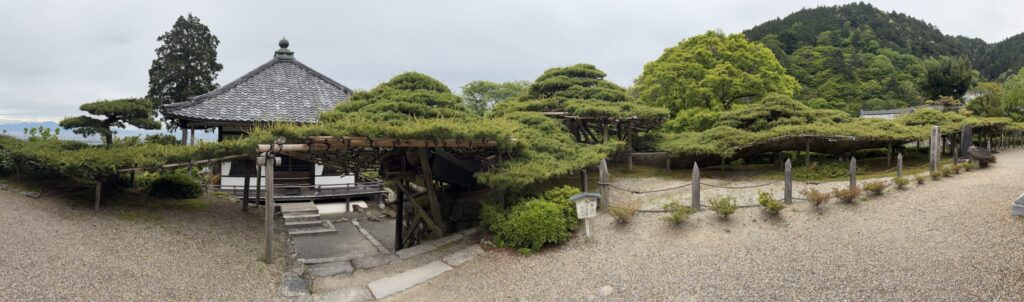
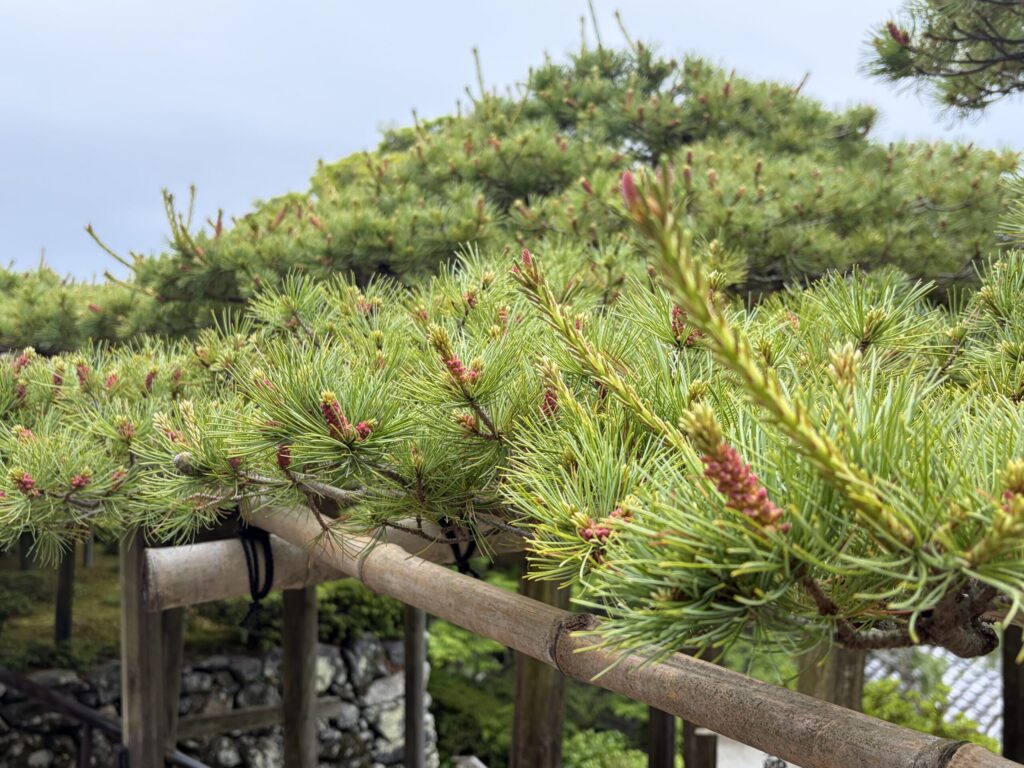
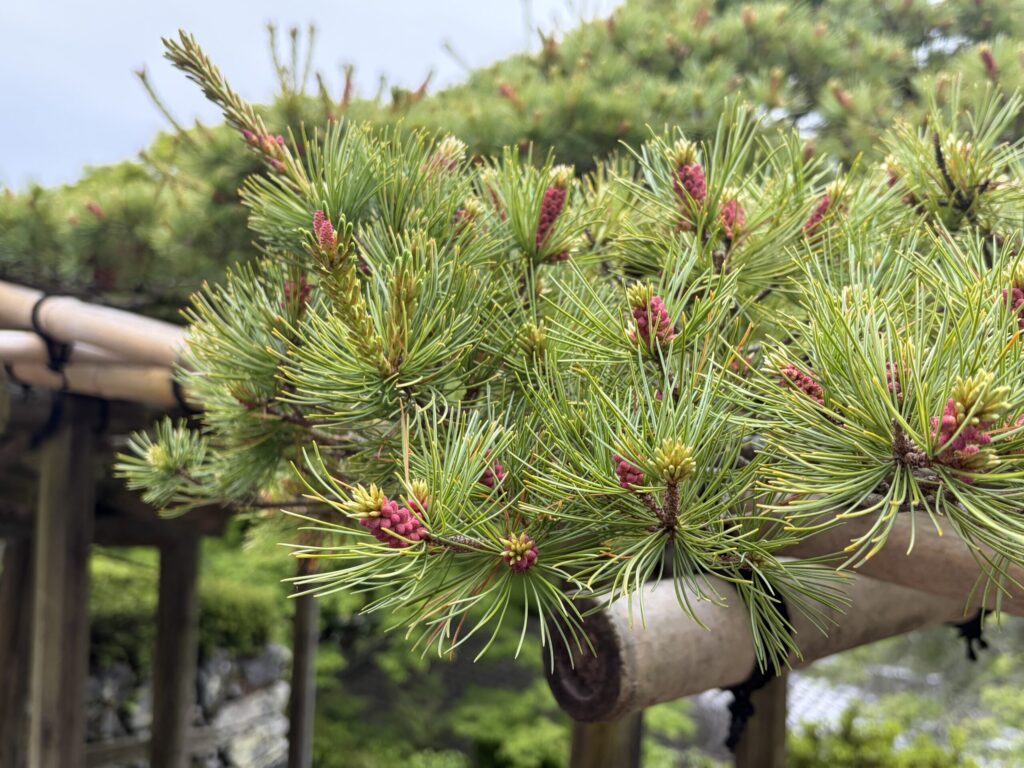
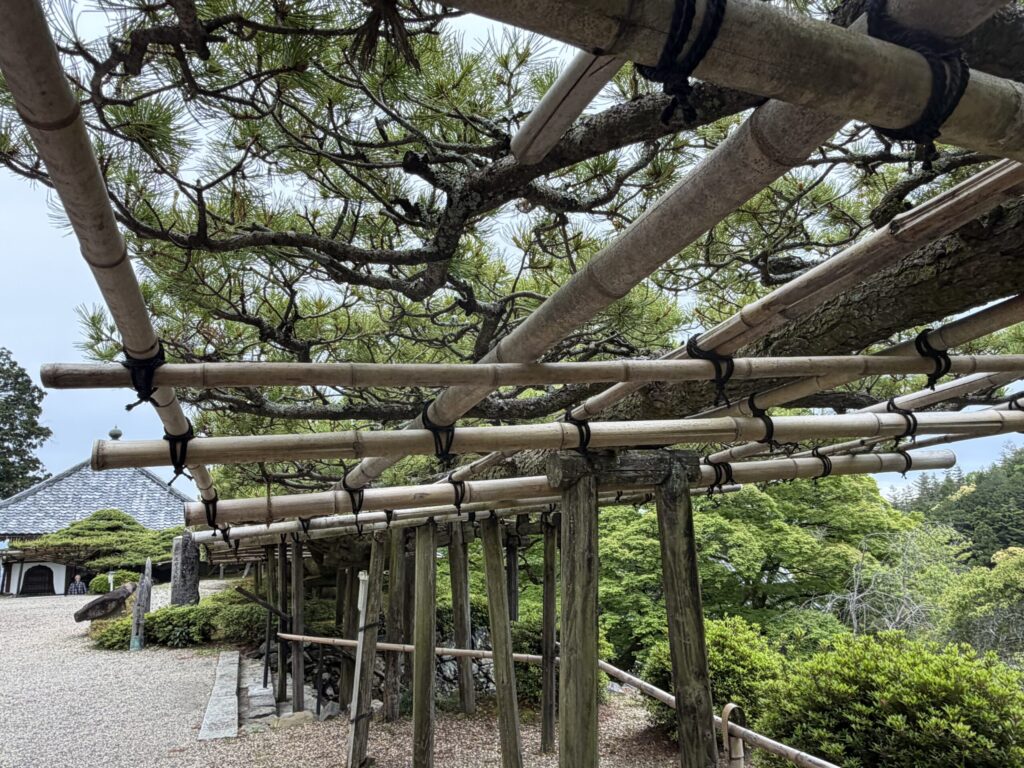
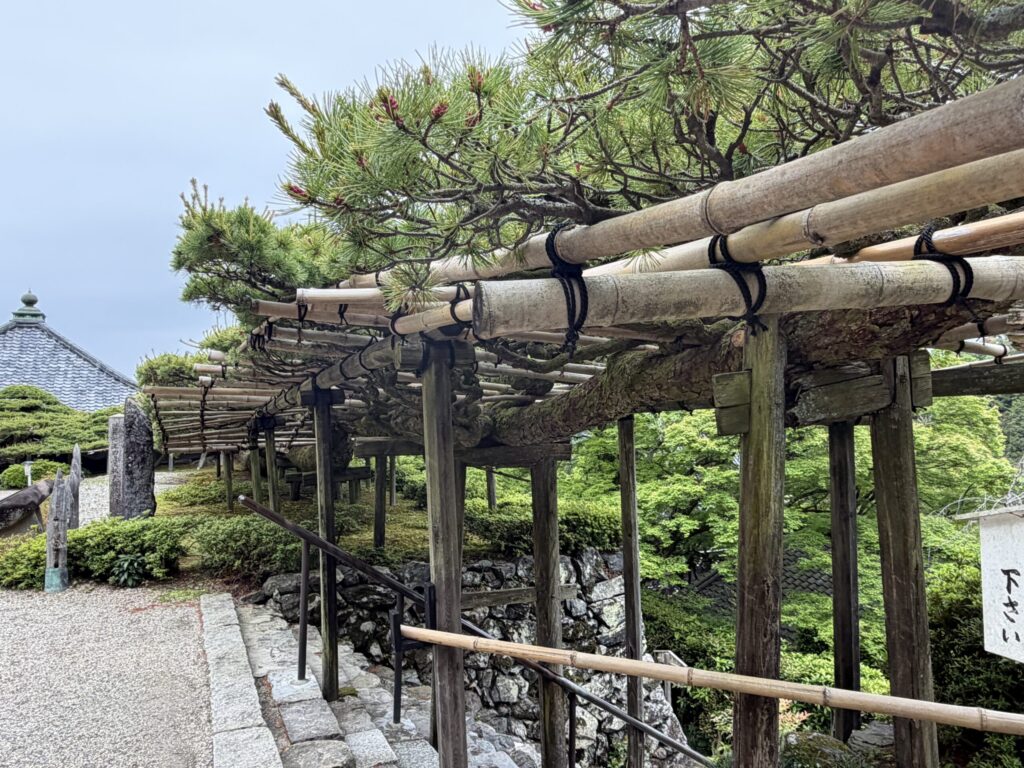
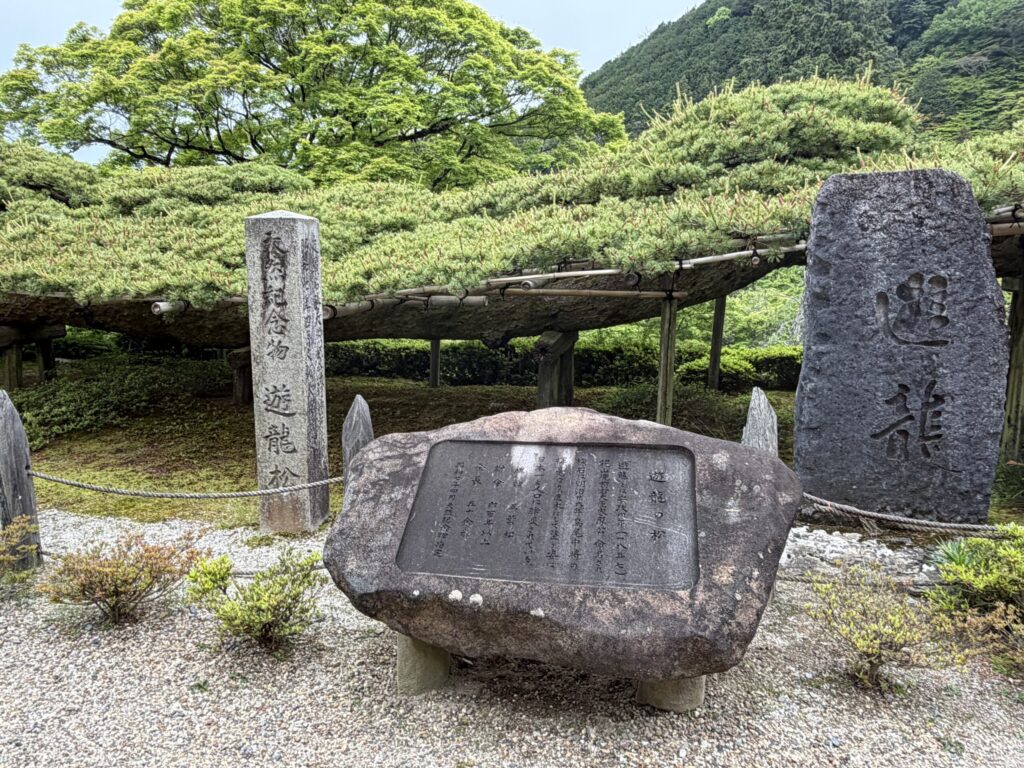
The first thing that must be mentioned when speaking of Yoshimine-dera is the Yūryū no Matsu (Wandering Dragon Pine) — a nationally designated Natural Monument. This five-needle pine is said to be over 600 years old, with a total length of approximately 37 meters. Its branches spread wide and low along the ground in a form so evocative of a dragon crawling across the earth that the pine has been celebrated as the finest in all of Japan. It never fails to overwhelm those who see it.
Panoramic Views of Kyoto from the Temple Grounds
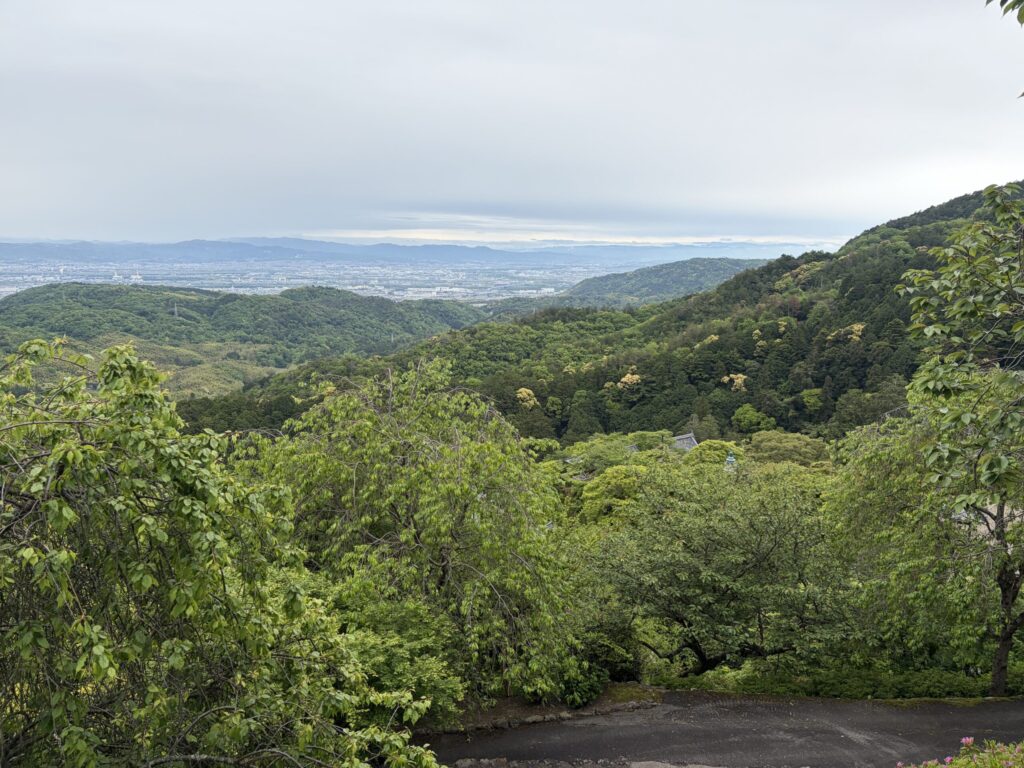
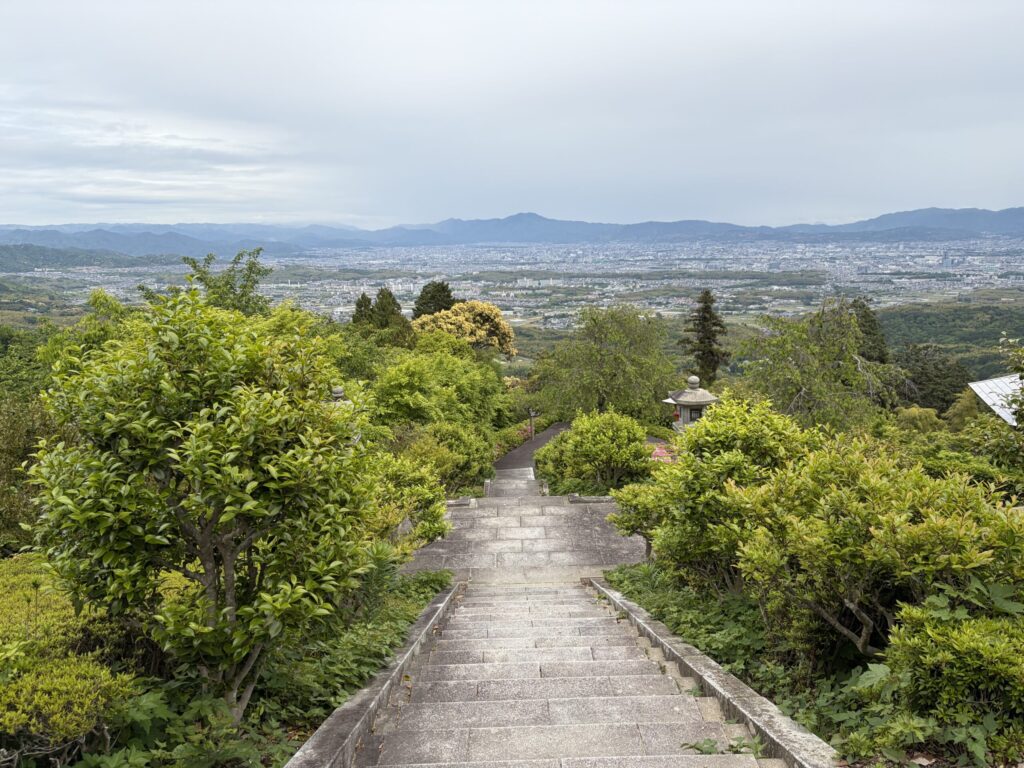
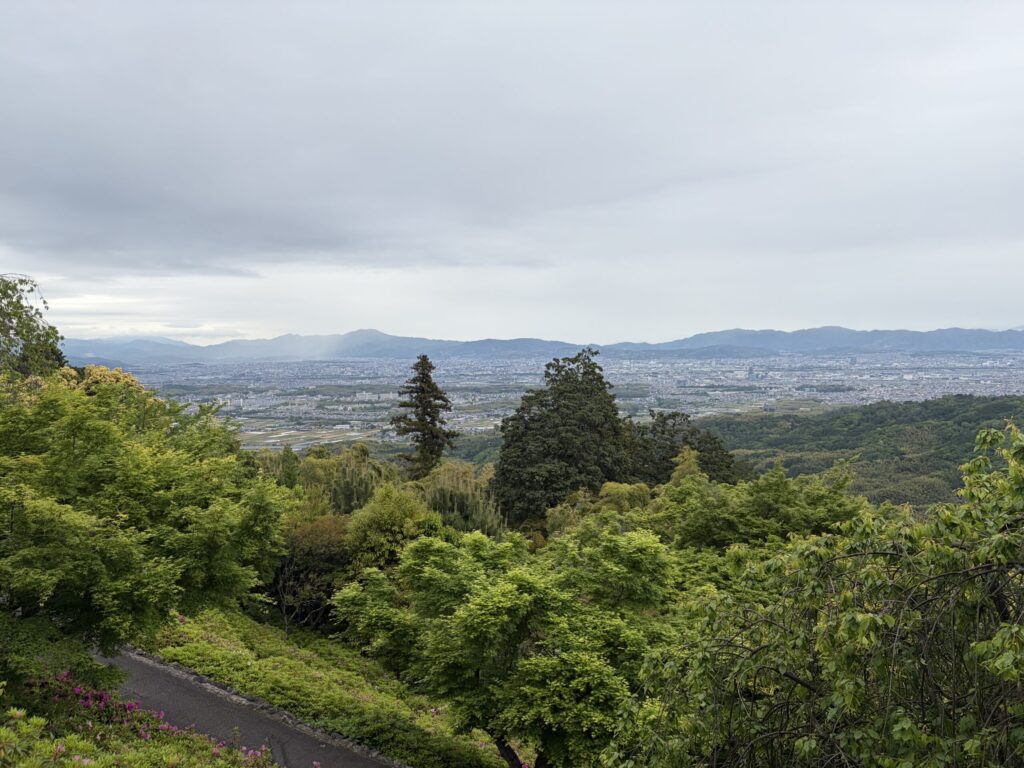
Yoshimine-dera sits on the mid-slopes of the Nishiyama hills at an elevation of approximately 300 meters, and the Kyoto cityscape can be seen in its entirety from within the grounds. The view from around the Tahōtō Pagoda and Shakadō Hall is especially magnificent; on a clear day, the distant peaks of Mt. Hiei are visible.
A Famous Destination for Flowers in Every Season
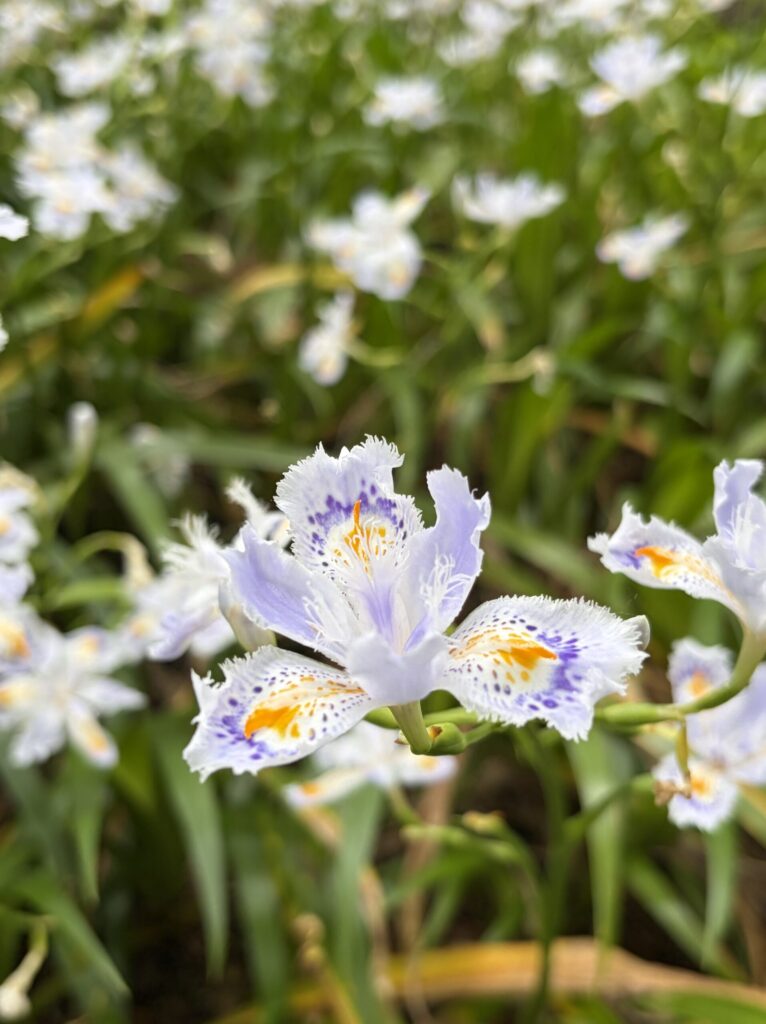
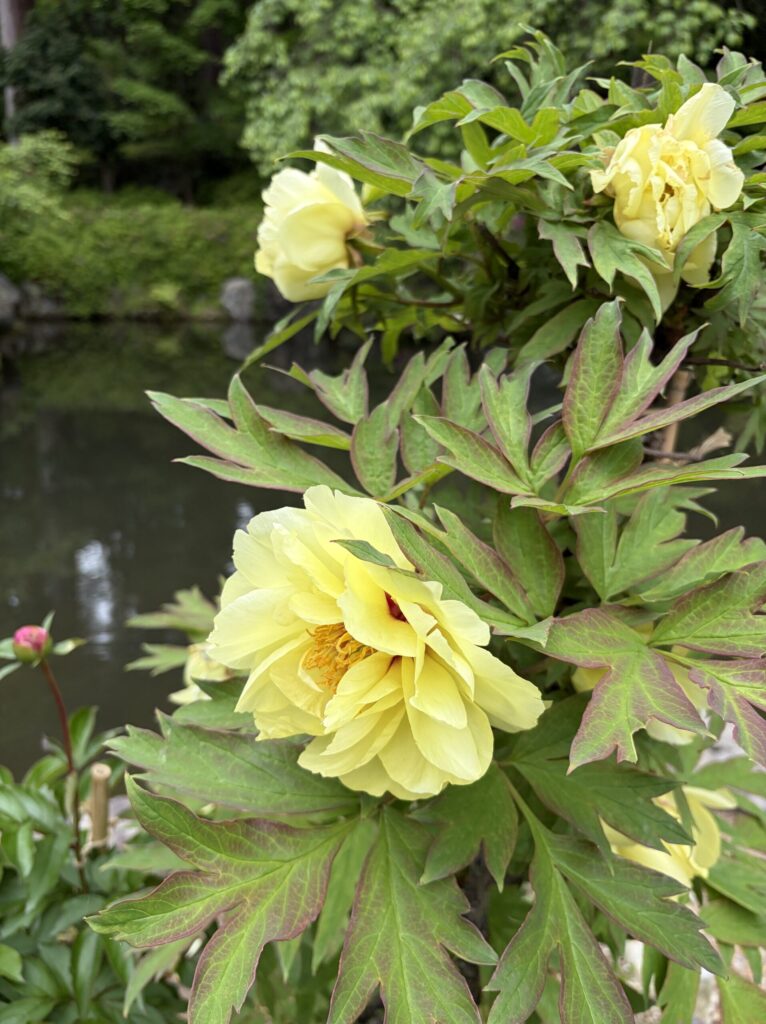
Yoshimine-dera is also celebrated as a “Temple of Flowers,” offering a changing display of blossoms throughout the year.
- Spring (April): Cherry blossoms adorn the grounds in brilliant colour
- Early Summer (April–May): Rhododendrons and azaleas blanket the slopes
- Summer (June–July): The Hakusan Ajisai-en garden, with approximately 10,000 hydrangea plants, comes into full bloom
- Autumn (November): Autumn foliage turns the grounds a vivid crimson
- Winter: The tranquil snow-covered grounds have their own singular beauty
The Pilgrimage Route and Tips for Visiting
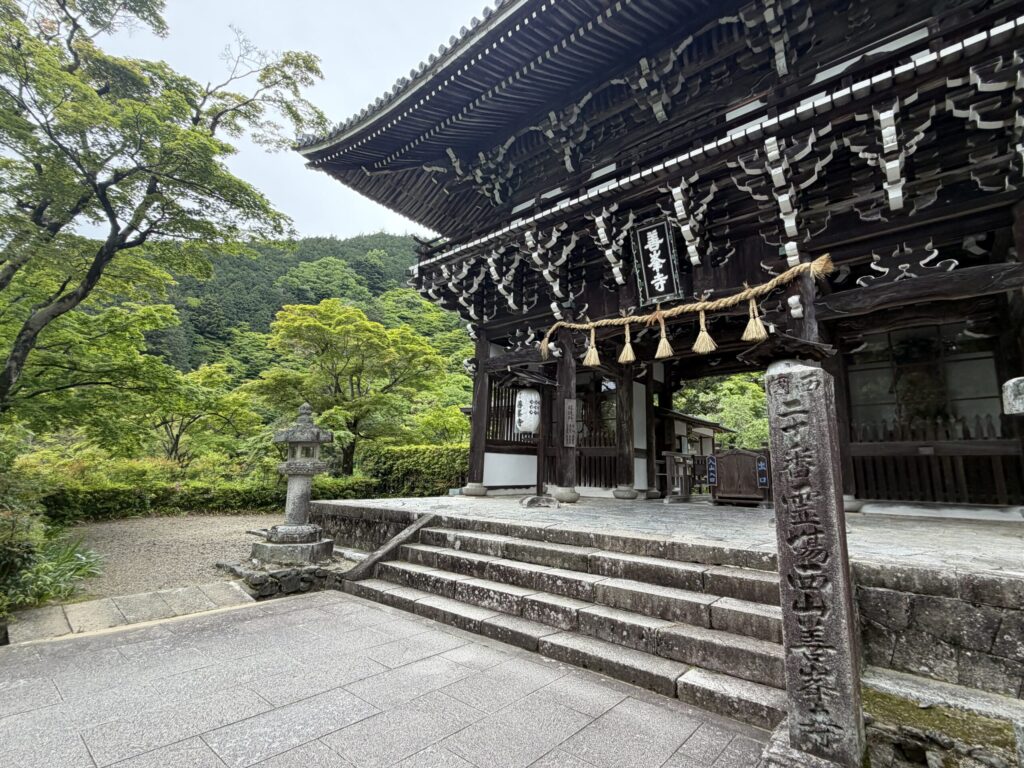
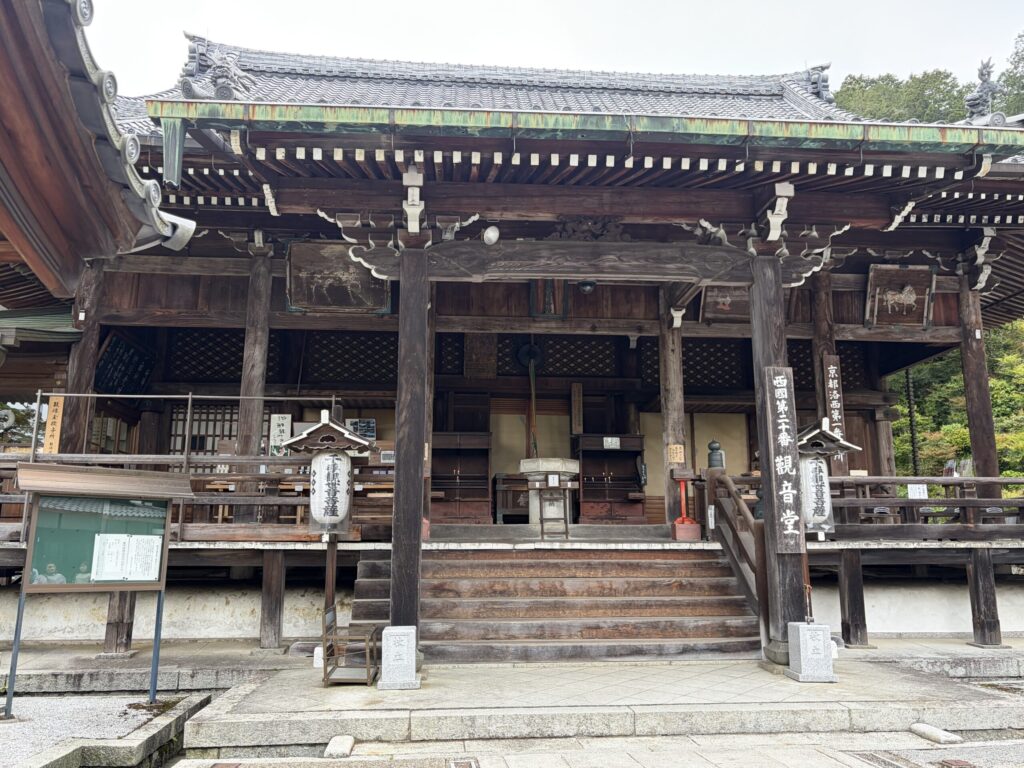
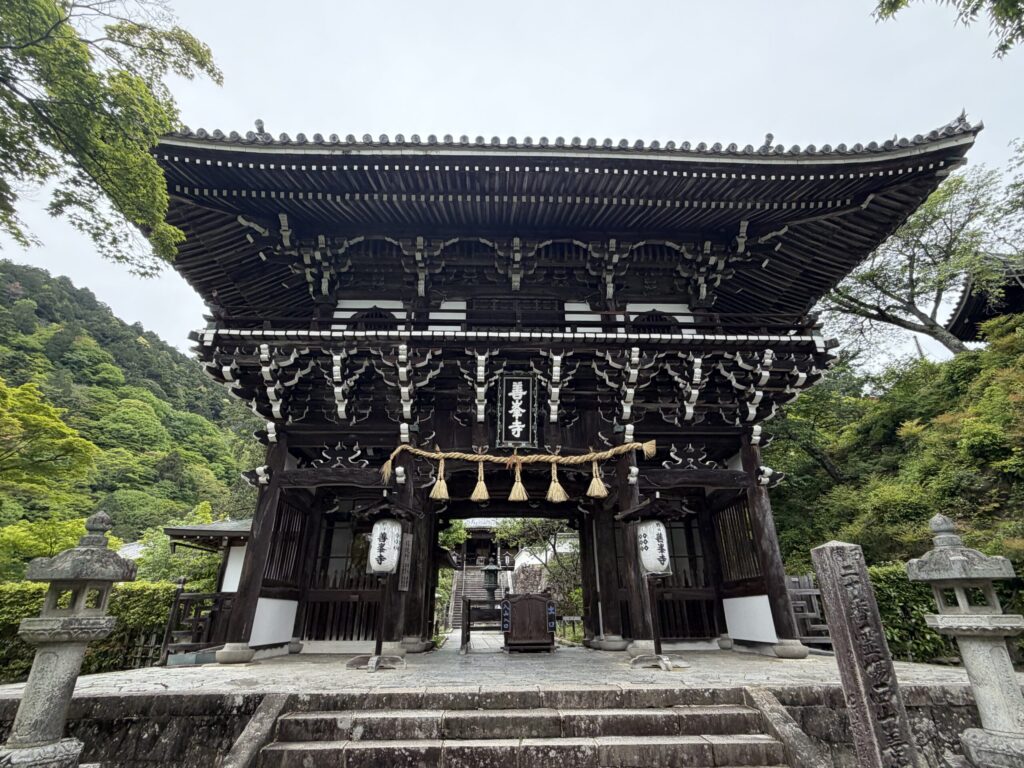
Yoshimine-dera is the sacred site between the 19th site, Kōdō Gyōganji (Revolving Hall), and the 21st site, Anao-ji. After passing through the main gate, you will find the main hall (Kannondō), where you offer your prayers to the Senju Kanzeon Bosatsu. Goshuin stamps are available at the nōkyōsho (stamp office) beside the main hall.
As the grounds spread across a mountain slope, comfortable walking shoes are strongly recommended. Following the route from the main hall through the Tahōtō Pagoda, Kyōdō, Shakadō, and Amidadō halls takes approximately 30 minutes to one hour in total.
Access Information
- Address: 1372 Ōharano Oshiochō, Nishikyo Ward, Kyoto City, Kyoto Prefecture
- Train & Bus:
From JR Mukōmachi Station or Hankyu Higashi-Mukō Station, take the Hankyu Bus bound for “Yoshimine-dera” to the terminal stop, then walk approximately 8 minutes - By Car: Approximately 10 minutes from the “Ōharano IC” exit on the Kyoto Jukan Expressway (parking available)
Please note that bus services may be suspended during part of the winter season (January–February). We recommend checking the timetable in advance.
Important notice from the official website — please confirm details on the official site:
As of 31 May 2025, Hankyu Bus Route 66 (bound for Yoshimine-dera) has been discontinued. Visitors travelling by train from 1 June 2025 onwards should be aware of the following alternative routes:
- From JR Mukōmachi Station (JR Kyoto Line) / Hankyu Higashi-Mukō Station (Hankyu Kyoto Line):
Hankyu Bus Route 63 (bound for Minami-Kasugachō / approx. every 2 hours) — 15 min to “Haigata” stop then approx. 3.4 km on foot (approx. 43 min) - From JR Katsuragawa Station (JR Kyoto Line) / Hankyu Rakusaiguchi Station (Hankyu Kyoto Line):
Kyoto City Bus Route Nishi-9 (bound for Minami-Kasugachō / approx. every 2 hours) — 20 min to “Ōharano Shōgakkōmae” stop , then approx. 3.6 km on foot (approx. 45 min)
Kyoto City Bus Routes Toku-Nishi 4 / Nishi-4 (bound for Rakusai Bus Terminal / approx. every 30 min) — 13–20 min to “Nishi-Takenosatocho” stop , then approx. 4 km on foot (approx. 50 min)
Closing Thoughts
Yoshimine-dera, the 20th sacred site on the Saigoku Pilgrimage, is an ancient temple whose appeal lies in its historic temple complex, the remarkable “Yūryū no Matsu” — said to be the finest pine in Japan — and the sweeping view over Kyoto. The seasonal flowers and autumn foliage are equally magnificent, making it a destination well worth visiting not only as a pilgrimage site but as a sightseeing destination in its own right.
Yoshimine-dera is a temple well worth the journey. Please do come dressed for walking and experience for yourself the world of nature and faith on Kyoto’s Nishiyama hills. A moment of quiet peace is surely waiting for you.
References
- Yoshimine-dera — Official Website
- Saigoku Thirty-Three Sacred Sites Association — Yoshimine-dera (Site No. 20)
- Yoshimine-dera — Wikipedia
Addendum
I visited in the beautiful fresh green season, but no matter when you go, the temple offers its own seasonal beauty. Kyoto lost many of its temples in the great conflict of the Ōnin War, and Yoshimine-dera was no exception — yet the name of Keishō-in appears throughout the grounds, a testament to how deeply she cared and how tirelessly she worked to see it rebuilt.
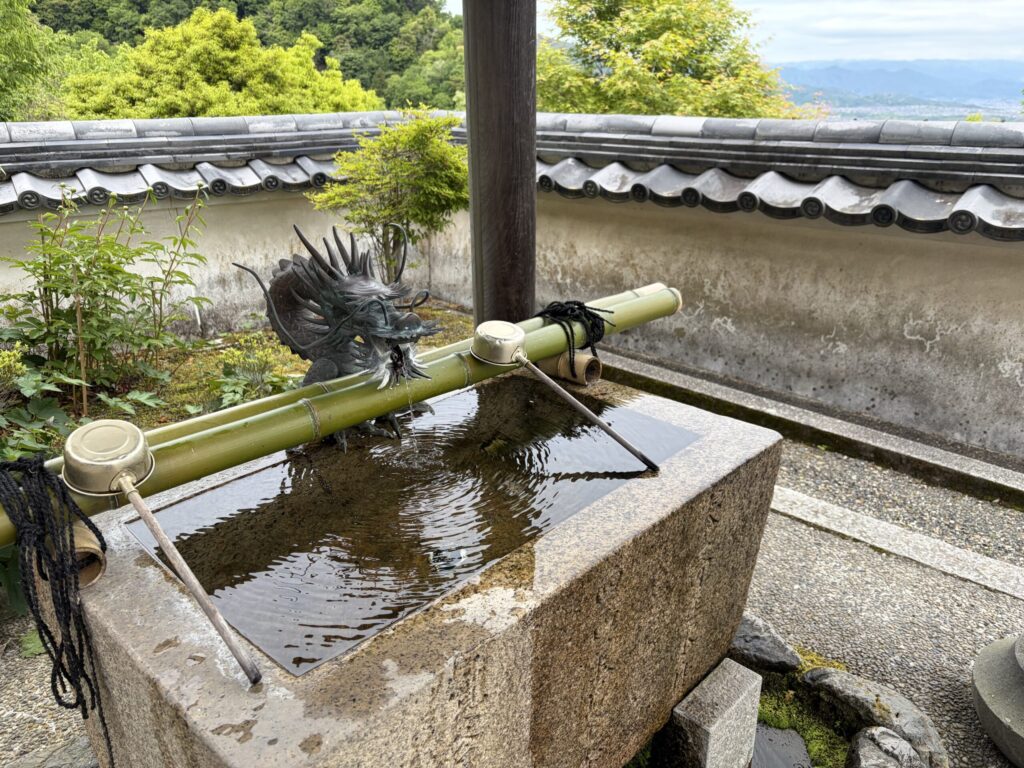
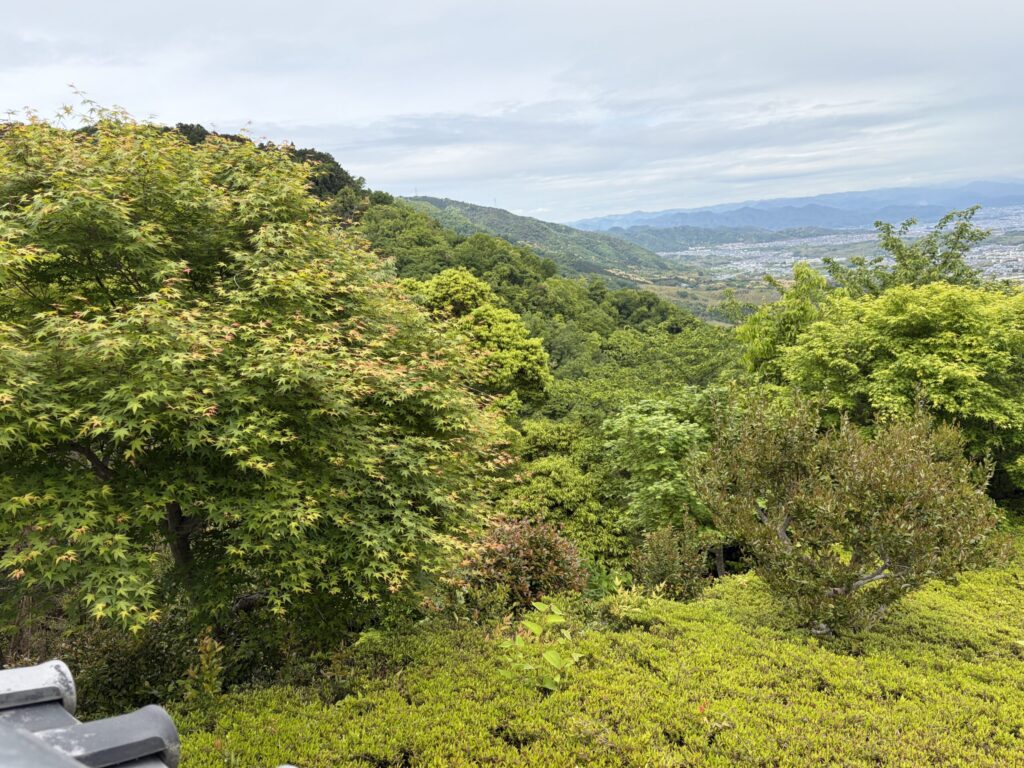
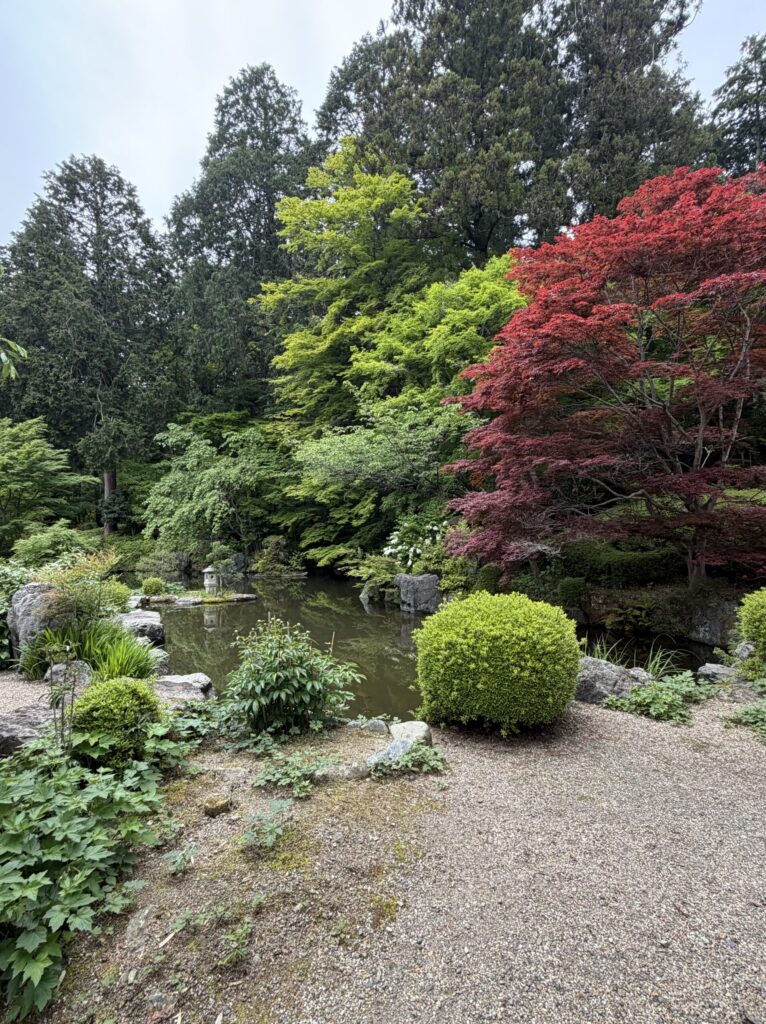
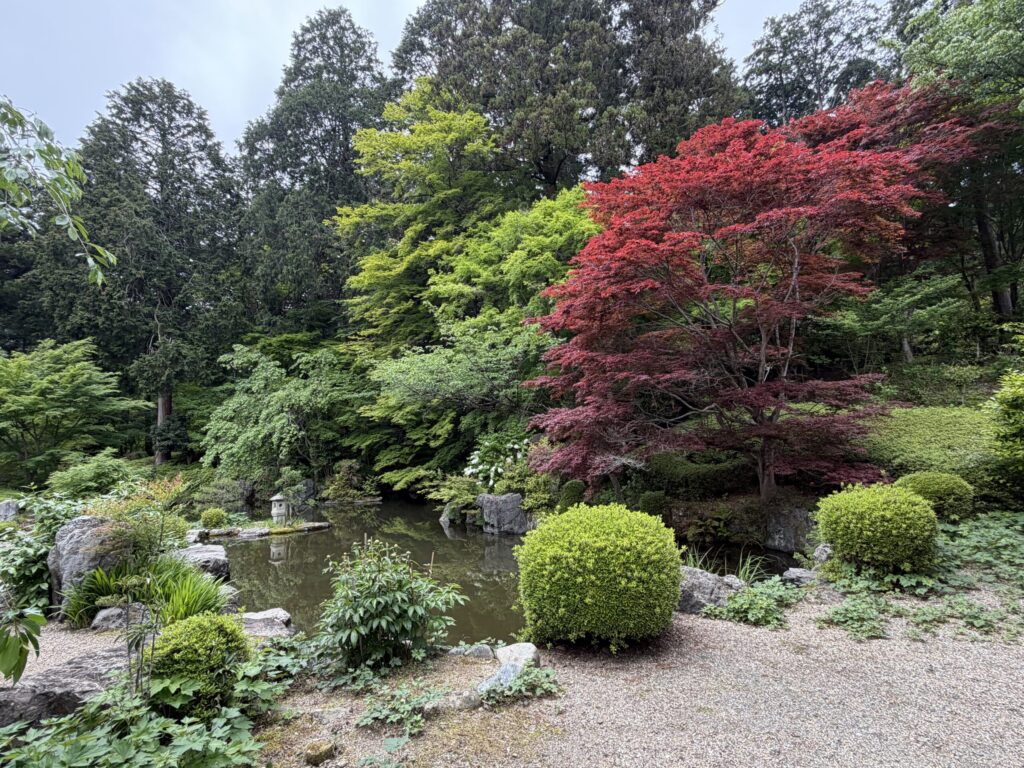
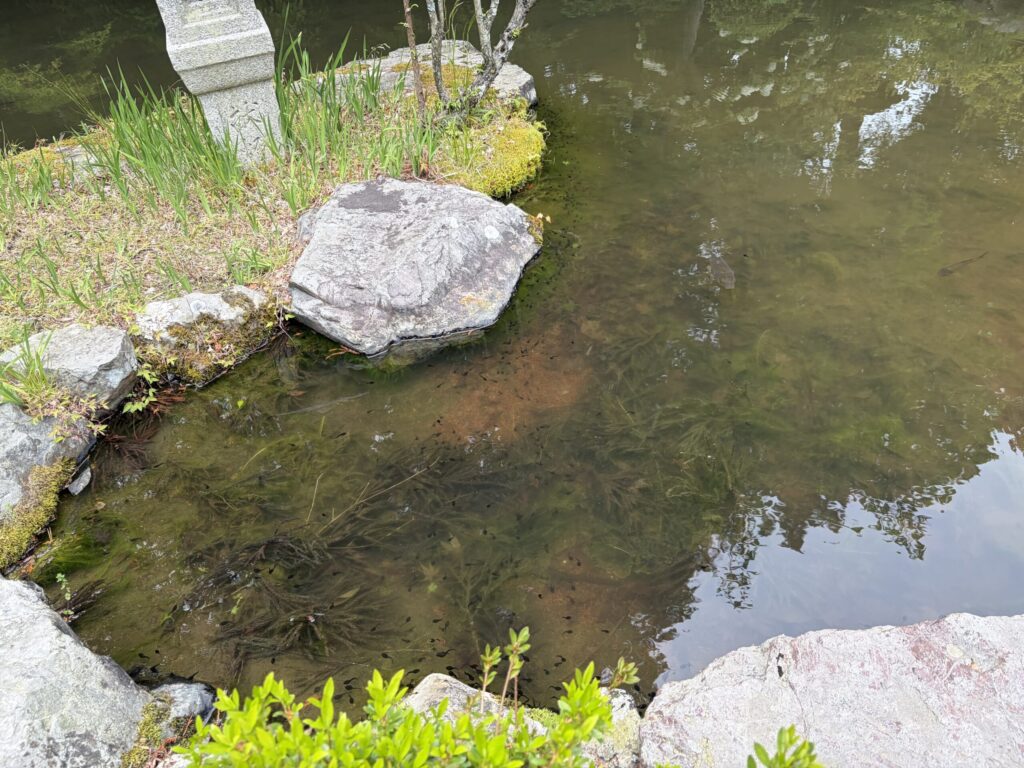
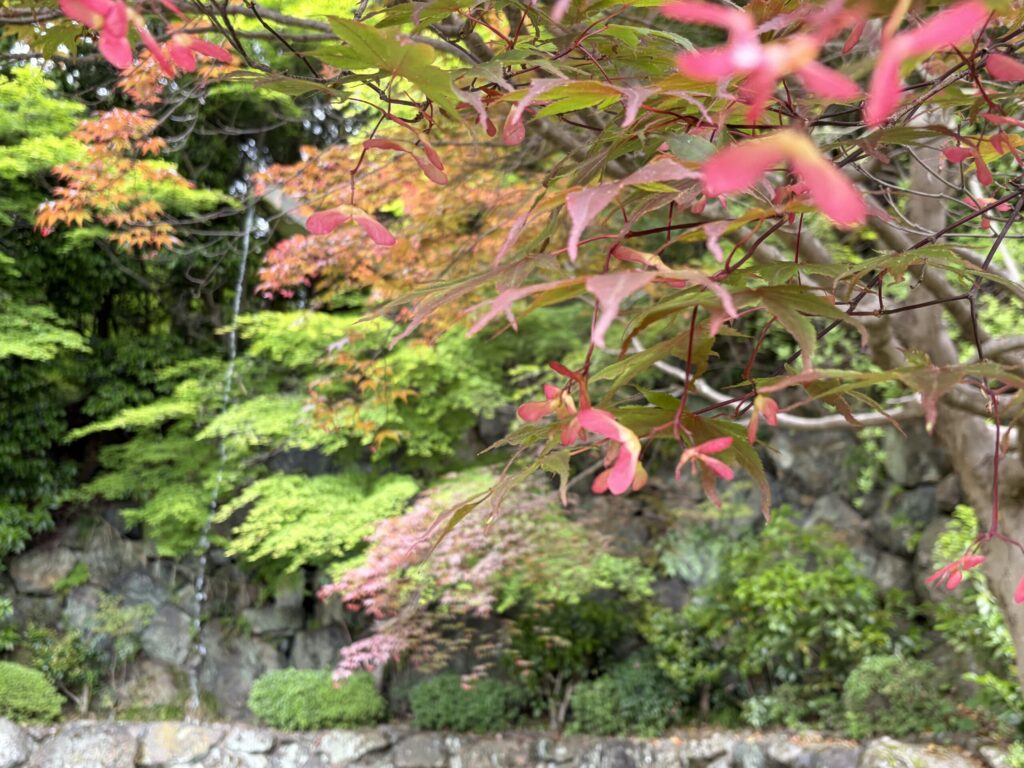
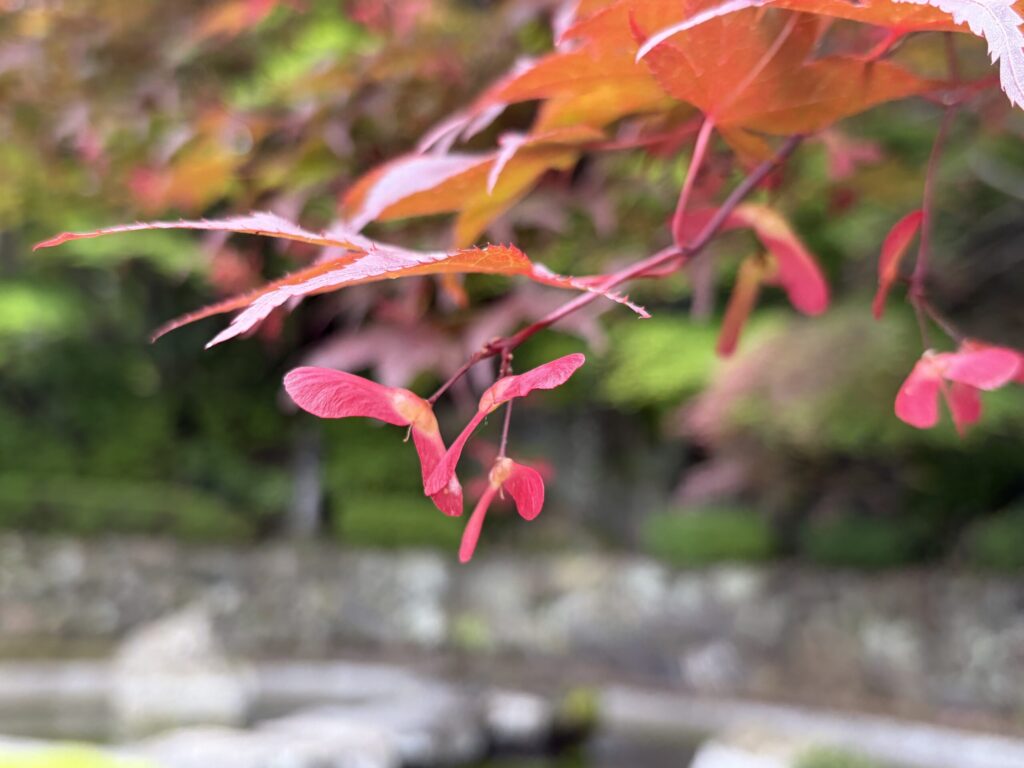
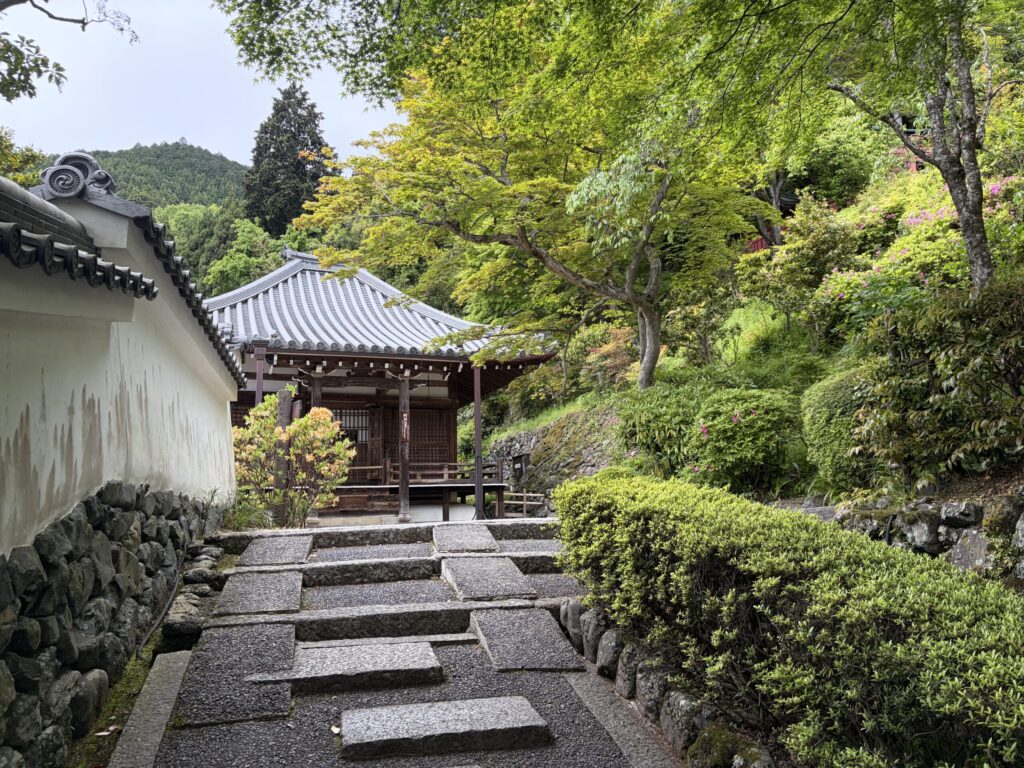
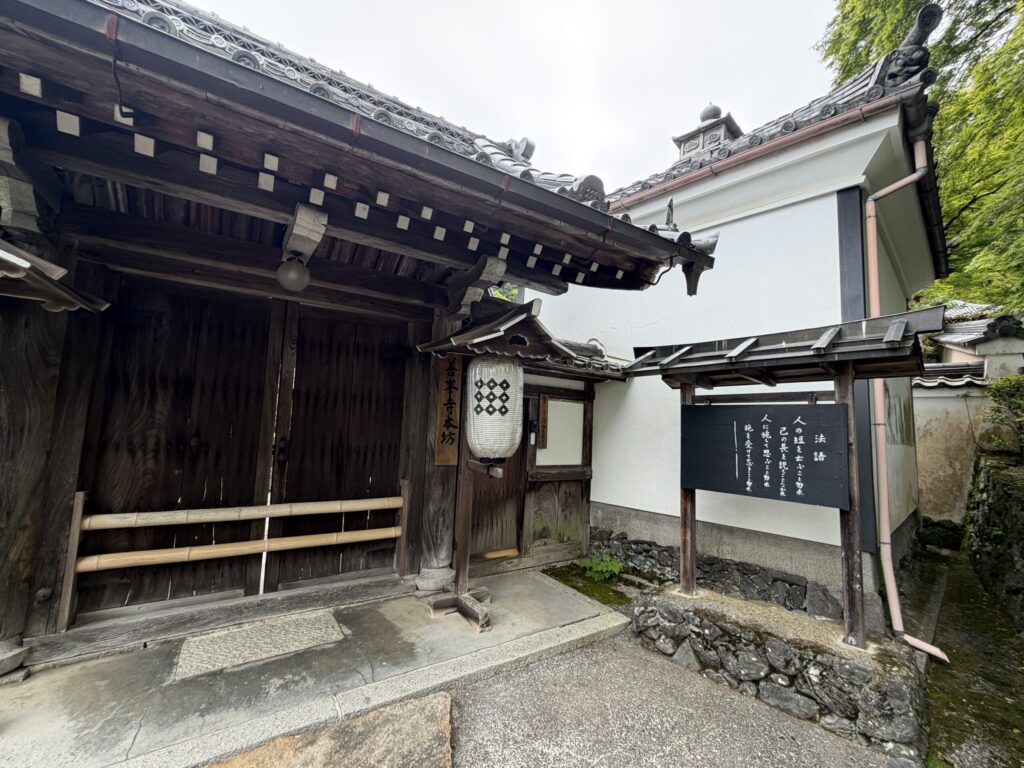
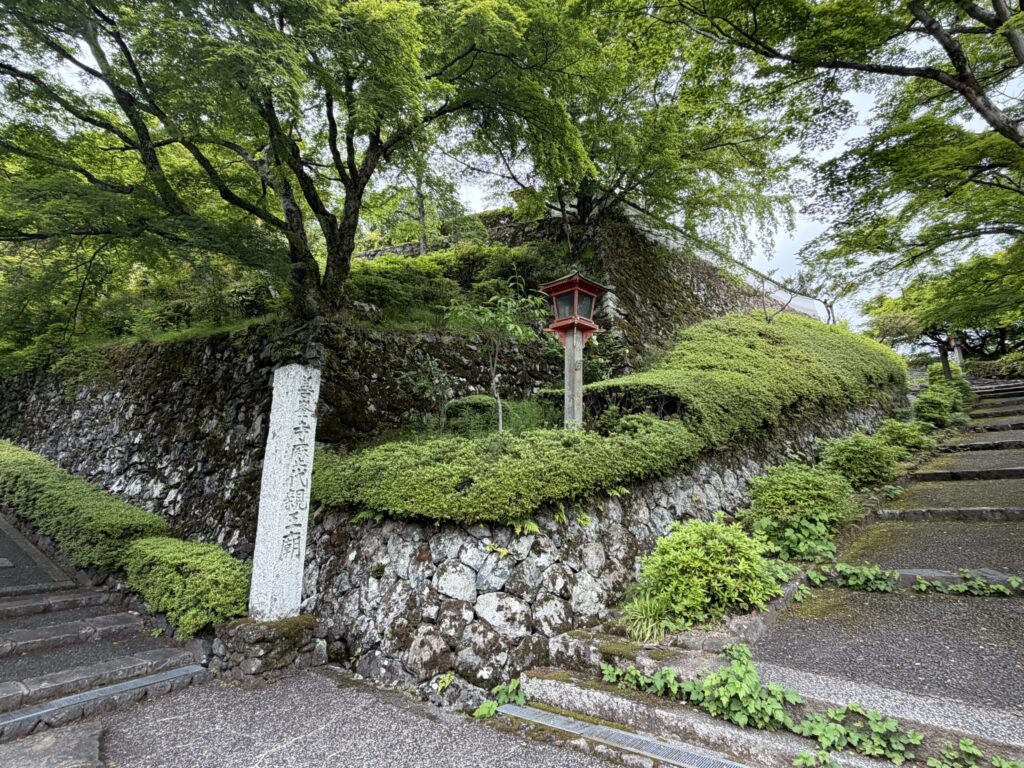
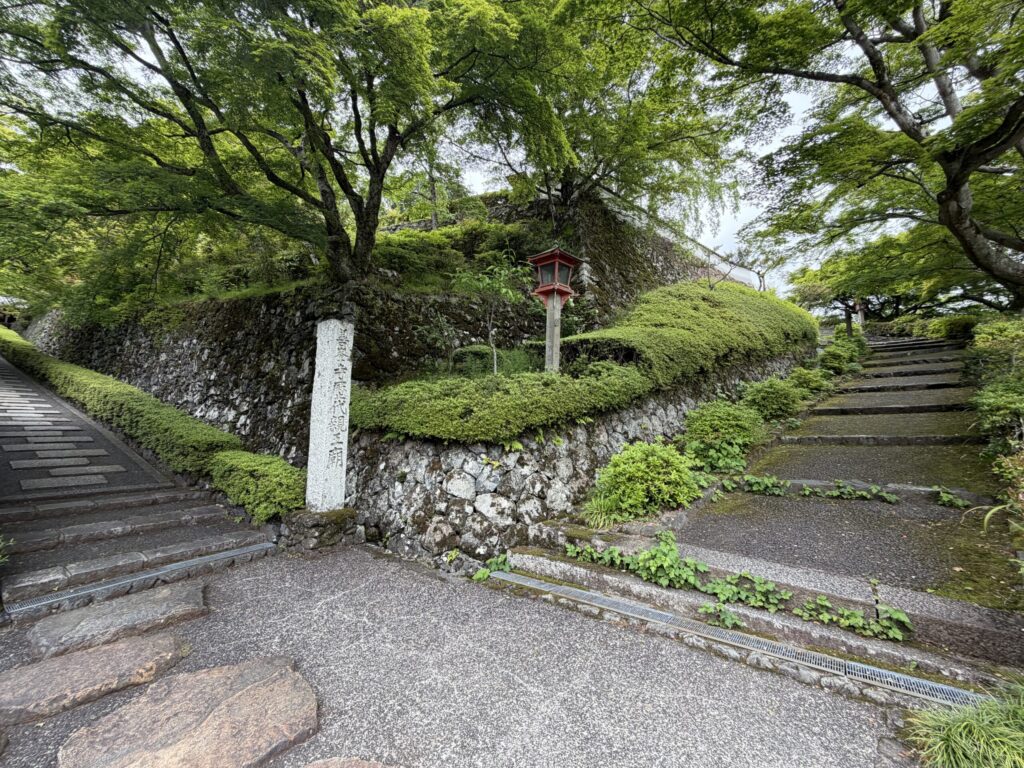
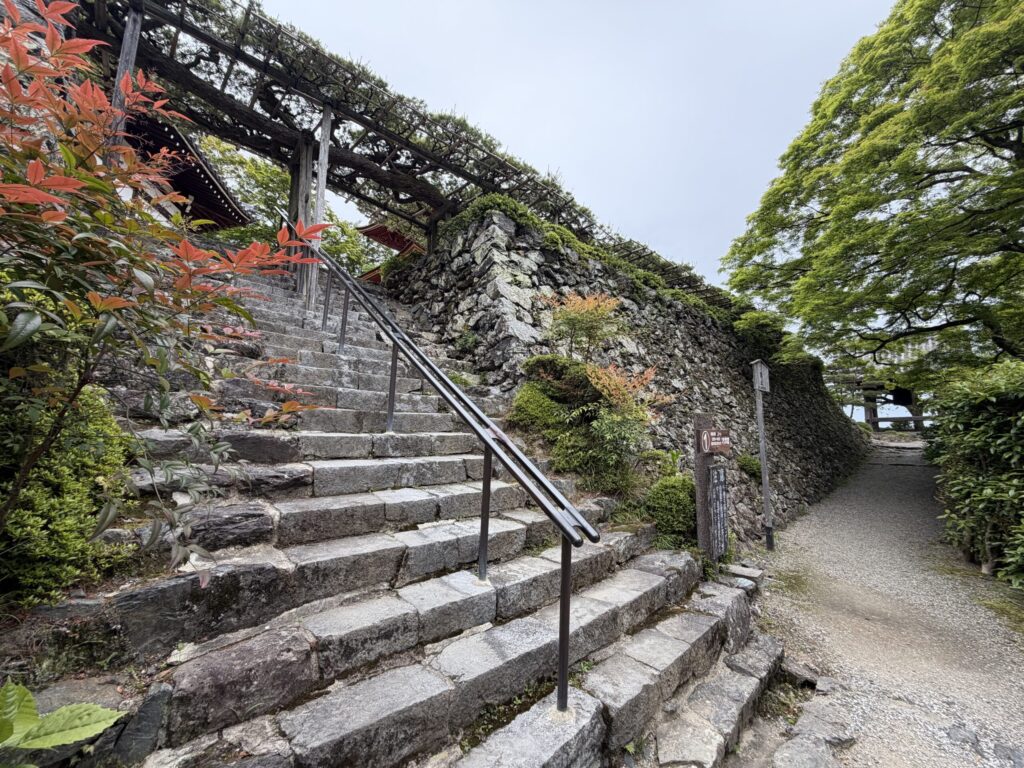
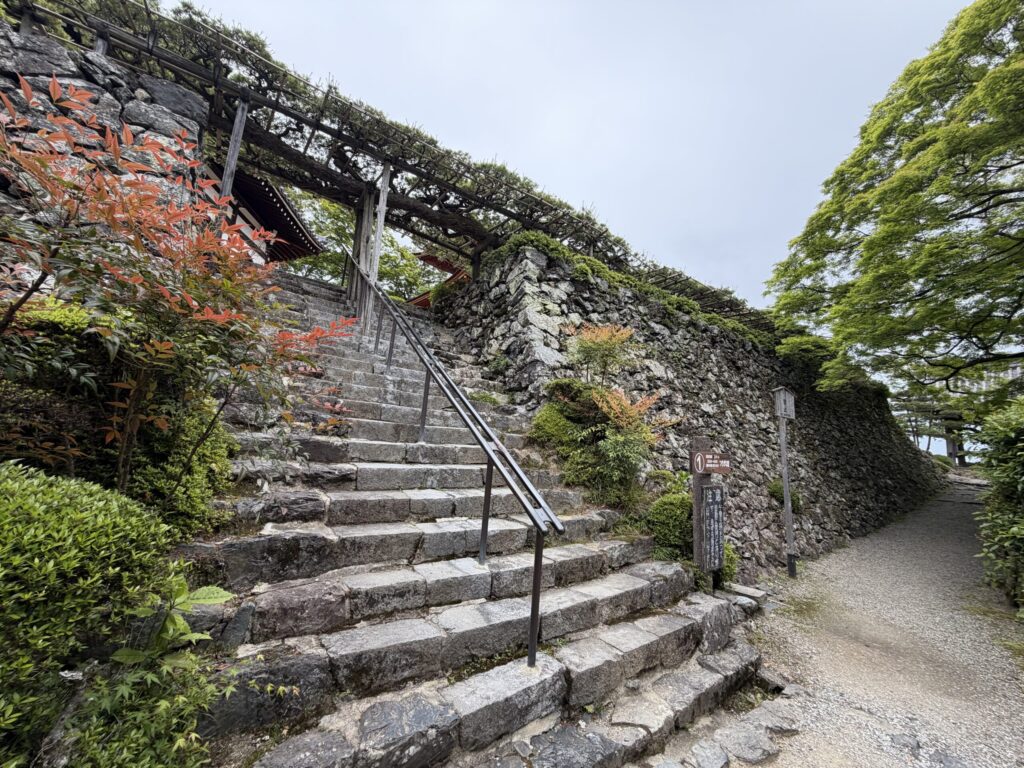
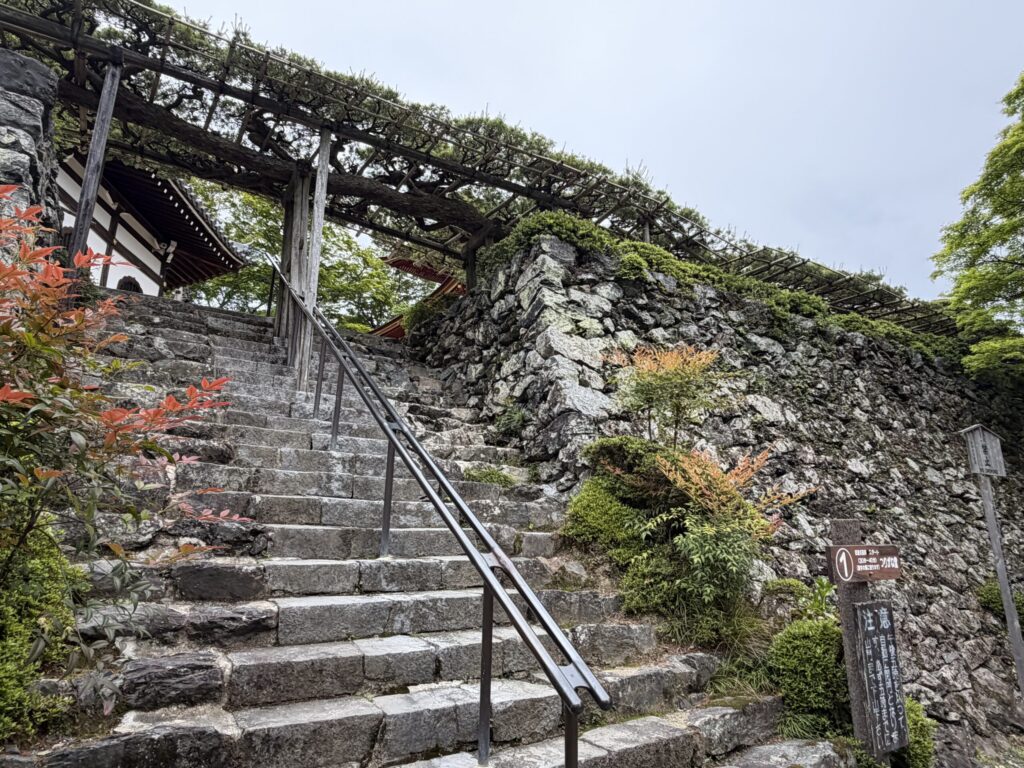
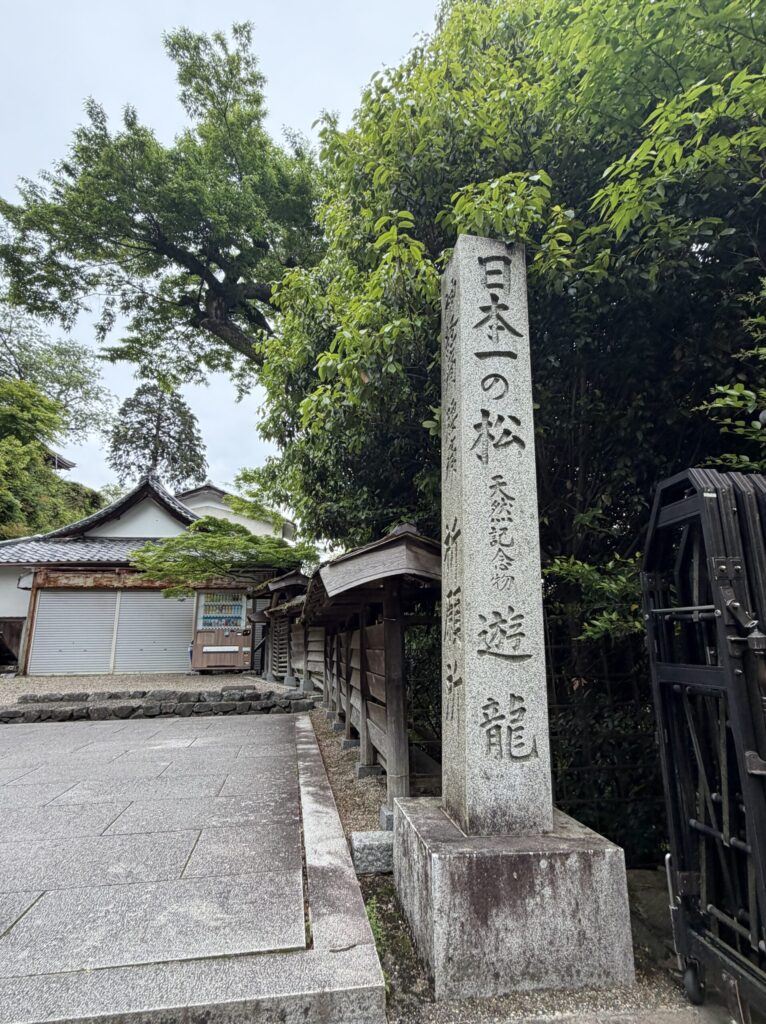
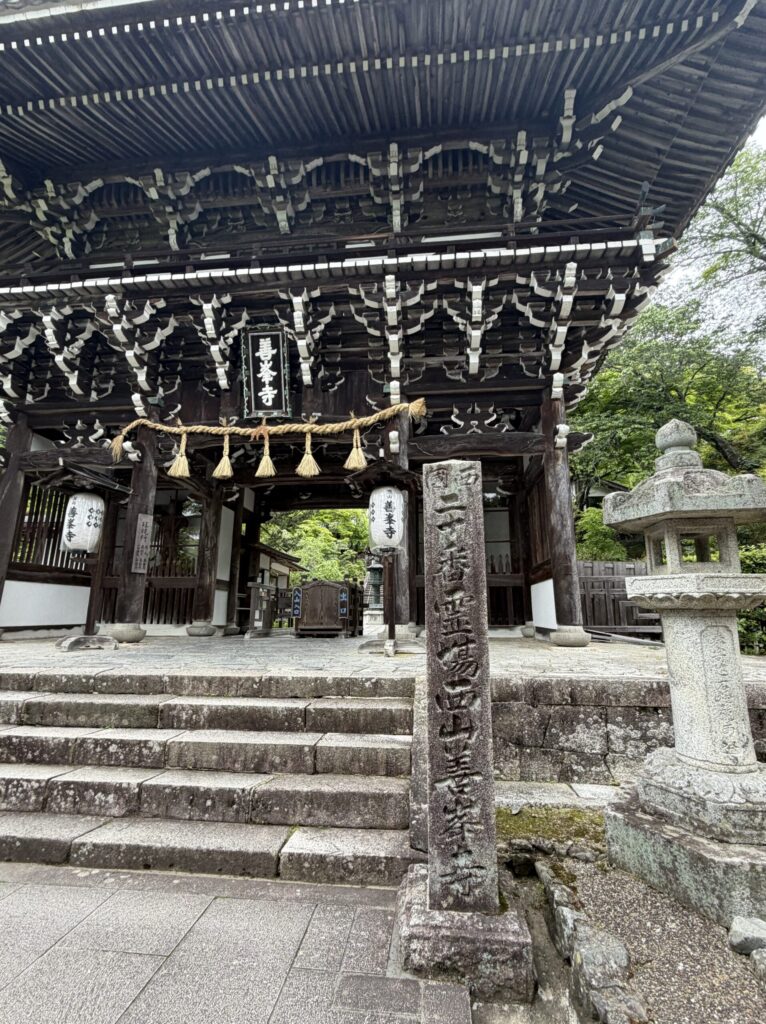
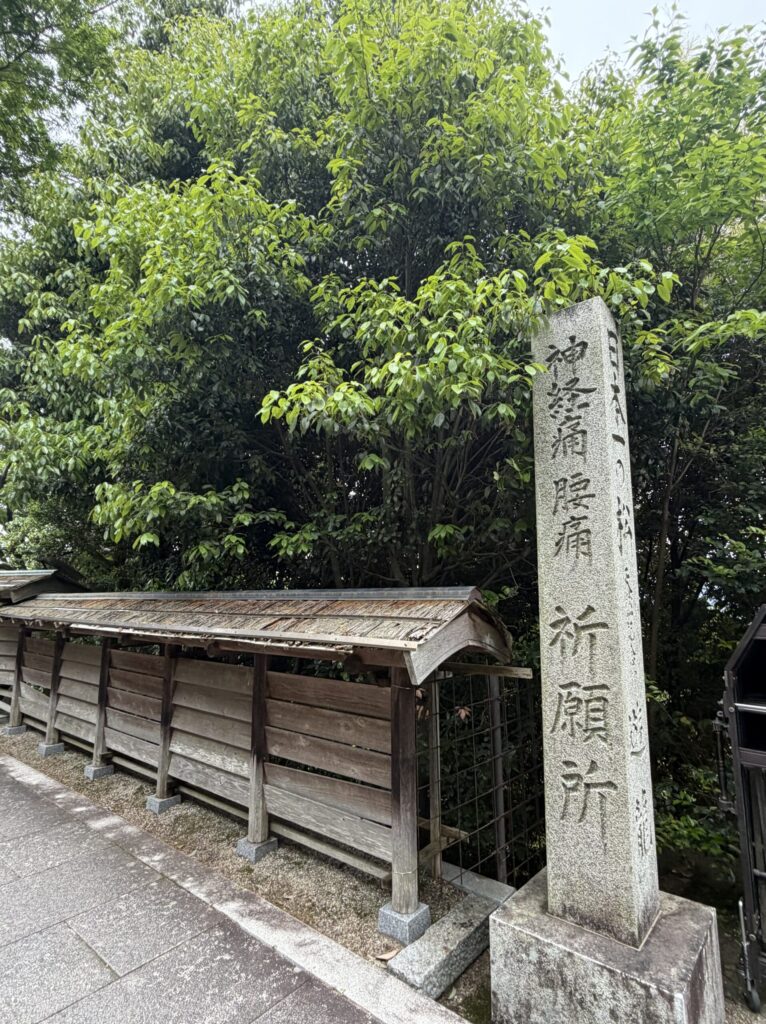
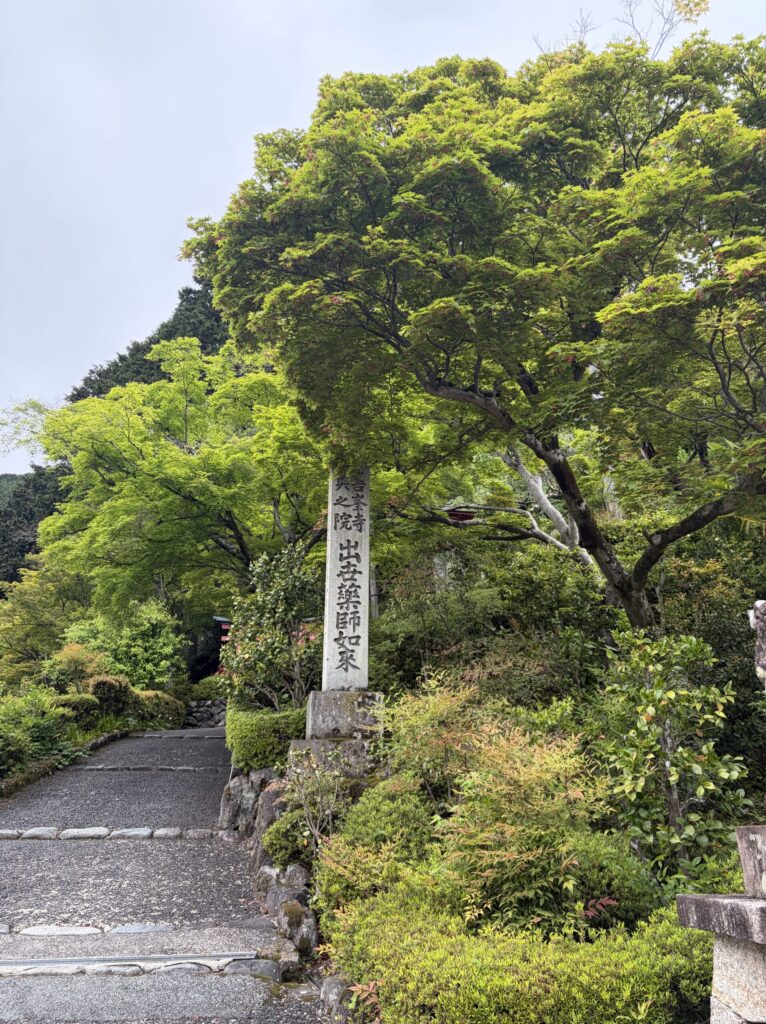
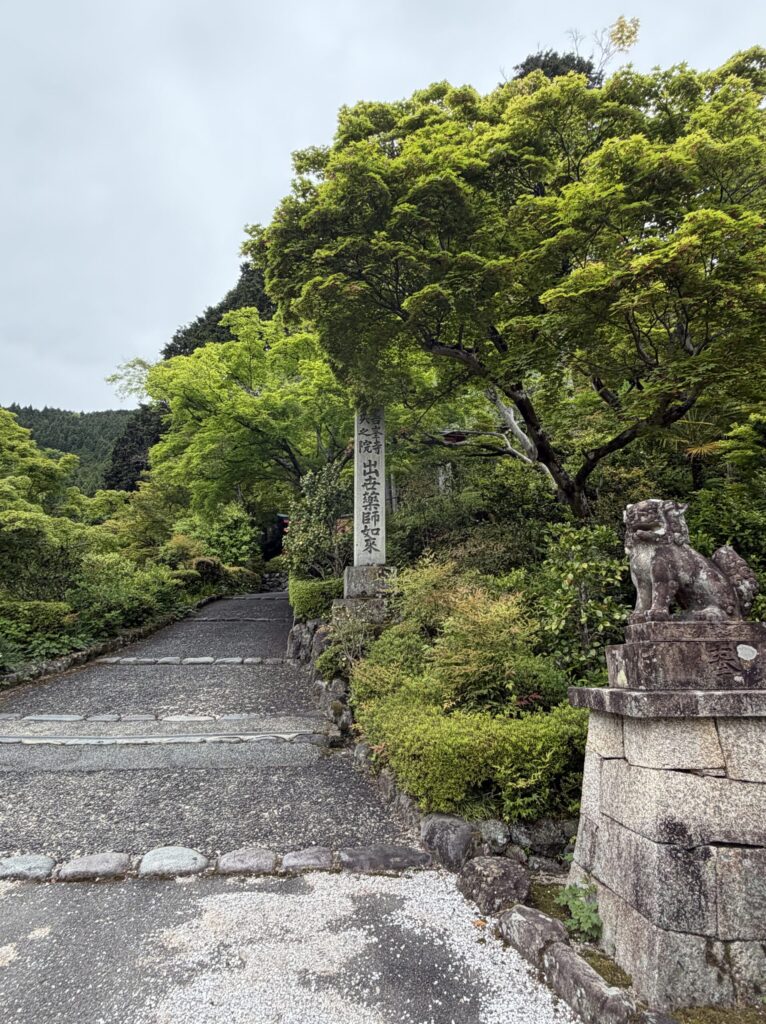
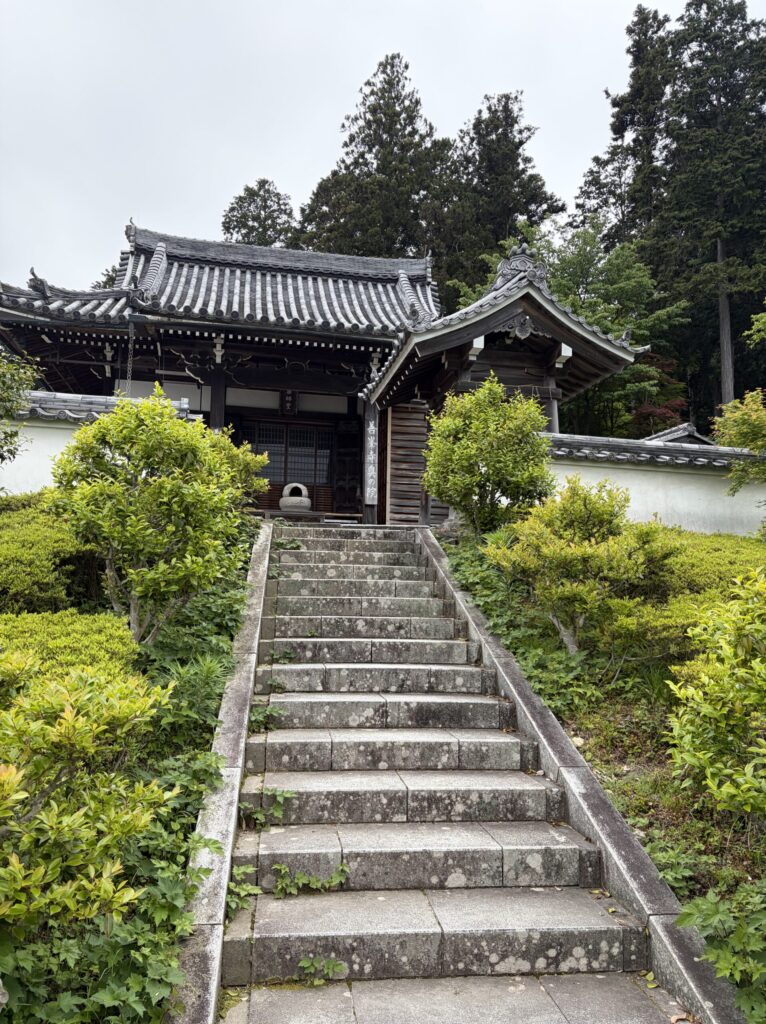
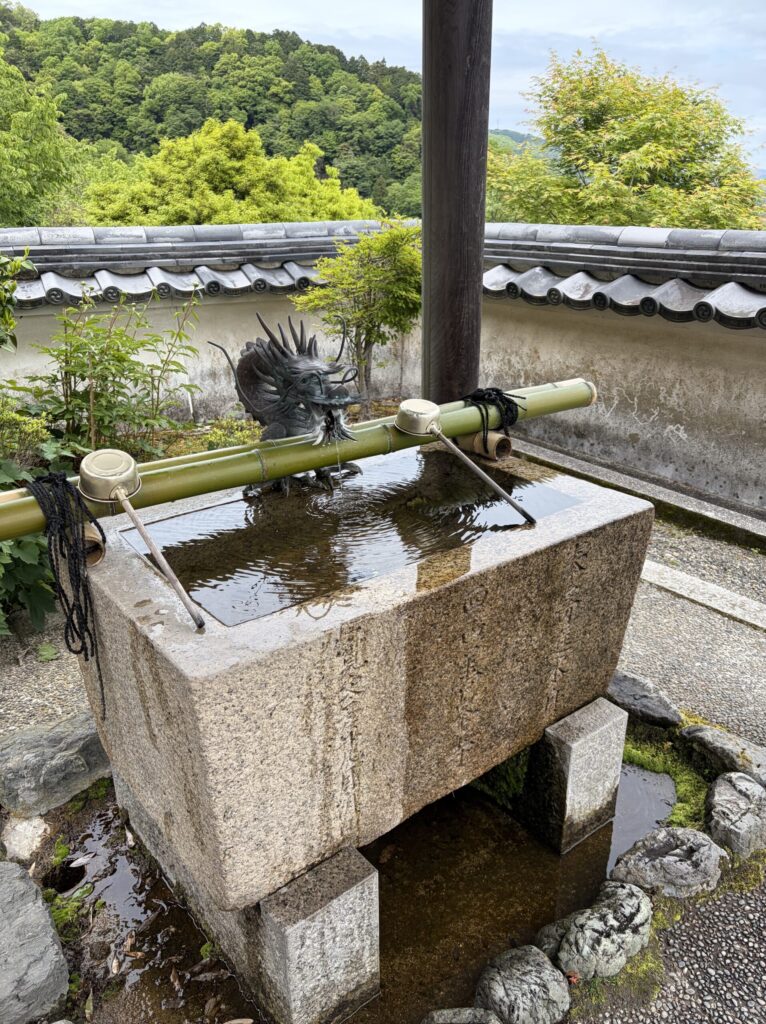
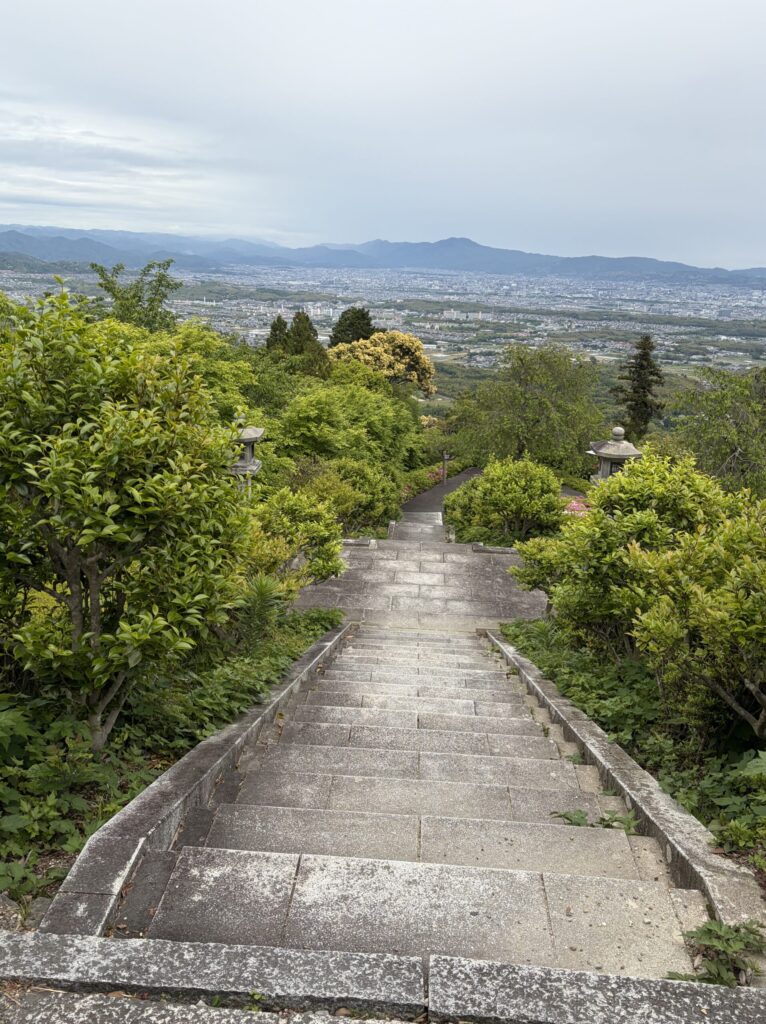
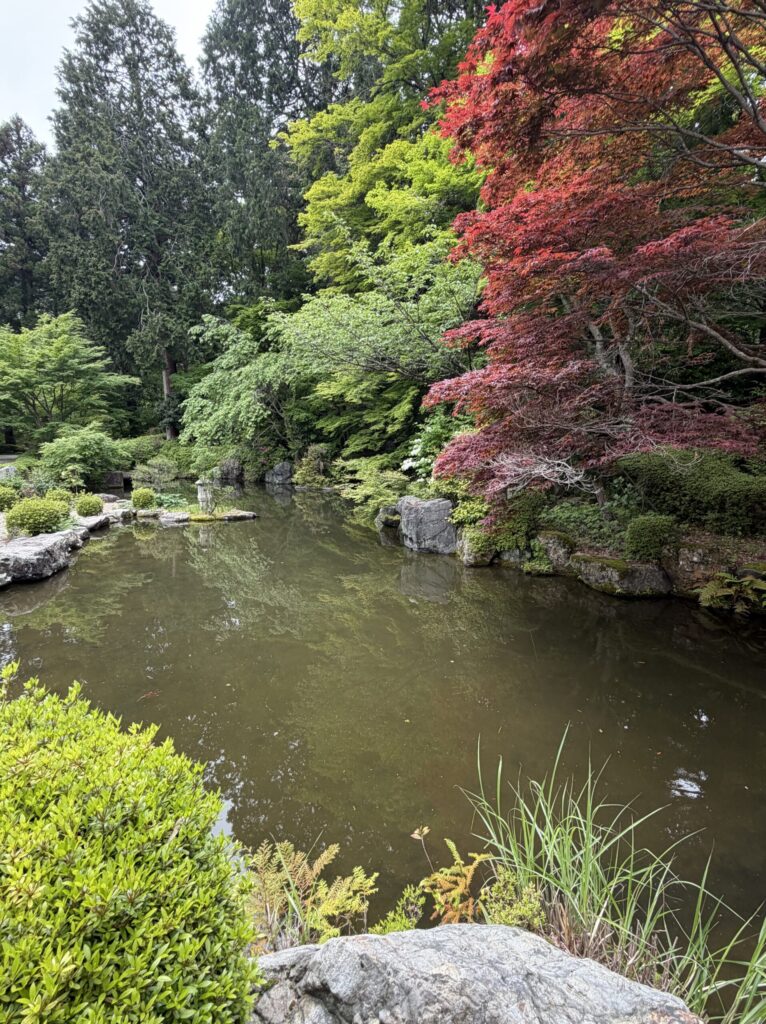
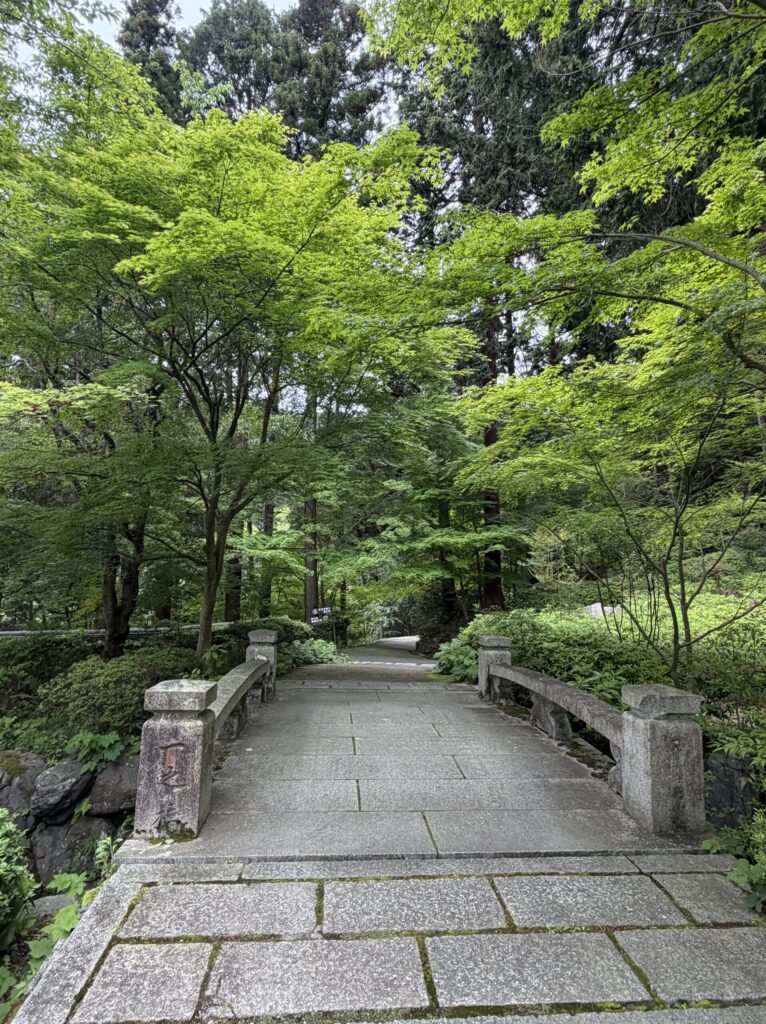
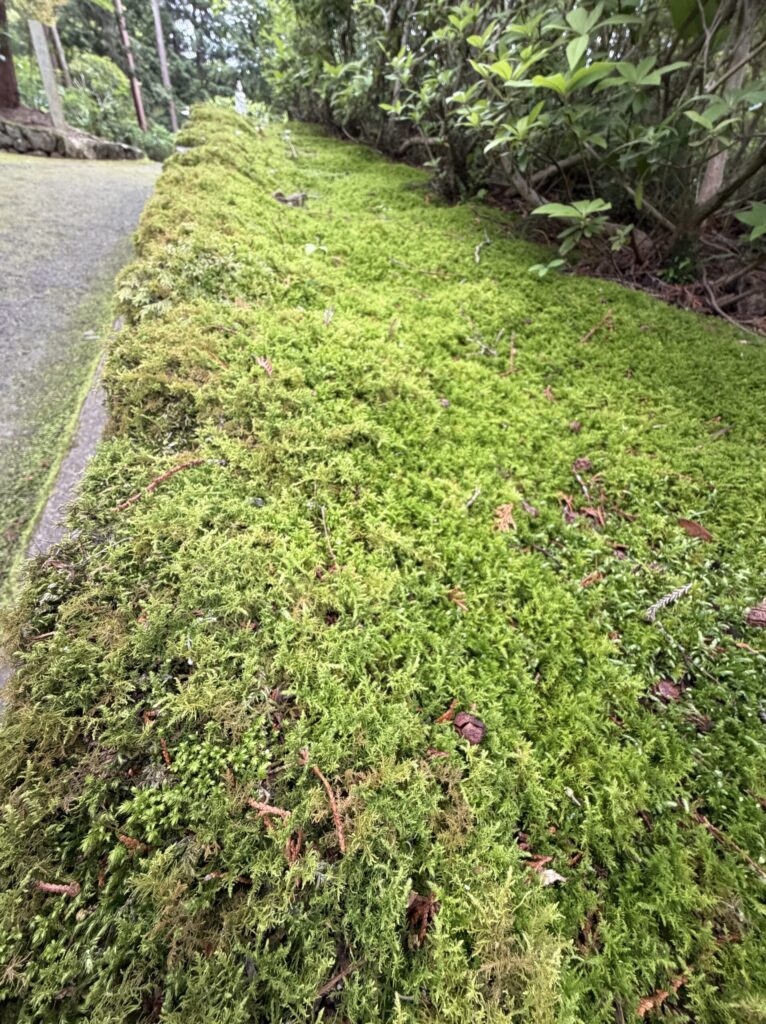
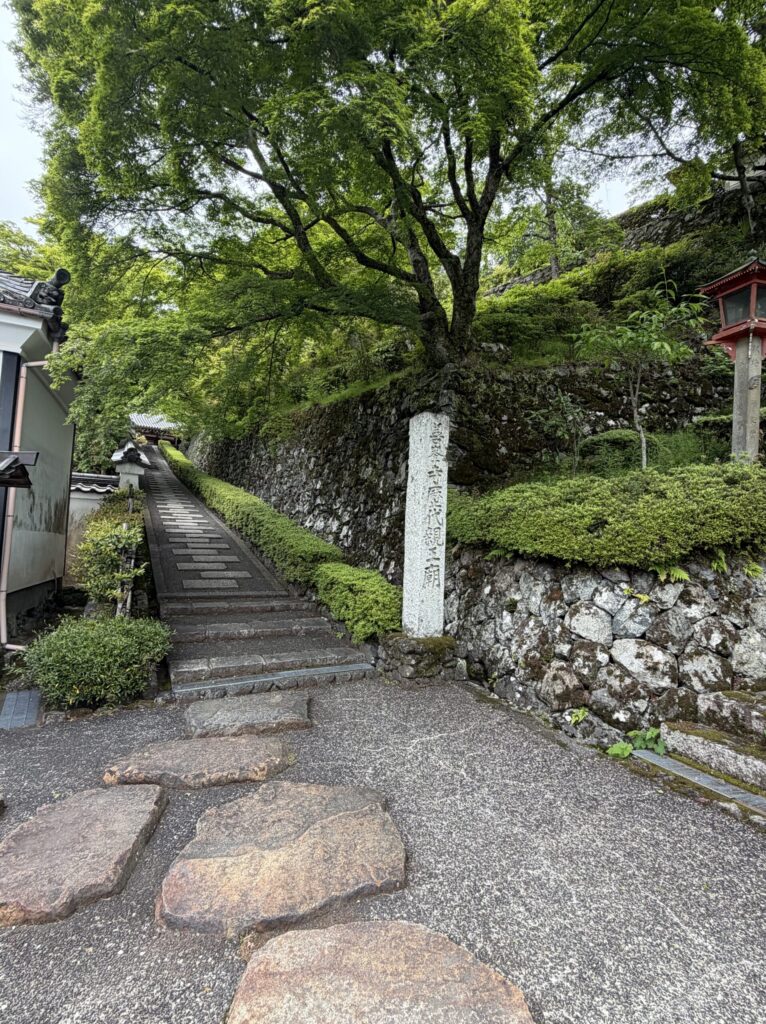
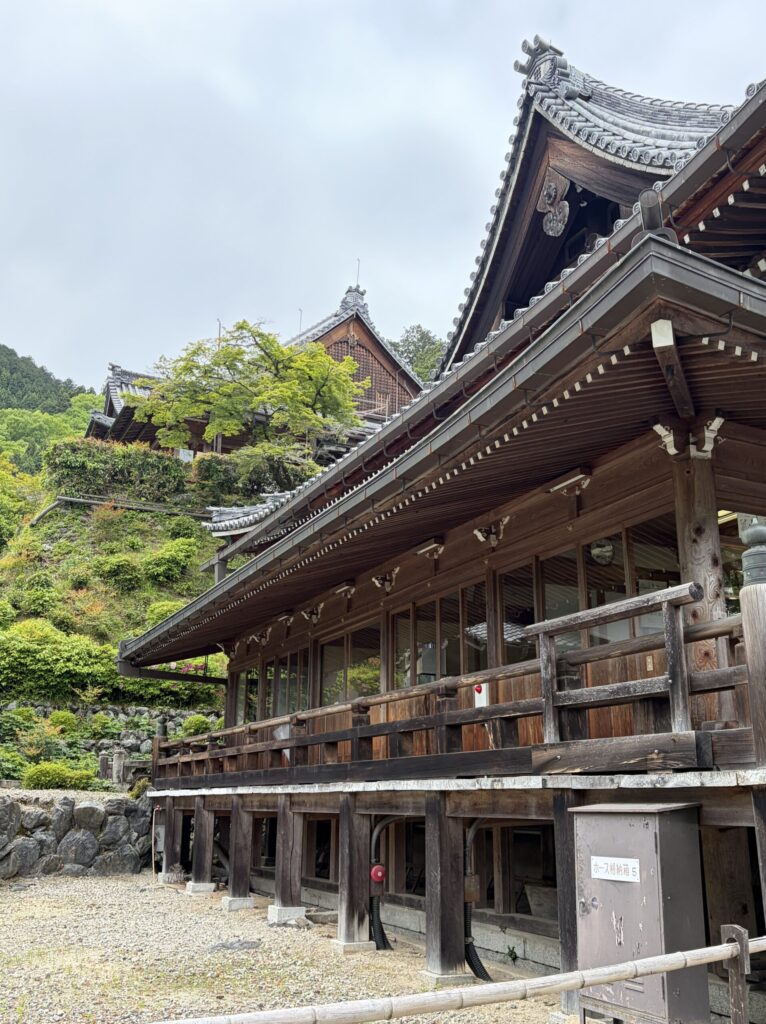
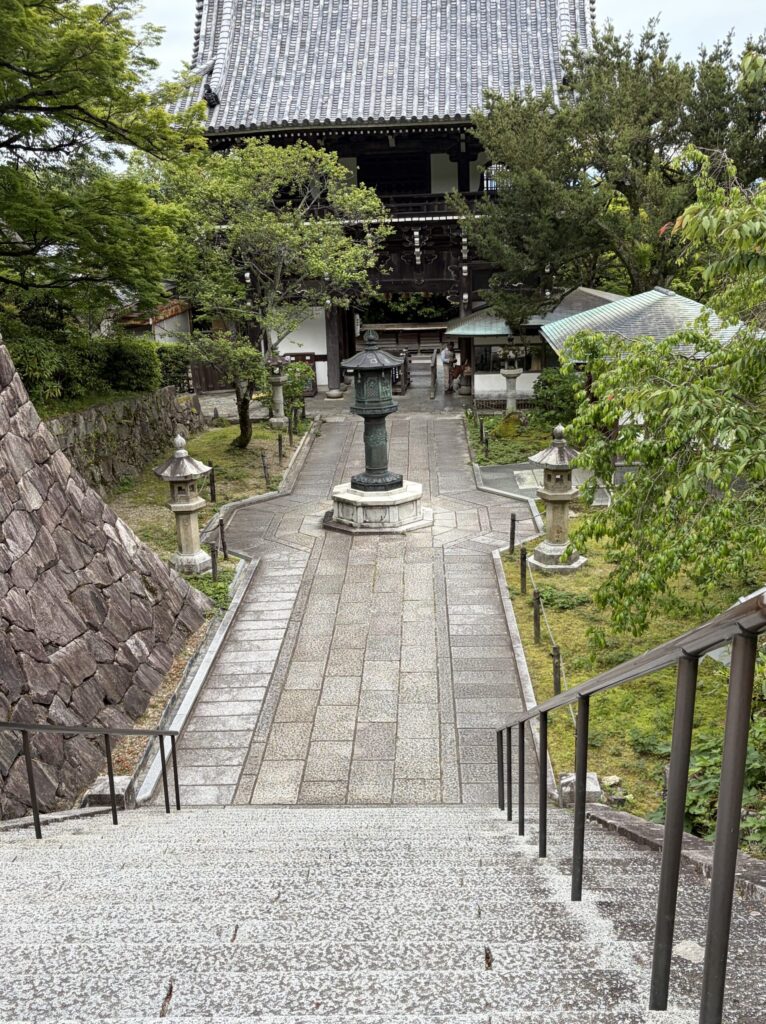
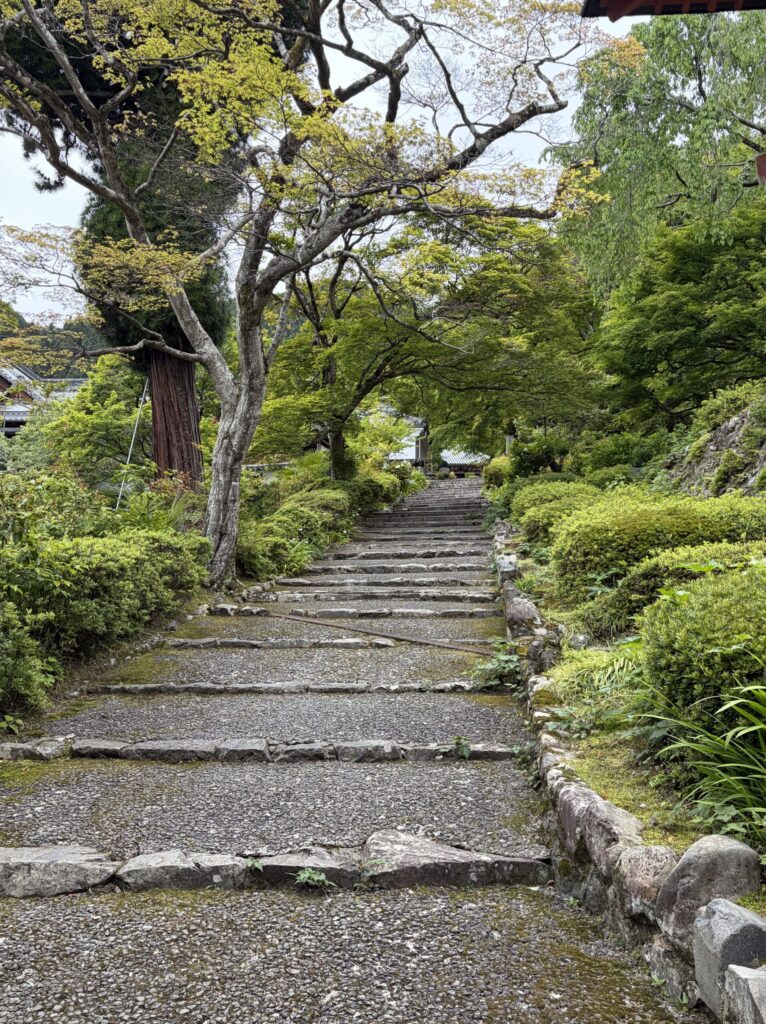
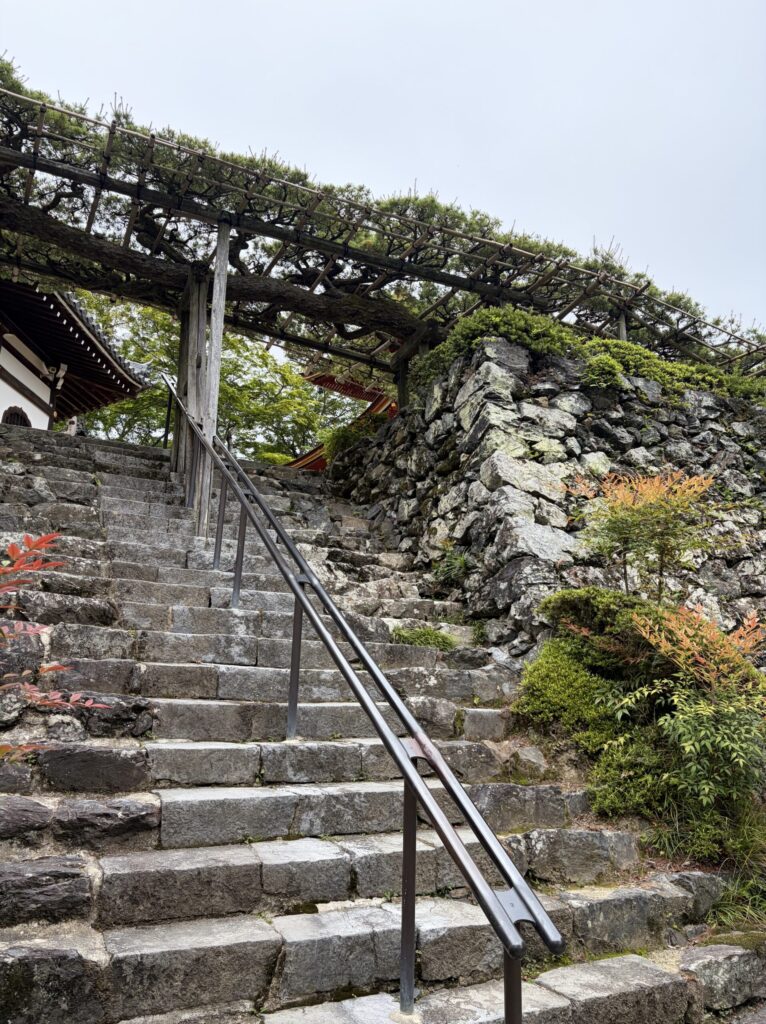
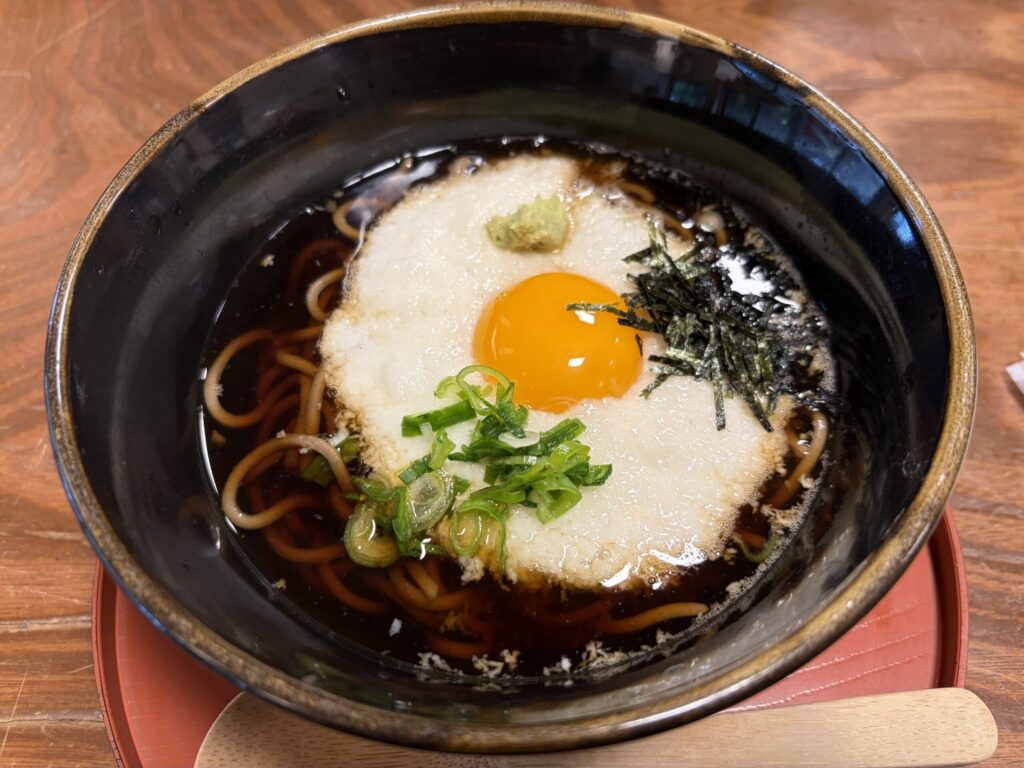
For lunch on the way down, I stopped at Yoshimine no Sato, a restaurant along the road at the foot of the mountain. Inside, they also sell souvenirs and bamboo shoots. With reasonably priced noodle dishes as well as more elaborate seasonal set meals and drinks, it makes a perfect spot for a rest stop.
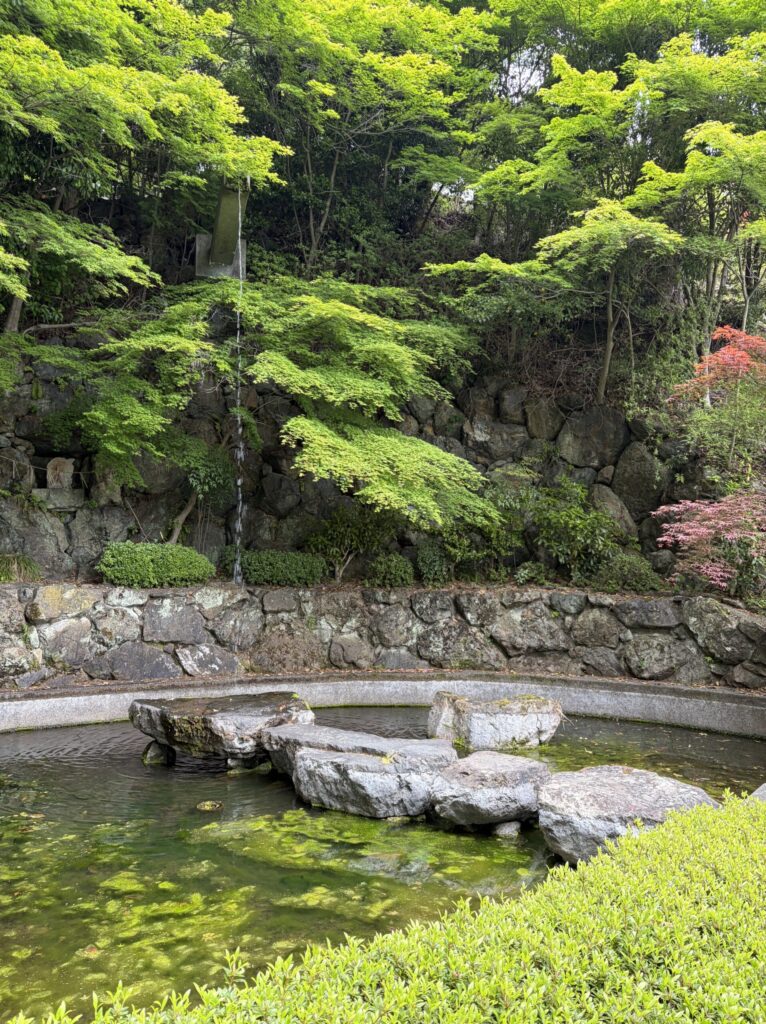
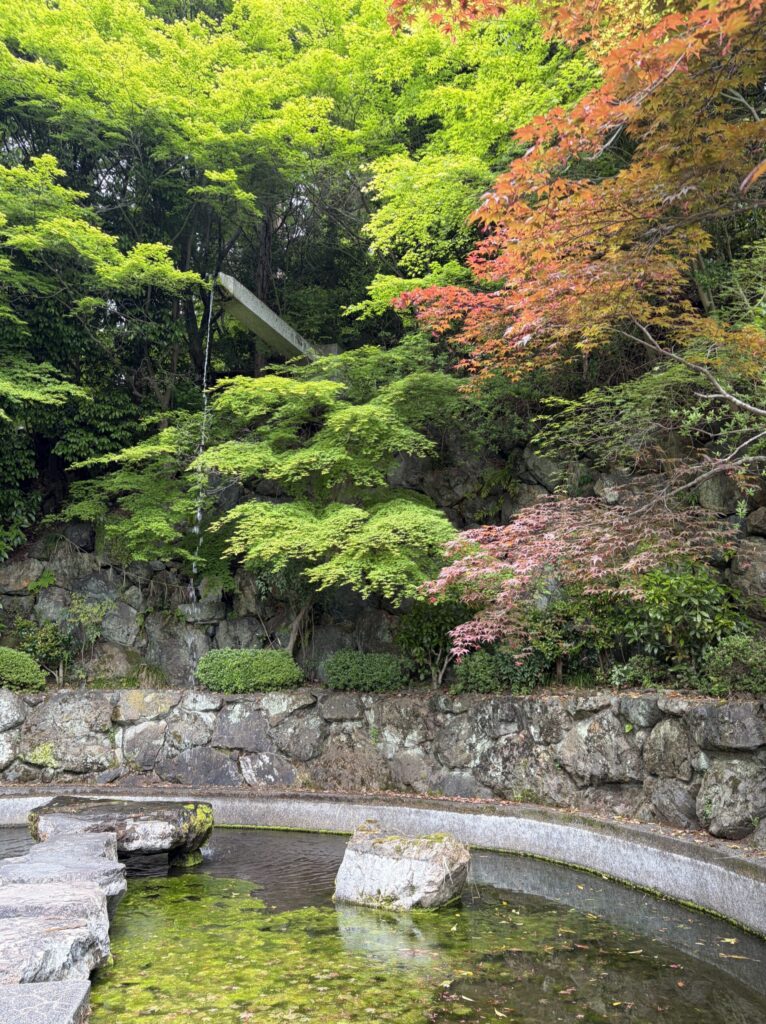
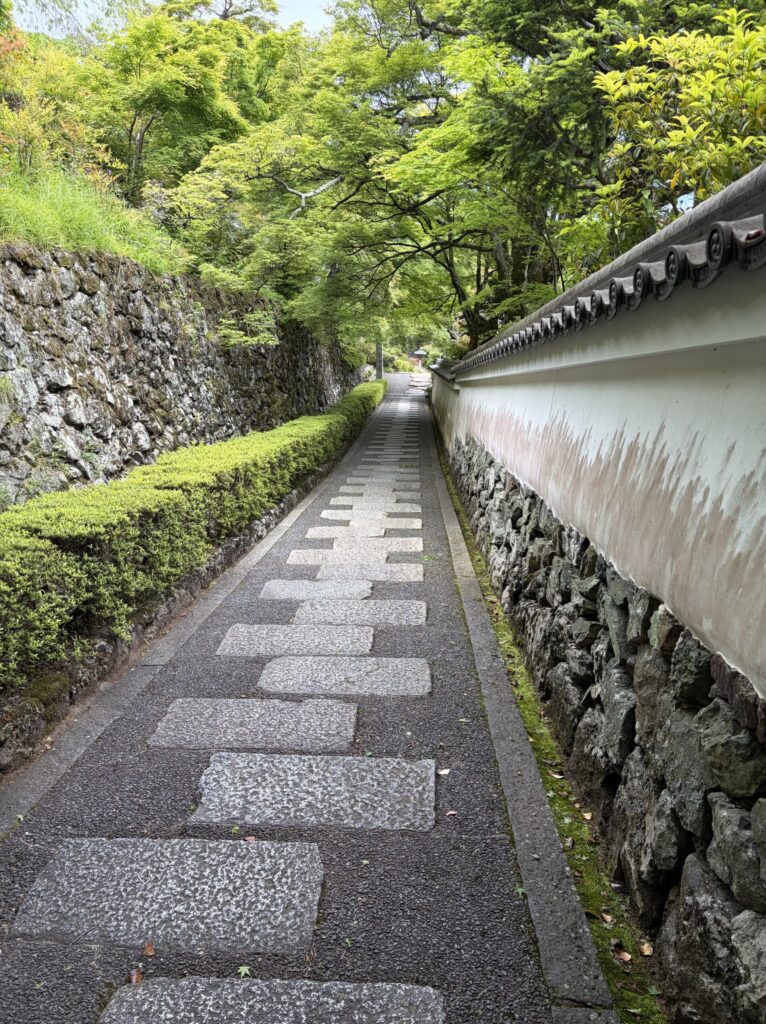
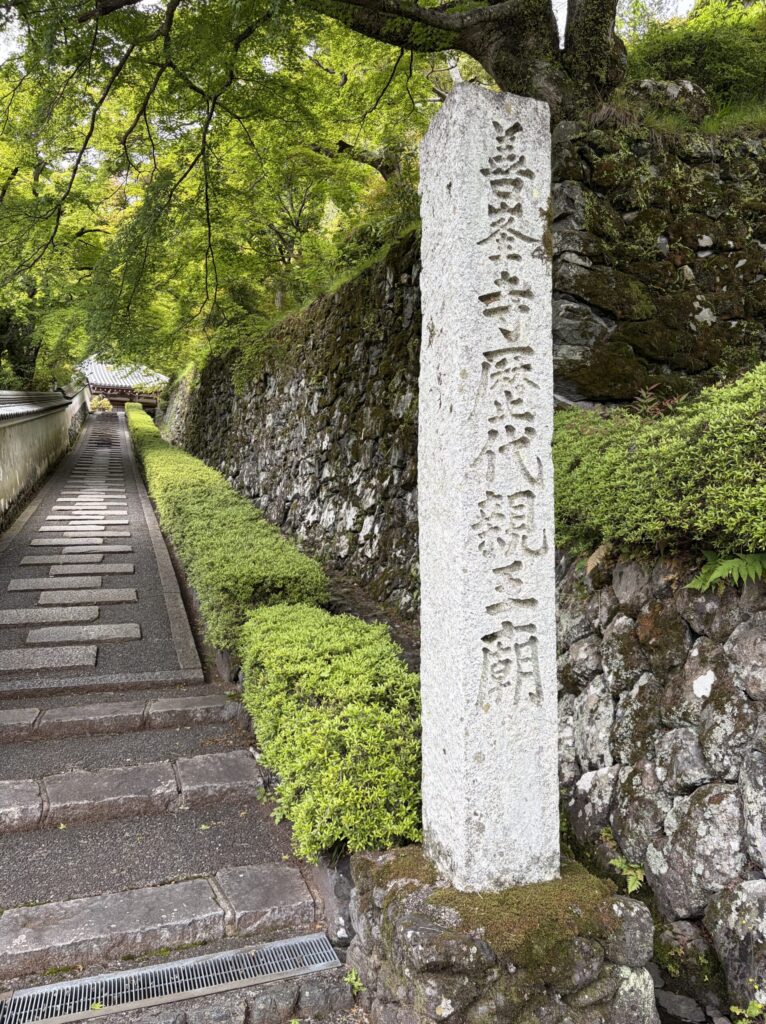
Beyond the flowers and plants, the temple is also a wonderful place to enjoy the natural surroundings.
About Goshuin Stamp Books and Related Items
I usually collect the pre-written kakioki type of goshuin stamps, but for the Thirty-Three Temple Pilgrimage I wanted stamps written directly into a dedicated book, so I purchased one especially for the journey.
Goshuincho stamp books are also sold at the temples of the Saigoku Pilgrimage. However, the accordion-fold (jyabara) style can cause ink to bleed through to the other side. For that reason, I would recommend a bound style rather than accordion-fold — ideally one where each page is separated by an interleaving sheet of paper.
Nokyo-cho — Saigoku Thirty-Three Temples
Gold brocade binding (with vinyl cover) · Lightweight, quick-drying special washi paper that resists ink bleed-through
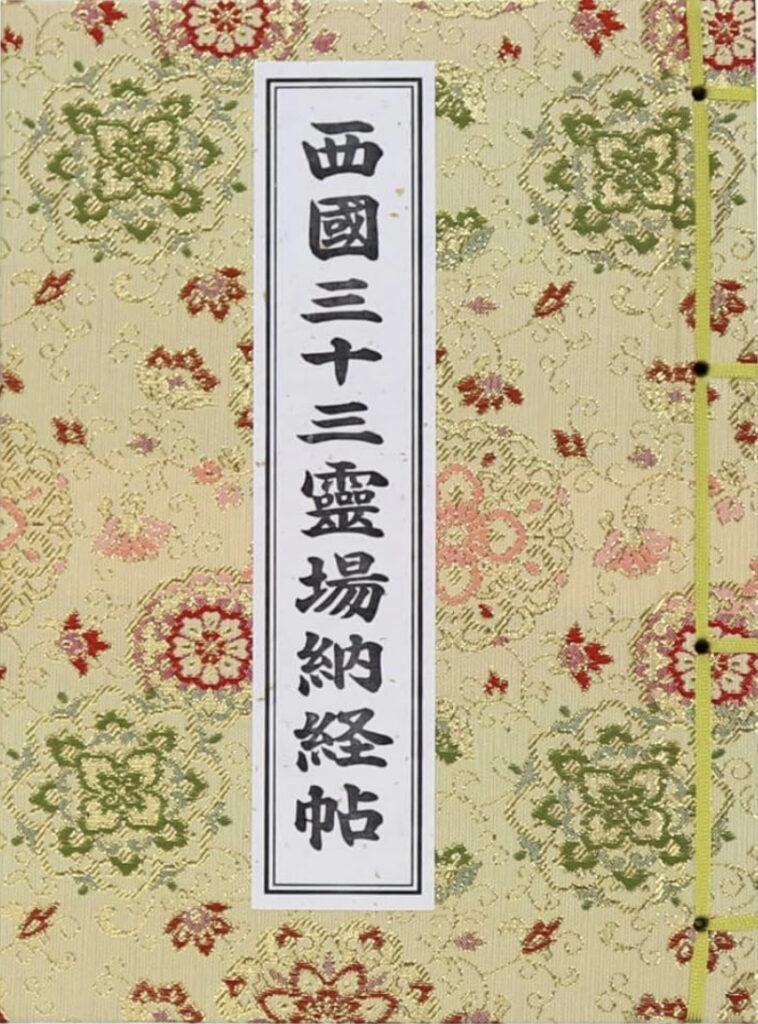
Nokyo-cho — Saigoku Thirty-Three Temples
Hinoki (Japanese cypress) solid wood binding · Handmade washi paper, accordion-fold double-layer style
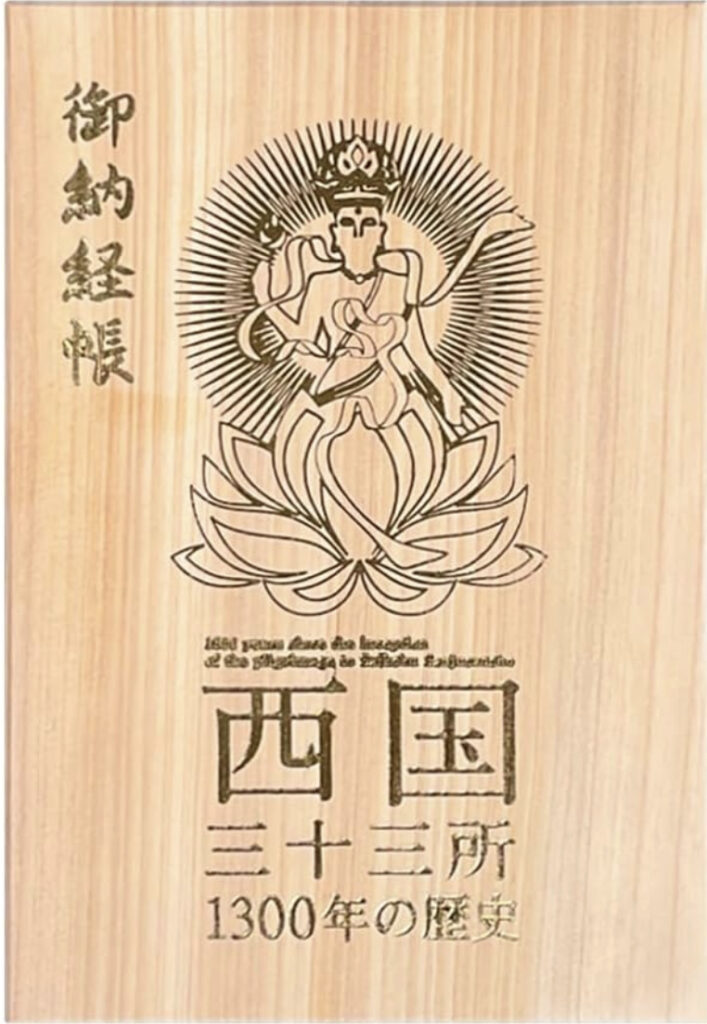
Walking the Saigoku Thirty-Three Temples
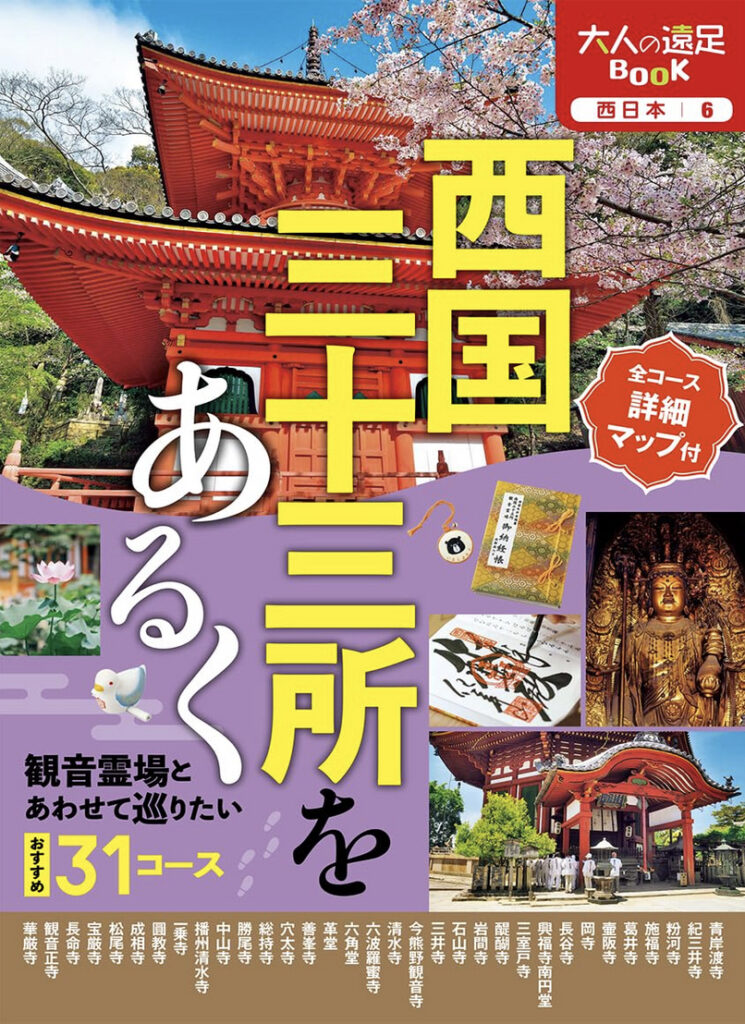
Otona no Ensoku BOOK
A guidebook for enjoying the pilgrimage and the pleasures of dedicated walking
Introduction & Overview
- What Is Esoteric Buddhism? Tendai and Shingon Explained in Simple Terms
- The Deep Connection Between the Saigoku Pilgrimage and Esoteric Buddhism | Why We Journey to Kannon Bodhisattva
Buddhas & Bodhisattvas
- What Are the 33 Forms of Kannon Bodhisattva? A Complete Guide to the Principal Images of the Saigoku Pilgrimage
- What Is the Difference Between Nyorai, Bosatsu, Myōō, and Ten? An Illustrated Guide to the Deities of Esoteric Buddhism
Practices & Culture
- The Meaning of the Heart Sutra Explained Simply | The World of the Sutras Chanted on Pilgrimage
- What Are Goshuin, Omiei, and Sange? The Esoteric Buddhist Culture You Encounter on the Saigoku Pilgrimage
Temples & History
Saigoku Pilgrimage of the Thirty-Three Temples — List of Sacred Sites
- No.12 Syohoji
- No.13 Ishiyamadera
- No.14 Miidera
- No.15 Imakumano-Knnonji
- No.16 Kiyomizudera
- No.17 Rokuharamitsuji
- No.18 Rokkakudo-Chohoji
- No.19 Kaudo-Gyoganji
- No.20 Yoshiminedera
- No.21 Anaoji
- No.22 Sojiji
- No.23 Katsuoji
- No.24 Nakayamadera
- No.25 Bansyu-Kiyomizudera
- No.26 Ichijyoji
- No.27 Engyoji
- No.28 Nariaiji
- No.29 Matsunoodera
- No.30 Chikubusima-Hogonji
- No.31 Chomeiji
- No.32 Kannonsyoji
- No.33 Kegonji