The waka poem known as Tsurugi Tachi (“Sword and Blade”) was composed by Ōtomo no Yakamochi as a song symbolizing the soul of the warrior. It is deeply connected to Man’yōshū, Japan’s oldest poetry anthology, and to the classical culture of the warrior tradition.
Ōtomo no Yakamochi and Tsurugi Tachi
Ōtomo no Yakamochi (大伴家持, c. 718–785) was one of the greatest poets of the Asuka and Nara periods, and is widely regarded as a central figure in the compilation of the Man’yōshū.
(1) The Warrior Clan and the Sword
The Ōtomo clan, to which Yakamochi belonged, had served the imperial court as military protectors since ancient times — one of Japan’s most powerful warrior lineages.
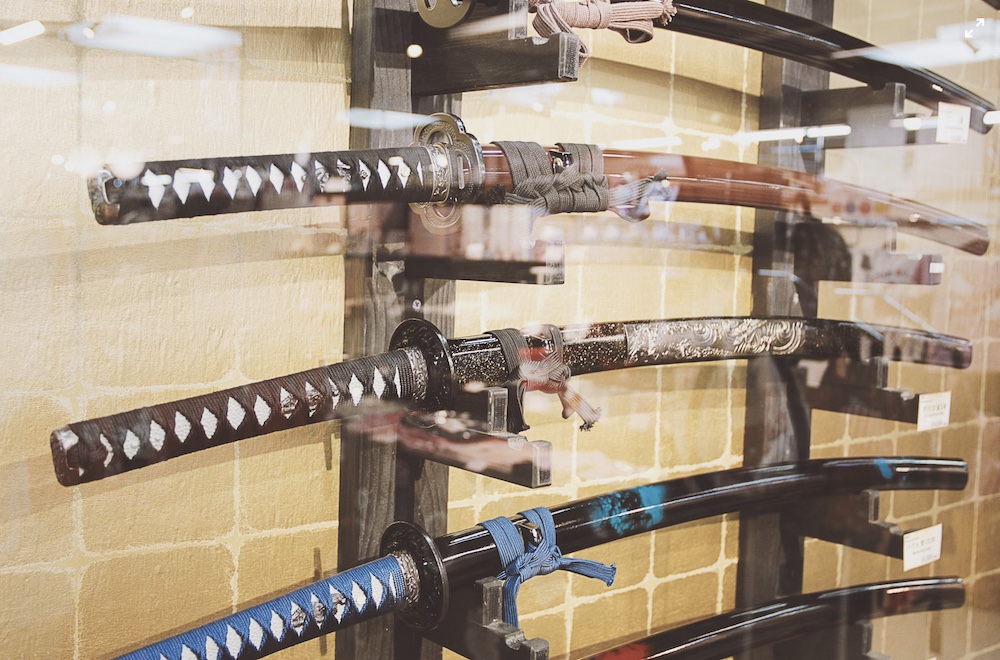
The sword (katana or tachi) was the ultimate symbol of the warrior class — the very soul of the fighting man.
In Yakamochi’s poetry, the word tsurugi tachi (剣太刀, “sword and blade”) appears as a vital motif expressing the honor, pride, and resolve of his clan.
The Poem: Tsurugi Tachi
Tsurugi tachi / iyoyo togu beshi / inishie yu / sayakeku oite / kinishi sono na zo
Modern translation: We must sharpen ever more keenly the sword that is the warrior’s soul. For we of the Ōtomo clan have carried, since time immemorial, a name of unblemished clarity and honor.
This poem is believed to have been composed when the clan faced unjust slander — a declaration of resolve to defend the family name and reaffirm the duty of the warrior.
(2) The Sword in Waka Poetry
Tsurugi tachi appeared not only in poems of the warrior class, but also in love poetry. The image of the blade served as a makurakotoba (枕詞, a classical poetic epithet), expressing powerful emotion in ancient waka.
For example:
Tsurugi tachi / moroha no toki ni / ashi fumite / shinaba shinamu yo / kimi ni yorite wa
(Anonymous — “For your sake, I would walk upon the double edge of a sword and meet my death without regret.” A poem of fierce, consuming love.)
The Modern Connection: Shigin and Kenbu
Tsurugi Tachi and the Modern Arts of Shigin and Kenbu
Kenbu (剣舞, sword dance) is a performing art in which dancers hold a sword (or fan) and express the world of classical poetry through movement, performed in accompaniment with shigin (詩吟, the chanting of Chinese and Japanese verse). The roots of its repertoire are steeped in the spirit of the warrior.
Yakamochi’s waka are frequently featured in the repertoire of gin-ken-shi-bu (吟剣詩舞) — the combined art of verse chanting and sword dance — prized for their power and richness of imagery. Poems such as Tateyama ni (“On Mount Tate”), composed when Yakamochi served as provincial governor of Etchū (present-day Toyama Prefecture), are performed in this tradition today.
Summary
Tsurugi Tachi is a waka composed by Ōtomo no Yakamochi, imbued with the pride of a warrior clan.
The sword serves as a central motif symbolizing family honor and personal resolve.
That spirit of the warrior poet lives on in the modern arts of shigin and kenbu — where the words of Yakamochi and other classical poets are given voice through chant and given form through the dance of the blade.
It is worth reflecting that Ōtomo no Yakamochi — a nobleman of the Nara period serving the Yamato court — may well be regarded as one of the great spiritual ancestors of Japan’s warrior tradition.
Books on Shigin and Kenbu
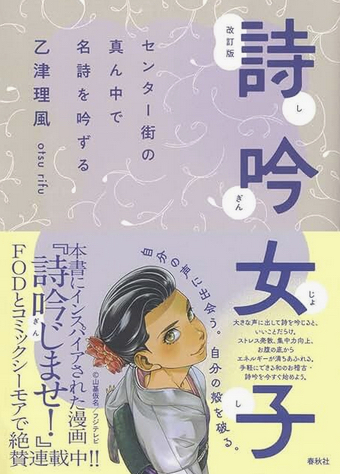
- Shigin Joshi (詩吟女子) — Details here
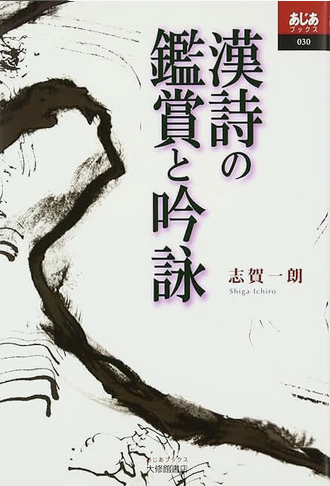
- Kanshi no Kanshō to Gin’ei (漢詩の鑑賞と吟詠) — Details here
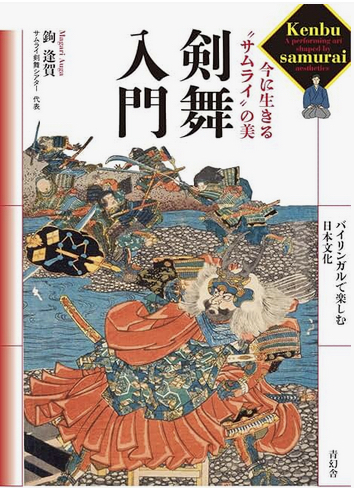
- Kenbu Nyūmon (剣舞入門) — Details here
Shigin Joshi (詩吟女子)
Kanshi no Kanshō to Gin’ei
Kenbu Nyūmon