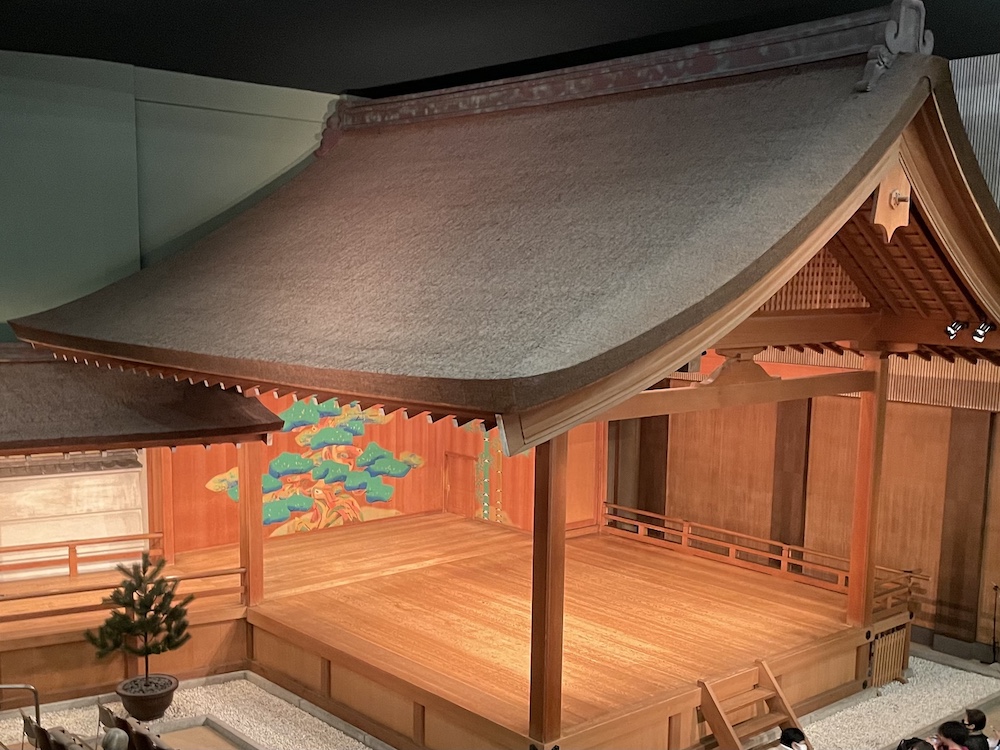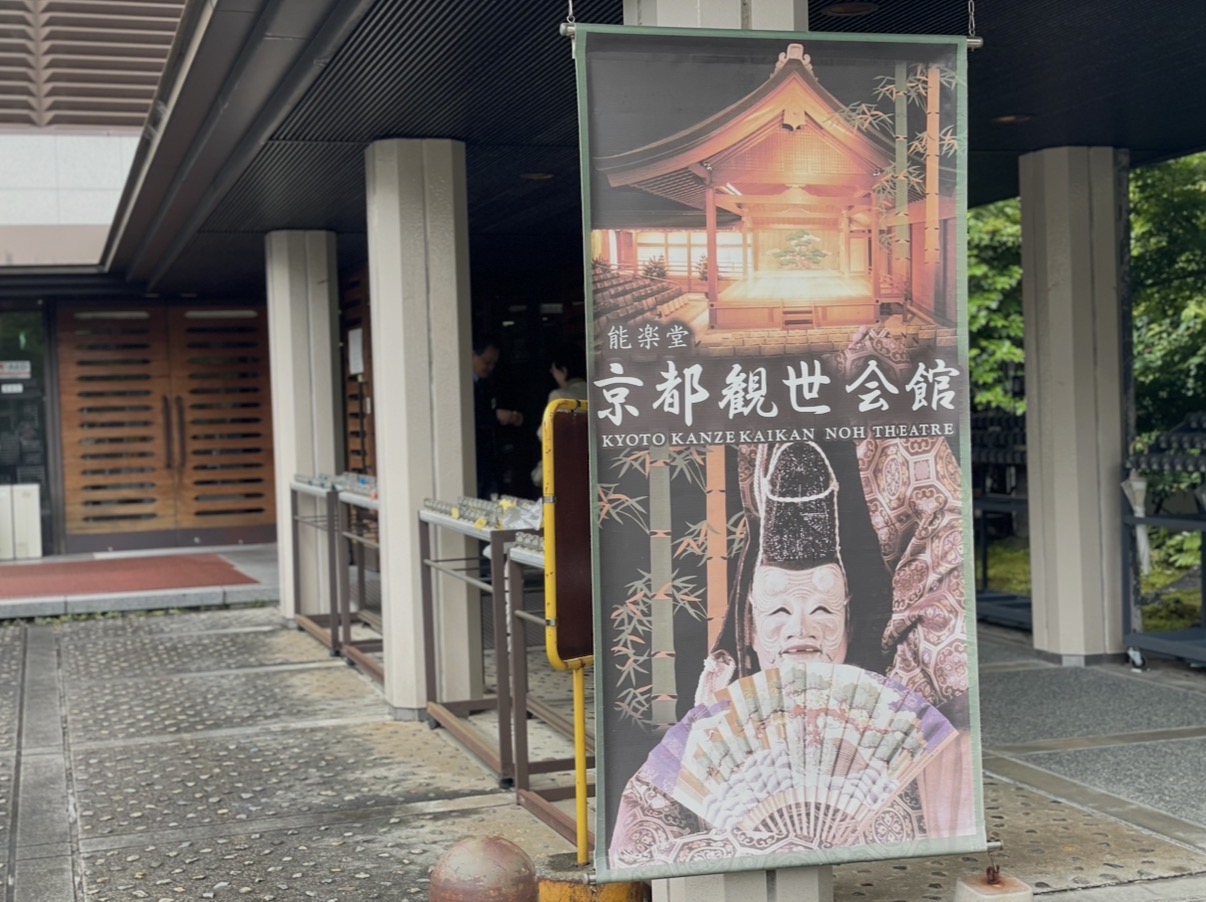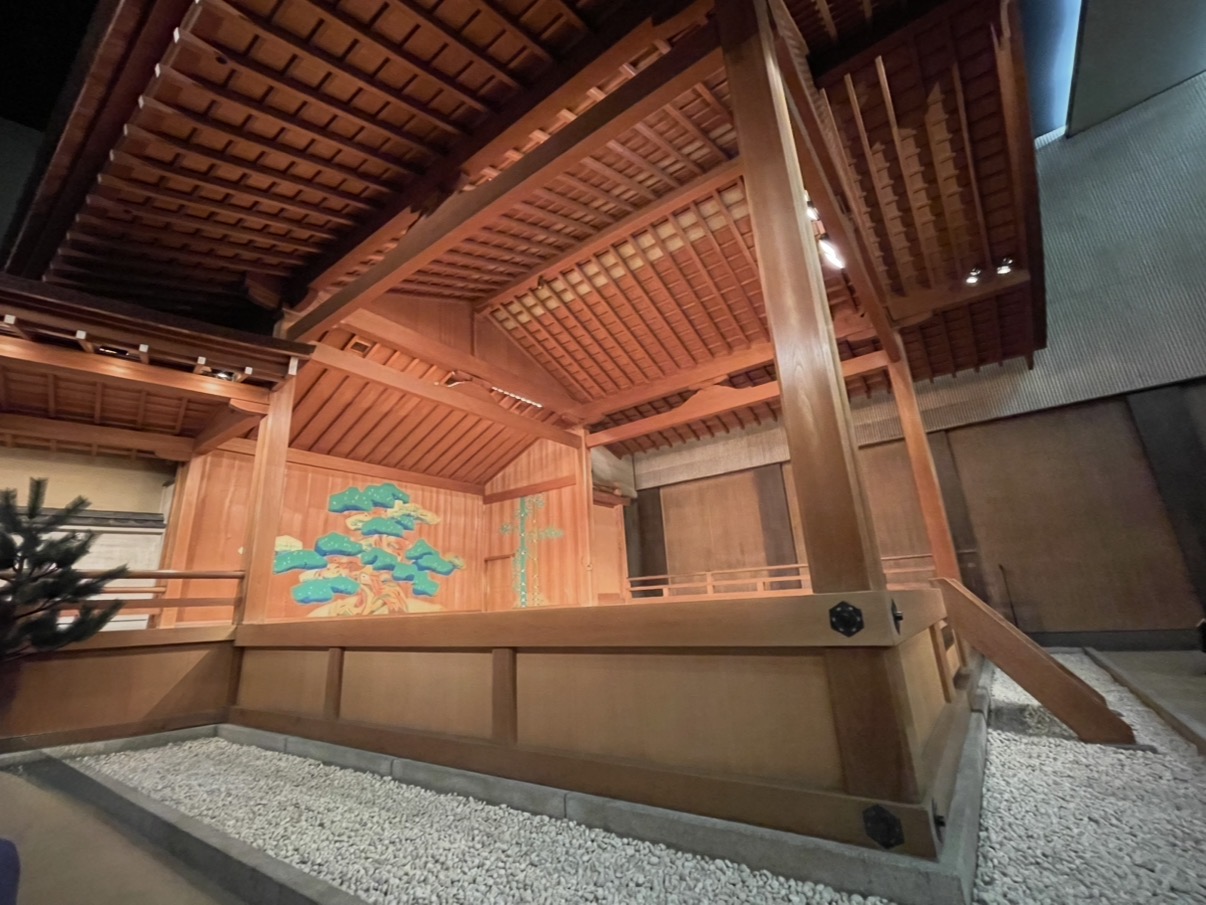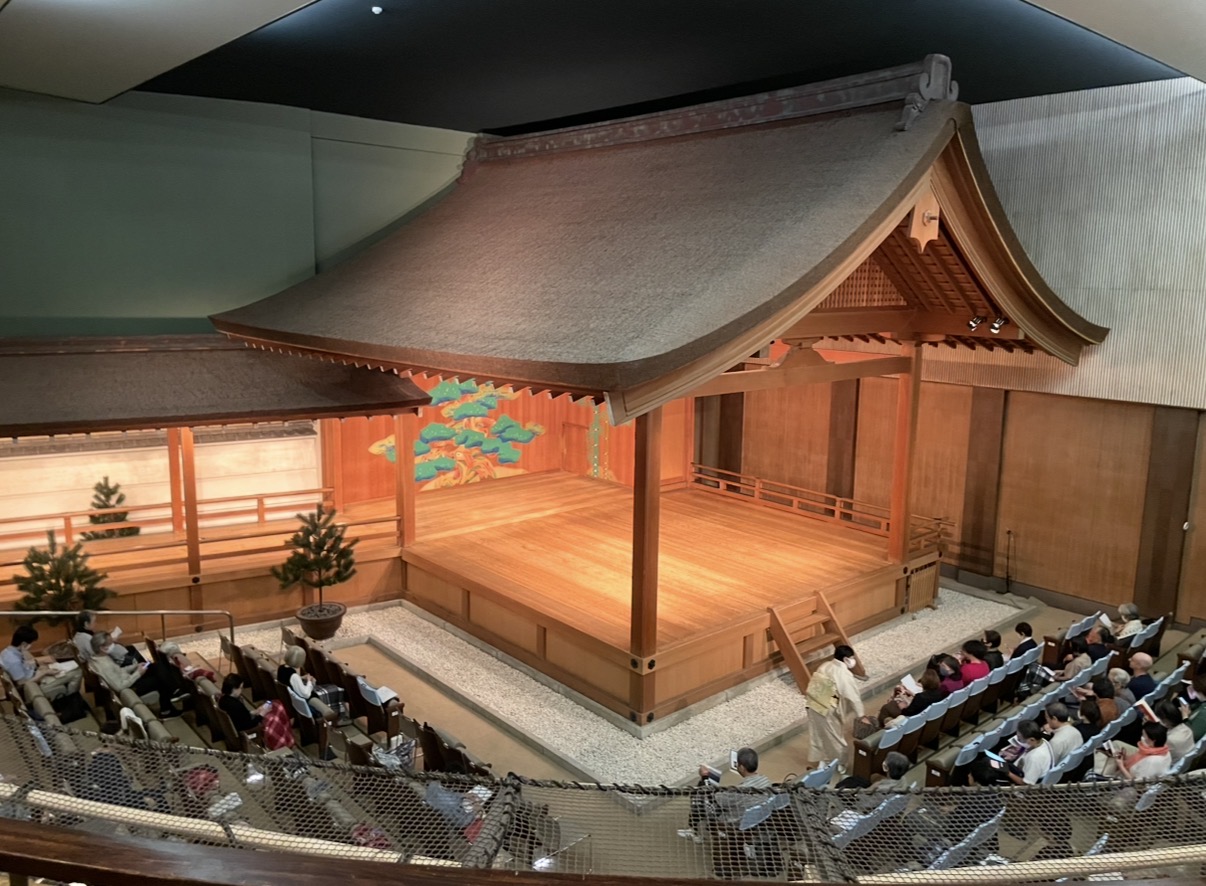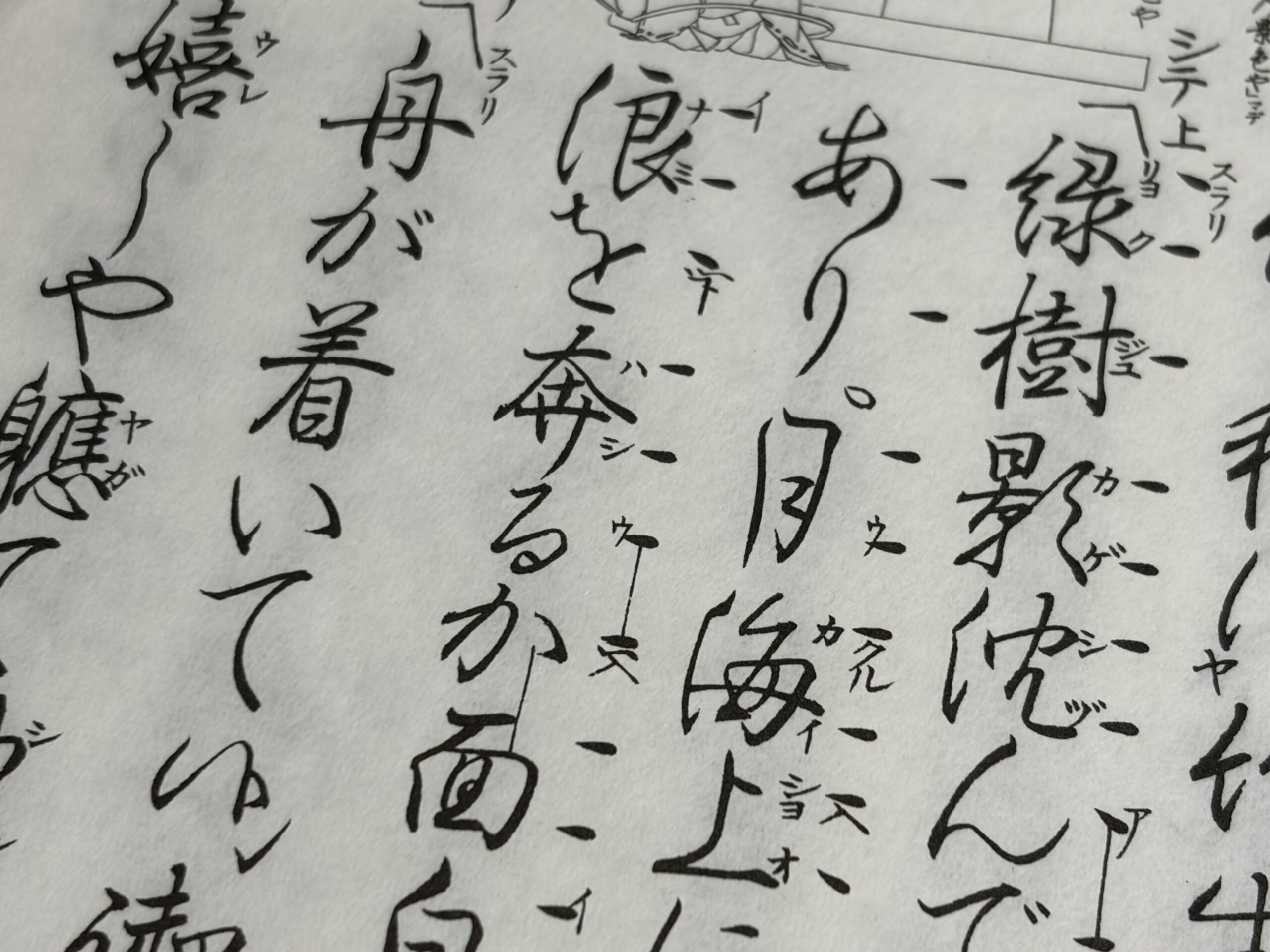
I’ve recently moved up to an intermediate-level utaibon (謡本, Noh chant text) in my Noh practice, and the very first piece — “Chikubushima” — has been humbling me ever since.
There’s no room yet to visualize the scenery or feel the meaning. I just keep wondering what on earth I’m chanting. It nearly broke my spirit.
So I’ve been trying something different: listening a little every day, letting it sink in through my ears rather than forcing it through my head. Before, I’d listen only the day or two before practice and somehow scrape through — but Chikubushima suddenly raised the bar to a completely different level.
Though I have to say — after daily listening, I’m starting to hear it as actual Japanese words. That might be progress.
To understand the story a little better, I’ve put together this article with the help of AI.
I’m also planning to visit Chikubushima itself as part of my Saigoku Pilgrimage journey one day, so I’m looking forward to that too.
Among the many celebrated works of Noh theater, “Chikubushima” (竹生島) stands out for its combination of splendor and sacred beauty. Set on a mysterious island in Lake Biwa, this yokyoku (謡曲, Noh chant piece) features the appearance of gods who bestow blessings and peace upon the world. It is widely considered one of the most accessible Noh pieces for those new to the art.
This article introduces the story and highlights of Noh’s “Chikubushima” in an easy-to-follow way. If you’ve recently become interested in Noh, I hope you’ll read to the end.
What Is Noh’s “Chikubushima”?
“Chikubushima” is a waki-nō (脇能) — a category of Noh in which a deity is the central figure, making it an auspicious and celebratory work — set on the real island of Chikubushima in Lake Biwa.
Its authorship is traditionally attributed to Zeami, though this has not been definitively confirmed.
Among waki-nō pieces, Chikubushima is considered especially refined and rich in celebratory spirit, and it continues to be performed on many Noh stages today.
The island of Chikubushima is home to Hōgonji Temple (宝厳寺), dedicated to Benzaiten (the goddess of music and fortune), and Tsukubusuma Shrine (都久夫須麻神社), dedicated to the Dragon God — both sites of ancient and deep religious veneration.
This Noh piece magnificently expresses the sacred atmosphere of that holy place through dance and chant.
The Story of “Chikubushima”
The play begins with a retainer of Emperor Daigo setting out to visit the celebrated island of Chikubushima.
Part One: Meeting the Old Man and the Young Woman
Arriving at the shores of Lake Biwa, the retainer encounters an old man in a fishing boat and a young woman. When he asks to be taken to the island, they kindly welcome him aboard.
As the boat glides across the lake, the serene spring scenery of Lake Biwa is described in beautiful verse.
Upon reaching Chikubushima, the retainer notices the woman walking into the shrine hall and asks about it. The old man explains that the deity of Chikubushima — Benzaiten — is a goddess, and so the island is not forbidden to women.
He then reveals that neither he nor the woman are ordinary human beings. With that, the woman disappears into the shrine, and the old man vanishes beneath the waters of the lake.
Part Two: The Appearance of Benzaiten and the Dragon God
The shrine hall begins to glow, and Benzaiten appears in the form of a heavenly maiden. She dances a graceful dance and bestows happiness and peace upon all.
Then, rising dramatically from the depths of the lake, the Dragon God appears — offering gold, silver, and precious jewels as he pledges the safety and prosperity of the land.
The elegant beauty of Benzaiten and the powerful dynamism of the Dragon God are portrayed in striking contrast, filling the stage with a divine, celebratory radiance.
And so “Chikubushima” draws to a close in an atmosphere of joyous blessing.
Highlights of “Chikubushima”
“Chikubushima” is packed with the defining pleasures of Noh. Here are the moments not to miss.
1. The Beautiful Chant Depicting Lake Biwa in Spring
In the first part of the play, the chant describing the crossing of the lake is extraordinarily beautiful, vividly evoking the tranquil spring scenery of Lake Biwa.
Lines such as “Ryokuju kage shizunde, sakana ki ni noboru keshiki ari” — describing the reflection of green trees on the water’s surface and fish that seem to climb into the branches — draw the listener into an enchanted, dreamlike world.
2. Benzaiten’s Graceful Celestial Dance
In the second part, Benzaiten performs a Jo no Mai or Tennyo no Mai — the celestial maiden’s dance — which is one of the great highlights of this piece.
Her slow, elegant movements evoke the descent of a heavenly being, filled with a divine and otherworldly beauty.
3. The Dragon God’s Powerful Dance
In sharp contrast to Benzaiten’s grace, the Dragon God’s entrance transforms the stage into something vigorous and thrilling.
His maibaraki — a forceful, dynamic dance style — conveys the majesty of a god and the promise of the nation’s flourishing. It is breathtaking to witness.
The interplay of two gods of entirely different character is one of the great pleasures of “Chikubushima.”
To summarize the key highlights:
- Richly evocative chanting depicting Lake Biwa in spring
- Benzaiten’s graceful and mysterious celestial dance
- The Dragon God’s powerful and stirring dance
- A joyous, auspicious atmosphere throughout
Why “Chikubushima” Is Recommended for Beginners
“Chikubushima” has a clear, easy-to-follow storyline and is visually splendid — making it an ideal first Noh experience.
Rather than complex human drama, the play centers on the appearance of gods and the giving of divine blessings. You can enjoy it fully even with limited background knowledge.
Visiting the real island of Chikubushima before watching the play will deepen your appreciation of the world it portrays. Equally, watching the Noh first and then making a pilgrimage to the island is a profoundly moving experience in its own right.
Summary
The yokyoku “Chikubushima” is a magnificent, elegantly refined masterpiece, set on the mysterious island in Lake Biwa, in which two deities — Benzaiten and the Dragon God — appear to bring happiness and peace to the world.
With its beautiful depictions of Lake Biwa in spring, Benzaiten’s graceful celestial dance, and the Dragon God’s powerful performance, it is filled with highlights — and stands as a perfect introduction to Noh.
If you have the opportunity, I hope you will see it performed on stage, or visit Chikubushima itself, and experience firsthand the sacred and blessed world that this work so beautifully brings to life.
Noh’s profound beauty is waiting to be discovered.
References
- the-noh.com “Chikubushima”: https://www.the-noh.com/jp/plays/data/program_011.html
- Tessenkai Noh Encyclopedia “Chikubushima”: https://www.tessen.org/dictionary/explain/chikubushima
- Hōgonji Official Site: https://www.chikubushima.jp/