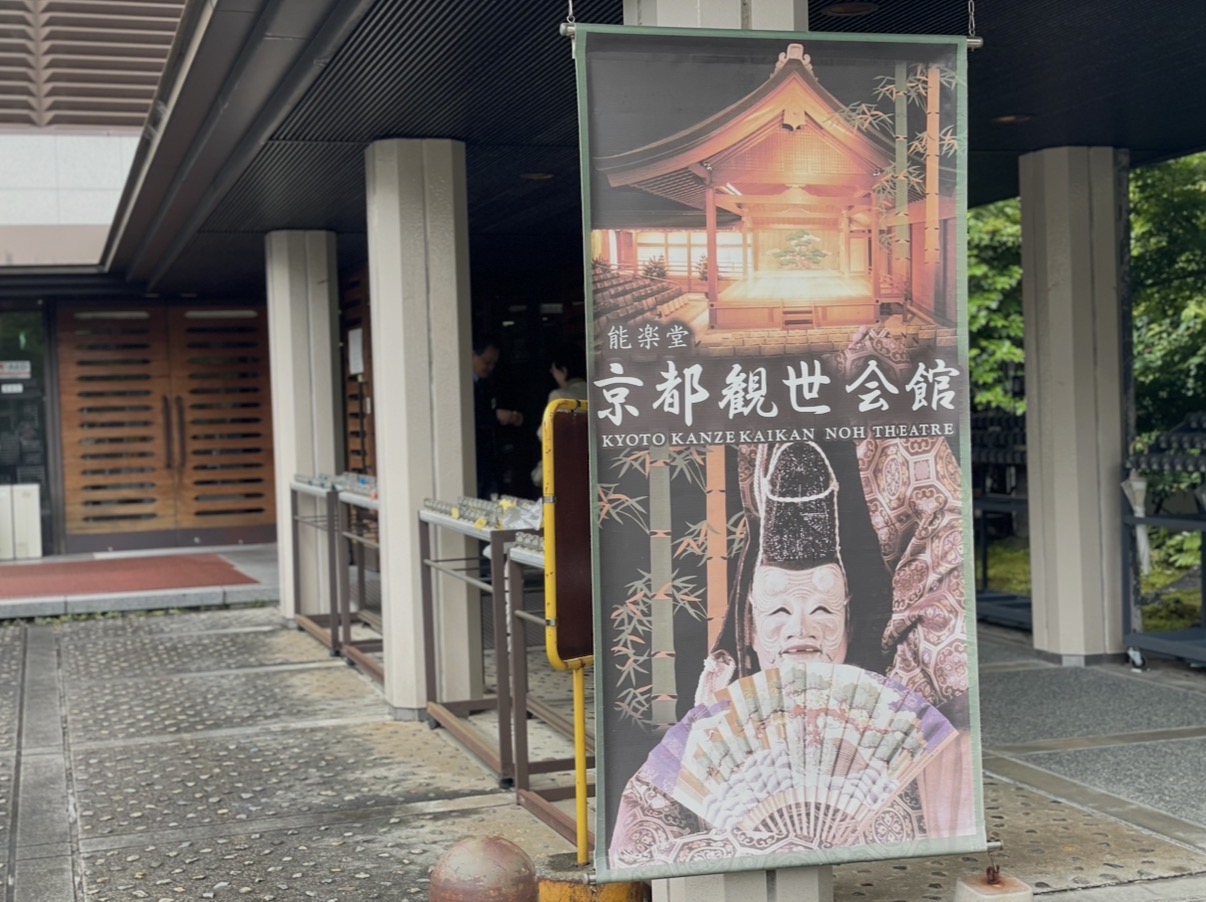
If you have spent any time exploring the world of Japanese classical theater, you may have come across the term Kyo-Kanze (京観世). It refers to a distinctive lineage within the Kanze school of Noh (能楽, nogaku)—one that took root in Kyoto and cultivated its own way of performing and, above all, chanting. From the dramatic east-west split of the Meiji era to the reunification that followed the Second World War, the Kyoto branch of the Kanze school quietly preserved a rich culture centered on utai (謡), the vocal chanting that forms the backbone of Noh. In this article, we’ll trace the historical arc of Kyo-Kanze and explore why the city of Kyoto proved to be such fertile ground for this deeply human art form.
Whether you are planning a trip to Japan, are curious about the differences between regional schools, or simply want to understand why chanting mattered so much to ordinary townspeople, this guide is written to be accessible even if you have never seen a Noh play in your life.
What Is Kyo-Kanze? The Basics You Should Know
Noh has five principal schools that supply the shite (シテ)—the lead actor of a Noh play. These five are Kanze (観世), Hosho (宝生), Konparu (金春), Kongo (金剛), and Kita (喜多). Among them, the Kanze school has long been the largest and most influential. Within Kanze itself, the families and disciples who based their activities in Kyoto from the Edo period onward came to be known, informally, as “Kyo-Kanze.”
Here is a subtle but important point that often gets lost in casual descriptions: Kyo-Kanze is not the official name of an independent school. It is an affectionate nickname for the Kyoto-rooted lineage of the Kanze school. In Kyoto’s practice halls, people who cherish the local chanting culture have used this term for generations, and it carries a warmth that a formal designation never could.
- The Kanze school is one of the five shite-kata schools of Noh.
- “Kyo-Kanze” is an informal name for the Kyoto-based lineage of the Kanze school.
- The term is usually spoken of in contrast to the Kanze head family (soke, 宗家) lineage centered in Tokyo (formerly Edo).
The Culture of “Utai” and Its Connection to Kyoto
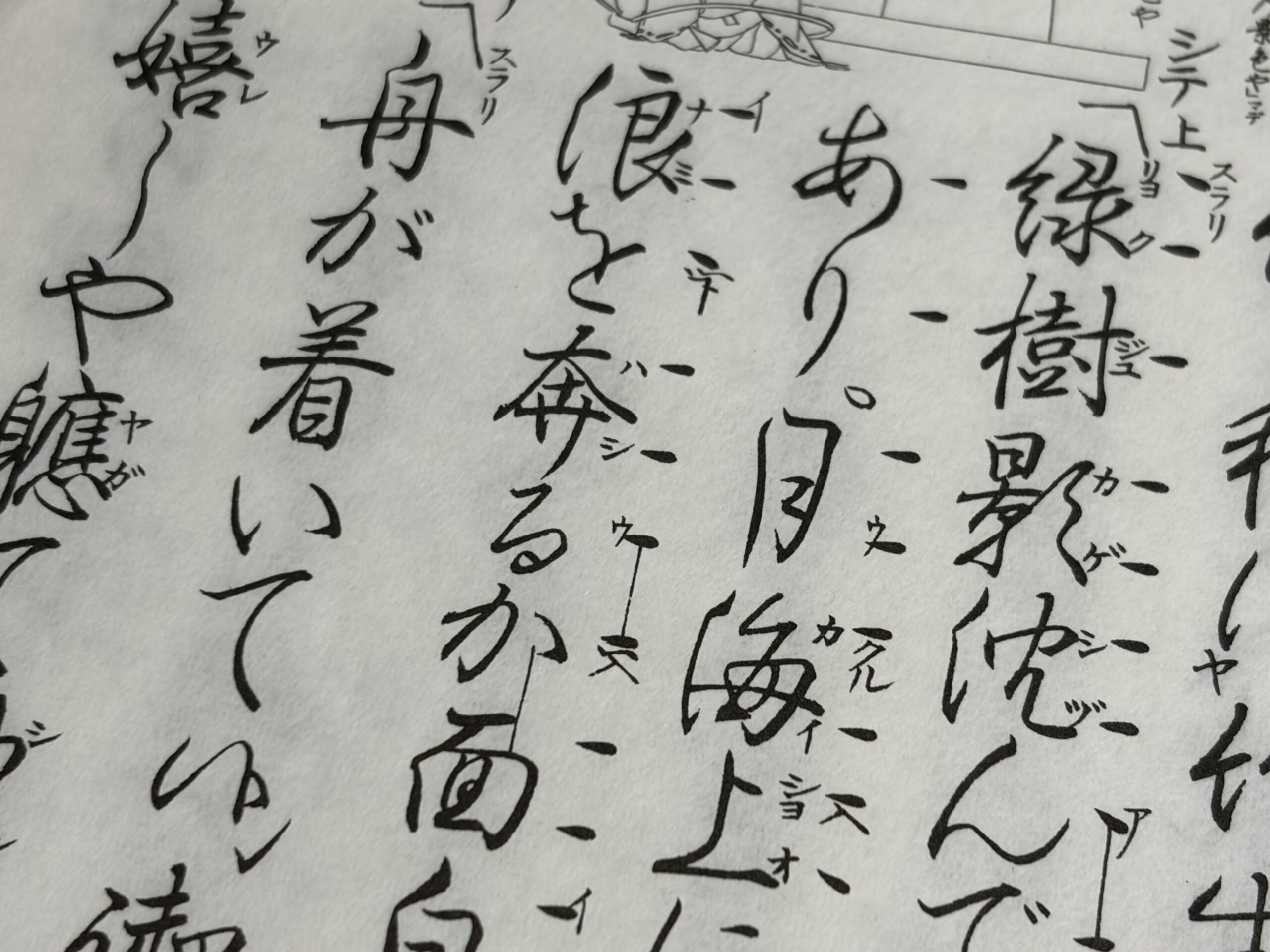
Kyoto has for centuries been a city where both aristocratic (kuge, 公家) culture and the culture of the merchant townspeople (machishu, 町衆) flourished side by side. Against this backdrop, utai—the chanted text of Noh—spread far beyond the professional stage and became part of everyday refinement. It wasn’t only career Noh actors who chanted; the heads of merchant households and ordinary town residents took up chanting as a hobby and a mark of cultivation. This tradition of “utai as a lesson” (a leisure pursuit one studies under a teacher) is arguably the single defining feature of Kyo-Kanze.
When you understand that a well-to-do Kyoto shopkeeper might spend an evening practicing a passage from a Noh play the way someone elsewhere might practice piano, the whole character of the tradition comes into focus. This was living culture, not museum culture.
Why Did the Kanze School Split East and West During the Meiji Era?
You cannot make sense of Kyo-Kanze without confronting the upheaval that struck the Kanze school in the Meiji period. During the Edo period (1603–1868), Noh had enjoyed a comfortable and privileged existence. It functioned as shikigaku (式楽)—the official ceremonial performing art of the samurai class—and was generously supported and protected by the Tokugawa shogunate and the various feudal domains.
Then came the Meiji Restoration of 1868, and that entire structure of patronage collapsed almost overnight. Many Noh performers, having lost their stipends, also lost their means of survival. A great number were forced to abandon the art altogether or switch to other trades. It is no exaggeration to say the entire world of Noh stood at the brink of extinction during this period.
The Head Family’s Movements and the Regional Kanze School
After the Restoration, the Kanze head family (soke) and most of the school’s leading performers shifted their base of activity to Tokyo. Part of this was the pull of the old order—some followed the Tokugawa shogunal house eastward when it relocated. Gradually, the center of gravity of the Noh world consolidated in Tokyo.
Meanwhile, the Kanze families and disciples who chose to remain in Kyoto held onto their own artistic style and traditions of practice, which differed subtly from those of the Tokyo head-family line. Out of this contrast—between the “main current that moved to Tokyo” and the “lineage that stayed in Kyoto and walked its own path”—the latter came to be recognized as Kyo-Kanze. This era of division was precisely when small regional differences emerged in the fine details of vocal melodic patterns (fushimawashi, 節回し) and in the handling of the chant books (utaibon, 謡本).
Practitioners familiar with both lineages often note that these differences can be almost imperceptible to an outsider yet unmistakable to a trained ear—a slight lingering on a note, a particular way of shaping a phrase. Those tiny distinctions carry generations of local identity.
Revival in Tokyo and the Kanze Noh Theater
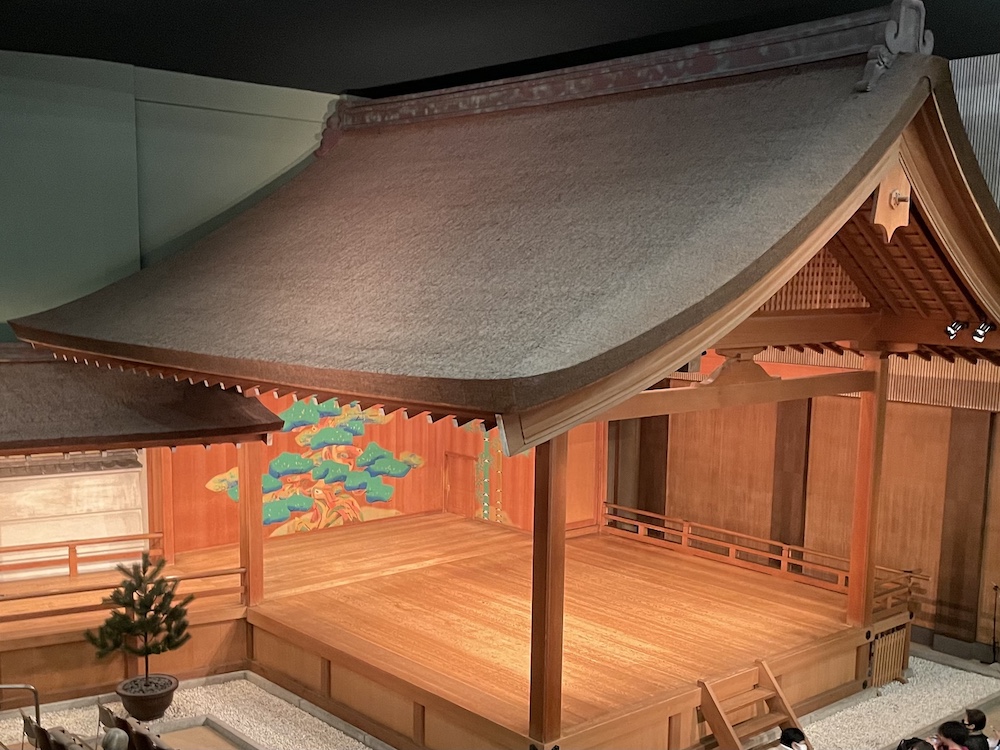
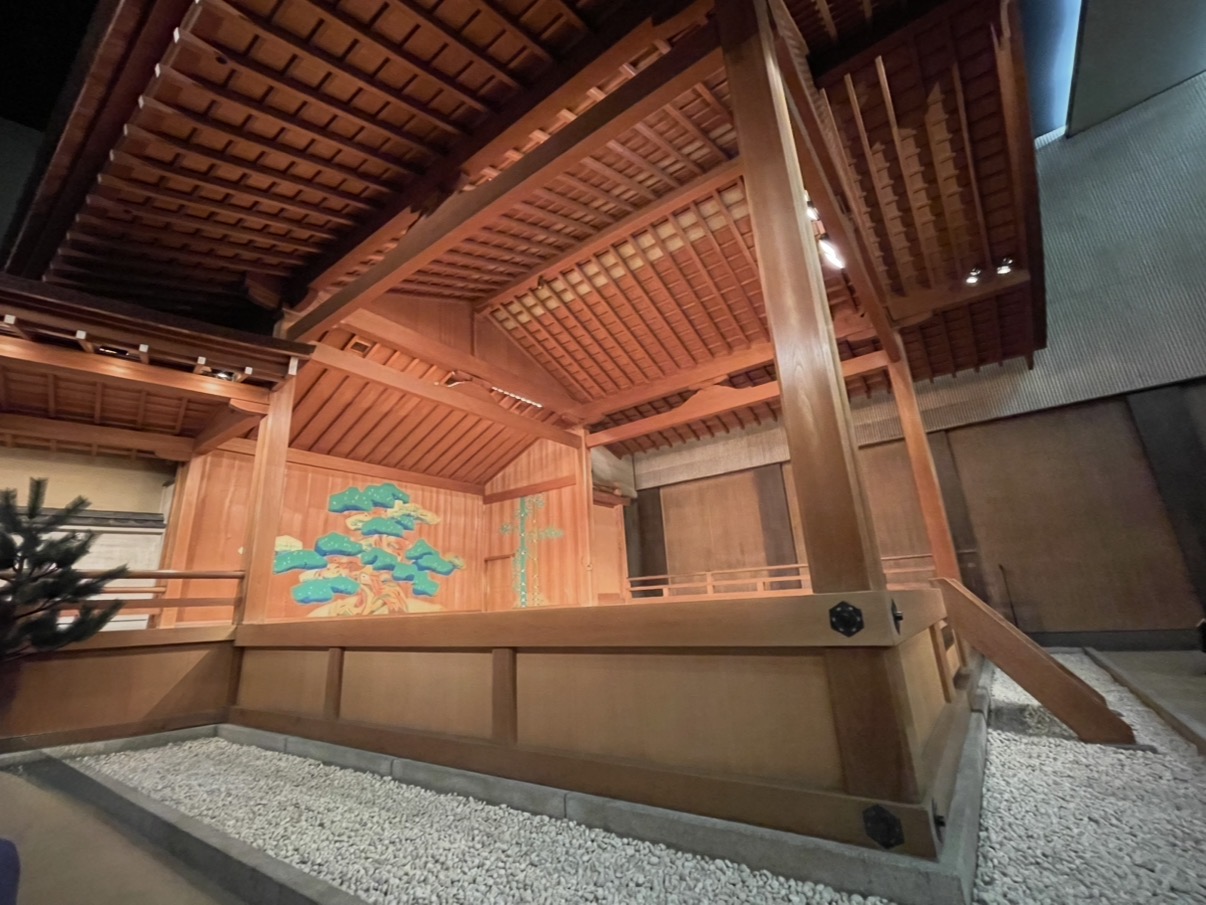
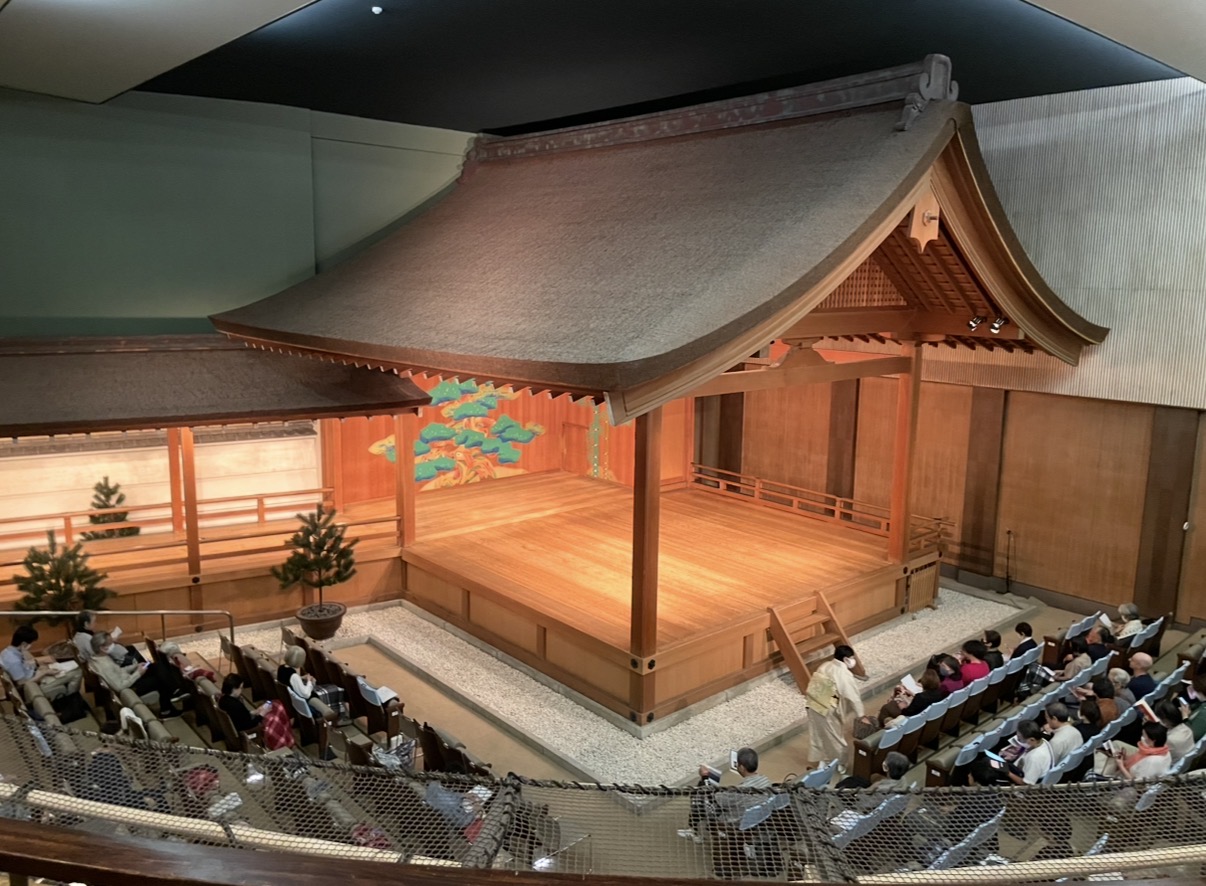
On the Tokyo side, efforts to revive Noh eventually took concrete organizational shape. According to the official website of the Kanze school, the founding of the Kanze-kai (観世会) in 1900 was accompanied by the construction of the “Kanze Noh Theater” (観世能楽堂), which became the school’s base of activity. This was a symbolic milestone—proof that an art form pushed to the edge of collapse could rise again through collective organization.
The Kanze Noh Theater’s later history reads almost like a map of Noh’s modern journey. In 1972 it moved from Okumagawa-cho in Shinjuku Ward (an area known as Omagari) to Shoto in Shibuya Ward, where it devoted itself to preserving and developing classical performing arts. The curtain fell on those 43 years at Shoto in the spring of 2015. Then, in April 2017, the beloved cypress-wood stage (hinoki butai, 檜舞台) from Shoto was dismantled and rebuilt in Ginza 6-chome, Tokyo, giving rise to a new theater that is at once modern and rooted in history.
What Kind of Chanting Culture Did Kyo-Kanze Nurture?
The Kanze lineage that remained in Kyoto matured within a very different environment from Tokyo, and it developed a distinctive culture as a result. What deserves the most attention is the sheer breadth of the base of utai—how thoroughly chanting wove itself into ordinary civic life.
A Practice Culture Supported by the Townspeople
In Kyoto, people enjoyed not only fully staged Noh performances but also suutai (素謡)—chanting the text with the voice alone, without instruments or dance—as a widely shared hobby and form of cultivation. The custom of chanting “Takasago” (高砂), a famous auspicious piece, at celebratory occasions is a living remnant of this. Professional Noh actors carefully instructed local disciples, and this master-and-disciple relationship (shitei kankei, 師弟関係) was passed down without interruption.
- Suutai—chanting with voice alone, without instruments or dance—spread as an everyday form of refinement.
- The machishu and the heads of merchant houses became patrons, broadening the base of practitioners.
- A tradition of practice that emphasized oral transmission (kuden, 口伝) from teacher to student took firm root.
A Form of Transmission Rooted in the Community
In the Kyo-Kanze lineage, chanting was valued not only on the grand stages of major cities but also at local gatherings and small, intimate meetings. There is a temperament here that prizes the steady accumulation of daily practice over flashy display—a disposition deeply bound up with the cultural character of Kyoto itself. This quiet, patient attitude toward transmission is one of the very reasons Kyo-Kanze managed to keep its lifeblood flowing for so long.
It is worth pausing on this: many art forms that lost their aristocratic and samurai patrons in the Meiji era simply vanished. Kyo-Kanze survived in part because its roots reached down into the amateur enthusiasm of ordinary Kyoto residents, giving it a resilience that top-down patronage alone could never have provided.
Toward Postwar Reunification: How Did the Noh World Evolve?
The Kanze school developed in an east-west divided form from the Meiji era onward, but as the decades passed, it moved toward recovering its unity as a single school. In the period following the Second World War, as the entire Noh world pursued revival and reorganization, the Kanze school too advanced the building of a unified organization centered on its head family.
Postwar Japan increasingly regarded the preservation and transmission of classical performing arts as a matter of national importance. Noh would later be designated an Important Intangible Cultural Property, and eventually it was recognized as part of UNESCO’s Intangible Cultural Heritage. Within this larger movement, the Kanze school of Kyoto continued to fulfill its role—as one member of the wider Kanze school—of handing its rich traditions on to the next generation.
Noh in Kyoto Today
Even now, in Kyoto’s Noh theaters and practice halls, lessons in utai and in shimai (仕舞, short dance excerpts performed without costume or mask) continue, and a community-rooted Noh culture remains very much alive. For visitors to Kyoto—a city that already draws travelers for its temples, gardens, and history—Noh offers a precious gateway into the deeper layers of Japanese culture. Encountering Noh amid Kyoto’s calm, understated atmosphere, so different in feeling from the Kanze Noh Theater in Tokyo’s Ginza, is a distinct pleasure in itself.
How Can You Watch or Experience Noh?
Having learned about the history of Kyo-Kanze, you may find yourself wanting to actually see a Noh play. Here is something practical to keep in mind: most Noh performances run as a single performance on a given day, and each performance varies in its program, cast, seat types, seat sections, and ticket prices. The method of reserving tickets also differs from one performance to the next, so it always pays to check the details in advance.
At the Kanze Noh Theater in Ginza, Tokyo, for example, the program includes not only Noh performances but also beginner-friendly initiatives such as a summer-holiday parent-and-child Noh experience class, and events combining Noh with animation. When you find a performance that interests you, be sure to confirm the ticket outlet for that specific performance before making an inquiry. These kinds of approachable programs are a reminder that Noh, for all its 600-year history, is actively trying to welcome newcomers.
Frequently Asked Questions
- Q: Is Kyo-Kanze a separate school of Noh from the Kanze school?
- A: No. Kyo-Kanze is not an officially independent school. It is an informal, affectionate name for the Kyoto-based lineage of the Kanze school, one of Noh’s five shite-kata schools. It is typically discussed in contrast with the Kanze head-family (soke) lineage centered in Tokyo.
- Q: What exactly is “utai” and how is it different from a full Noh performance?
- A: Utai (謡) is the chanted vocal text of Noh. When it is performed with the voice alone—without instruments, dance, masks, or costumes—it is called suutai (素謡). In Kyoto, this vocal-only form became a widely enjoyed hobby among ordinary townspeople, which is a key part of the Kyo-Kanze story.
- Q: Why did Noh nearly disappear in the Meiji era?
- A: During the Edo period, Noh was protected as the ceremonial performing art of the samurai class, supported by the shogunate and feudal domains. The Meiji Restoration of 1868 dismantled that patronage, and many performers lost their stipends and livelihoods, forcing many to abandon the art. The founding of the Kanze-kai in 1900 and the building of the Kanze Noh Theater marked an important step in its organized revival.
- Q: Where is the Kanze Noh Theater located today?
- A: After moving from Shinjuku to Shoto in Shibuya in 1972, and ending its 43-year run at Shoto in spring 2015, the theater reopened in April 2017 in Ginza 6-chome, Tokyo, where the cypress-wood stage from Shoto was rebuilt.
- Q: Can beginners enjoy Noh without prior knowledge?
- A: Yes. Venues such as the Kanze Noh Theater in Ginza offer beginner-friendly programs, including a summer parent-and-child Noh experience class and events pairing Noh with animation. In Kyoto, the calm, community-rooted atmosphere also makes it an inviting place to encounter the art for the first time.
Conclusion
Kyo-Kanze is more than a regional footnote in the history of Noh. It represents a whole way of keeping a classical art alive—not through the grandeur of official patronage, but through the steady devotion of teachers, disciples, and amateur enthusiasts in the merchant streets of Kyoto. The Meiji-era east-west split, the near-collapse of the Noh world, the organized revival symbolized by the Kanze Noh Theater, and the postwar move toward reunification all form the backdrop against which Kyoto’s chanting culture endured.
Today, that culture lives on in Kyoto’s practice halls and in Tokyo’s rebuilt Ginza stage alike. If this history has sparked your curiosity, the best next step is simple: find a performance, check the details in advance, and let the voice of utai carry you into one of Japan’s most enduring traditions.
References
- Kanze Bunko / Kanze-kai Official Website — 一般財団法人観世文庫|一般社団法人観世会 公式ウェブサイト
- About Kyoto Kanze Kaikan — Noh Theater Kyoto Kanze Kaikan
- Kyo-Kanze — Wikipedia