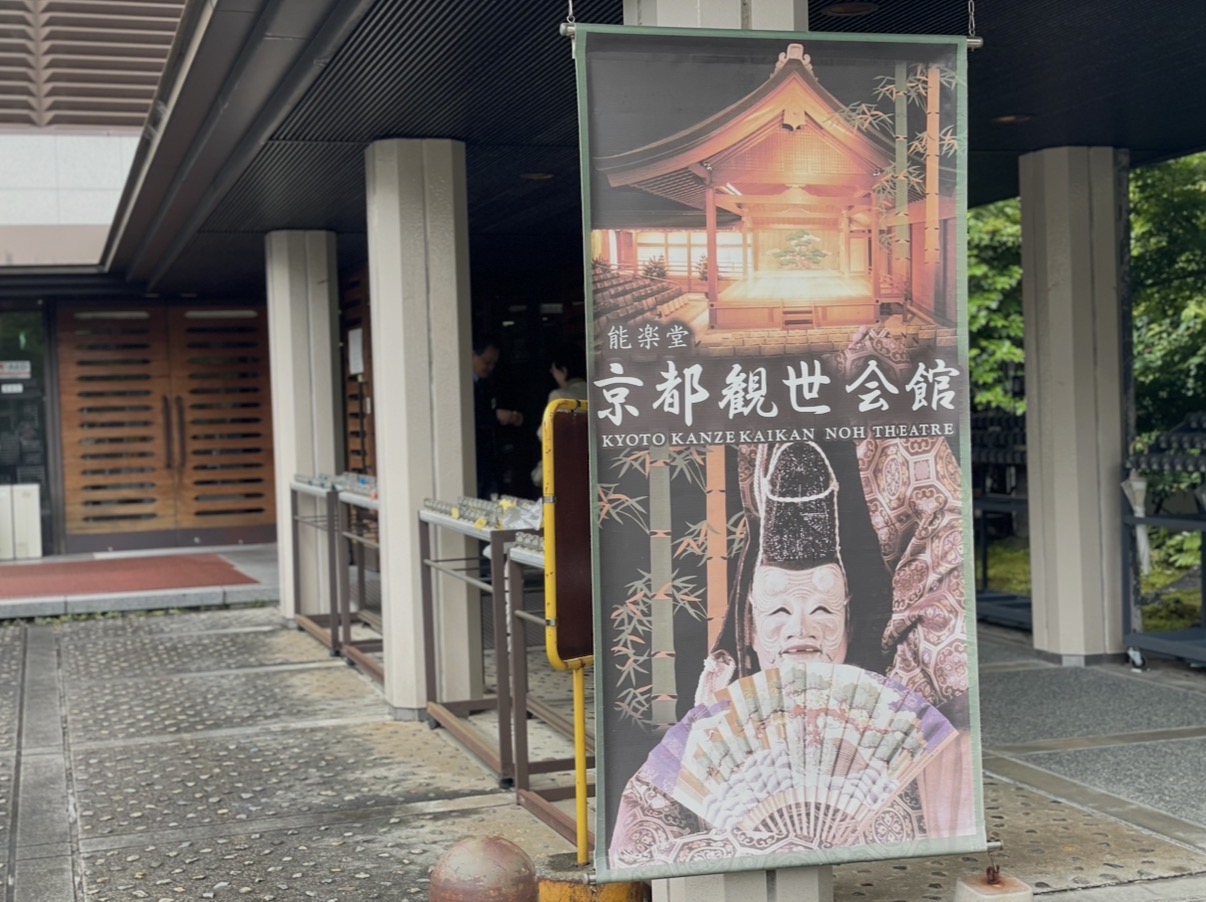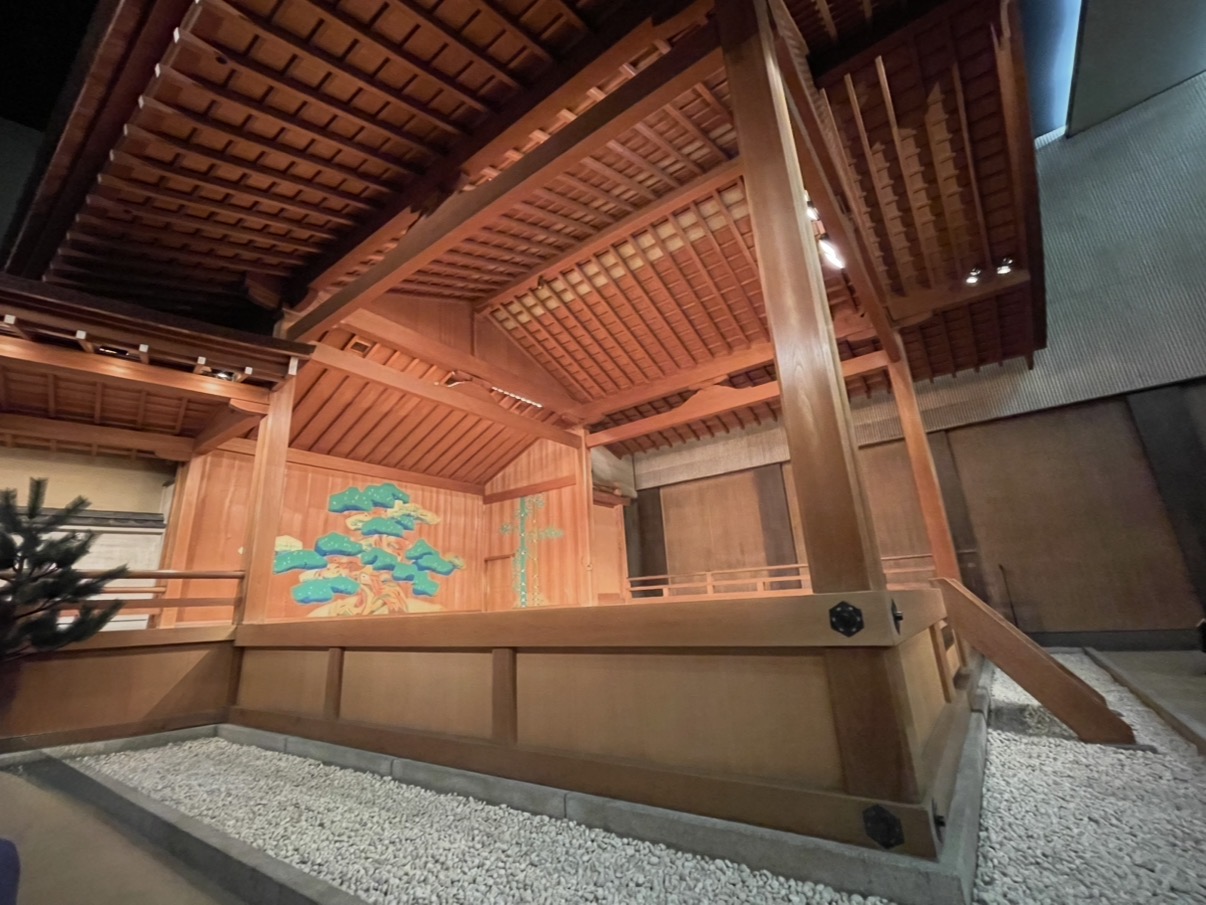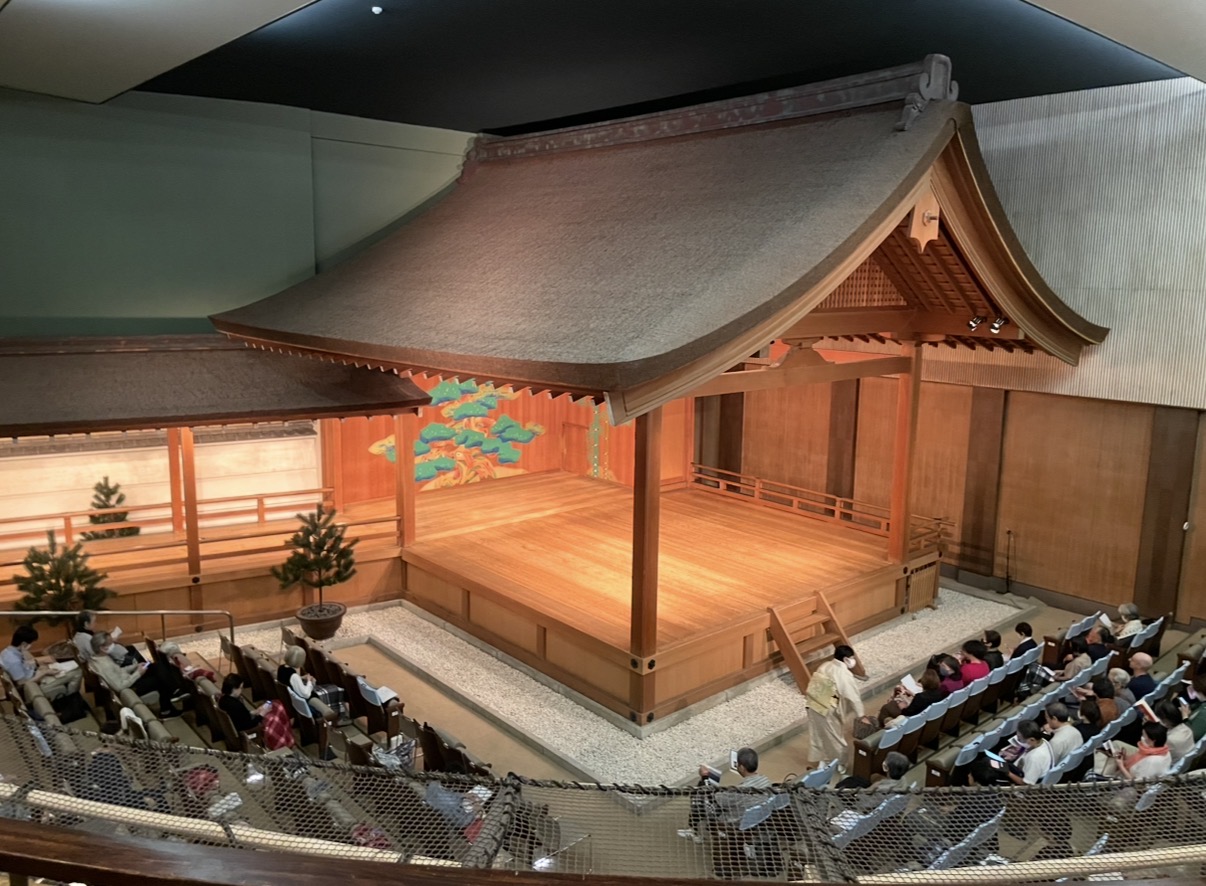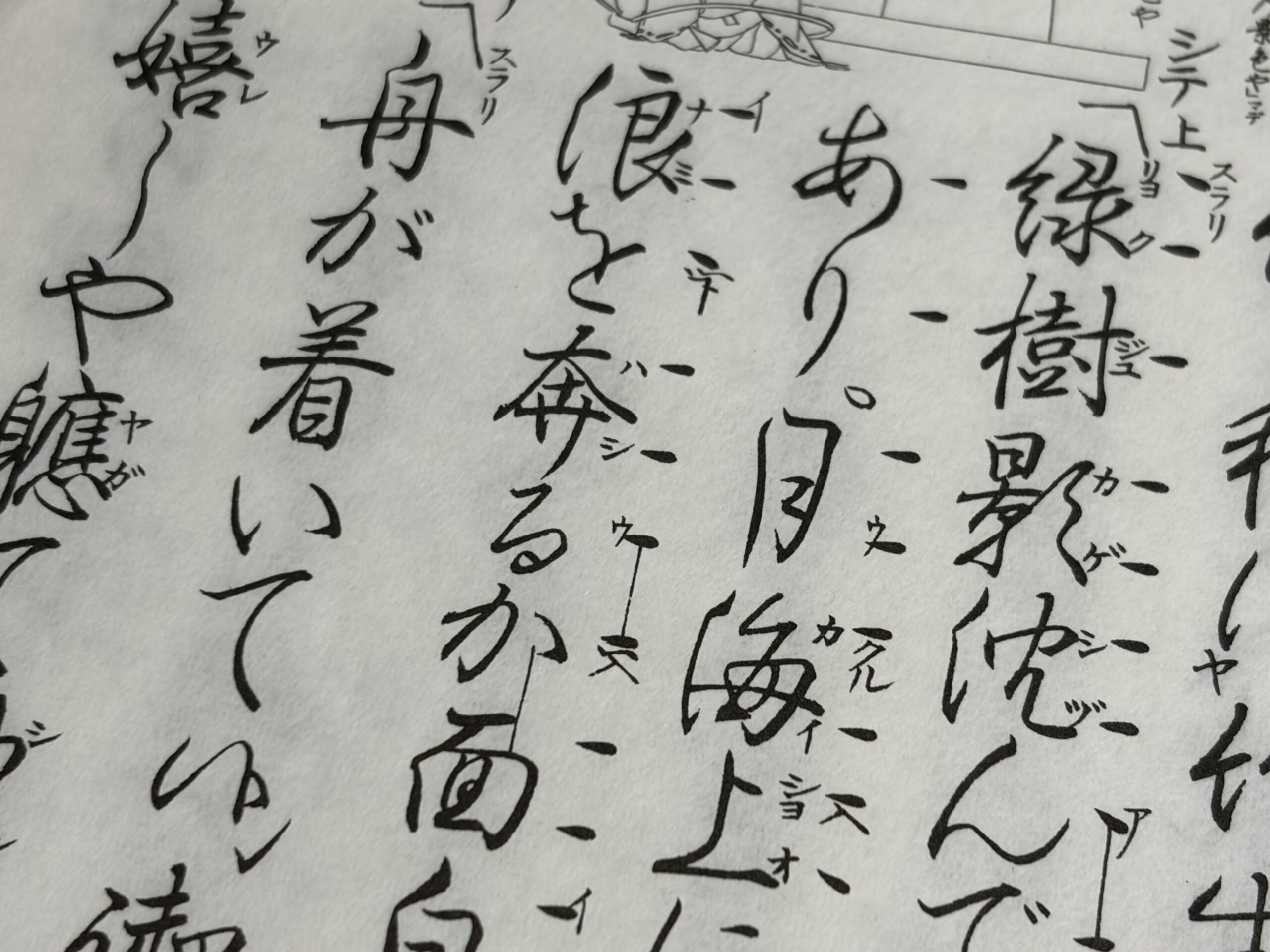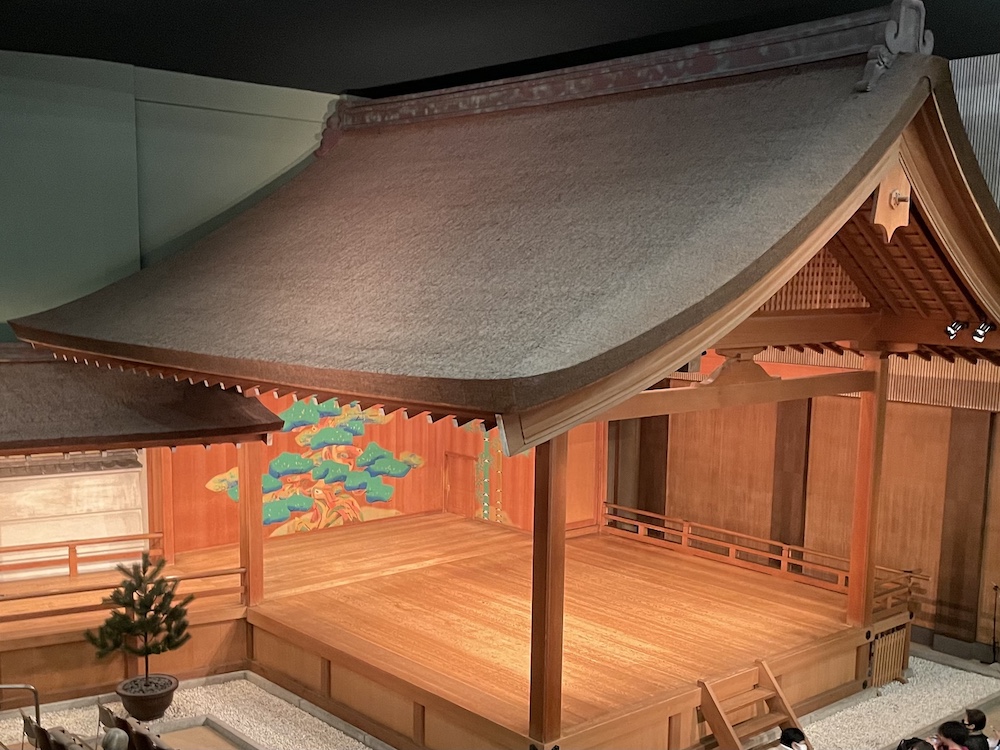
If you have ever attended a Noh (能) performance in Japan, you may have noticed that the same play can feel remarkably different depending on who performs it. This is because Noh theater is divided into schools, each preserving its own artistic style. Among these, the relationship between the Konparu school (金春流, Konparu-ryū) and the Kanze school (観世流, Kanze-ryū) is one of the most fascinating stories in the history of Japanese performing arts. At the heart of it stands Zeami (世阿弥), the towering figure who elevated Noh into a refined art form.
In this article, we will trace the lineage that passed from Zeami to his son-in-law, Konparu Zenchiku (金春禅竹), and explore how two separate schools came to share a common artistic soul. Whether you are curious about who Zenchiku was or simply want deeper background knowledge to enrich your next visit to a Noh theater, read on.
What Are the Konparu and Kanze Schools in Noh Theater?
In Noh, the leading role is performed by an actor called the shite (シテ). Today, there are five recognized schools of shite performers, collectively known as the “Five Schools” (五流, goryū): Kanze (観世), Hōshō (宝生), Konparu (金春), Kongō (金剛), and Kita (喜多). Each school has jealously guarded its own aesthetic and traditions across the centuries.
Two of these stand out for very different reasons. The Konparu school is said to be the oldest of the five, with roots stretching back further than any of its rivals. The Kanze school, meanwhile, boasts the largest membership today and is famous as the school that produced Zeami, arguably the single most important figure in the entire history of Noh.
The Origins and Character of the Konparu School
The Konparu school traces its lineage to the Enmai-za (円満井座), one of the four Yamato Sarugaku troupes (大和猿楽, Yamato Sarugaku) — the early performing groups from the Yamato region that would eventually give rise to Noh. These troupes served at the great religious institutions of Nara, namely Kōfuku-ji temple and Kasuga Taisha shrine. Because of this ancient temple connection, the Konparu school is regarded as the oldest of the five schools.
When it comes to artistic style, the Konparu school is known for a weighty, robust, and archaic flavor. Practitioners and audiences alike describe its performances as carrying an old-world dignity. When you watch a Konparu-school Noh play, every movement seems to breathe a certain antique grace — a solemnity that sets it apart from the other schools.
The Origins and Character of the Kanze School
The Kanze school also emerged from one of the four Yamato Sarugaku troupes, the Yūzaki-za (結崎座). This troupe was led by Kan’ami (観阿弥) and his son Zeami. Father and son enjoyed the patronage of Shogun Ashikaga Yoshimitsu (足利義満), and under his protection they dramatically raised Noh from popular entertainment into a genuine art form.
Today the Kanze school is by far the largest of the five, accounting for a substantial share of all Noh practitioners. Its style is often described as elegant and accessible, which is one reason newcomers to Noh frequently encounter the Kanze school first.
Who Was Zeami? The Genius Who Perfected Noh
To understand the bond between the Konparu and Kanze schools, you cannot skip over Zeami himself.
Zeami (c. 1363 – c. 1443) worked alongside his father Kan’ami to raise Sarugaku Noh to the level of high art. He authored numerous treatises on the theory of Noh, the most celebrated being the Fūshikaden (風姿花伝, roughly “The Transmission of the Flower Through the Forms”). In these writings he systematized aesthetic concepts such as yūgen (幽玄, a profound, mysterious beauty) and hana (花, literally “flower,” meaning the captivating charm of a performance).
- Kan’ami: Zeami’s father and the central figure of the Yūzaki-za, who innovated by incorporating the kusemai (曲舞) dance style into Sarugaku.
- Zeami: Perfected Noh as an art form and left behind a wealth of theoretical writings and masterpiece plays.
- Fūshikaden: A treatise laying out the philosophy of Noh and the path of artistic training — a work of art theory admired worldwide.
Many readers may already know the famous line, “Hisureba hana nari, hisezuba hana narubekarazu” — “If it is hidden, it is the flower; if it is not hidden, it cannot be the flower.” Zeami wrote these words in the Fūshikaden to express how the allure of a performance is born precisely from what remains concealed. Even that single sentence hints at the profound depth of Zeami’s artistic vision.
Who Was Konparu Zenchiku? The Son-in-Law Who Inherited Zeami’s Art
Here enters the pivotal figure who links the Konparu and Kanze schools together: Konparu Zenchiku.
Konparu Zenchiku (1405 – c. 1471) is regarded as the great revivalist of the Konparu school, celebrated both as a performer and as a playwright. Although he stood at the head of the Enmai-za, he is remembered above all as the man who deeply inherited Zeami’s art and theory.
The Relationship Between Zeami and Konparu Zenchiku
Zenchiku was Zeami’s son-in-law — he married Zeami’s daughter. In other words, Zeami of the Kanze school and Zenchiku of the Konparu school were bound together not only by art but by family ties through marriage. This connection is the very symbol of the deep bond between the two schools.
Zeami’s later years were marked by misfortune, including the early death of his own son and heir, Kanze Motomasa (観世元雅). Amid these hardships, tradition holds that Zeami entrusted the ideals of his art to his son-in-law Zenchiku. The transmission documents Zeami is said to have given to Zenchiku — such as the Rikugi (六義) and the Shūgyoku Tokka (拾玉得花) — stand today as precious evidence of the trust and master-disciple relationship between the two men.
Konparu Zenchiku’s Achievements
Zenchiku did not simply preserve what he received. He developed Zeami’s theories further and established his own distinctive theory of Noh. The most representative is his doctrine of the Rokurin Ichiro (六輪一露, “Six Circles and One Dewdrop”). Drawing on ideas from Buddhism, Shinto, and classical waka poetry, he diagrammed and explained the essence of Noh. What makes his contribution distinctive is the way he deepened Zeami’s theories into something more speculative and philosophical.
- Rokurin Ichiro no Ki (六輪一露之記): The text in which Zenchiku set down his own original theory of Noh.
- Play composition: He is credited with such masterpieces overflowing with yūgen beauty as Bashō (芭蕉), Teika (定家), and Tamakazura (玉葛).
Teika and Bashō, both attributed to Zenchiku, remain popular pieces staged even today. When you watch these plays live, a quiet emotional richness and deep spirituality permeate the stage — a clear sign that they faithfully carry on Zeami’s lineage of yūgen.
How Are the Konparu and Kanze Schools Connected?
With all of this in mind, let us tie the threads together. The two schools originated from entirely separate troupes, yet through two individuals — Zeami and Konparu Zenchiku — they became deeply united in their artistic ideals.
- The Kanze school descends from the Yūzaki-za, while the Konparu school descends from the Enmai-za; originally, these were different troupes.
- Zeami (Kanze school) and Konparu Zenchiku (Konparu school) were united by the marriage bond of father-in-law and son-in-law.
- Zeami’s theory of Noh was passed down to Zenchiku through transmission documents.
- Zenchiku developed those ideas further, establishing the Konparu school’s own distinctive art theory.
In short, the Konparu and Kanze schools can be described as “separate schools that nonetheless share Zeami’s art — like brothers.” When telling the story of Noh’s lineage, the relationship between these two schools is deeply symbolic.
The Konparu and Kanze Schools Today
Both schools remain active today. The Kanze school maintains a large presence centered on Tokyo, while the Konparu school preserves its ancient, ceremonious style from bases in Nara and Tokyo. In the practice hall, the differences in utai (謡, the chant) and kata (型, the stylized movements) are handed down according to each school’s tradition. The fact that the same play can taste so different from school to school is one of the true pleasures of watching Noh.
Frequently Asked Questions
- Q: What is the difference between the Konparu and Kanze schools?
- A: The Konparu school is considered the oldest of the five Noh schools, with a weighty, archaic, and dignified style rooted in the Enmai-za troupe. The Kanze school, descended from the Yūzaki-za and founded around Kan’ami and Zeami, is the largest today and is known for a more elegant and accessible style.
- Q: Who was Zeami and why is he so important?
- A: Zeami (c. 1363 – c. 1443) worked with his father Kan’ami to perfect Noh as an art form. He wrote influential treatises such as the Fūshikaden and systematized aesthetic ideals like yūgen (profound beauty) and hana (the flower of performance).
- Q: How was Konparu Zenchiku related to Zeami?
- A: Konparu Zenchiku (1405 – c. 1471) was Zeami’s son-in-law, having married Zeami’s daughter. Zeami is said to have entrusted the ideals of his art to Zenchiku, giving him transmission documents such as the Rikugi and Shūgyoku Tokka.
- Q: What are the “Five Schools” of Noh?
- A: The Five Schools (goryū) refers to the five schools of shite (lead) performers: Kanze, Hōshō, Konparu, Kongō, and Kita. Each preserves its own distinctive style and traditions.
- Q: Which Noh plays did Konparu Zenchiku compose?
- A: Zenchiku is credited with masterpieces rich in yūgen beauty, including Bashō, Teika, and Tamakazura. Teika and Bashō are still performed today.
Conclusion
The story of the Konparu and Kanze schools is ultimately a story about how artistic ideals travel across family lines and generations. Two troupes with entirely separate origins — the Enmai-za and the Yūzaki-za — became forever linked through the marriage of Zeami’s daughter to Konparu Zenchiku, and through the treasured writings passed from master to disciple. Zeami perfected the art; Zenchiku received it, deepened it philosophically, and carried it into the future of his own school.
The next time you have the chance to see a Noh performance, take note of which school is performing. If you can compare a Konparu-school staging with a Kanze-school one, you may sense both the shared spirit of yūgen that Zeami left behind and the subtle differences that each school has lovingly preserved for over six centuries. That living continuity — a tradition still breathing on stage today — is what makes Noh one of the great treasures of Japanese culture.