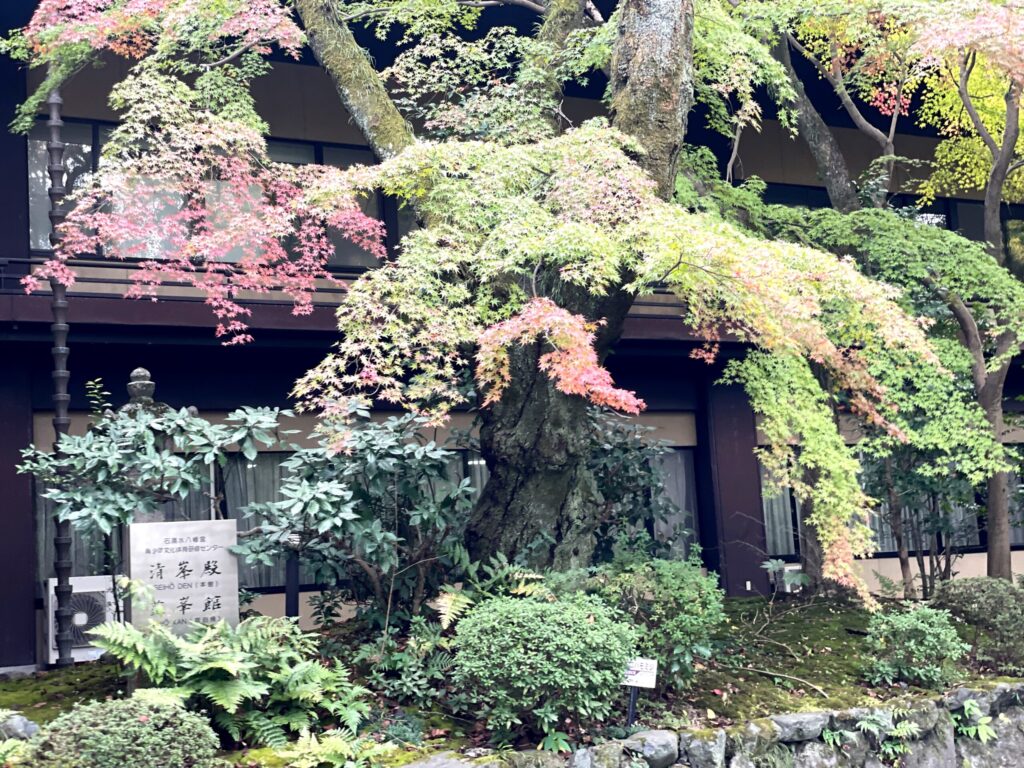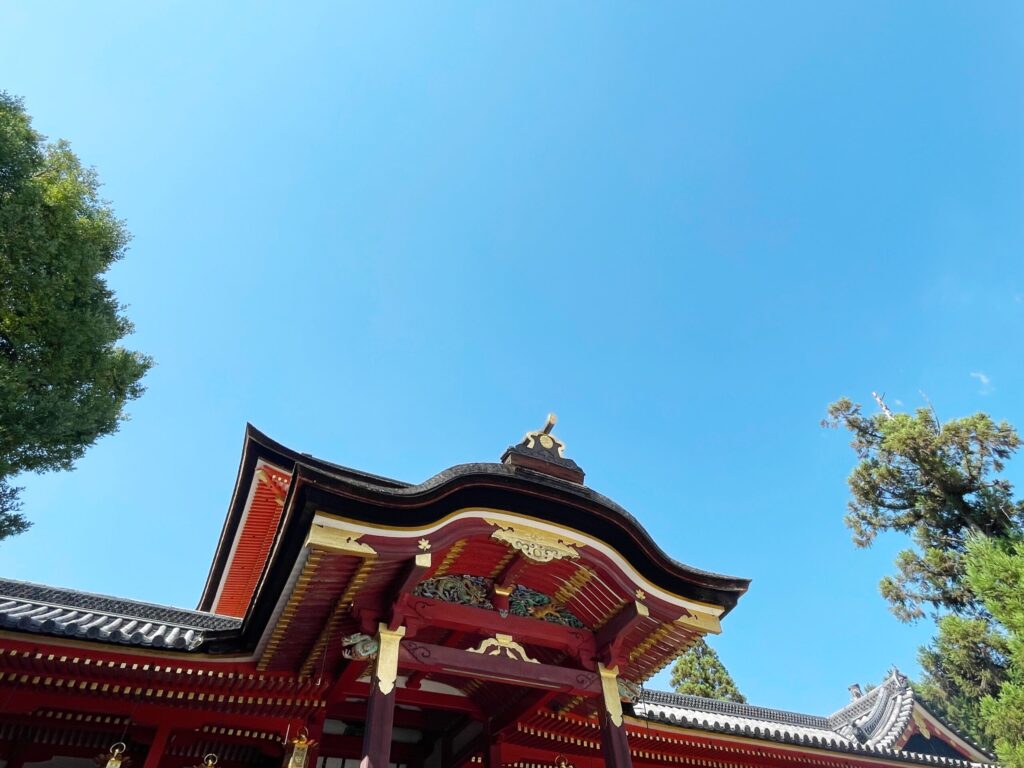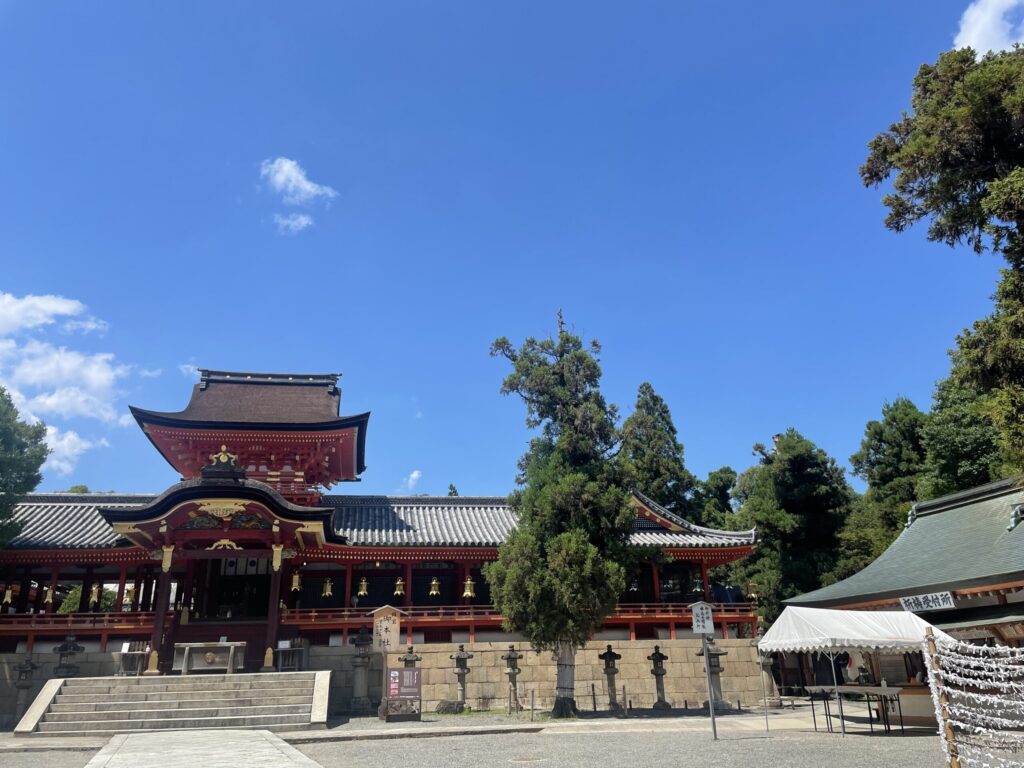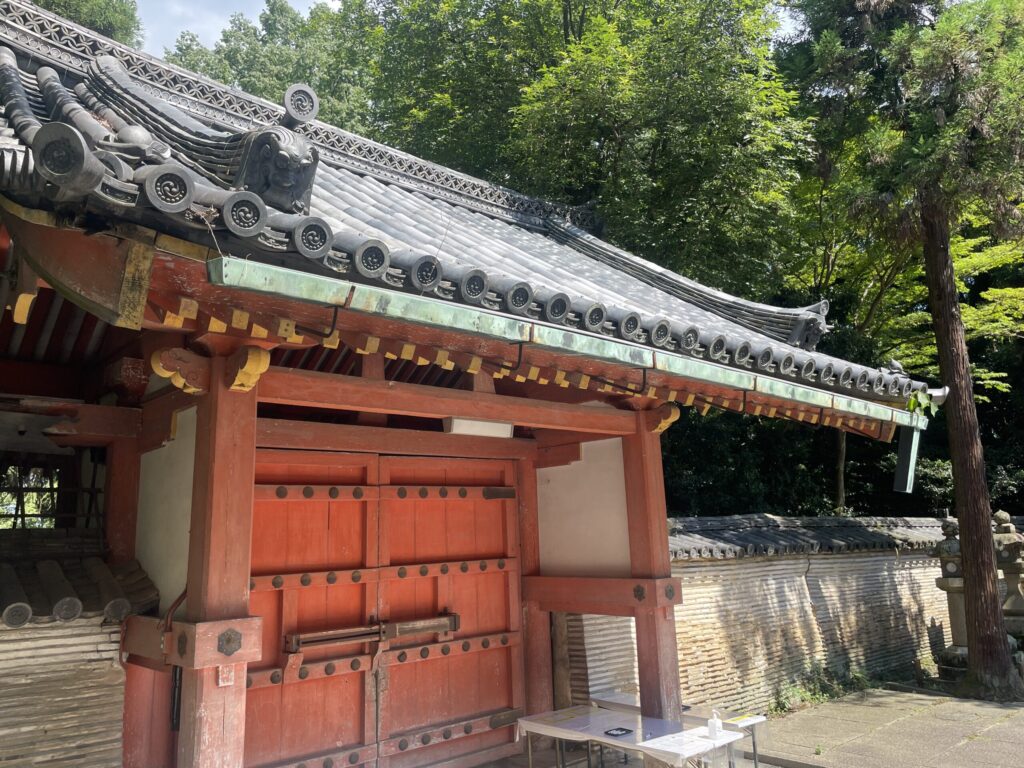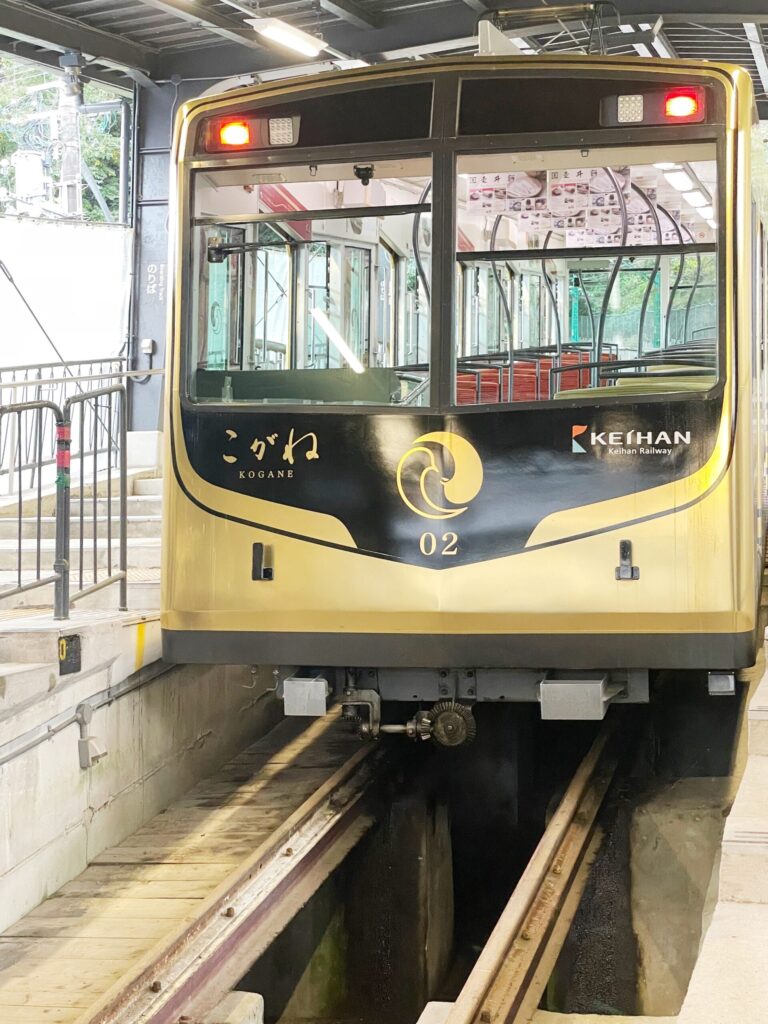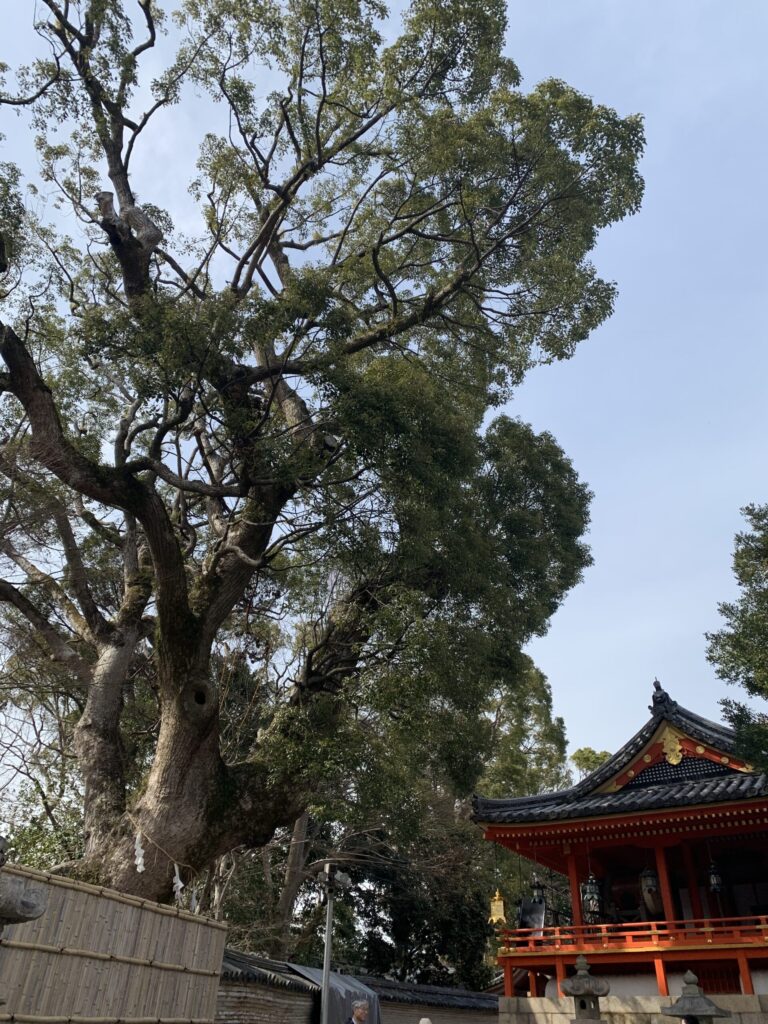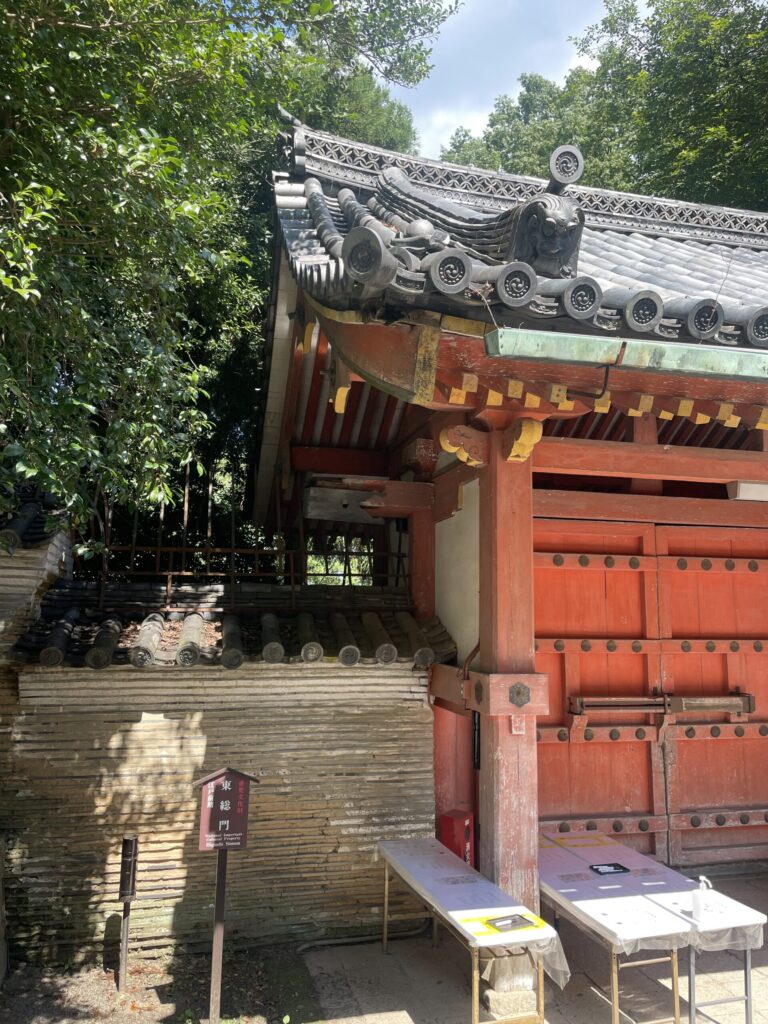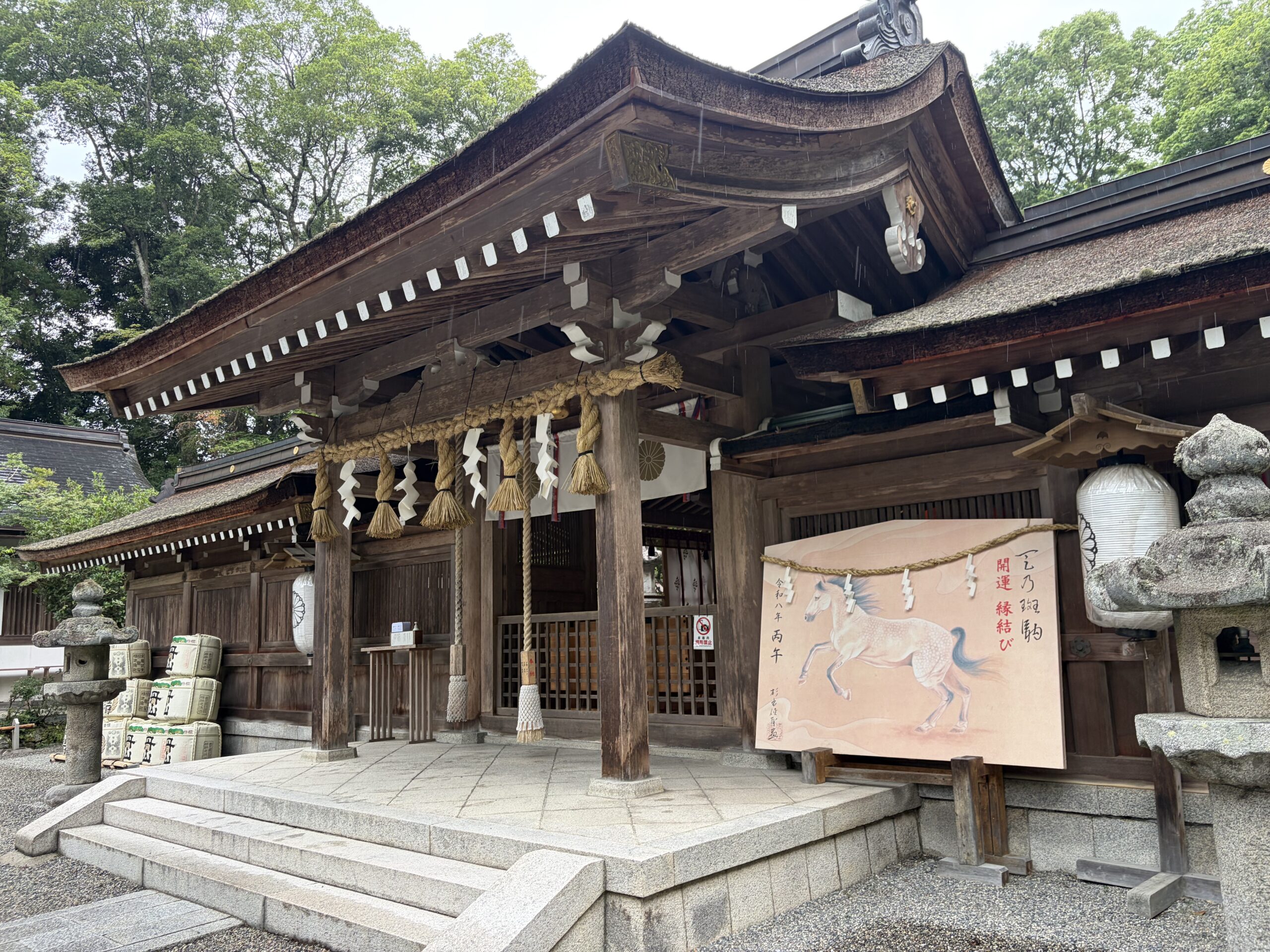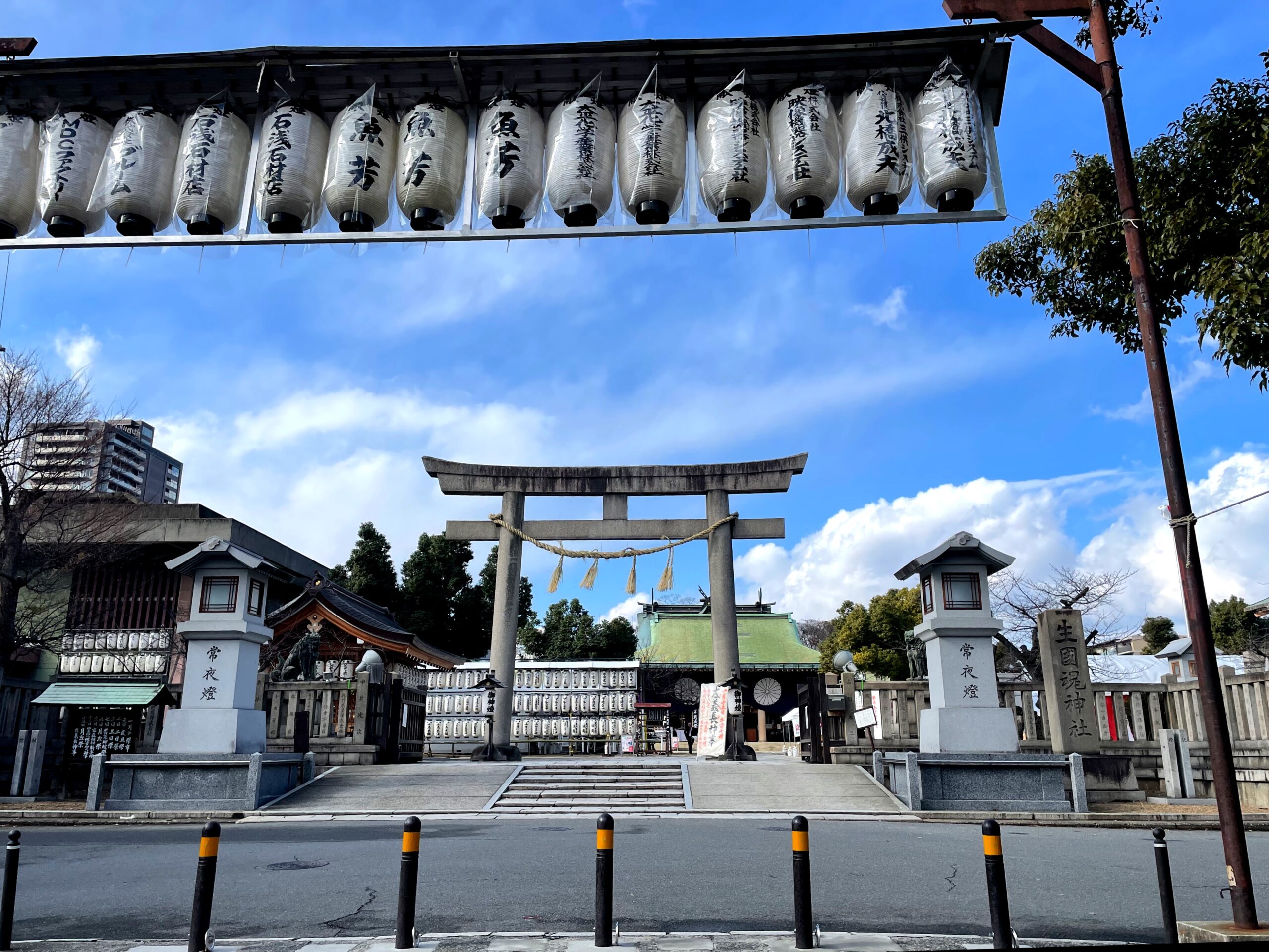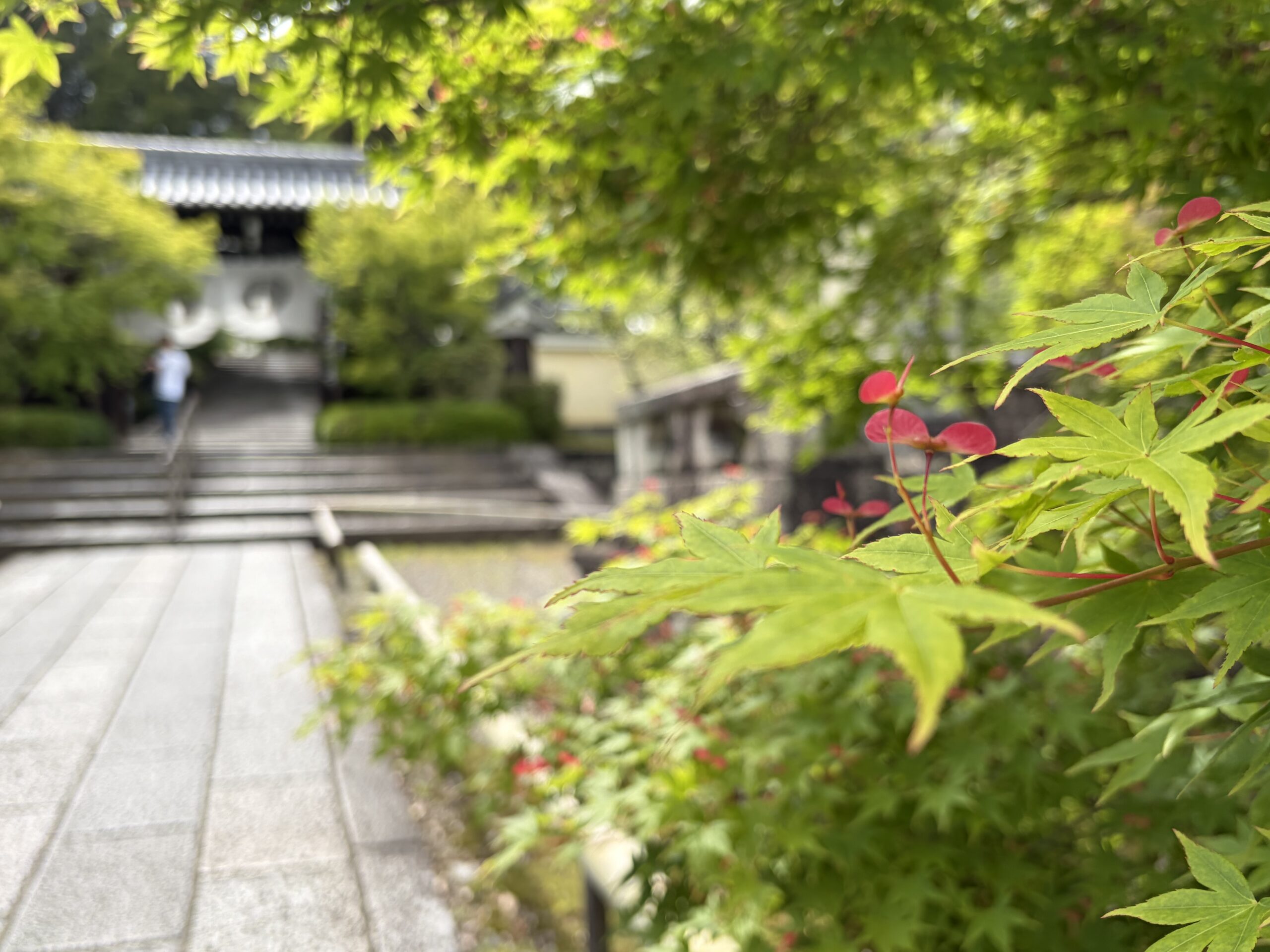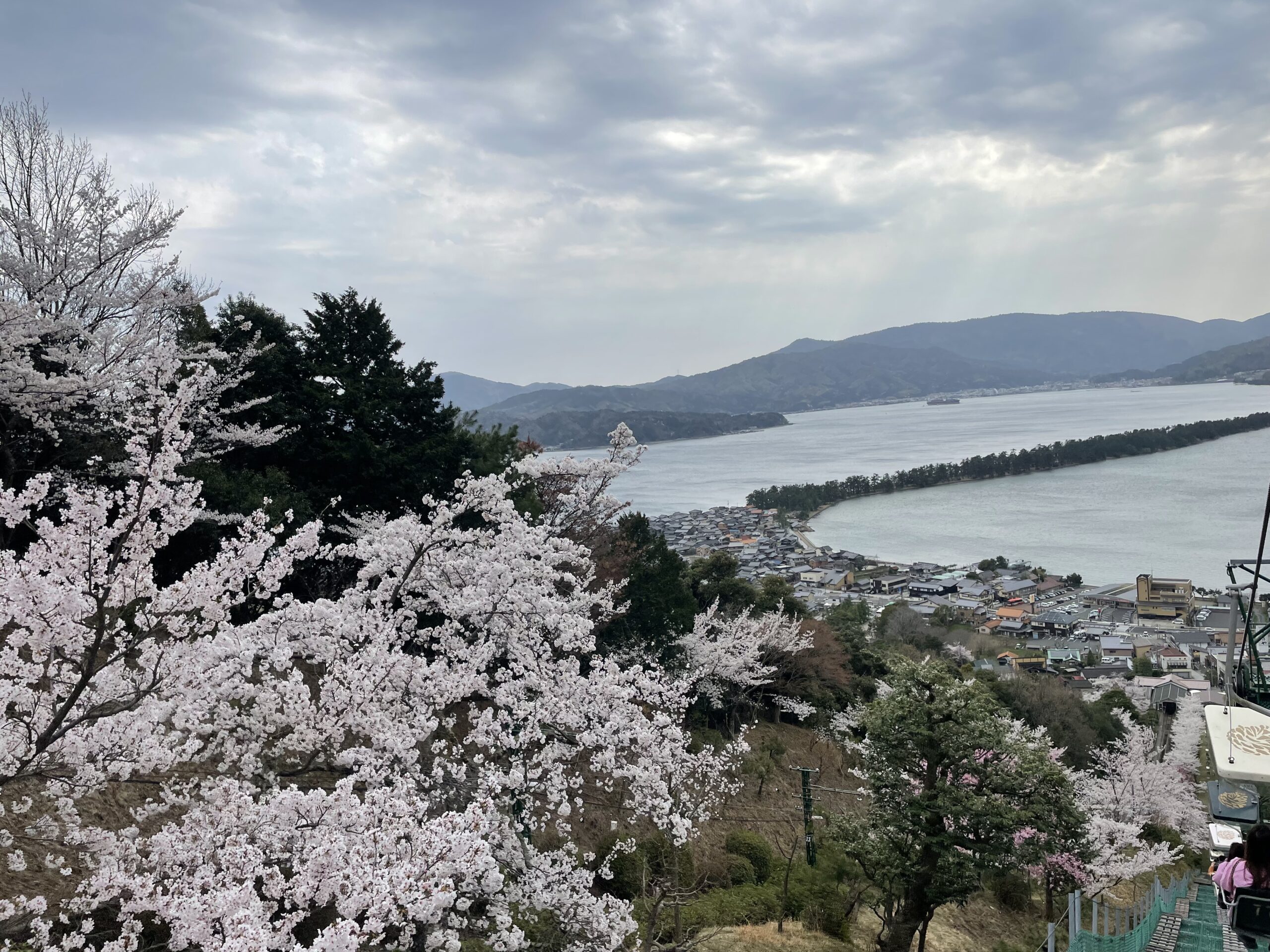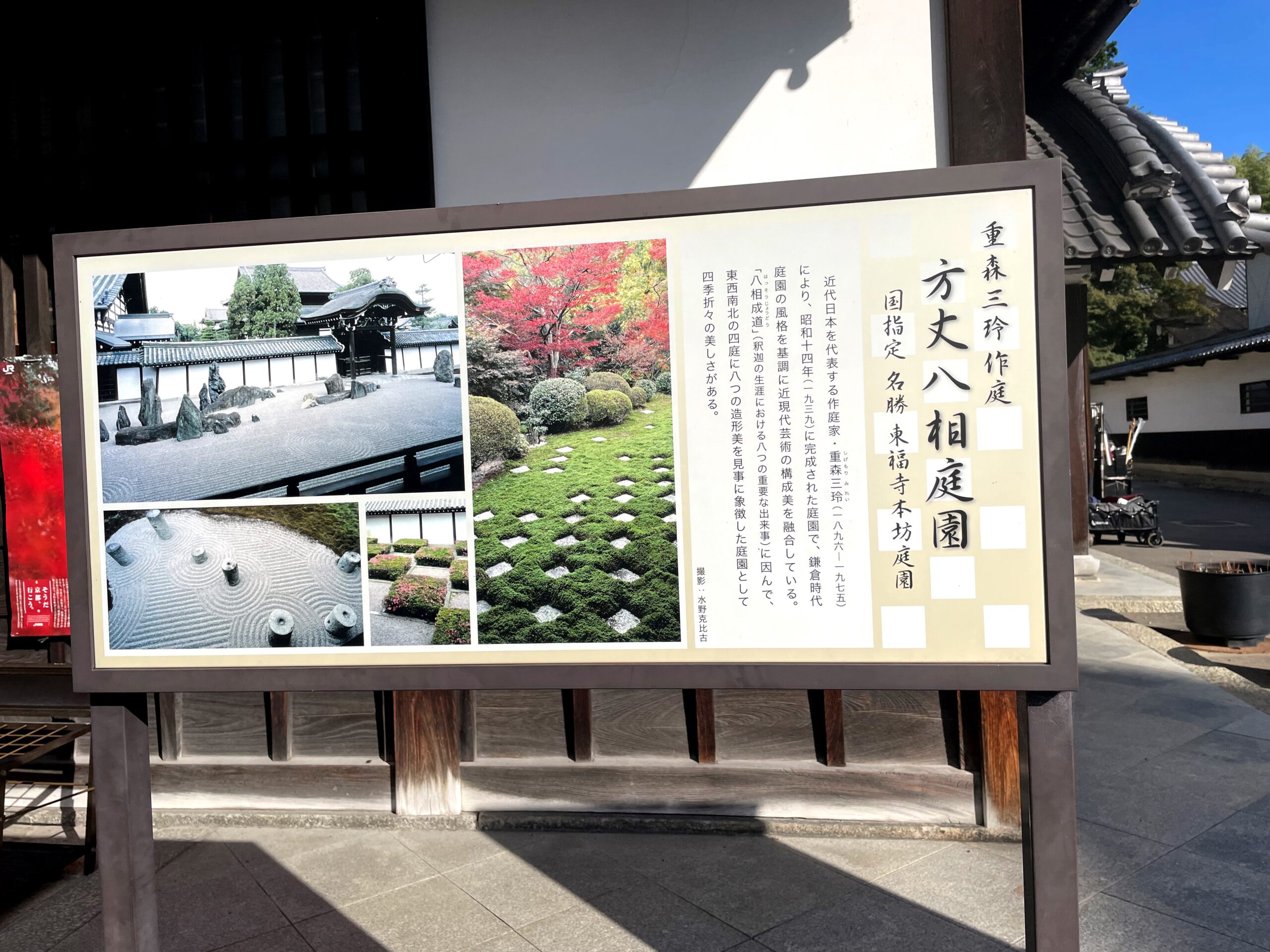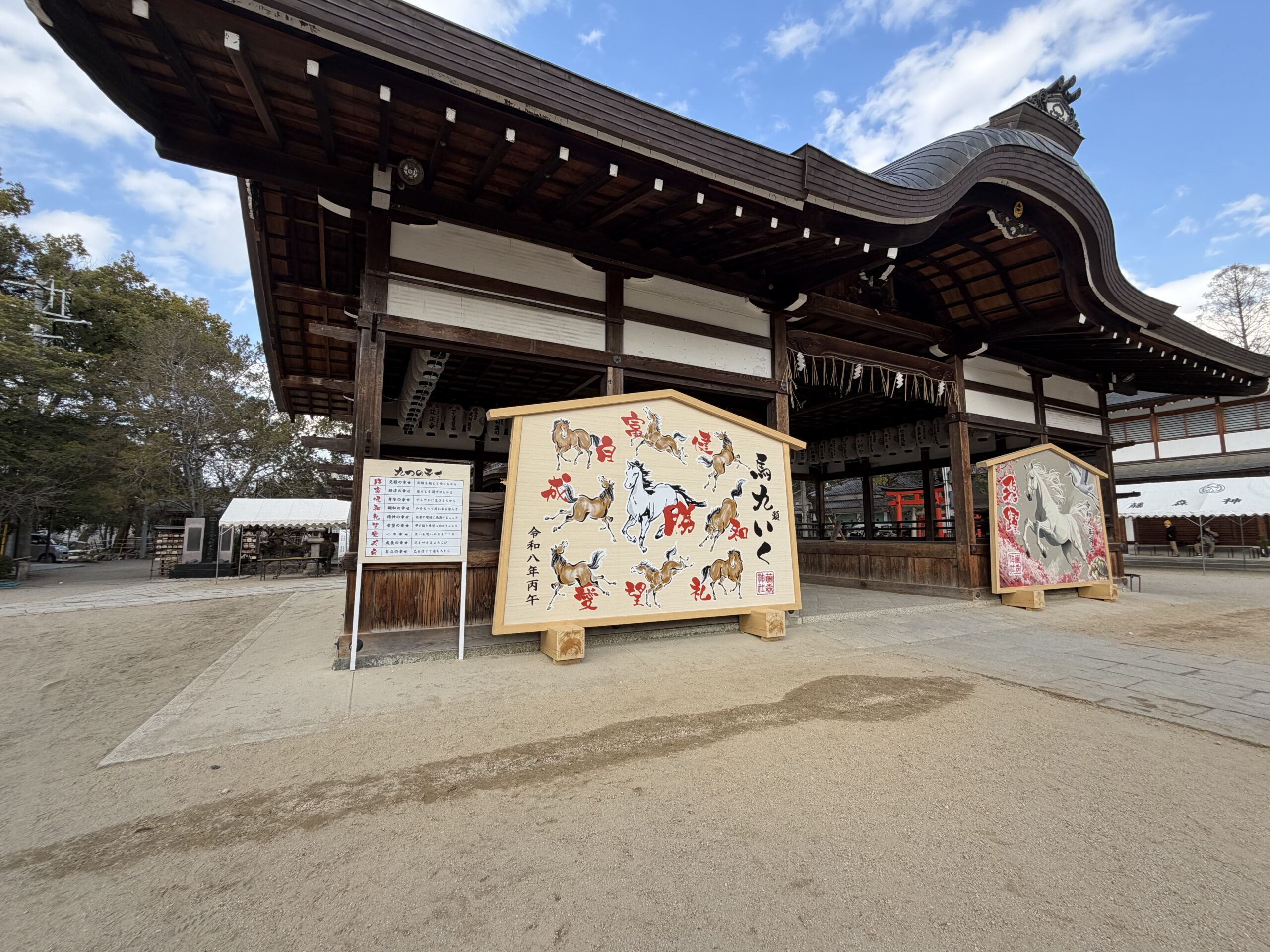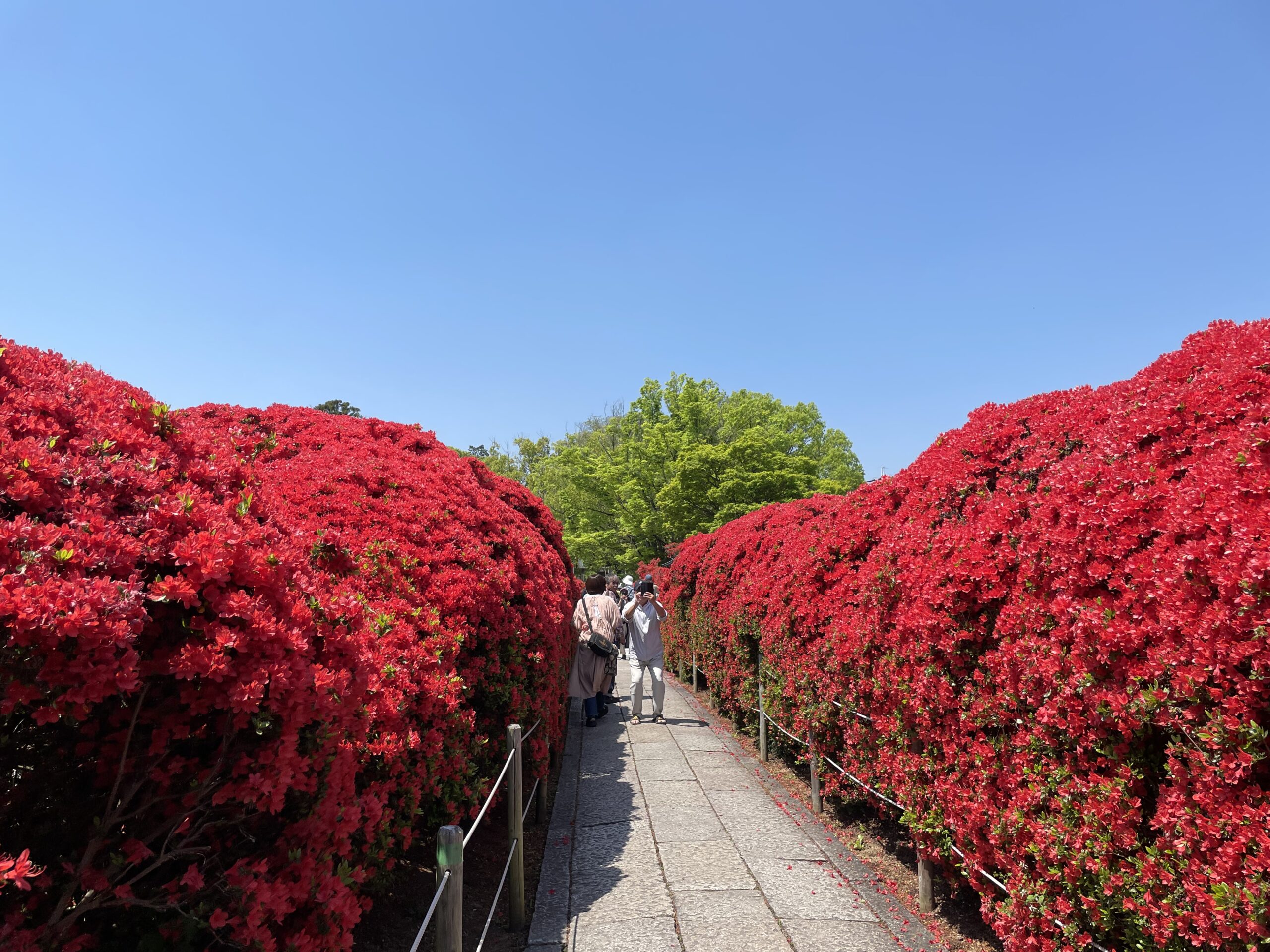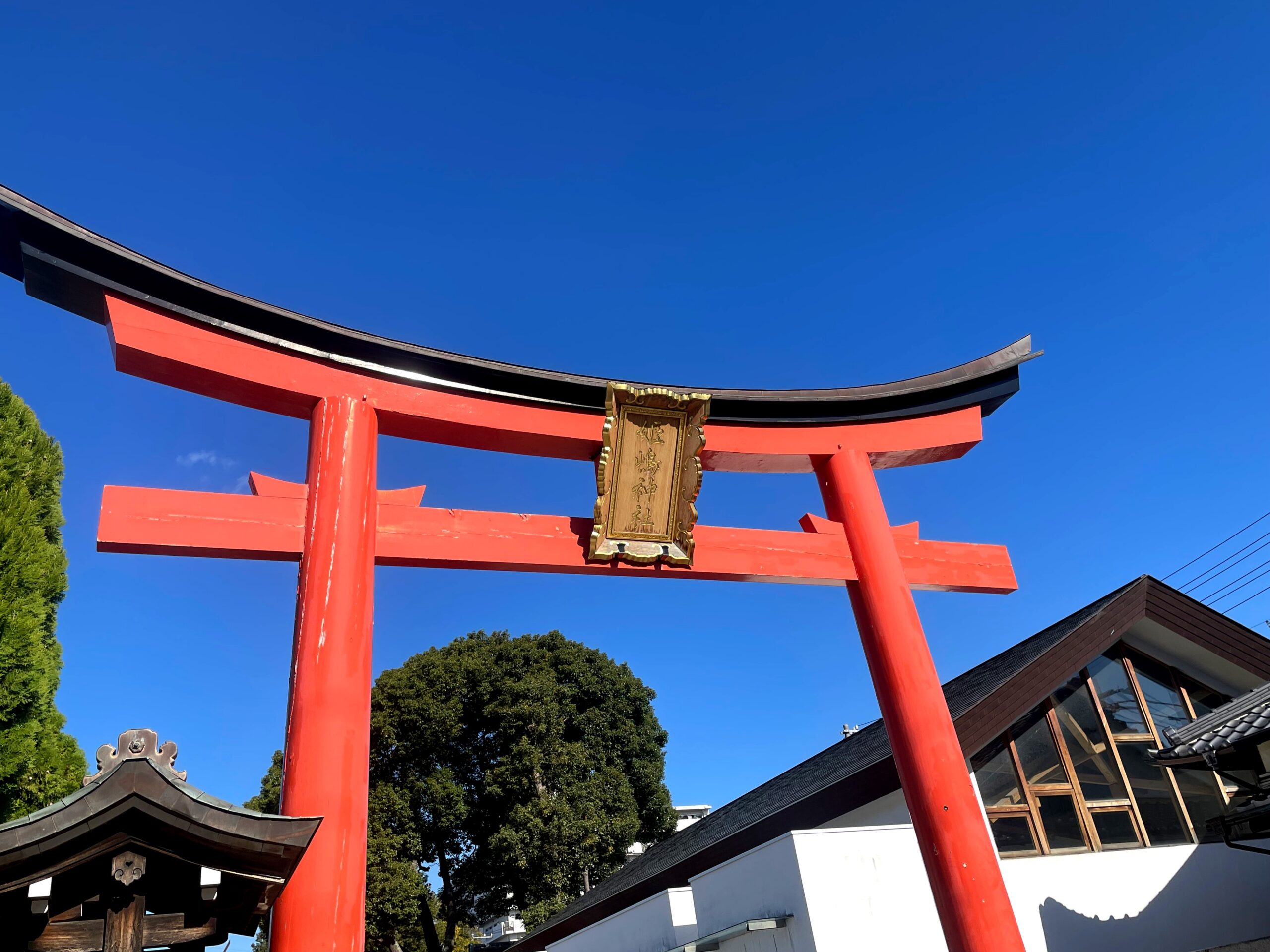
Iwashimizu Hachimangū is a shrine I have visited in spring, summer, and autumn over the years. Sometimes I take the cable car both ways from Keihan Railway’s Iwashimizu Hachimangū Station, and other times I come down by the stone steps on the way back.
I will be having an AI write a supporting article about Iwashimizu Hachimangū. The photographs will be my own originals.
Perched atop Mount Otokoyama (Otokoyama) in Yawata City, Kyoto Prefecture, Iwashimizu Hachimangu (Iwashimizu Hachimangu) is one of Japan’s three great Hachiman shrines. Its national-treasure main sanctuary and its unusual setting—where the entire 143-meter mountain serves as sacred precincts—make it one of the most rewarding destinations for anyone drawn to Japanese religious architecture and history. This guide walks through the shrine’s origins, its highlights, and a few practical tips worth knowing before you visit.
What Is Iwashimizu Hachimangu?
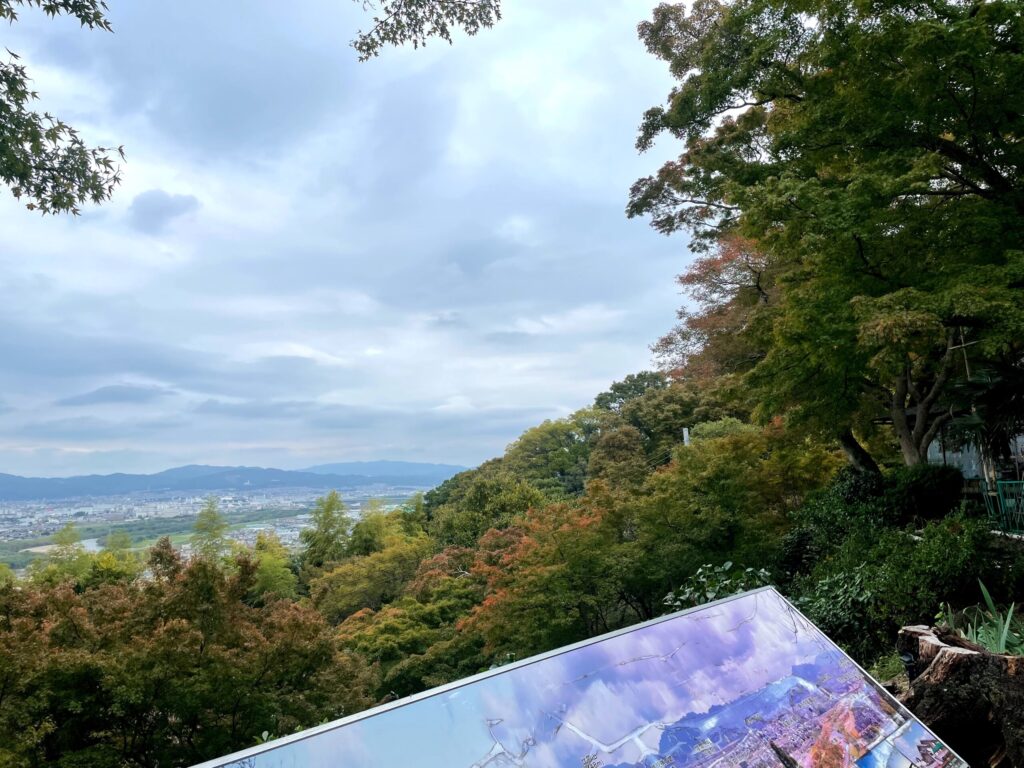
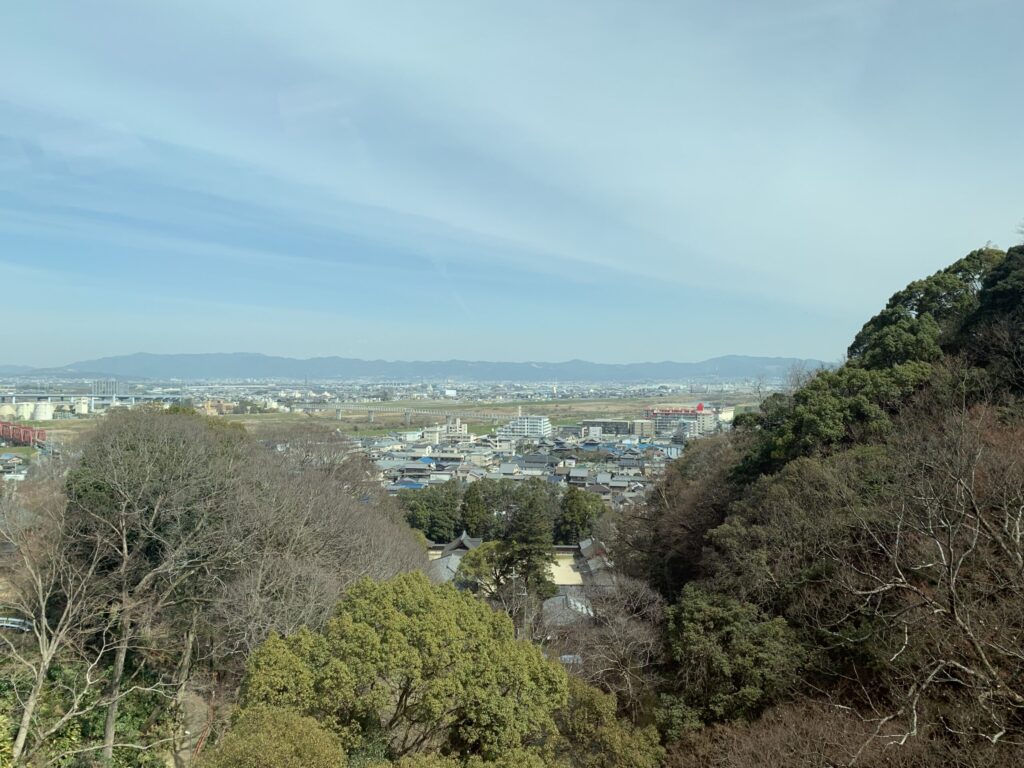
The shrine stands on the summit of Mount Otokoyama in the southwest of the Kyoto Basin, looking down over the point where three rivers converge into the Yodo River. Alongside Usa Jingu in Oita Prefecture and Hakozaki-gu in Fukuoka Prefecture, it is frequently counted among the “Three Great Hachiman Shrines of Japan” (Nihon Sandai Hachiman). For centuries it drew deep reverence from both the imperial court and the samurai class.
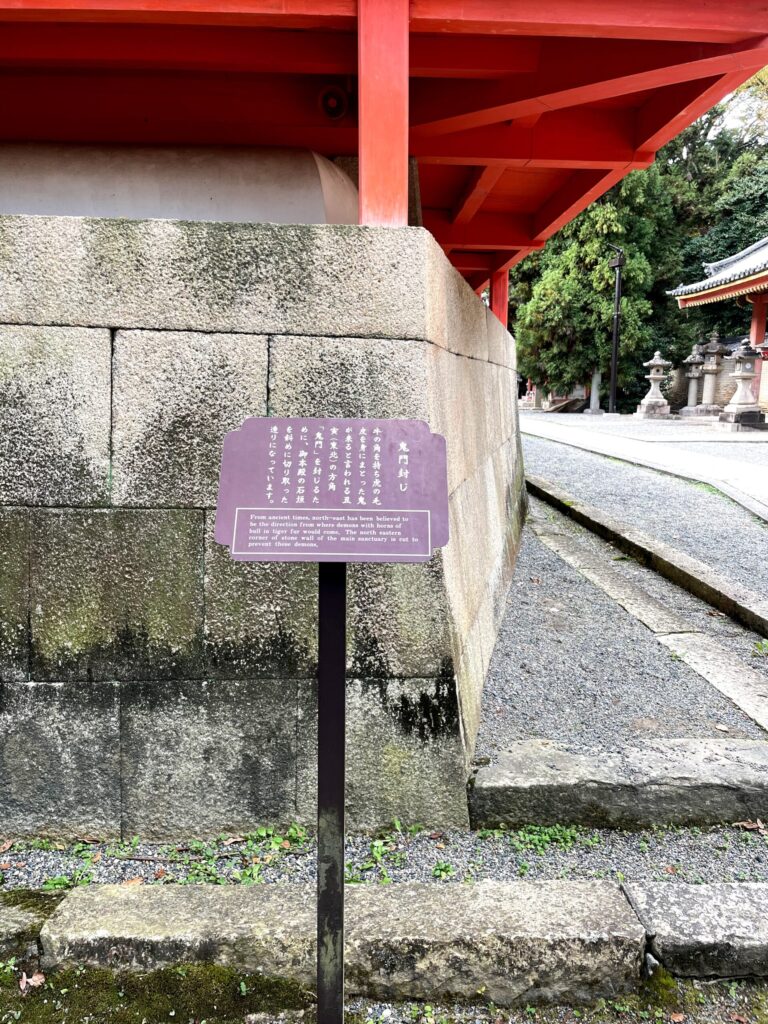
Climb the mountain yourself and the reasoning behind its placement becomes tangible. Otokoyama guards the urakimon—the “back demon gate,” the inauspicious southwest direction—of the old capital. Positioned to the southwest of the Kyoto Imperial Palace, the shrine was long treated as a protective deity of Heian-kyo, the ancient capital. That geographic logic, invisible on a map, feels obvious once you stand on the ridge and trace the skyline back toward central Kyoto.
The Meaning Behind the Name “Iwashimizu”
The name “Iwashimizu,” which roughly means “pure water from the rocks,” is said to derive from a sacred spring that wells up on the mountainside. This site, where clean water flows without pause, has been treasured as holy ground since ancient times. There is something quietly telling about a shrine that carries a natural blessing directly in its name—a reminder of how tightly Japanese faith and the natural world have always been bound together.
Why Is the Main Sanctuary a National Treasure?
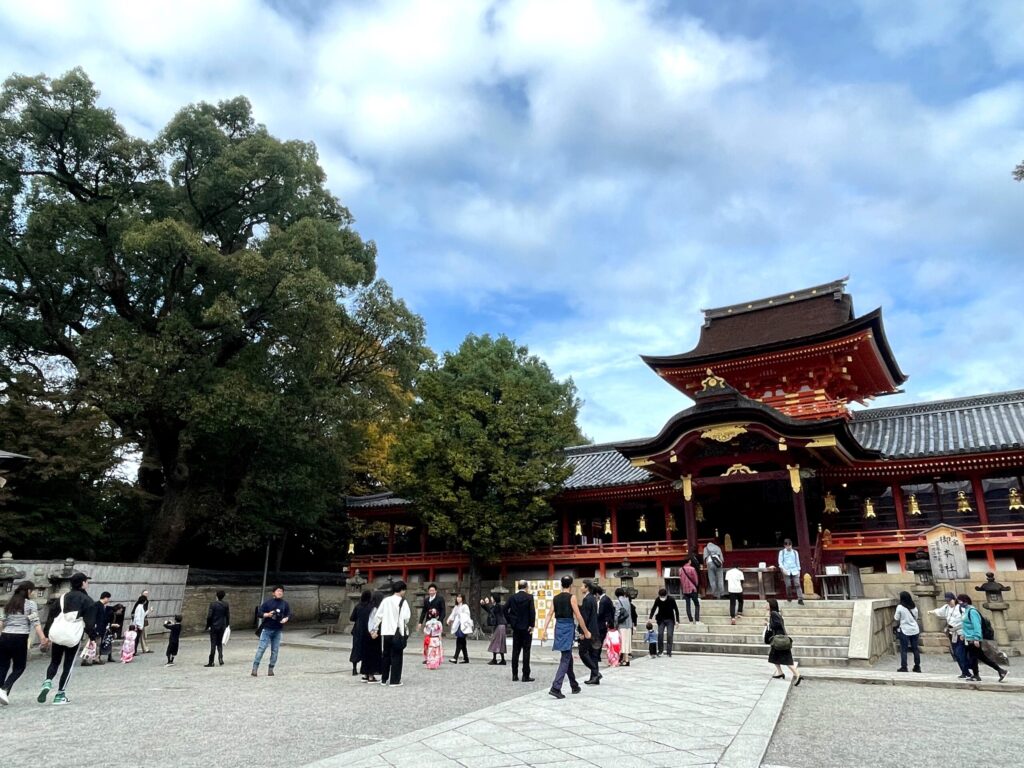
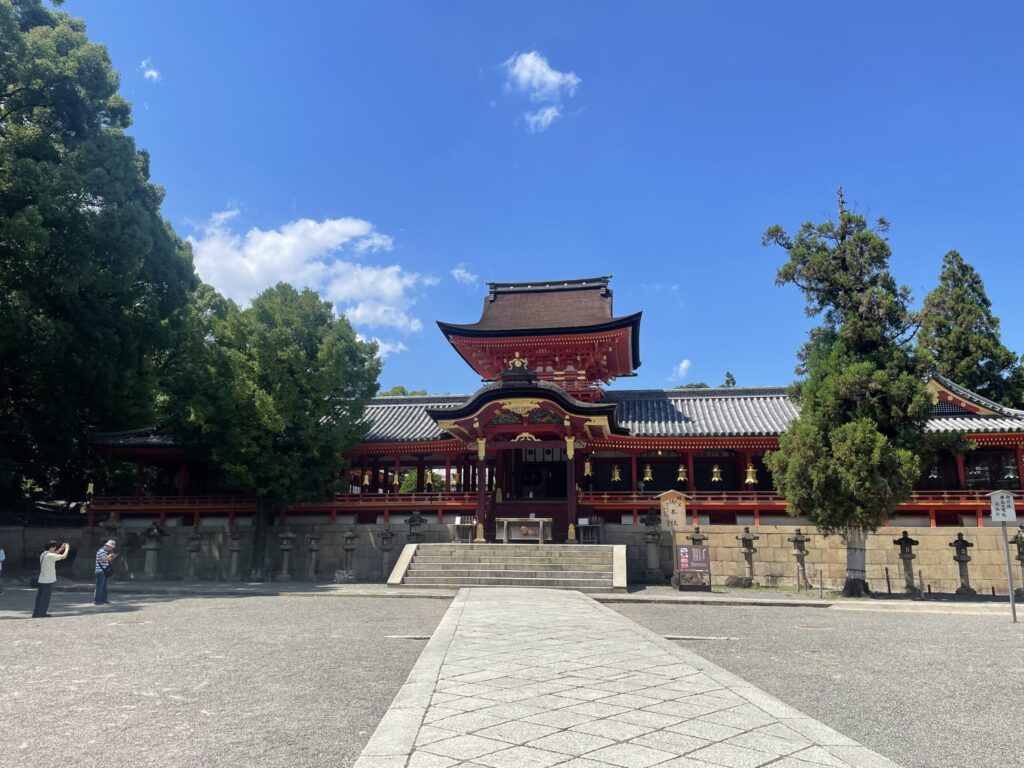
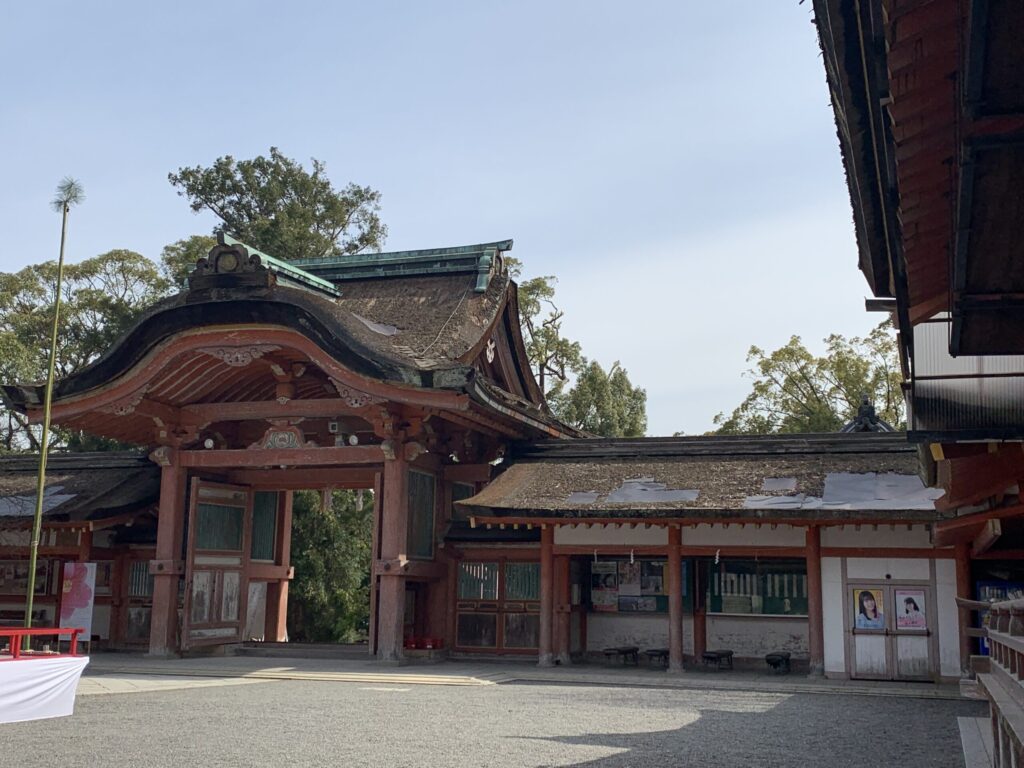
The single greatest attraction here is, without question, the cluster of shrine buildings designated as National Treasures. The structures centered on the main sanctuary are prized as a leading surviving example of the hachimanzukuri architectural style.
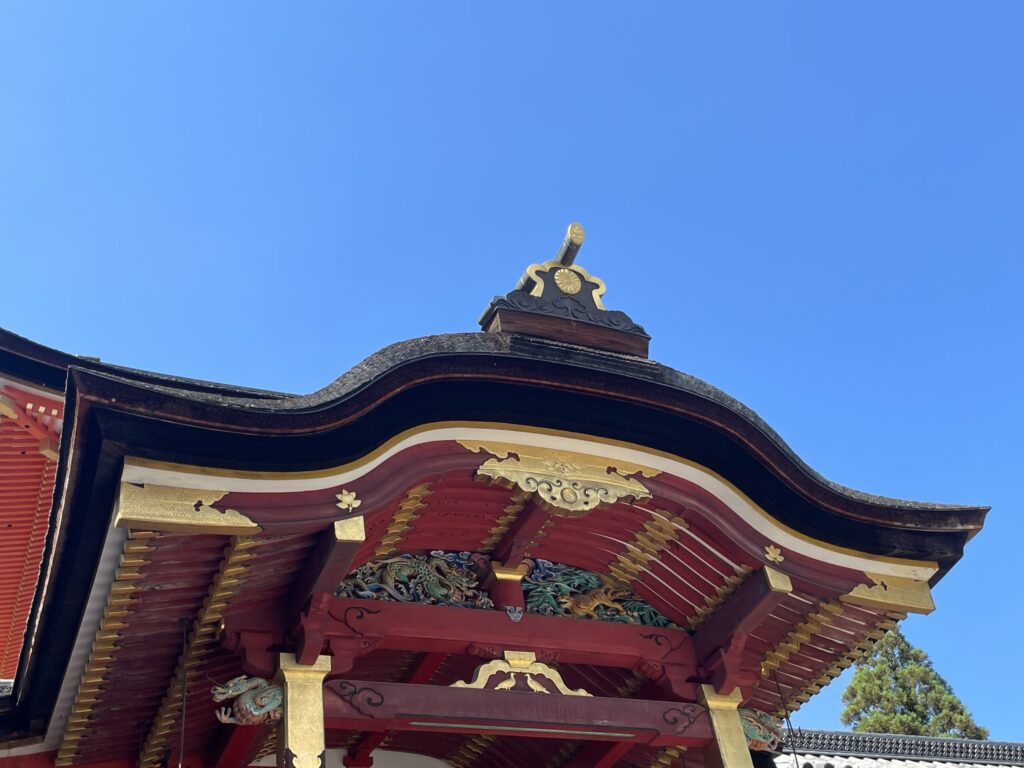
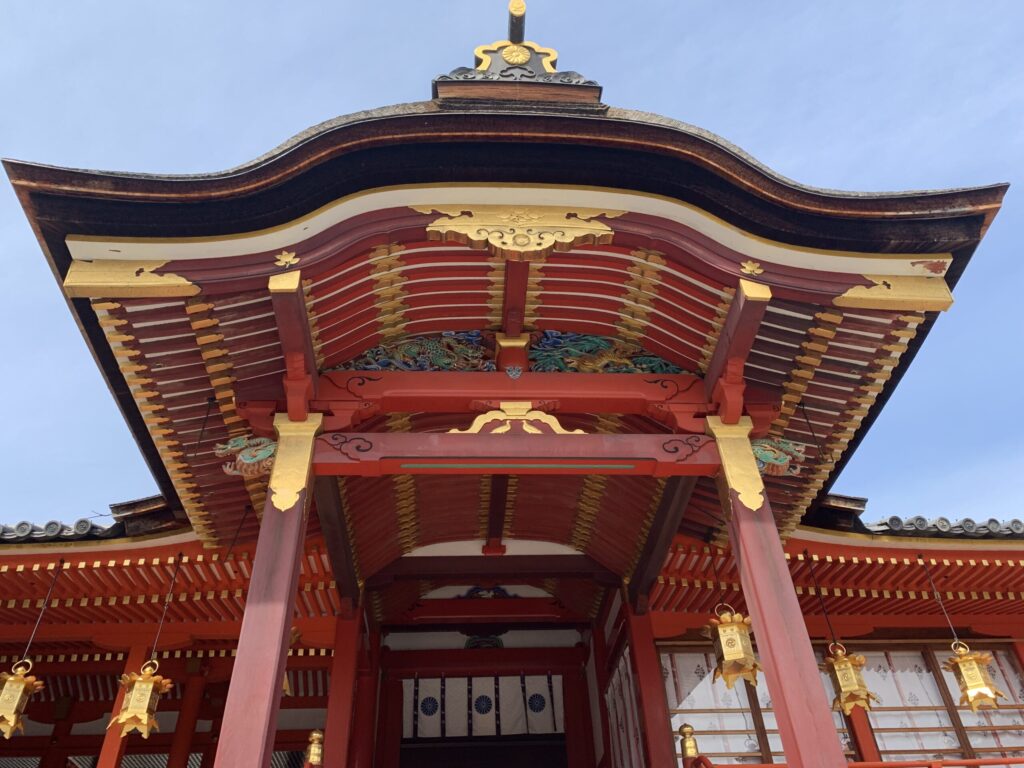
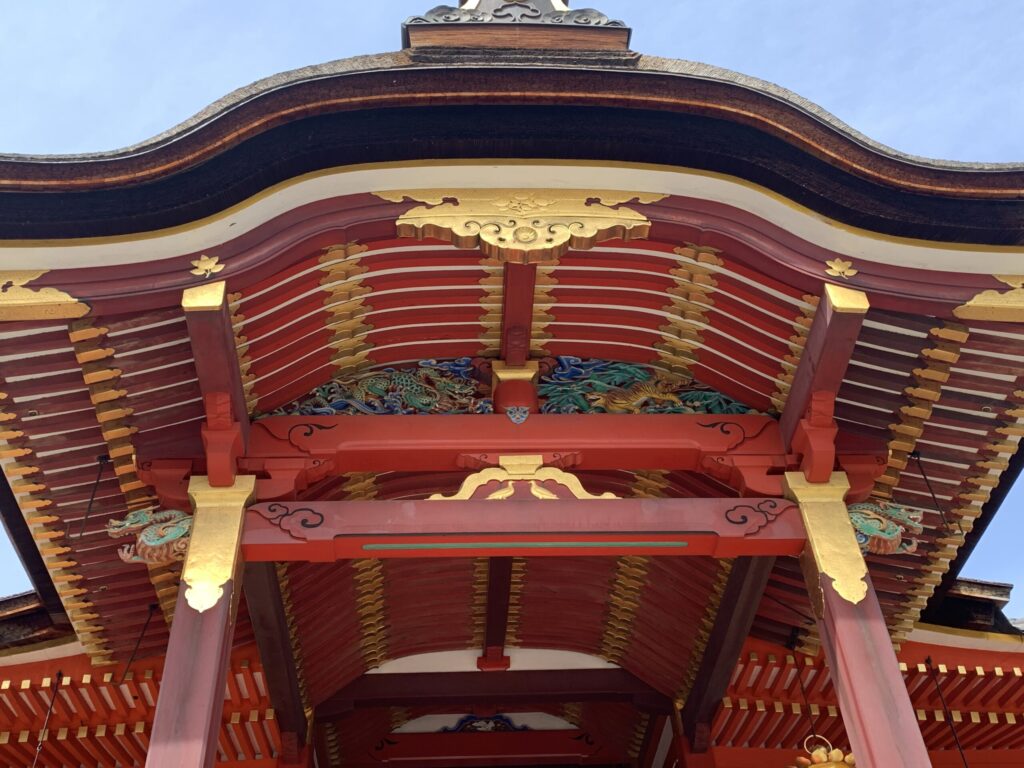
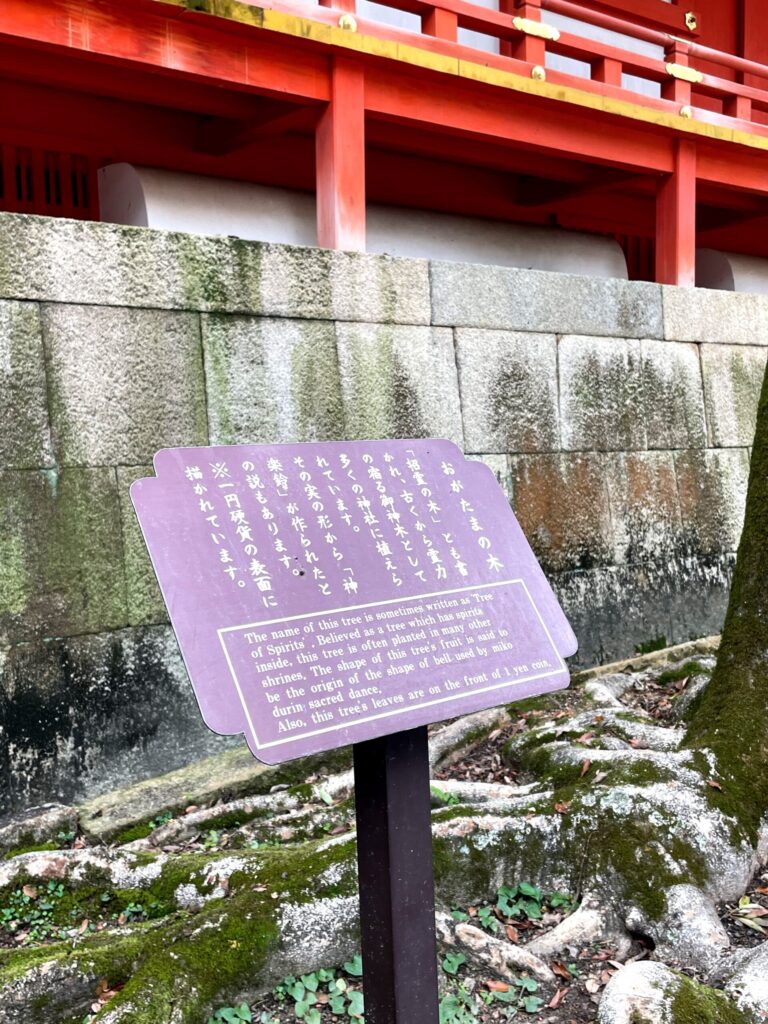
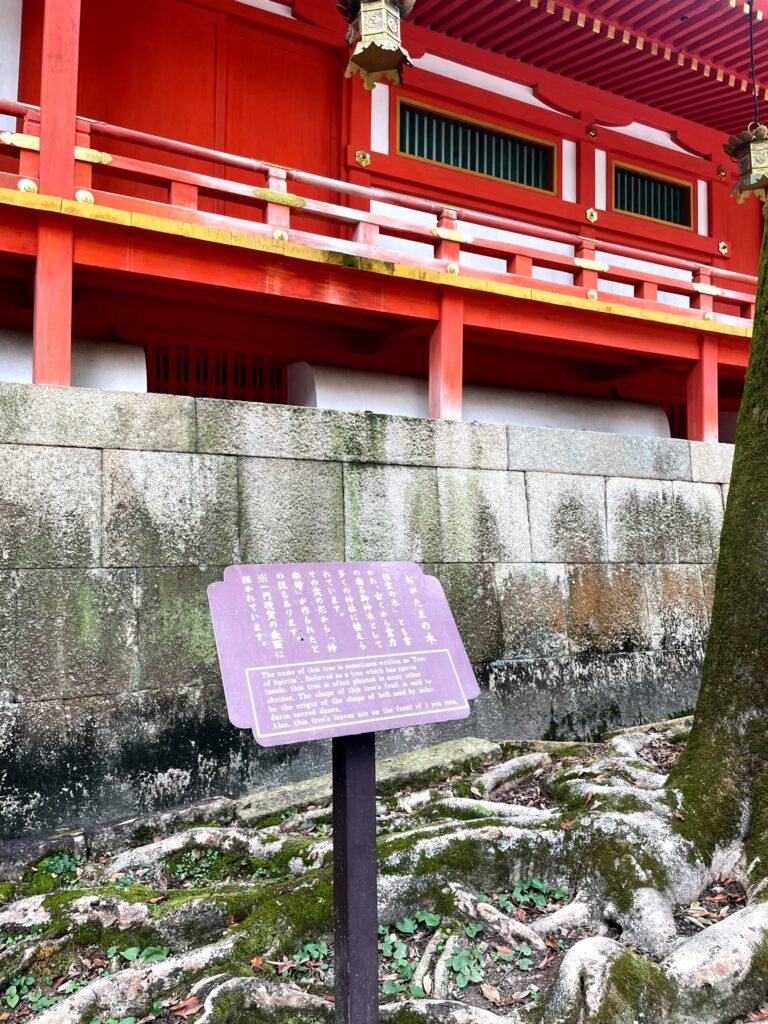
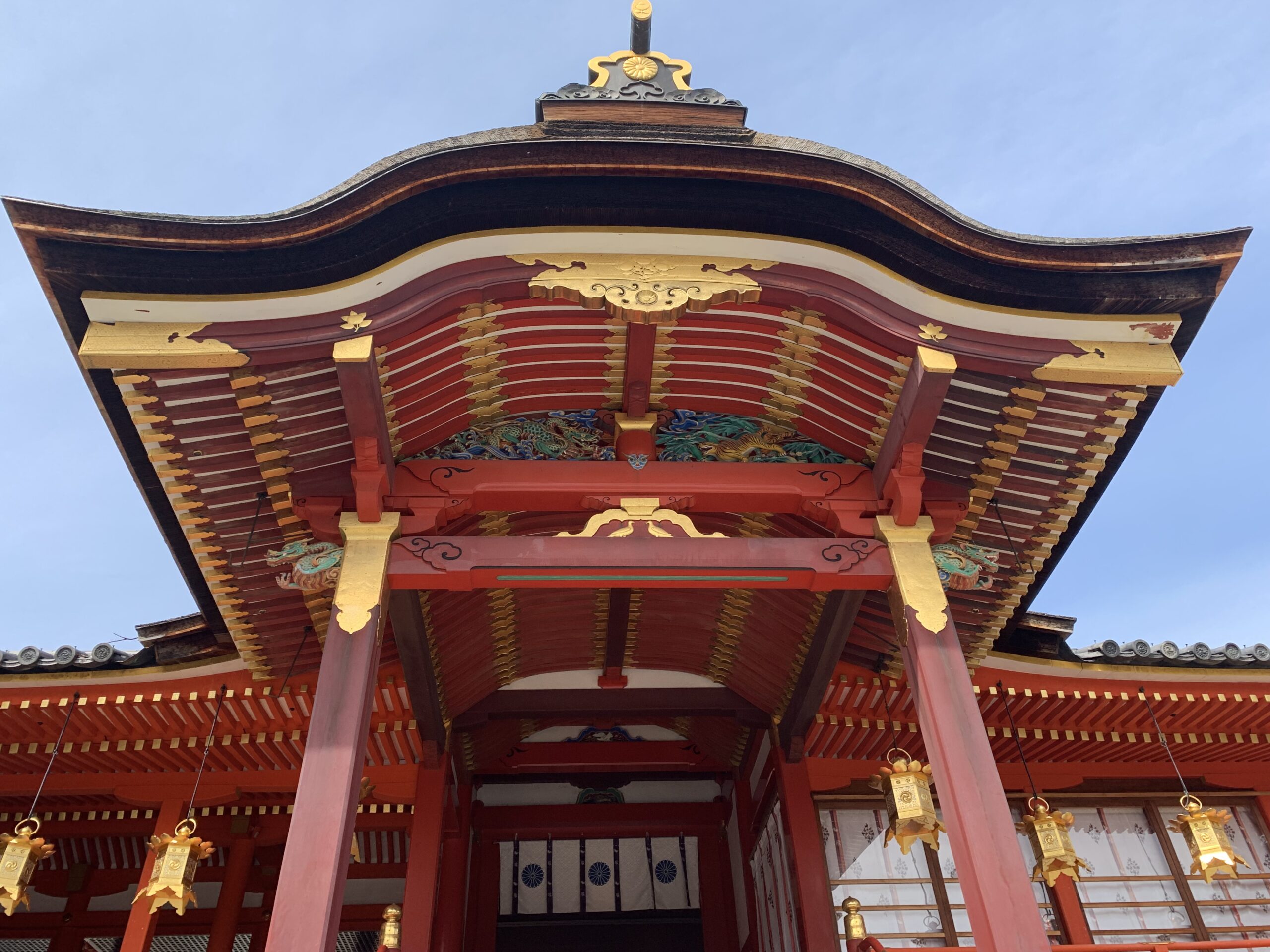
Hachimanzukuri is a distinctive design in which two buildings—one front, one rear—are joined together, so that from the outside the roofline appears to double. Stand before the sanctuary and the vermilion lacquer and the dense, meticulous carving and ornamentation in every detail are genuinely overwhelming.
- Ten buildings including the main sanctuary, plus three attached structures (tsuketari), are designated National Treasures.
- The present sanctuary preserves construction from the early Edo period, making it an invaluable architectural relic.
- Visitors can examine the rare hachimanzukuri style up close.
Walk a full circuit of the sanctuary and look up, and your eye is caught by the vividly polychromed ranma transom carvings and the gleam of the metal fittings. This is no mere old building; it reads as a work of art that gathered the finest craftsmanship and devotion of its era into one place.
How to Enjoy the Climb Up Mount Otokoyama
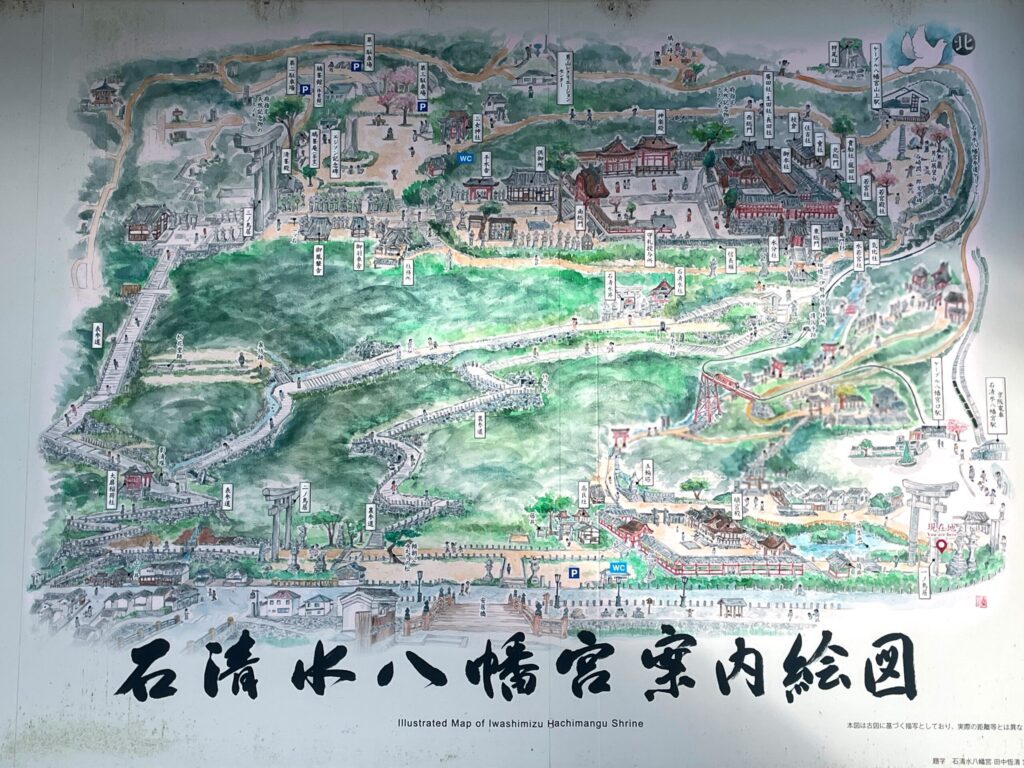
A visit to Iwashimizu Hachimangu is also a way of experiencing Mount Otokoyama itself. The route from the tongu (a subordinate shrine hall at the foot of the mountain) up to the main shrine on the summit can be enjoyed in more than one way.
Cable Car or the Main Approach on Foot
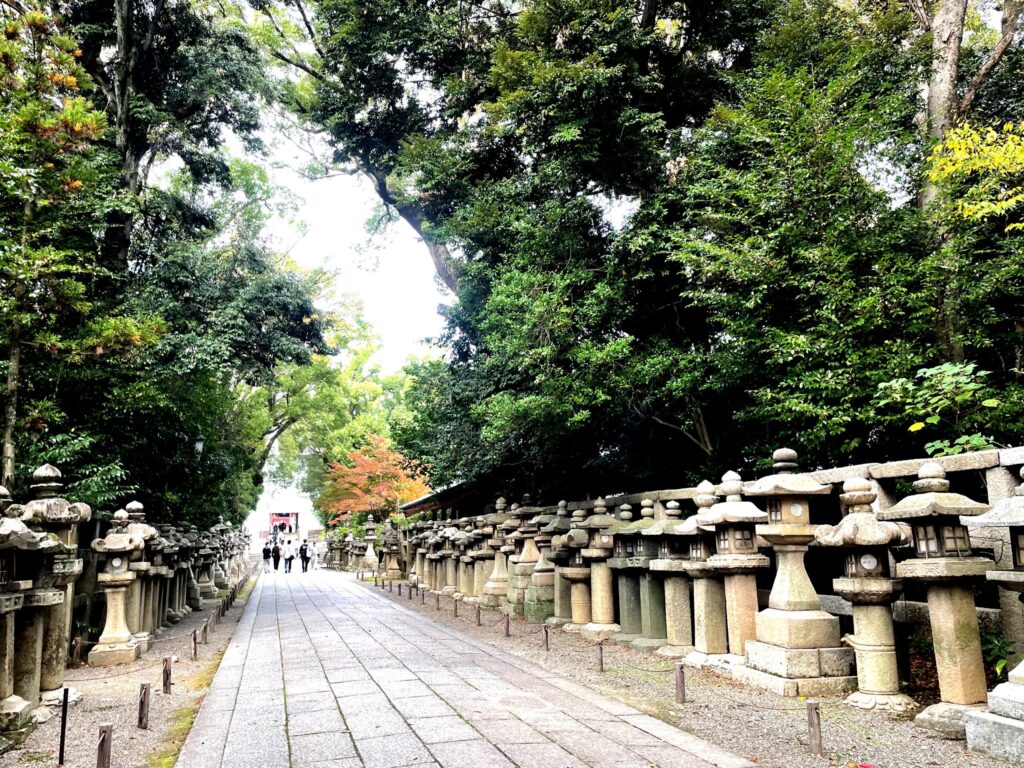
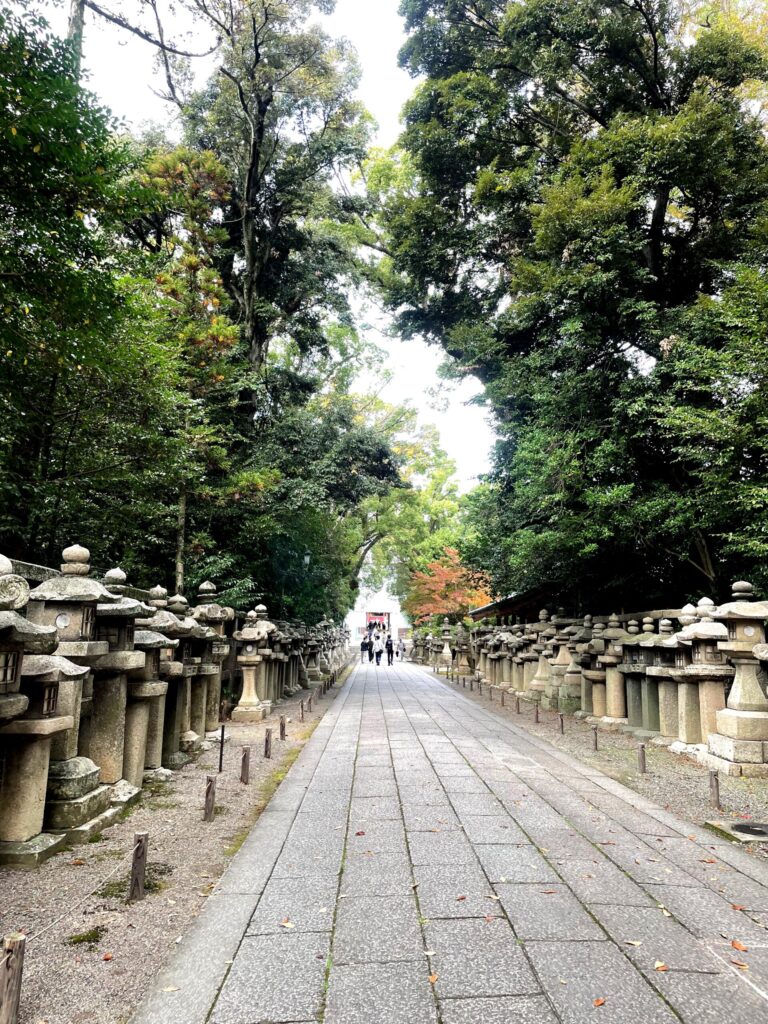
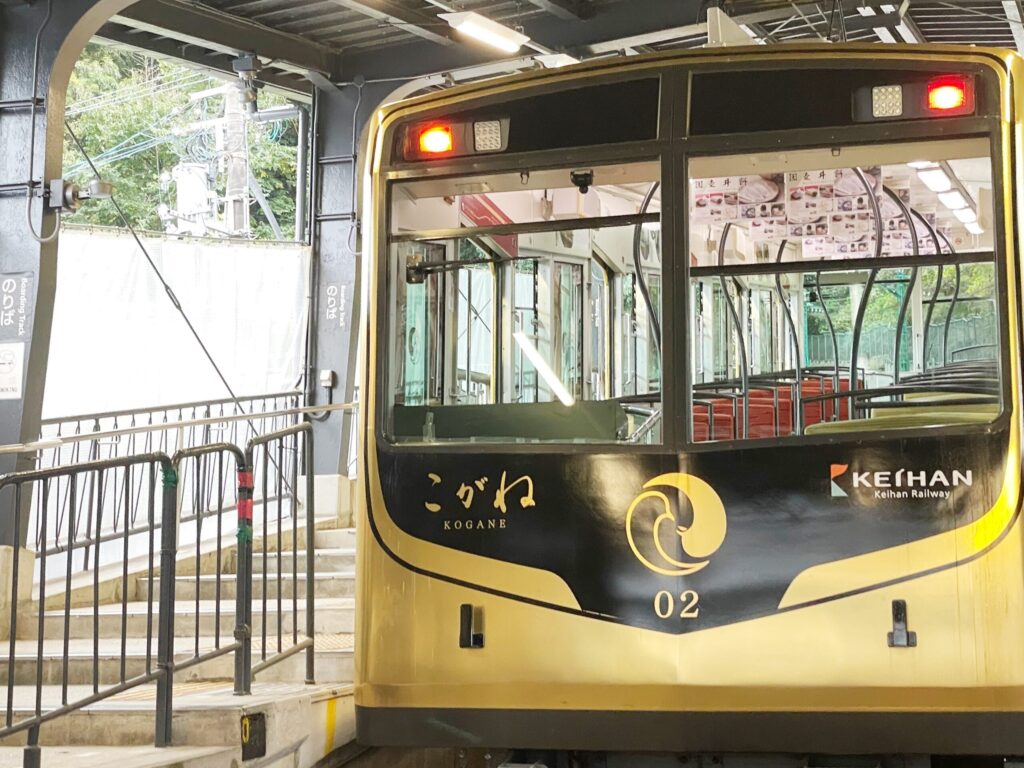
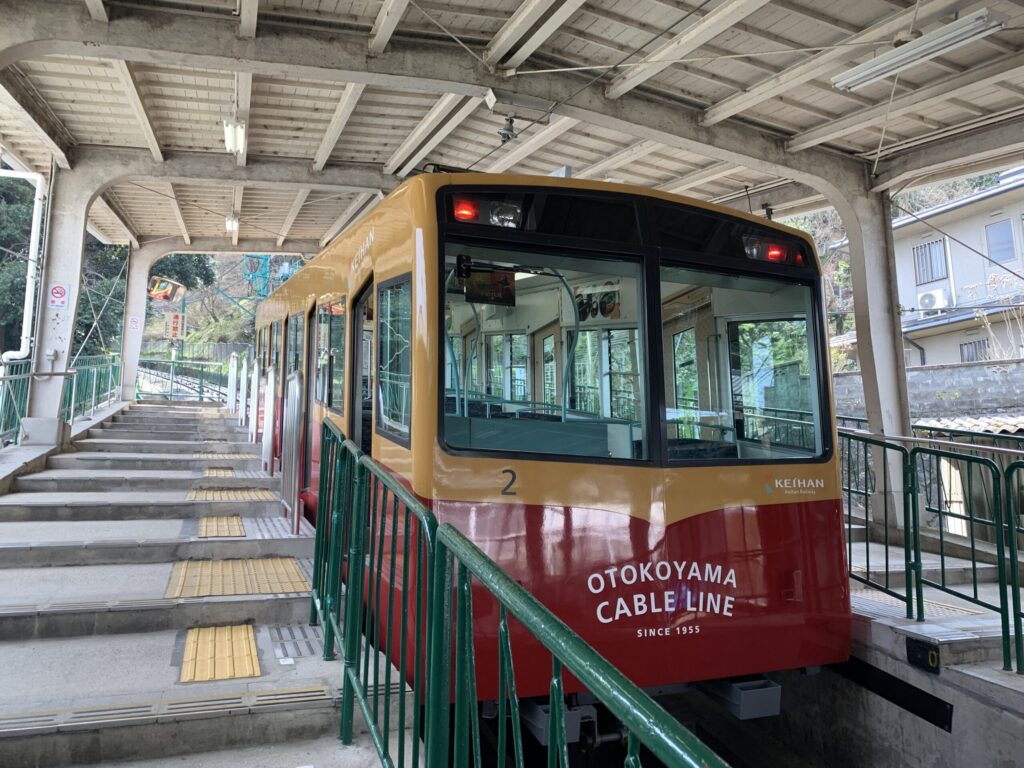
You can reach the summit either by walking up the approach path or by riding the cable car. If you are confident in your stamina, climbing the stone steps of the main approach (omotesando) at an unhurried pace lets you pause and offer prayers at the auxiliary and branch shrines (sessha and massha) along the way. When time or energy is short, the cable car whisks you straight to the top—a convenient alternative.
The Seasons and Festivals of the Mountain
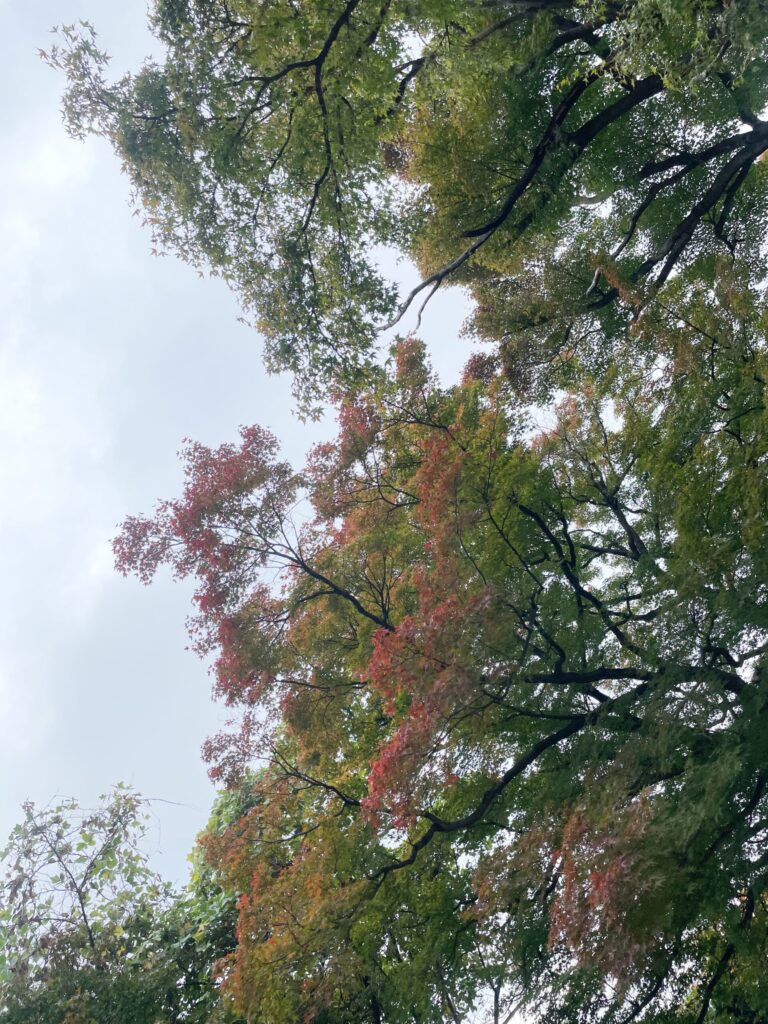
Otokoyama is also celebrated as a cherry-blossom spot, and a “Cherry Blossom Festival” (Sakura Matsuri) takes place in spring. During this period the parking lots at both the summit and the base, along with parking fees, are subject to change, so it is wise to confirm details in advance. Fresh green foliage in early summer and autumn’s crimson leaves are equally beautiful; the changing face of the mountain across the seasons is a large part of its charm.
On May 4, the shrine has announced the “Iwashimizu Aowakaba Shogan Joju Kigan-sai,” a festival to pray for the fulfillment of various wishes—just one of many observances held throughout the year.
Useful Things to Know Before You Visit
A few pieces of practical knowledge that can deepen your visit:
- The entire Mount Otokoyama is sacred precinct, with sights to enjoy at both the summit and the base.
- Parking lots and parking fees may change during the Cherry Blossom Festival period.
- Depending on the event schedule, the tongu parking lot may be closed—closures around July 18–20 have been announced in the past.
- The shrine recruits miko (shrine maidens, including staff and student assistants) throughout the year.
Traffic and parking conditions shift easily during event periods in particular, so checking the official website for the latest information before you set out will give you real peace of mind.
Frequently Asked Questions
- Q: Where is Iwashimizu Hachimangu located?
- A: It sits on Mount Otokoyama in Yawata City, Kyoto Prefecture. The main shrine stands on the summit, overlooking the point where three rivers merge into the Yodo River.
- Q: Is the main sanctuary really a National Treasure?
- A: Yes. The group of shrine buildings centered on the main sanctuary is designated a National Treasure and is known as a representative example of hachimanzukuri architecture.
- Q: How do I get to the summit?
- A: There are two routes—walking up the approach path or taking the cable car. You can choose according to your stamina and the time you have available.
- Q: Is there anything to watch out for during cherry blossom season?
- A: During the Cherry Blossom Festival, the parking lots and fees at both the summit and the base may change. Check the official website beforehand.
- Q: What kinds of festivals are held here?
- A: Various observances take place year-round, including the “Iwashimizu Aowakaba Shogan Joju Kigan-sai” announced for May 4.
Conclusion
Iwashimizu Hachimangu is an ancient shrine on Mount Otokoyama that has accumulated a long history as one of Japan’s three great Hachiman shrines. Its national-treasure hachimanzukuri sanctuary is a precious cultural property that carries the essence of Japanese architecture into the present—and visitors invariably find themselves captivated by the vermilion halls and their finely wrought ornamentation.
Because the whole mountain forms the precincts, Otokoyama offers seasonal scenery and festivals as well as the shrine itself. On your visit, check parking information for the Cherry Blossom Festival period and the schedule of events in advance, then give yourself the time to wander the mountain slowly and take it all in.
References
Addendum
I am not sure whether shōden sanpai (ascending into the inner shrine for worship) is currently offered, but if the timing works out, I would highly recommend taking part. (Fee required · limited time slots · limited capacity · availability unknown at this time)
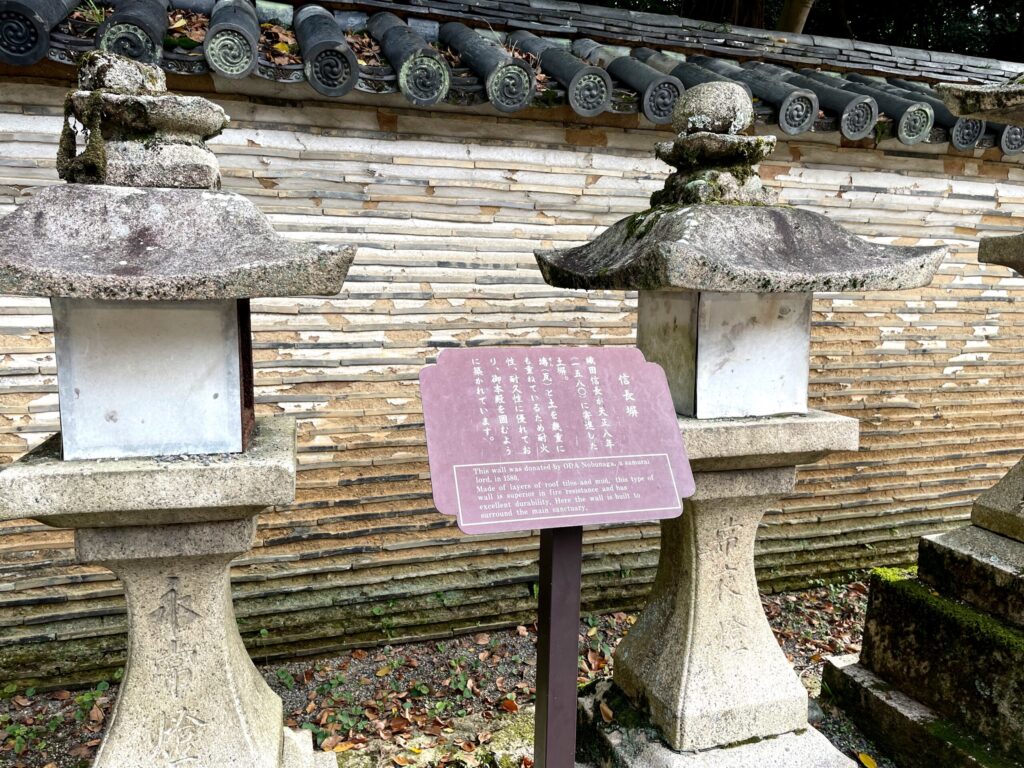
During the tour, you can see up close the golden rain gutters between the inner and outer roof layers — donated by Nobunaga — as well as the richly colored relief carvings on the shrine’s transoms. There is also the charming story of the menuki monkey carving. With a thoughtful guided explanation, it is a wonderfully unhurried experience, and I cannot recommend it enough.
For lunch, there are restaurants near Keihan’s Iwashimizu Hachimangū Station, and there is also a dining hall up at the top after you ride the cable car, so that is another option. (Please check ahead to confirm it is open before you visit.)
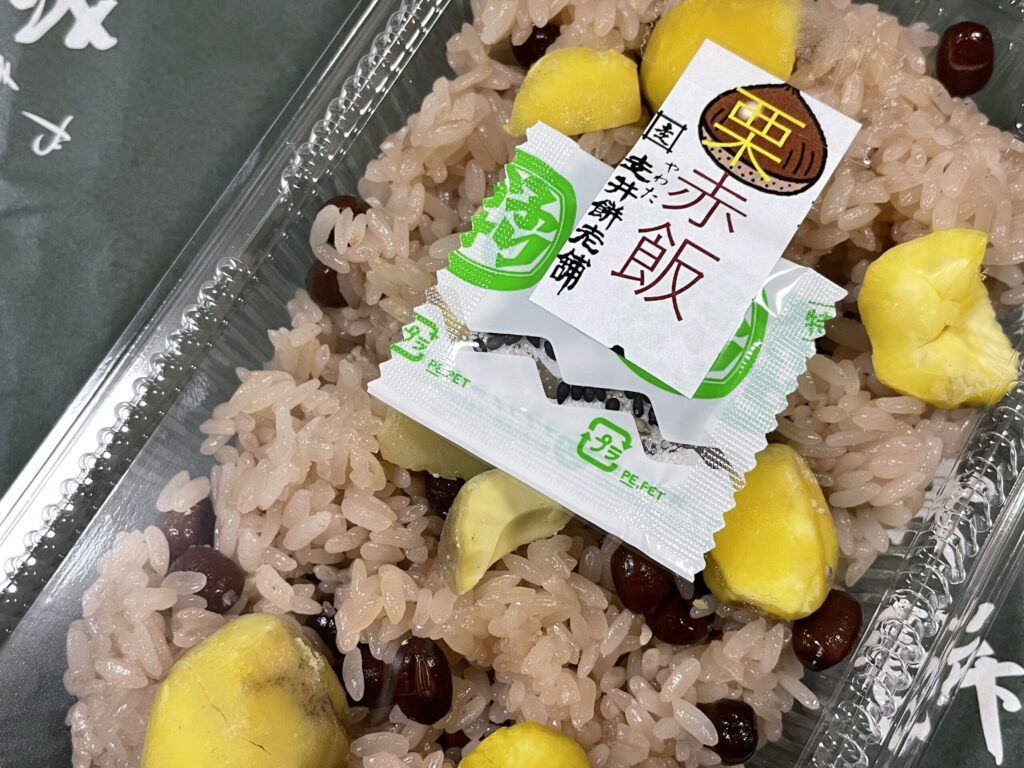
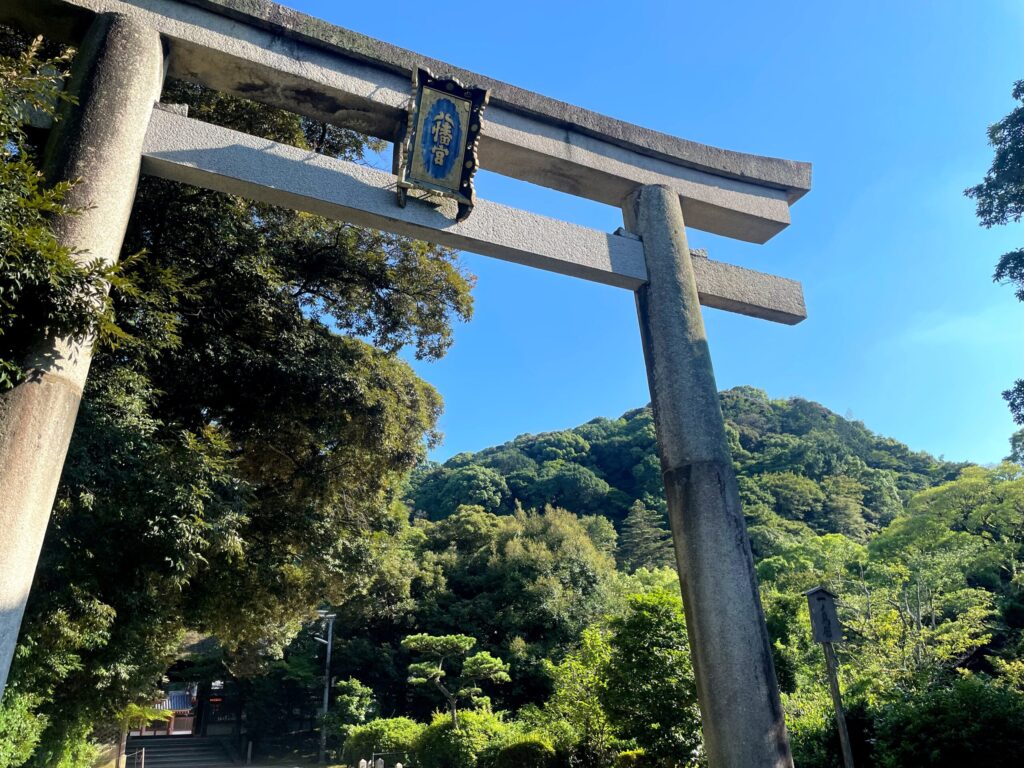
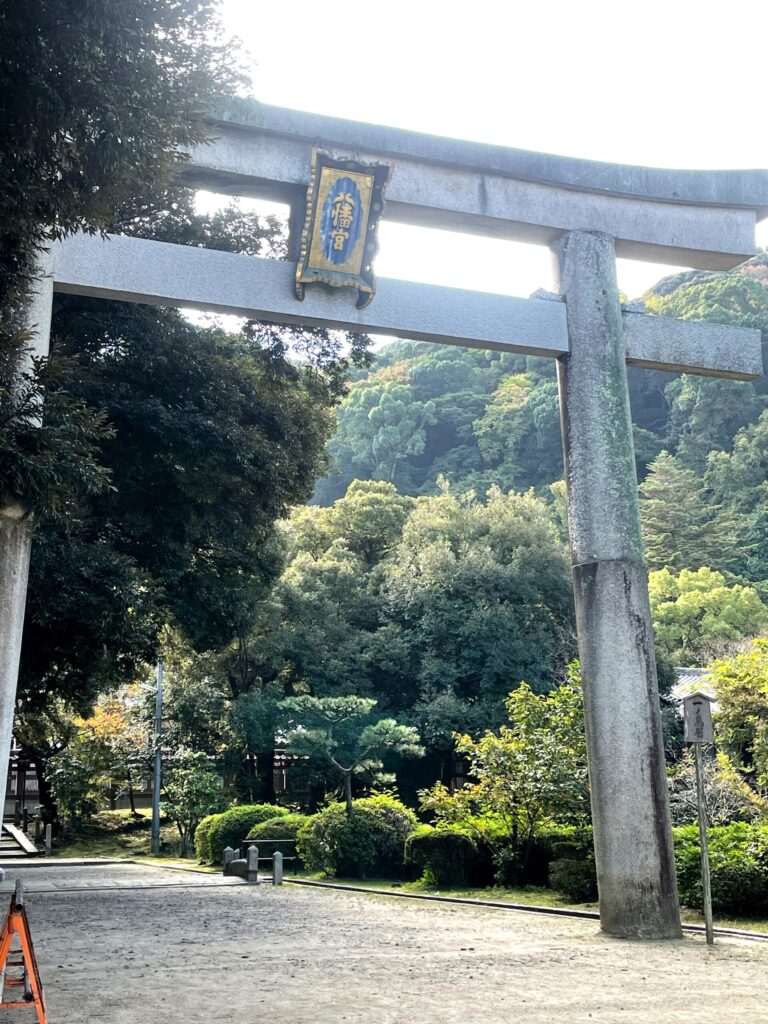
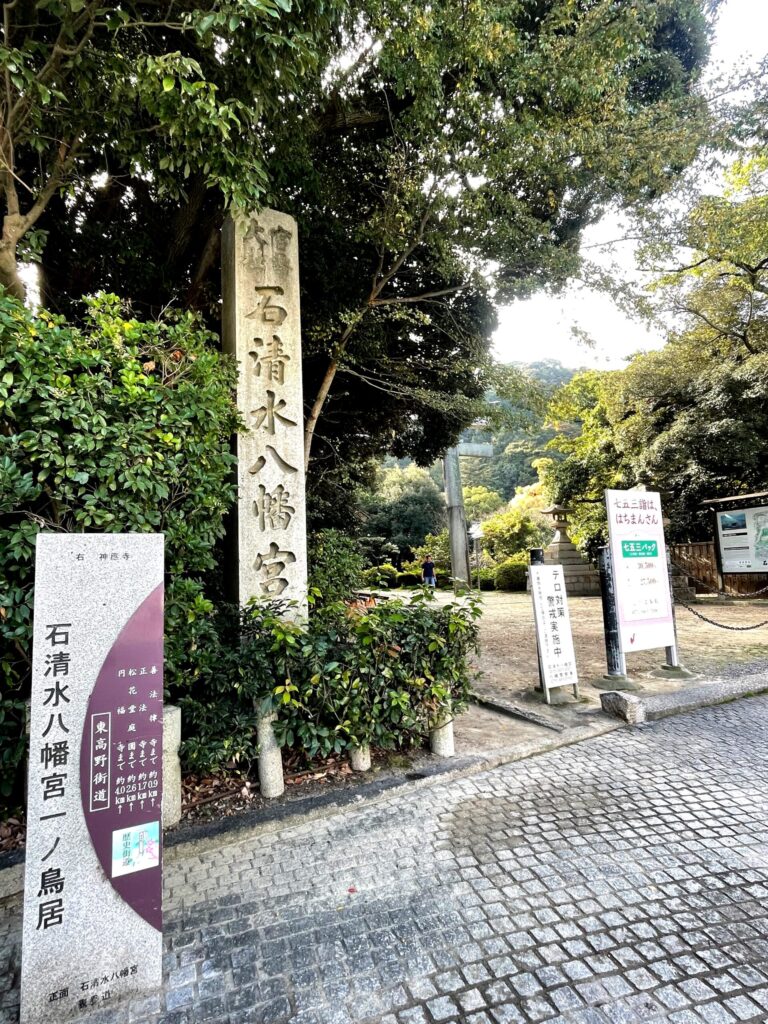
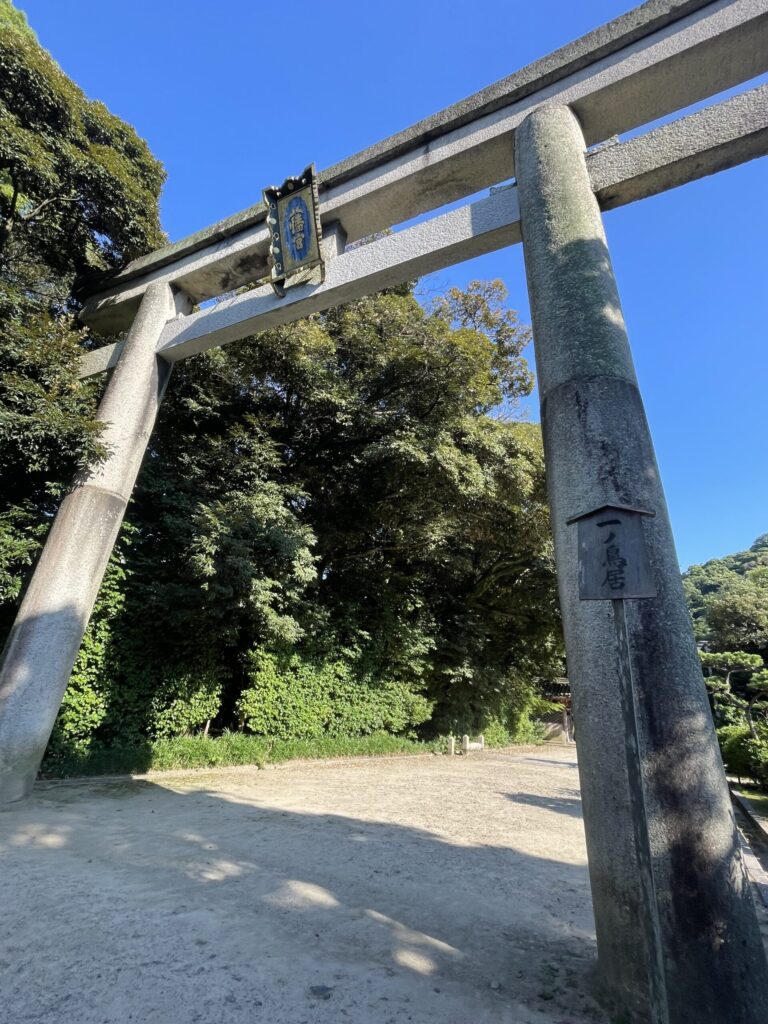
If you come down by the stone steps, you will find the first torii gate (ichi-no-torii) and a car park at the bottom. There are also shops in the area — on my way home I picked up some osekihan (red bean rice) to take back with me.
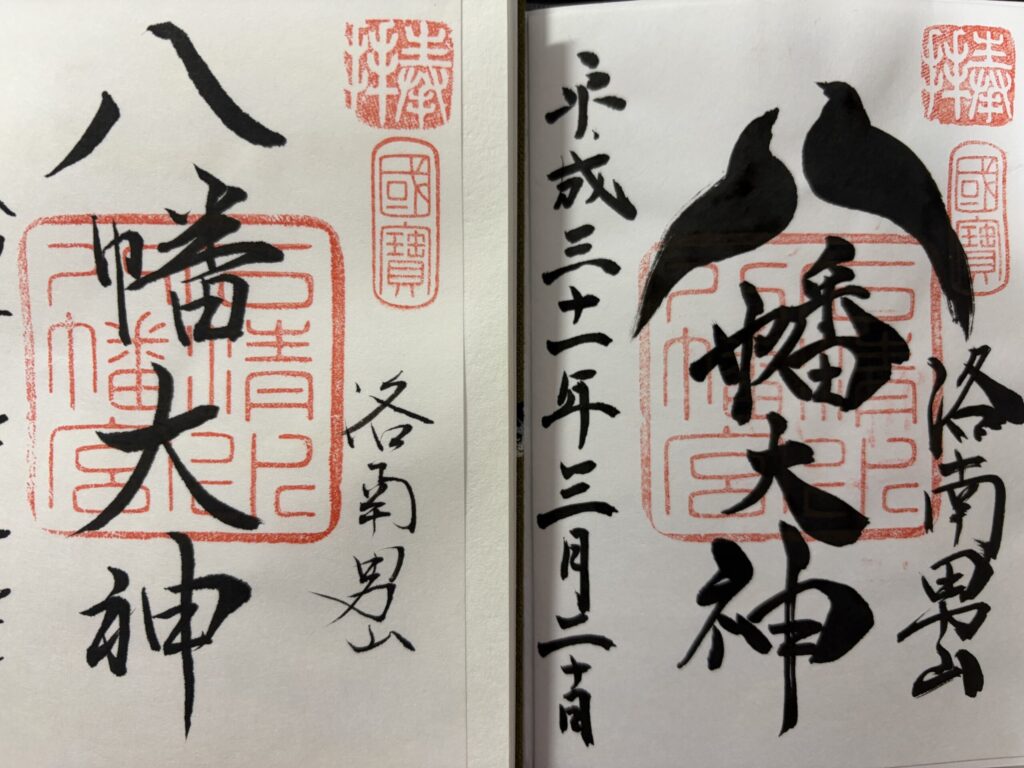
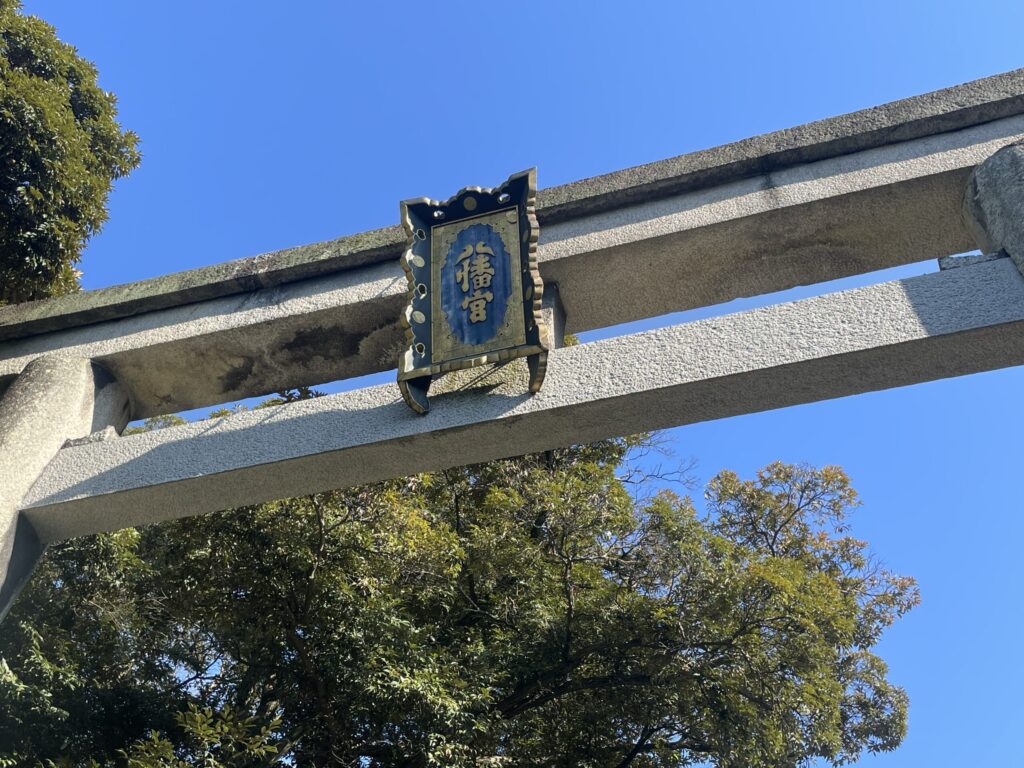
One delightful detail: the character 「八」in the torii inscription is shaped like two doves facing each other — charming!