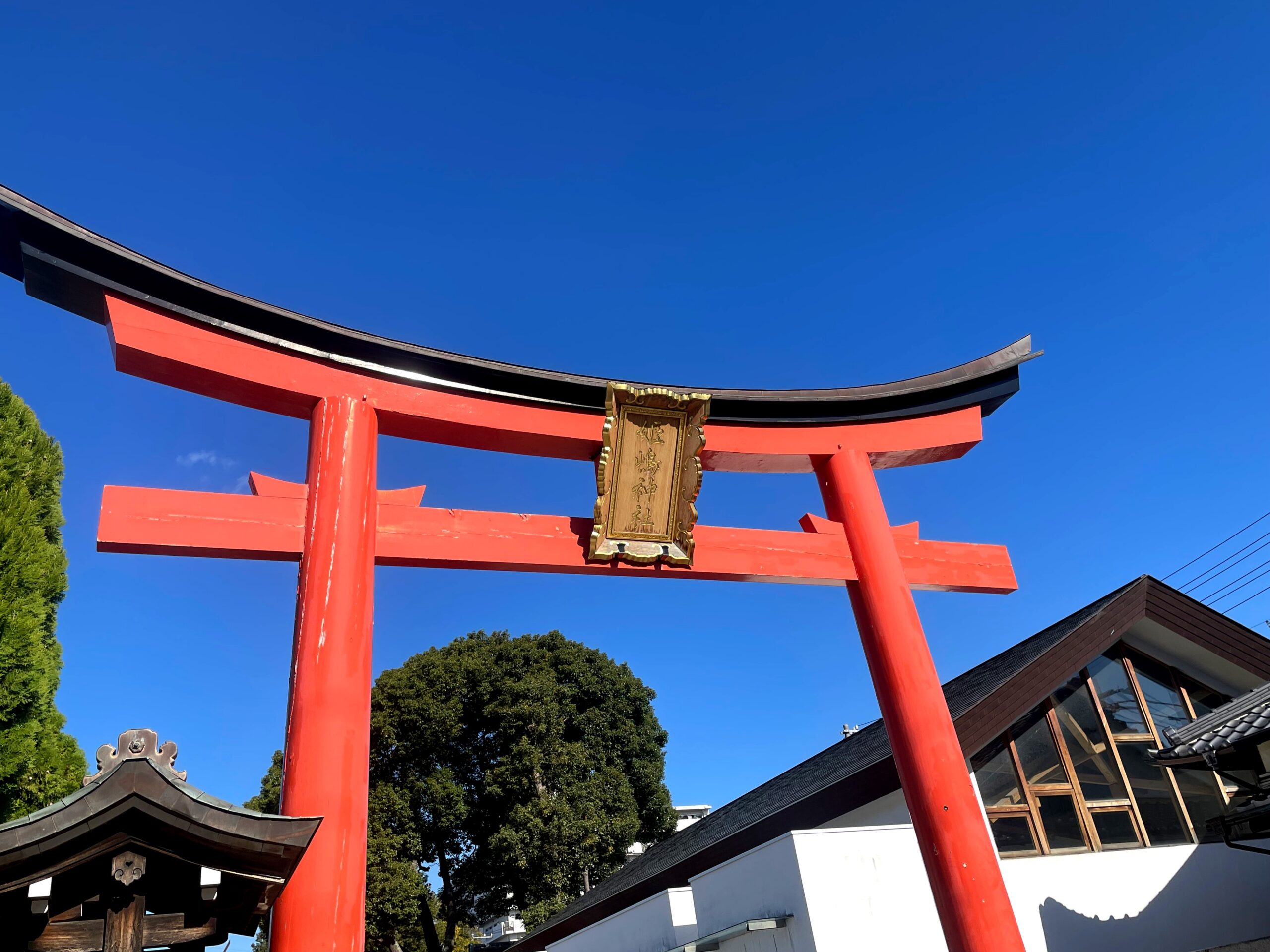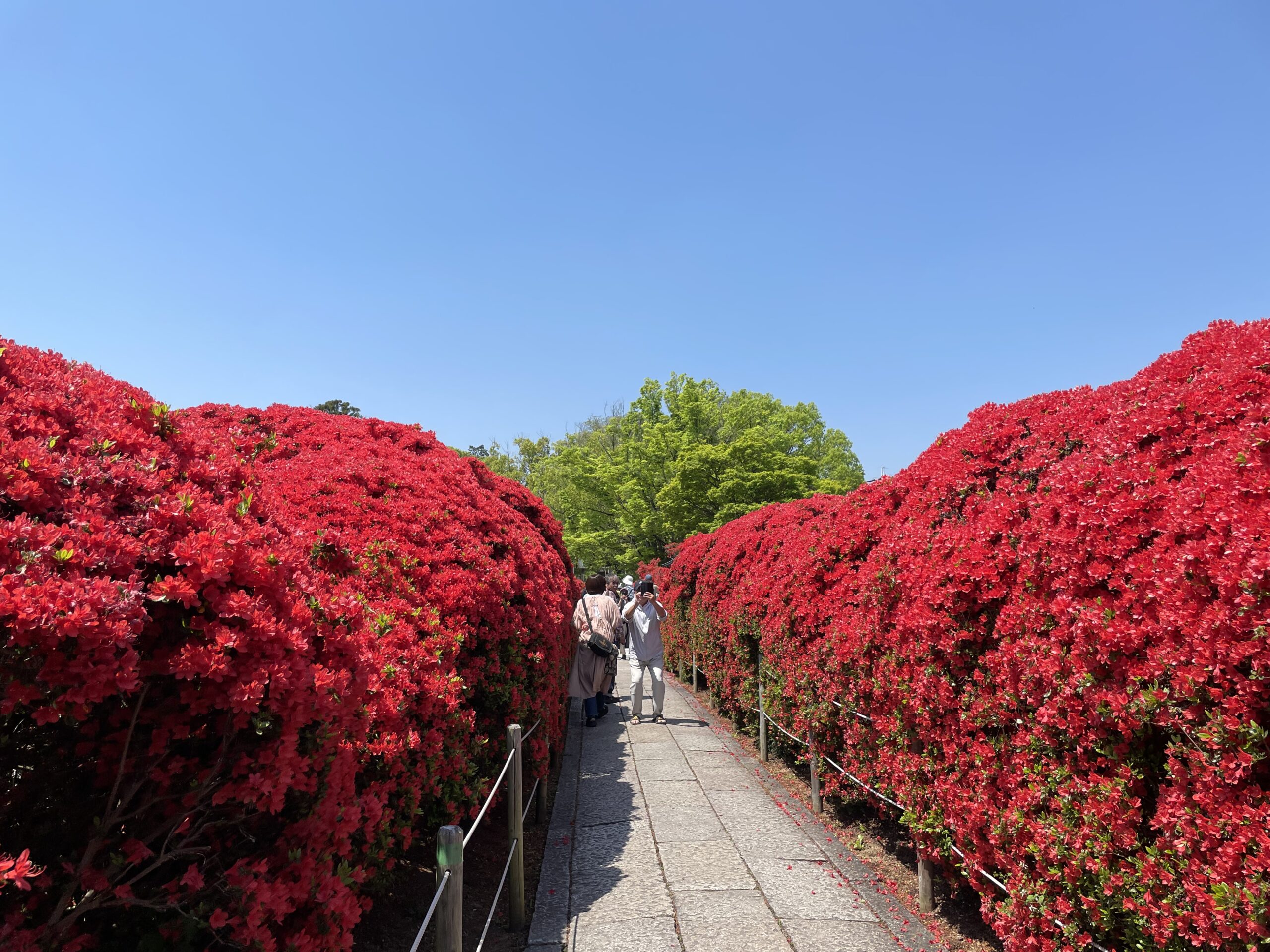
One day in April 2025, I visited Nagaoka Tenjin (Nagaoka Tenmangu Shrine). Normally, the azaleas would already be past their peak by that time of year, but that season they were about a week late, and my visit happened to coincide perfectly with their full bloom.
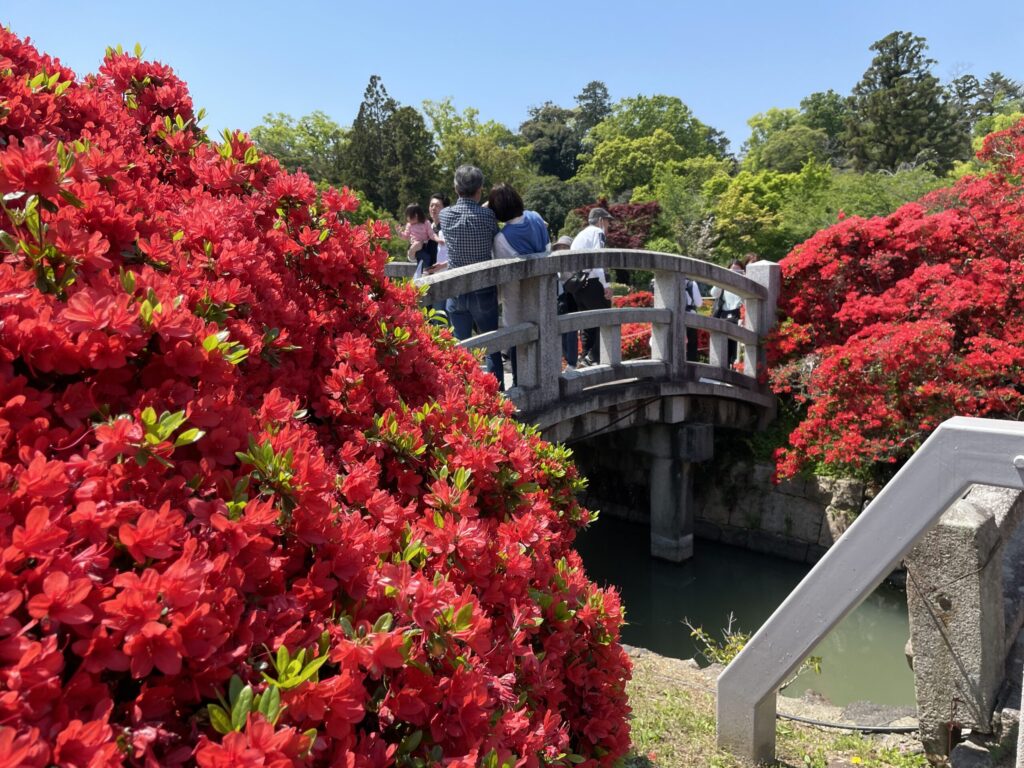
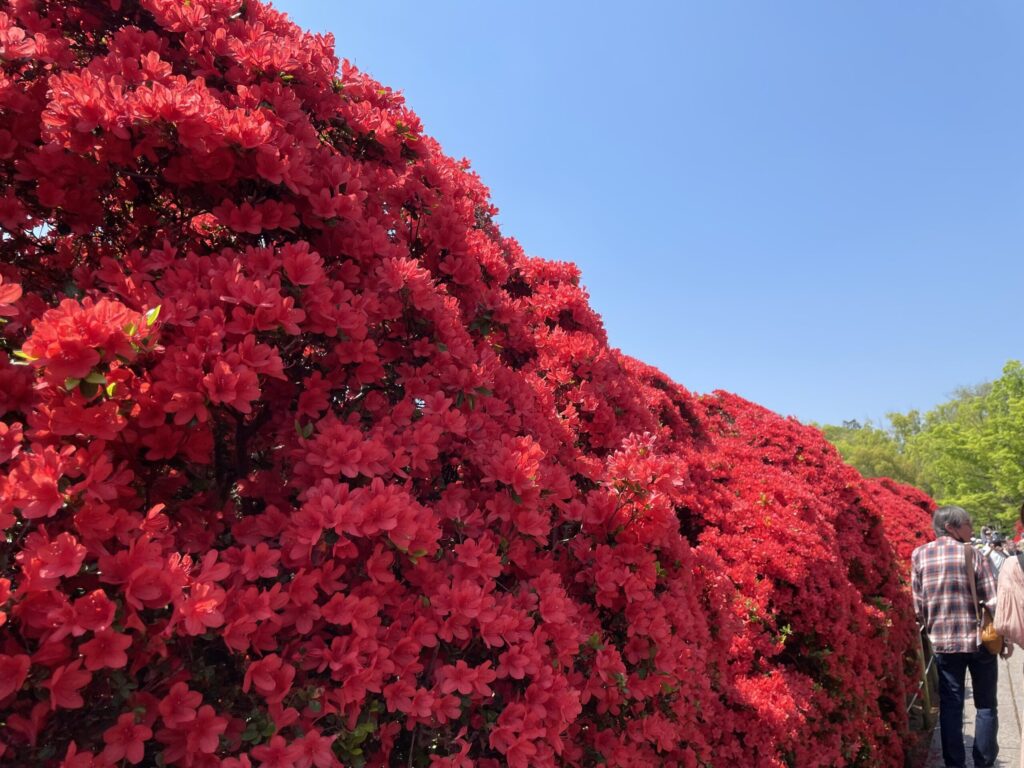
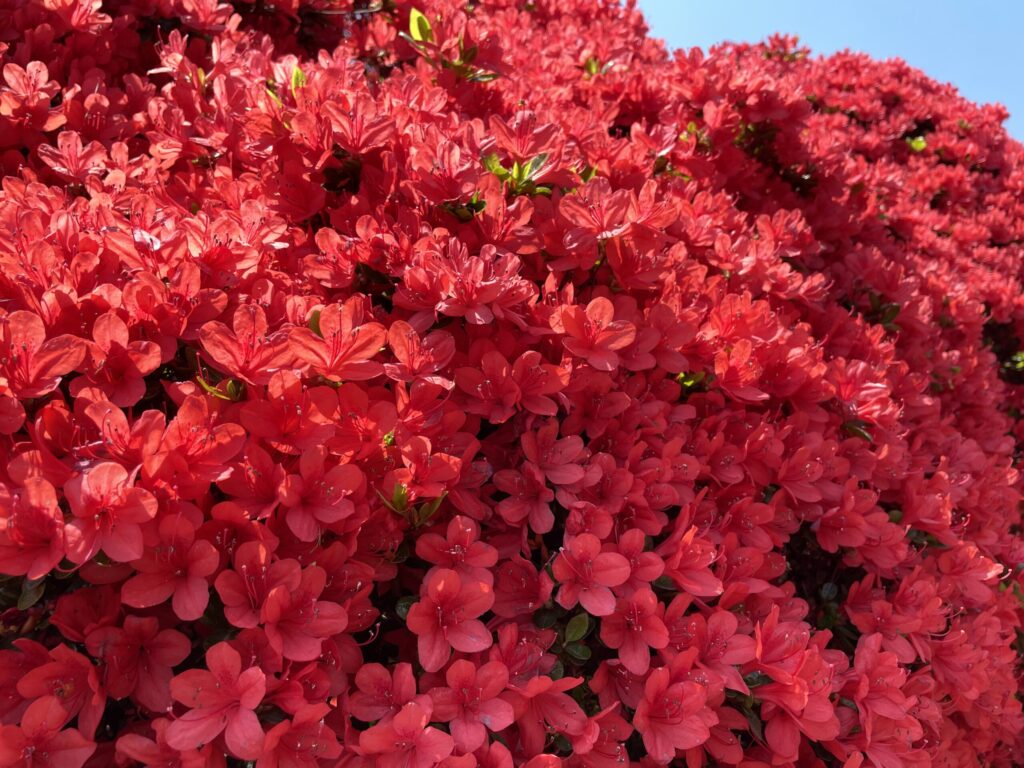
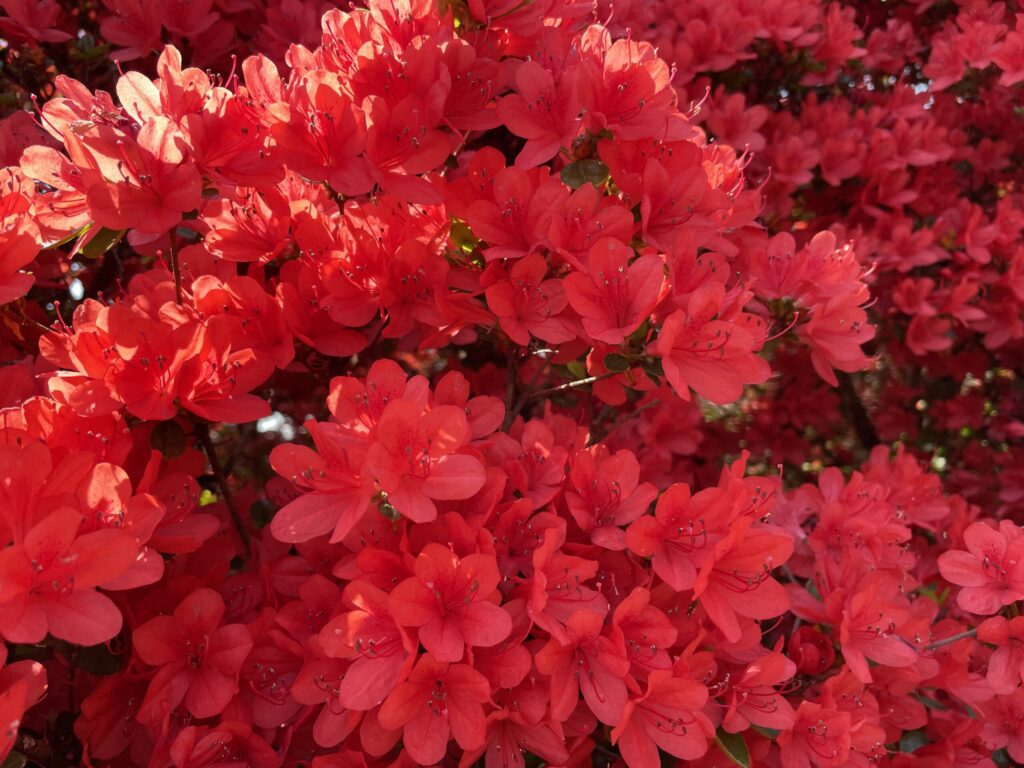
I was treated to a truly magnificent display of Kirishima azaleas.
I’ll have AI write a supporting article about Nagaoka Tenmangu Shrine. The photos will be my own originals.
Tucked away in Nagaokakyo City, just southwest of Kyoto, Nagaoka Tenmangu (長岡天満宮) is one of those shrines that rewards visitors who venture beyond the usual tourist trail. Dedicated to Sugawara no Michizane, the deity of learning, this ancient shrine bursts into flame-red color every spring when its famous Kirishima azaleas bloom. If you’re planning a trip and want a place where history, poetry, and seasonal beauty meet, Nagaoka Tenmangu deserves a spot on your itinerary.
In this guide, I’ll walk you through the shrine’s fascinating origins, what to see across the seasons, and practical tips for making the most of your visit.
What Is Nagaoka Tenmangu? History and Origins Explained
The land of Nagaoka holds a special place in the story of Sugawara no Michizane (845–903), a renowned scholar, poet, and statesman of the Heian period. During his lifetime, Michizane often visited this very spot with the celebrated poet Ariwara no Narihira, where the two would compose poetry and enjoy music together. Picture two of Japan’s great literary minds strolling these grounds, trading verses—it’s a wonderfully elegant image that lingers as you walk the paths today.
The shrine’s founding is tied to a moment of heartbreak. In the year 901 (Engi 1), when Michizane was exiled to distant Dazaifu in Kyushu after falling victim to political rivals, he is said to have stopped at Nagaoka and lamented, “May my spirit remain in this place forever.” To honor that bond, a wooden image of Michizane—reportedly carved by his own hand—was enshrined here, marking the shrine’s beginning.
While the exact founding date has been lost to time, records confirm that the main hall was destroyed by fire during the Onin War (1467–1477) and rebuilt in 1498 (Meio 7). When a shrine appears in documents more than 500 years old, you get a real sense of just how deep its roots run.
A Shrine with Imperial Connections
From its earliest days, Nagaoka Tenmangu enjoyed the deep devotion of the imperial family, who repeatedly funded its construction and donated to its upkeep. A defining moment came in 1638 (Kan’ei 15), when Prince Hachijo Toshitada commissioned the creation of the celebrated Hachijo-ga-ike (八条ヶ池), a scenic pond that remains the heart of the grounds.
At its height, the shrine’s land spanned more than 100,000 tsubo (a traditional Japanese unit of area). Following land reforms during the Meiji Restoration, the grounds were reduced to roughly 20,000 tsubo—still expansive enough that a leisurely walk gives you a vivid feel for the shrine’s former grandeur.
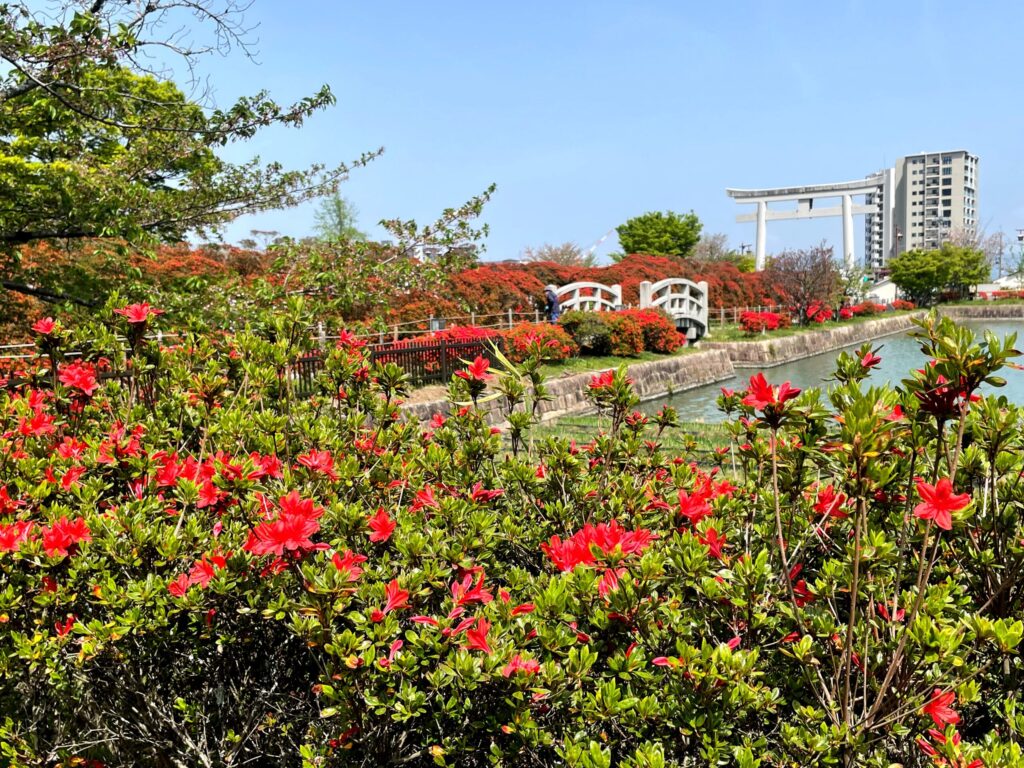
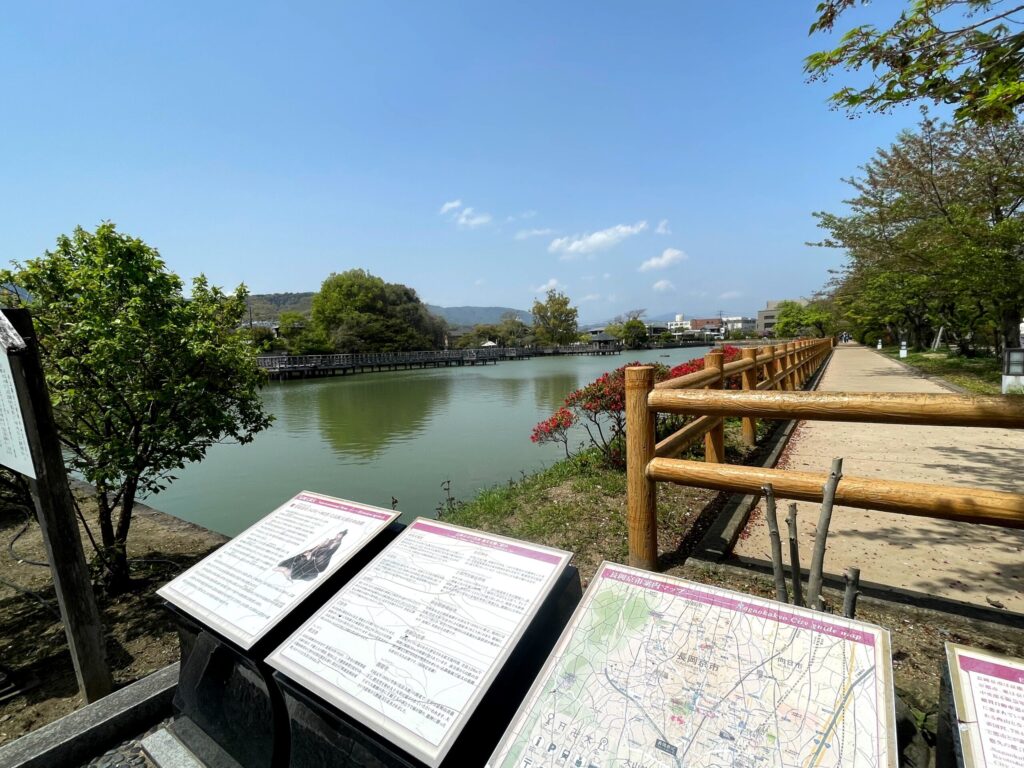
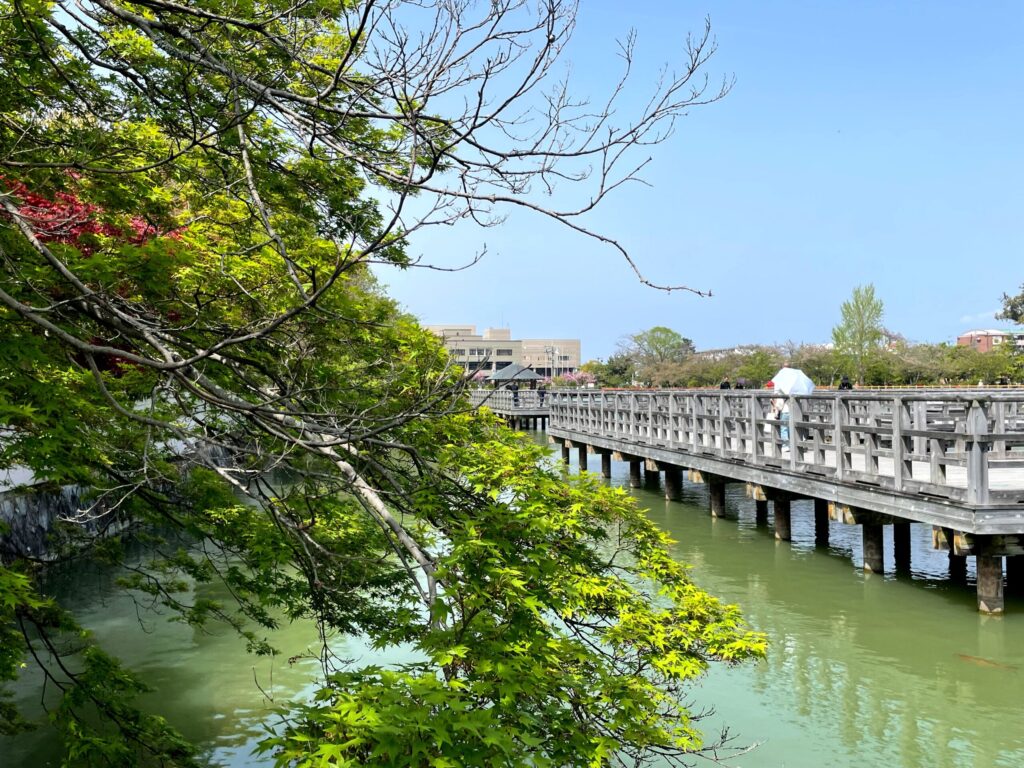
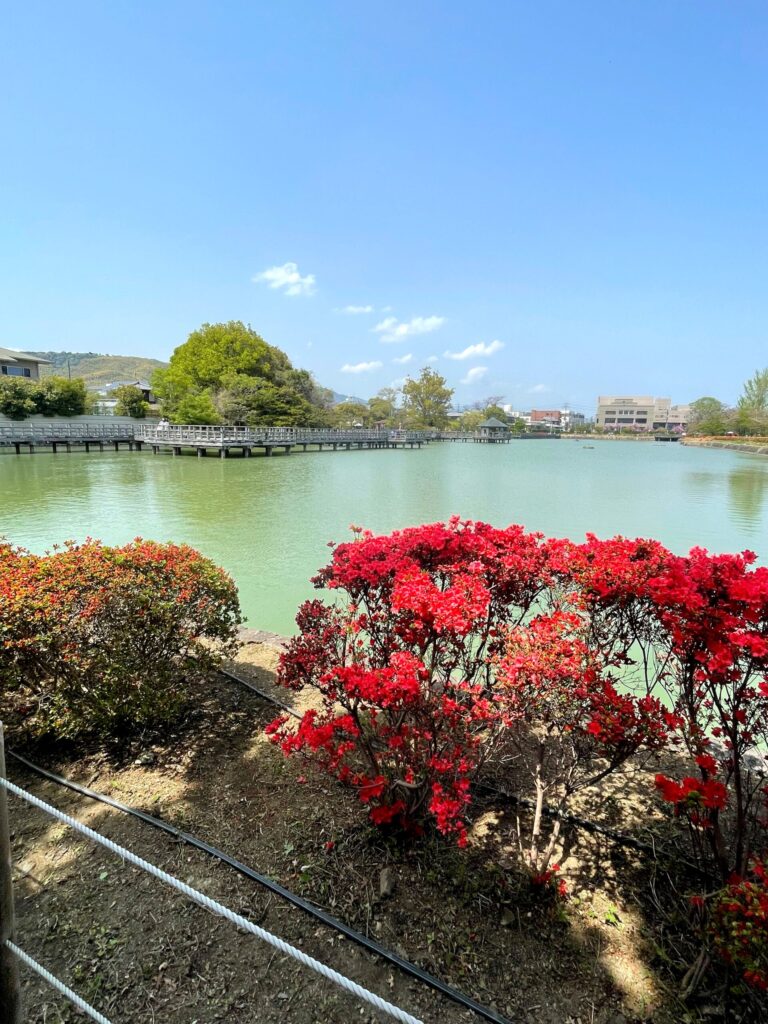
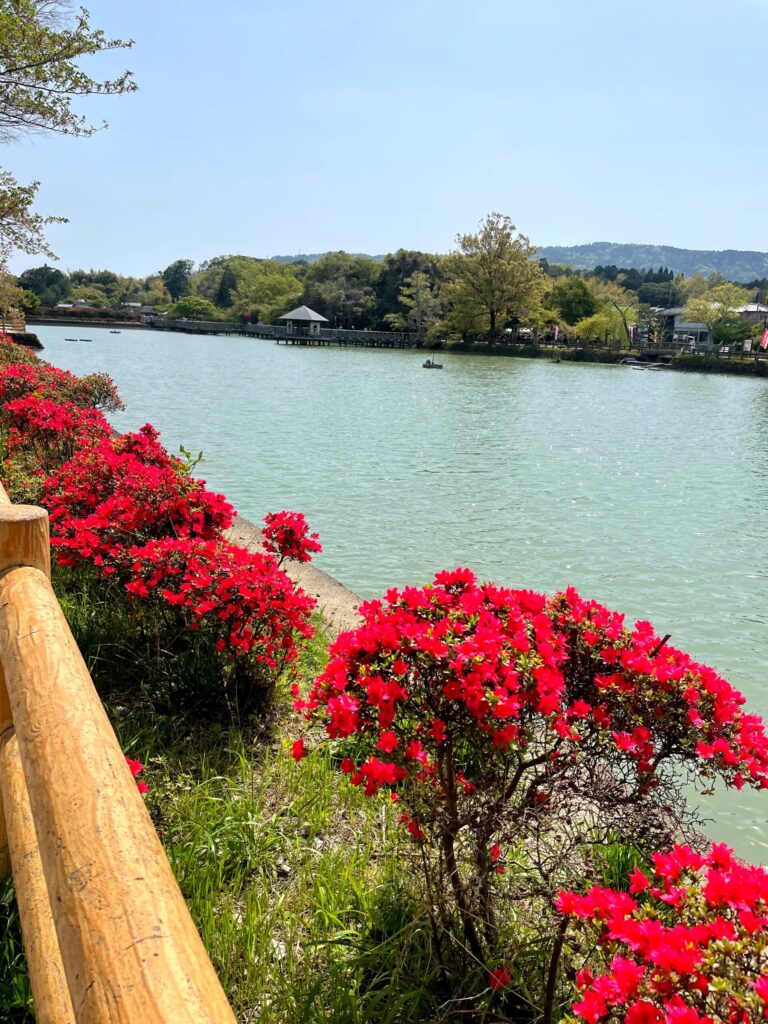
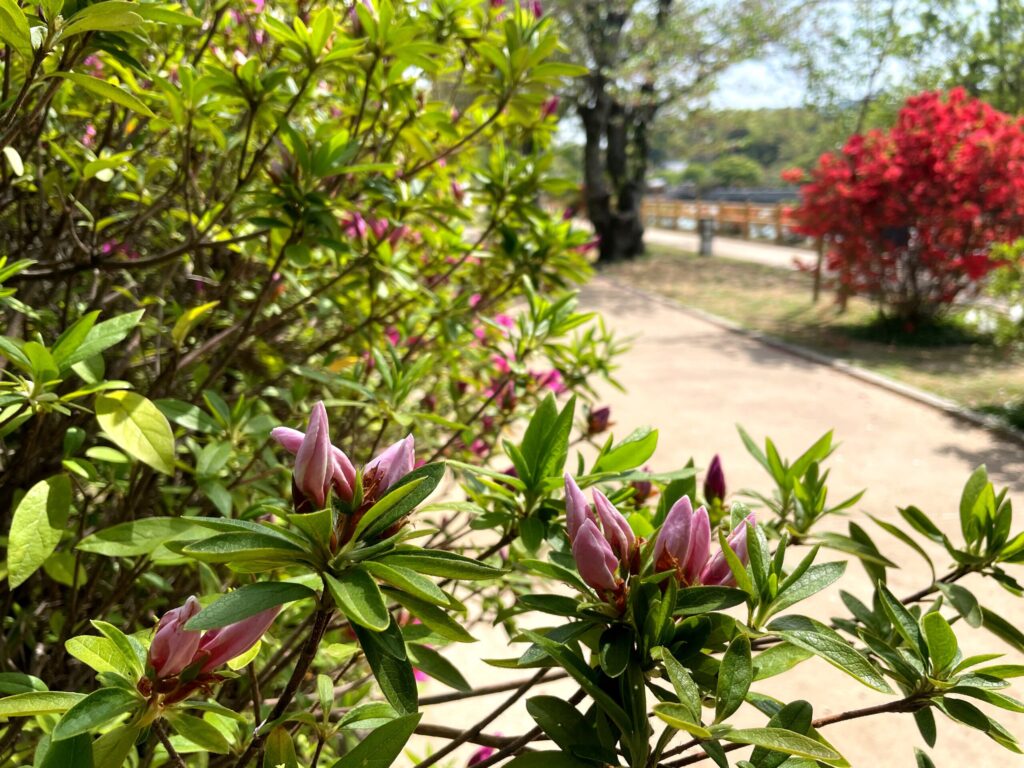
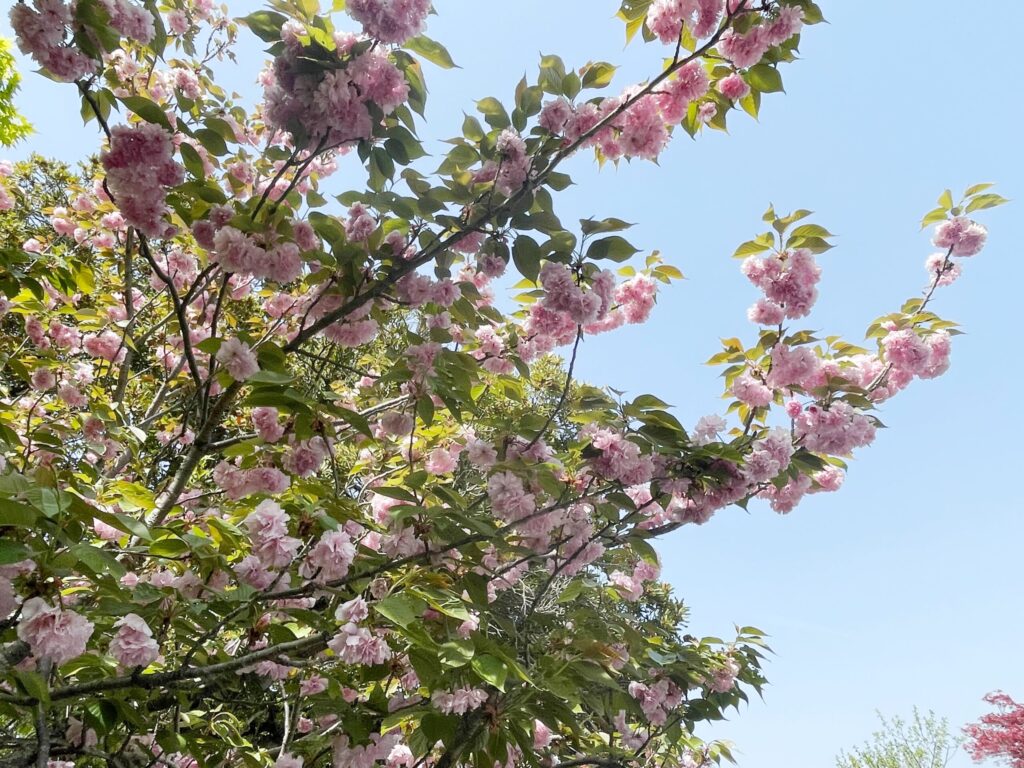
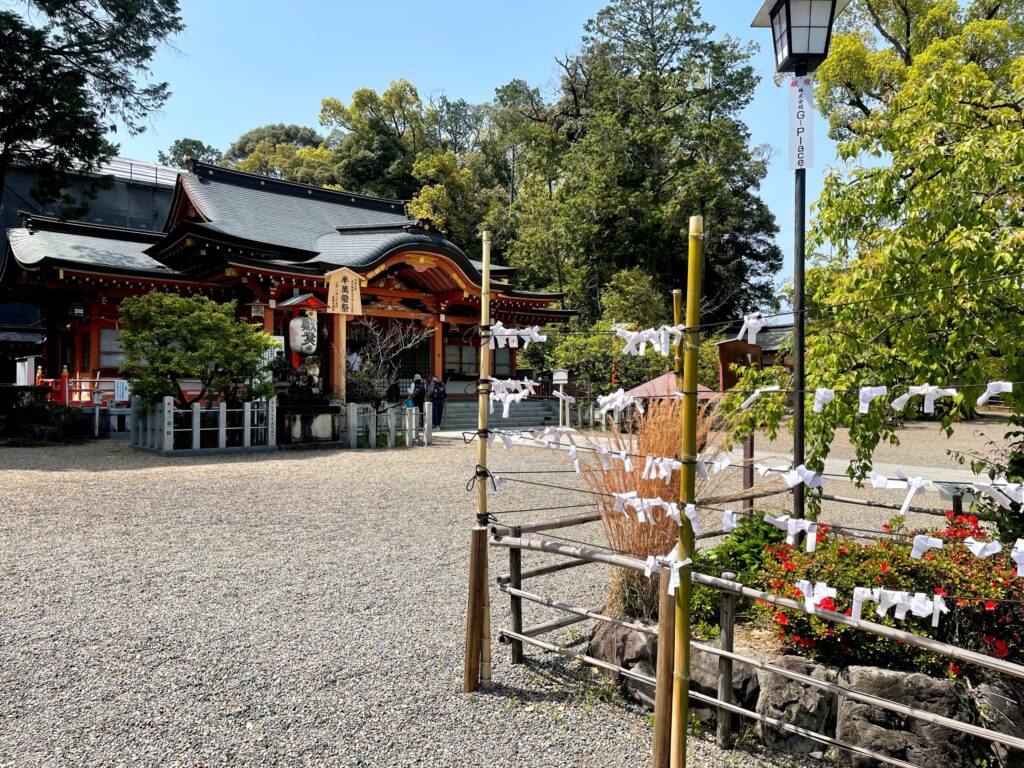
The photo above was taken about a week before full bloom.
(Click on photos to enlarge.)
Some late-blooming double cherry blossoms (yaezakura) were still holding on.
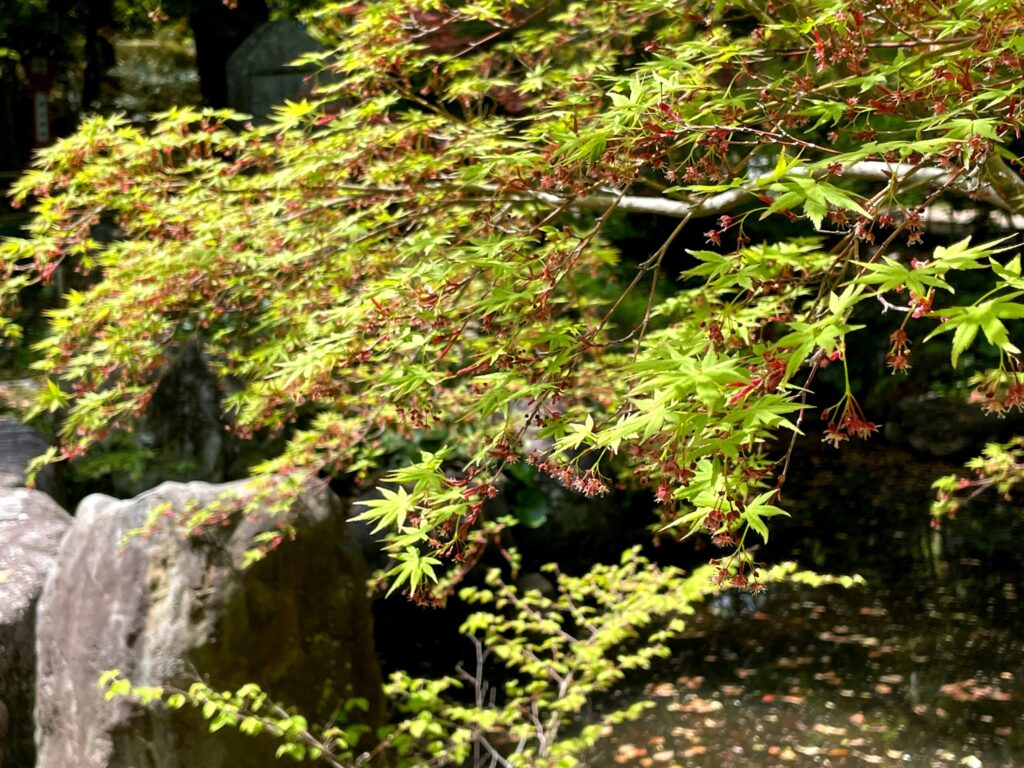
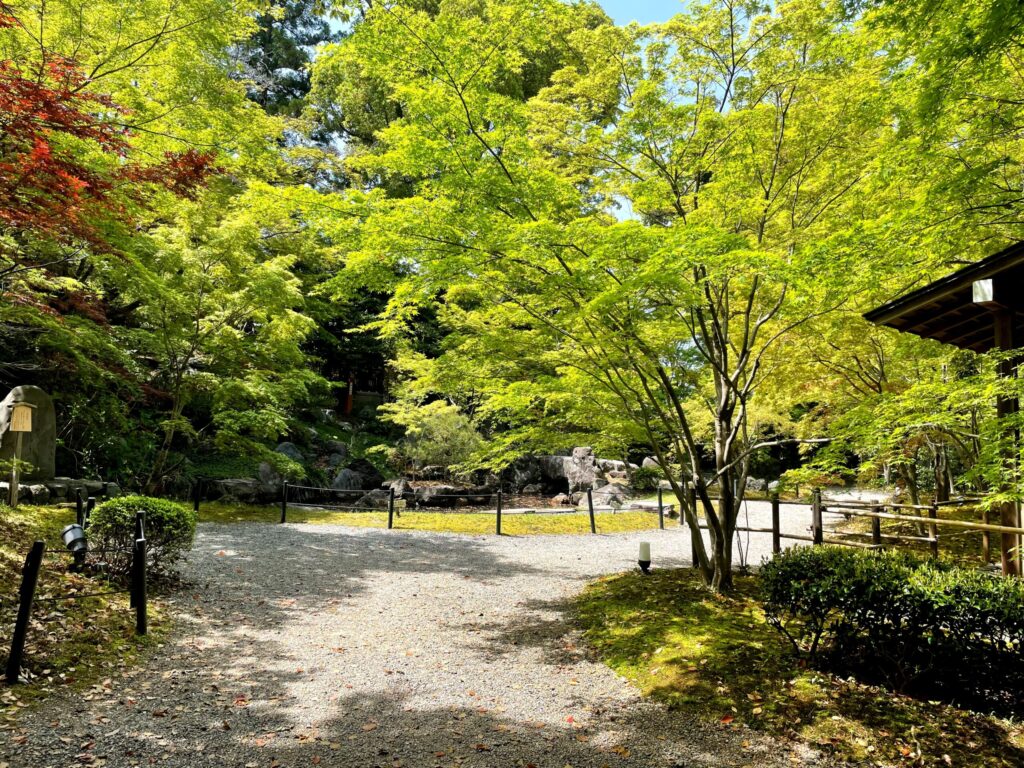
I walked all the way around Hachijo-ga-ike Pond, and it was easy to imagine how different flowers grace the scene with each passing season.
What Are the Highlights of Nagaoka Tenmangu?
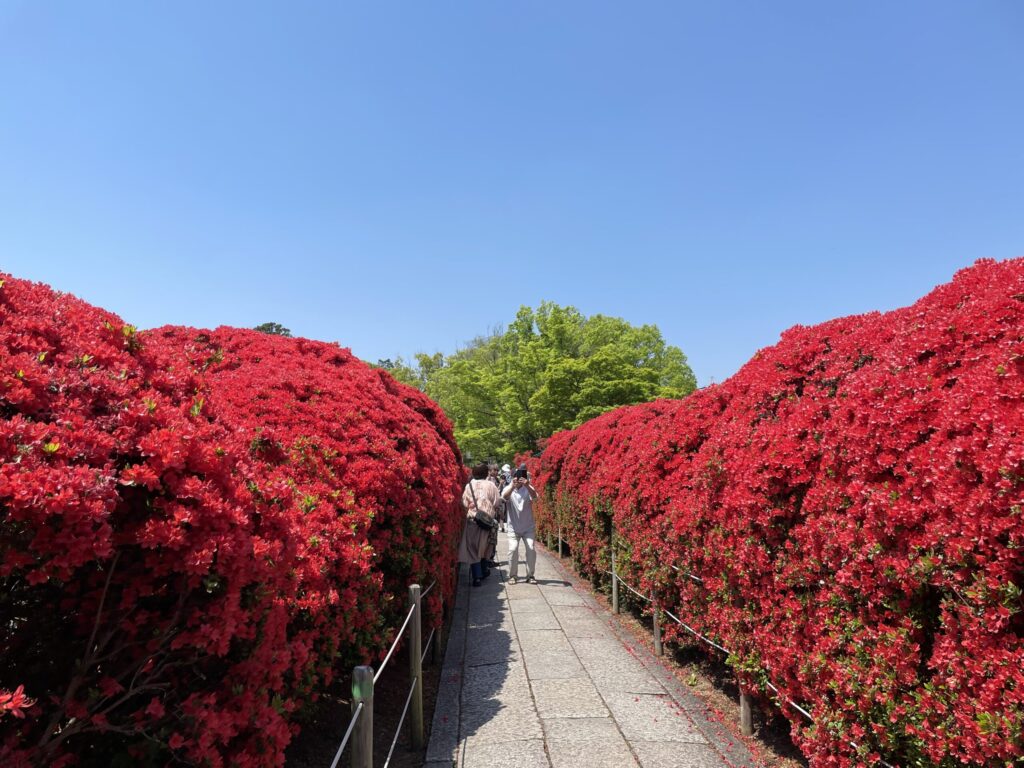
Ask any local what makes this shrine famous, and the answer comes instantly: the Kirishima azaleas (kirishima tsutsuji, きりしまつつじ). Lining both sides of the causeway across Hachijo-ga-ike stand numerous azalea bushes, many over a hundred years old. Their springtime display is so spectacular that it’s often called the finest in all of Japan.
The peak usually arrives in late April. When the blossoms open fully, the path transforms into a corridor of blazing crimson—visitors describe it as walking through a tunnel of red. Standing in front of the azaleas at full bloom, the sheer intensity of color is genuinely breathtaking; it’s the kind of sight that makes you stop mid-step. Unsurprisingly, this season draws crowds of sightseers and photographers, so early mornings on weekdays offer the most peaceful experience.
A Flower Destination for Every Season
The azaleas may be the headline act, but one of the shrine’s underrated charms is that something is always in bloom. Here’s a rough seasonal calendar:
- Spring (late April): Kirishima azaleas reach full bloom
- Early summer (early June): Japanese irises (hana shobu) take center stage
- Rainy season (mid-June): Hydrangeas and gaku-ajisai (lacecap hydrangeas) color the grounds
- Fresh-green season: The vermilion main hall set against vivid new foliage
There’s also a lovely culinary touch worth knowing about. Plums harvested within the shrine grounds are made into fukume (福梅), or “lucky plums.” They’re pickled until the height of summer and then offered to visitors starting December 13, the traditional day of “kotohajime” (the start of New Year preparations). Given that Michizane was famously devoted to plum blossoms throughout his life, receiving a plum grown at his own shrine feels like a fitting, quietly poetic gesture.
A Main Hall Relocated from Heian Shrine
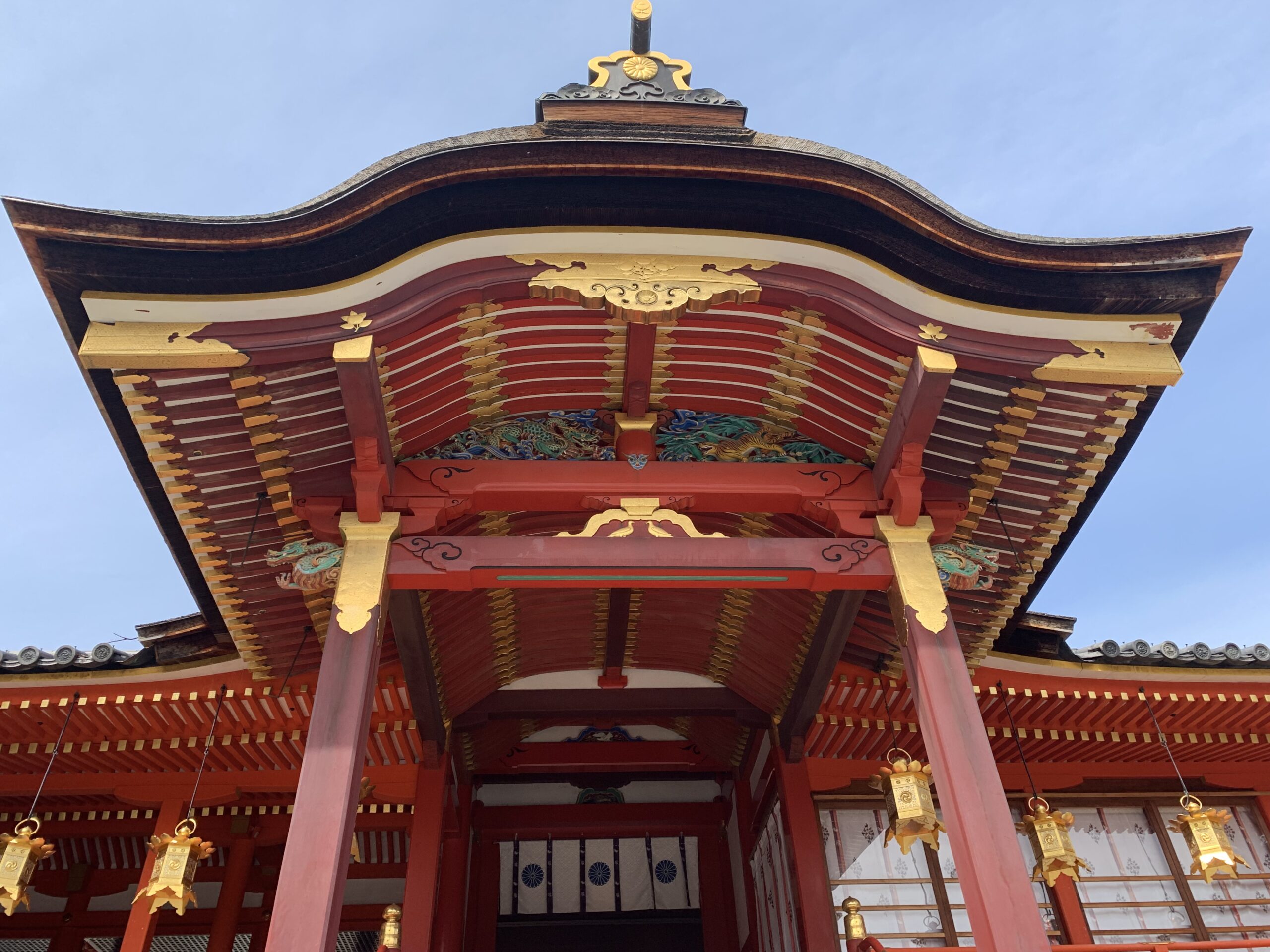
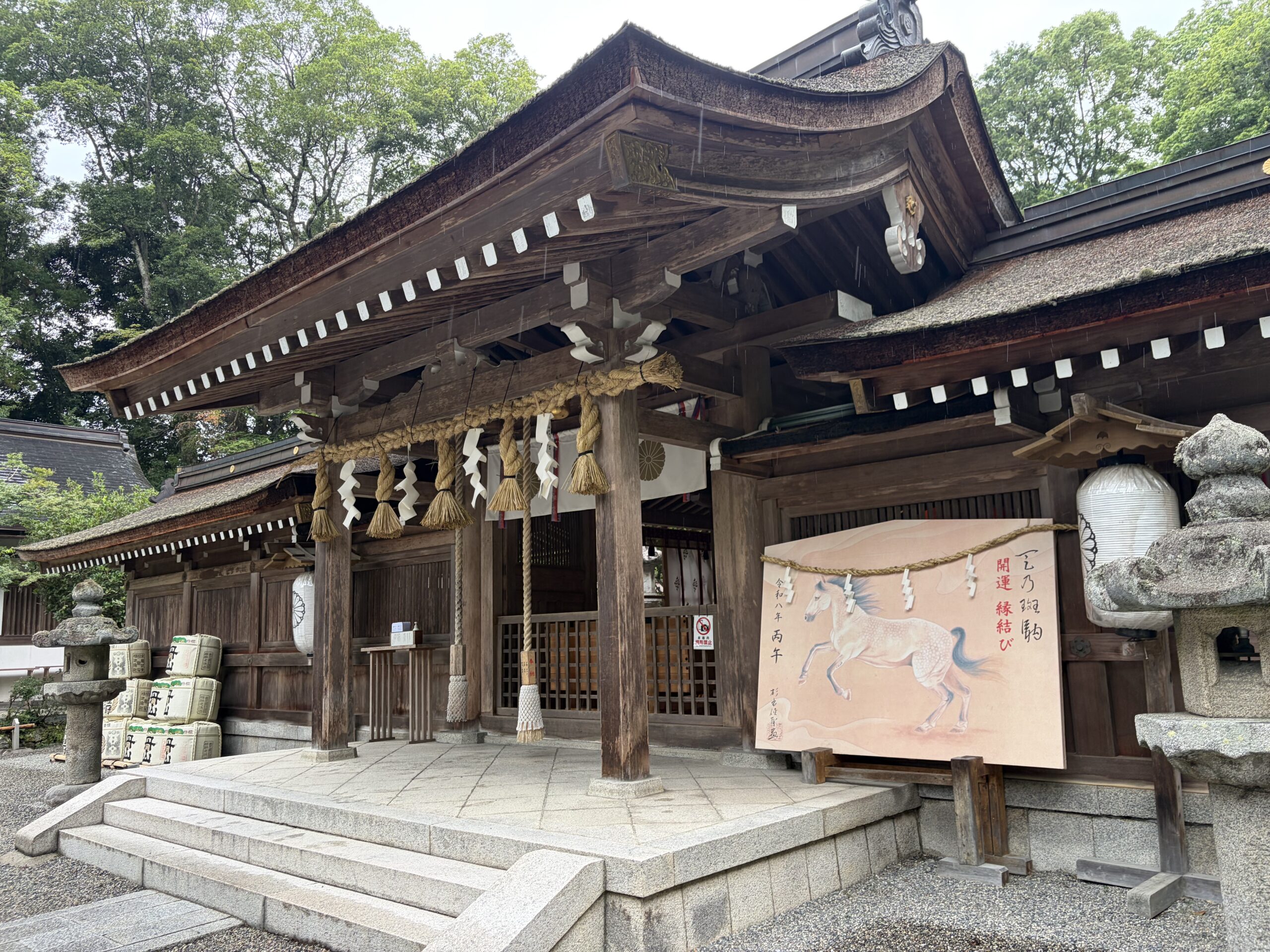
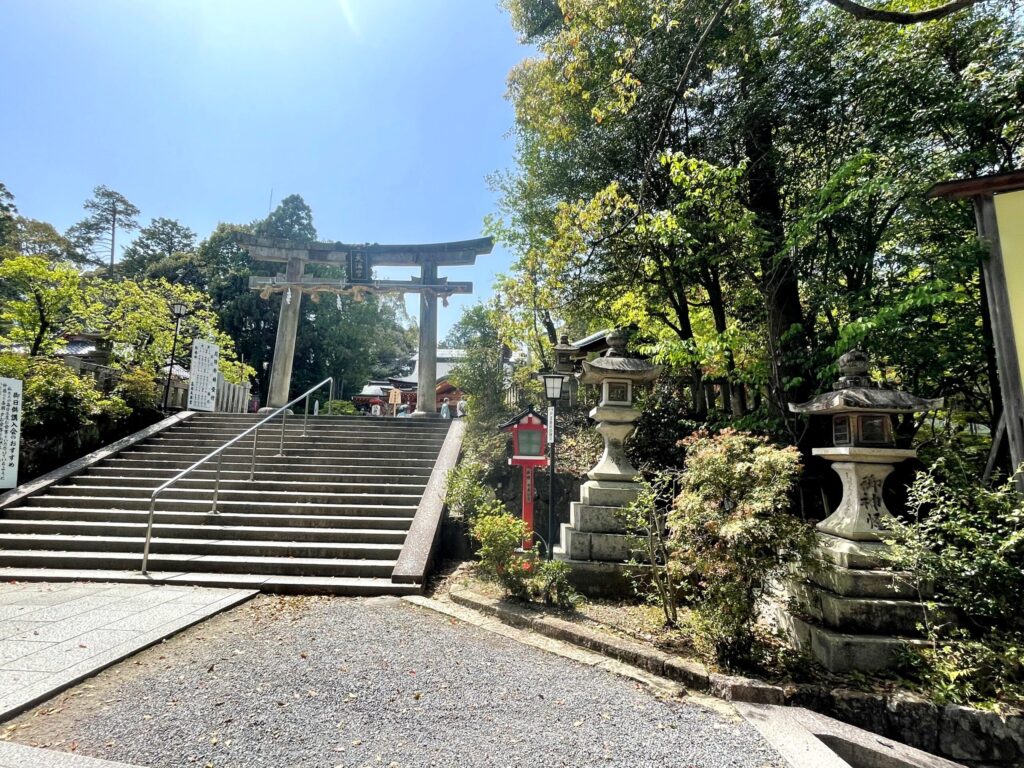
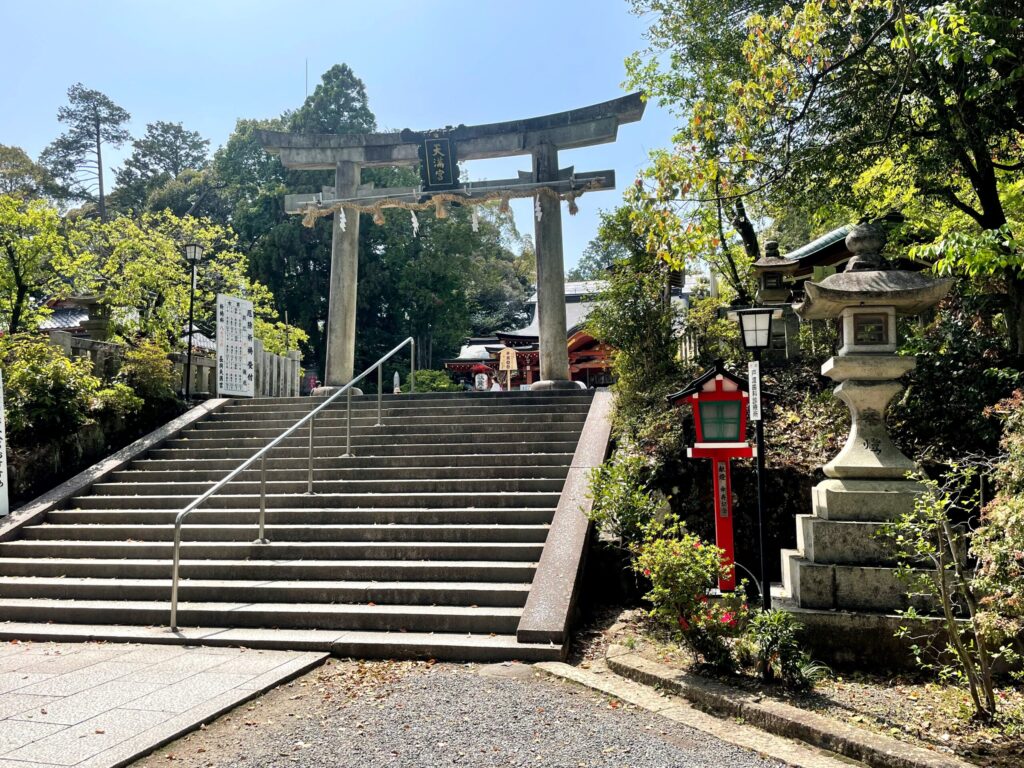
Here’s a detail many casual visitors miss: the current main shrine buildings—the honden (main hall), norito-sha (hall of ritual prayers), and the surrounding sukibei (lattice fence)—were received and relocated from Kyoto’s famous Heian Shrine in 1941. You’re literally looking at historic architecture that has been carefully preserved and given a second life here.
The striking vermilion worship hall at the front was completed in autumn 1998. Recognition followed soon after: in 2011, the main hall was designated a Tangible Cultural Property of Kyoto Prefecture, and in 2012, the ritual prayer hall, lattice fence, and purification pavilion (temizuya) were registered as Tangible Cultural Properties of Nagaokakyo City.
When Are Prayers and Festivals Held at the Shrine?
Nagaoka Tenmangu offers a full range of formal prayers (gokito), including hatsumiyamairi (a baby’s first shrine visit), yakuyoke (warding off misfortune), and shichi-go-san (the celebration for children aged seven, five, and three). One practical note: during certain festivals, prayer services may be temporarily unavailable. It’s worth checking the official website before you go to avoid disappointment.
The most significant annual event is the Gotanshinsai (御誕辰祭), held on June 25. This festival commemorates the birth of Sugawara no Michizane, who was born on June 25, 845 (Jowa 12). Around this date, the shrine also hosts community events such as the “Aoba Concert” (typically held June 20), which has become a beloved local tradition blending music with the lush green setting of early summer.
Frequently Asked Questions
- Q: When is the best time to see the Kirishima azaleas?
- A: Late April is typically the peak. The century-old azaleas flanking the causeway across Hachijo-ga-ike are an unforgettable sight. Because bloom timing shifts slightly year to year, it’s a good idea to check the official website before visiting.
- Q: Is this a good shrine to pray for academic success?
- A: Absolutely. The enshrined deity, Sugawara no Michizane, is revered as the god of learning. During exam season, many students visit to pray for success, and the shrine also offers prayers for newborns, misfortune-warding, and the shichi-go-san milestone.
- Q: Is there an admission fee?
- A: Entry to the grounds and general strolling are free. You can enjoy the Kirishima azaleas and the scenery of Hachijo-ga-ike at no cost, though certain special events or specific facilities may charge a fee.
- Q: When can I see the hydrangeas and irises?
- A: Japanese irises (hana shobu) are at their best in early June, while hydrangeas and lacecap hydrangeas peak around mid-June. The contrast with the fresh green foliage makes this a wonderful time to soak up the atmosphere of Japan’s rainy season.
- Q: How do I get to Nagaoka Tenmangu?
- A: The shrine is located in Nagaokakyo City, conveniently close to central Kyoto and Osaka, making it an easy half-day trip. It’s especially worth pairing with a wider exploration of the Nagaokakyo area.
Conclusion
Nagaoka Tenmangu blends profound history tied to Sugawara no Michizane with a year-round procession of seasonal flowers—crowned by the Kirishima azaleas, widely regarded as Japan’s finest. Add in the main hall relocated from Heian Shrine and the elegant Hachijo-ga-ike pond commissioned by Prince Hachijo Toshitada, and you have a destination rich in things to discover at every turn.
What I love most is how the shrine reinvents itself with the calendar: fiery azaleas in spring, hydrangeas and irises in early summer, and those lucky plums offered each December. No two visits feel quite the same. If your travels take you to Kyoto or Nagaokakyo, set aside an hour or two for this quietly remarkable shrine—chances are it’ll become one of the memories you carry home.
References
Postscript
I hadn’t gotten my hopes up too much, but as it turned out, the day I had planned to visit was the very day the Kirishima azaleas reached full bloom — I couldn’t have been more delighted.
About a week earlier, I had gone to scout out the area, and at that point there were few visitors and every restaurant looked easy to walk right into.
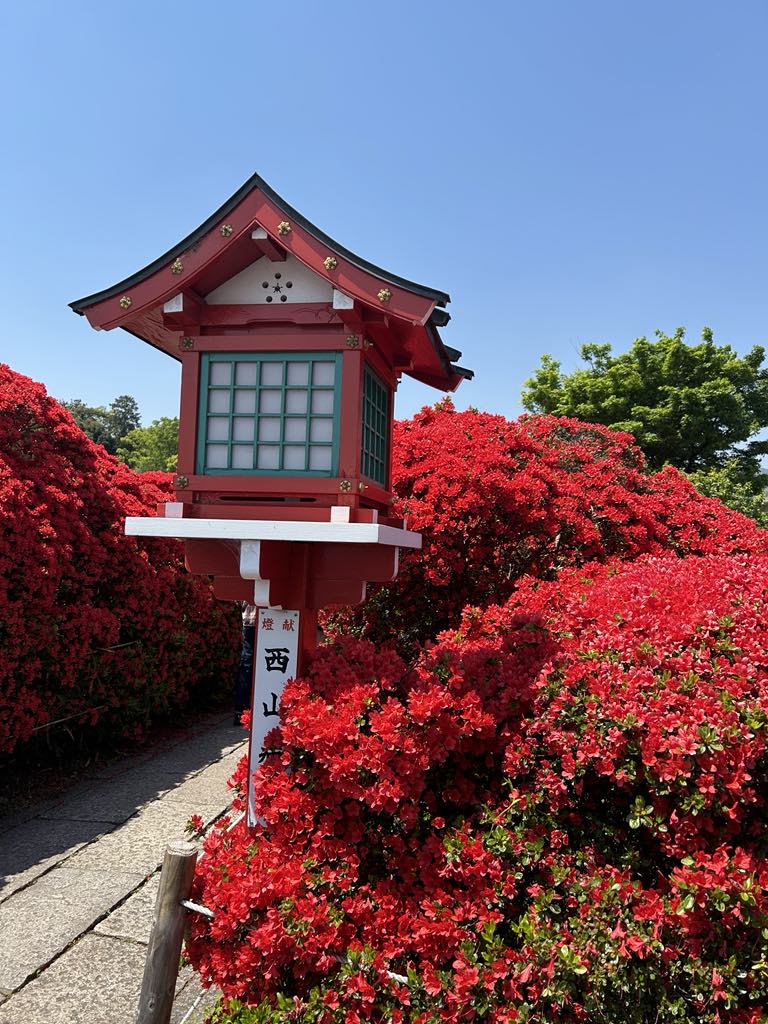
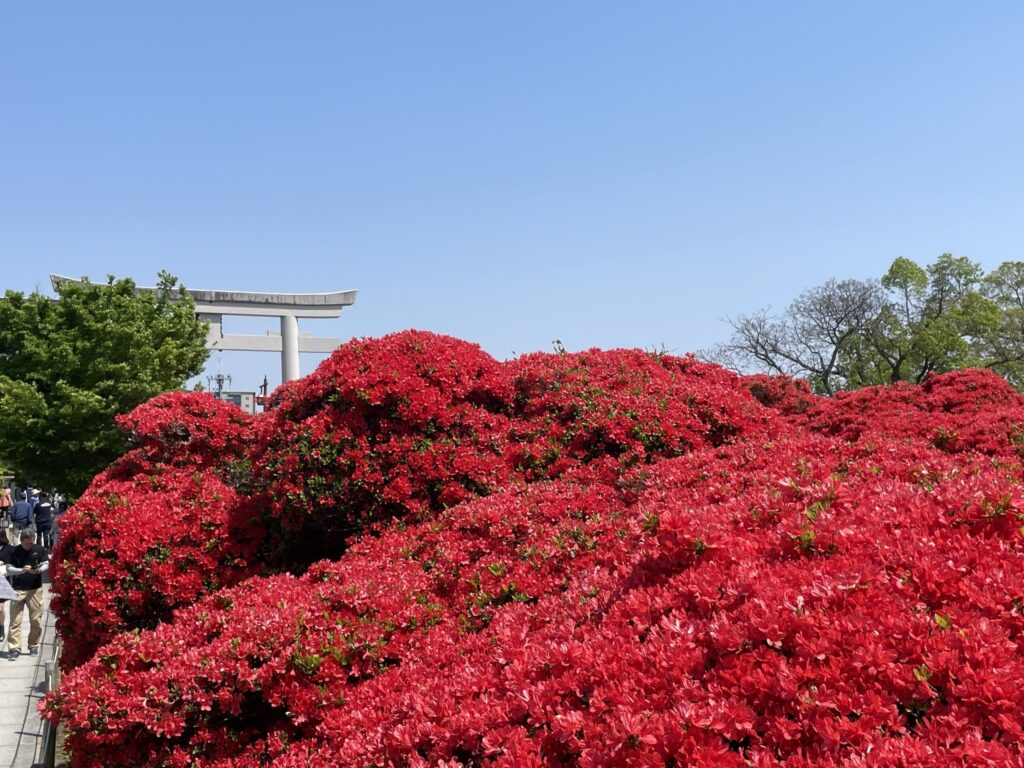
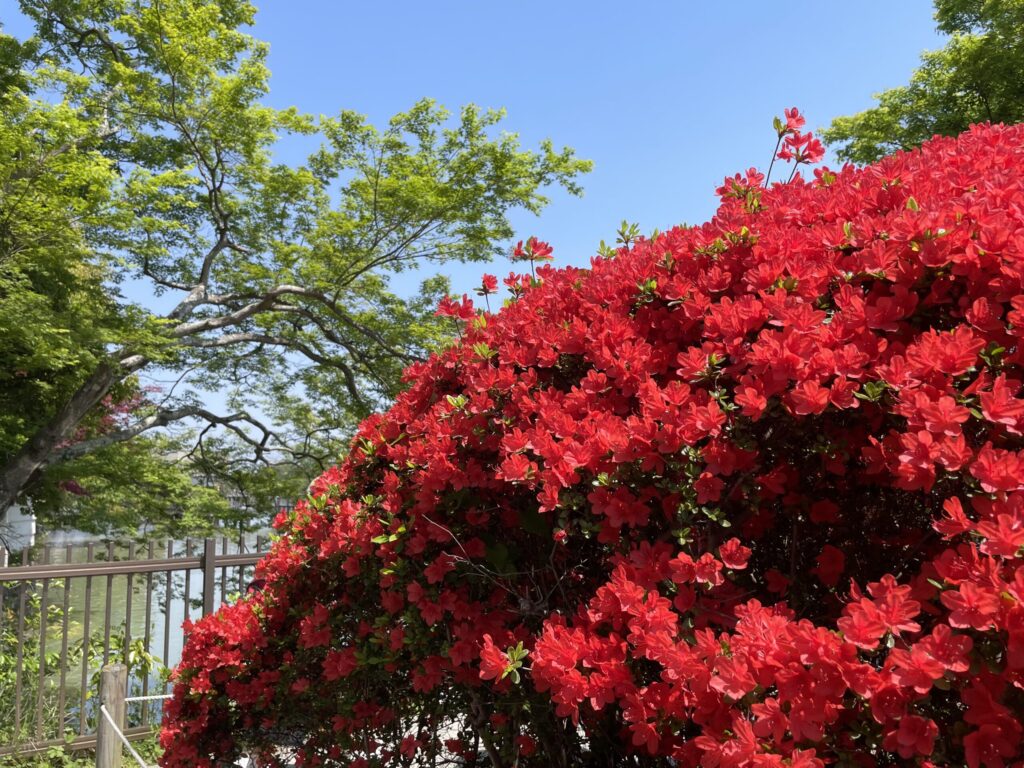
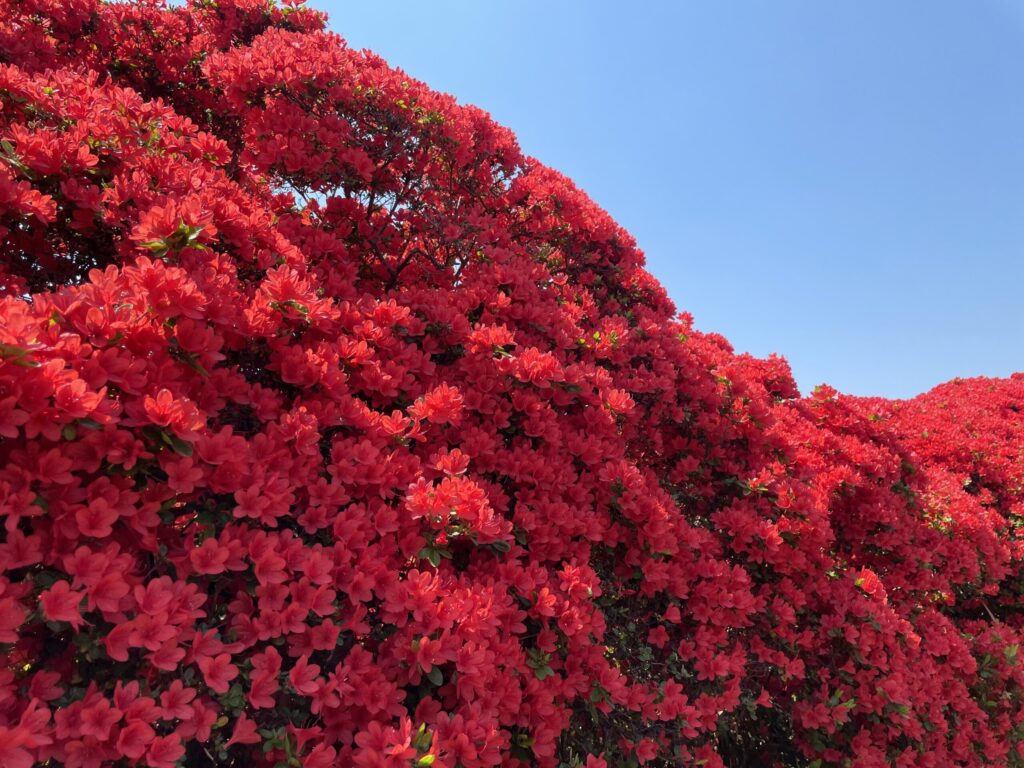
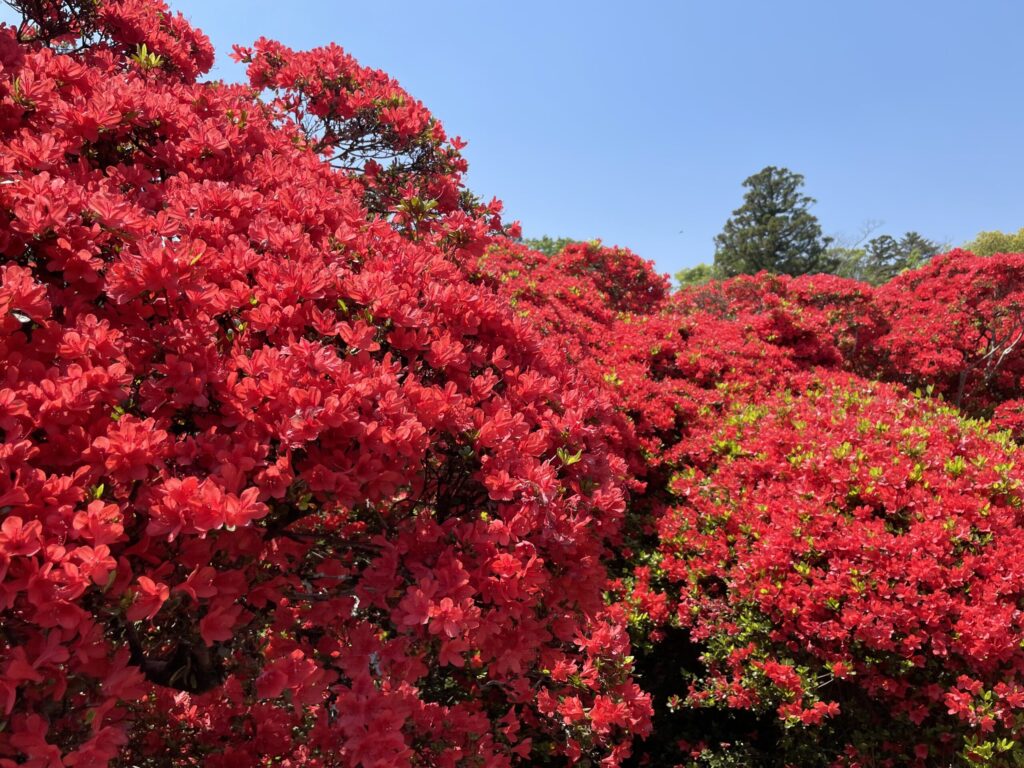
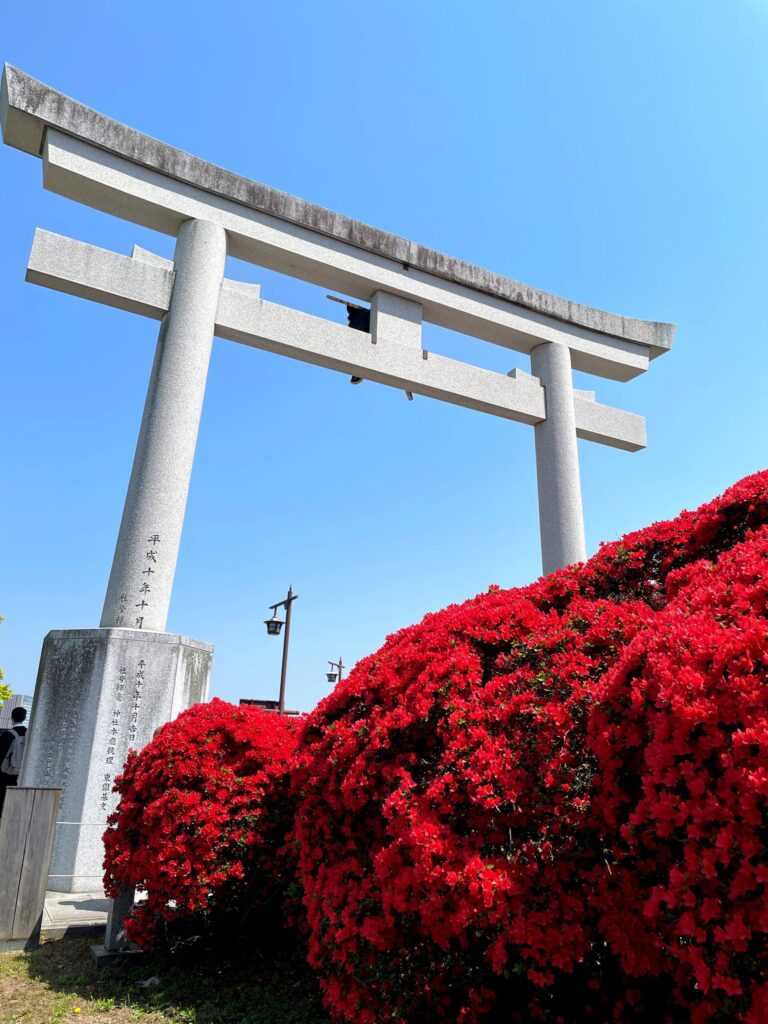
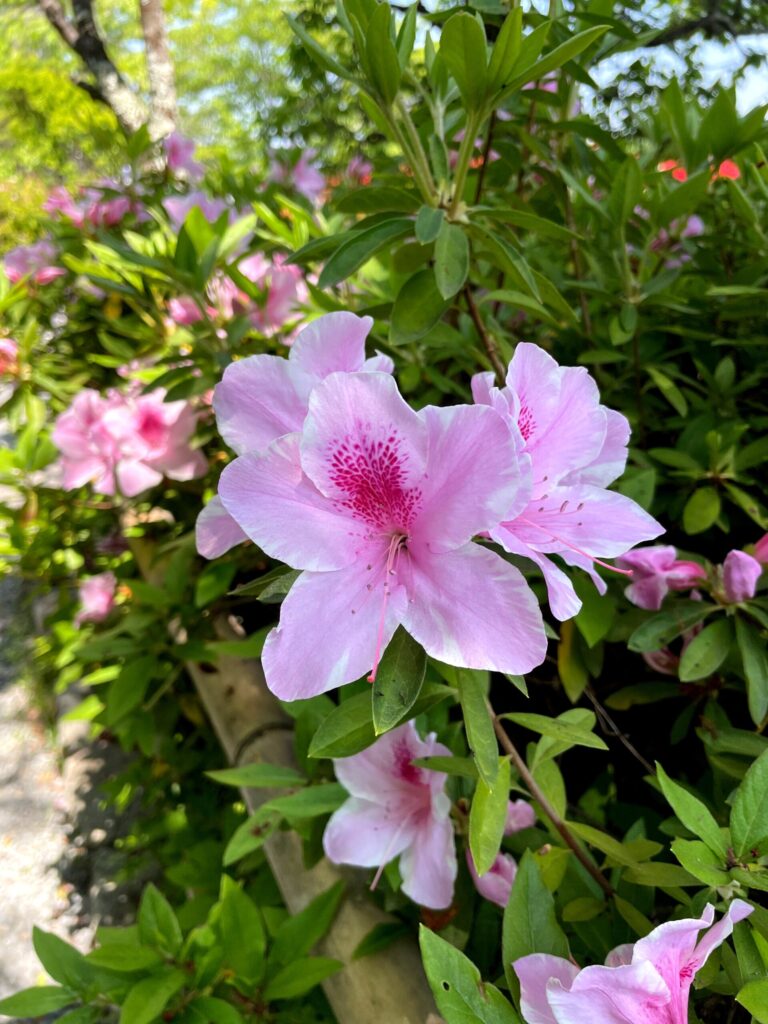
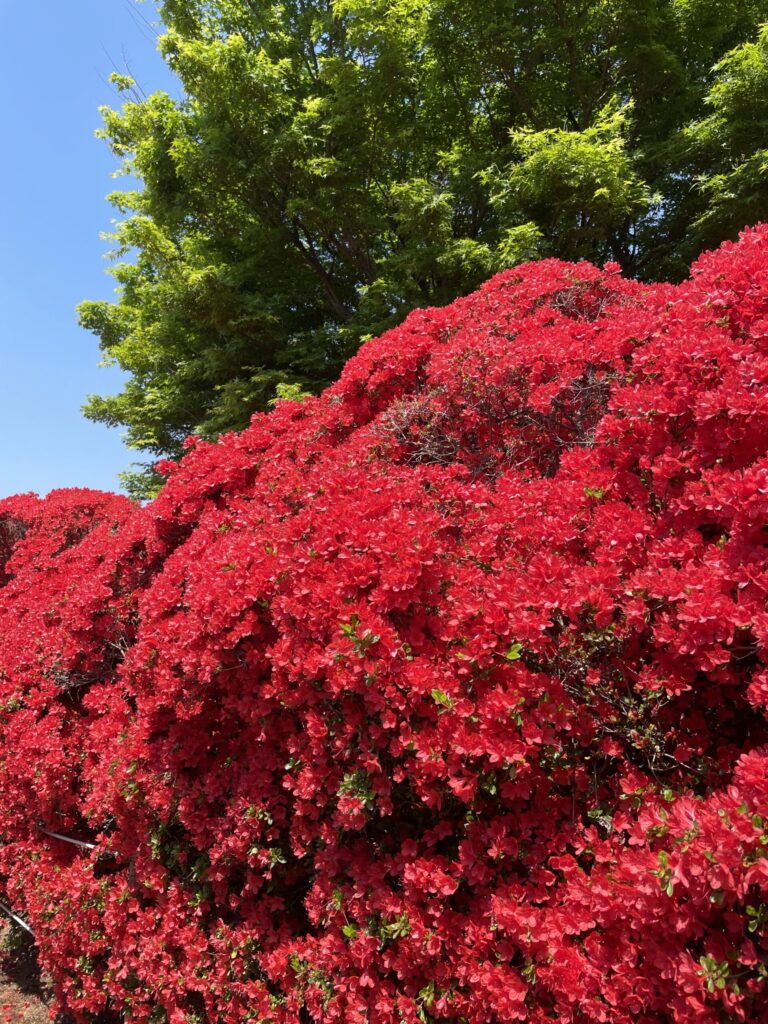
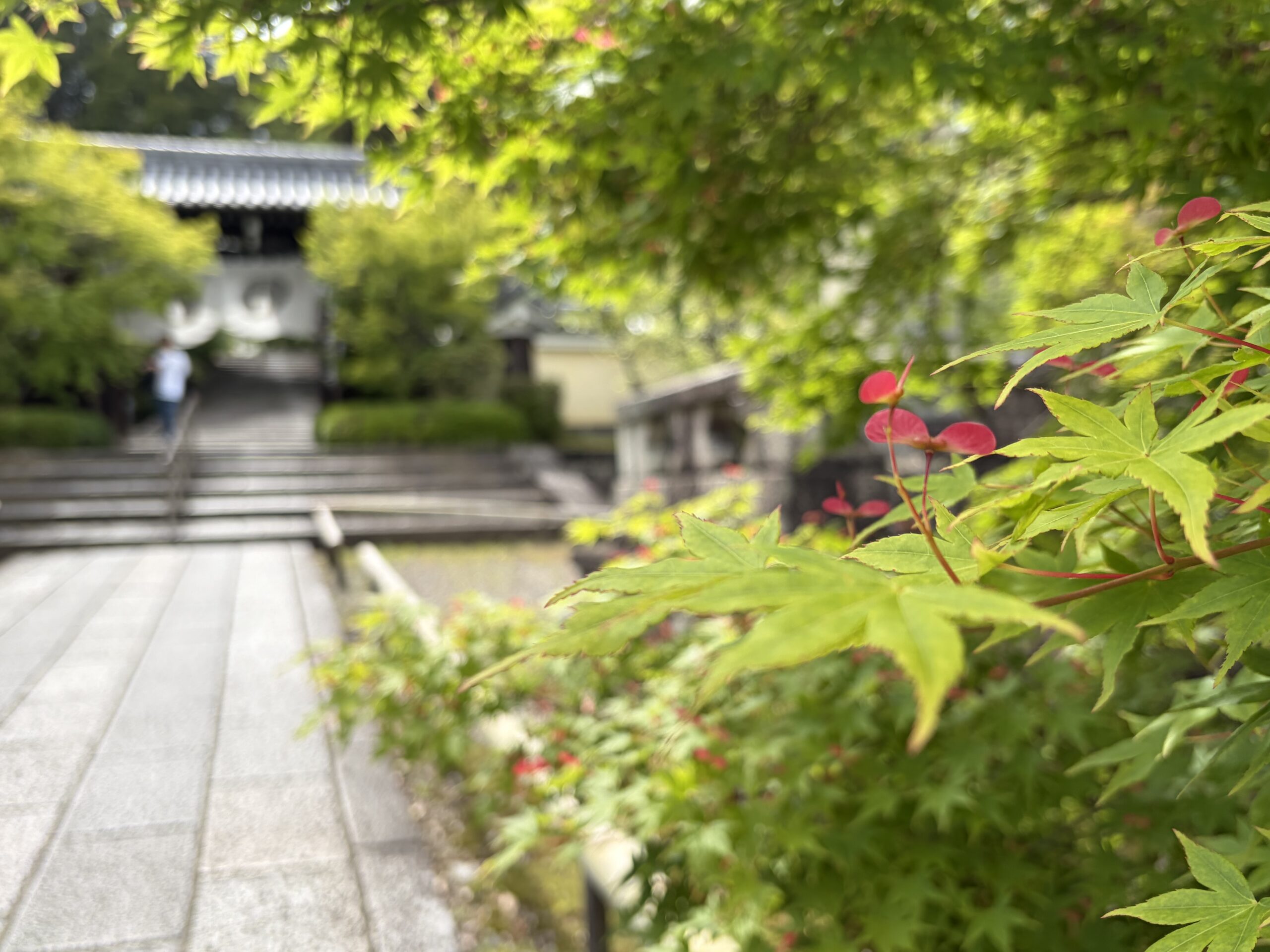
The Kirishima azaleas were breathtaking, of course, but the fresh new greenery was equally beautiful — the young maple leaves catching the light and sparkling brilliantly.
By the time I visited, the wisteria had already finished, though I’m told it puts on a wonderful show as well.
Just after the Kirishima azaleas, the Hirado azaleas were beginning to open.
I imagine the hydrangeas and irises must be lovely too.
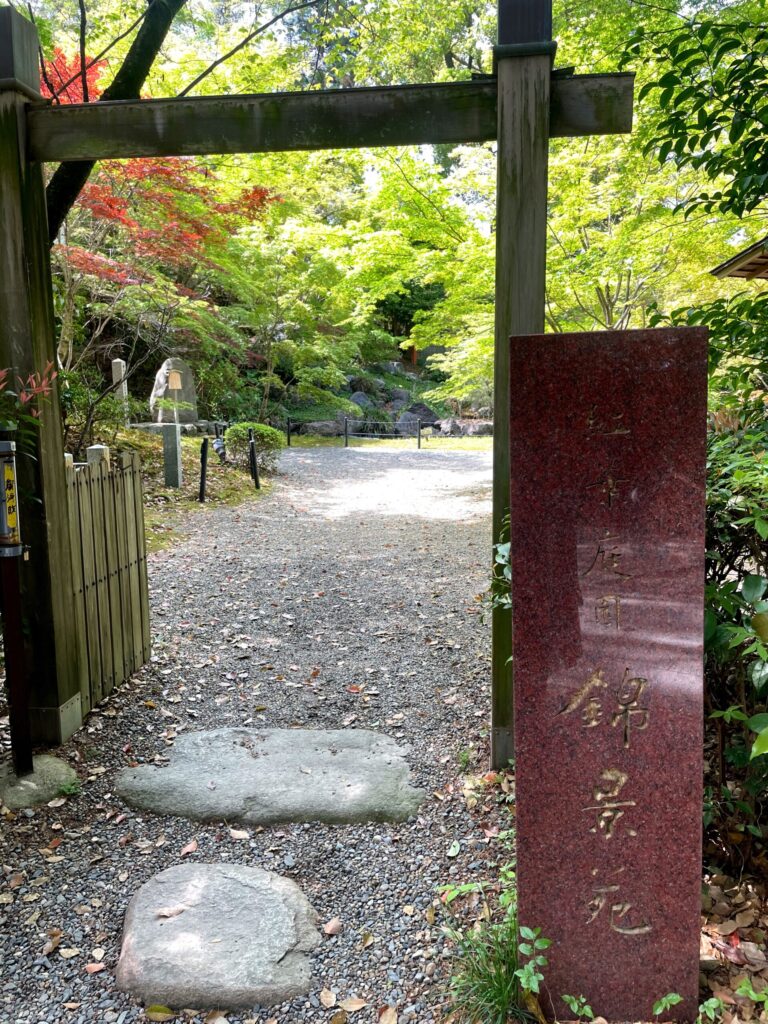
The cafés near Nagaoka Tenjin Station and along the approach were completely full during this season, with long queues stretching outside.
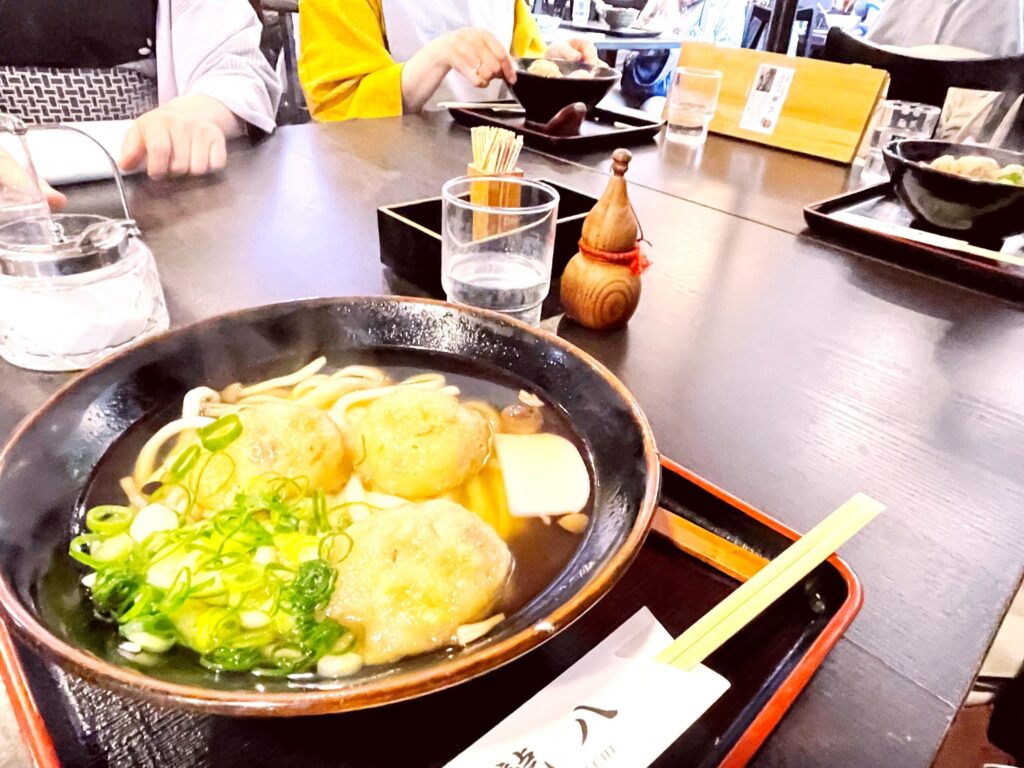
We ended up having lunch at one of the restaurants within the shrine grounds.
We queued up there too, of course.