I visited Tofukuji for the first time in 2025.
The charming station area and streetscape were captivating — the whole town felt like one vast temple complex.
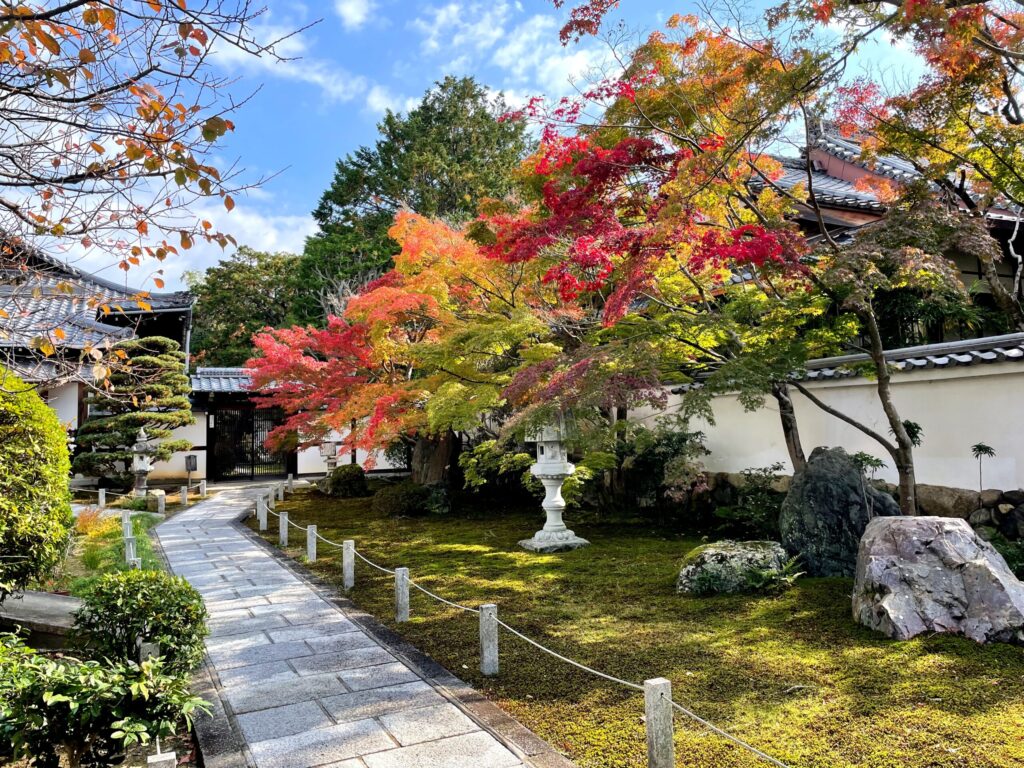
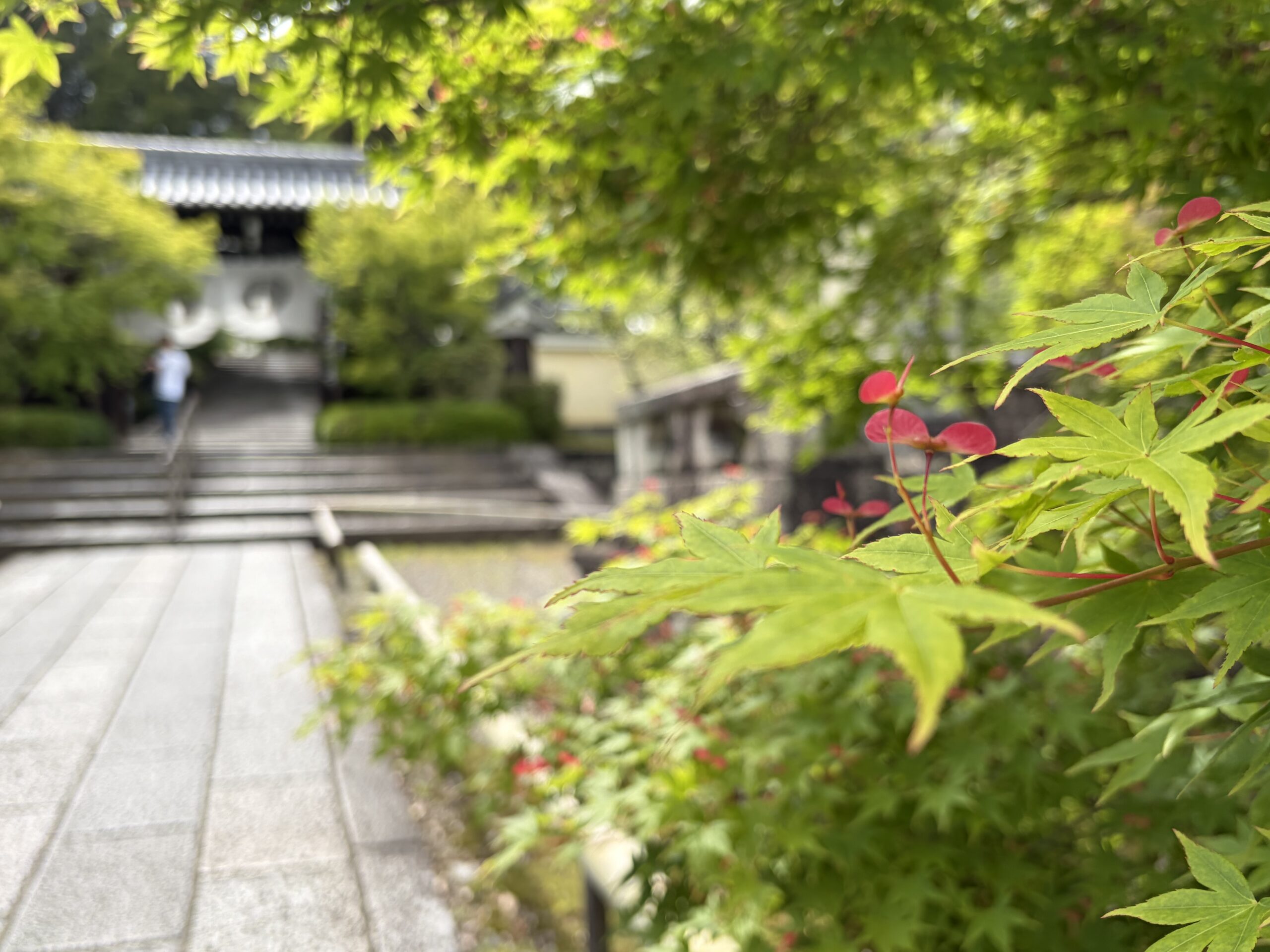
I went just before the peak of autumn foliage, but it was more than enough to enjoy.
I had AI help write a support article about Tofukuji. The photos are all original.
Every November, a wave of crimson sweeps across the grounds of Tofuku-ji (東福寺), one of Kyoto’s most celebrated spots for autumn leaves. Roughly 2,000 maple trees flood the temple’s valley with color, drawing photographers, pilgrims, and curious travelers from across the world. Founded in 1236 during the Kamakura period, this Zen temple offers something rarer than a pretty photograph: a chance to witness Japanese maple culture (momiji, 紅葉) within a living monastic complex nearly 800 years old. Having visited in the soft light of early morning, I can tell you the experience lingers long after the leaves fall.
What Is Tofuku-ji Temple? History and Significance
The name itself tells a story of ambition. Regent Kujo Michiie wanted to build a temple to rival Nara’s two great institutions, Todai-ji (東大寺) and Kofuku-ji (興福寺), so he borrowed one character from each to create “Tofuku-ji.” Construction was no small undertaking; records suggest the grand complex took a staggering 19 years to complete.
Tofuku-ji serves as the head temple of the Tofukuji branch of Rinzai Zen Buddhism and ranks fourth among the prestigious Kyoto Gozan (京都五山), the city’s five great Zen temples. What surprises many first-time visitors is that this is not a museum-piece relic. Monks still train here daily, and the smell of incense and the rhythm of monastic life remain very much alive.
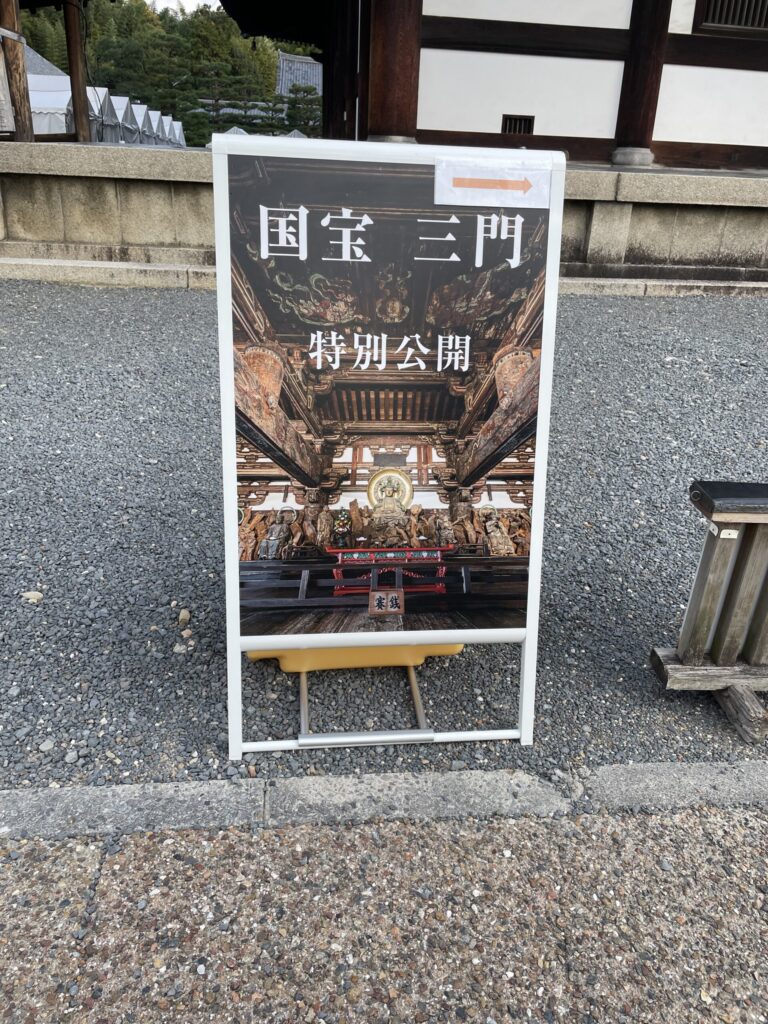
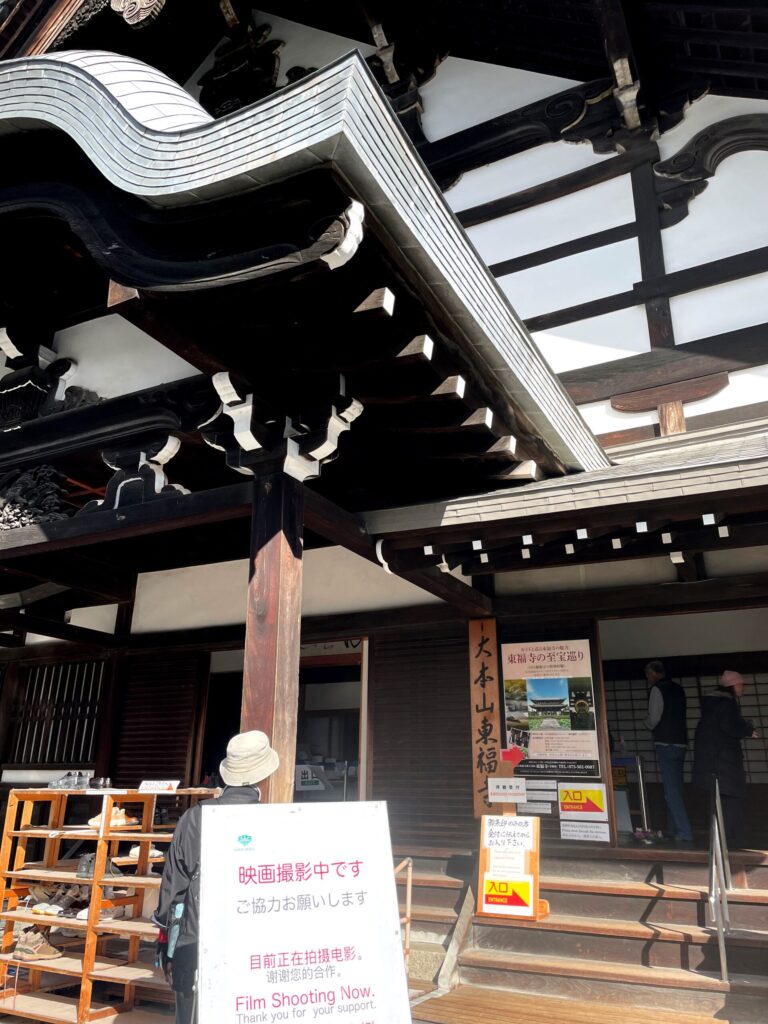
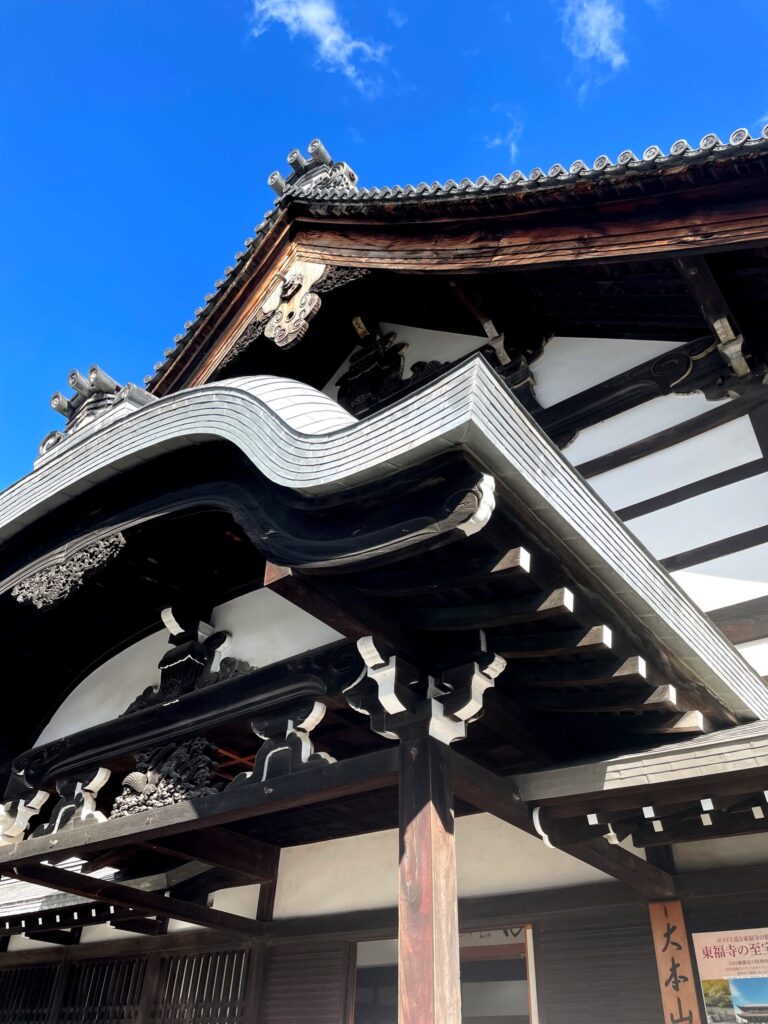
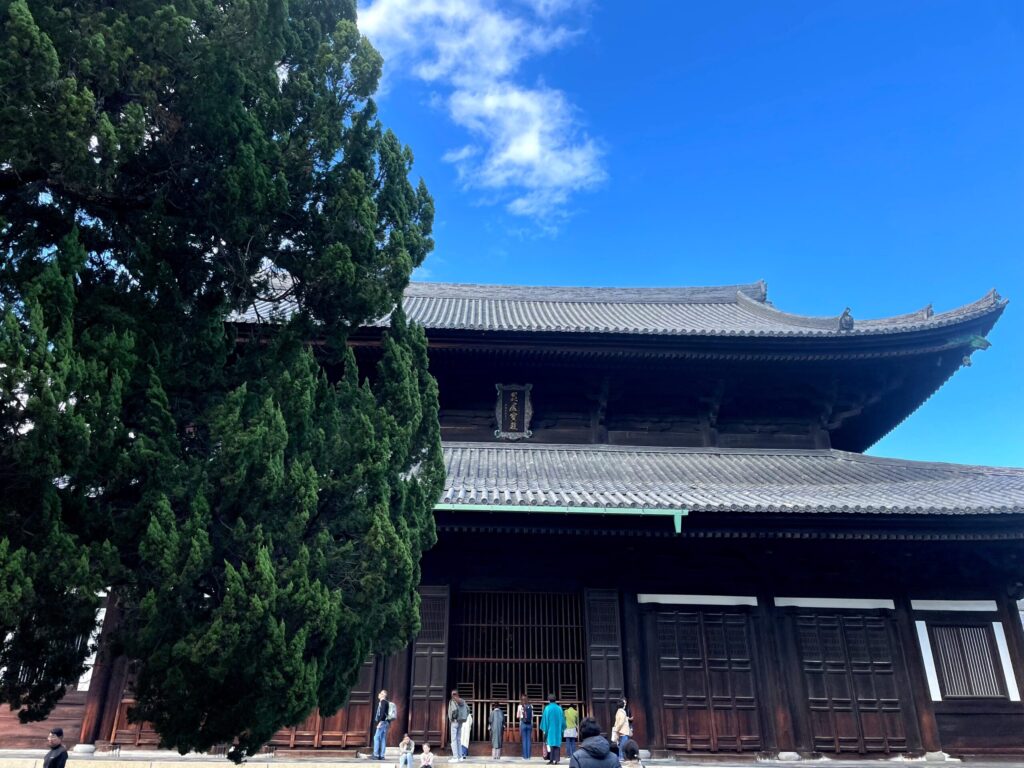
Architecture buffs should look up. The Sanmon (三門), the temple’s towering main gate rebuilt in 1425 during the Muromachi period, is the oldest surviving Zen-style gate of its kind in Japan and a designated National Treasure. Standing beneath its massive timber joinery, you feel the weight of nearly eight centuries pressing down. The autumn leaves may be the headline act, but these architectural treasures deserve more than a passing glance.
When Is the Best Time to See Autumn Leaves at Tofuku-ji?
Tofuku-ji’s maples typically peak from mid-November to early December, slightly later than many other famous Kyoto spots. That timing makes it a useful target for travelers who arrive after the early-season foliage elsewhere has already faded. Weekends in late November mark the height of the crowds.
- First color: early to mid-November
- Peak viewing: late November to early December
- Fallen leaves (chiri-momiji, 散りもみじ): early to mid-December
Because temperatures shift the schedule year to year, it pays to check the official website or live foliage reports before you go. From experience, arriving in the 8 o’clock hour rewards you with relative calm. On busy days, however, lines can form before 9 a.m., and the gentle stillness of the valley vanishes quickly once the tour groups arrive.
What Are the Best Things to See at Tofuku-ji?
Tsutenkyo Bridge: The Iconic Valley View
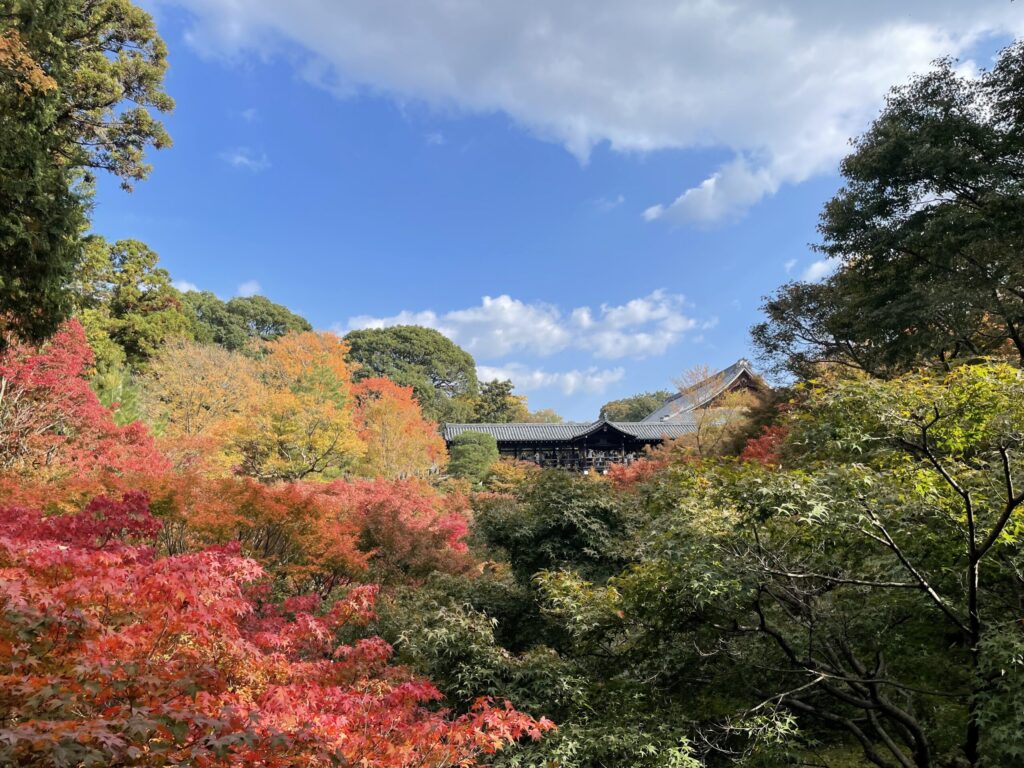
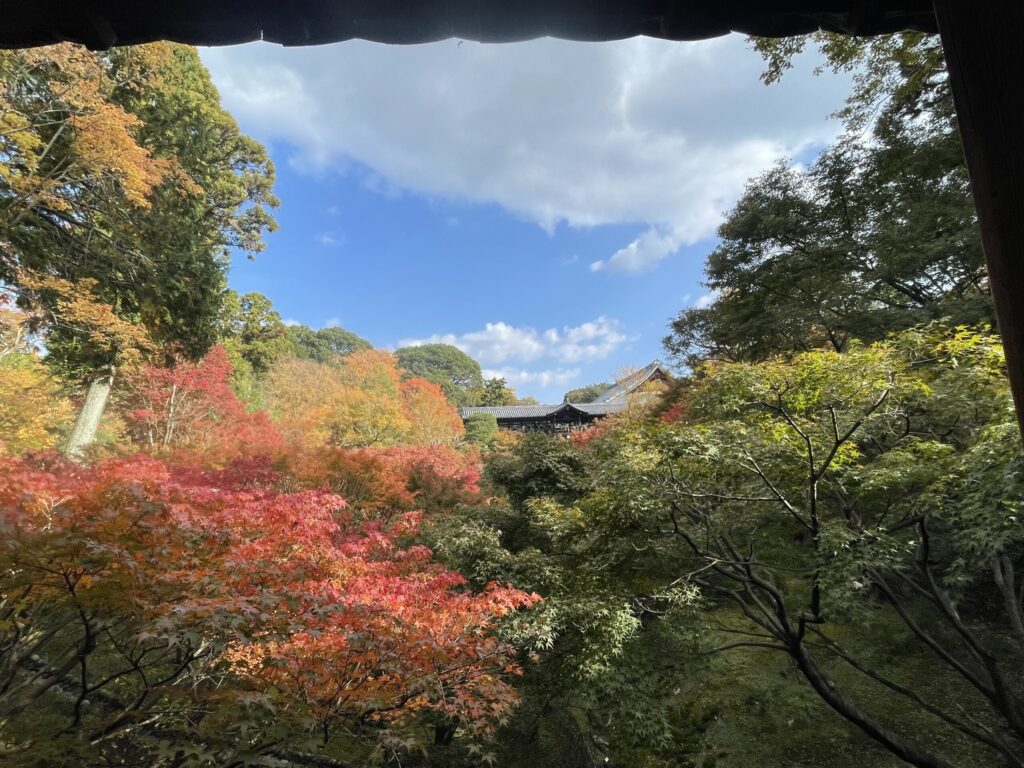
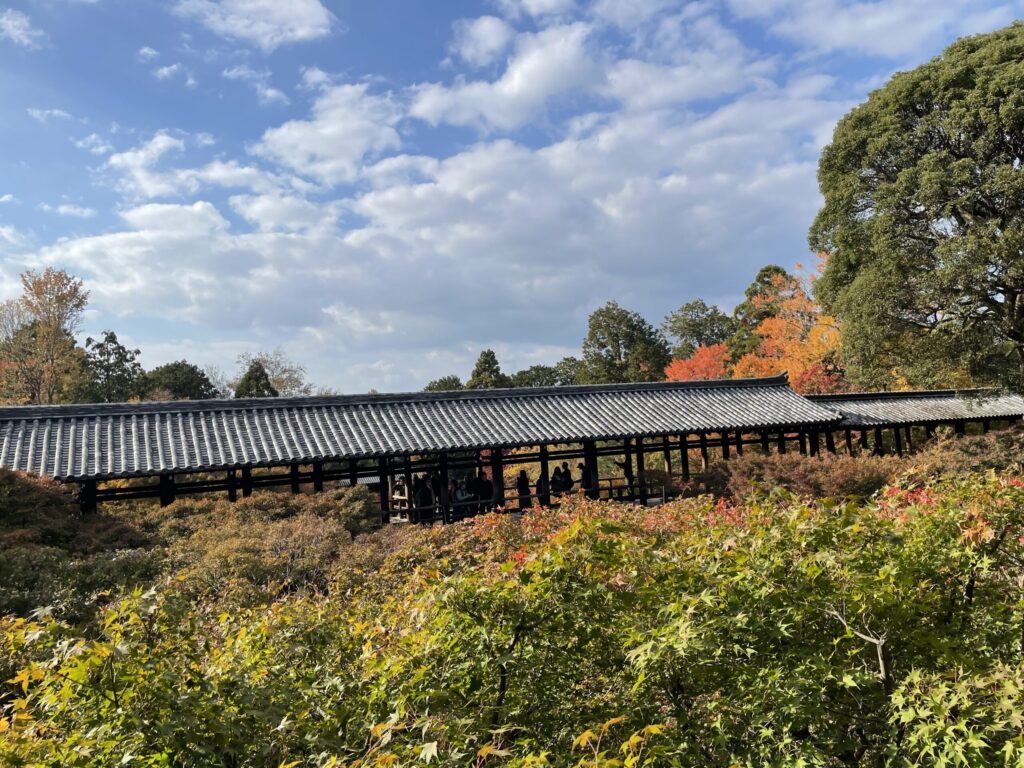
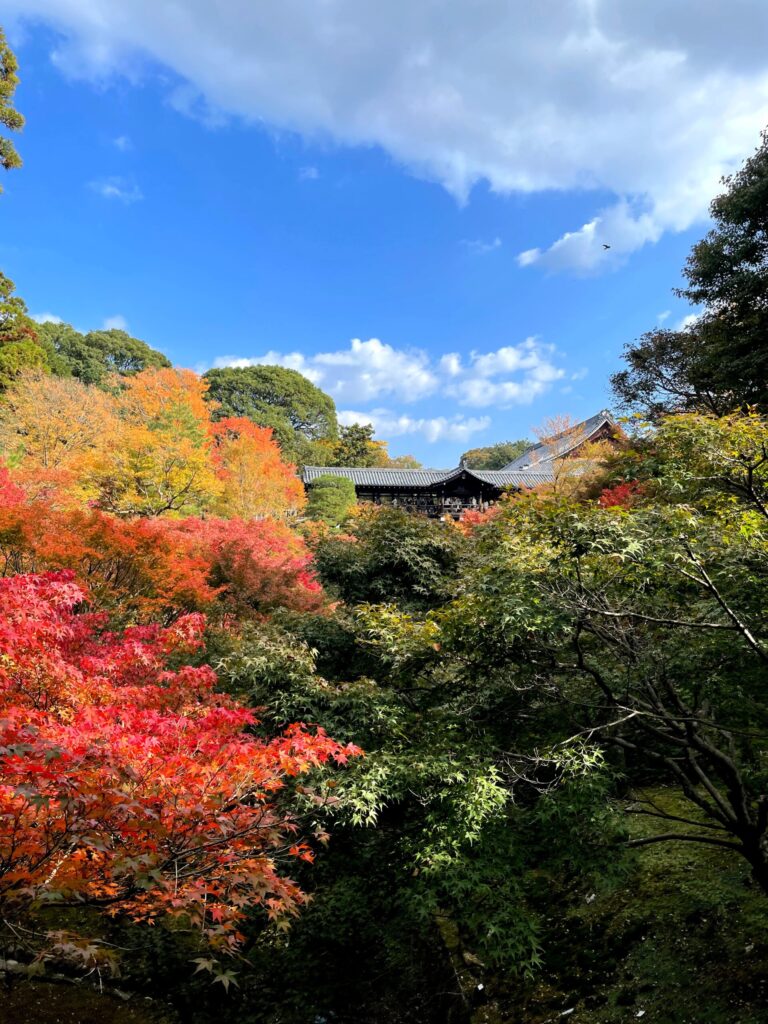
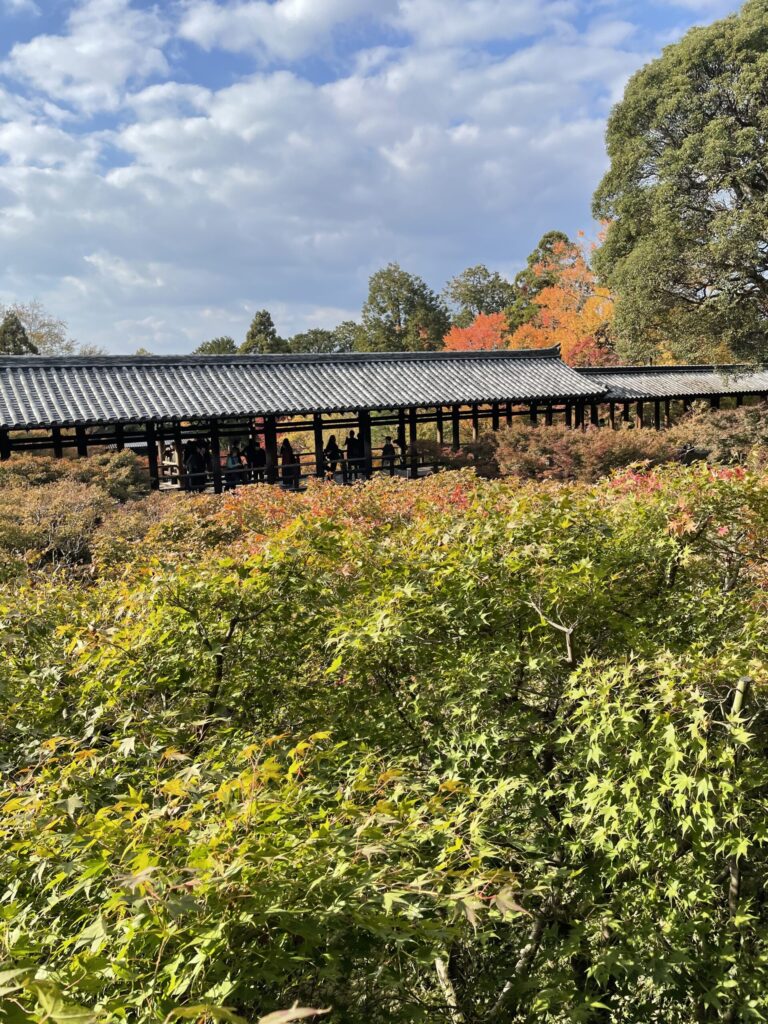
If Tofuku-ji has a single signature image, it is the view from Tsutenkyo (通天橋), the covered wooden walkway connecting the main hall to the founder’s hall. Looking down into the Sengyokukan (洗玉澗) ravine, you face what can only be described as a sea of maples. Standing on the bridge, with countless red and gold leaves filling your entire field of vision, you may catch yourself holding your breath. During peak crowds, photography on the bridge is sometimes restricted to keep people moving, so patience and courtesy go a long way here.
Gaunkyo Bridge: The Classic Postcard Shot
Gaunkyo (臥雲橋) is a covered bridge you can cross free of charge, and the view of Tsutenkyo framed from here is the angle you have likely seen on posters and in guidebooks. In the soft morning light, the silhouette of Tsutenkyo rising above the glowing maples is genuinely worth the early alarm. Photographers gather here for good reason, and even after multiple visits, the composition never grows old.
Hojo Garden: “The Garden of Eight Phases”
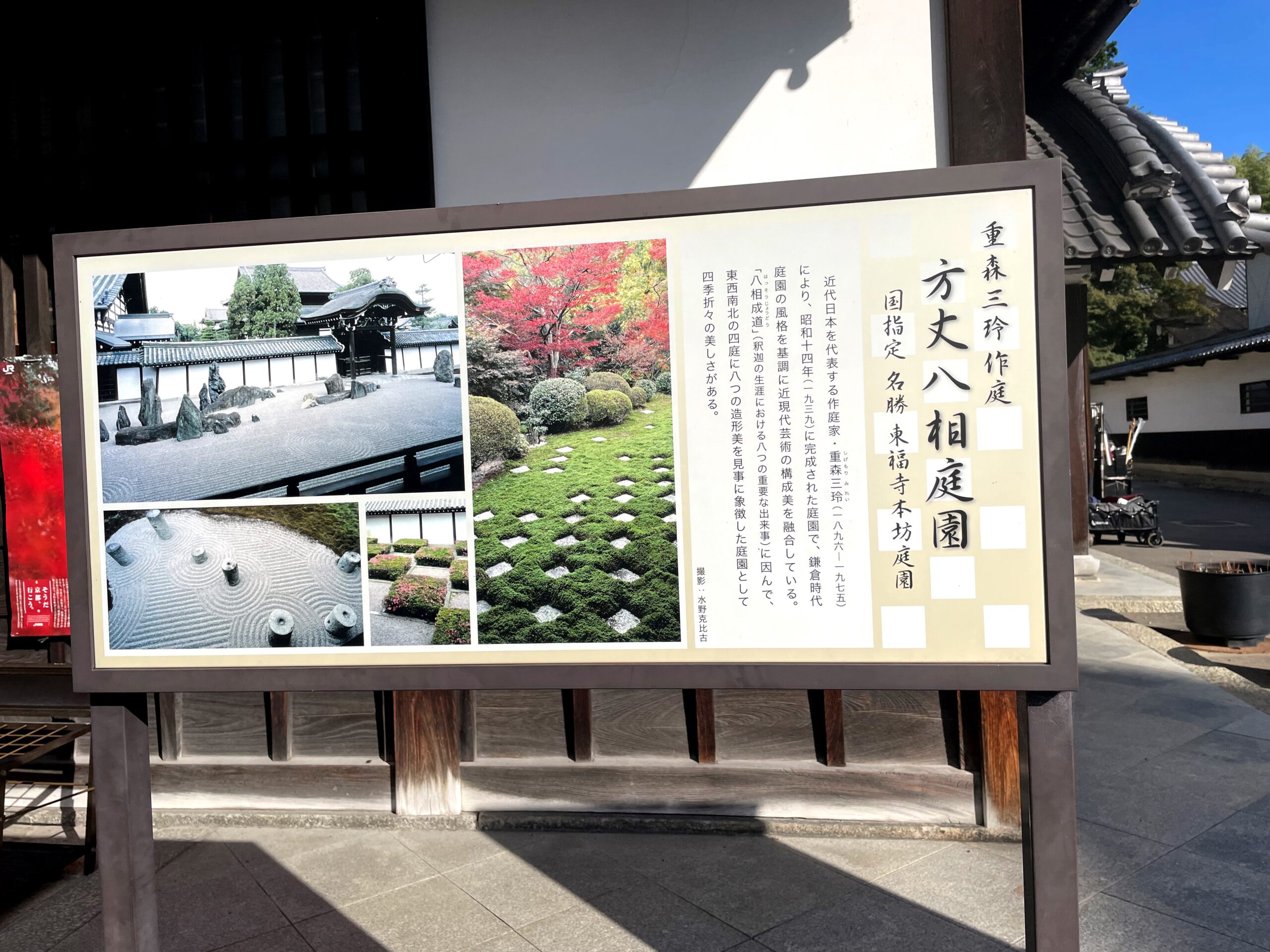
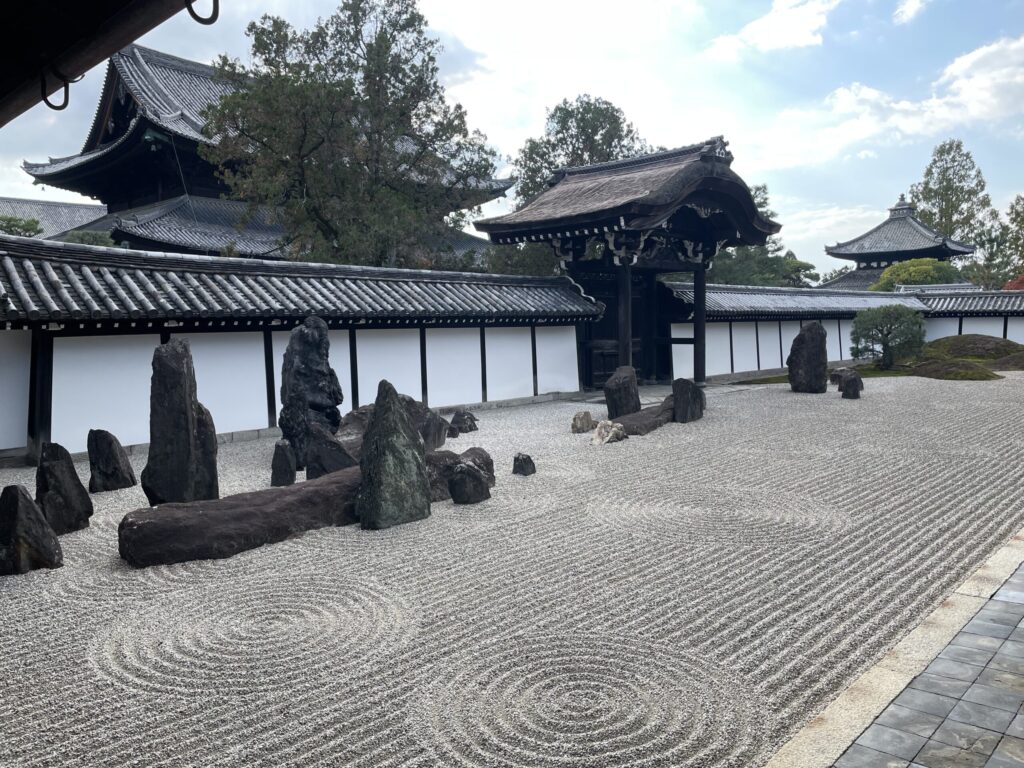
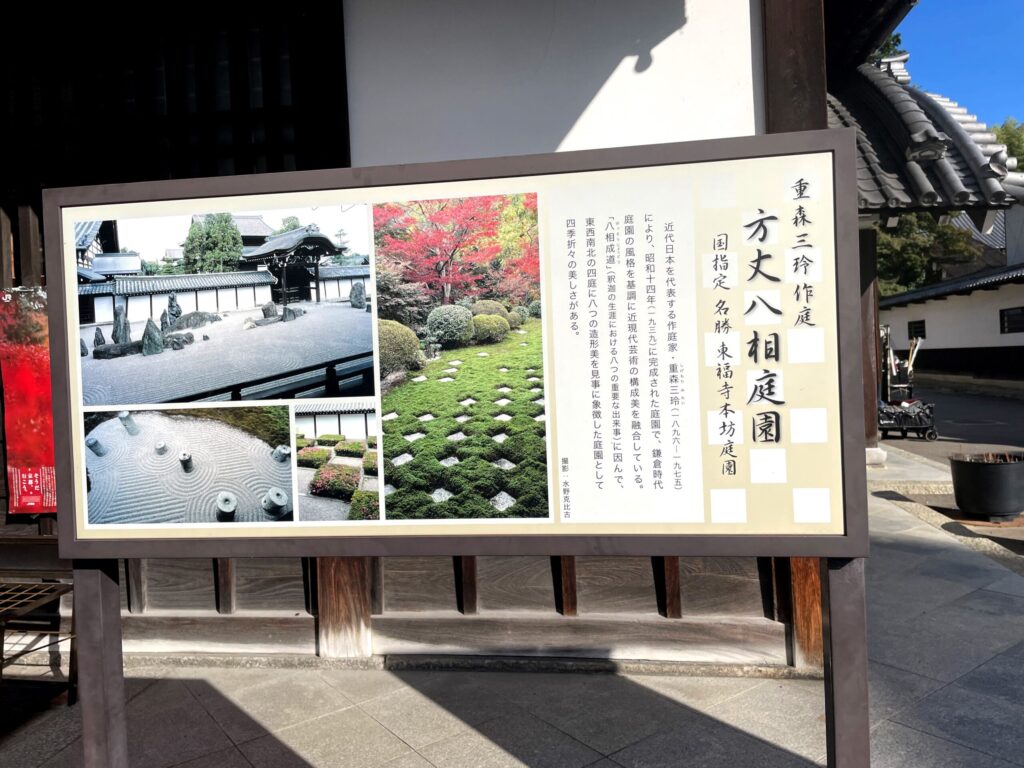
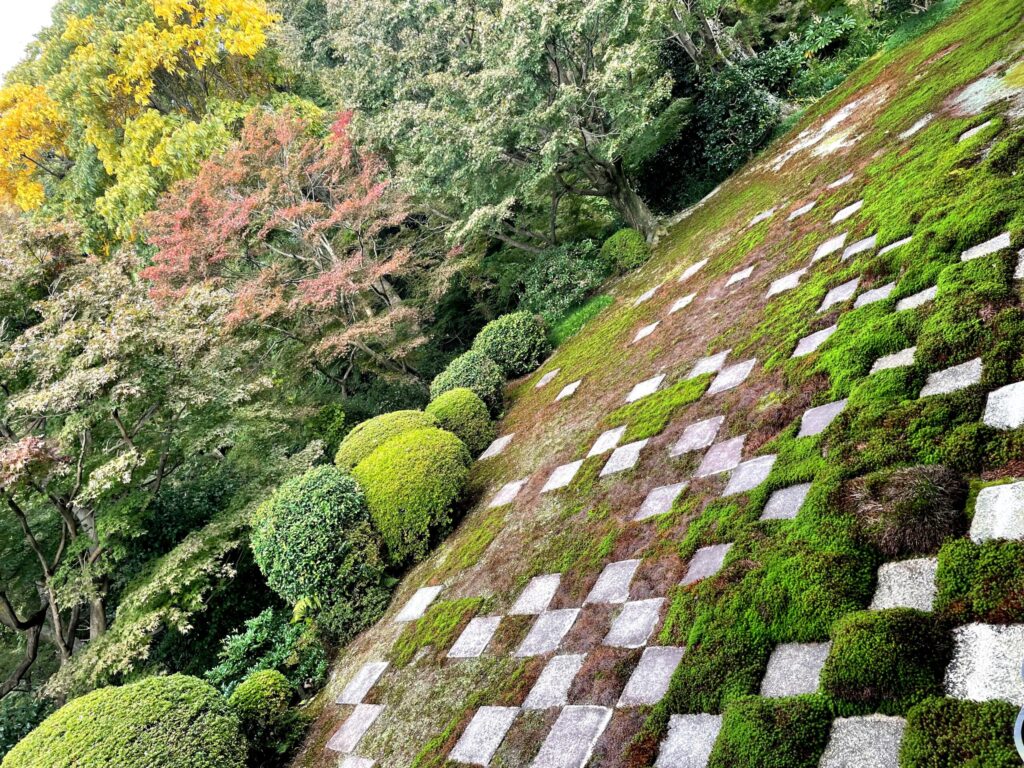
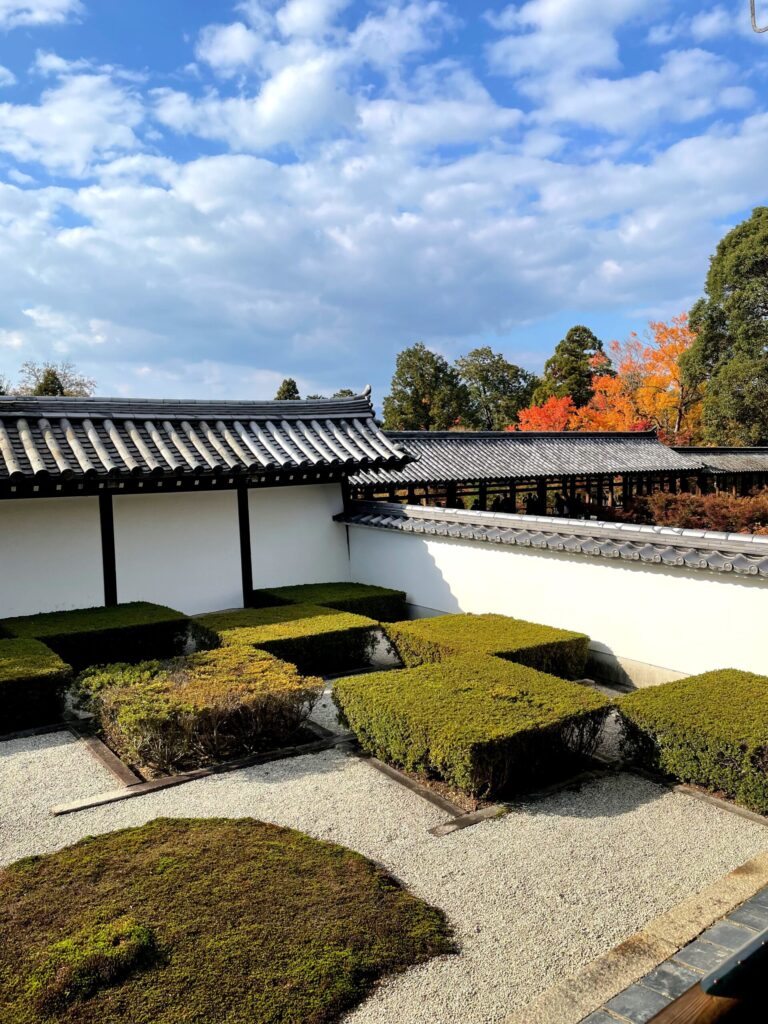
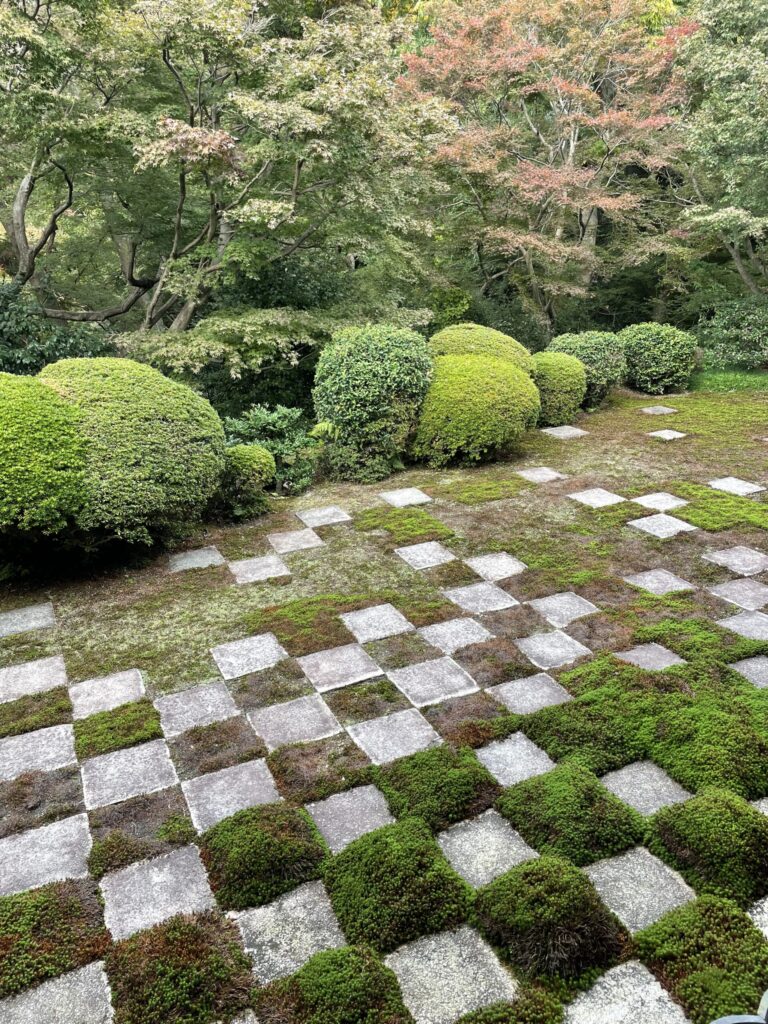
For a quieter moment, head to the Hojo (main hall) garden, designed in 1939 by the influential Showa-era landscape artist Mirei Shigemori. His modern take on the karesansui (枯山水), or dry landscape garden, arranges moss and stone in a bold checkerboard pattern that plays beautifully against the autumn color. Designated a National Site of Scenic Beauty in 2014, this garden offers a deliberate contrast to the bustle of the bridges. Sitting before it in silence is, to my mind, one of the most underrated ways to experience Tofuku-ji.
How to Get to Tofuku-ji from Kyoto Station
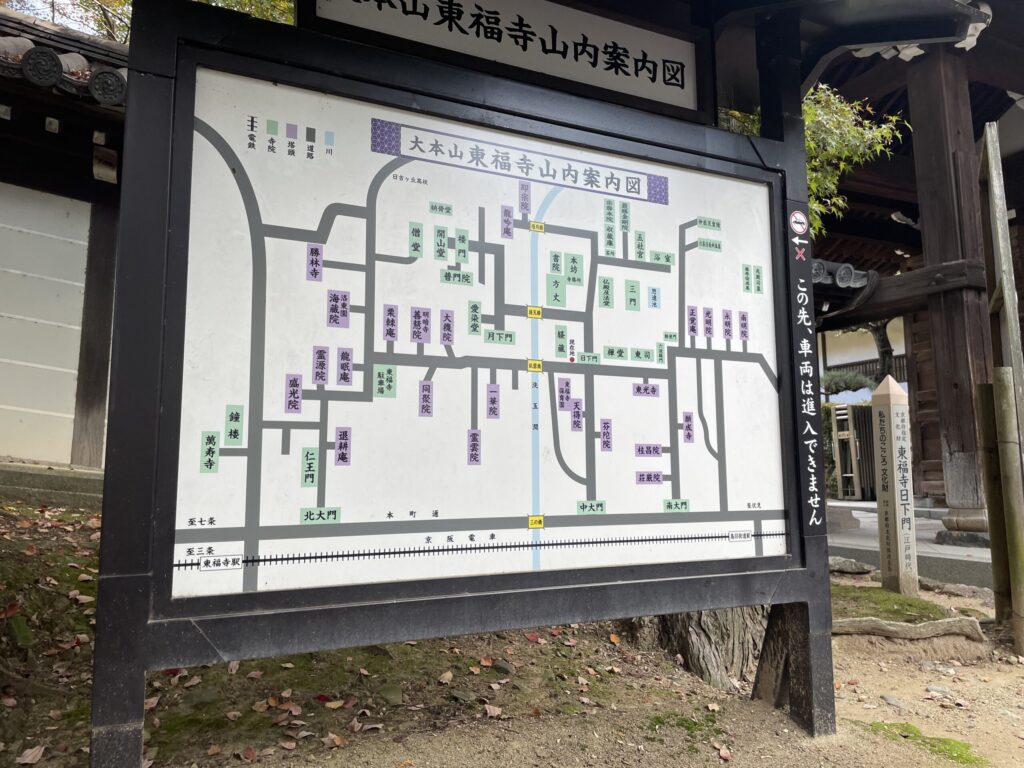
One of Tofuku-ji’s quiet advantages is how close it sits to Kyoto Station, making it easy to fold into even a tight itinerary.
- JR Nara Line: about 2 minutes from Kyoto Station to Tofukuji Station, then roughly a 10-minute walk
- Keihan Main Line: alight at Tofukuji Station, about a 10-minute walk
- City Bus: get off at the “Tofukuji” stop, about a 4-minute walk
A word of warning for autumn: during peak season the stream of visitors from the station to the temple barely lets up, and even exiting the ticket gates can take time. Driving is strongly discouraged, as surrounding roads clog badly and the temple parking lots close entirely during the busiest weeks. Public transport is the clear winner.
Admission Fees and Opening Hours
Here is what you can expect during the autumn season (details may change, so confirm before visiting):
- Tsutenkyo and Kaisando (founder’s hall): around 1,000 yen for adults
- Hojo Garden: around 500 yen for adults
- Opening hours: roughly 8:30 a.m. to 4:00 p.m. (varies by season)
Parts of the grounds are free to wander, but enjoying that famous Tsutenkyo view requires a ticket. Lines for tickets grow long at peak times, so build a little extra time into your plans rather than rushing.
Frequently Asked Questions
- Q: Does Tofuku-ji have an autumn leaves light-up at night?
- A: As a rule, no. Unlike some Kyoto temples, Tofuku-ji generally does not hold nighttime illuminations, out of respect for its role as an active training monastery. The intended experience is to admire the maples in natural daylight.
- Q: When is the best time to visit to avoid the crowds?
- A: A weekday early morning, right when the gates open around 8:30 a.m., is ideal. After 10 a.m. on weekends and holidays, the area around Tsutenkyo becomes extremely congested.
- Q: How long should I budget for a visit?
- A: Touring Tsutenkyo, the Hojo garden, and the main hall typically takes about 1.5 to 2 hours. Allow extra time during peak crowds.
- Q: Is the temple accessible by wheelchair or stroller?
- A: Partly. The grounds include many stairs and gravel paths, and some areas are not barrier-free. Tsutenkyo bridge itself can be crossed, but there are steps that require assistance.
Conclusion
Tofuku-ji lets you experience two things at once: the valley spectacle of some 2,000 maples and the solemn grandeur of a Zen temple approaching 800 years of history. Between the sea of color seen from Tsutenkyo, the classic framing from Gaunkyo, and the quiet brilliance of Mirei Shigemori’s garden, the highlights keep coming. Yes, late November guarantees crowds, but arrive in the hushed early morning and the beauty reveals itself far more deeply. This autumn, consider letting Tofuku-ji introduce you to Japan’s living tradition of momiji appreciation, one crimson leaf at a time.
References
Addendum
The grounds were simply enormous, with so many highlights to explore.
I arrived a little before the peak autumn color season, but it was still thoroughly enjoyable.
The Sanmon Gate of Tofukuji (a National Treasure) was open for a special viewing, so I went inside — and climbed what must have been the steepest staircase I have ever encountered. In a kimono, no less.
The stairs were almost frighteningly steep, but once at the top I had a sweeping view of Kyoto city, and was able to see a remarkable collection of historic Buddhist statues. I would strongly recommend visiting on a day when the Sanmon is open to the public.
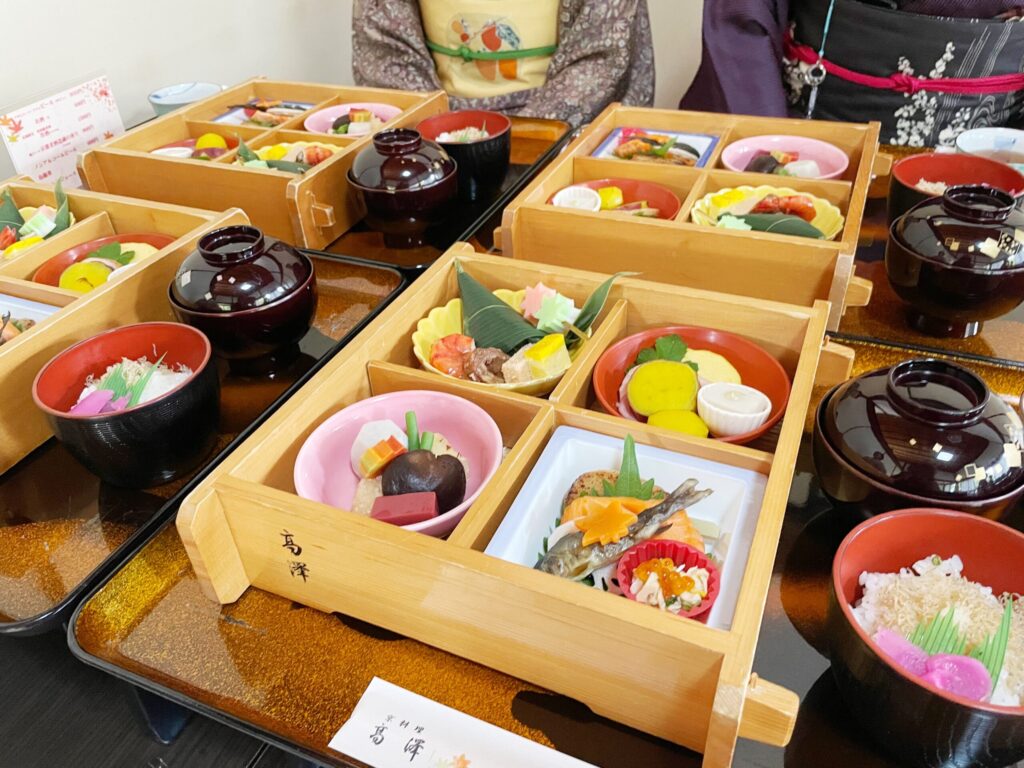
For lunch, I recommend the Momiji Bento (autumn foliage bento) by Kyoto cuisine restaurant Takasawa, served exclusively during this season at Tofukuji’s Rikkokuan.
Reservations are essential during the autumn foliage season.
The autumn leaves and garden at Rikkokuan were also beautiful.
▶ Kyoto Cuisine Takasawa — shop information here
▶ My record of a kimono outing — here