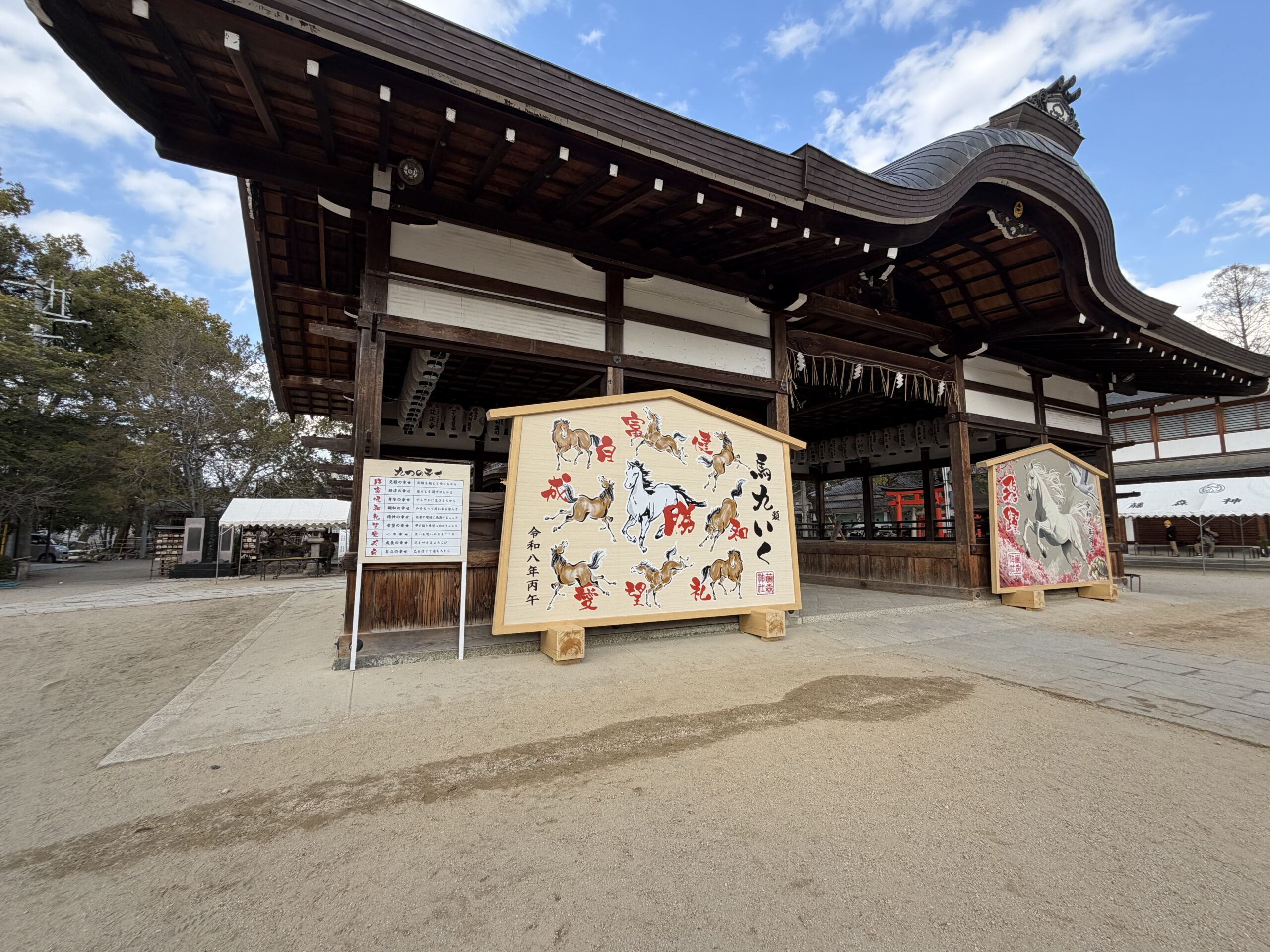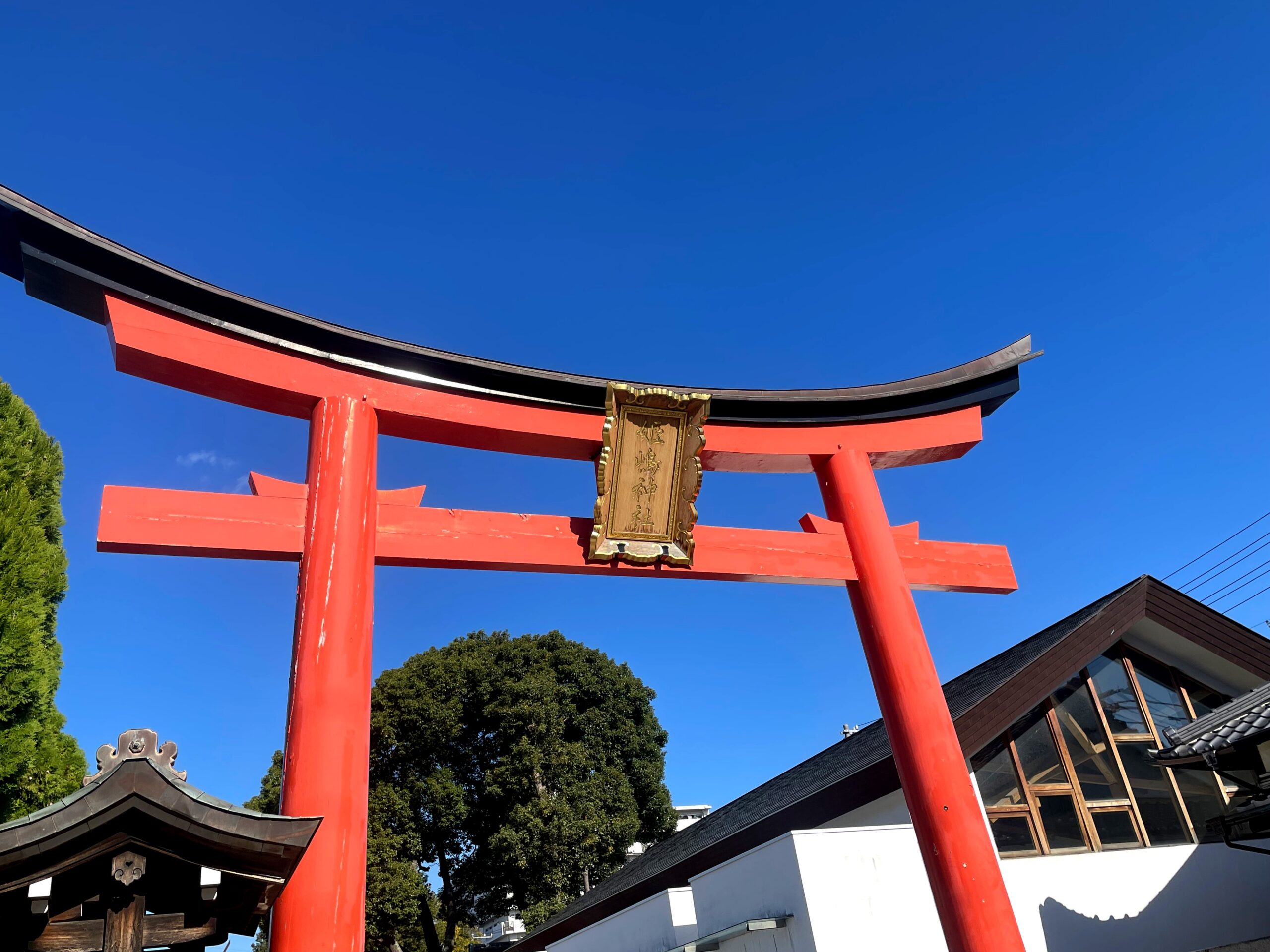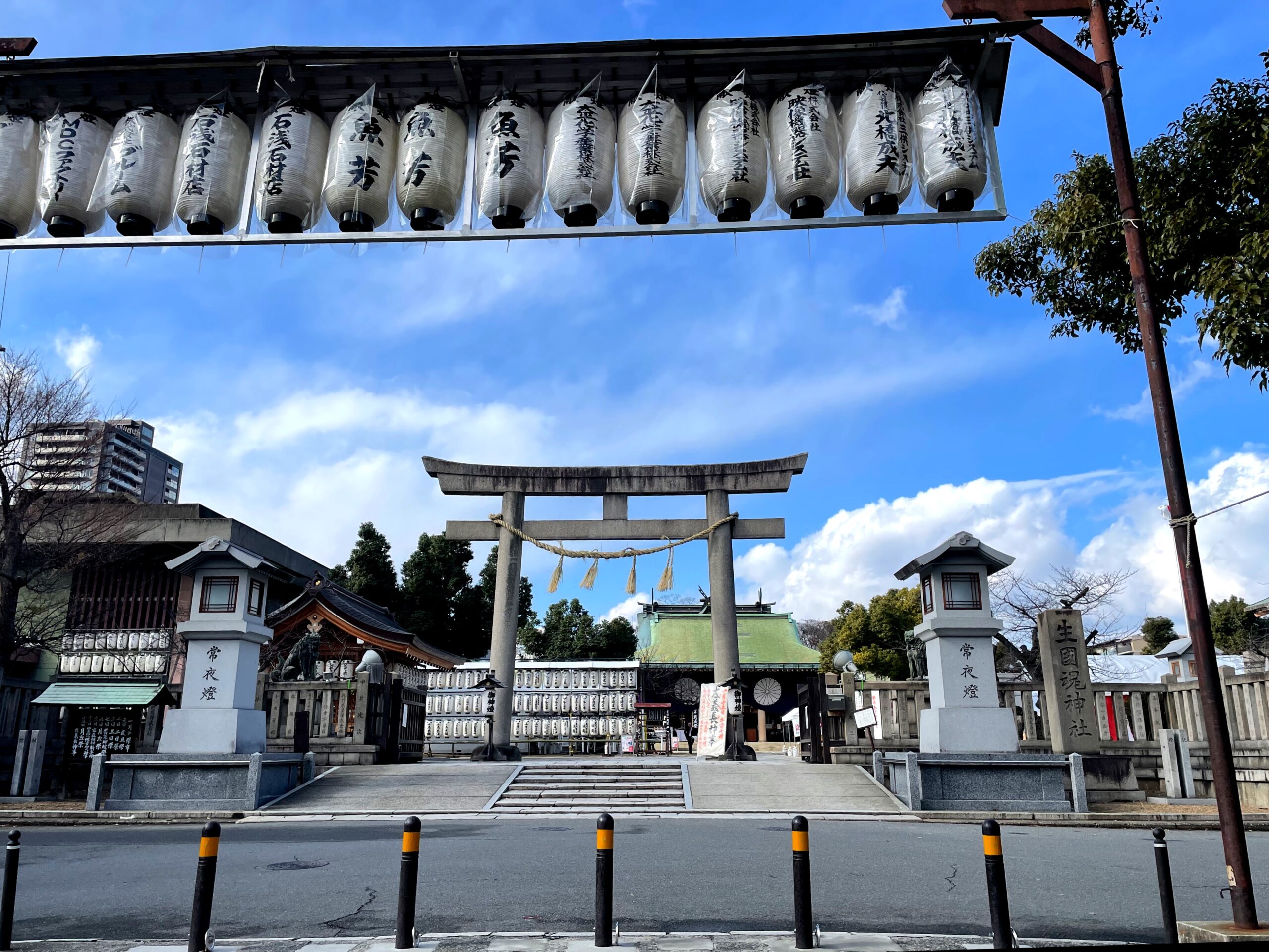
Ikutama-san — as the shrine is fondly known — is the well-loved Ikutama Jinja here in Osaka. I have visited a number of times, though I do not have many photographs from those trips.
I will be having an AI write a supporting article about Ikutama Jinja. The photographs will be my own originals.
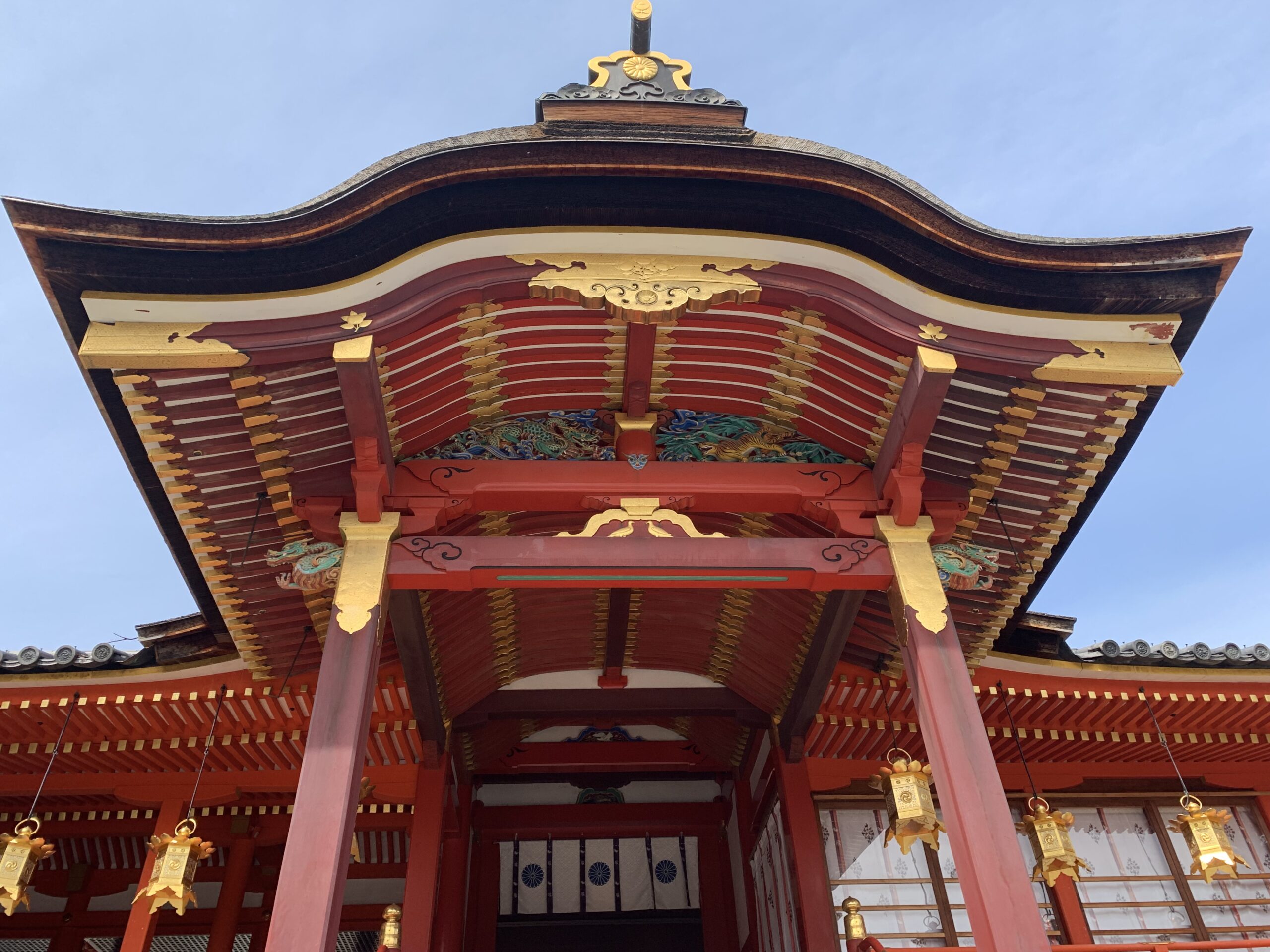
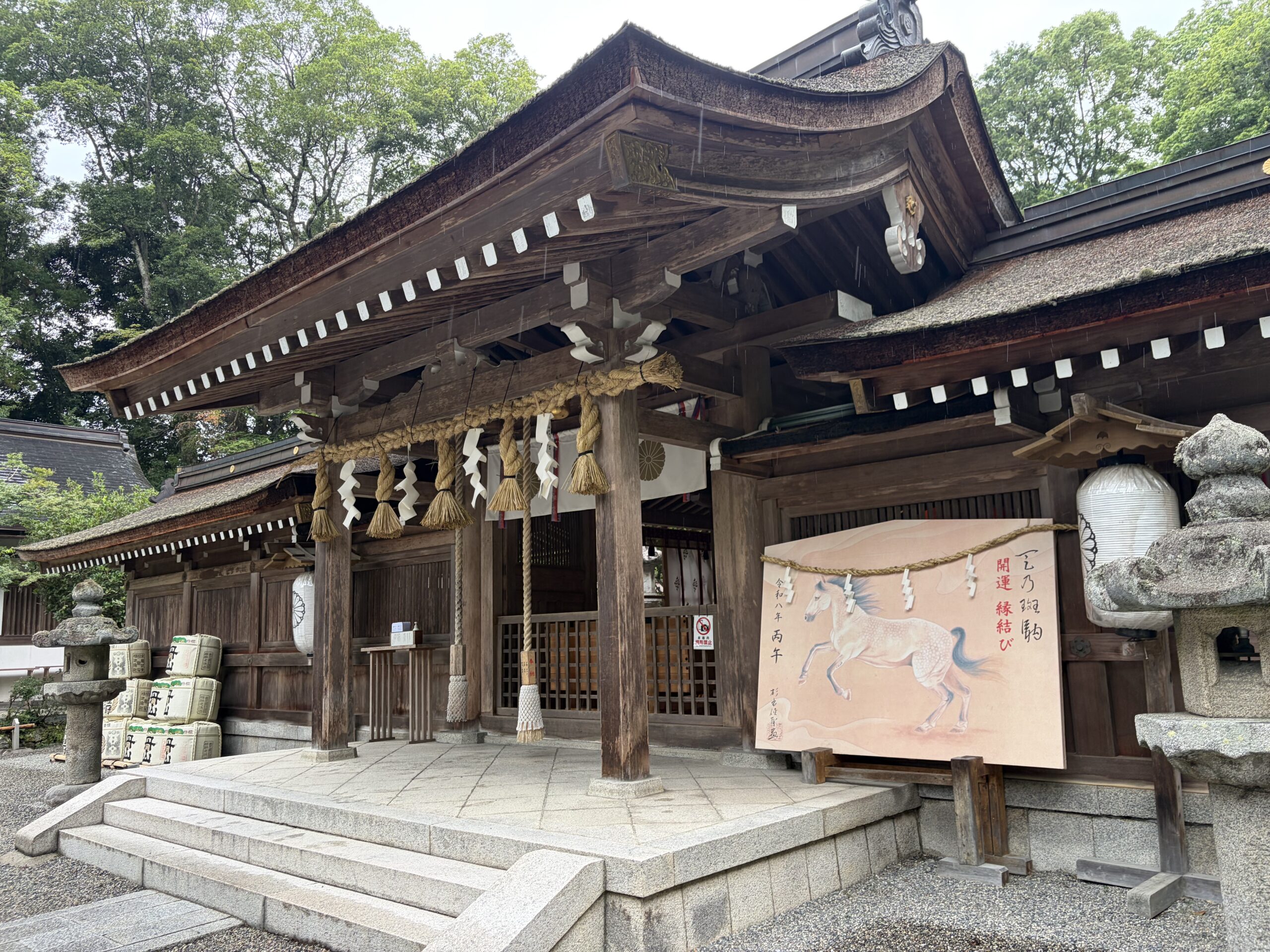
Tucked away on the Uemachi Plateau in the heart of Osaka stands Ikukunitama Shrine (生国魂神社, Ikukunitama-jinja), widely regarded as the oldest shrine in the city. Locals affectionately call it Ikutama-san, a nickname that reveals just how deeply woven this sacred place is into everyday Osaka life. In this guide, drawn partly from the experience of actually walking through its grounds, we’ll explore the shrine’s remarkable history, its blessings, and its famous summer festival.
For anyone curious about Japanese Shinto traditions, Ikukunitama Shrine offers something unusual: a spot where centuries of history sit quietly amid the bustle of a modern metropolis.
What Is Ikukunitama Shrine?
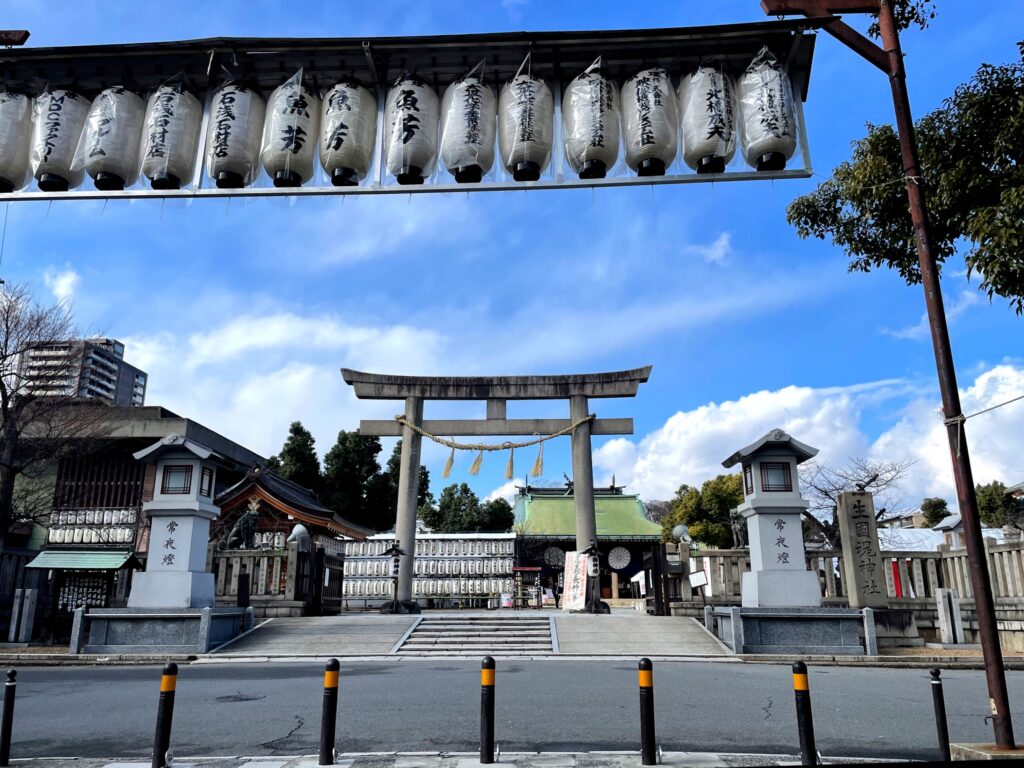
Located in Tennoji Ward, Osaka City, Ikukunitama Shrine ranks alongside sites such as Namba Shrine as one of the essential landmarks for understanding Osaka’s long history. What makes it so striking is its setting. Just a few minutes’ walk from Tanimachi 9-chome Station, it sits in the middle of the urban sprawl — yet the moment you step through the torii gate and into the precinct, the air seems to shift. Many visitors describe a strange, welcome calm that settles over them, as if the noise of the city has been left behind at the threshold.
The shrine office is open for visitors from 9:00 a.m. to 4:00 p.m. If you have questions before your trip, you can reach them at 06-6771-0002. It’s worth arriving with time to spare so you can wander the grounds without rushing.
The Meaning Behind the Unusual Name “Ikukunitama”
The name Ikukunitama is said to derive from a deity that personifies the very land of Japan itself. This is a genuinely rare shrine name — you won’t find it echoed across the country the way you might with more common dedications. Standing before the torii, reading the name carved into the stone pillar (the shagōhyō, or shrine-name marker), you can’t help but feel the sheer weight of the history behind those characters. The distinctive ring of the name alone hints at just how ancient this place is.
Why Is Ikukunitama Considered Osaka’s Oldest Shrine?
Ikukunitama Shrine is known as one of the longest-standing shrines in all of Osaka. According to tradition, it once stood in the area now occupied by Osaka Castle. When the warlord Toyotomi Hideyoshi built the castle in the late 16th century, the shrine was relocated (a process known as senza, the transfer of a deity’s seat) to its present site.
A shrine that has preserved this depth of history while sitting at the very center of a major city is a genuine rarity, even by nationwide standards. As you stroll the grounds, the sense of a sacred place that has watched over Osaka across the ages comes through with real force.
A Shrine That Grew Alongside the City of Osaka
The neighborhood around Ikukunitama Shrine flourished during the Edo period as a birthplace of rakugo (comic storytelling) and the performing arts. This corner of Osaka still carries the fragrance of Kamigata culture — the distinctive artistic tradition of the Osaka-Kyoto region. Throughout it all, Ikutama-san has served as a spiritual anchor for the community. Take a short walk nearby and you can also enjoy atmospheric streets such as Teramachi-dōri (Temple Town street), lined with old temples and quiet charm.
What Blessings Does Ikukunitama Shrine Offer?
Because the shrine enshrines a guardian deity of the land itself, it is associated with a broad range of blessings (goriyaku). These include success in love, prosperity in business, and safety for the household. Fittingly for a shrine rooted in Osaka — historically a city of merchants — plenty of visitors come specifically to pray for success in business.
- Matchmaking and finding a good partner (enmusubi)
- Business prosperity (shōbai hanjō)
- Household safety (kanai anzen)
- Warding off misfortune (yakuyoke)
Scattered throughout the precinct are several auxiliary shrines known as sessha and massha, each said to grant its own particular blessing. Taking your time to visit each one turns a quick stop into a far richer experience — a tip worth keeping in mind if you enjoy exploring beyond the main hall.
The Famous Ikutama Festival Explained
No account of Ikukunitama Shrine is complete without the Ikutama Matsuri (生國魂祭), held every summer. This festival is counted among the three great summer festivals of Osaka and remains a cherished annual event for locals.
One of the festival’s highlights is the Ikutama-sai Togyo procession, during which traffic restrictions are put in place on the surrounding roads. The shrine’s official website has regularly published PDF notices about these road closures — including for Reiwa 8, Reiwa 7, Reiwa 6, Reiwa 5, and Reiwa 1, as well as earlier years spanning Heisei 28 through Heisei 30. If you plan to attend or simply watch the festivities, checking the latest traffic information in advance will save you some stress on the day.
It’s worth noting that the procession has been cancelled in certain years, with those cancellations also announced on the official site. So if your visit is timed around the festival, always confirm whether events are actually taking place before you set out.
Frequently Asked Questions
- Q: How do you read the name of the shrine?
- A: It is read Ikukunitama-jinja. Locals commonly use the affectionate nickname Ikutama-san.
- Q: What are the visiting hours at Ikukunitama Shrine?
- A: The shrine office is open from 9:00 a.m. to 4:00 p.m. For inquiries, you can call 06-6771-0002.
- Q: When is the Ikutama Festival held?
- A: The Ikutama Matsuri is a signature Osaka festival held in summer. Since traffic restrictions are put in place around the shrine during the event, it’s best to check the official website for the latest information.
- Q: What blessings can I receive at Ikukunitama Shrine?
- A: The shrine is associated with a wide range of blessings, including matchmaking, business prosperity, household safety, and protection from misfortune.
Conclusion
Ikukunitama Shrine carries a history said to be the oldest in Osaka, yet it continues to be loved by the people who live and work around it today. Enshrining a guardian deity of the land, it is known for a diverse array of blessings — from matchmaking to business success — and comes alive each summer with the Ikutama Matsuri, one of Osaka’s three great summer festivals. If you’re looking for a place where quiet stillness and deep history coexist in the middle of a modern city, Ikutama-san is well worth a visit. Step through the torii, and you may find that Osaka reveals a side of itself you never expected.
References
Addendum
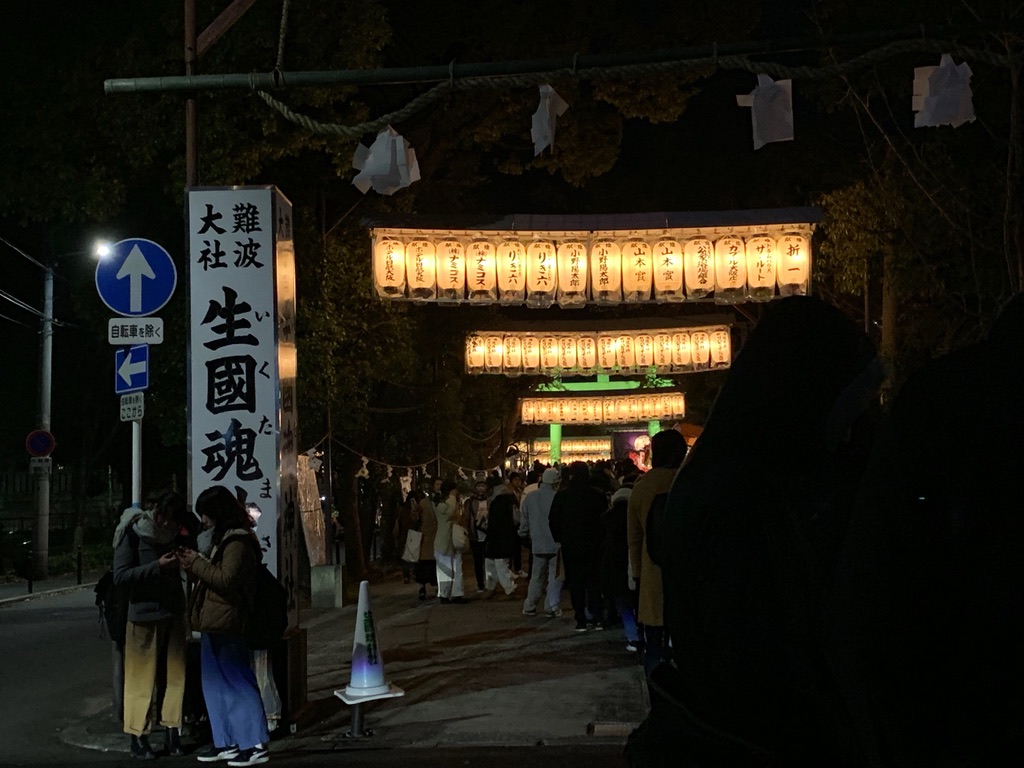
On weekdays when no special events are taking place, the shrine is pleasantly quiet. Around the New Year, however, the hatsumōde (first shrine visit of the year) draws enormous crowds.
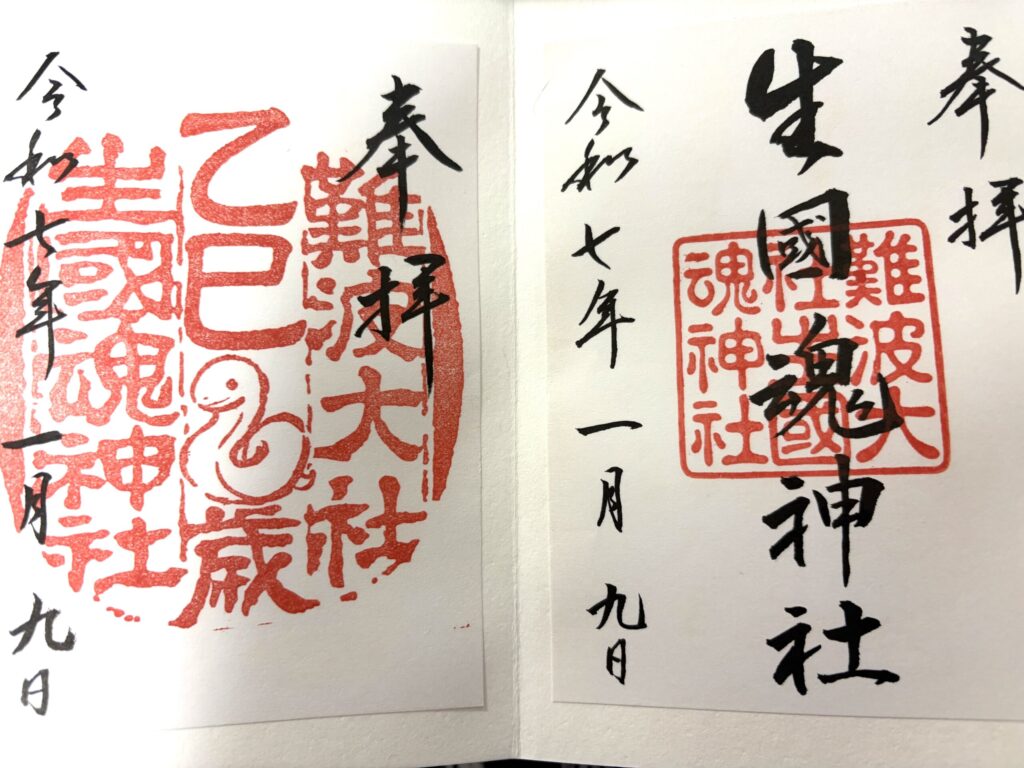
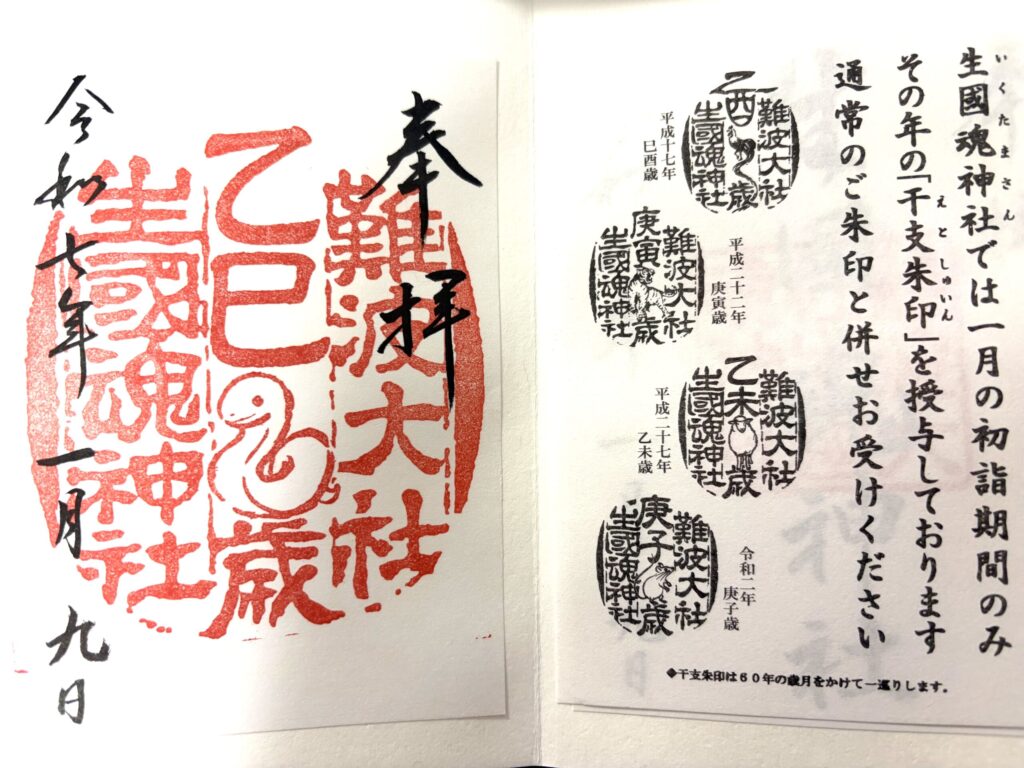
At Ikutama Jinja, the special zodiac goshuin (red seal stamp) for that year’s animal sign is available only during the hatsumōde period in January.
Both the standard goshuin and the zodiac goshuin are offered.
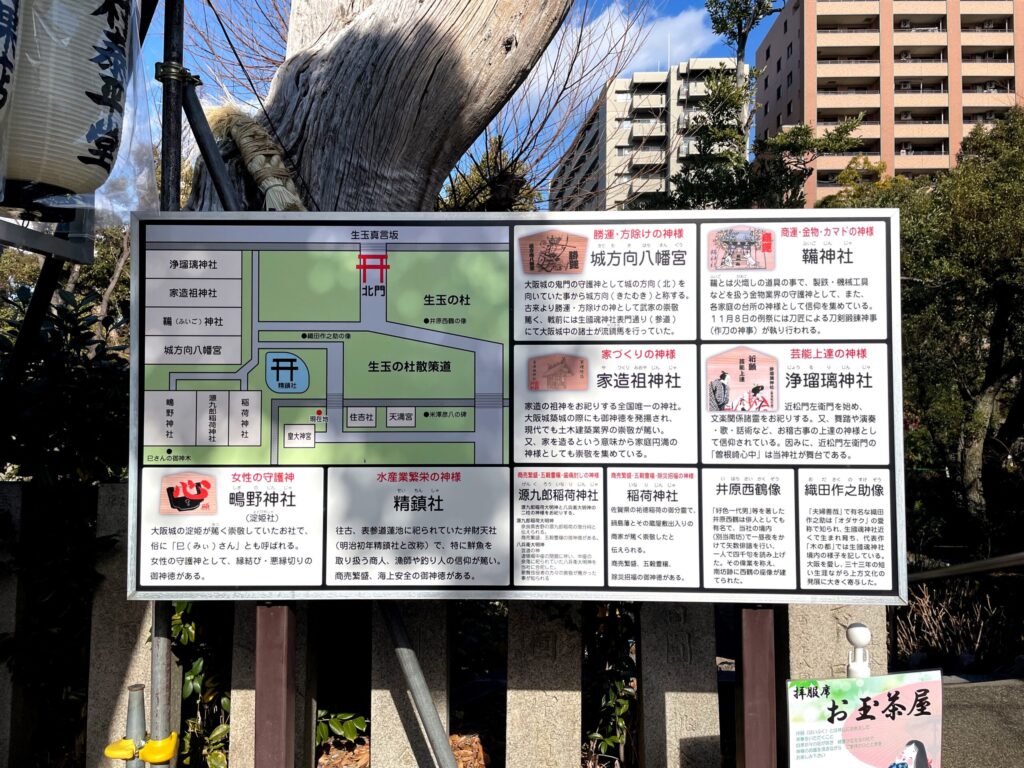
The shrine grounds are also home to a great many sessha and massha (smaller auxiliary shrines within the precinct), well worth exploring as you walk around.
Tanimachi 9-chome has plenty of restaurants and cafés, so you will have no trouble finding somewhere for lunch.