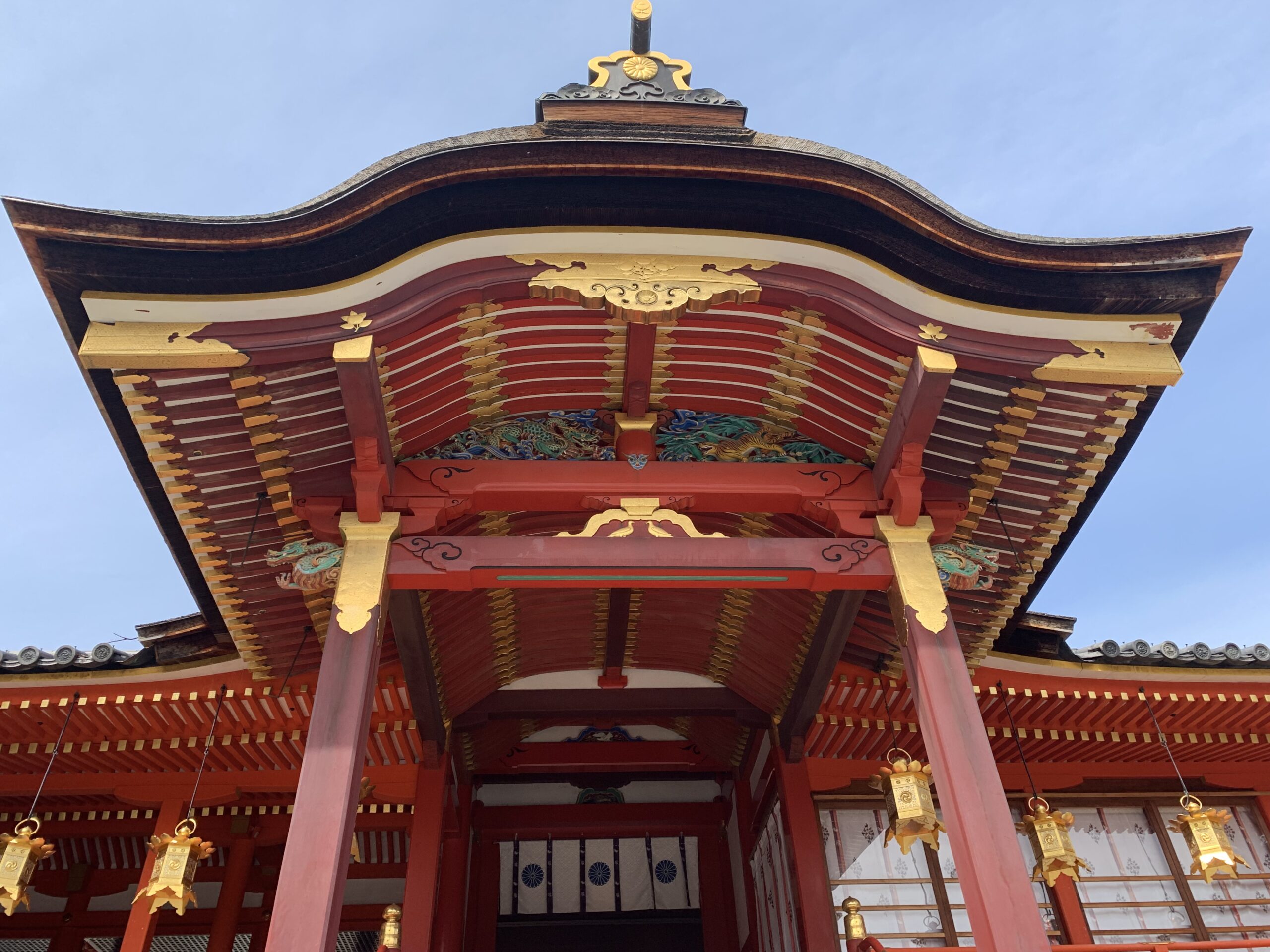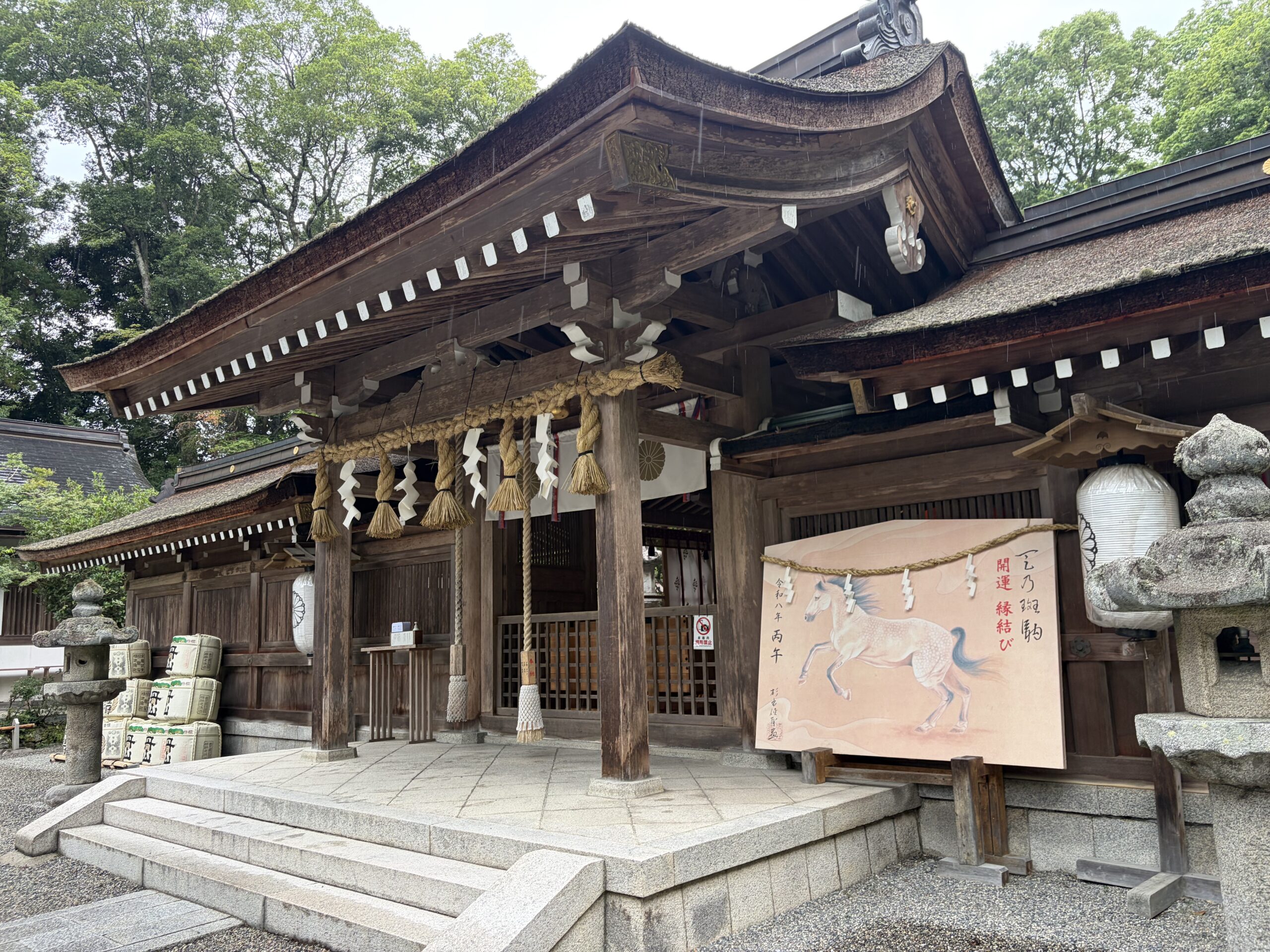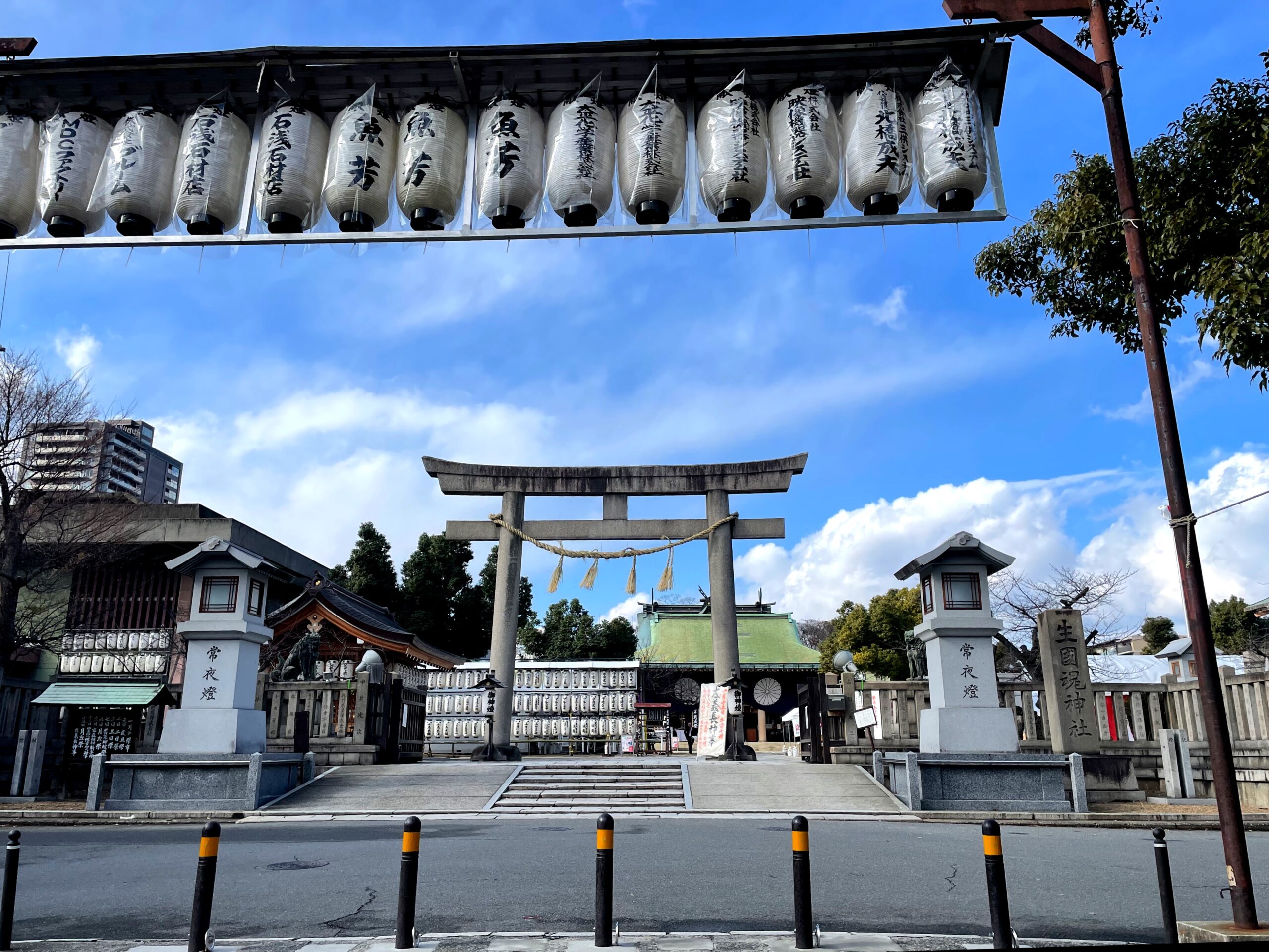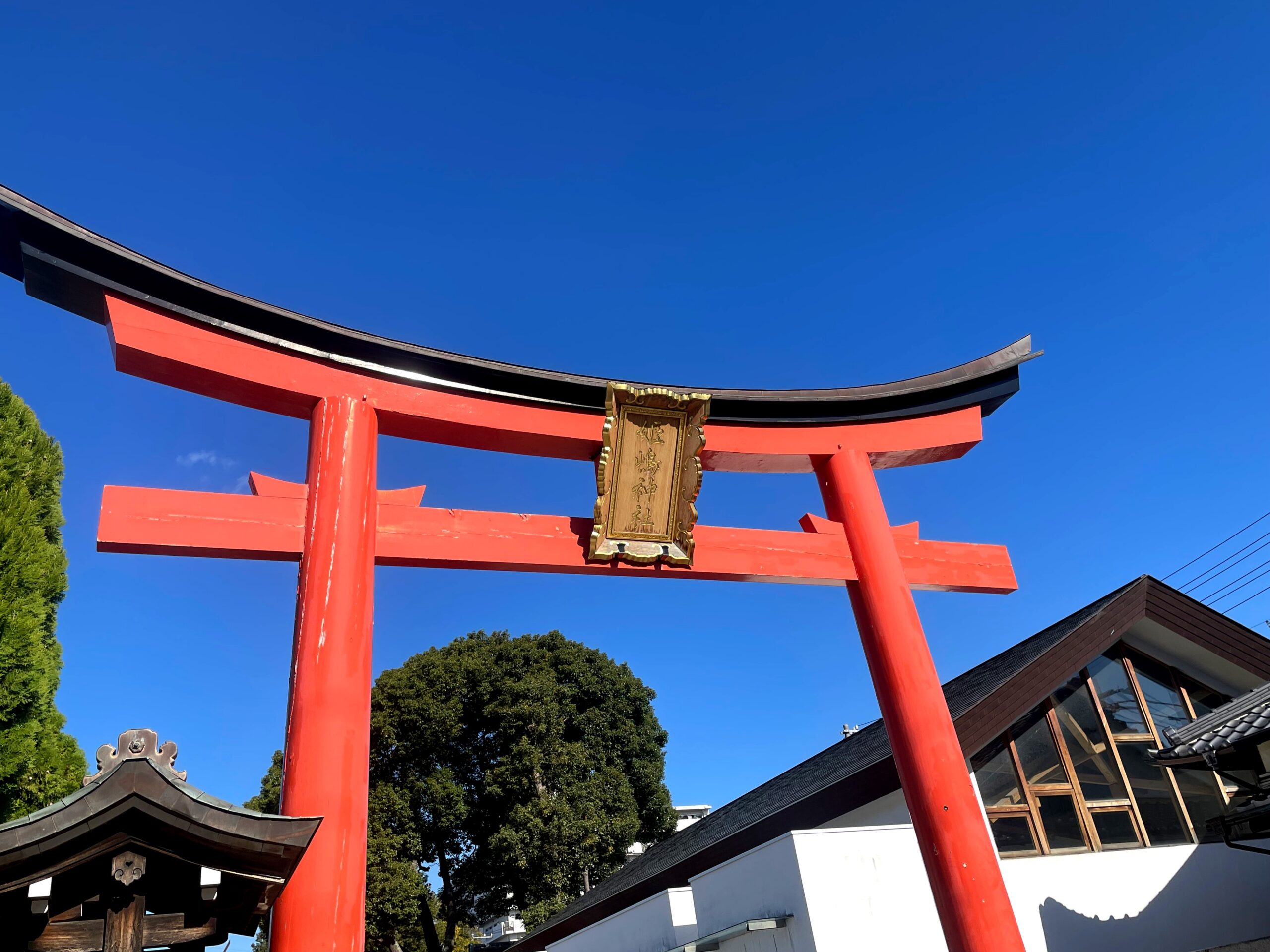
I visited during the Shichi-Go-San season of 2025.
If you are a woman facing an important decision in your life, why not pay a visit to Himejima Shrine?
I’ll have AI write a supporting article about Himejima Shrine. The photos will be my own originals.
Tucked away in the Nishiyodogawa ward of Osaka, far from the neon glow of Dotonbori and the tourist crowds of Osaka Castle, sits a modest shrine with an unusually powerful reputation. Himejima Shrine (姫嶋神社, Himejima Jinja) has earned a nickname that resonates deeply with anyone who has ever wanted a second chance: the “yarinaoshi jinja” (やりなおし神社), or the “Starting-Over Shrine.” People come here not to pray for general good fortune, but for something far more personal—the courage to begin again.
Whether you are an English-speaking visitor curious about Japan’s living spiritual traditions or someone planning a trip to Osaka, Himejima Shrine offers a window into how Shinto belief continues to evolve and meet the needs of modern people. Let’s explore its fascinating history, its specific blessings, and what to expect when you visit.
Why Is Himejima Shrine Called the “Starting-Over Shrine”?
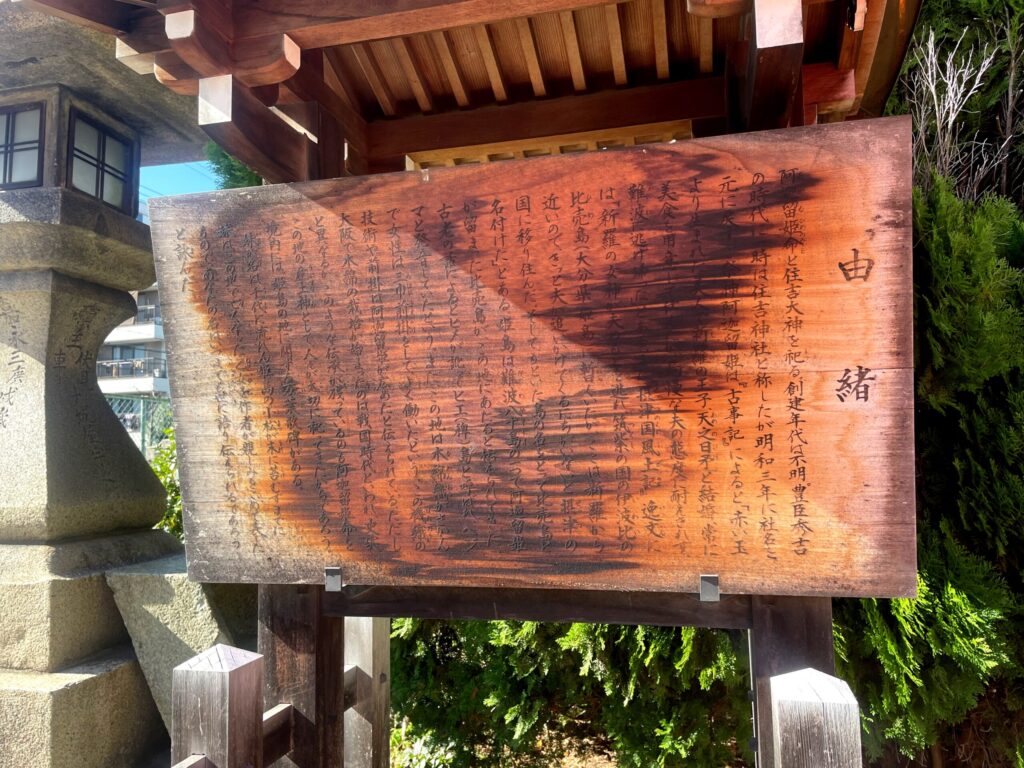
The answer lies with the shrine’s enshrined deity, a goddess named Akaru-hime-no-mikoto (阿迦留姫命). Her story appears in two of Japan’s oldest surviving texts, the Kojiki (Records of Ancient Matters, completed in 712) and the Nihon Shoki (Chronicles of Japan, completed in 720).
According to these accounts, Akaru-hime grew unhappy in her marriage. Rather than simply enduring her circumstances, she made a bold decision: she left her husband, crossed the sea entirely on her own initiative, and built a new life in an unfamiliar land. In an era when such independence was almost unimaginable for a woman, her choice to abandon everything and rebuild from scratch made her a striking symbol of renewal.
That single act of self-determination is precisely why visitors flock here today. People standing at major crossroads in life—changing careers, recovering from divorce, launching a business, retaking a failed entrance exam—come to renew their resolve at the feet of a goddess who literally started her life over.
The Legend of Akaru-hime’s Sea Crossing
Tradition holds that Akaru-hime traveled from Silla, an ancient kingdom on the Korean peninsula, and settled in the Naniwa region (old Osaka) at a place called Himegoso (比売碁曾). The very name of the surrounding district, Himejima, is believed to derive from this goddess. It is a small but telling detail: ancient communities saw in a woman who crossed the sea seeking a new home a lasting emblem of rebirth, and they wrote her name into the land itself.
What Are the Blessings of Himejima Shrine?
The blessings, or goriyaku (ご利益), at Himejima Shrine center almost entirely on the theme of starting fresh. While many shrines specialize in broad categories like academic success or safe childbirth, this one carved out a niche that feels remarkably attuned to contemporary anxieties. The shrine is considered particularly suited to wishes such as:
- Career changes, successful job transfers, and re-employment
- Restarting relationships or rebuilding human connections
- A second attempt at entrance exams or professional certifications
- Launching a startup or new business venture
- Personal transformation and becoming a new version of yourself
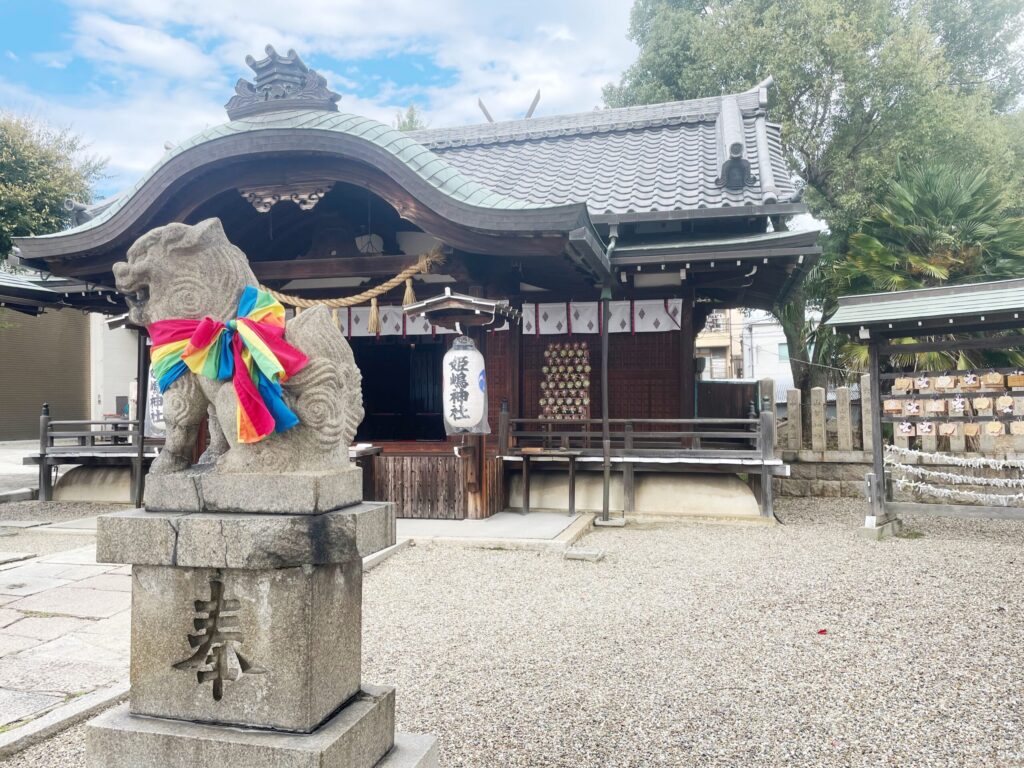
When you walk through the grounds, the ema (絵馬, small wooden prayer plaques) rack tells the real story. Plaque after plaque carries forward-looking declarations like “I’m reapplying to my first-choice school” and “I’ll do my best at my new workplace.” There is something quietly moving about reading these handwritten vows—even a casual visitor often leaves feeling a little braver about their own decisions.
The “Stone of Beginnings” and Other Unique Features
Among the grounds’ distinctive landmarks is the Hajimari no Hi (はじまりの碑), or “Stone of Beginnings,” a monument that has become a popular spot for praying before taking a new first step. Nearby stands the maigo shirase ishihyō (迷子しらせ石標), a traditional “lost-child notice stone” once used to reunite separated people—reinterpreted here as a symbol of connecting human bonds.
The shrine has also embraced its younger, photo-conscious visitors. Charming heart-shaped amulets and Instagram-friendly omamori (お守り, protective charms) have helped Himejima Shrine build a following among people in their twenties and thirties, a demographic many older shrines struggle to reach.
What Is the Monthly “Yarinaoshi Prayer” on the 1st?
Himejima Shrine’s signature ritual is the yarinaoshi kitō (やりなおし祈祷), or “Starting-Over Prayer,” held on the first day of every month. The symbolism is deliberate: the beginning of a new month becomes a natural moment to wipe the slate clean and recommit to a goal. On these days the grounds fill with worshippers seeking a fresh start.
Here is where the shrine showed genuine adaptability. During the COVID-19 pandemic, countless people who wanted to attend the monthly prayer found themselves unable to travel. In response, the priesthood began accepting special prayers by mail. It was a warm, practical gesture—essentially saying, “Even for those who want to come but cannot, there should still be a doorway to starting over.” If you live far away or face circumstances that make a visit difficult, you can apply for a mail-in prayer through the shrine’s official website.
A Poem Said to Inspire Japan’s National Anthem
Here is a piece of trivia that surprises even many Japanese visitors. A waka poem (和歌, classical Japanese verse) preserved at Himejima Shrine is said to be one of the models for “Kimigayo” (君が代), Japan’s national anthem. Whether one treats this as firm history or cherished local lore, it underscores just how deep the shrine’s roots run—and how long it has been collecting the prayers of ordinary people.
How to Get to Himejima Shrine and Tips for Visiting
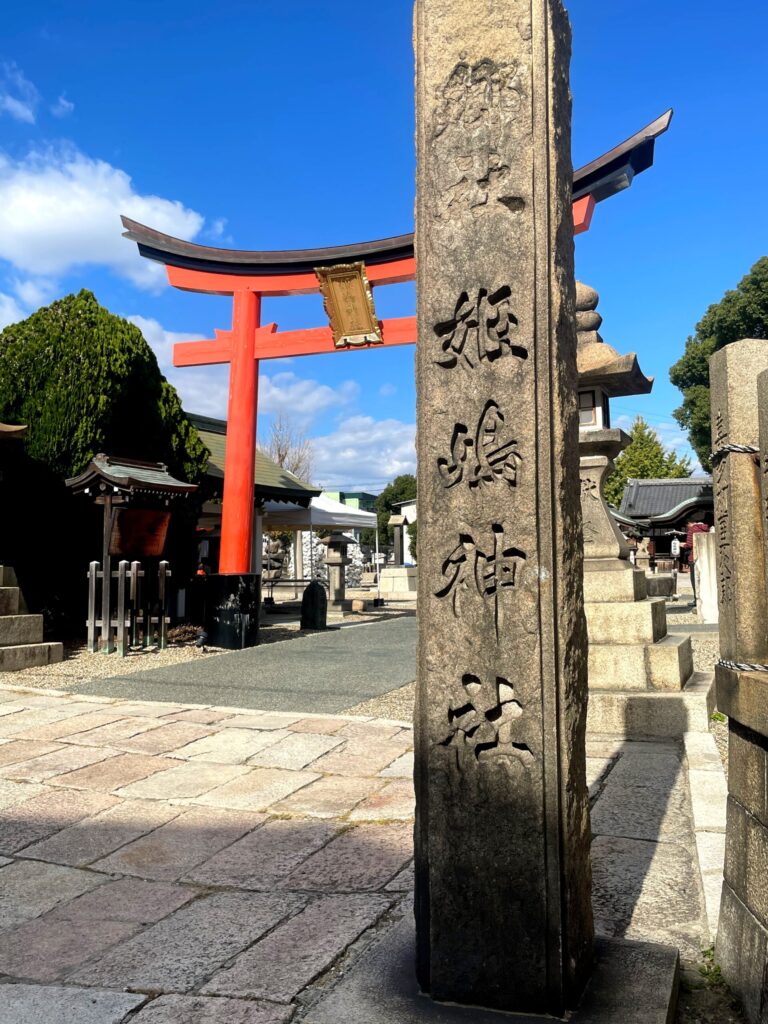
One of the shrine’s practical charms is how easy it is to reach. Himejima Shrine sits just a five-minute walk from Himejima Station on the Hanshin Electric Railway, making it accessible enough that you could decide to visit on a whim from central Osaka.
- Location: Himejima, Nishiyodogawa-ku, Osaka City
- Nearest station: About a 5-minute walk from Himejima Station (Hanshin Electric Railway)
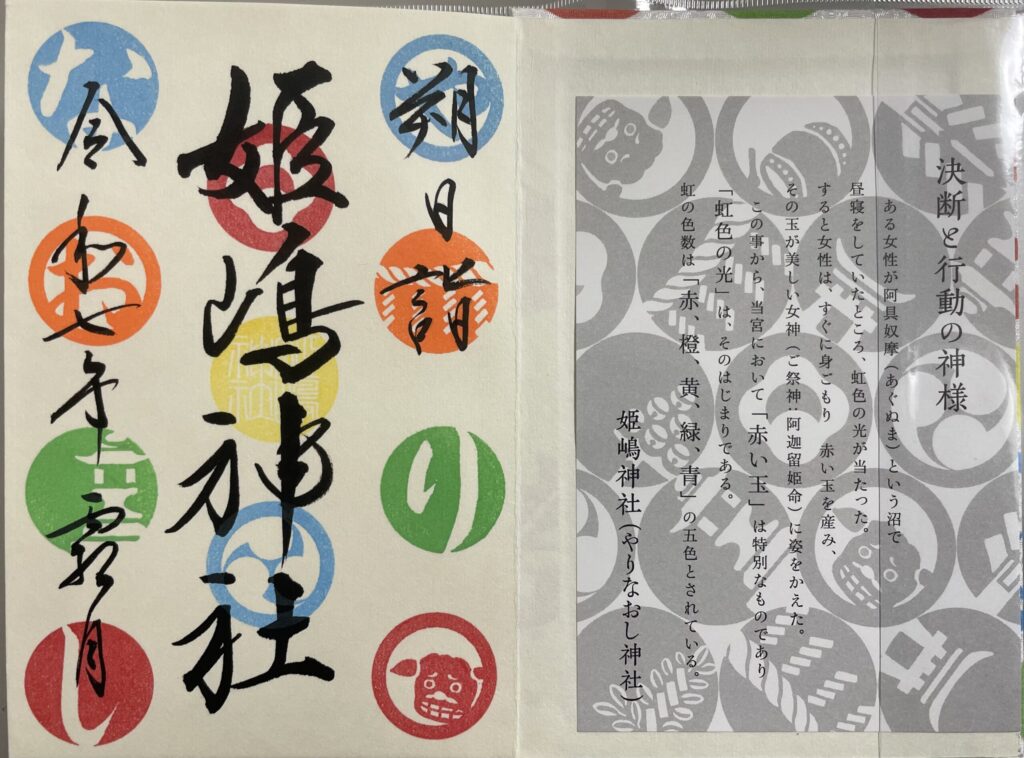
- Goshuin (御朱印, shrine seal stamp): Availability of paper seals and stamp books varies by season—for example, certain offerings have begun from January 4th in the past—so check in advance
For the calmest experience, weekday mornings are your best bet. The first of each month and the first three days of the New Year (a peak shrine-visiting period in Japan) draw large crowds, so anyone hoping to explore the grounds at a leisurely pace should plan around those dates.
Frequently Asked Questions
- Q: Why is Himejima Shrine called the “Starting-Over Shrine”?
- A: Because its main deity, Akaru-hime-no-mikoto, is said to have left her husband, crossed the sea, and rebuilt her life in a new land. This story of personal renewal led people to embrace the shrine as a place for praying about fresh starts and second chances.
- Q: Can I receive a prayer from far away?
- A: Yes. Prompted by the COVID-19 pandemic, the shrine began accepting special prayers by mail. You can apply through the official website, which makes the ritual available even to those who cannot visit in person.
- Q: What kinds of wishes is the shrine suited for?
- A: It is considered especially fitting for wishes tied to “starting over” or “a new first step”—career changes, re-employment, retaking exams, restarting relationships, and launching new businesses.
- Q: Can I get a goshuin (shrine seal) at any time?
- A: It depends on the season. Paper seals and stamp books may only be offered from specific dates, so checking the official website for the latest information before visiting is the safest approach.
- Q: How do I get there?
- A: It’s about a five-minute walk from Himejima Station on the Hanshin Electric Railway, with easy access from central Osaka.
Conclusion
Himejima Shrine is far more than a quiet neighborhood sanctuary. Rooted in the sea-crossing legend of the goddess Akaru-hime, it has become a place that gently encourages anyone standing at a turning point to take that difficult next step. The monthly “Starting-Over Prayer” and the mail-in prayer service reveal a tradition that listens to modern needs rather than retreating from them.
If you are feeling the pull to begin again—whether in your work, your relationships, or simply your sense of self—Himejima Shrine is well worth the short journey from central Osaka. Reading those rows of hopeful prayer plaques, standing before the Stone of Beginnings, you may find exactly what so many visitors describe: the quiet courage to face forward once more.
References
Postscript
At Himejima Shrine, I came across an especially charming goshuin-cho (stamp book) for sale and couldn’t resist buying one.
I also learned about the tsuitachi-mairi — a monthly visit on the first of each month — and returned on a separate day to receive the limited-edition goshuin (red seal stamp).
It was my first time getting off at Himejima Station, but there was a city bus stop right in front of the shrine, which was very convenient. On the way home, I took the bus to Hankyu Juso and headed back without going through central Osaka.
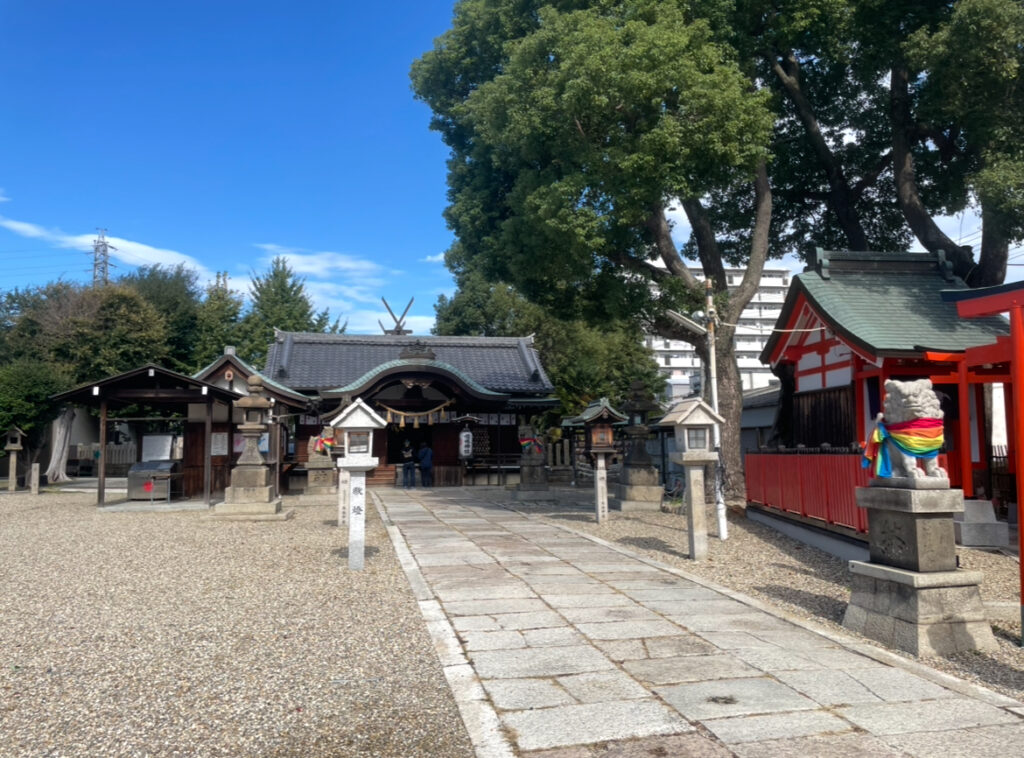
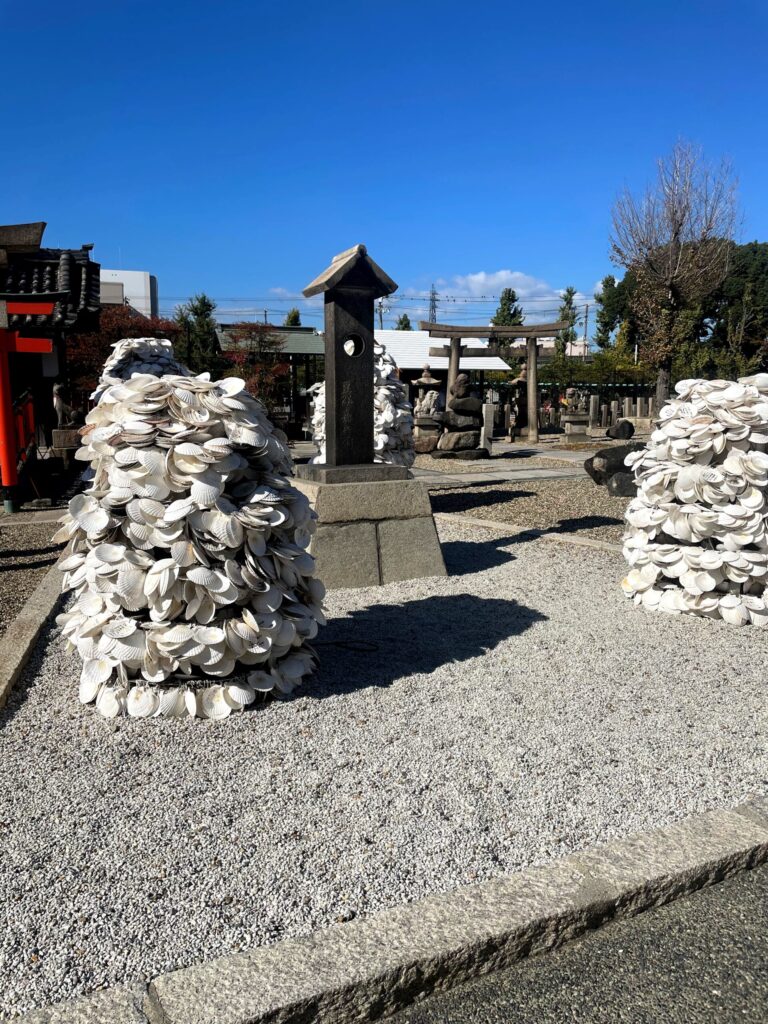
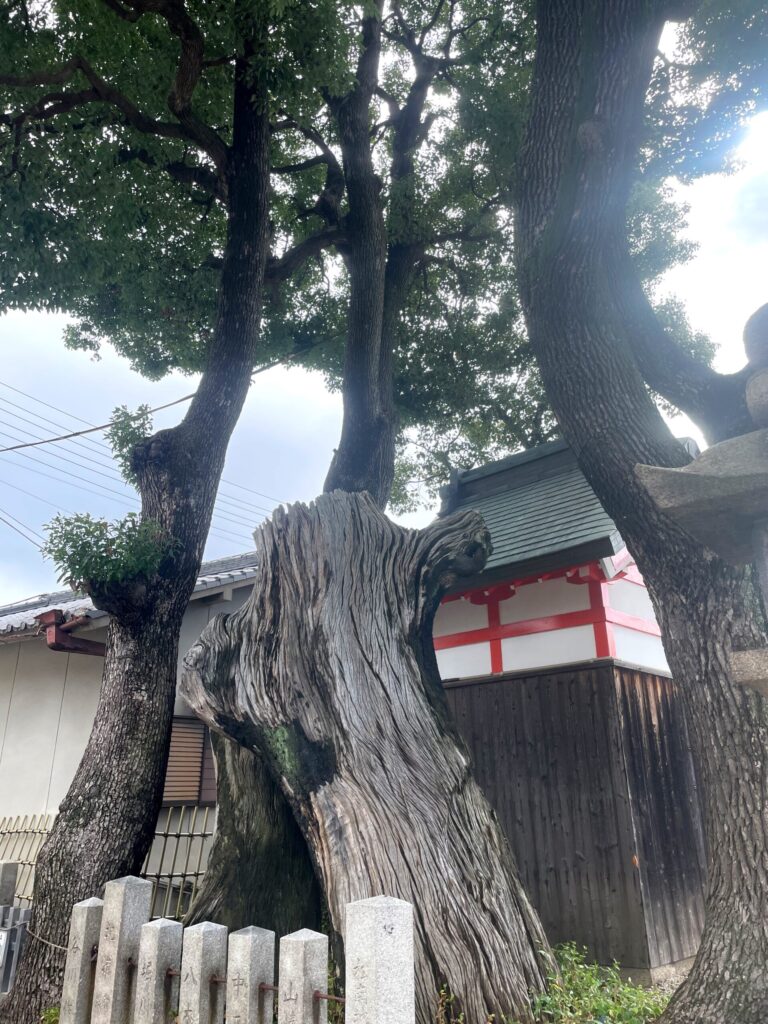
The shrine has the feel of a small neighborhood sanctuary nestled in the city, and a steady stream of local families were arriving for their Shichi-Go-San visits.

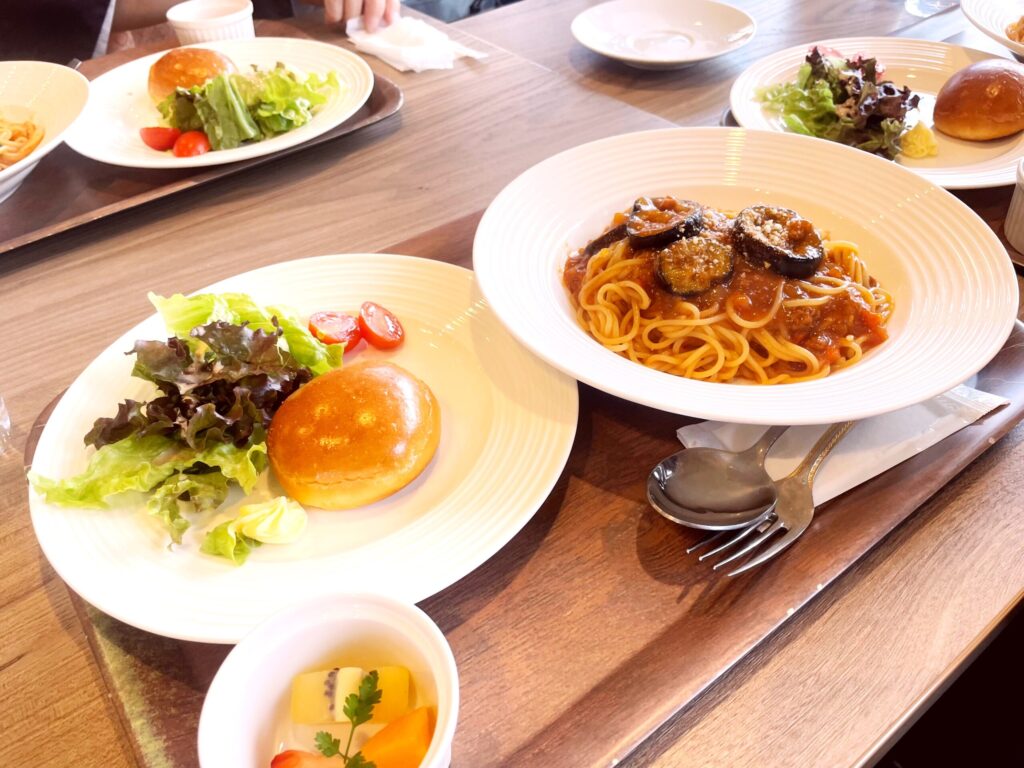
I had lunch at a café (and cake shop) located under the train tracks near the station.
The menu was not extensive, but the café itself was quite spacious, making for a relaxed and unhurried visit.