It was kimono that first sparked my renewed appreciation for Japanese culture. From there, I discovered senbu (fan dancing), hoping to make use of a fan in performance, and that eventually led me to kenbu. Here, with the help of AI (Claude), I’ve put together some of the basics.
If you’ve ever watched a performer slowly draw a gleaming blade while a deep, melodic voice chants ancient verse, you’ve witnessed kenbu (剣舞), the Japanese sword dance. This refined art belongs to a larger world known as ginkenshibudo (吟剣詩舞道), a tradition that fuses poetry recitation, swordsmanship, and graceful movement. In this guide, we’ll explore the main schools and styles of kenbu, the organizations that keep it alive, and how curious beginners—including those outside Japan—can take their first steps into this captivating discipline.
What Is Kenbu and Where Does It Fit in Ginkenshibudo?
Kenbu is a performance art in which the dancer wields a sword or folding fan and moves in time with the recitation of Chinese-style poems (kanshi) and Japanese waka verse. Many people have heard of shigin (詩吟)—the resonant chanting of classical poetry—but fewer realize that adding choreographed movement to that chanting is precisely what creates kenbu and its sister art, shibu.
The umbrella term ginkenshibudo brings together three distinct disciplines:
- Ginei (吟詠): the powerful, drawn-out chanting of poetry, commonly called shigin.
- Kenbu (剣舞): dancing with a sword or fan in bold, dignified motions.
- Shibu (詩舞): a fan-based dance, performed without a sword, prized for its elegance.
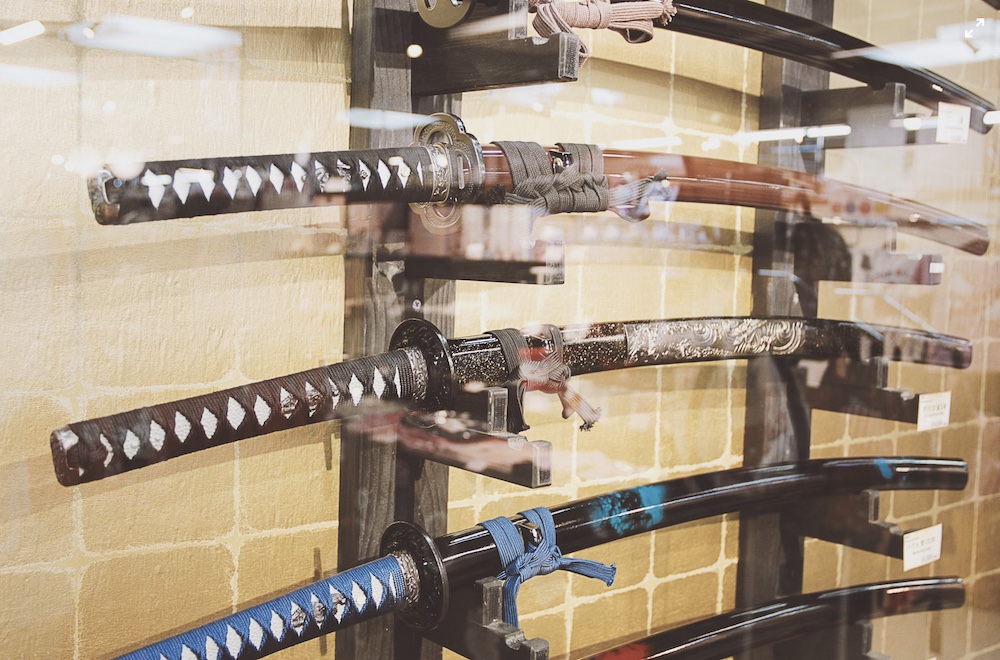
Watch a practice session up close and you’ll notice that performers rarely use live blades. Instead, they handle a mogito (模擬刀), a blunt practice sword similar to those used in iaido. The tension in each draw and re-sheathing of the blade is palpable. What sets kenbu apart from theatrical arts like Noh or Kabuki is its core purpose: expressing the meaning of a poem through the body itself.
What Styles and Schools of Kenbu Exist?
Japan is home to a surprising number of kenbu schools—when you count both major and minor lineages, the total is said to exceed one hundred. Each carries its own choreographic flavor. Here are some of the representative traditions.
Shinto-ryu (神刀流)
One of the oldest and most widely recognized kenbu schools, Shinto-ryu traces its roots to the Meiji era (1868–1912), a period when the modern form of sword dance crystallized. Practitioners are known for valiant, narrative-driven performances that almost tell a story through movement alone.
Schools Affiliated with the Sword-and-Poem Dance Network
Names such as Seiha, Nihon, and Bigin-ryu represent just a handful of the many lineages within Japan’s broader kenshibu community. The fascinating part is how each school develops its own subtle differences—the precise angle of a fan, the rhythm of footwork, the timing of a turn. Longtime members often say you can identify a dancer’s school simply by how they handle the fan.
Shibu-Centered Schools
Some lineages developed primarily around shibu, the fan dance, and these tend to attract a higher proportion of women. Without a sword in hand, the expressive nuance of the fan takes center stage, making these schools especially appealing to those drawn to graceful, flowing movement.
If you’re unsure which school suits you, consider these points:
- Are you more drawn to the boldness of kenbu or the elegance of shibu?
- Is there a practice studio within reasonable travel distance?
- Does the school’s parent organization offer opportunities to compete in tournaments?
Which Organizations Oversee Ginkenshibudo?
The central body uniting the country’s many individual schools is the Nippon Ginkenshibu Foundation (Nichiginshin), formally the Public Interest Incorporated Foundation Nippon Ginkenshibu Shinkokai. Established in 1969 (Showa 44), it coordinates member organizations nationwide and has built up the contest and ranking systems that structure the art today.
Its annual National Ginkenshibudo Tournament is a major event where enthusiasts who have advanced through regional qualifiers gather in one place—audiences can number in the thousands. Watching competitors face off across the kenbu, shibu, and ginei categories feels like attending the grand festival of this world.
Each prefecture also maintains its own regional organization, hosting local recitals and practice exchanges. During coverage of one regional tournament, I watched a performer in their eighties step onto the stage with remarkable poise and command—a vivid reminder that this is an art one can pursue across an entire lifetime.
How Do You Get Started With Kenbu? Age and Cost
Kenbu welcomes an unusually wide range of ages, from children to seniors. In real classrooms, you’ll find elementary school students dancing alongside retirees who took up the art as a fresh pursuit after leaving the workforce. Few traditional arts span generations quite so naturally.
- Monthly fees: roughly 3,000 to 8,000 yen, depending on the school and region.
- Equipment: a practice sword, fan, and training garment are needed, though many schools lend these to beginners at first.
- Ranking system: most schools certify levels and grades (kyu and dan), giving students clear milestones to work toward.
The best way to begin is by observing a class or joining a trial lesson. Because you move your body while interpreting the meaning of a poem, your understanding of classical Chinese verse and Japanese history deepens almost as a side effect—arguably one of the most rewarding aspects of this art.
Frequently Asked Questions
- Q: What is the difference between kenbu and shibu?
- A: Kenbu uses a sword (a blunt practice blade) for bold, valiant dancing, while shibu uses no sword and centers on graceful movement with a fan. Both are performed in time with poetry recitation.
- Q: Are the swords used in kenbu real?
- A: For practice and standard performances, dancers use a blunt mogito (practice sword) without a cutting edge. Safety is carefully considered.
- Q: Can complete beginners start?
- A: Absolutely. Many schools offer beginner-friendly instruction and welcome students of all ages. Starting with a trial lesson is a comfortable way in.
- Q: How should I choose a school?
- A: Consider how easy the studio is to reach, whether you prefer kenbu or shibu, and the activities of its parent organization. Visiting in person to feel the atmosphere is the surest method.
- Q: Is kenbu a martial art or a performing art?
- A: It draws on swordsmanship traditions but is best understood as a performing art focused on expressing poetry through movement, rather than combat.
Conclusion
Kenbu forms one essential pillar of ginkenshibudo, the rich tradition uniting poetry recitation, sword dance, and fan dance. From Shinto-ryu to dozens of regional lineages, the art lives on under the stewardship of bodies like the Nippon Ginkenshibu Foundation. Whether you’re drawn to the valiant energy of the sword dance or the quiet elegance of the fan, there’s a doorway here worth stepping through. Should you find yourself in Japan, seeking out a local recital or trial lesson may offer a window into a centuries-deep conversation between poetry and the moving body.
References
Postscript
At the studio I actually attend, students range from kindergarteners to people in their 80s and 90s — men and women of all ages training together.
And watching young children wield a sword and dance is truly something else — cool and utterly adorable at the same time.
Each student works toward their own goals, dedicating themselves to practice and enjoying it for years to come.
Recently, online classes have also been launched for those who live far away. In an age where you can take trial lessons and train no matter where you are, students join from other prefectures and even from overseas.
Related Book
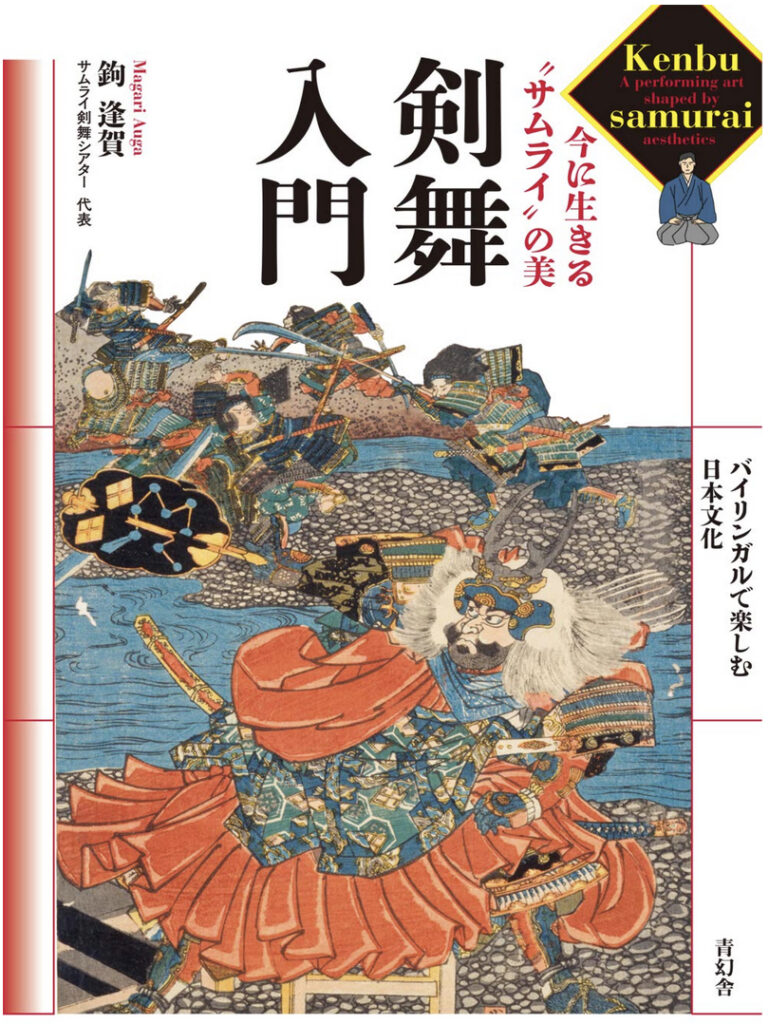
Kenbu Nyūmon: The Living Beauty of the Samurai
The first-ever introductory guide to kenbu — a traditional Japanese performing art with over one hundred schools across the country!
Written by Kōaga-shi, a female kenbu master and representative of the “Samurai Kenbu Theater” in Kyoto — a venue that ranked in the Top 10 of TripAdvisor’s “Most Popular Tourist Spots in Japan Among Foreign Visitors” for three consecutive years.
From the foundational knowledge needed to appreciate a performance, to technical explanations, and interviews with masters from across Japan — this book explores the appeal of kenbu from a wide range of perspectives, with illustrations and diagrams to make it easy to understand!