It was kimono that first sparked my renewed appreciation for Japanese culture. From there, I discovered senbu (fan dancing), hoping to make use of a fan in performance, and that eventually led me to kenbu. Here, with the help of AI (Claude), I’ve put together some of the basics.
If you’ve ever watched a performer glide across a stage, drawing a blade in slow, deliberate arcs while a deep voice chants ancient poetry, you’ve witnessed kenbu (剣舞), the Japanese sword dance. This striking traditional art pairs the recitation of classical Chinese and Japanese poetry with choreographed movements using a sword or folding fan. Once the discipline of restless samurai, kenbu has quietly enjoyed a revival in recent years, drawing everyone from energetic schoolchildren to spry practitioners in their seventies. If you’re curious about how to get started, this guide walks you through what training actually looks like, what it costs, and how to choose a school you won’t regret.
What Is Kenbu? Understanding the Japanese Sword Dance
Kenbu is performed to shigin (詩吟), the rhythmic chanting of kanshi (Chinese-style poems) and waka (classical Japanese verse). Holding either a real-style sword or a fan, the dancer interprets the meaning of each poem through movement. The art flourished during the turbulent final years of the Edo period, when the loyalist samurai known as shishi recited fiery verses about duty and mortality. By the Meiji era (1868–1912), kenbu had been reframed as a method of cultivating both body and spirit.
When watching a live performance, what tends to surprise newcomers is the contrast: a sudden, forceful cut of the blade followed by an almost meditative pause. This is precisely what separates kenbu from tate (stage sword-fighting choreography). Rather than mimicking combat, kenbu prioritizes narrative and inner expression—the dancer is telling the story embedded in the poem.
- Kenbu (剣舞) uses a sword, while shibu (詩舞) uses a folding fan
- It is almost always practiced alongside shigin poetry recitation
- It welcomes beginners regardless of age or gender
What Does Kenbu Training Actually Involve?
“Do I just start swinging a sword around?” is a common worry, and the answer is a reassuring no. Lessons begin with the unglamorous-but-essential basics: how to stand, and how to walk. The Japanese term for this measured footwork is unpo (運歩), and it forms the foundation of everything that follows.
What Beginners Learn First
For the first few months, training centers on repetition of core movements—drawing the blade (batto), sheathing it (noto), and opening and closing the fan. Some schools won’t even hand a beginner a metal blade for the first three months, instead having them memorize forms with a wooden sword (bokuto) or a fan. The reason is practical: stability through the legs and hips is everything. Neglect it, and every later movement looks shaky.
Working Together With Shigin Recitation
Because kenbu follows the melodic phrasing (fushi) of the chanted poem, understanding both the meaning and rhythm of the verse is indispensable. Classic repertoire pieces like “Kawanakajima”—depicting the famous sixteenth-century battles between warlords Takeda Shingen and Uesugi Kenshin—or “Kugatsu Jūsanya” (“The Night of the Thirteenth of the Ninth Month”) give students poetic scenes to embody. With a typical schedule of one ninety-minute lesson per week, most people can dance a full piece from start to finish after roughly six months to a year.
How Much Does It Cost to Start Kenbu?
Let’s talk realistic numbers. Costs vary by school, region, and style, but here are the general benchmarks you can expect:
- Monthly tuition: roughly ¥3,000–8,000 (for 3–4 lessons)
- Enrollment fee: roughly ¥3,000–10,000
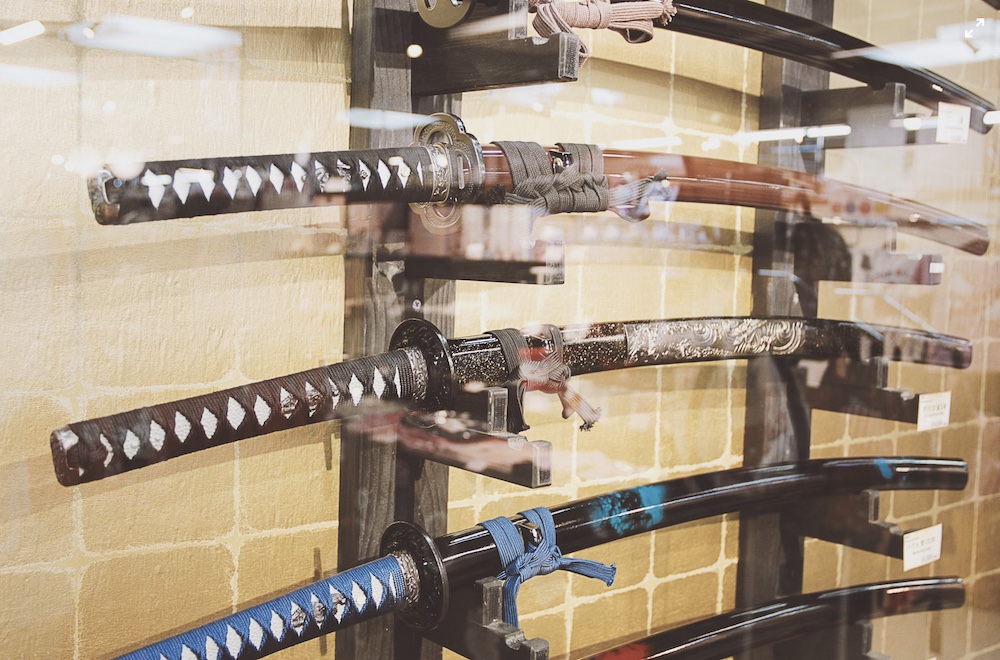
- Practice sword (iaito): ¥15,000–40,000
- Fan: ¥2,000–5,000
- Practice attire and hakama: ¥10,000–30,000 for a full set
The good news for newcomers is that many schools lend out equipment at the start, so you can begin without a large upfront outlay. Do keep in mind that recitals and ranking examinations (shōdan shinsa) usually carry separate fees. One important clarification: the “sword” beginners use is an iaito—a bladeless practice sword—not a sharpened live blade (shinken). It is extremely rare for a beginner to ever handle a real edged weapon early on.
How to Choose the Right Kenbu School or Style
Kenbu encompasses many distinct schools (ryūha), but the major governing body worth knowing is the Nippon Ginkenshibu Foundation (公益財団法人日本吟剣詩舞振興会, often abbreviated as Nichigin-shin). With affiliated organizations across Japan, it serves as a sensible first point of contact when you’re scouting for a place to train.
What to Check Before You Commit
- Accessibility: Can you realistically commute from home or work?
- Atmosphere: Observe a class or trial lesson to gauge the instructor and fellow students
- Alignment with your goals: Are you here for health and enjoyment, or seriously pursuing ranked grades?
- Cost transparency: Are fees beyond tuition clearly disclosed?
Having compared several classes myself, the biggest lesson was this: even within the same style, the teaching philosophy and overall vibe can differ dramatically depending on the individual instructor (shihan). Don’t decide based on a brochure alone—visit at least once for a trial lesson. Most schools offer these either free of charge or for a token fee of around ¥1,000.
Frequently Asked Questions
- Q: Can I start with no athletic background?
- A: Absolutely. Kenbu includes plenty of slow, controlled movements, so you can progress at your own pace. It’s genuinely common for people to take it up in their sixties and seventies, and the ability to move within your own comfortable range is part of the appeal.
- Q: Can children learn kenbu?
- A: Yes—many schools accept students from around elementary-school age. A growing number of families choose it as a lesson precisely because it instills good manners, etiquette, and concentration.
- Q: Isn’t it dangerous to use a real sword?
- A: Beginners use a bladeless practice sword (iaito), so when handled properly the risk is low. Progressing to a genuine blade only happens after you’ve thoroughly mastered the fundamentals.
- Q: Do I need to be able to do shigin recitation first?
- A: Not at all. Lessons frequently use recorded shigin to dance along to, so complete beginners to recitation are perfectly welcome. Your understanding of the poetry tends to deepen naturally over time.
Conclusion
Kenbu offers something rare: the chance to physically inhabit the world of classical poetry, channeling the spirit of samurai who once chanted these same verses. To begin well, get a feel for the flow of training, the realistic costs, and the character of different styles—then take the single most useful step of attending a trial lesson. With its modest tuition and its welcome to practitioners of every age, kenbu is the kind of pursuit you can carry through a lifetime. If you’ve been looking for a way to engage with Japanese tradition while quietly centering body and mind, this elegant sword dance may be exactly the first step worth taking.
References
- 公益財団法人日本吟剣詩舞振興会 Nippon Ginkenshibu Foundation
- 日本神道流神道館総本部 Nippon Sintoryu
- 文化庁 Agency for Cultural Affairs
Postscript
At the studio I actually attend, students range from kindergarteners to people in their 80s and 90s — men and women of all ages training together.
And watching young children wield a sword and dance is truly something else — cool and utterly adorable at the same time.
Each student works toward their own goals, dedicating themselves to practice and enjoying it for years to come.
Recently, online classes have also been launched for those who live far away. In an age where you can take trial lessons and train no matter where you are, students join from other prefectures and even from overseas.
Related Book
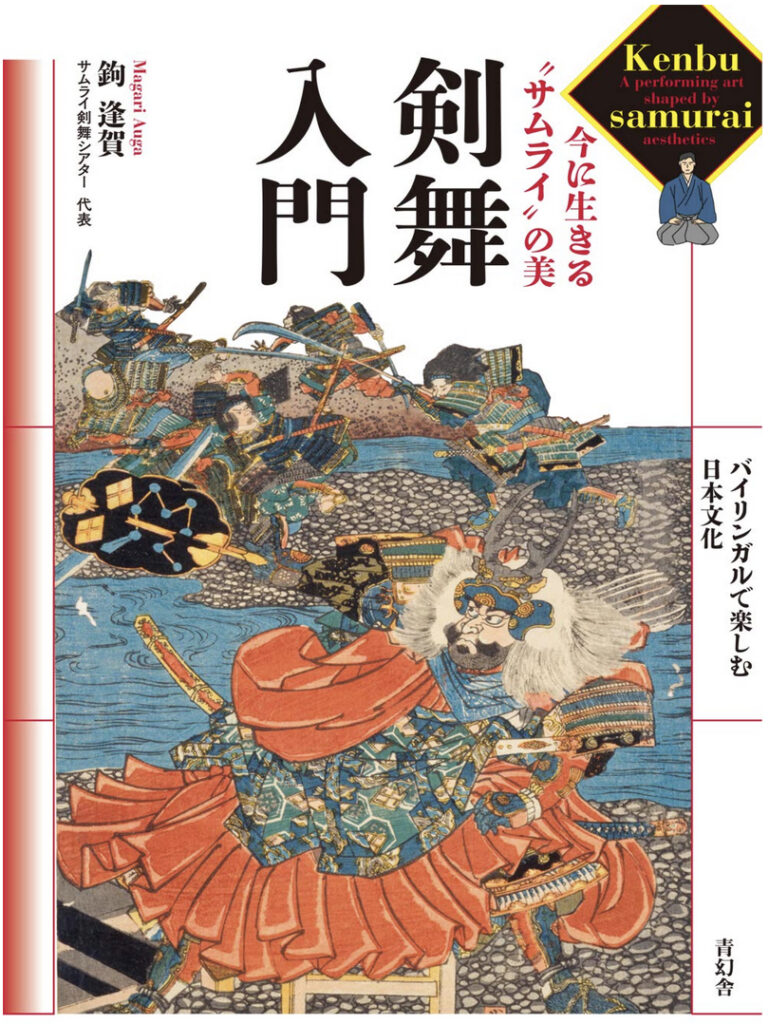
Kenbu Nyūmon: The Living Beauty of the Samurai
The first-ever introductory guide to kenbu — a traditional Japanese performing art with over one hundred schools across the country!
Written by Kōaga-shi, a female kenbu master and representative of the “Samurai Kenbu Theater” in Kyoto — a venue that ranked in the Top 10 of TripAdvisor’s “Most Popular Tourist Spots in Japan Among Foreign Visitors” for three consecutive years.
From the foundational knowledge needed to appreciate a performance, to technical explanations, and interviews with masters from across Japan — this book explores the appeal of kenbu from a wide range of perspectives, with illustrations and diagrams to make it easy to understand!