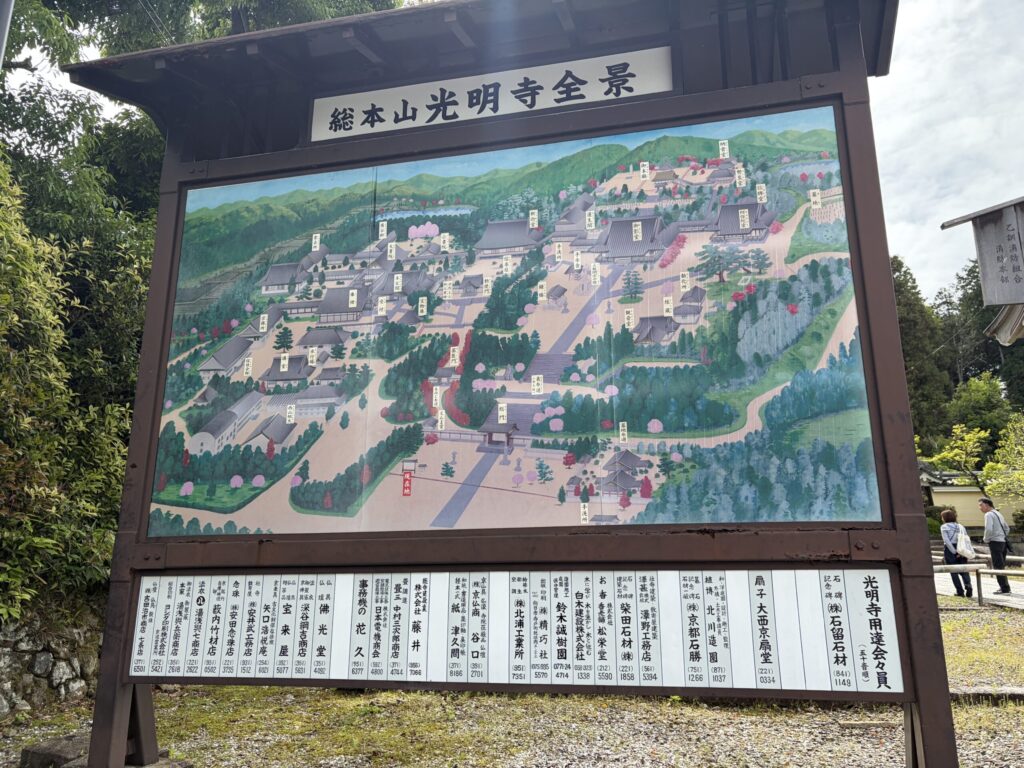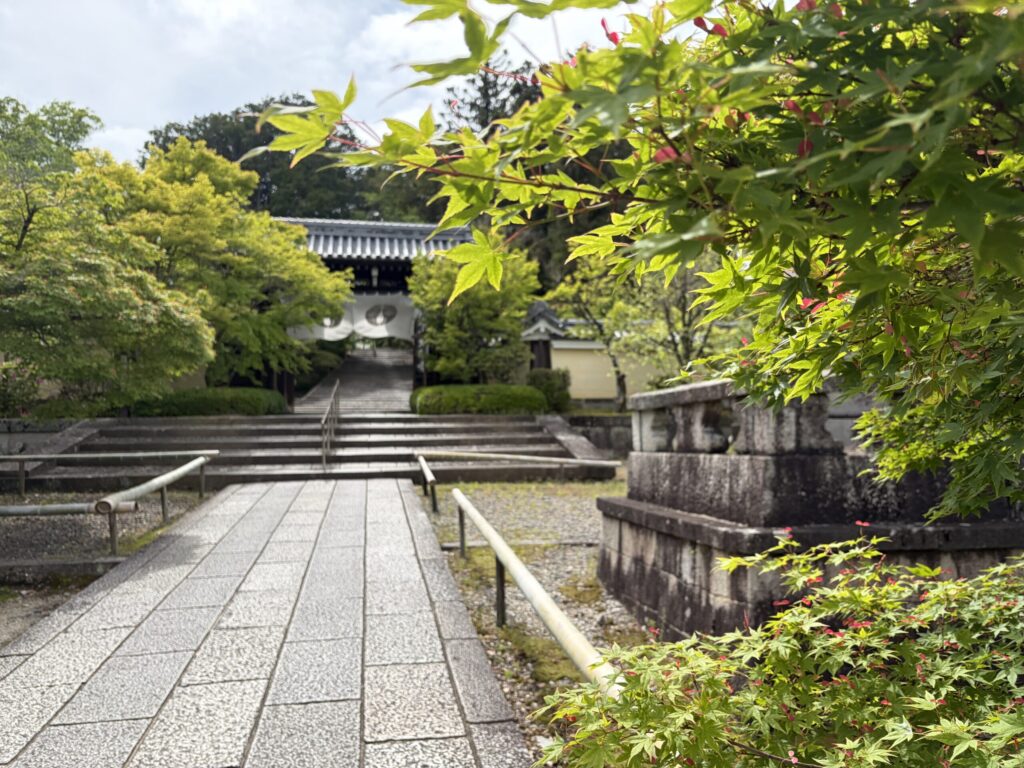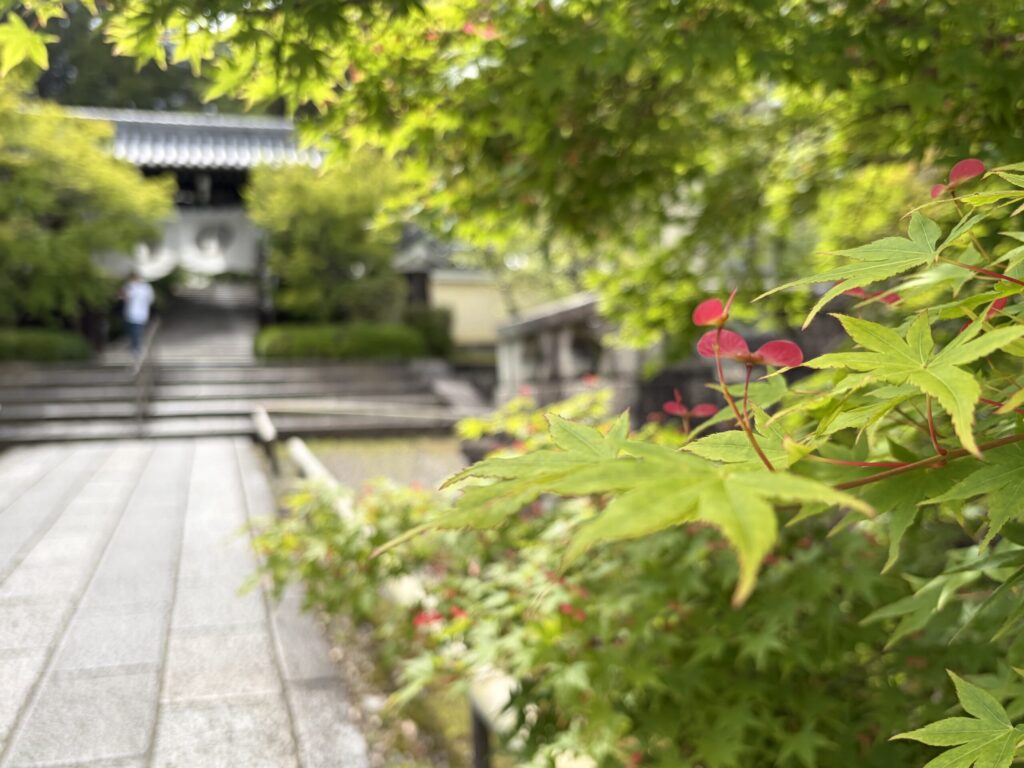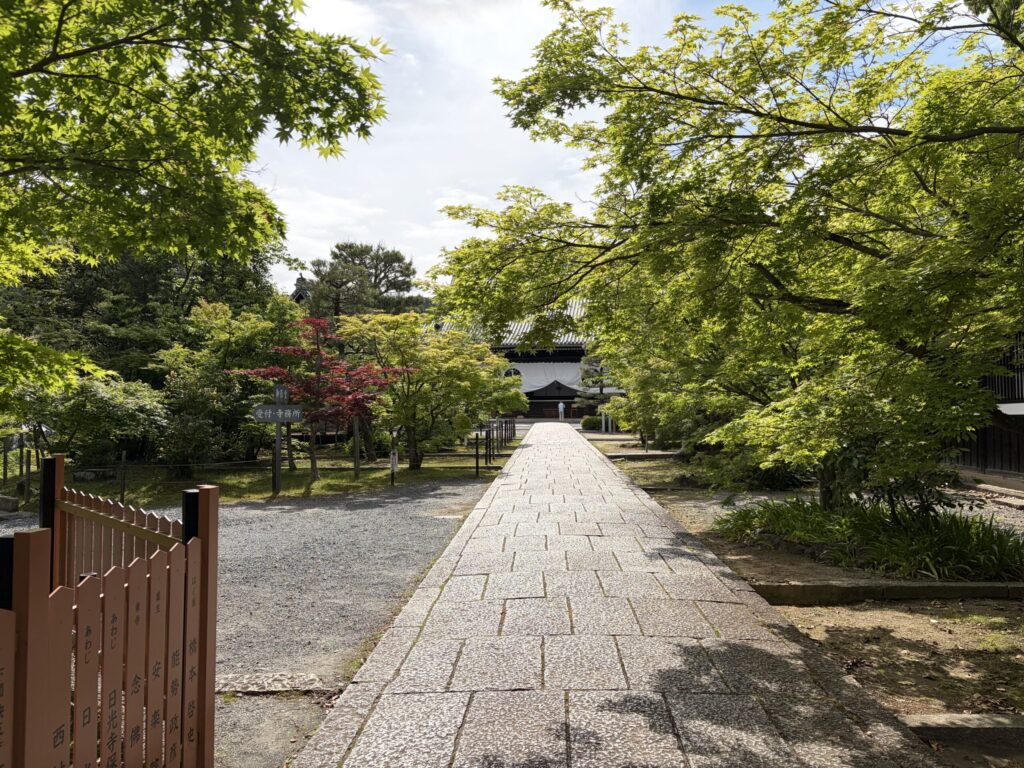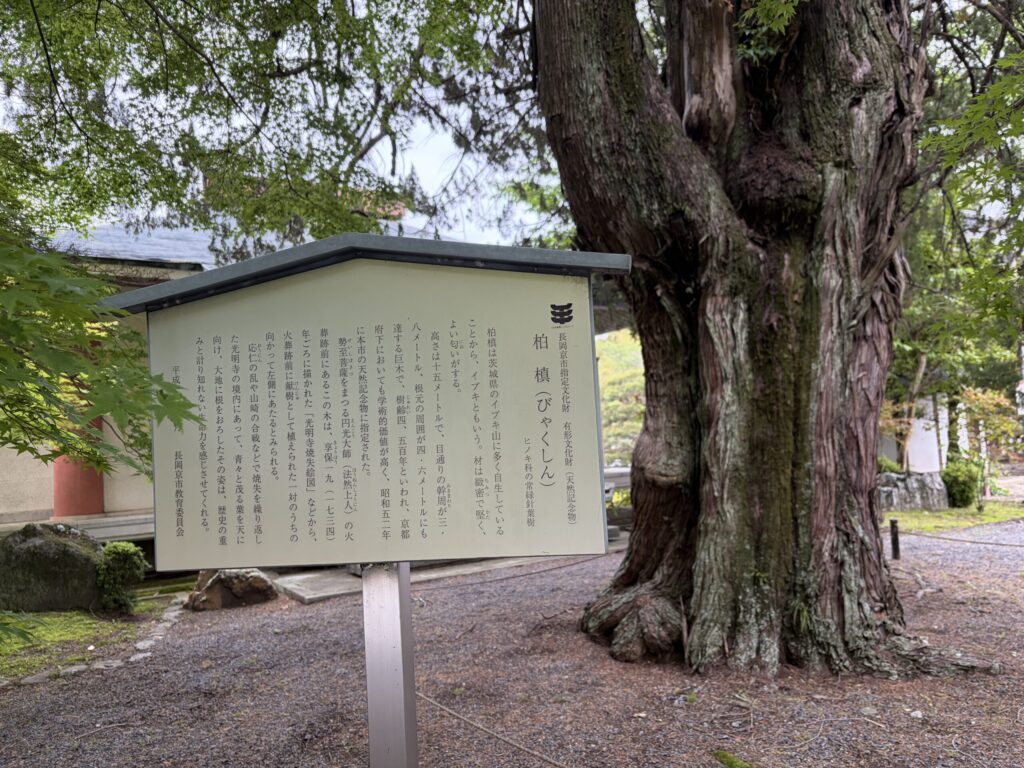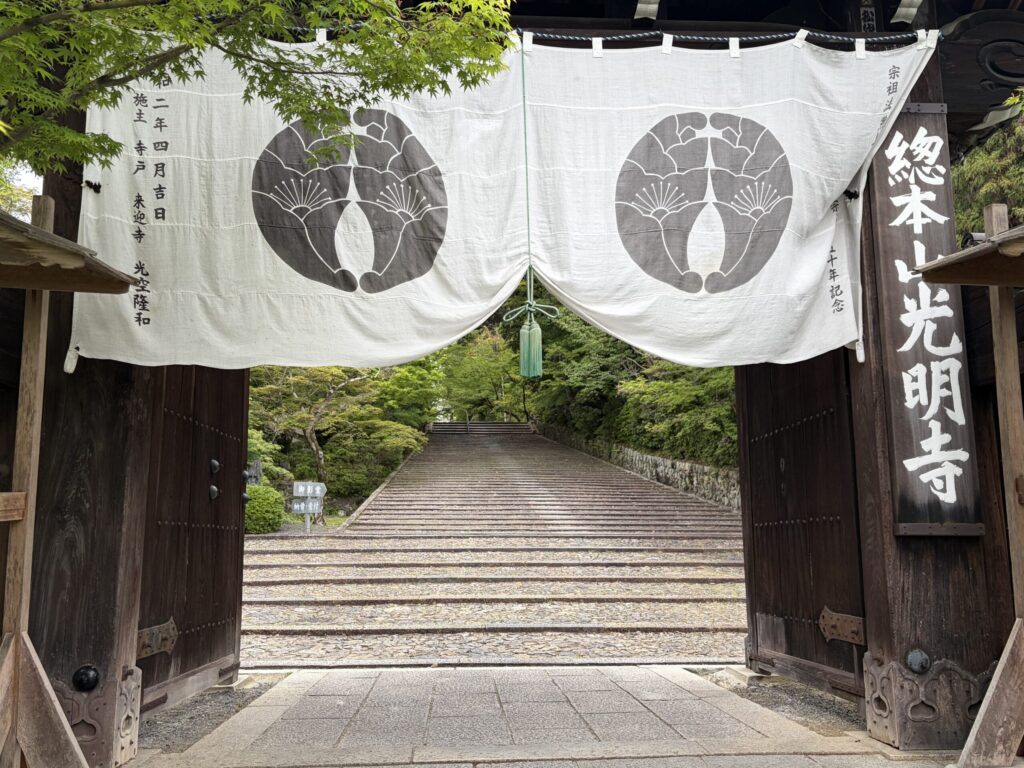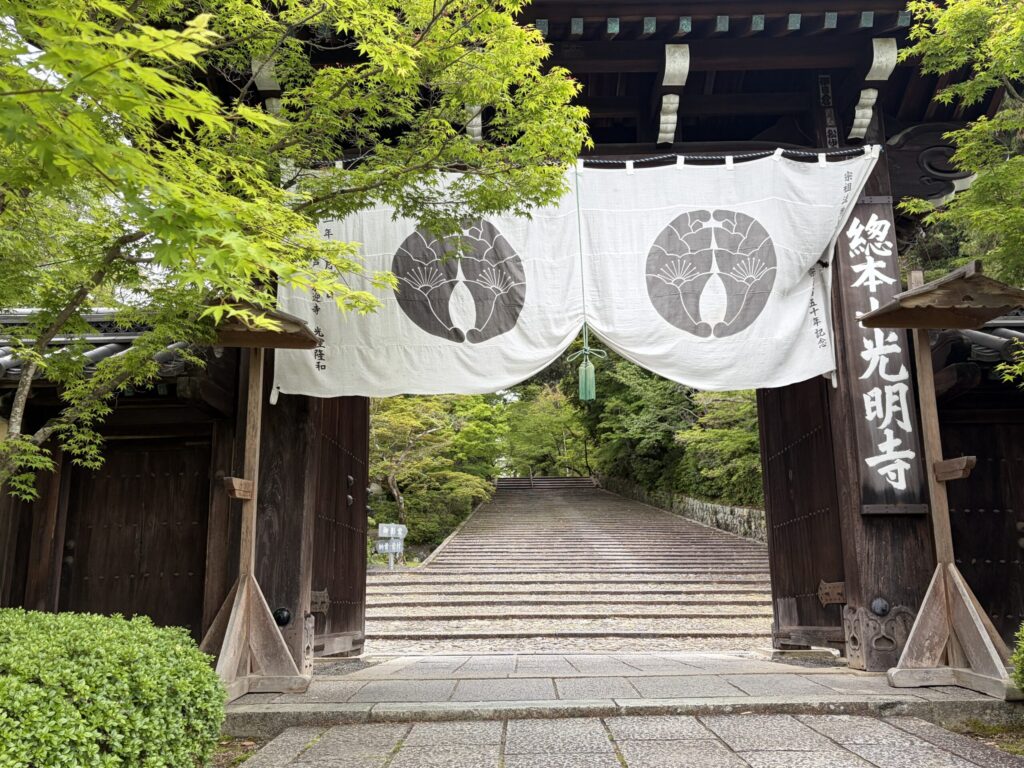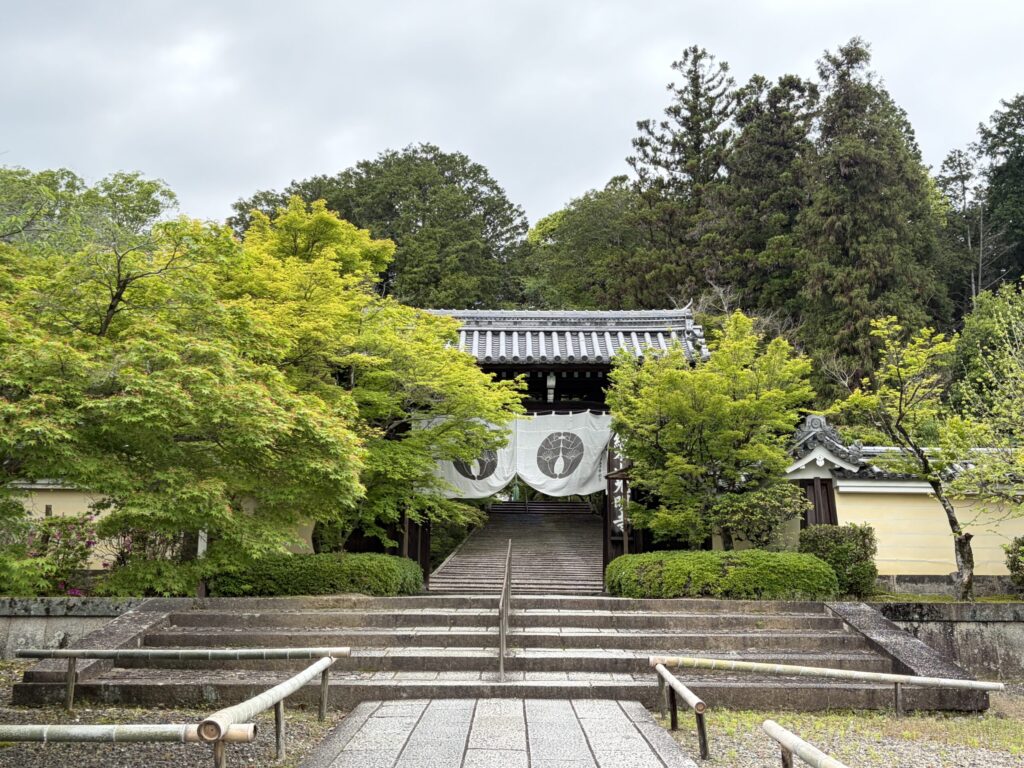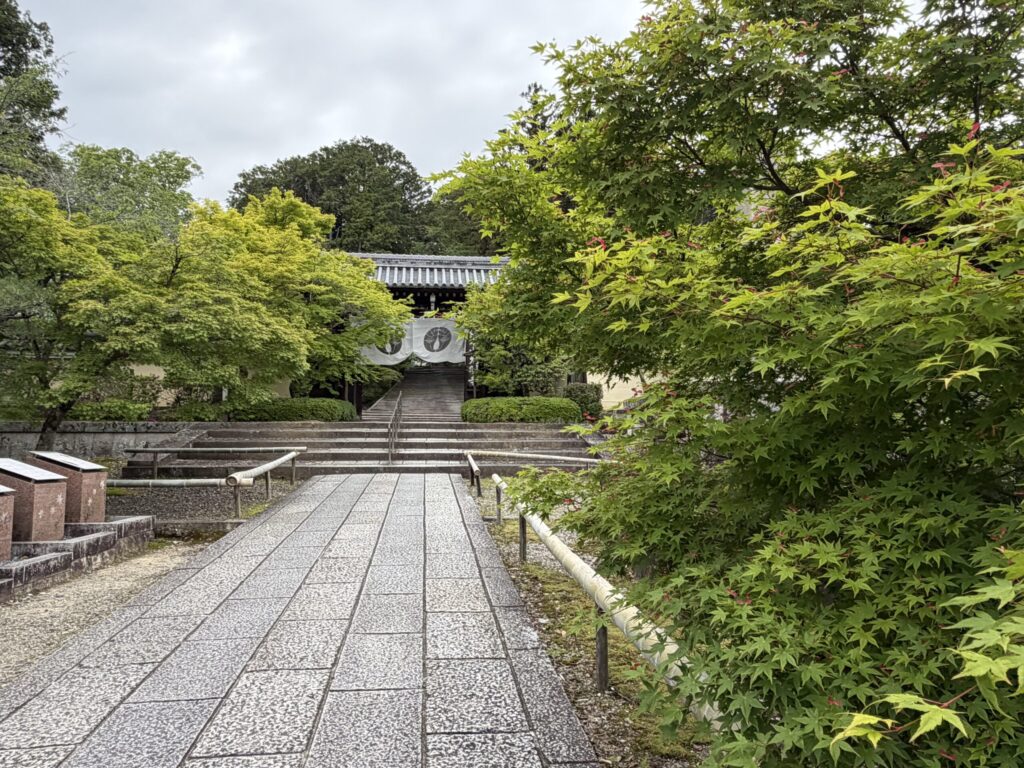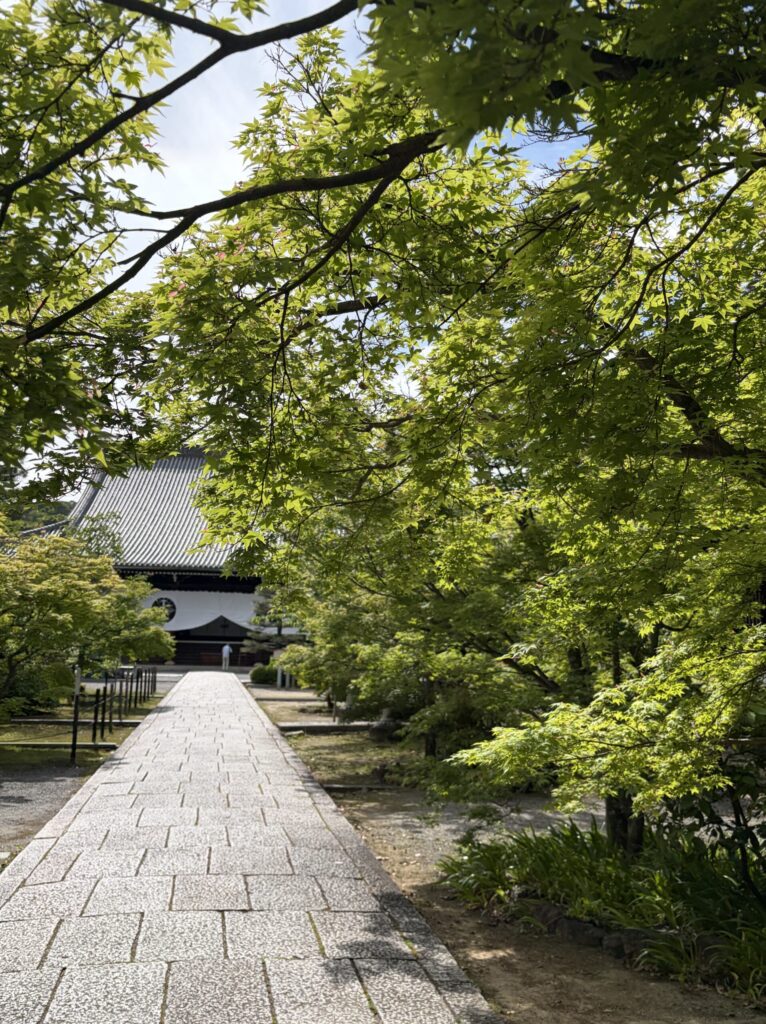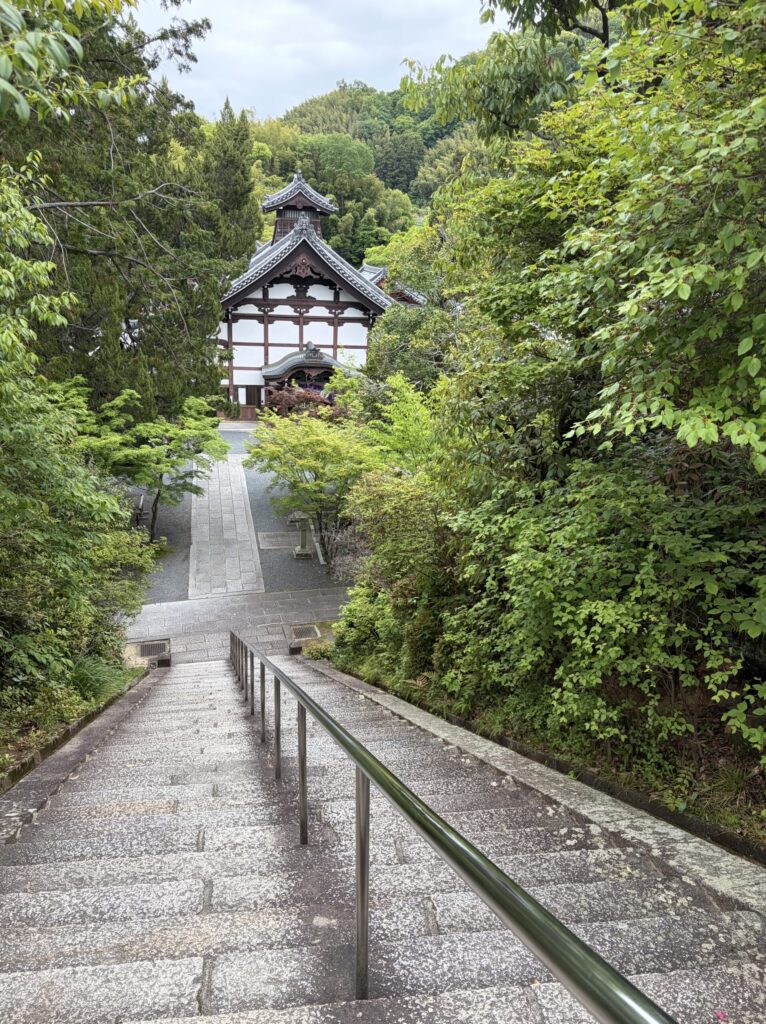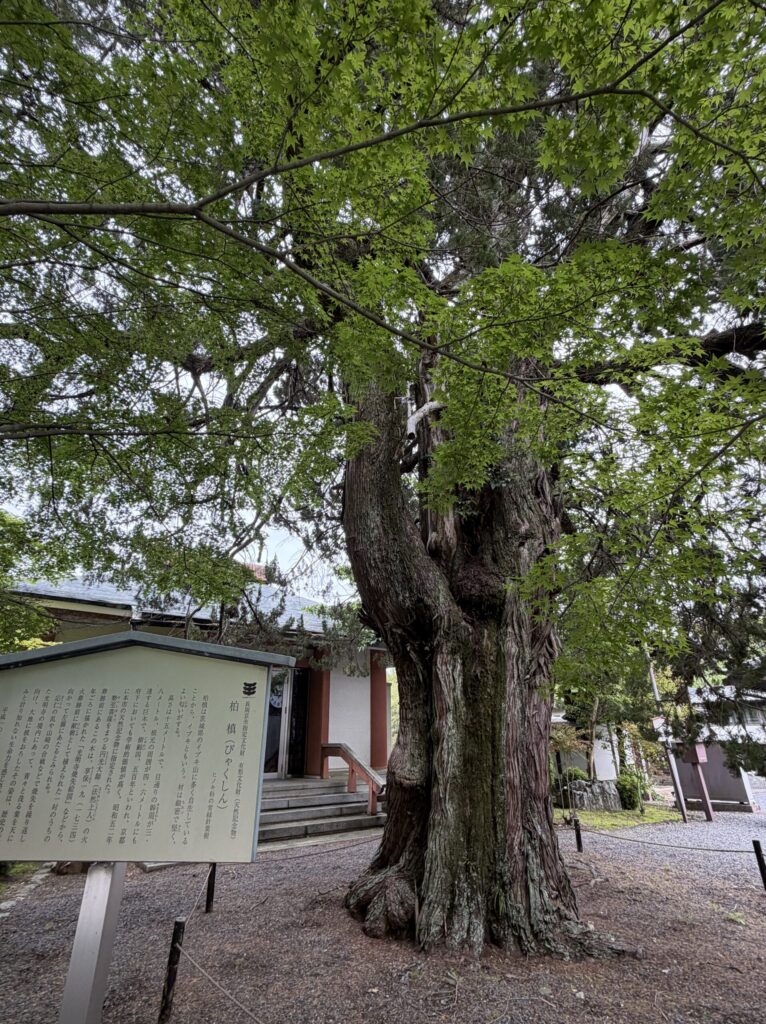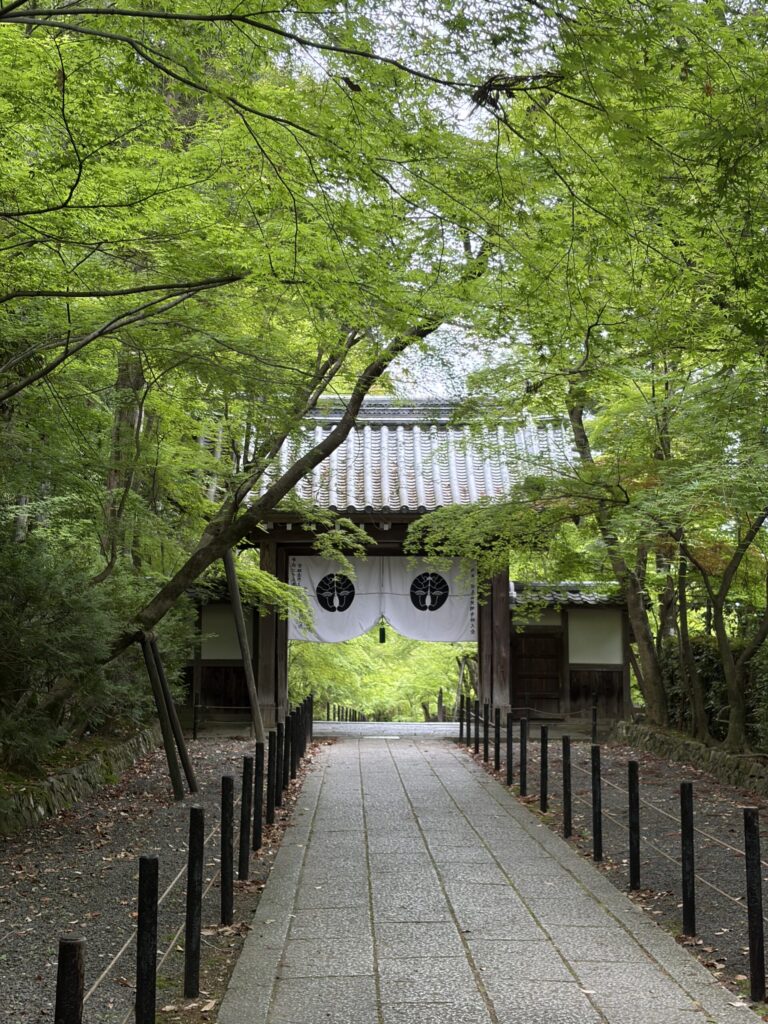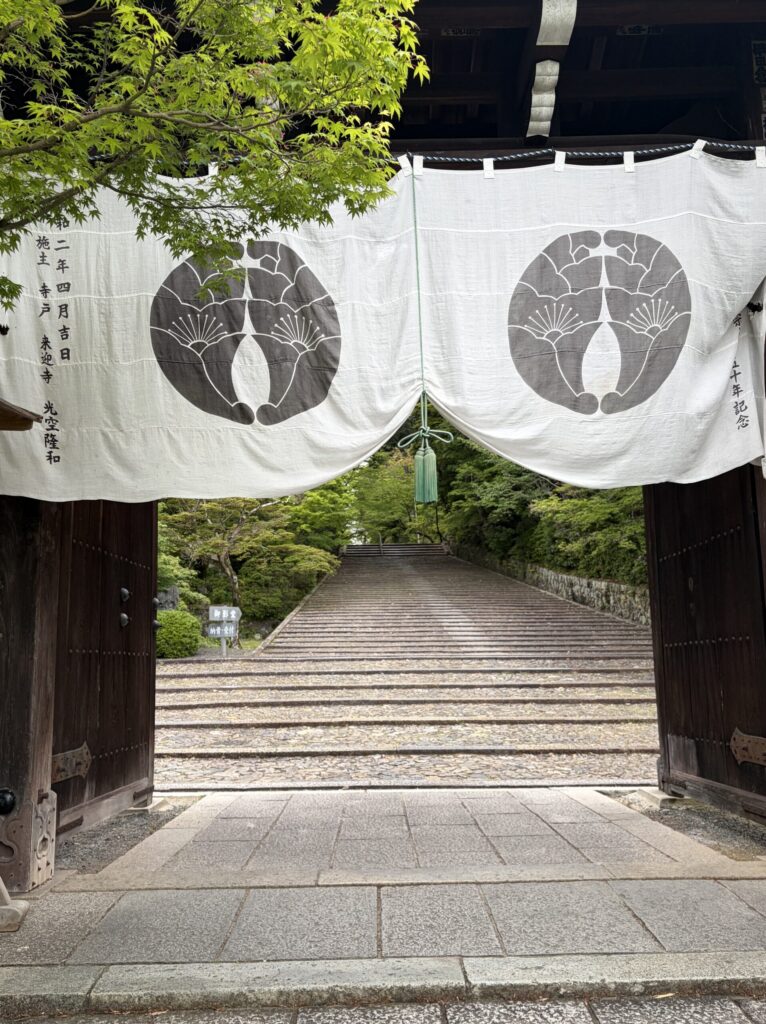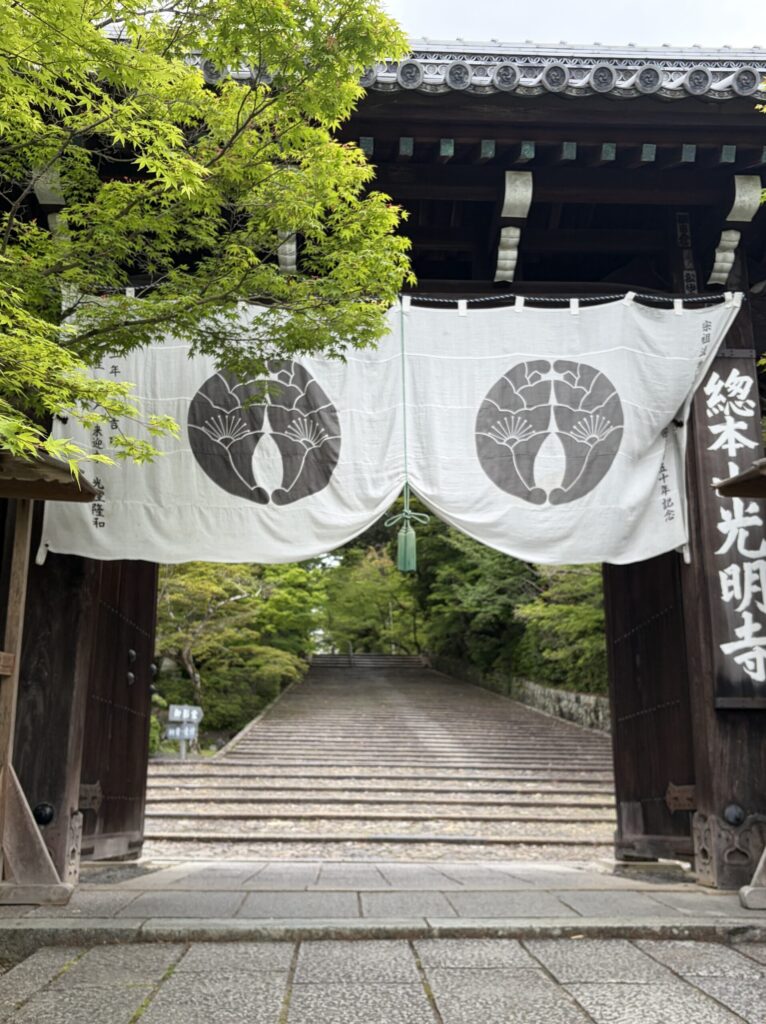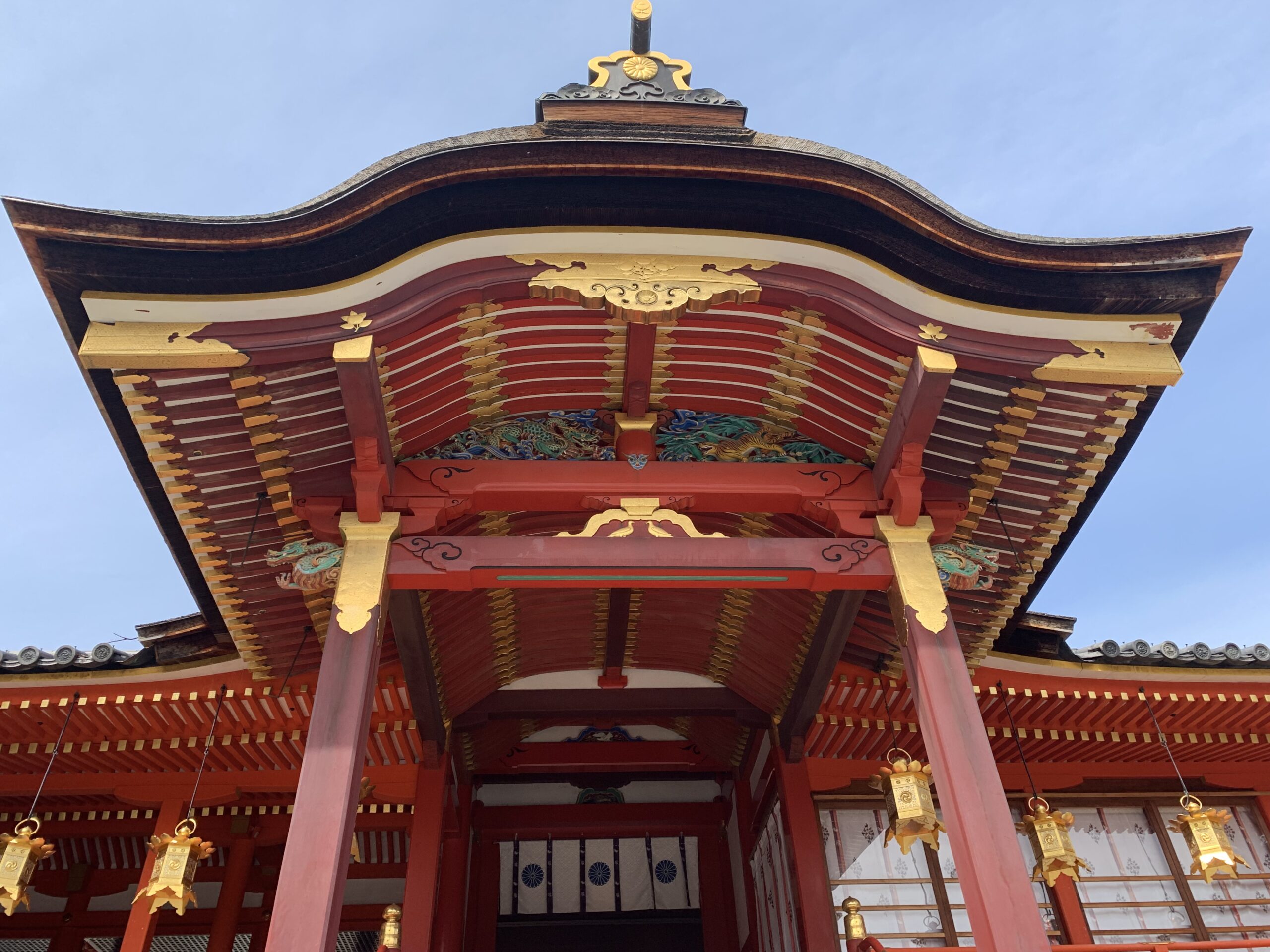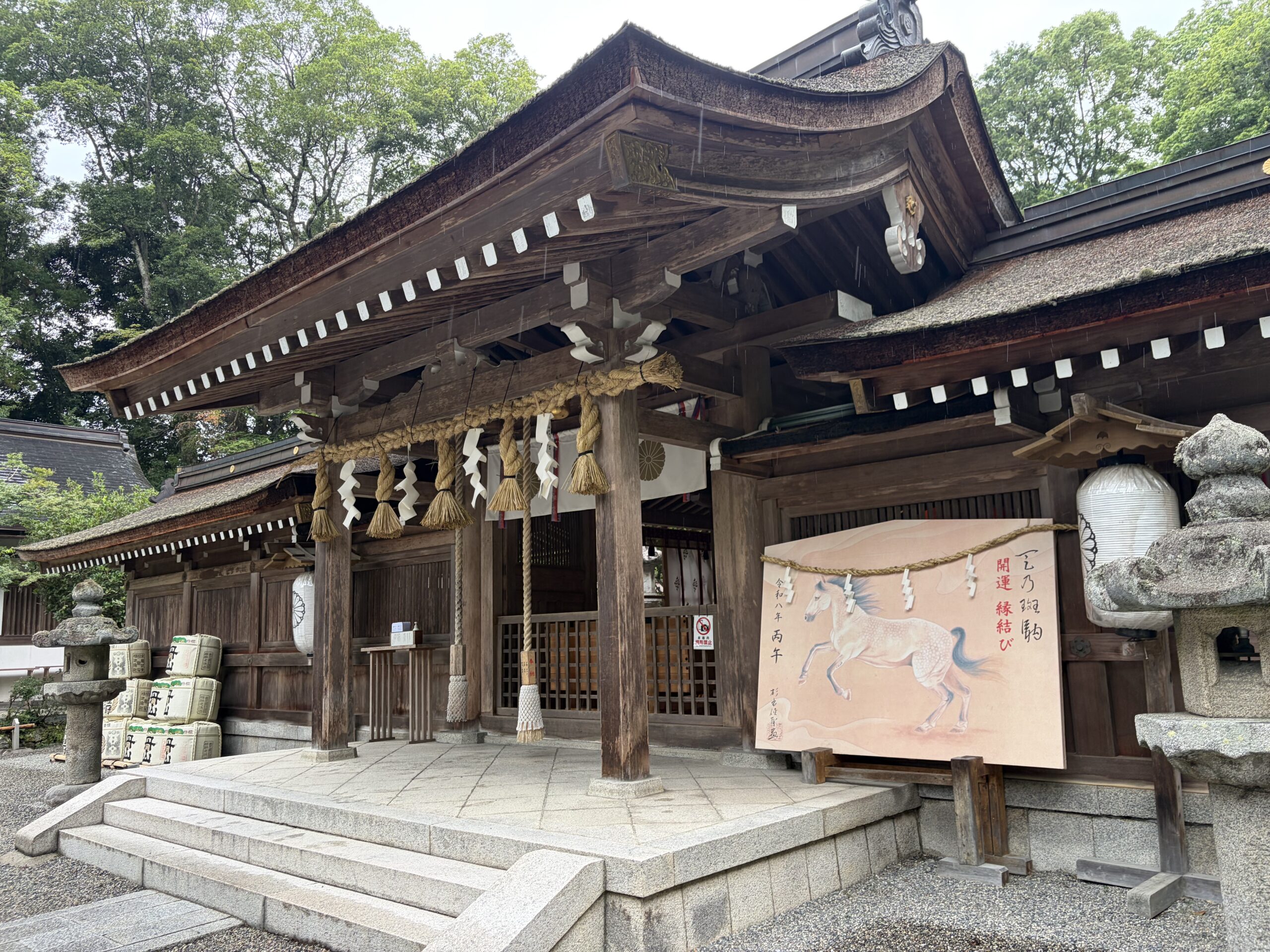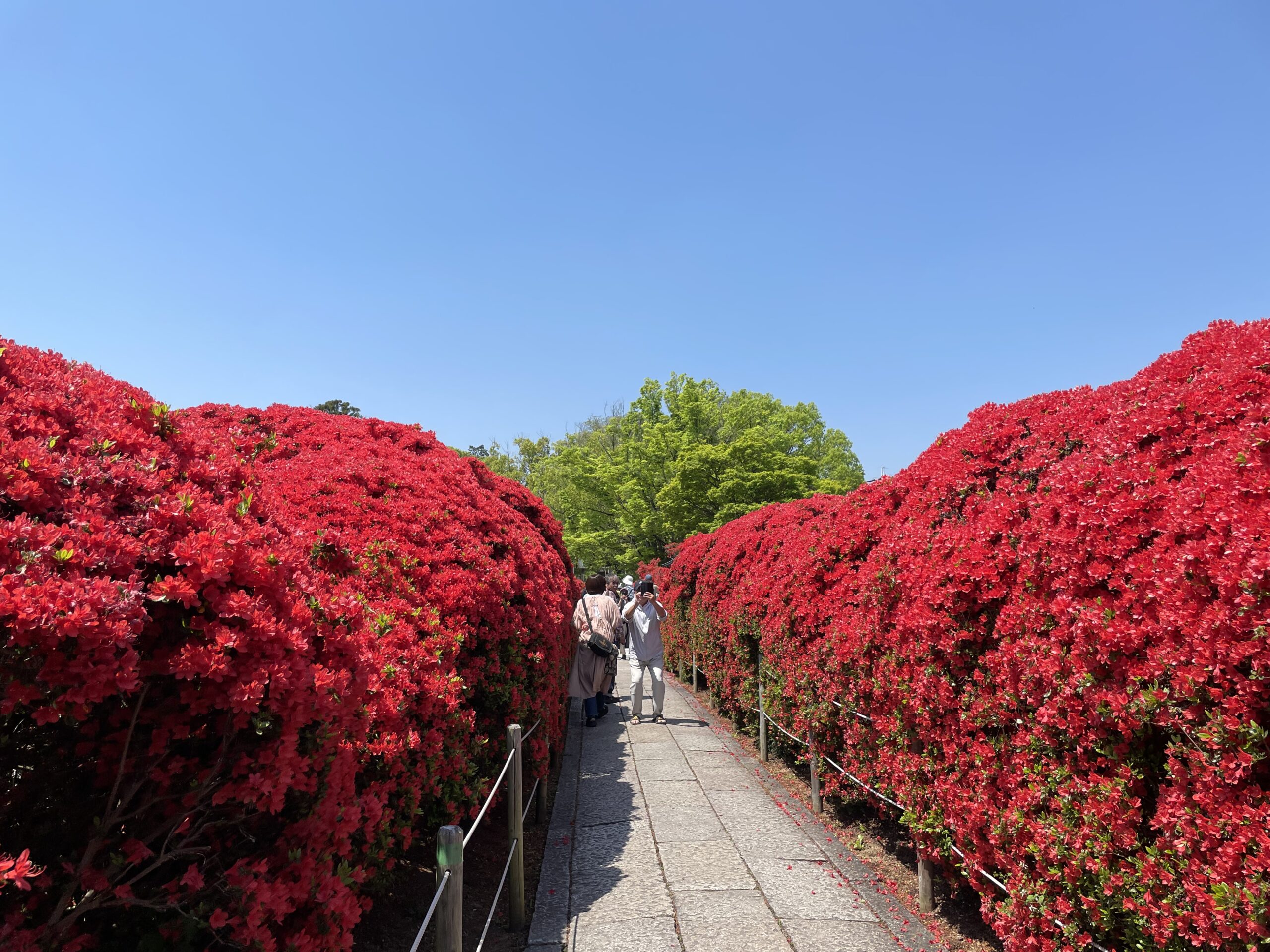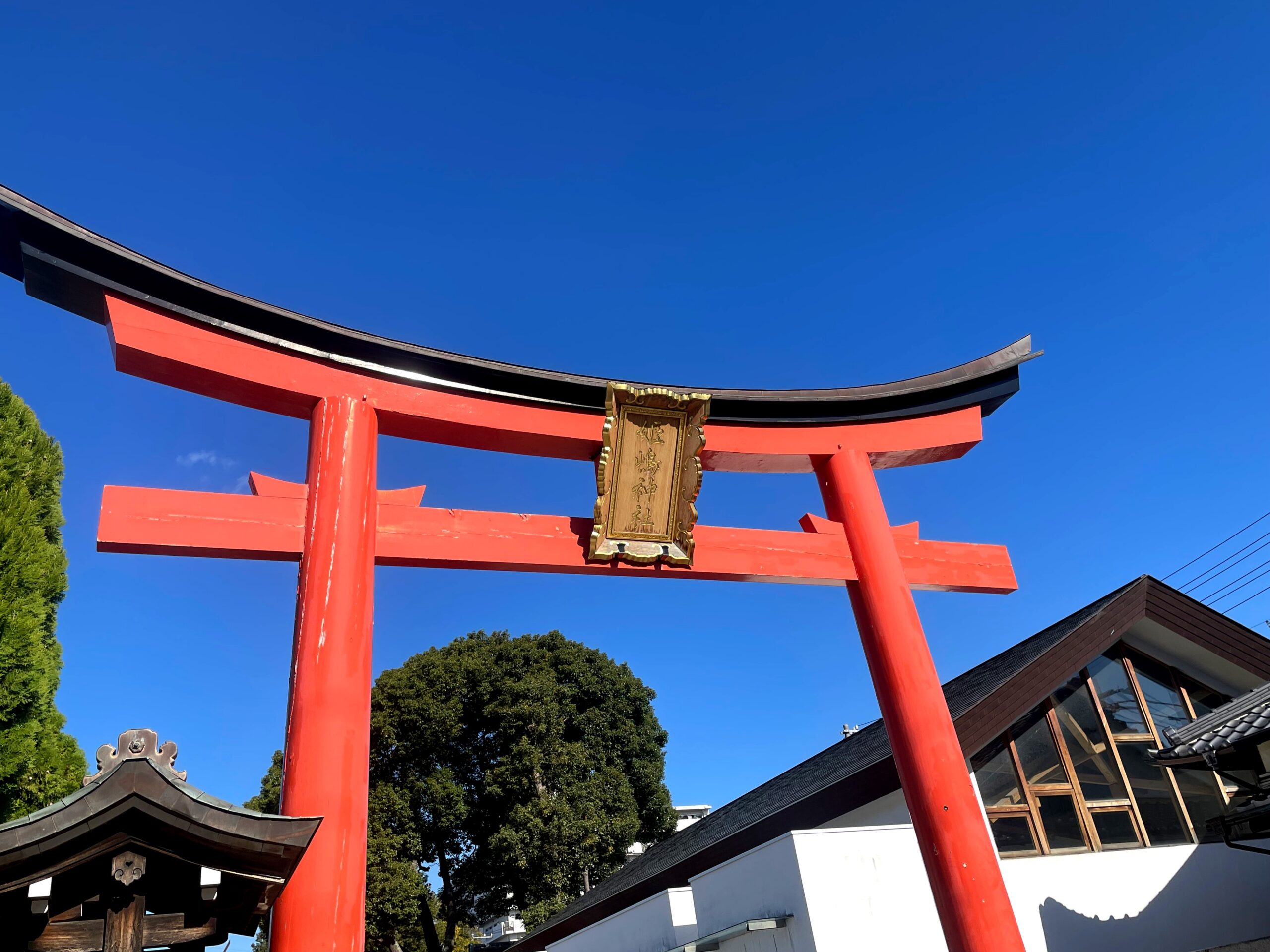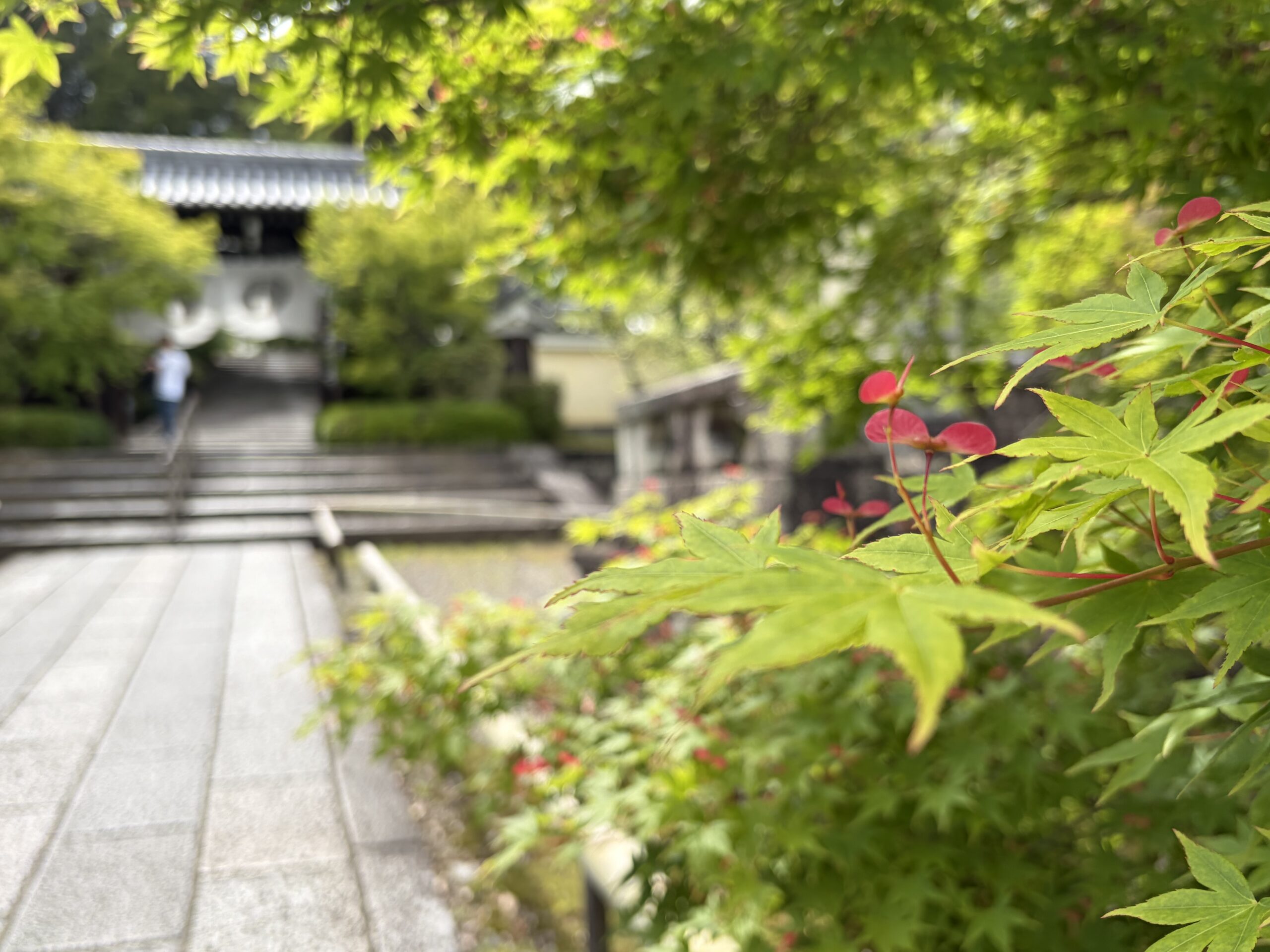
When I visited Yoshimine-dera, I also stopped by Komyo-ji, a celebrated spot for autumn foliage located nearby. The fresh green of early summer was absolutely beautiful.
I had AI write a support article about Komyo-ji. The photos are all original.
Tucked away in the quiet city of Nagaokakyo, just southwest of central Kyoto, Komyo-ji Temple (光明寺, Kōmyō-ji) is one of the region’s most rewarding autumn destinations. As the head temple of the Seizan Jodo sect of Buddhism, it carries centuries of spiritual significance—and each November, its famous maple-lined approach transforms into a glowing tunnel of red and gold that draws visitors from across Japan. If you’re seeking an autumn leaves spot in Kyoto that blends natural beauty with deep religious history, this temple deserves a place on your itinerary.
In this guide, I’ll walk you through the history of Komyo-ji, when its autumn foliage peaks, how to get there (there’s an important catch about parking), and what to keep in mind to make your visit truly memorable.
What Is Komyo-ji Temple? History and Origins
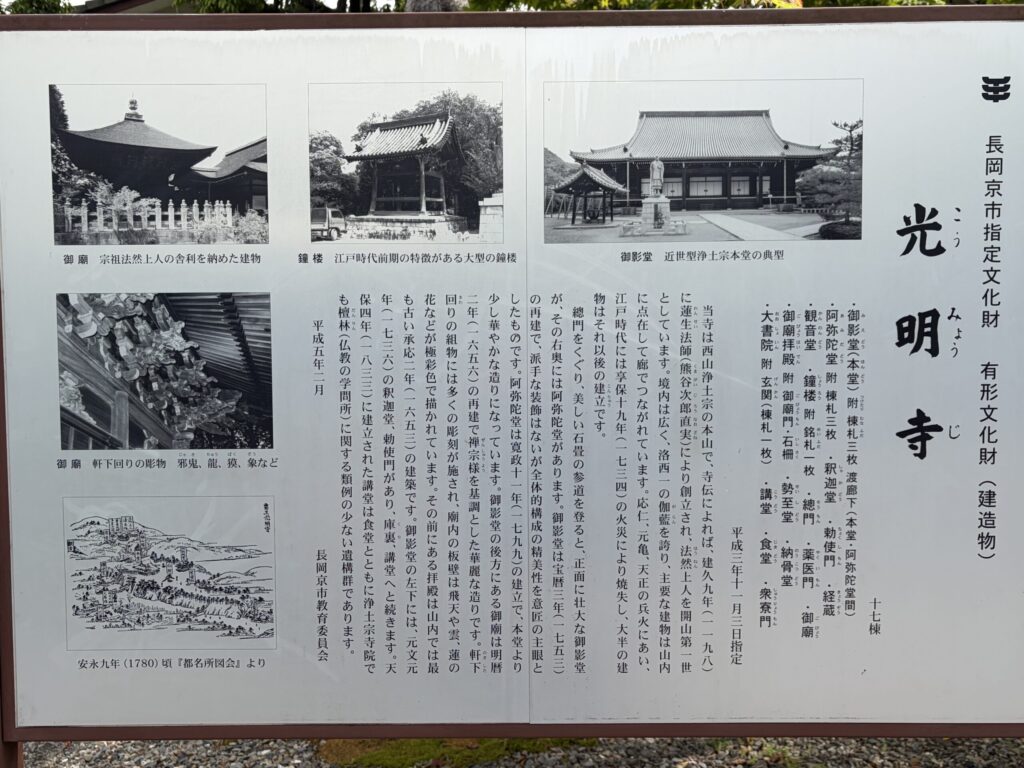
Located in Nagaokakyo City, Kyoto Prefecture, Komyo-ji serves as the head temple (総本山, sōhonzan) of the Seizan Jodo sect (西山浄土宗, Seizan Jōdo-shū), a branch of Pure Land Buddhism. Its full formal name is “Seizan Jodo-shu Sohonzan Komyo-ji.” For generations, locals have cherished it as a center for the practice of nenbutsu—the recitation of the name of Amida Buddha, a cornerstone of Pure Land devotion.
The temple holds deep ties to Honen Shonin (法然上人), the founder of the Jodo (Pure Land) school of Buddhism, and it is remembered as one of the places where his teachings on nenbutsu took root and spread. Because of this heritage, Komyo-ji is far more than a photogenic stop on a sightseeing route. Step through its gates and you’ll notice the atmosphere shift—there’s a solemn stillness here that quietly invites you to pause, bow your head, and reflect.
A National Important Cultural Property Milestone
Komyo-ji has officially announced that, to commemorate its designation as a National Important Cultural Property in Reiwa 8 (2026), the temple will host the “14th Komyo-ji Music Festival.” A concert set within the grounds of such a historic temple offers a rare meeting point of tradition and living culture. If you’re planning a visit, it’s well worth checking the temple’s official website for the latest details and dates.
When Is the Best Time to See the Autumn Leaves at Komyo-ji?
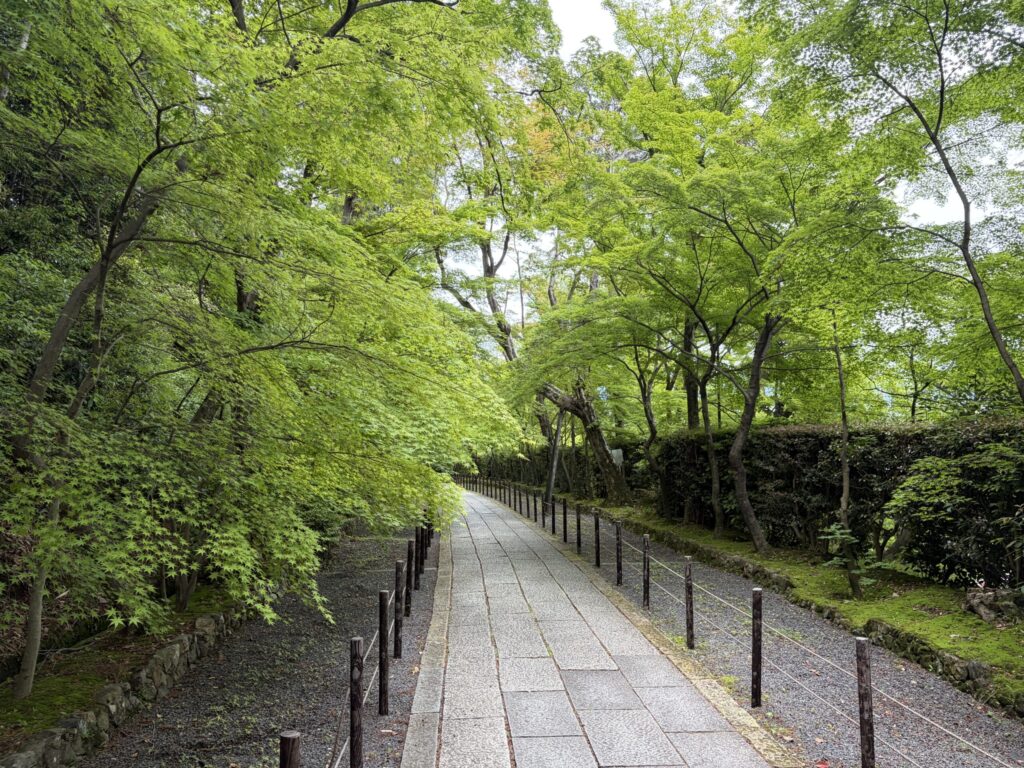
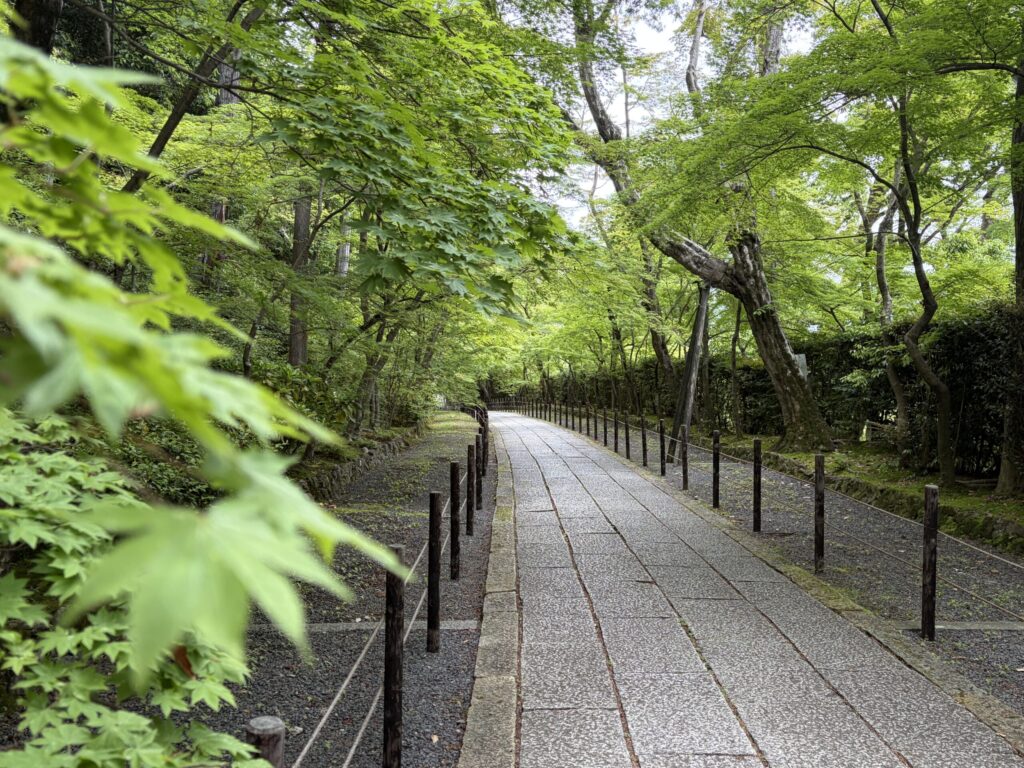
When people speak of Komyo-ji, the conversation almost always turns to its autumn foliage. The maple trees (momiji) that blanket the grounds are counted among the finest displays in all of Kyoto. The crowning highlight is the temple’s approach path, lined on both sides with maples so dense they form what’s known as the “Momiji Sando”—the maple-lined approach. This natural tunnel of color captivates photographers and travelers alike.
At the height of the season, layer upon layer of red, yellow, and orange blend into a shifting gradient, and walking beneath them feels like stepping into a living painting. Even the fallen leaves have their own charm—when scattered maple leaves carpet the stone paving, the scene takes on a quiet, poetic beauty. Part of what makes a visit here so special is how the atmosphere transforms with the hour of the day and the weather.
- The “Momiji Sando” maple tunnel along the approach is the star attraction
- A solemn landscape where the entire grounds are wrapped in autumn color
- Stone paths carpeted with fallen maple leaves add a distinct charm
Generally speaking, autumn foliage in Kyoto reaches its peak between mid and late November, though the exact timing shifts from year to year depending on the weather. Checking the latest foliage reports before you set out will help ensure you arrive at just the right moment.
How Should You Get to Komyo-ji During Autumn?
Here comes the single most important thing to know before your trip. The temple’s official website states clearly: “There is absolutely no parking available during the autumn foliage season. Please use public transportation.”
Because the autumn season draws especially large crowds, arriving by car is strongly discouraged—trains and buses are the wise choice. Following this guidance also helps ease congestion on the surrounding roads, so it’s a courtesy to fellow travelers and the local community alike.
- No parking is available during the autumn foliage season (per official notice)
- Public transportation is the recommended way to visit
- Arriving early in the day is your best bet for avoiding crowds
The Kyoto–Nagaokakyo area is reasonably well served by public transit, so a little route planning in advance will make for a smooth and stress-free visit.
Things to Keep in Mind When Visiting Komyo-ji
As a temple with genuine ties to the origins of nenbutsu practice, Komyo-ji rewards visitors who walk its grounds with a calm and quiet heart. It’s easy to be swept up entirely by the brilliance of the maples—but taking a moment to reflect on the temple’s role as the head temple of the Seizan Jodo sect adds a deeper dimension to the experience.
There are also seasons when cultural events such as the music festival take place, meaning your visit can extend beyond leaf-viewing into something richer. Depending on when you come, you may encounter an entirely different side of the temple—and that layered depth is part of what makes Komyo-ji so memorable.
Frequently Asked Questions
- Q: When is the best time to see the autumn leaves at Komyo-ji?
- A: Autumn foliage in Kyoto generally peaks from mid to late November, though the timing varies with the year’s weather. It’s best to check the latest foliage color reports before visiting.
- Q: Is there parking available if I drive there?
- A: According to the official website, there is absolutely no parking available during the autumn foliage season. Public transportation is recommended.
- Q: Which Buddhist sect does Komyo-ji belong to?
- A: Komyo-ji is the head temple of the Seizan Jodo sect (Seizan Jōdo-shū). It is located in Nagaokakyo City, Kyoto Prefecture.
- Q: When is the music festival held?
- A: The “14th Komyo-ji Music Festival” has been announced to commemorate the temple’s designation as a National Important Cultural Property in Reiwa 8 (2026). Please check the official website for details.
Conclusion
Komyo-ji in Nagaokakyo, Kyoto, is a place where profound history and seasonal splendor meet. As the head temple of the Seizan Jodo sect, it carries deep spiritual roots, and each autumn its celebrated “Momiji Sando” draws visitors into a world of glowing color. The solemn atmosphere of a site tied to the origins of nenbutsu, harmonized with the natural beauty of the changing seasons, makes this a truly special destination.
Remember that parking is unavailable during the autumn season, so plan to arrive by public transportation. With cultural events like the music festival commemorating its Important Cultural Property designation on the horizon, Komyo-ji offers many reasons to visit. Why not experience the unmistakable atmosphere of a Kyoto autumn for yourself?
References
Addendum
I visited in May, during the season of fresh green foliage.
During the autumn foliage season, the temple becomes very crowded.
Also, there is no parking available during that period, so you must arrive by bus.
If you are travelling by car, please park near the station and take the bus.
The music festival is held every June.At the shops near the bus stop, fresh vegetables including bamboo shoots were on sale in spring.
The maple trees are also beautiful in their fresh green during early summer — and with far fewer crowds, it is well worth a visit.
Outside of the autumn foliage season, parking is available.