What Is Izumo Daijingū? The History and Blessings of Kameoka’s “Moto-Izumo” Shrine
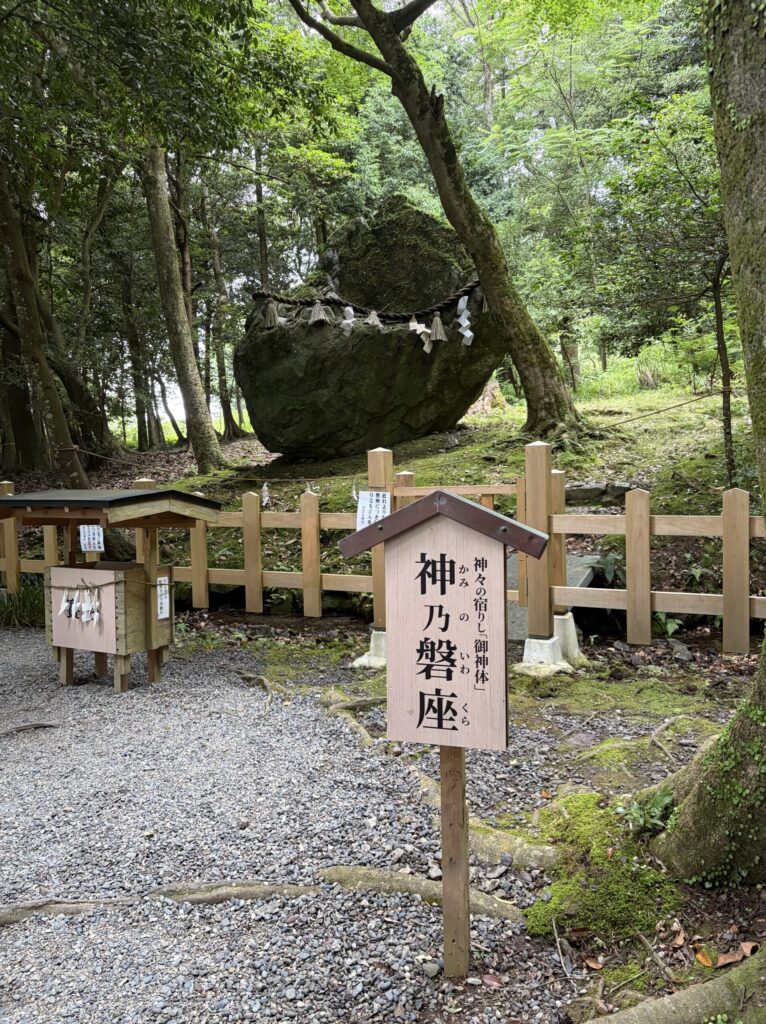
Izumo Daijingū is one of my favourite shrines. I have known about it for more than ten years, and it is a place I find myself wanting to visit from time to time. The sacred body of the deity, Mt. Mikage, the many iwakura (sacred rocks), the Manai spring water — I feel a profound, natural power here.
I had AI write a support article about Izumo Daijingū. The photos are all original.
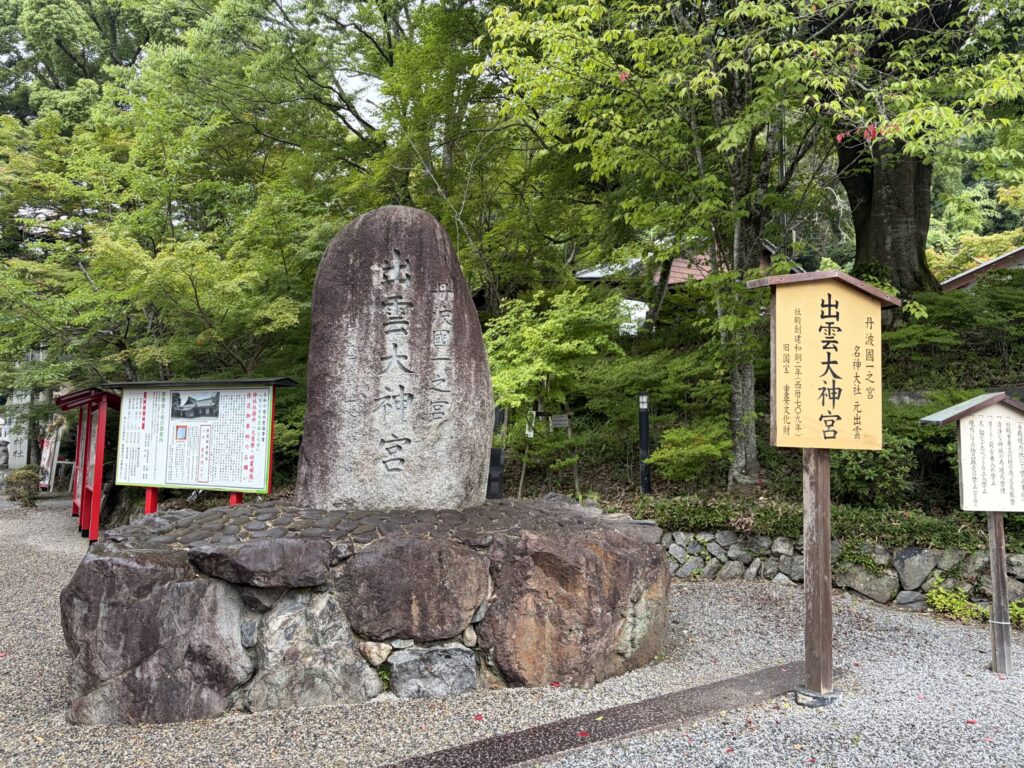
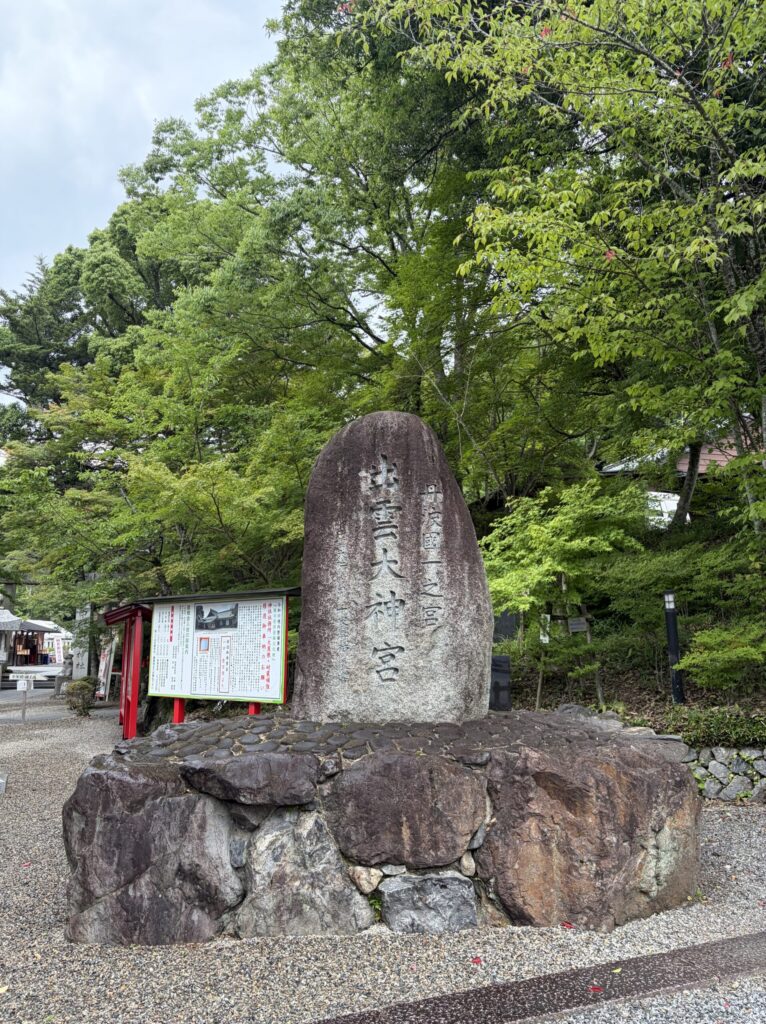
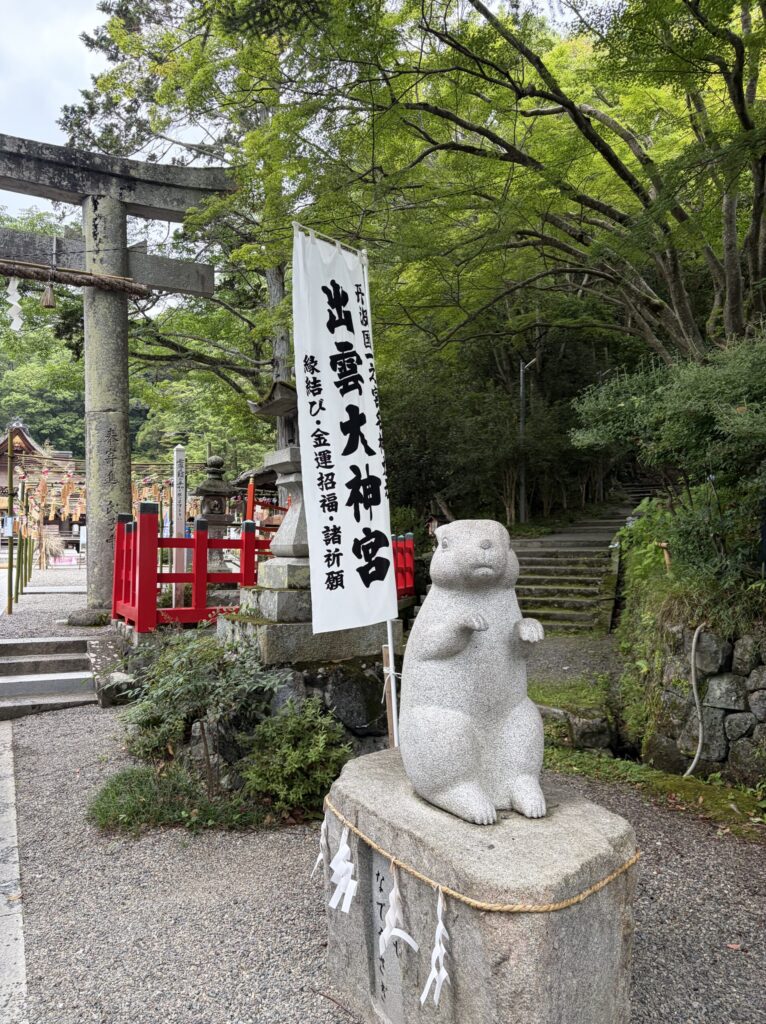
Enshrined in Kameoka City, Kyoto Prefecture, Izumo Daijingū (出雲大神宮) is an ancient shrine of deep historical significance, also known as Moto-Izumo (“the original Izumo”). Renowned for its blessings of en-musubi (forming bonds and good relationships), it has also gained popularity as a powerful spiritual site. In this article, I will introduce the history, highlights, blessings, and the pleasures of visiting Izumo Daijingū in an easy-to-understand way.
What Kind of Shrine Is Izumo Daijingū? Why Is It Called “Moto-Izumo”?
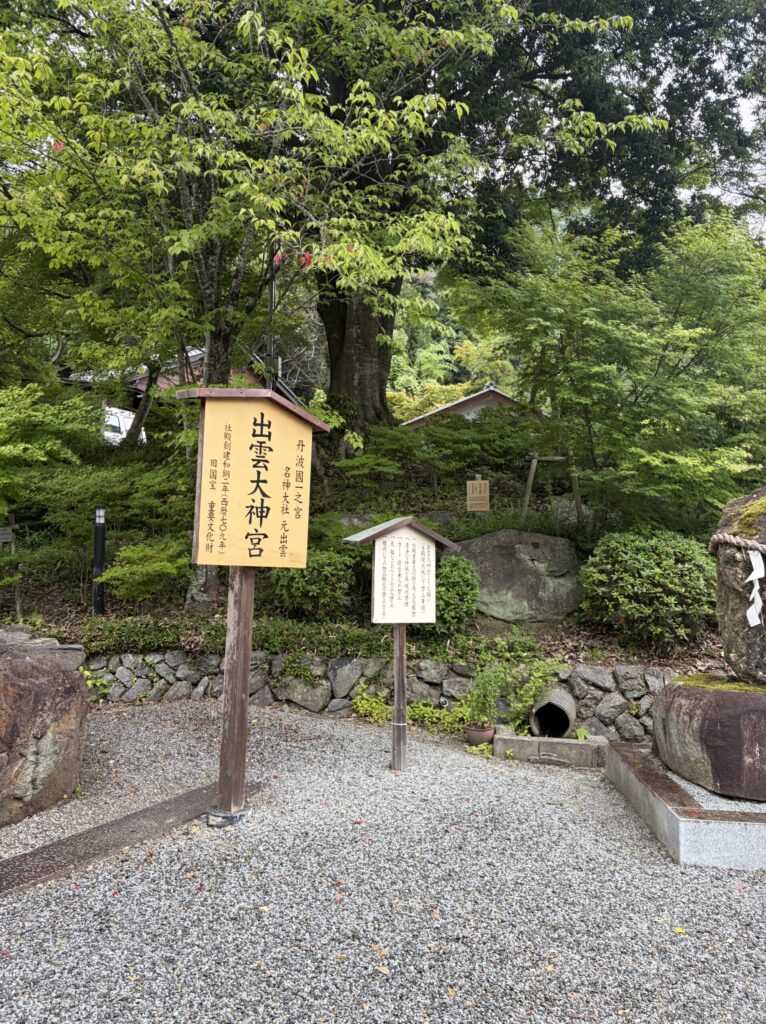
Izumo Daijingū is enshrined in Chitose-chō, Kameoka City, Kyoto Prefecture, and has been revered since ancient times as the ichinomiya (premier shrine) of Tanba Province.
The two enshrined deities are Ōkuninushi no Mikoto and Mihotsuhime no Mikoto.
When people hear “Izumo,” many think of Izumo Taisha in Shimane Prefecture. However, there is a tradition at Izumo Daijingū that it predates the Izumo Taisha in Shimane, and it is affectionately known by the alternative name Moto-Izumo — “the original Izumo” — for this reason.
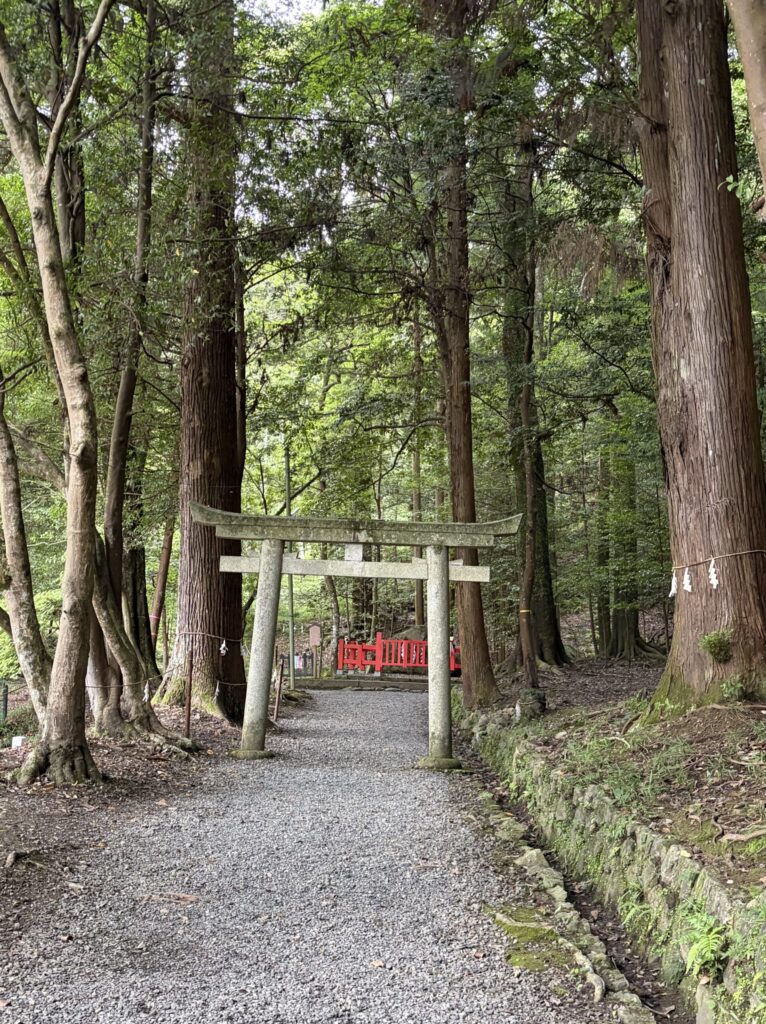
Visiting the grounds, one senses an atmosphere of timeless antiquity within its quiet setting against the mountain backdrop.
Ōkuninushi no Mikoto, one of the enshrined deities, is widely celebrated as the god of en-musubi. Because the two deities enshrined here are said to be a divine couple, worshippers seeking good relationships travel from across the country.
How Ancient Is Izumo Daijingū?
The founding of Izumo Daijingū is said to be very ancient, with records indicating that a shrine hall was erected in 709 (Wadō 2).
There is a belief that Mt. Mikage (御蔭山) within the grounds is itself the sacred body (go-shintai) of the deity, and it is thought that the site was venerated as a sacred place even before the shrine buildings were erected.
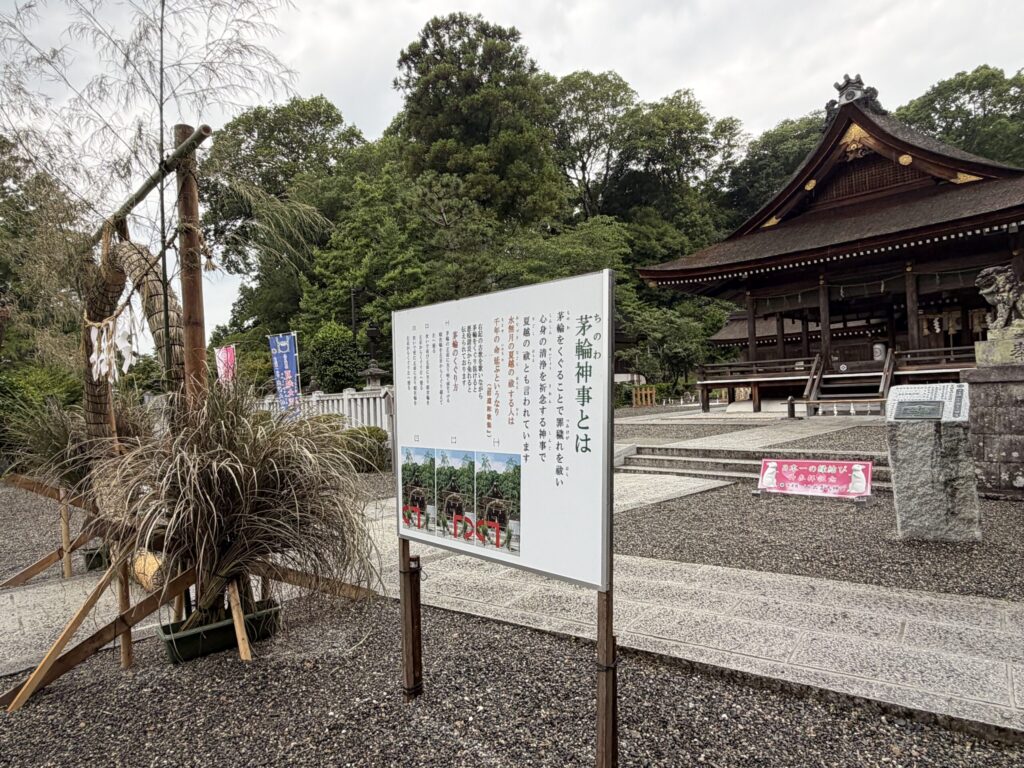
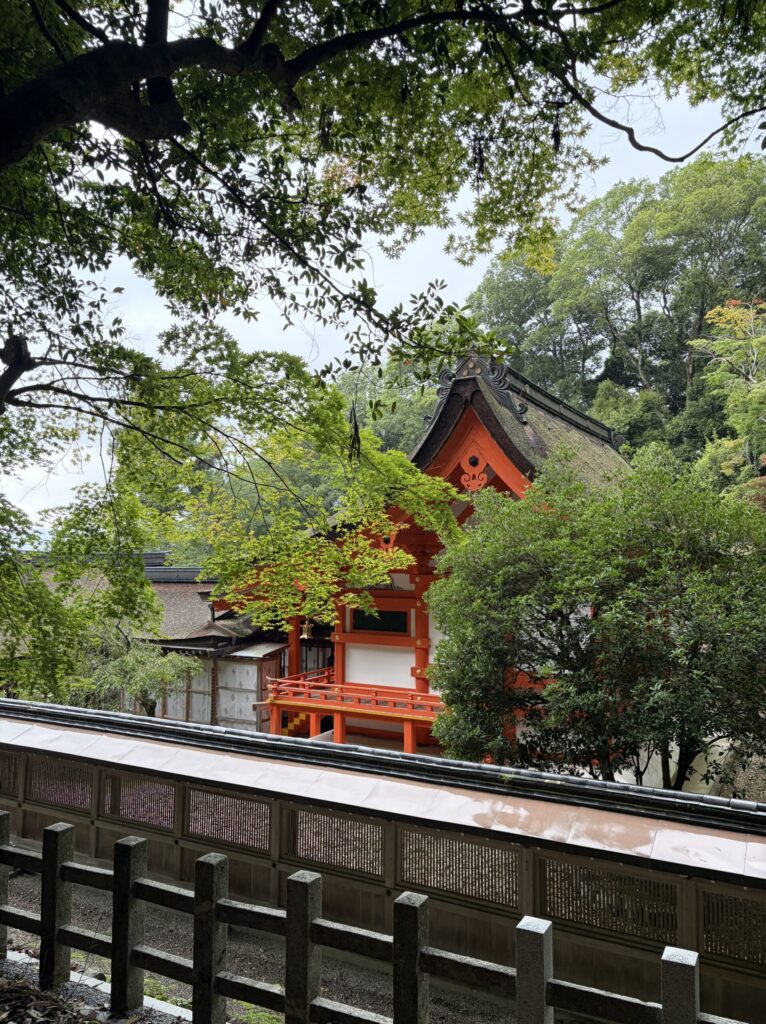
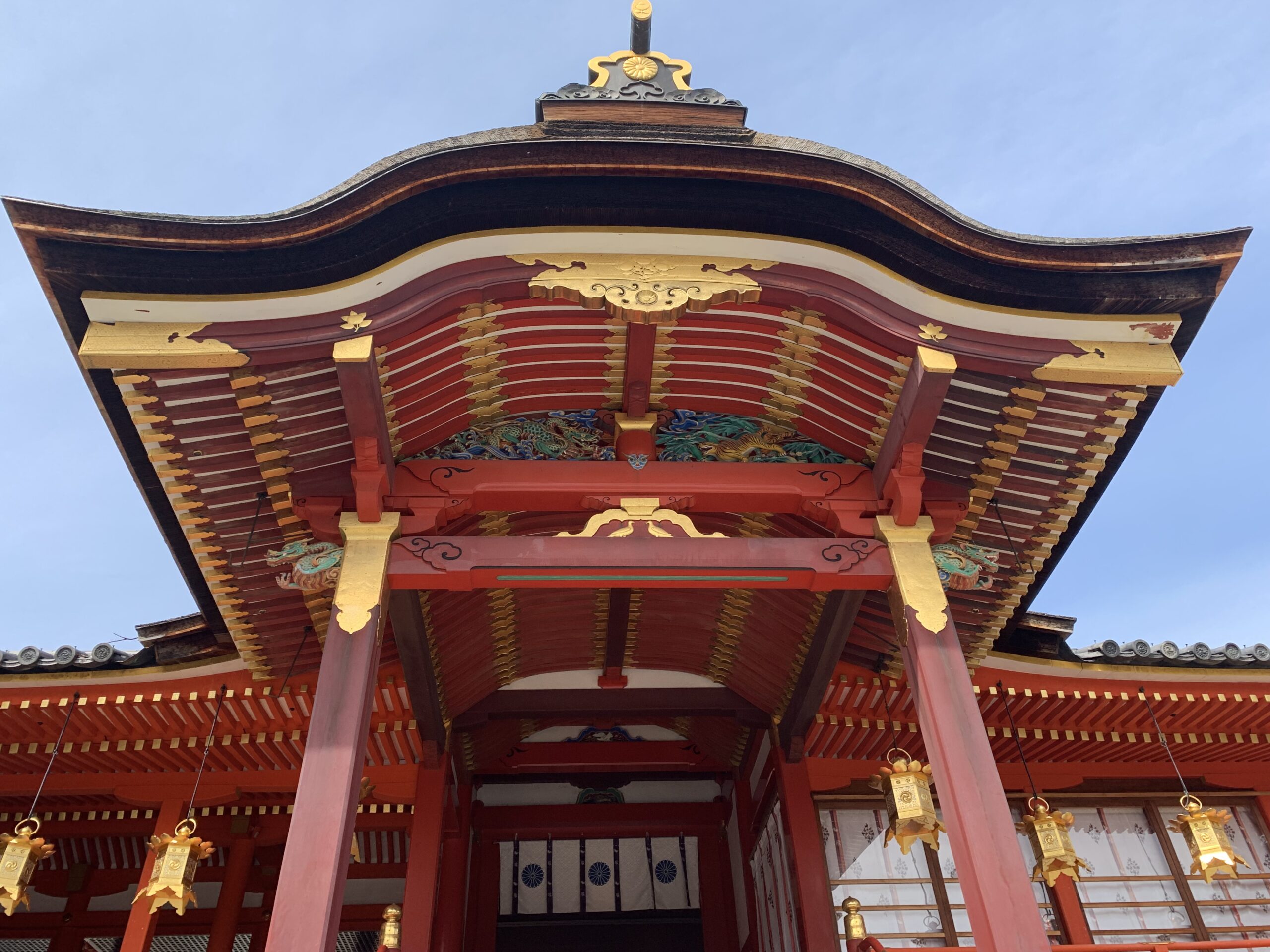
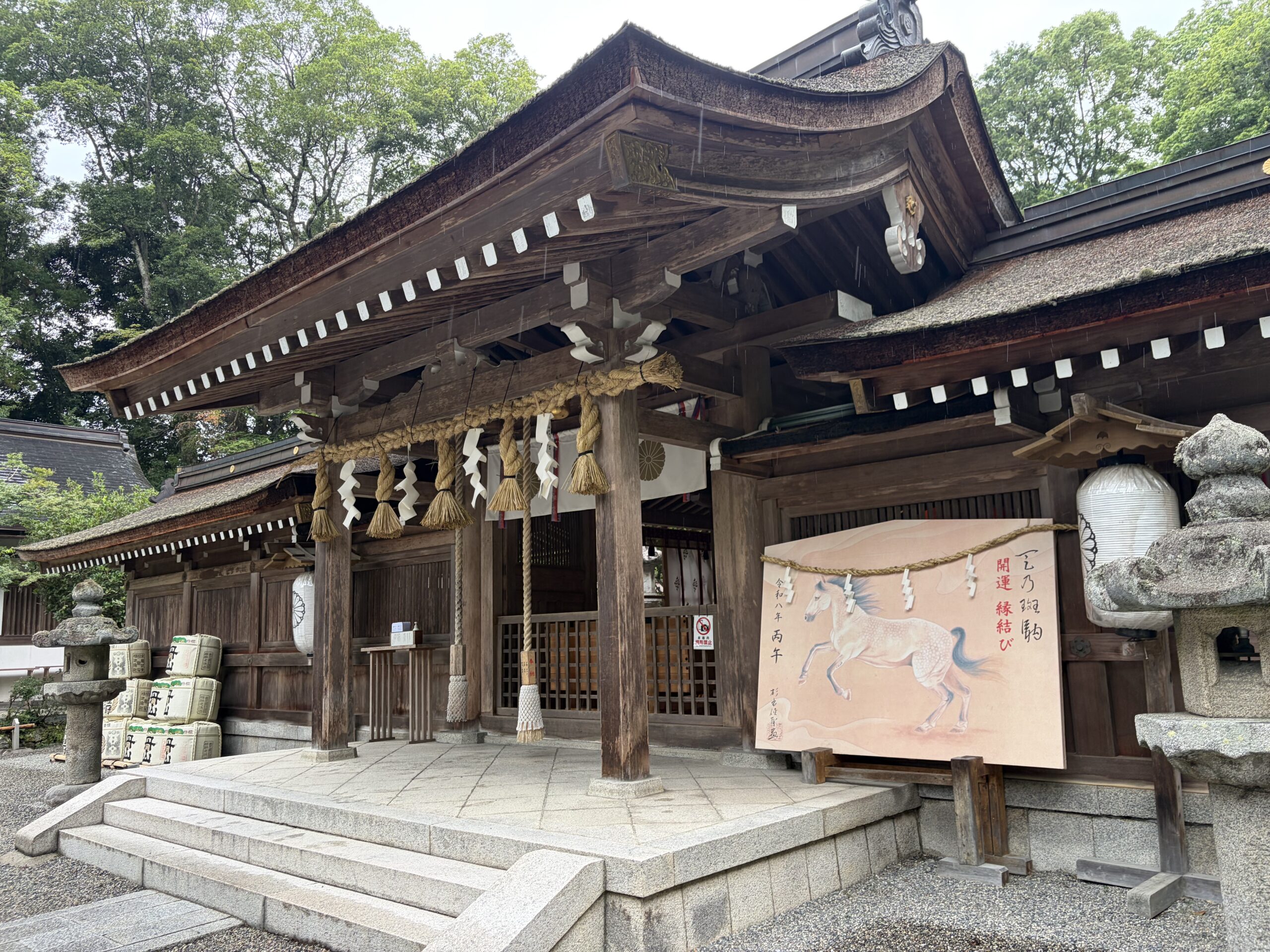
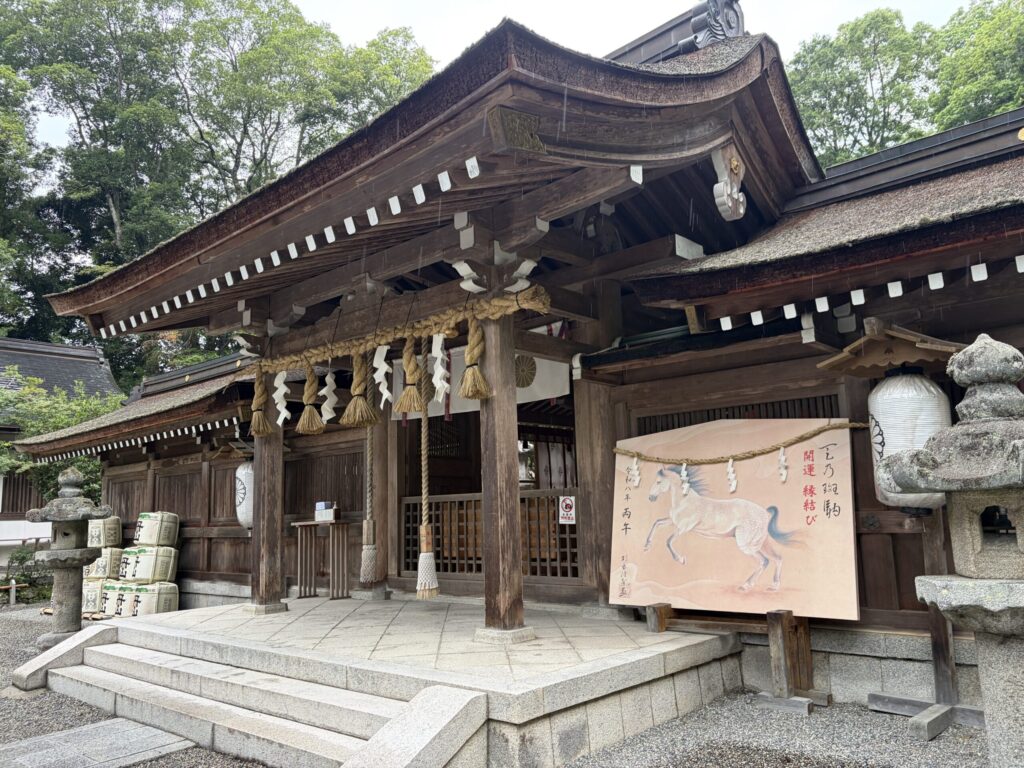
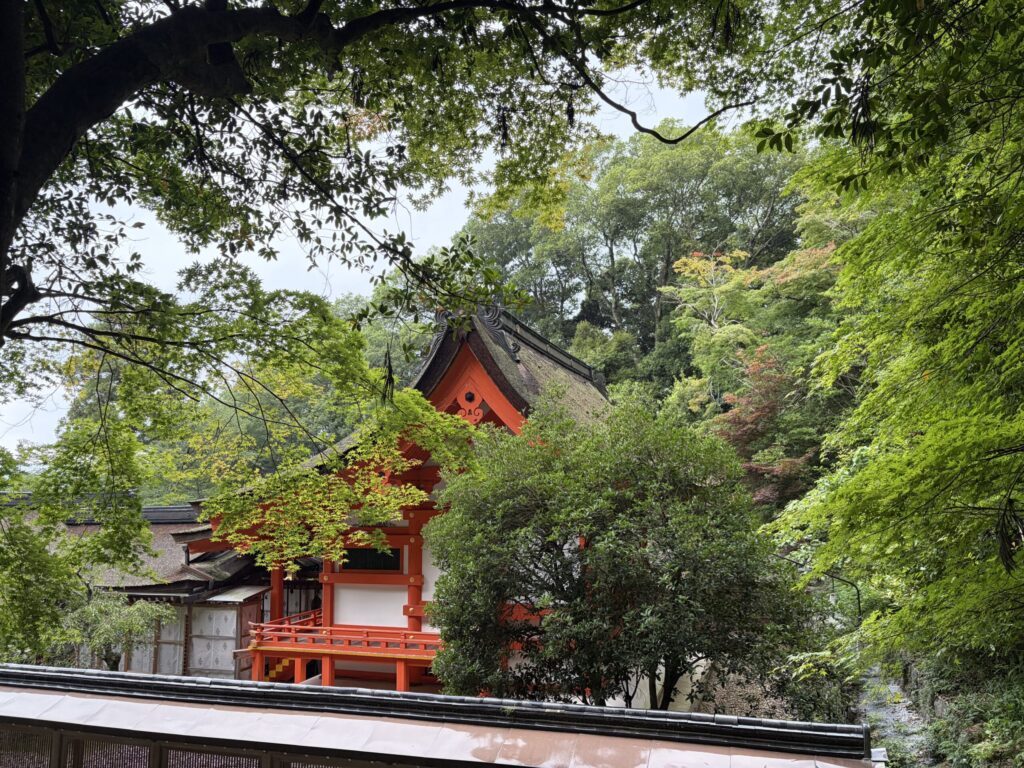
The current main hall (honden) is said to have been restored during the Gentoku era of the late Kamakura period by Ashikaga Takauji, and is designated as a National Important Cultural Property. Built in the sangen-sha nagare-zukuri style, its hiwadabuki (cypress bark) roof traces an elegant curve.
Seeing the main hall up close, you cannot help but feel the full weight of its ancient history.
- Founded: Traditionally in 709 (Wadō 2)
- Shrine rank: Ichinomiya of Tanba Province
- Main hall: National Important Cultural Property (said to have been restored during the Gentoku era)
What Blessings Does Izumo Daijingū Offer? More Than Just En-musubi
Izumo Daijingū is especially famous for its blessings of en-musubi (forming meaningful bonds).
Because the enshrined deities Ōkuninushi no Mikoto and Mihotsuhime no Mikoto are a divine couple, prayers for love, marriage, and marital harmony are offered here without end.
The Meoto-iwa — Praying for Good Relationships
Within the grounds stands the Meoto-iwa (“Husband and Wife Rocks”) — two rocks standing side by side as if leaning toward one another. There is a custom of tying a red thread and praying for a good match, and together with the en-musubi amulets available at the shrine office, many visitors pour their wishes into this ritual.
The Sacred Spring — Manai no Mizu
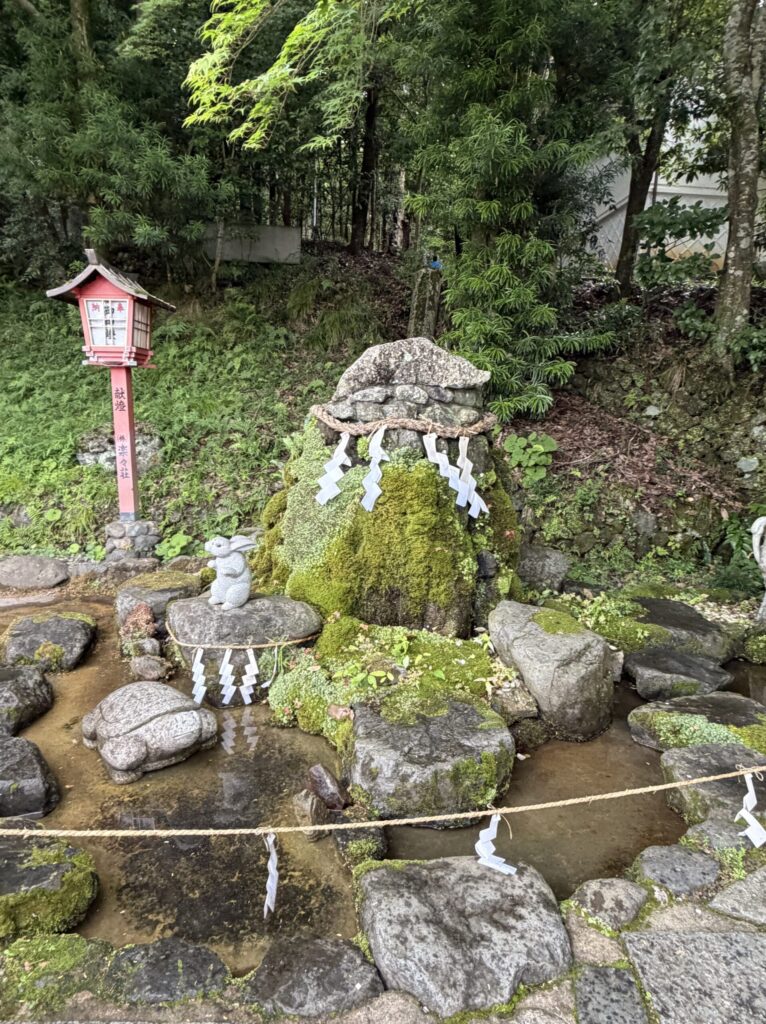
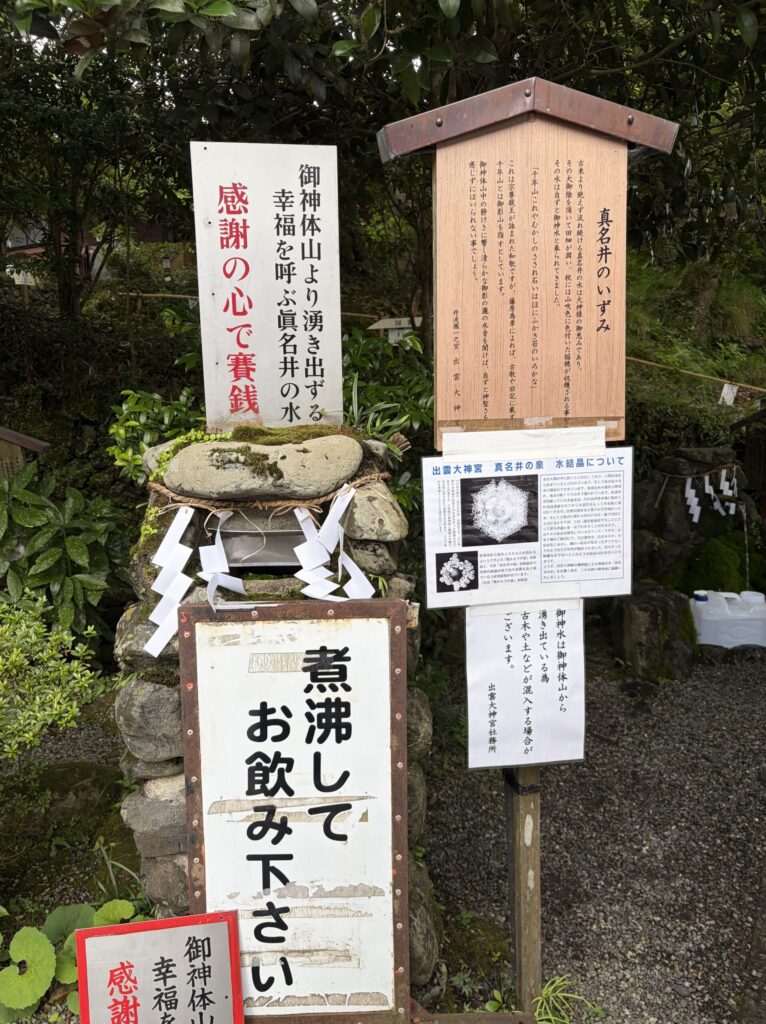
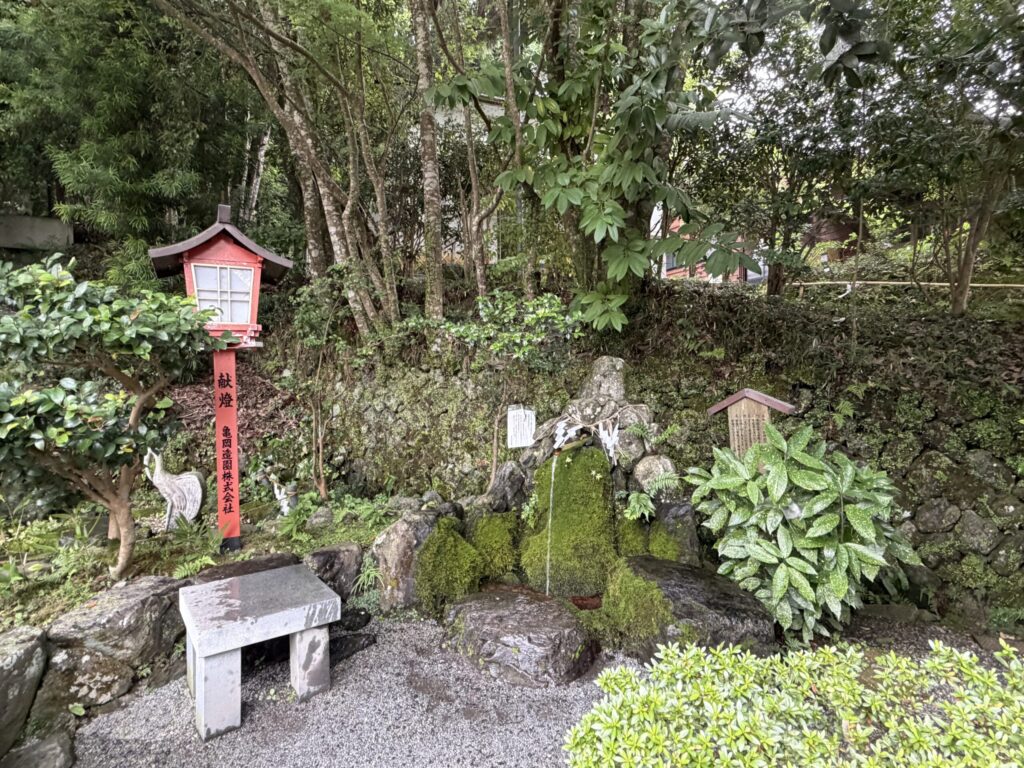
Another highlight of Izumo Daijingū is the Manai no Mizu (Manai Spring Water), which wells up from Mt. Mikage. Known since ancient times as a sacred spring that has never run dry, people come to draw the water in hopes of good health and long life. Many visitors bring their own plastic bottles to take the water home — it is a spring cherished by locals and visitors alike.
- En-musubi, love, and marital harmony
- Good fortune and prosperity in business
- Health and longevity (Manai no Mizu)
Highlights and Tips for Visiting
Beyond the main hall and the Meoto-iwa, the spacious grounds hold many other points of interest.
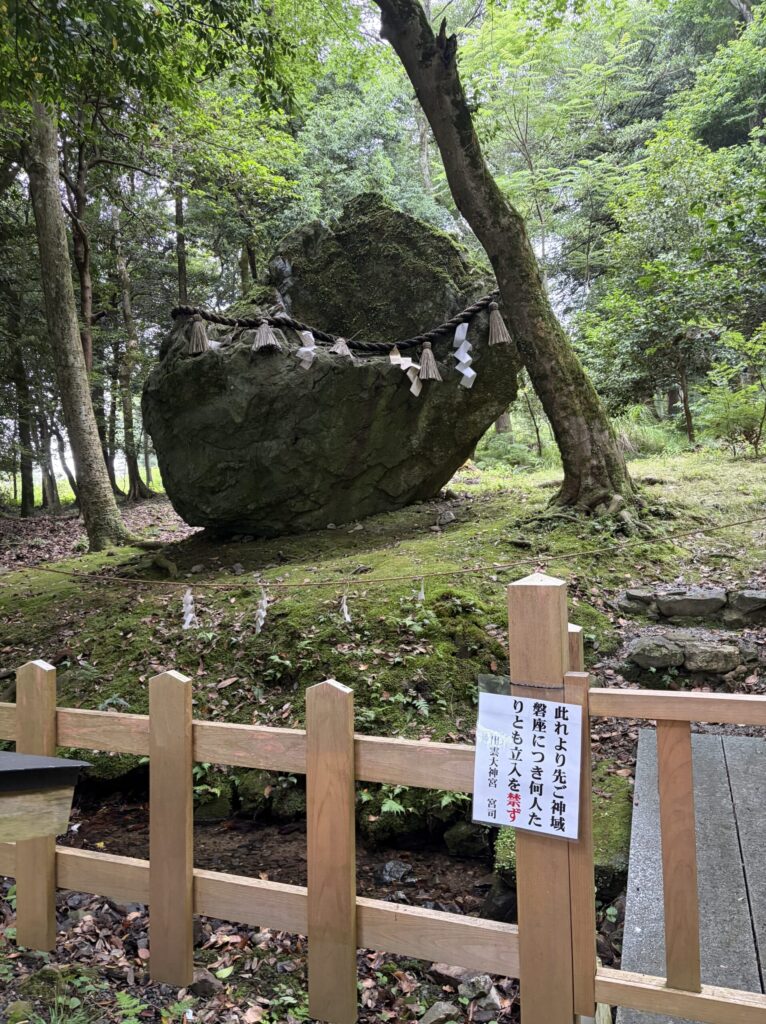
Mt. Mikage in particular is regarded as the sacred body of the deity itself, and throughout the mountain there are clusters of giant sacred rocks known as iwakura. As it is a sacred place, visitors are asked to observe proper etiquette and approach with a quiet, reverent heart.
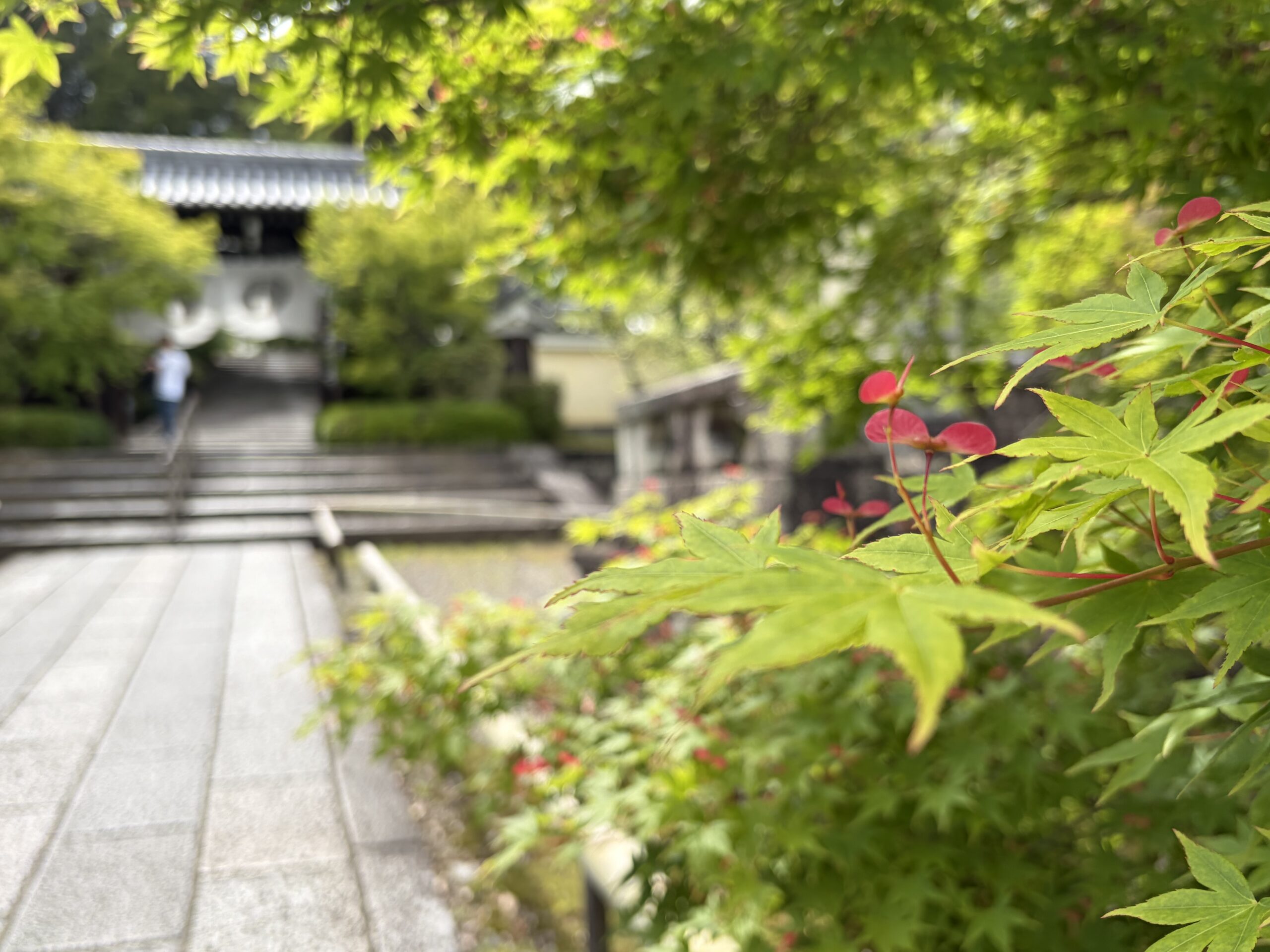
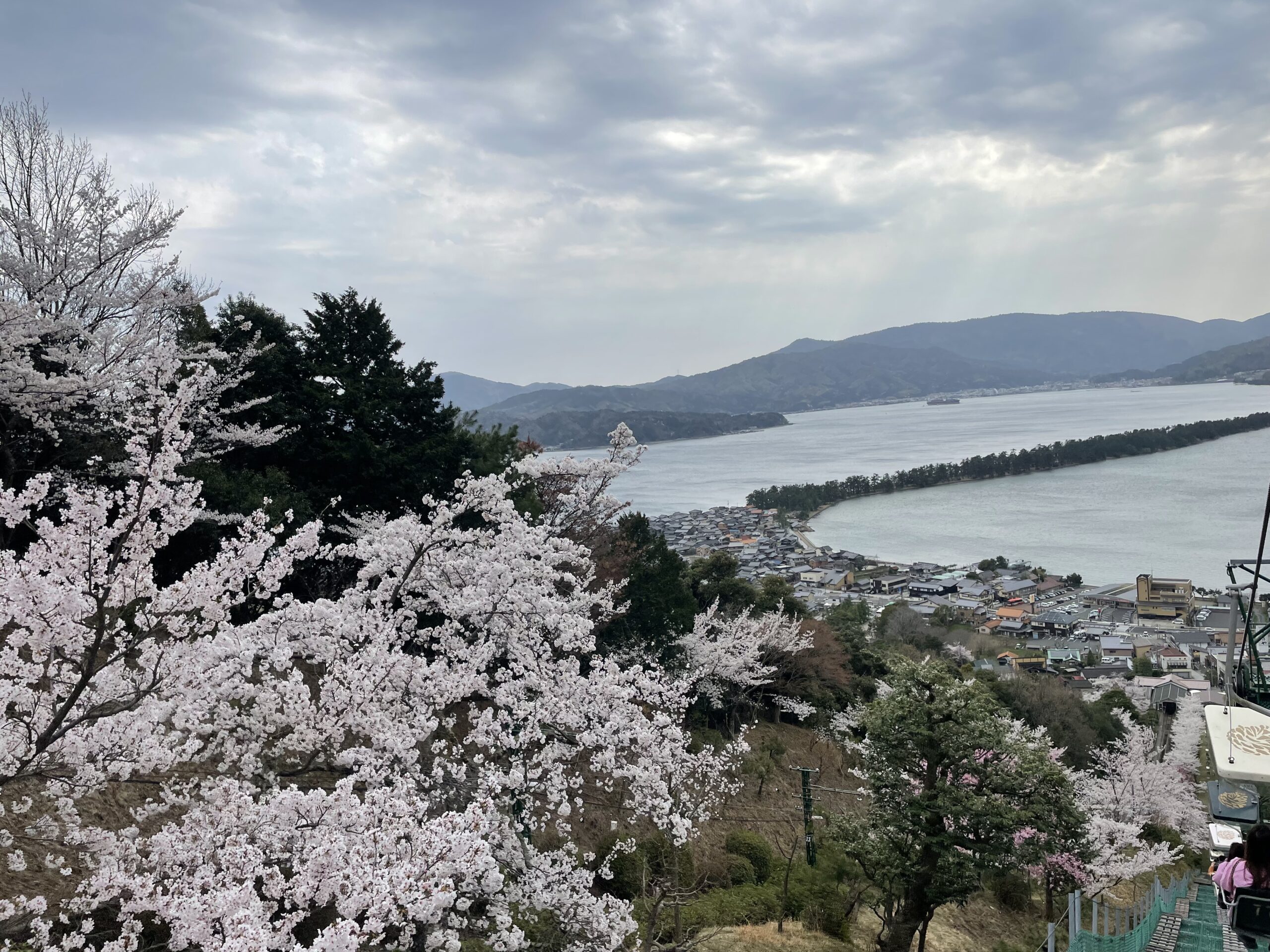
In spring, cherry blossoms adorn the grounds; in autumn, the maple foliage colours them brilliantly — the natural scenery can be enjoyed in every season.
Situated in a nature-rich setting a little outside the Kameoka city centre, one of the shrine’s attractions is the unhurried pace it invites. Before or after your visit, exploring local Kameoka specialties and nearby sights is also recommended.
Frequently Asked Questions
Q. Why is Izumo Daijingū called “Moto-Izumo”?
A. There is a tradition that it predates Izumo Taisha in Shimane Prefecture in terms of history, and so it is affectionately known as Moto-Izumo — “the original Izumo.”
Q. Who are the enshrined deities?
A. The two deities enshrined here are Ōkuninushi no Mikoto, renowned as the god of en-musubi, and his consort Mihotsuhime no Mikoto.
Q. What blessings can I receive?
A. The shrine is particularly famous for blessings of en-musubi and marital harmony. Health and longevity, in connection with the Manai spring water, are also commonly prayed for.
Q. Where is the shrine located?
A. It is enshrined in Chitose-chō, Kameoka City, Kyoto Prefecture, and is known as the ichinomiya of Tanba Province.
Closing Thoughts
Izumo Daijingū is an ancient shrine in Kameoka City, Kyoto Prefecture, beloved by the name Moto-Izumo. With its long history said to date to its founding in 709, a main hall designated as a National Important Cultural Property, the Meoto-iwa for en-musubi prayers, and the sacred Manai spring water, it offers an abundance of highlights.
It is a wonderful destination not only for those seeking blessings of en-musubi, but also for anyone wishing to breathe in the atmosphere of a historic shrine set within quiet natural surroundings. If you find yourself in Kameoka, please do pay a visit.
References
Addendum
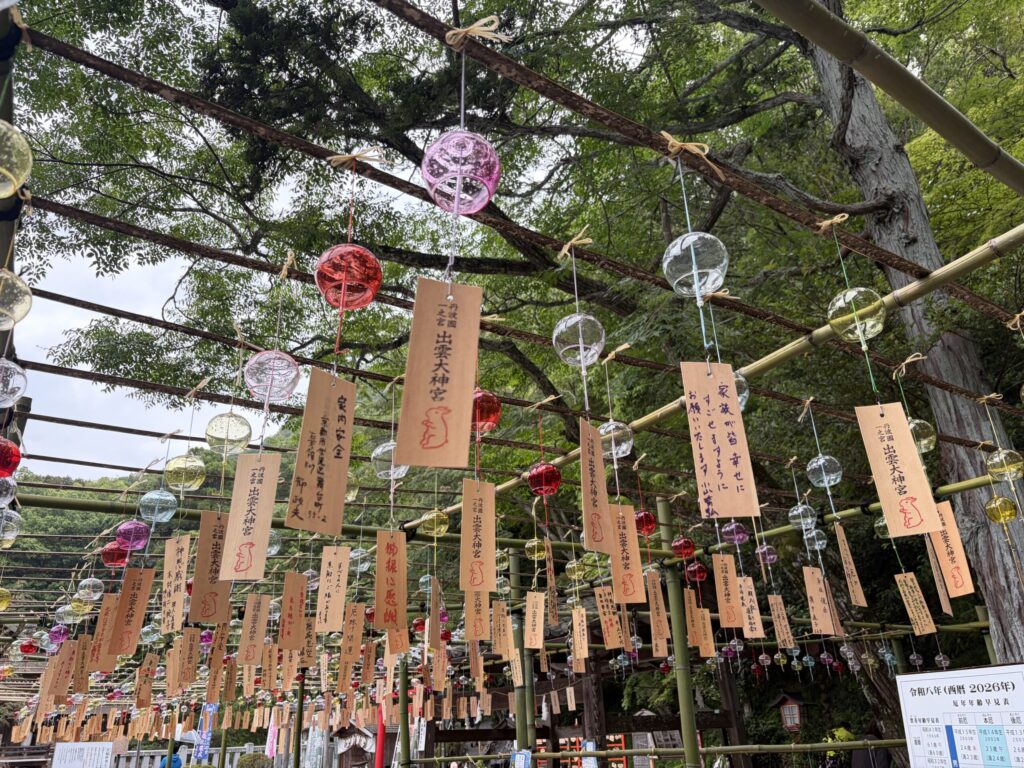
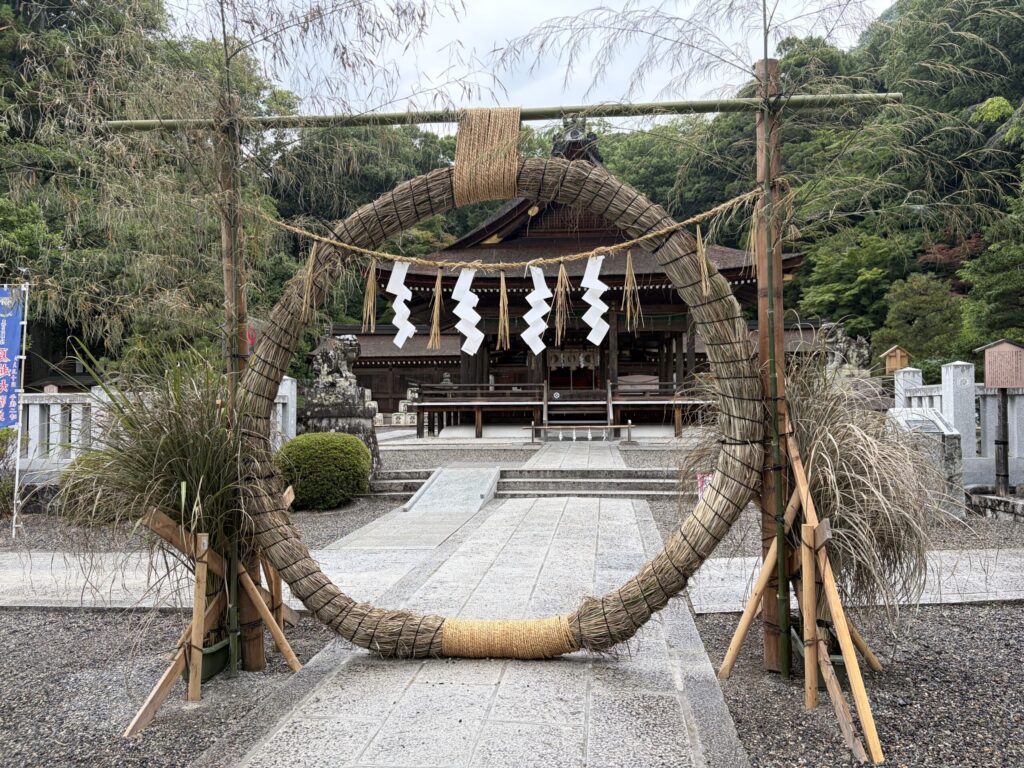
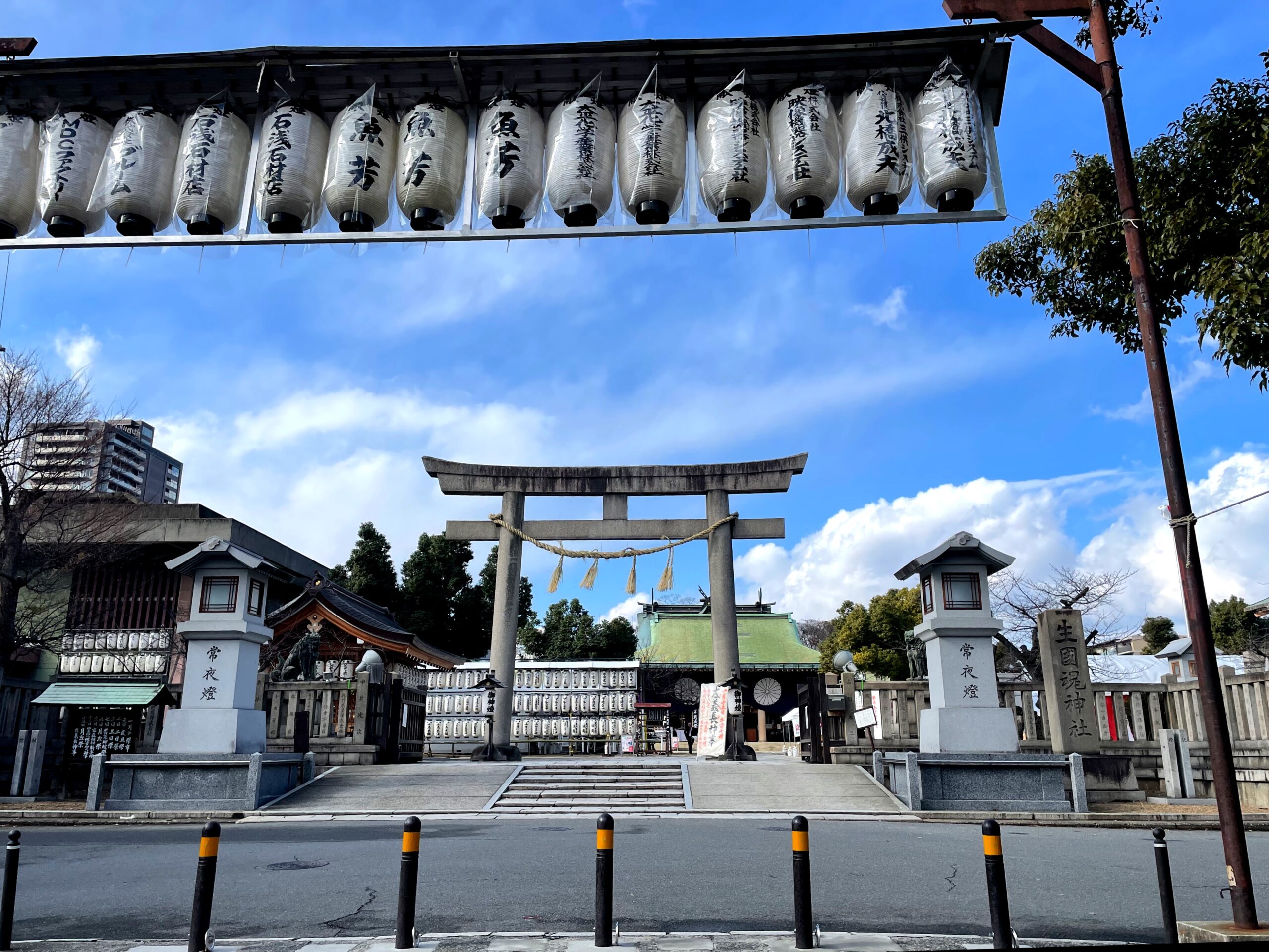
I usually visit when no special events are taking place, but on this particular day I happened to arrive in the middle of the Chinowa Kuguri (passing through the ring of miscanthus grass) and Tanabata festivities.
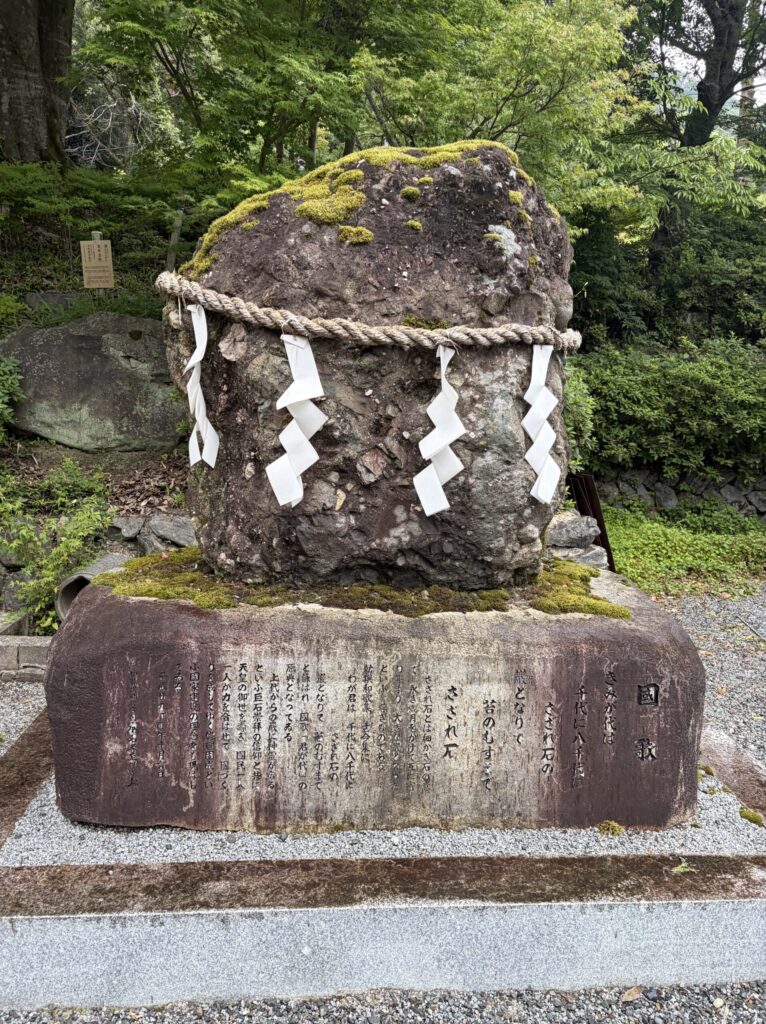
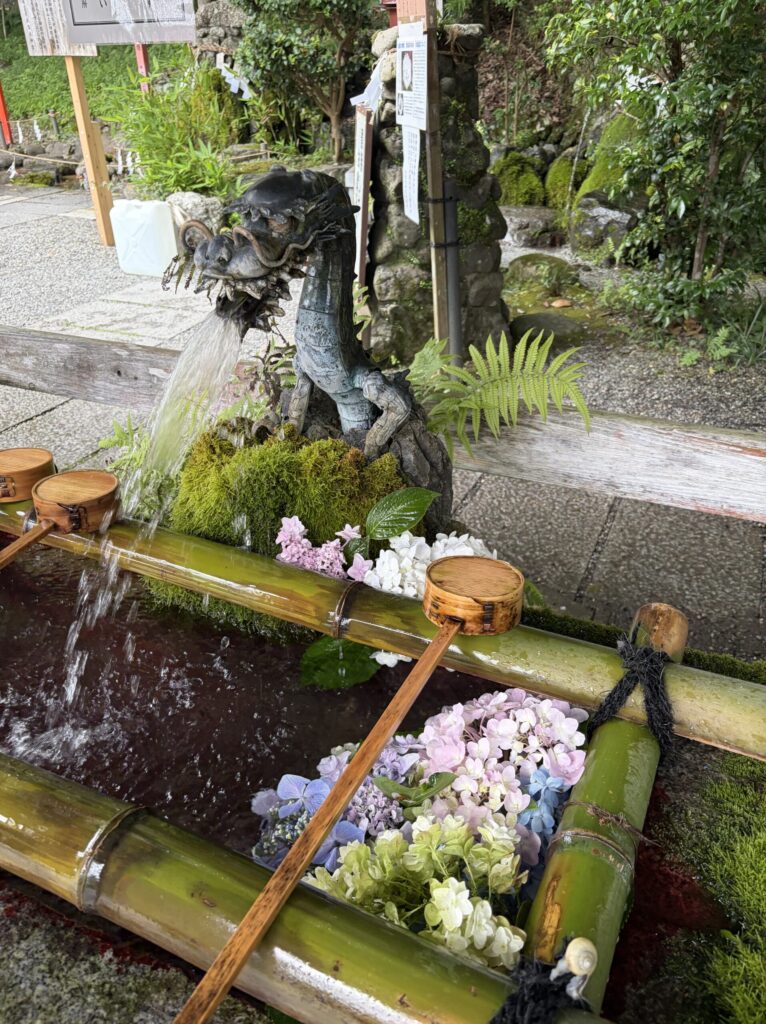
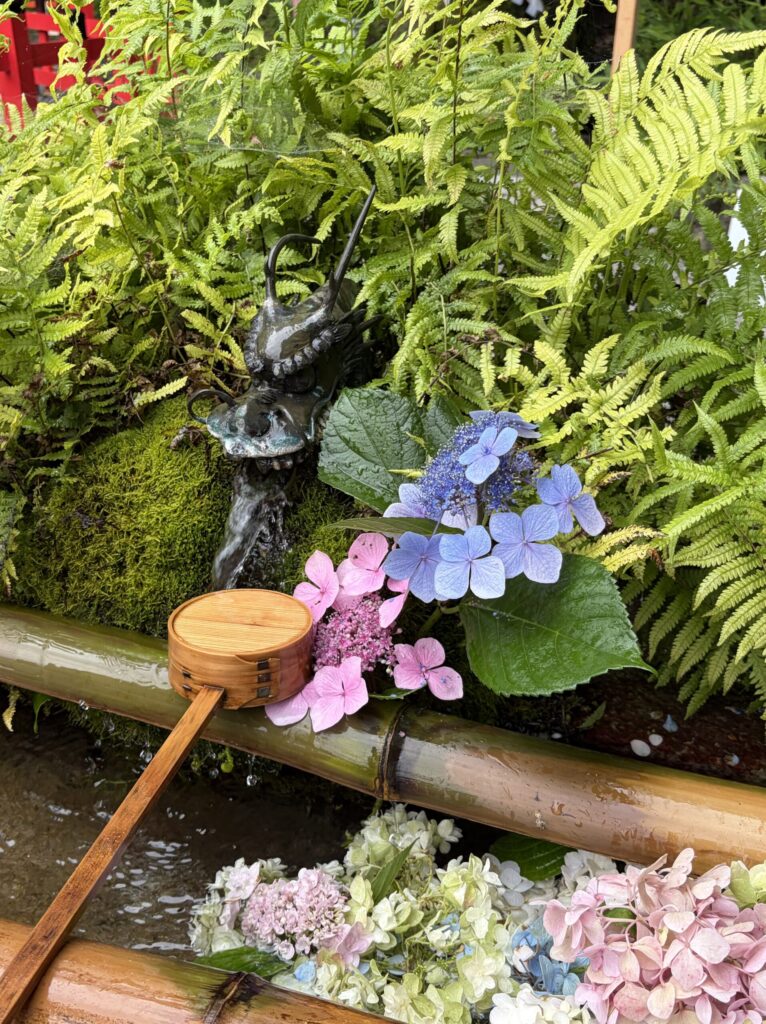
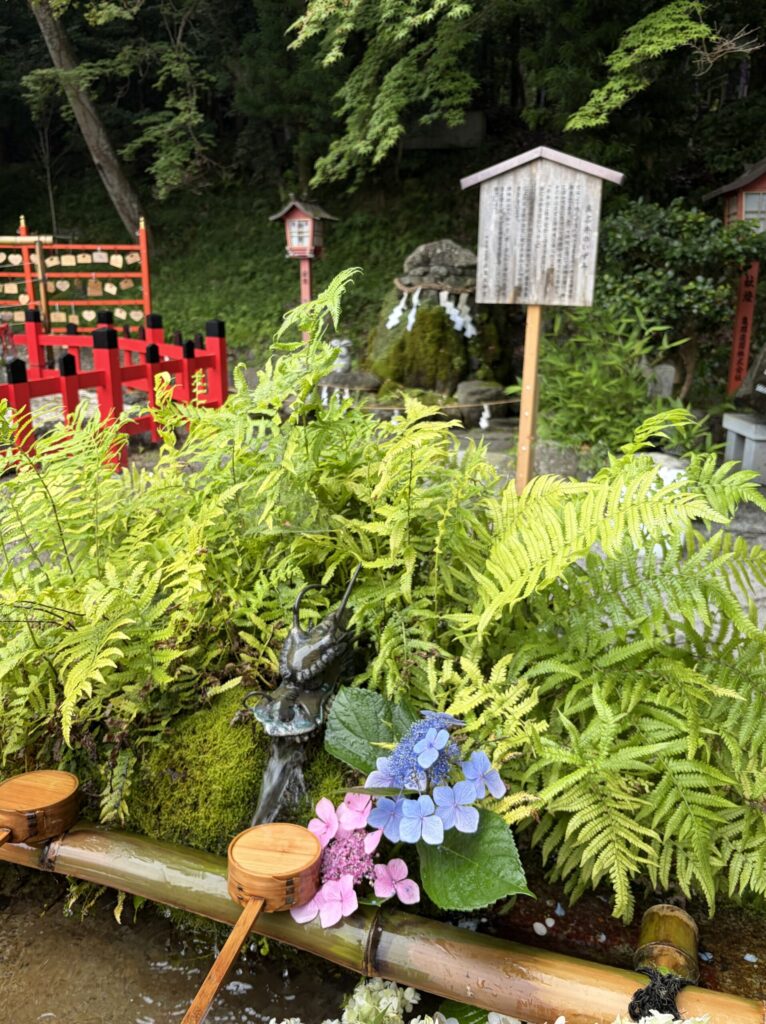
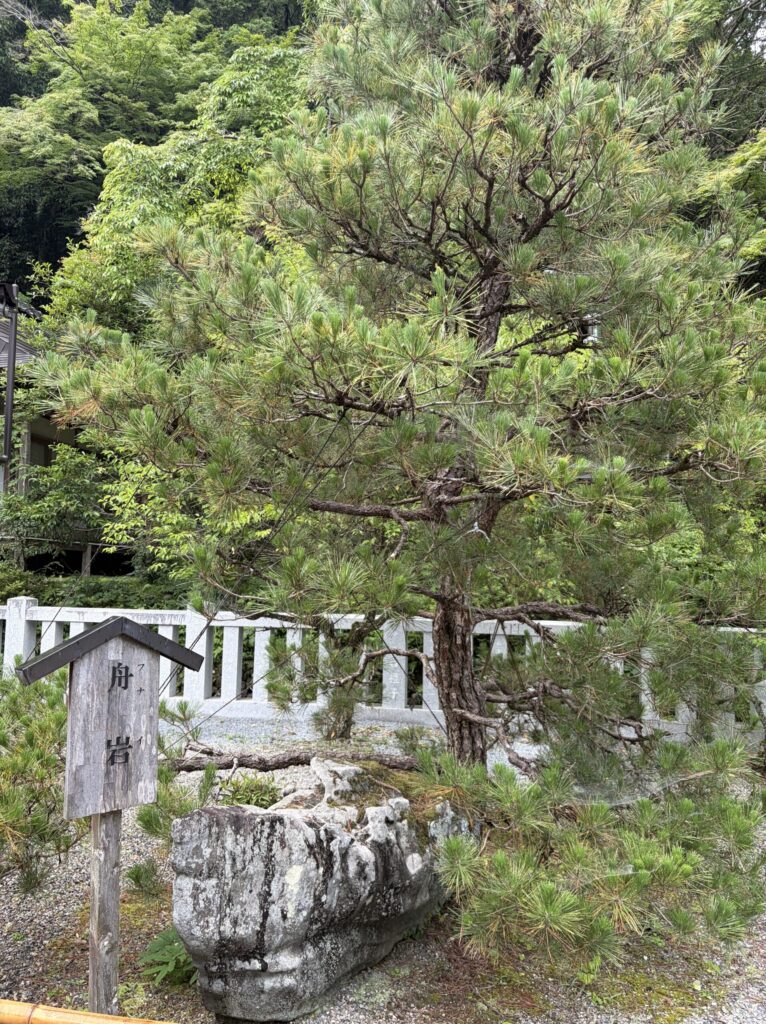
Iwakura (sacred rocks) are scattered throughout the grounds, and the water springs up ceaselessly. The water in the temizu basin was cool to the touch — it must be fed by a natural spring.
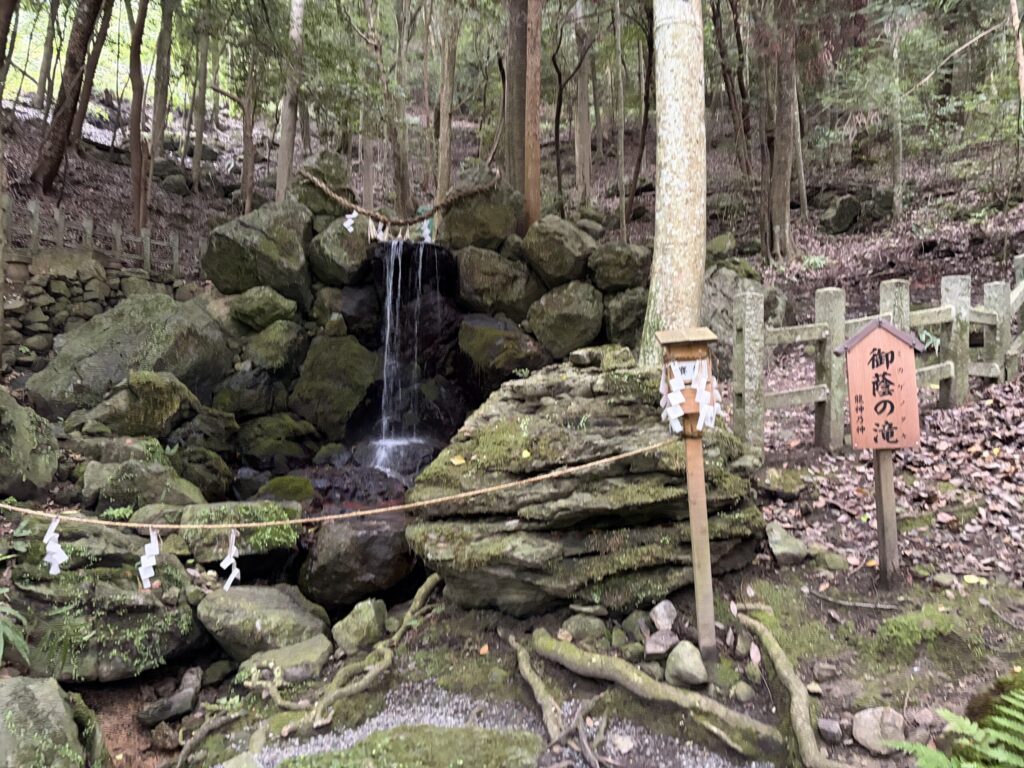
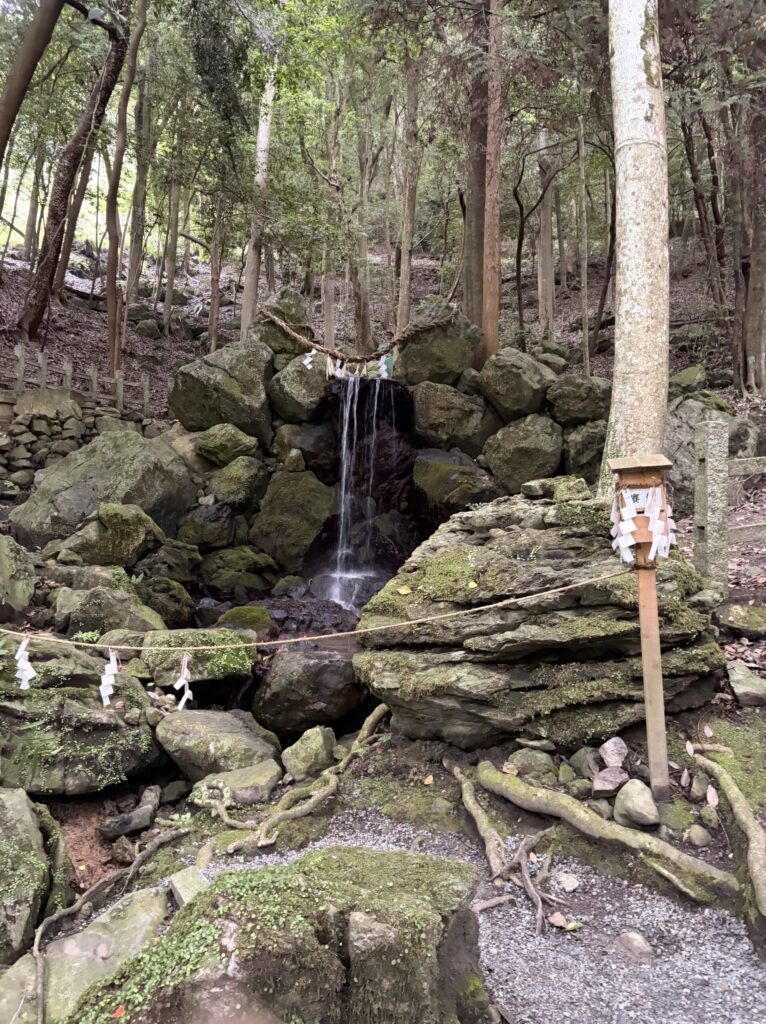
Going further up beyond the sacred Kami no Iwakura, I came upon the Mikage no Taki (Mikage Waterfall).
How on earth did the people of ancient times assemble such enormous rocks to create a waterfall? It is truly a mystery.