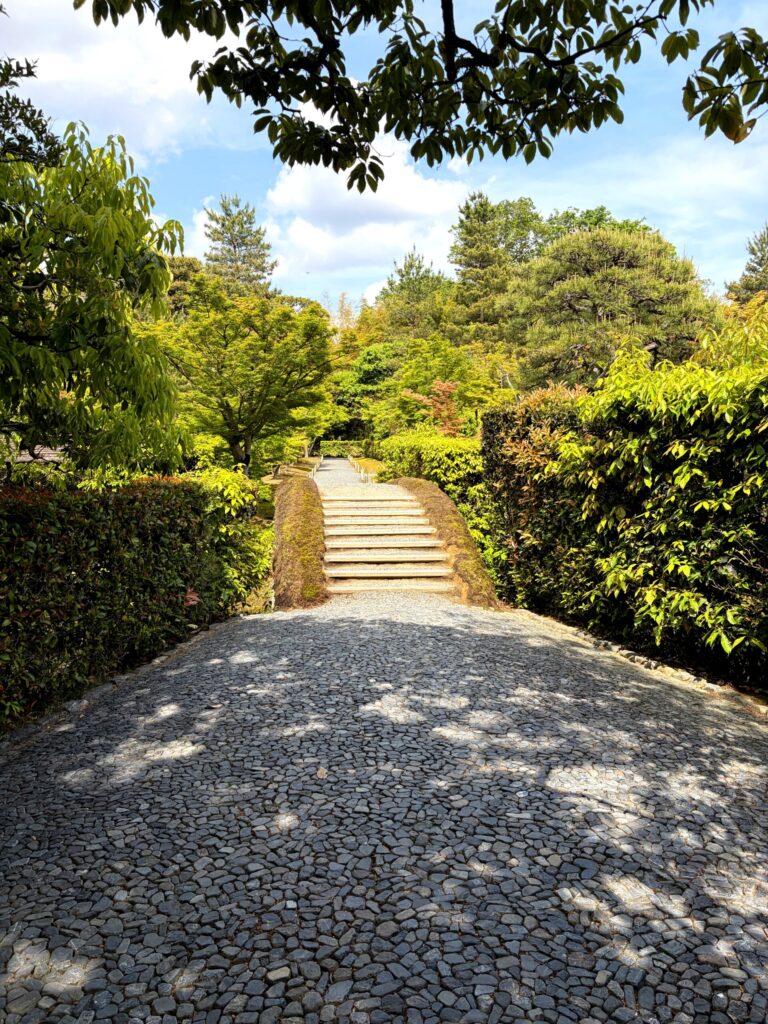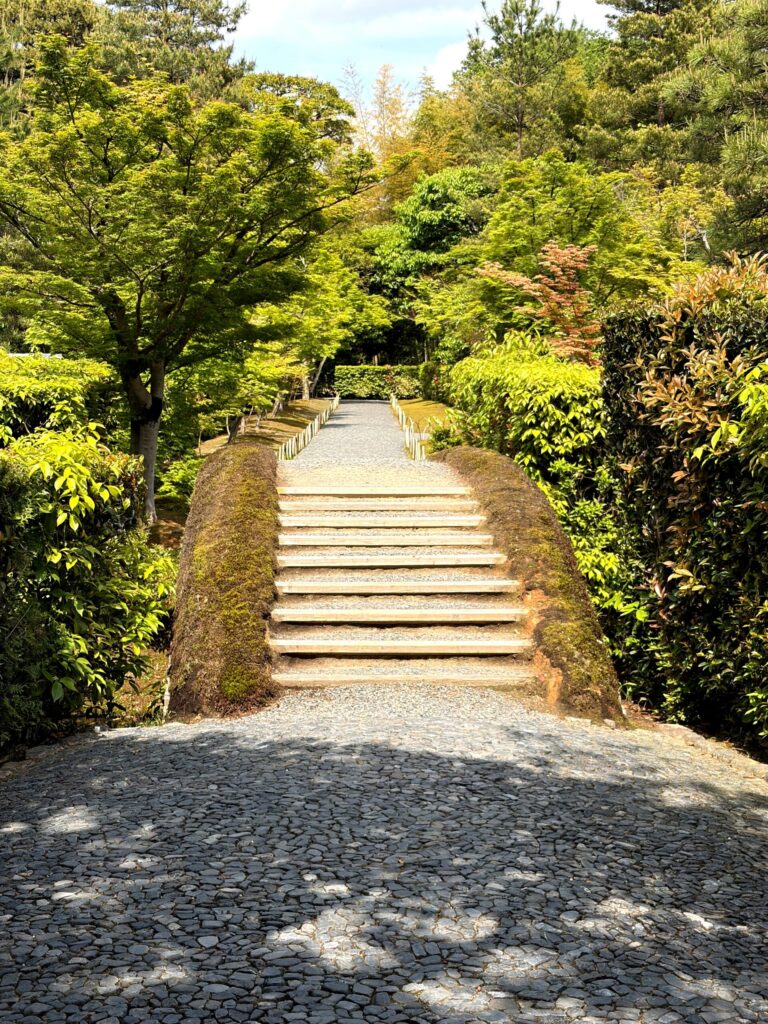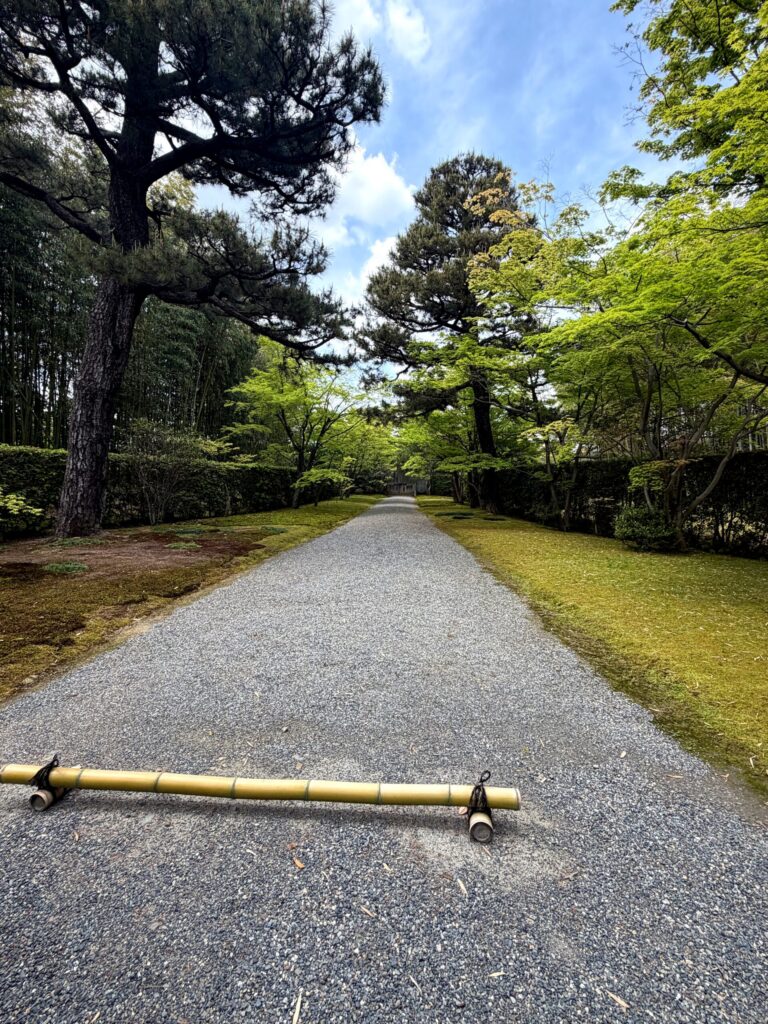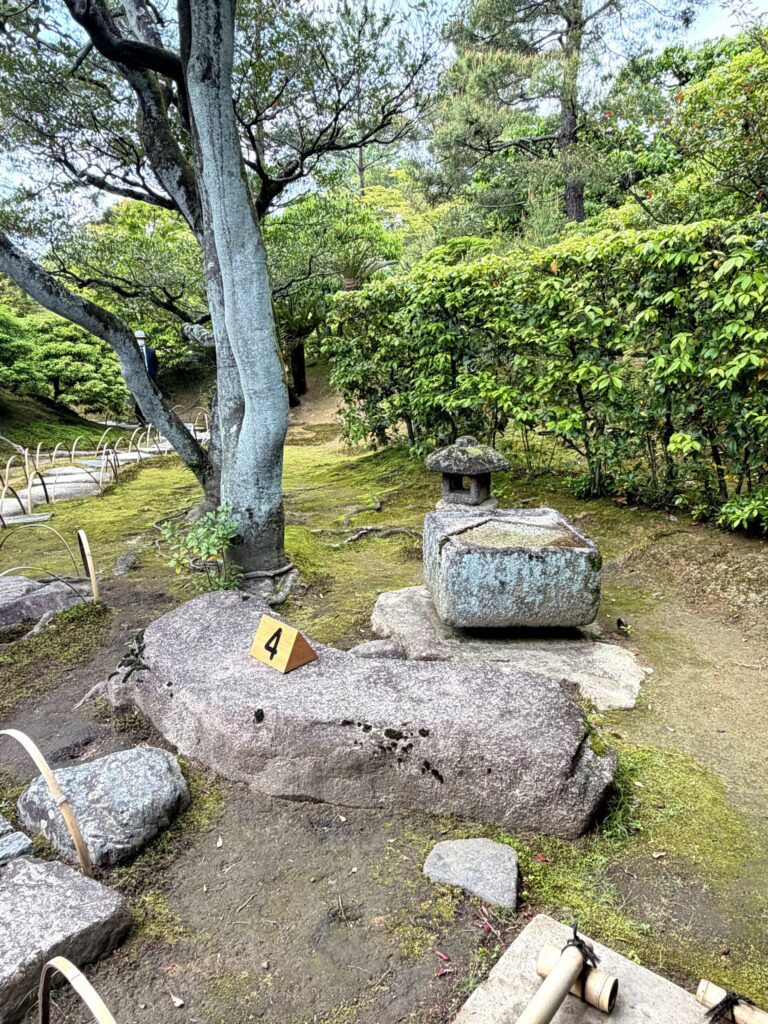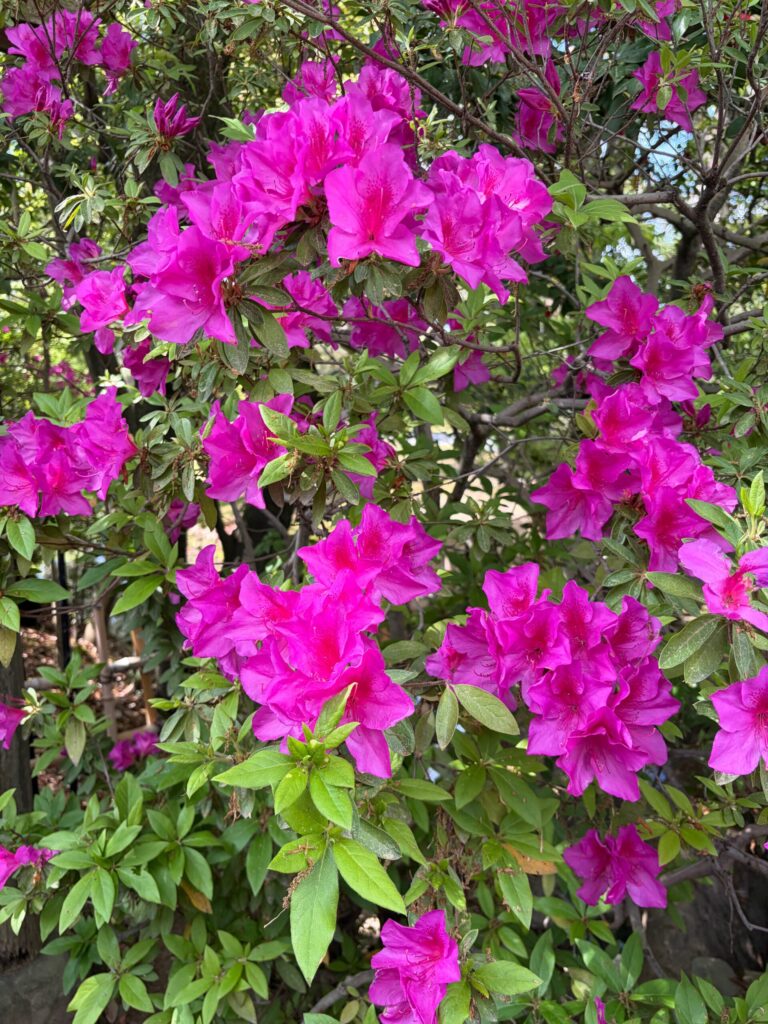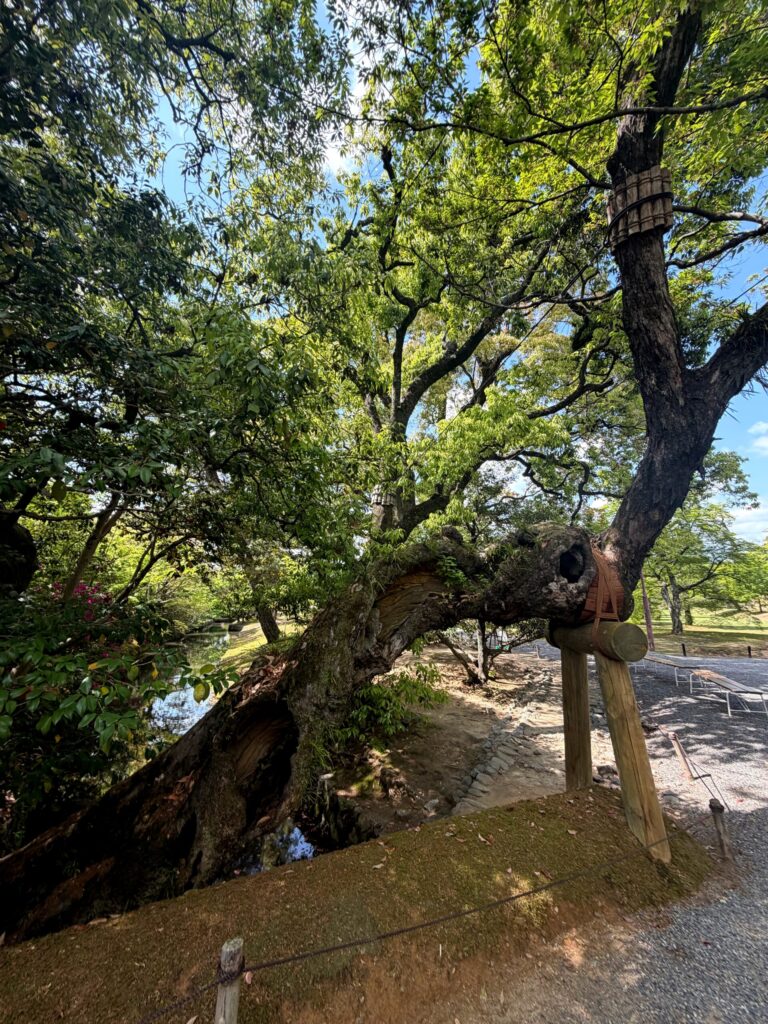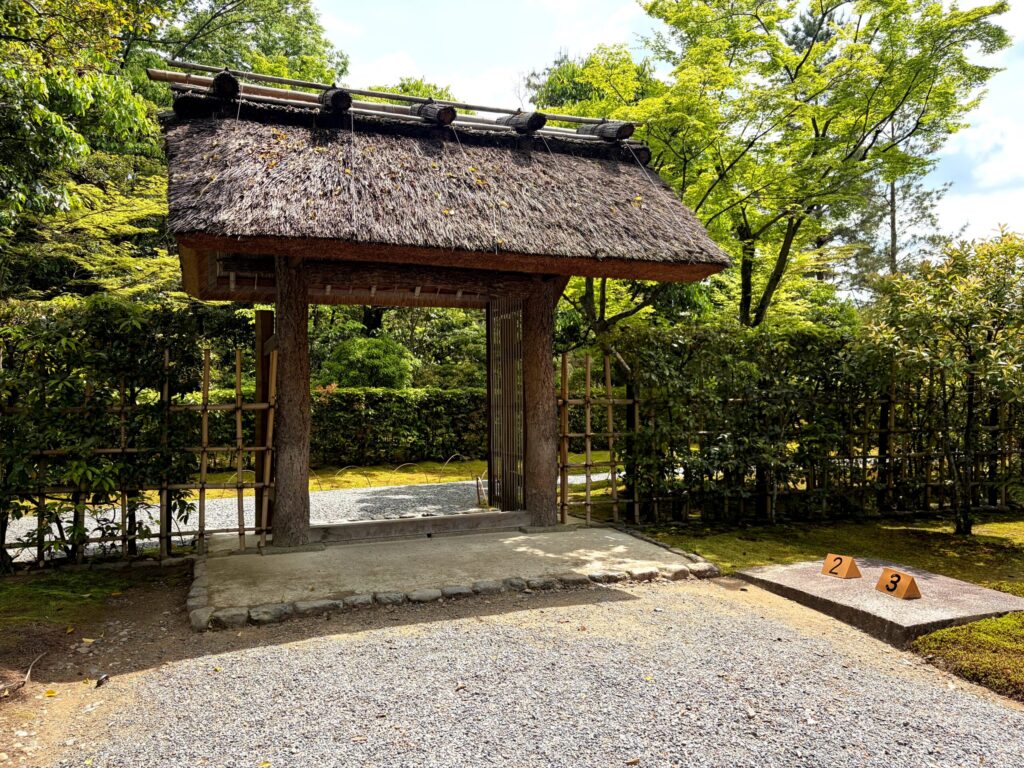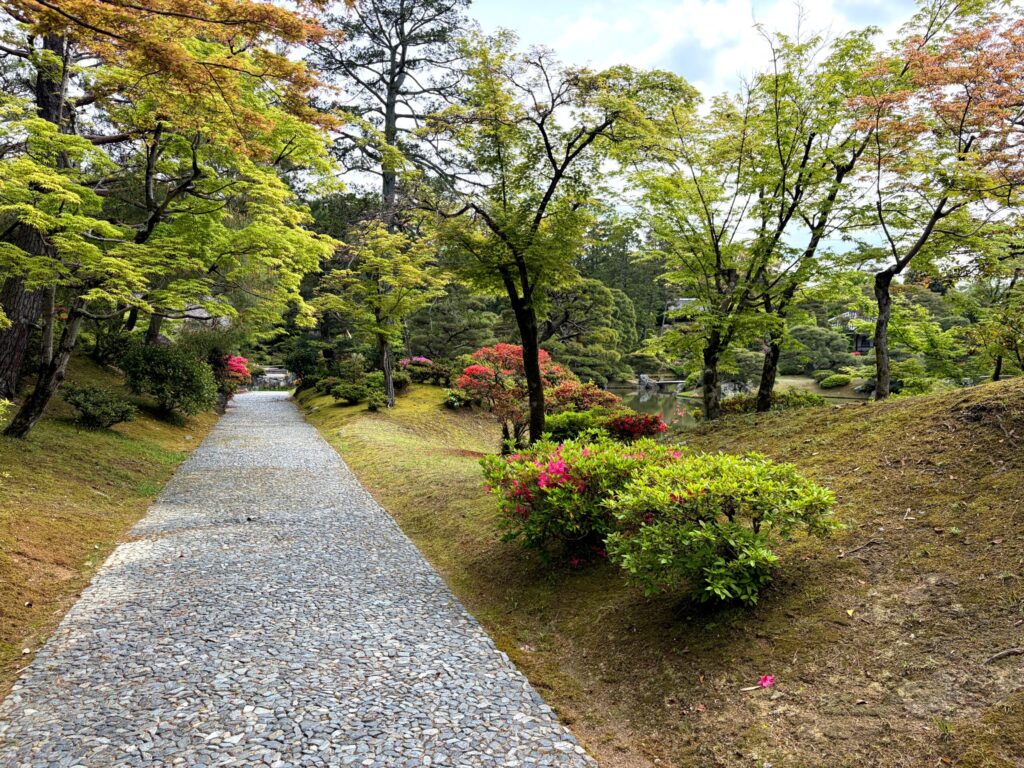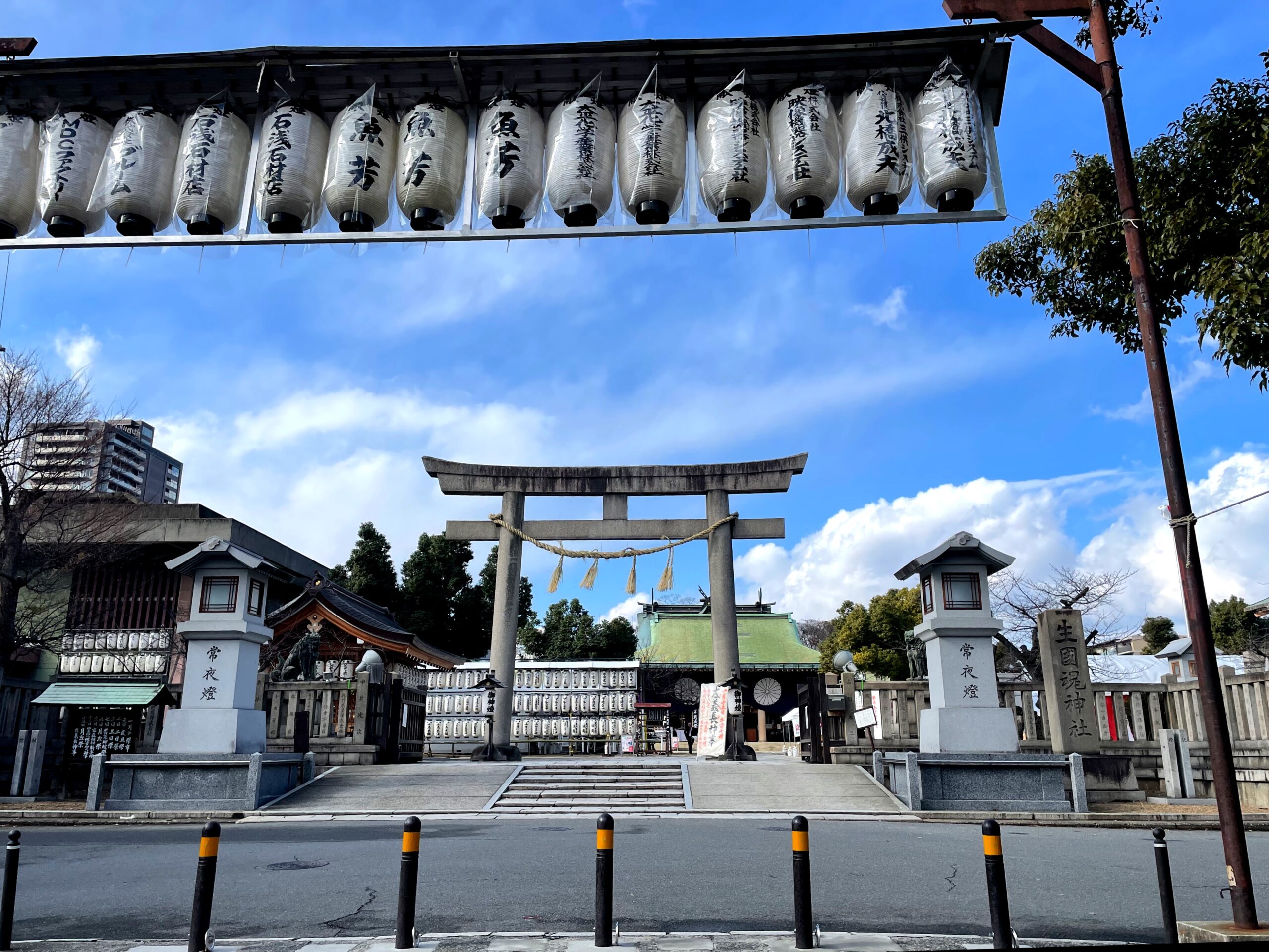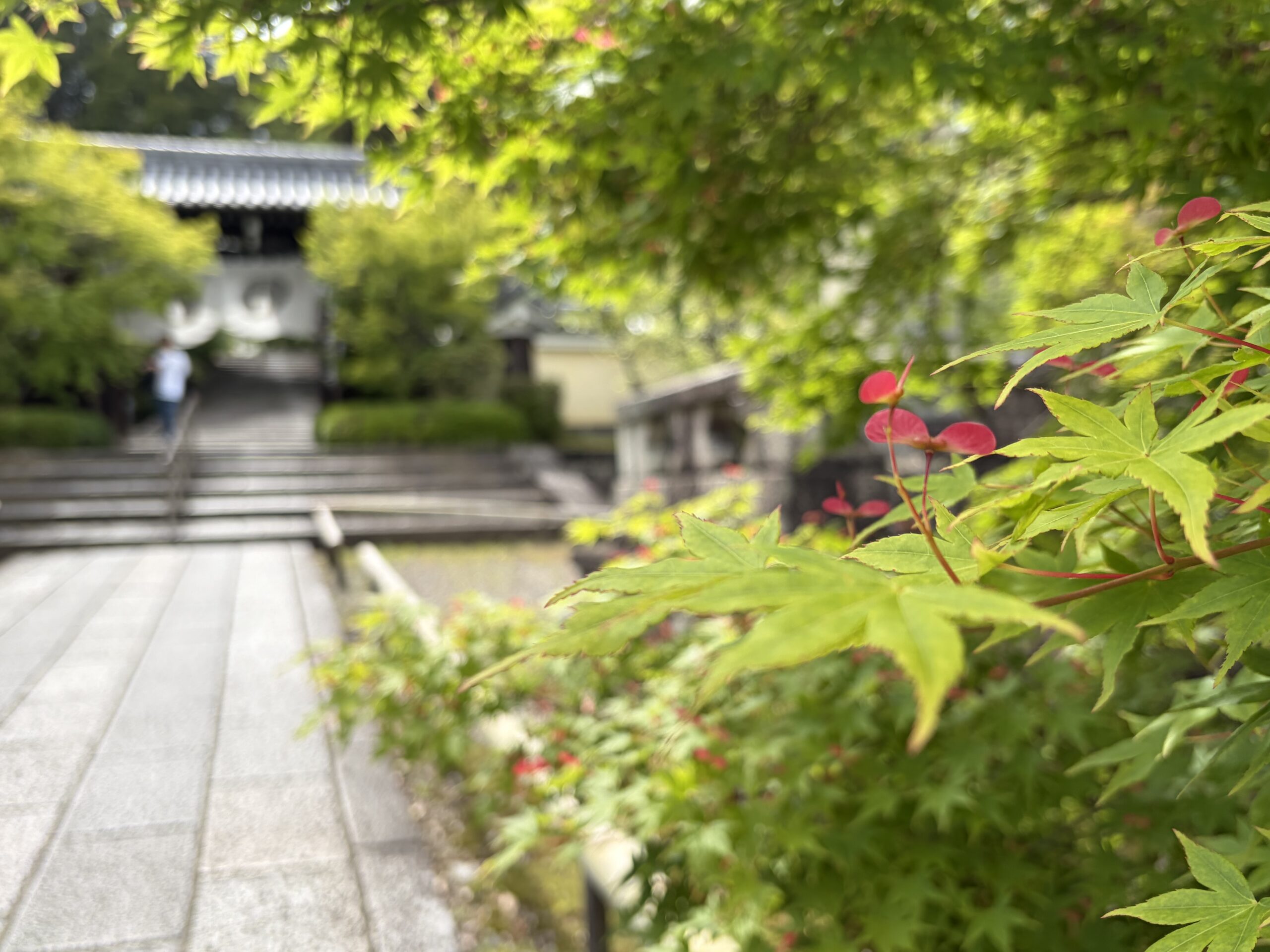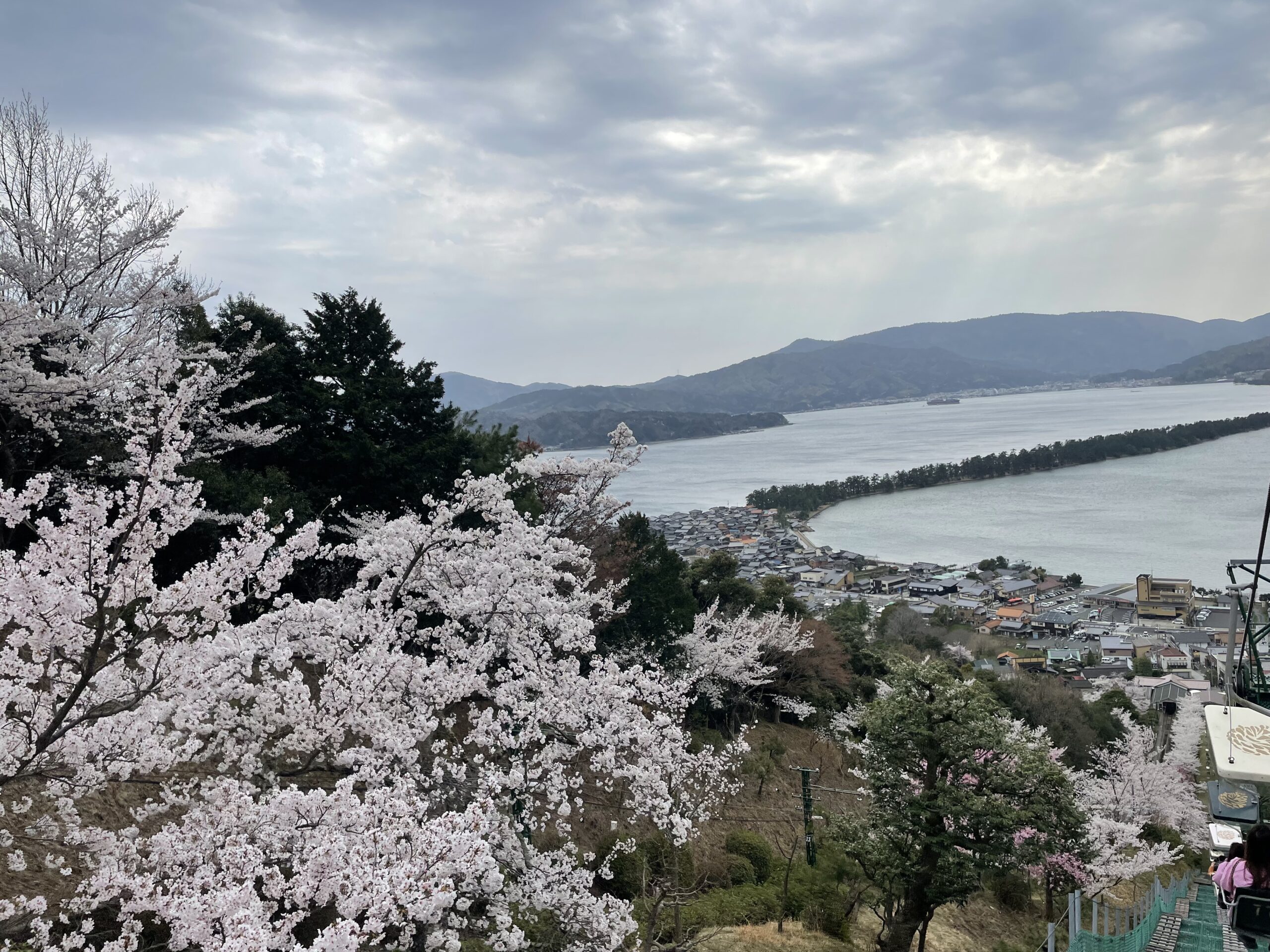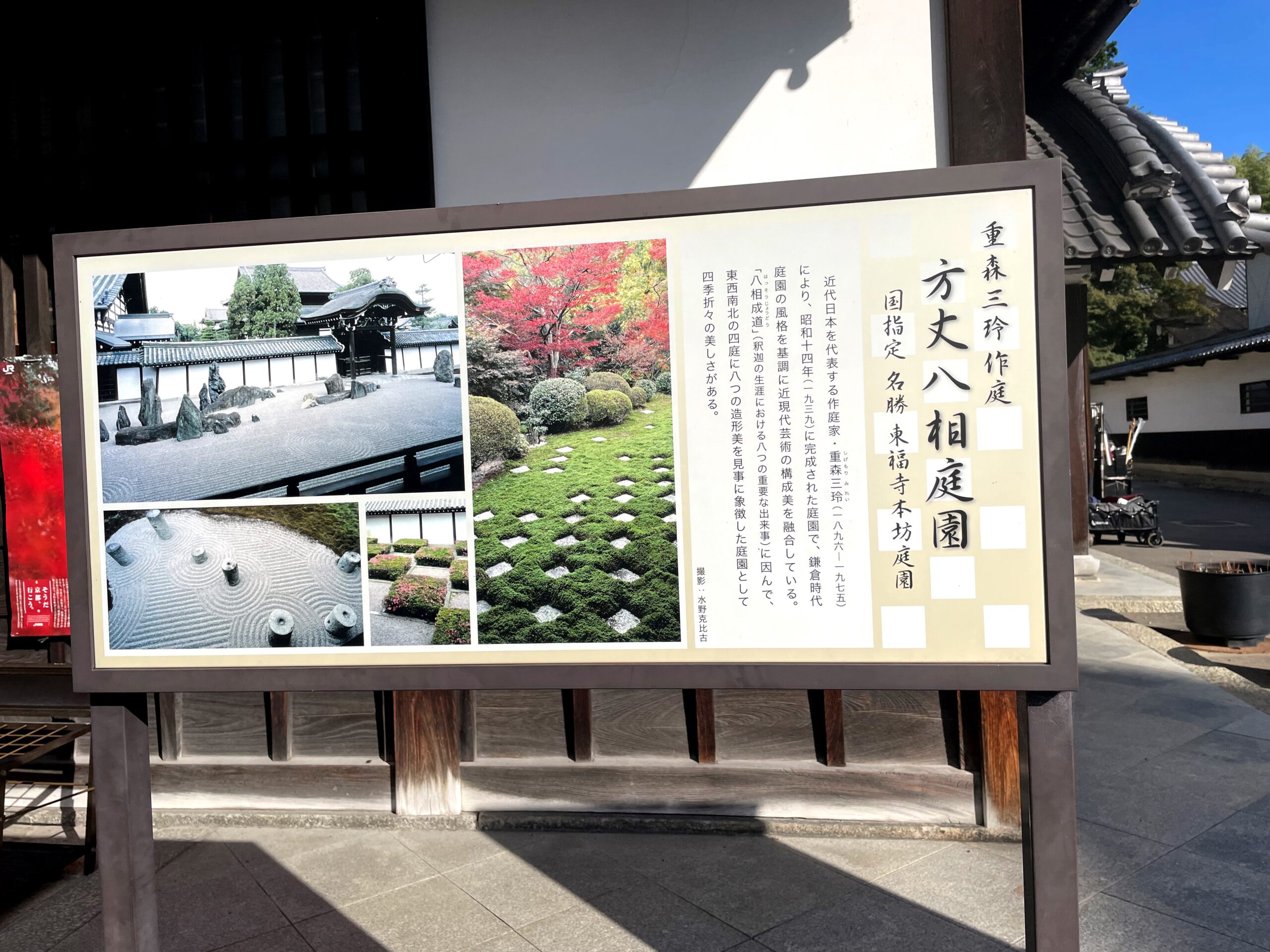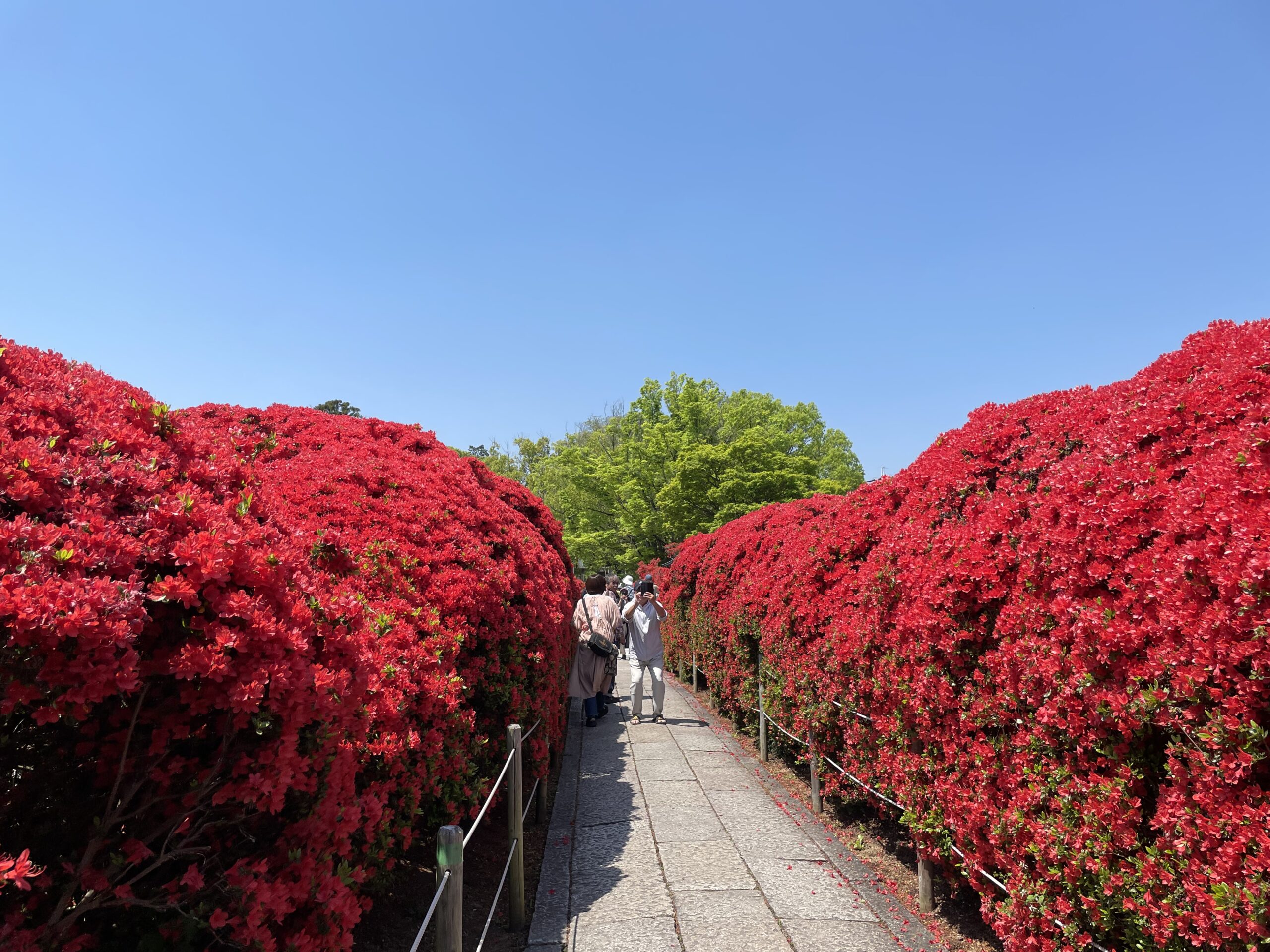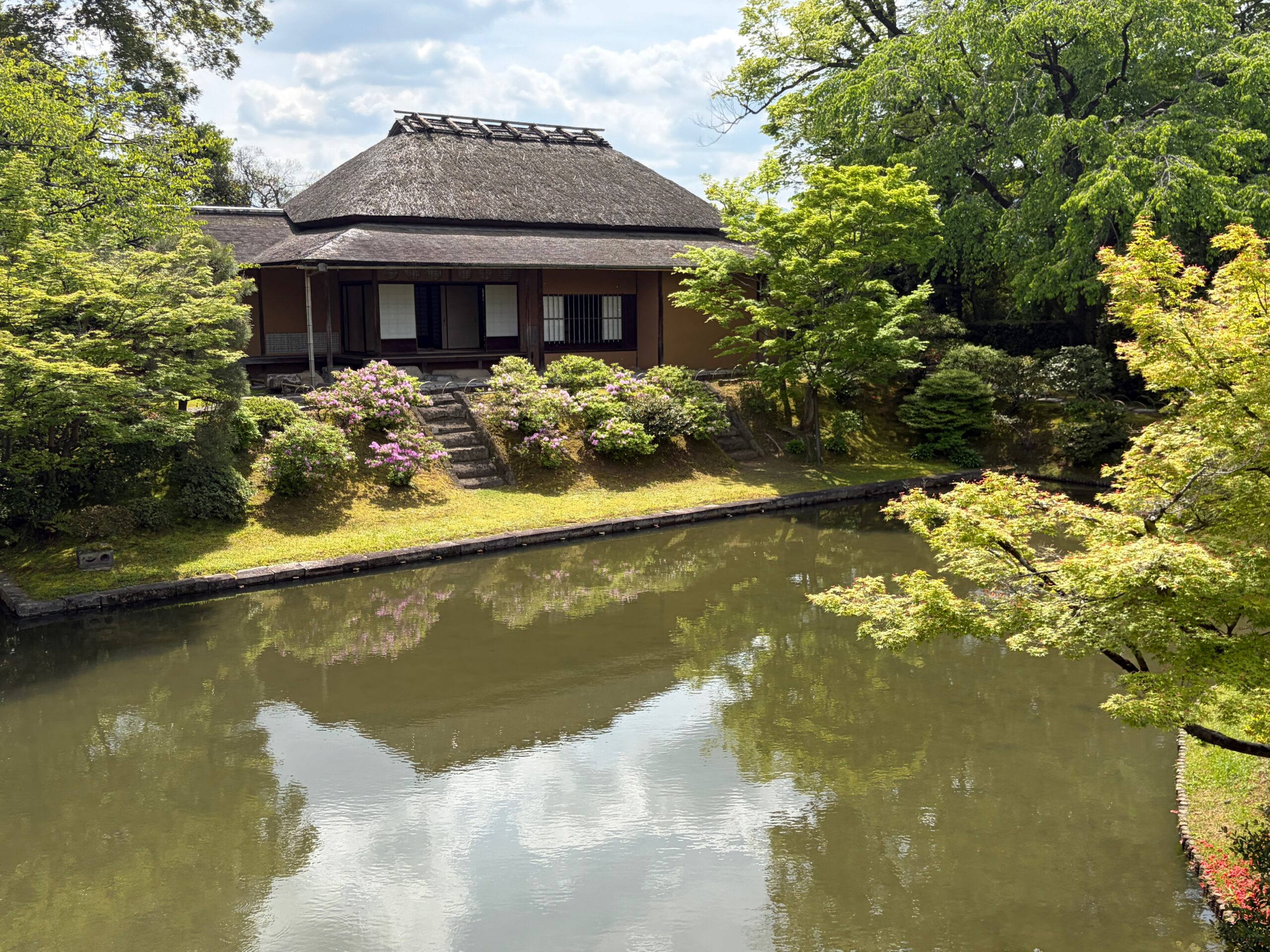
For over ten years, I had driven past this place countless times, always thinking: “One day, I must go.” That place was Katsura Rikyu.
In April 2026, I finally had the chance to visit — and I went dressed in kimono. Guided by a staff member, I spent an hour strolling through the villa grounds.
The garden offers something different in every season, and I hope to return in a different time of year to see it again.
The following is an AI-written guide. The photographs are my own, taken during the visit.
Located in Nishikyo-ku, Kyoto, Katsura Rikyu (Katsura Imperial Villa) is renowned worldwide as the supreme achievement of Japanese garden design and shoin-style architecture. Since its construction in the early Edo period, its beauty has remained unchanged over some 400 years, continuing to captivate architects and artists from around the world. As an imperial property administered by the Imperial Household Agency, advance reservations are required.
What Is Katsura Rikyu?
Construction of Katsura Rikyu began around 1615 under Prince Toshihito, and was completed in its present form by his son, Prince Toshitada. The name “Katsura” comes from the Katsura River, which flows nearby.
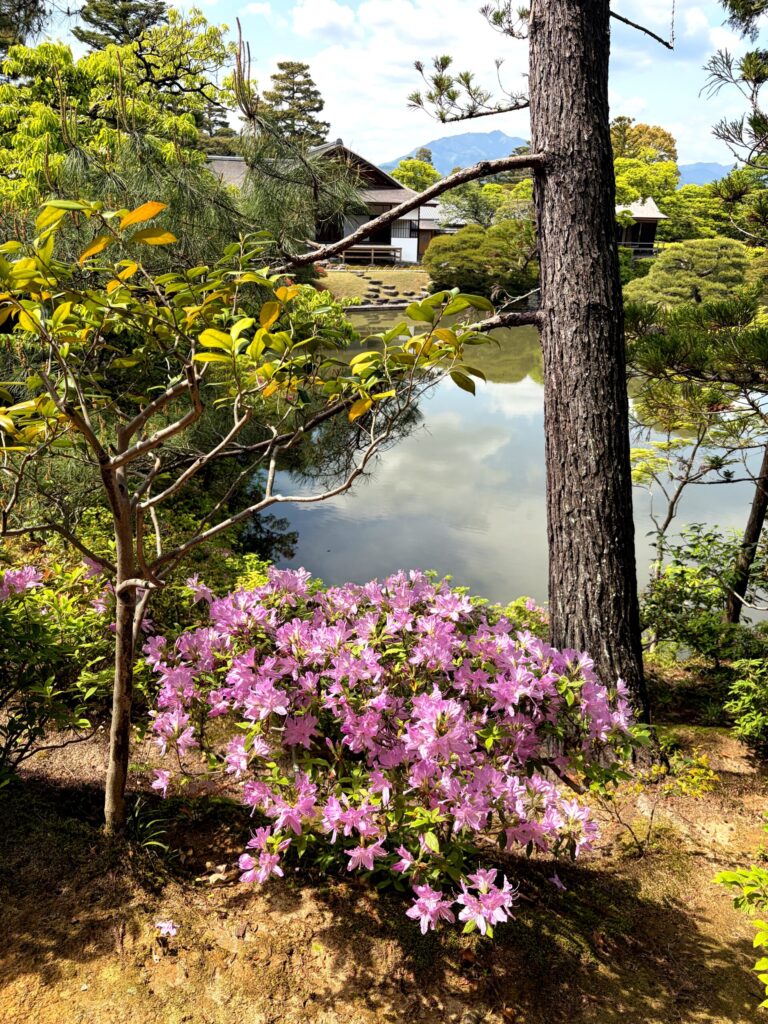
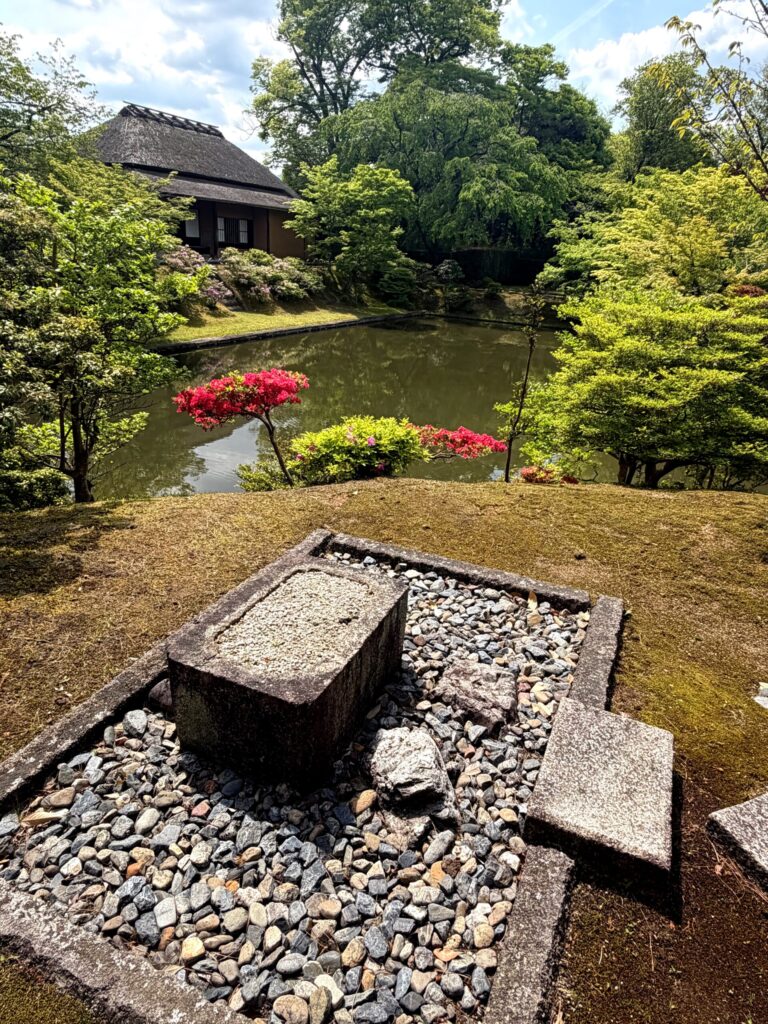
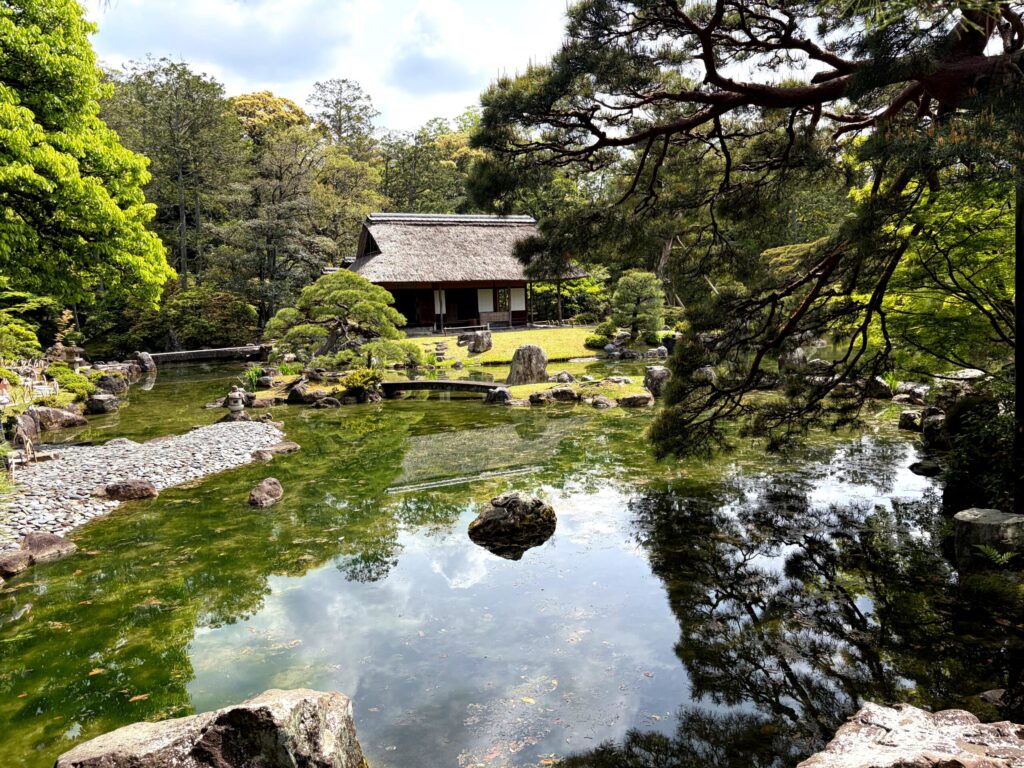
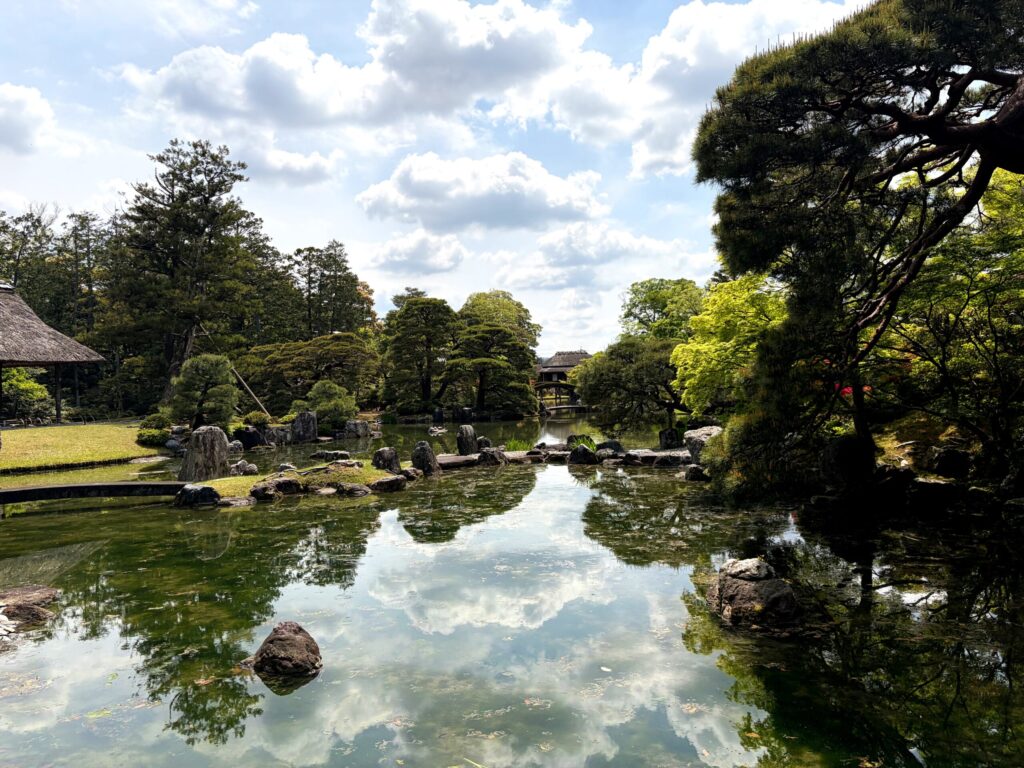
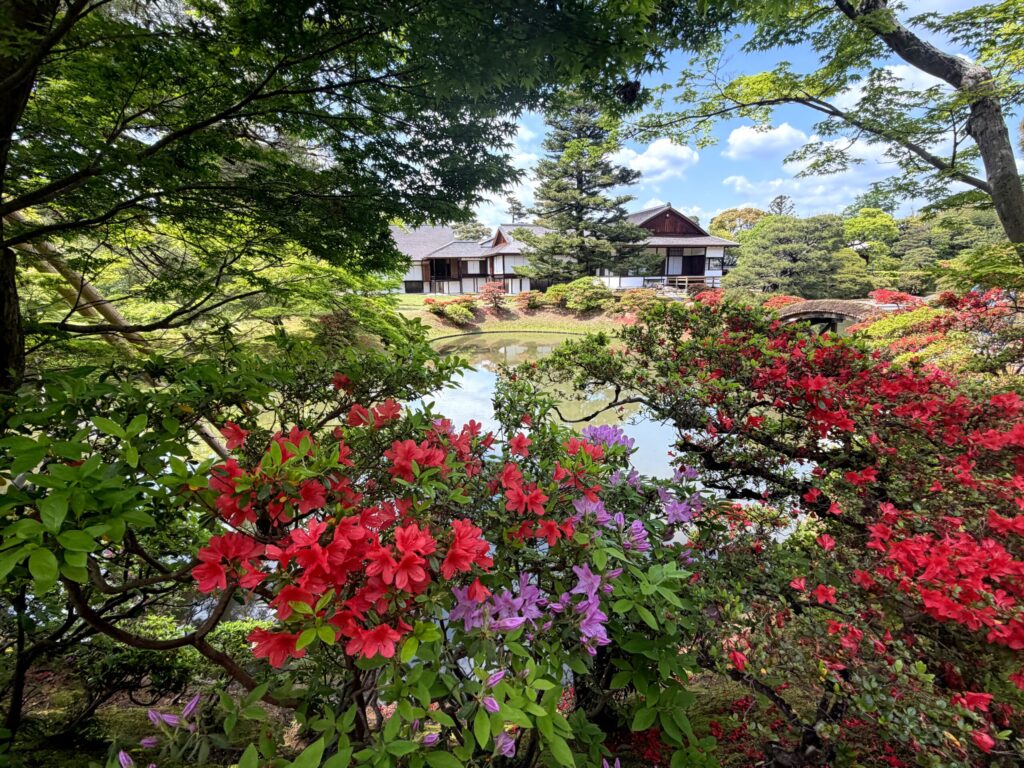
Across approximately 69,000 square meters of grounds, a stroll garden unfolds around a large central pond, dotted with a series of shoin halls — the Ko-shoin, Chu-shoin, and Shin-goten — as well as several teahouses. The garden’s composition is endlessly picturesque from every angle, and it is often described as the ideal of the Japanese garden.
The German architect Bruno Taut, who visited in the 20th century, famously declared it “so beautiful it brings one to tears.” Walter Gropius, founder of the Bauhaus, was equally moved by its design.
Highlights
The Stroll Garden
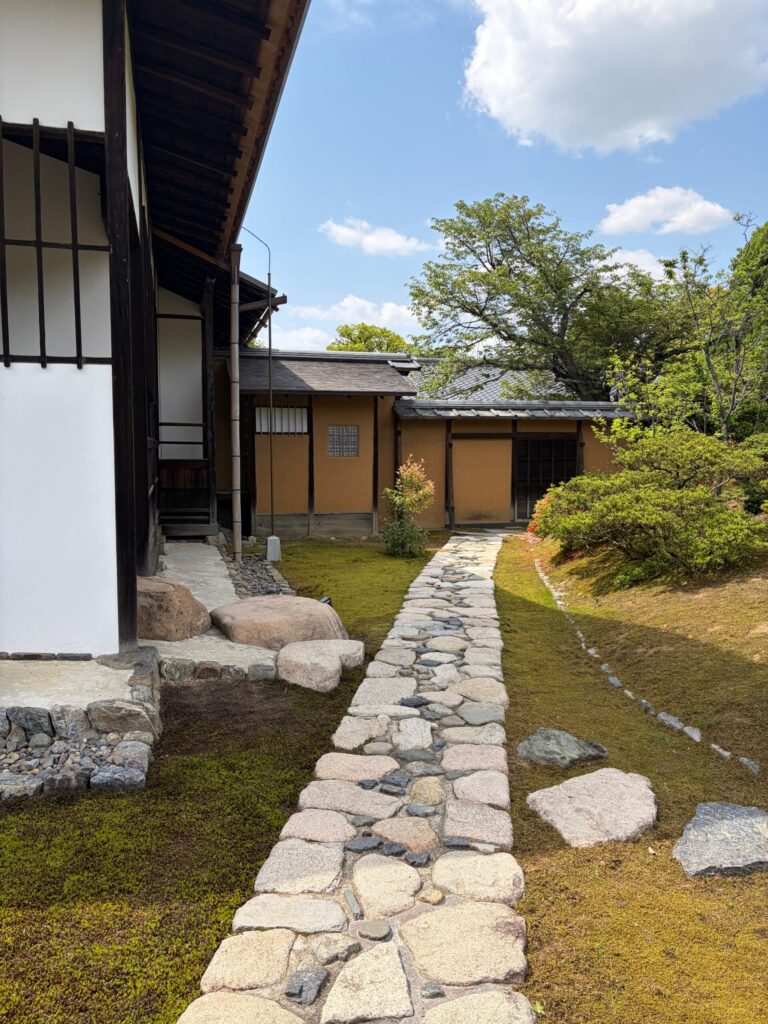
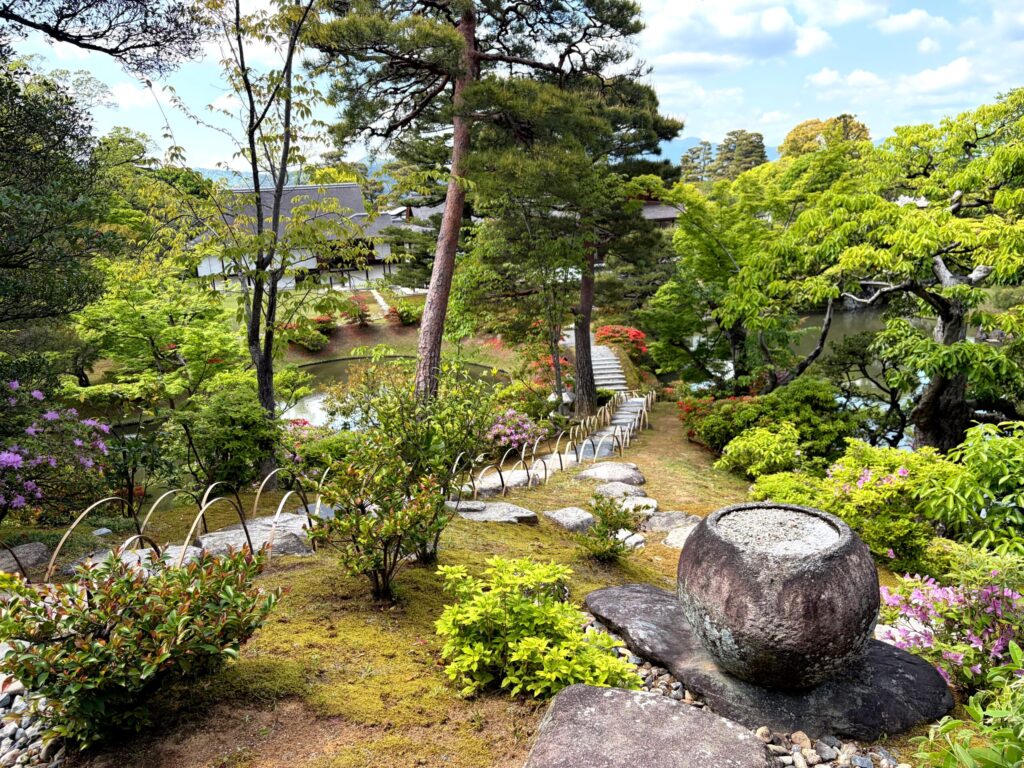
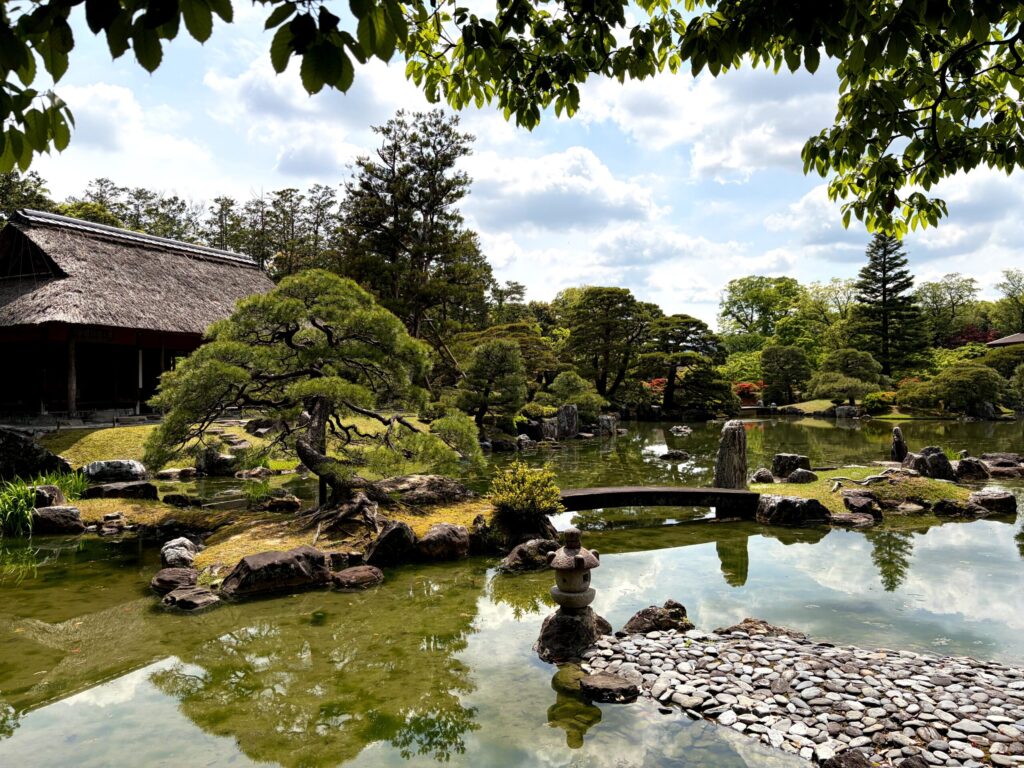
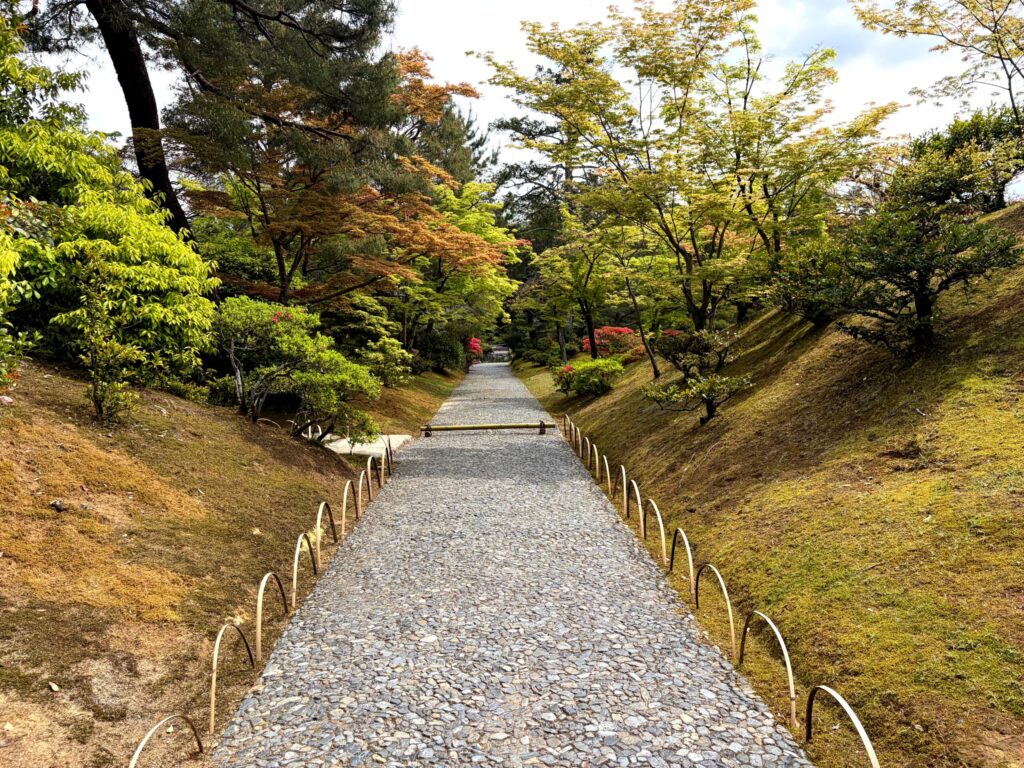
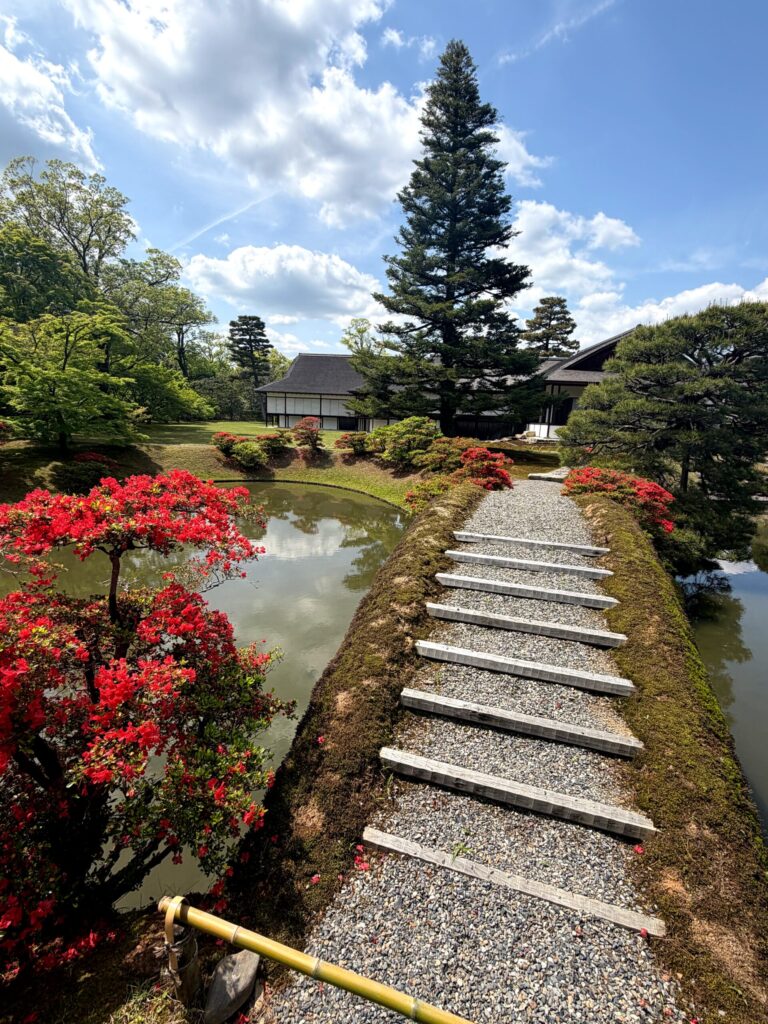
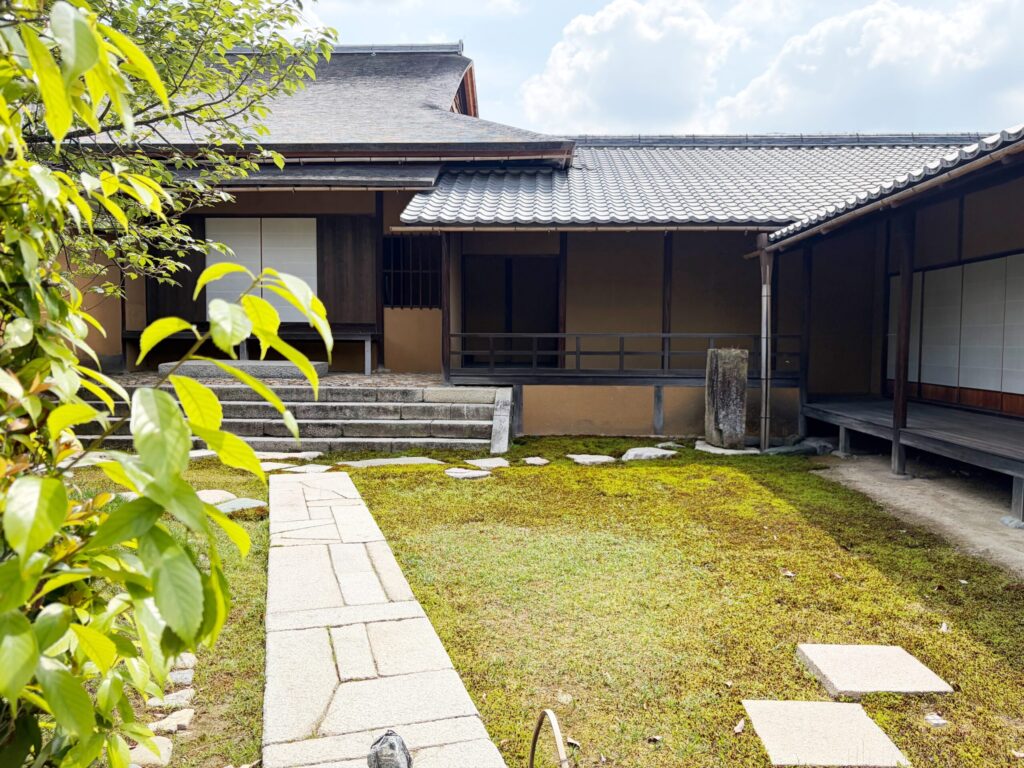
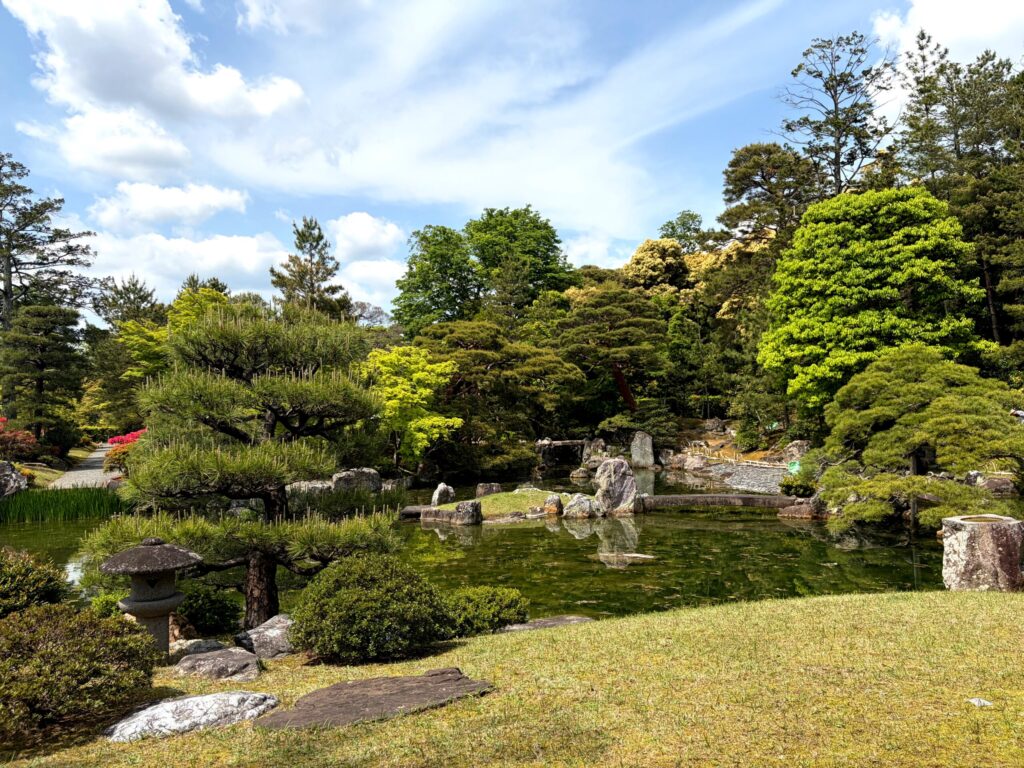
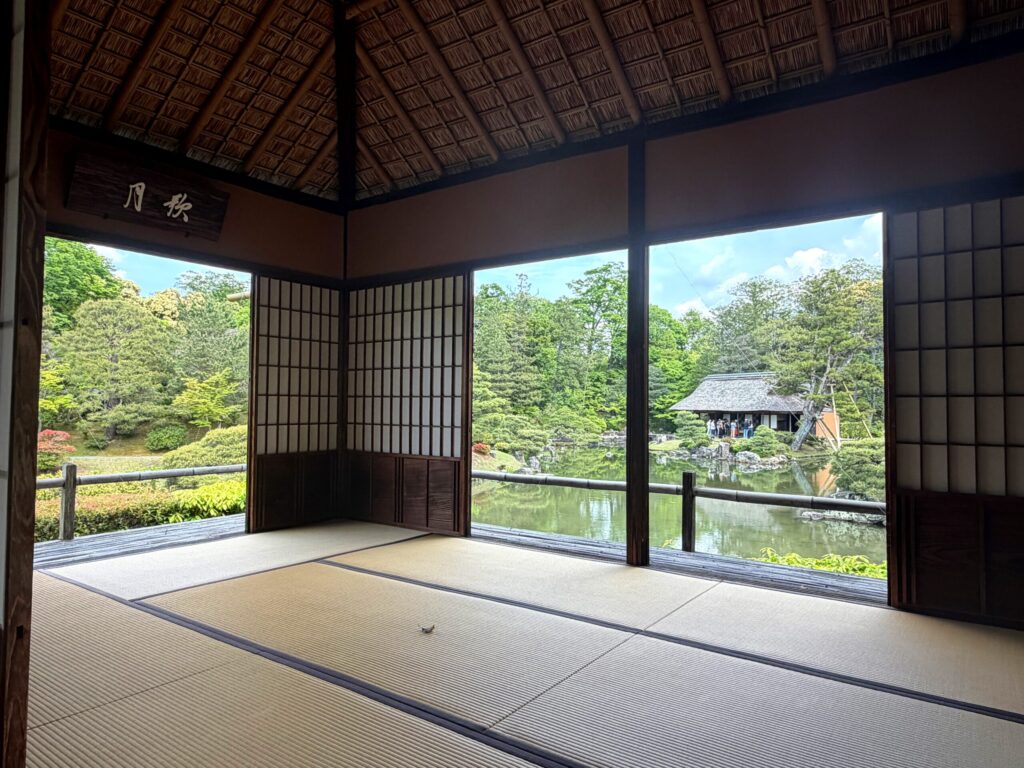
The heart of Katsura Rikyu is its kaiyū-shiki stroll garden, where each step reveals a new composition of scenery. Stepping stones, stone bridges, and earthen bridges are placed throughout, subtly shifting the visitor’s perspective with every turn.
The Shoin Halls
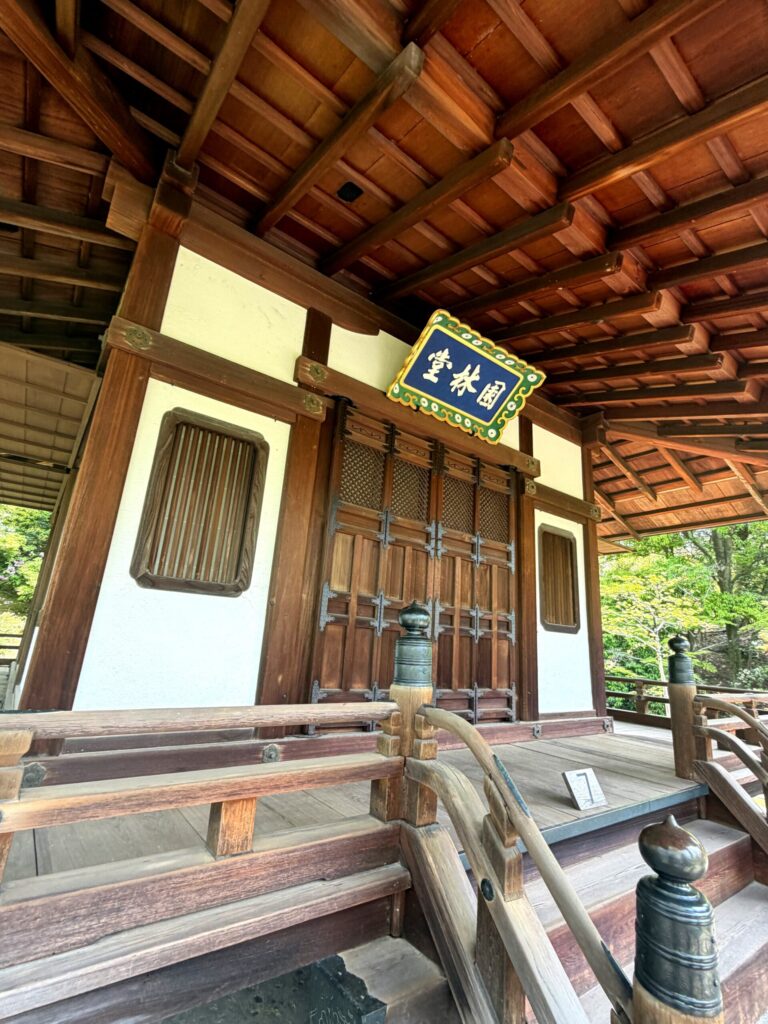
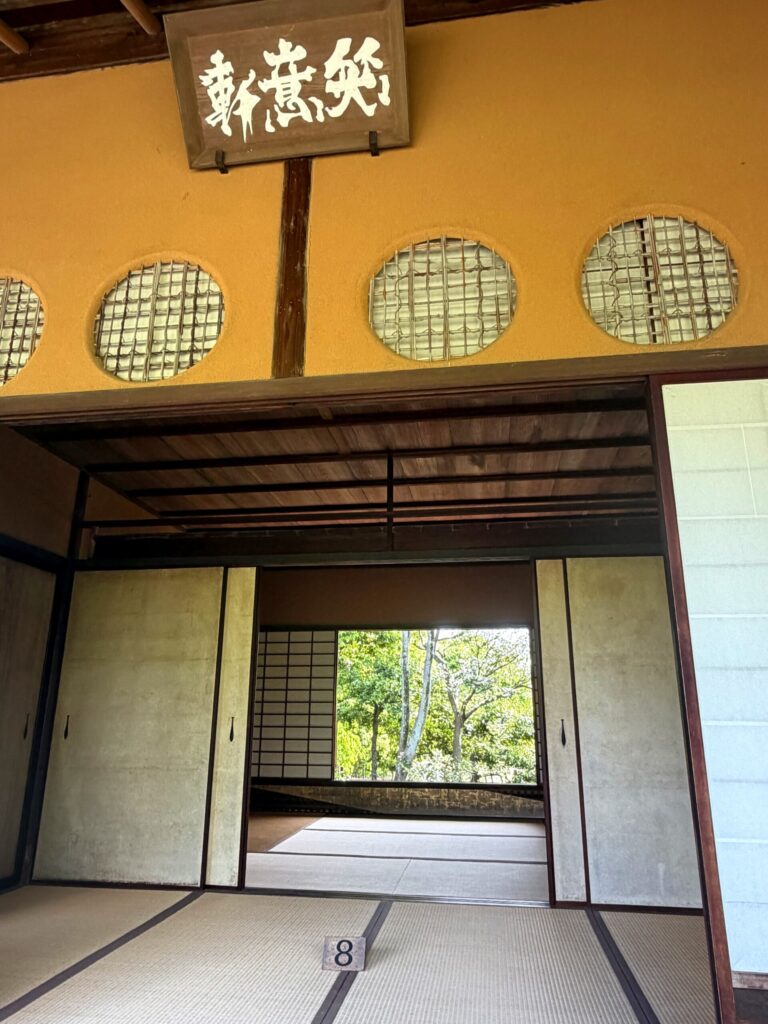
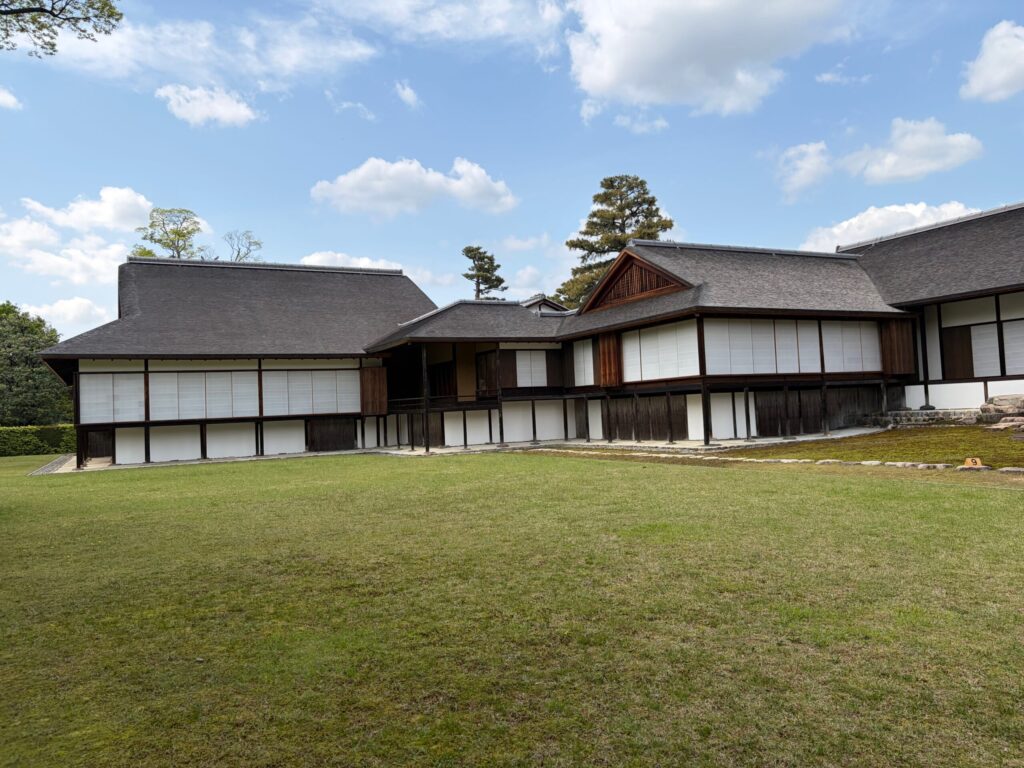
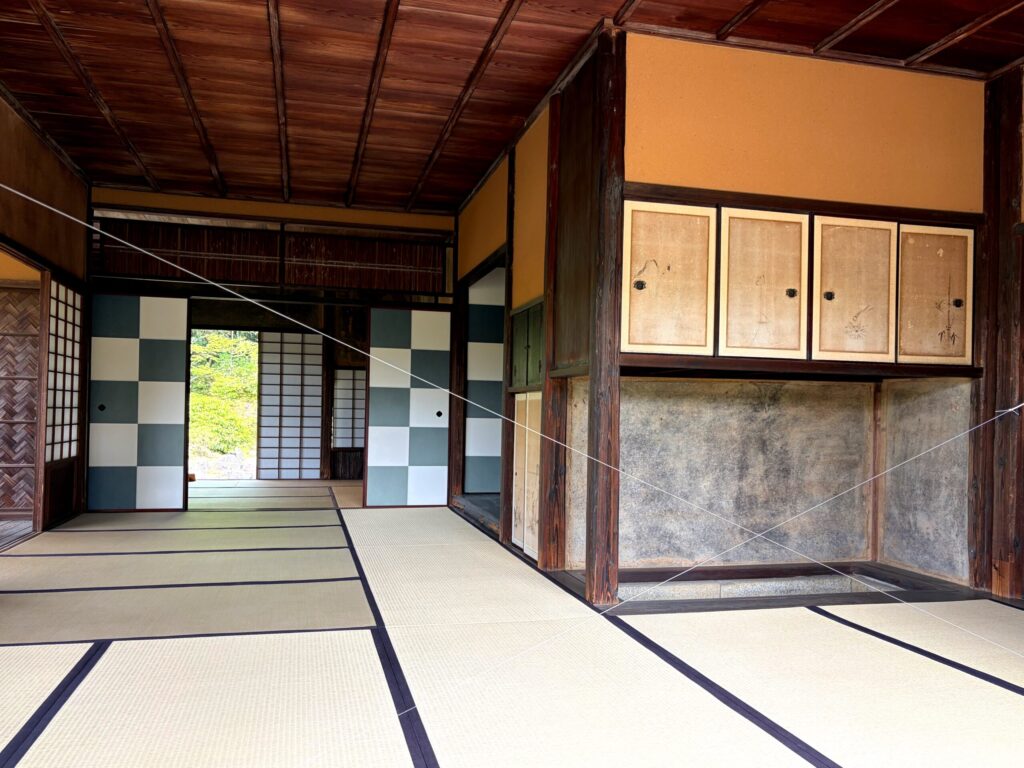
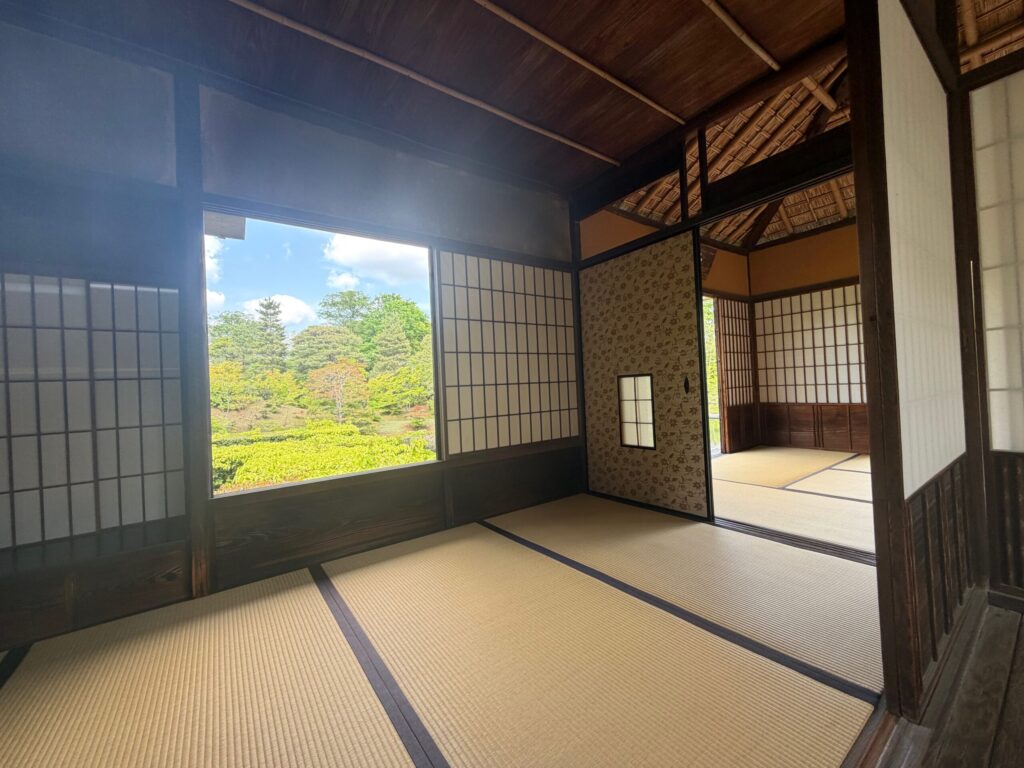
The Ko-shoin, Chu-shoin, Gakki-no-ma, and Shin-goten are arranged in a staggered formation known as ganko (wild geese in flight). The design is refined throughout — including the moon-viewing platform, positioned with careful attention to the angle of moonrise. Every detail reflects a sophisticated aesthetic sensibility.
The Four Teahouses
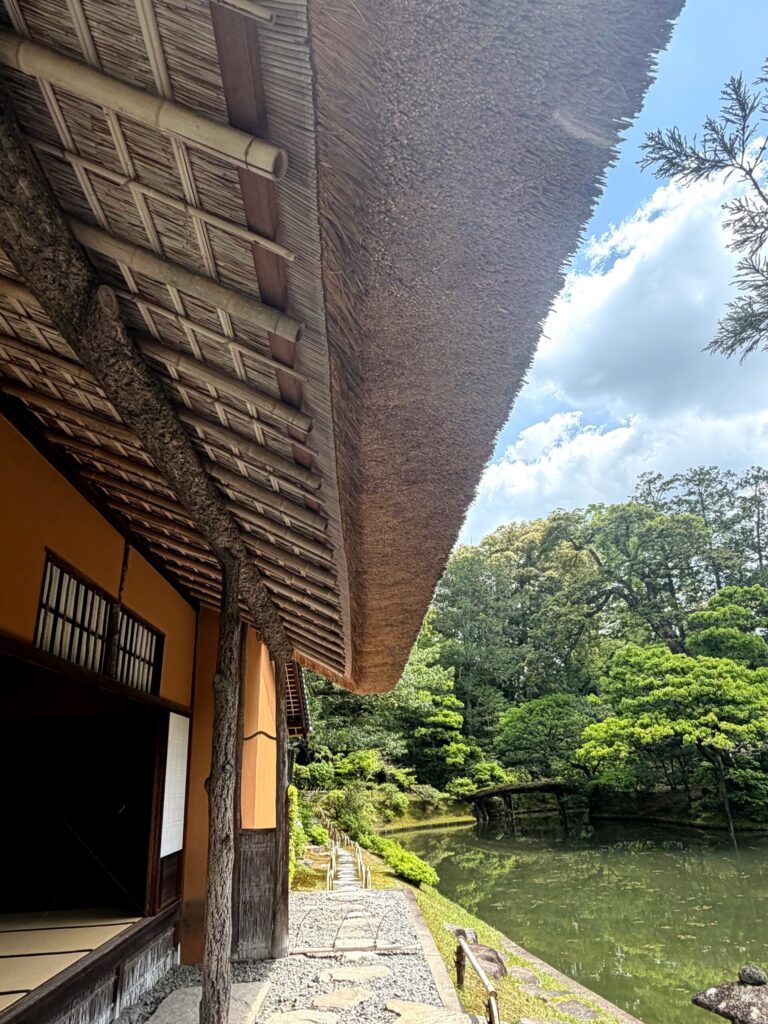
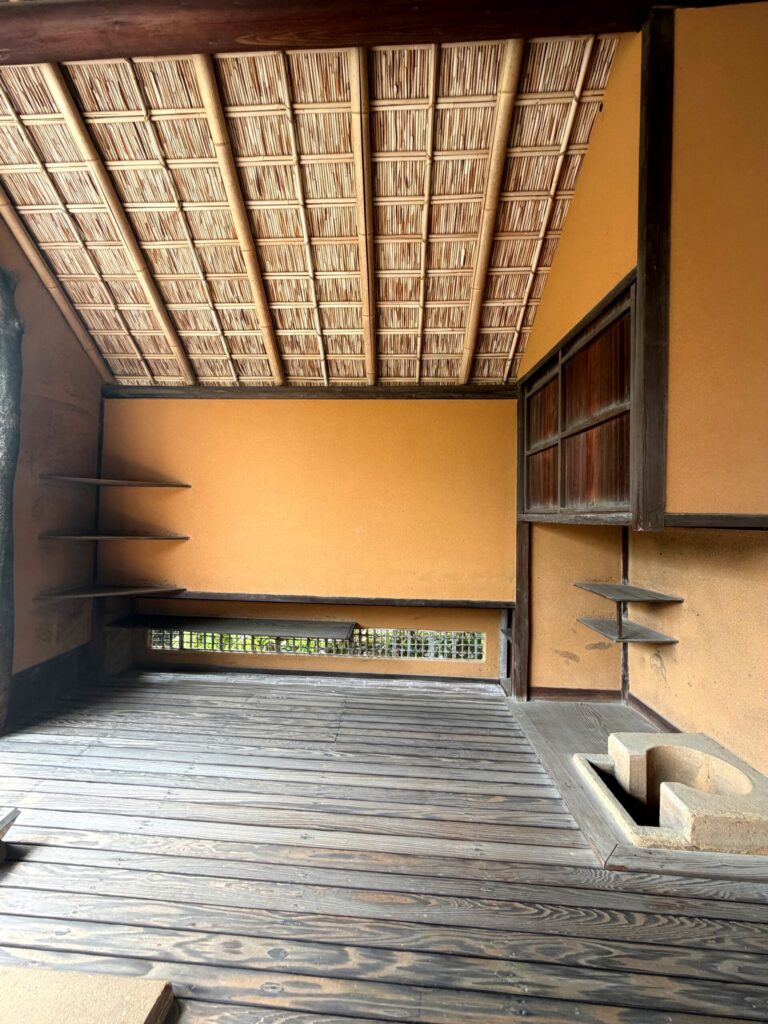
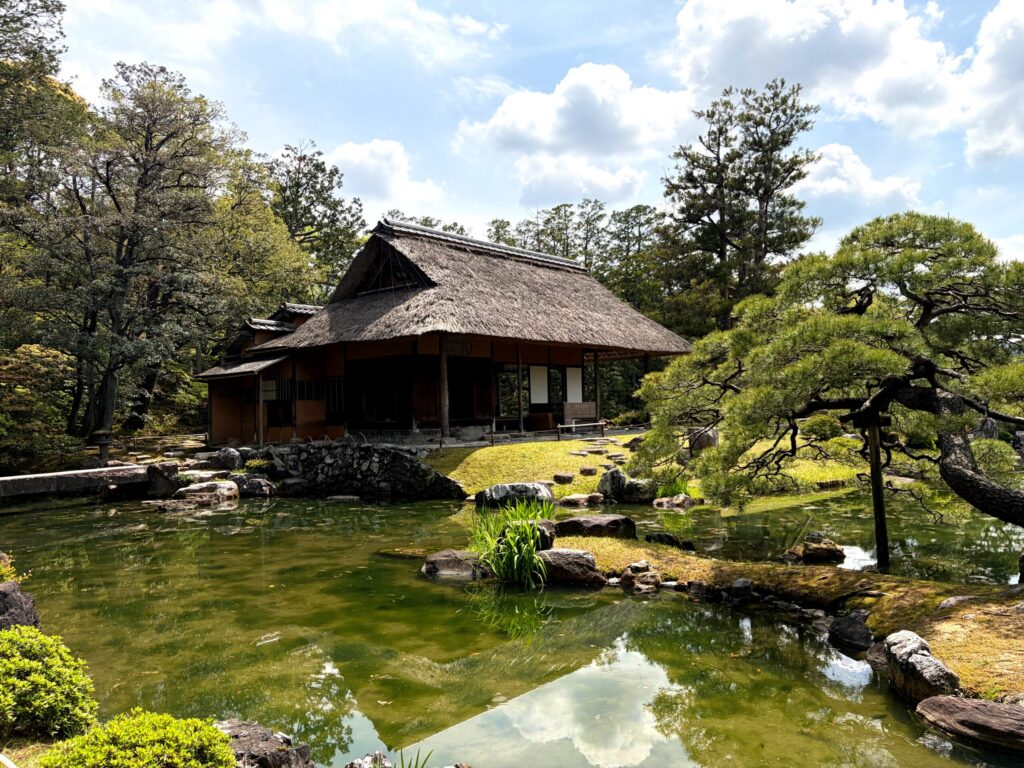
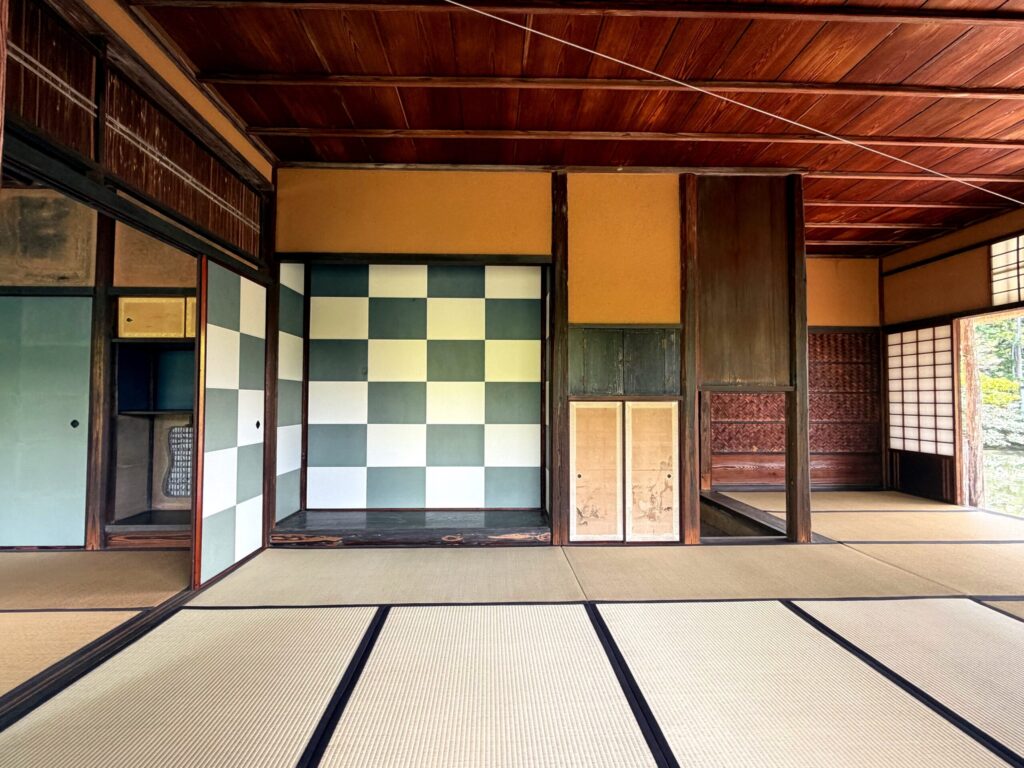
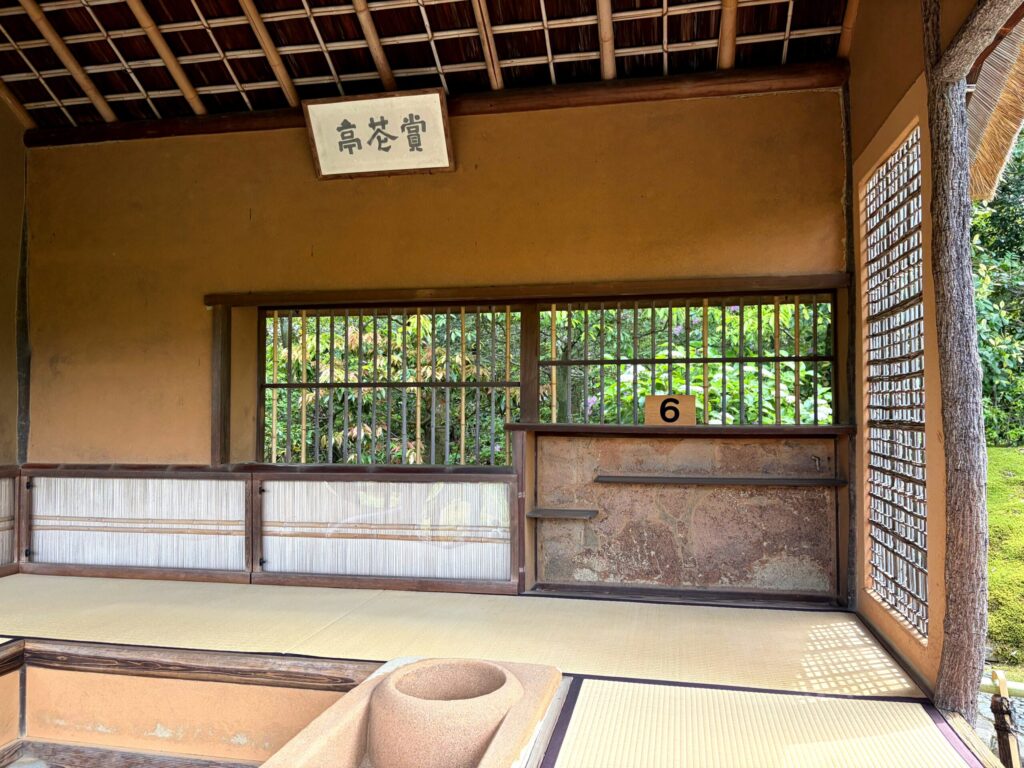
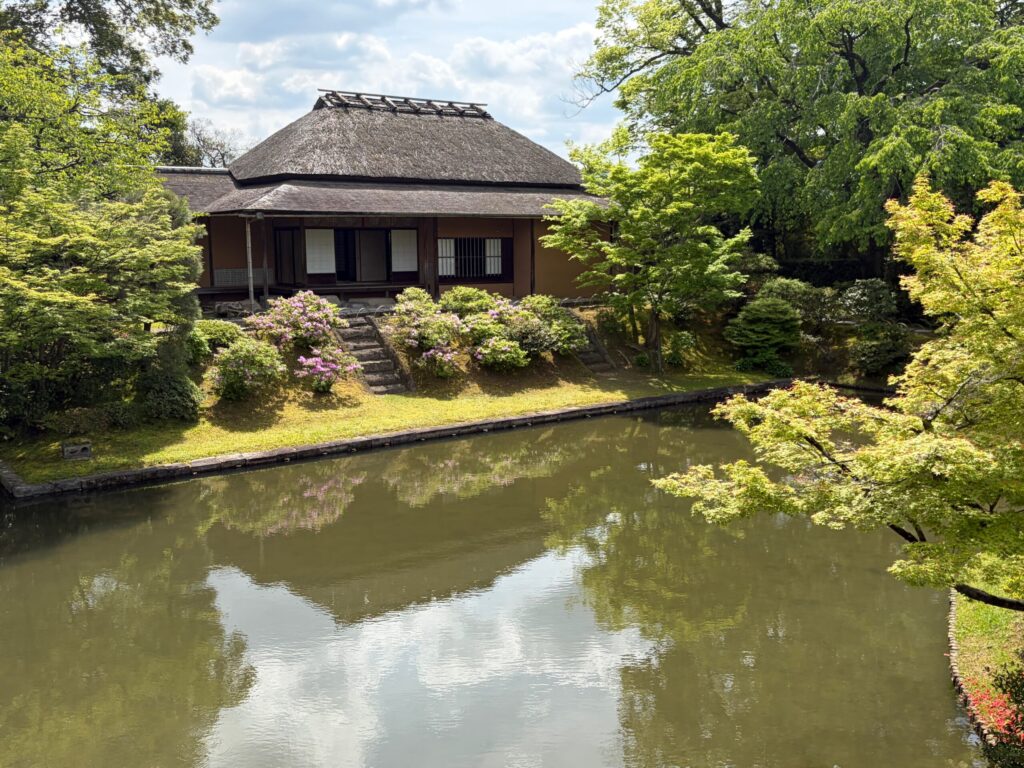
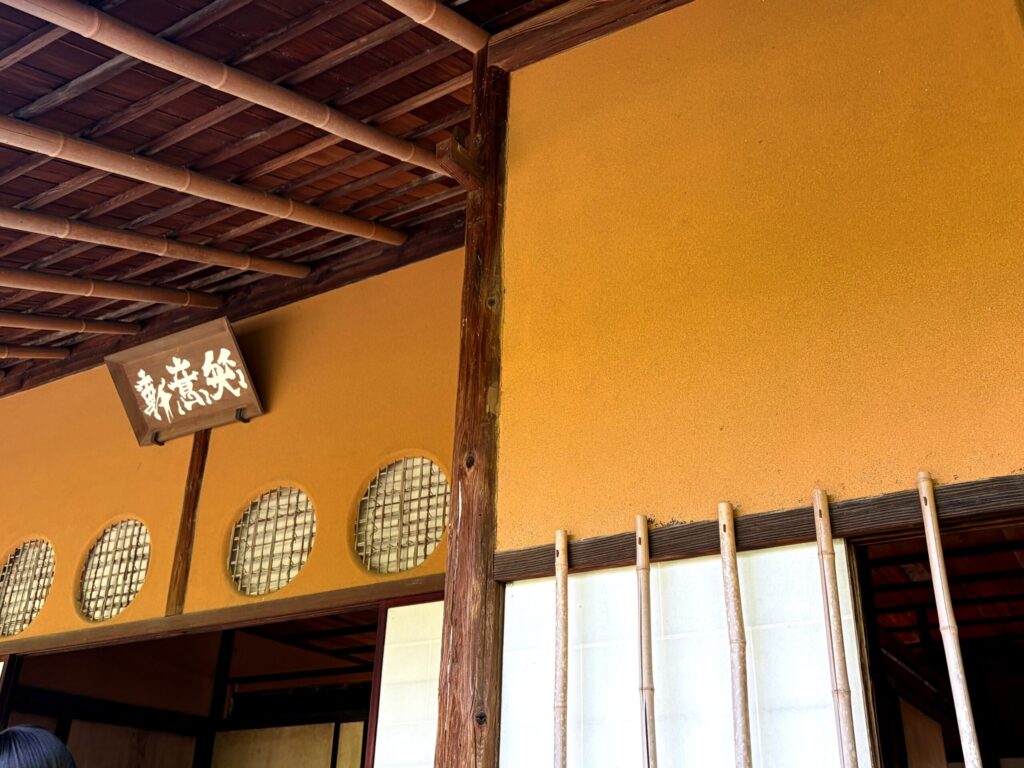
Four teahouses are scattered across the garden grounds: Shokintei, Shokatei, Shoiken, and Gepparou. Each has its own distinct character and view, offering spaces where the culture of tea and the beauty of the garden come together.
Advance Reservations
As an Imperial Household Agency property, advance reservations are mandatory. Walk-in visits on the day are not permitted.
How to Reserve
Reservations are made online through the Imperial Household Agency’s visitor reservation system.
- Reservation site: Imperial Household Agency Visitor Reservation System
- Booking opens: 3 months before the desired visit date
- Admission: ¥1,000 (ages 18 and over) / Free for under 18 (must be accompanied by an adult)
- Duration: Approximately 1 hour (guided tour)
- Open: Monday–Saturday (closed Sundays, public holidays, and year-end/New Year period)
Important Notes
- Reservations fill up quickly, especially in spring and autumn — book as early as possible
- Cancellations must be made by the day before your visit
- Tours are conducted in Japanese (English-language tours also available)
- Late arrivals may not be admitted — please allow plenty of time
Access
- Address: Katsuragosho, Nishikyo-ku, Kyoto
- Nearest station: Approx. 15 min walk from Hankyu Kyoto Line “Katsura Station”
- By bus: Kyoto City Bus — alight at “Katsurikyumae” stop
- Parking: None available — please use public transport
Summary
Katsura Rikyu is a place that rewards the effort of advance booking many times over. The garden reveals something new with every season, and the precision of its shoin architecture offers fresh discoveries on every visit. If you find yourself in Kyoto, reserve your place early — and give yourself time to truly be present in this extraordinary space.
References
- Imperial Household Agency — Visitor Reservation System
- Imperial Household Agency — Katsura Imperial Villa
- Wikipedia — Katsura Imperial Villa
Postscript
No amateur photograph can do justice to the beauty of this place — mine certainly cannot.
I would strongly encourage you to visit in person, with a guide, and to listen carefully to the explanations as you go. Perspective techniques and design intentions are embedded throughout the garden — things you simply cannot perceive without having them pointed out to you.
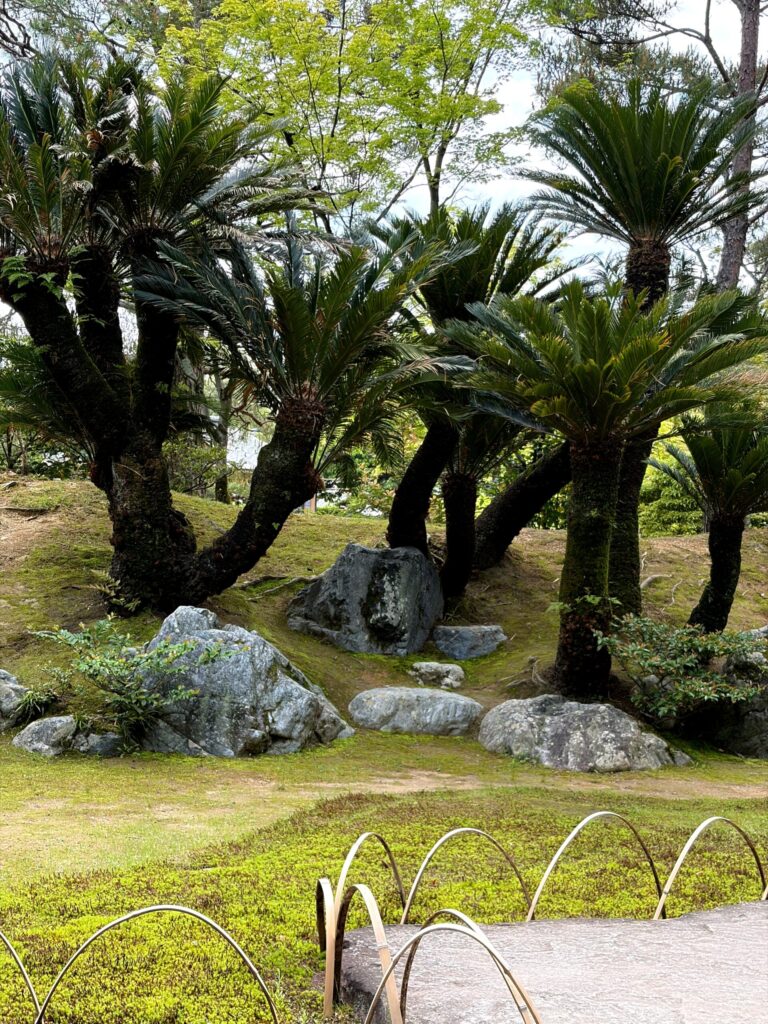
For example, the reason there is a somewhat unexpected sotetsu (cycad palm) in the garden — connected to the Shimazu clan — is one of those details that only makes sense when explained on the spot.
The grounds are vast, and every corner has been considered with extraordinary care. There is far more to discover here than any single visit can exhaust.