Highlights of the Kyoto Museum of Culture | Discovering the History and Culture of Kyoto in Depth
I visited here on a day in March 2026. I had been once before, a few years ago, but that time I only saw the annex.
The main building offers quite a lot to see for the admission price, so I would like to introduce it here.
The following is an introductory article written with the assistance of AI. The photos are my own.
The Kyoto Museum of Culture is a facility where you can learn comprehensively about the history and culture of Kyoto. Located on Karasuma-dori Sanjo, this museum opened in 1988 as a general museum operated by Kyoto Prefecture.
In a unique space where a Meiji-era building designated as an Important Cultural Property blends with a modern main building, you can fully immerse yourself in 1,200 years of Kyoto history. It is an ideal place both for a stop during sightseeing and for spending a leisurely half-day.
The Old Building (Annex) — A Red-Brick Building Designated as an Important Cultural Property
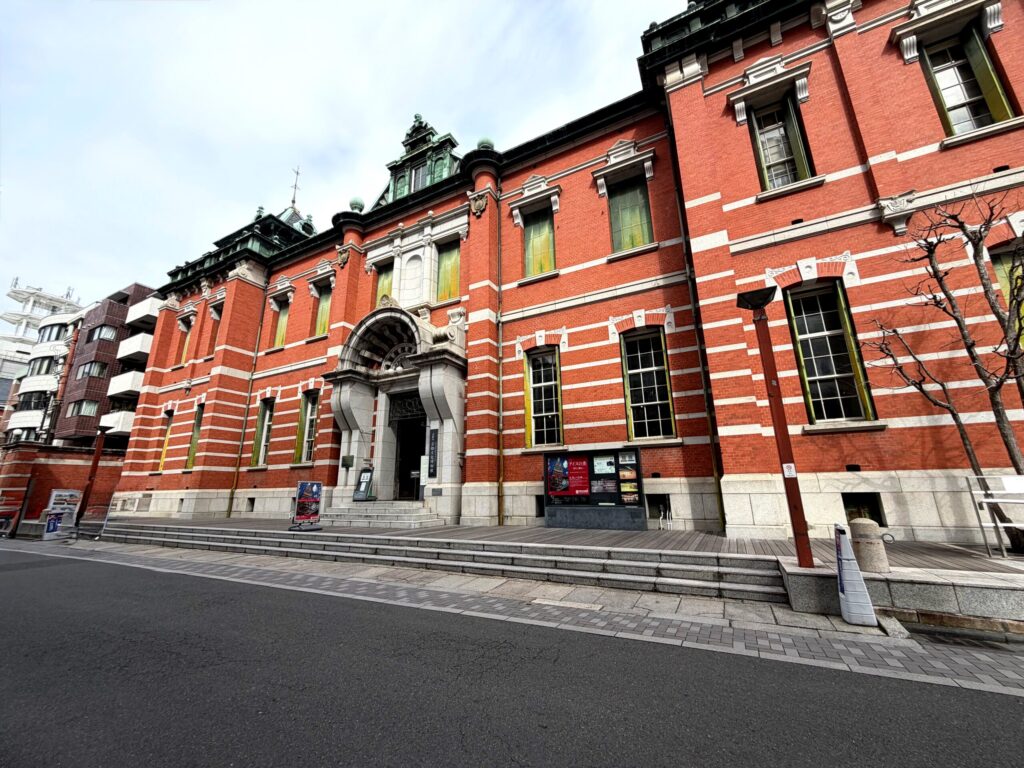
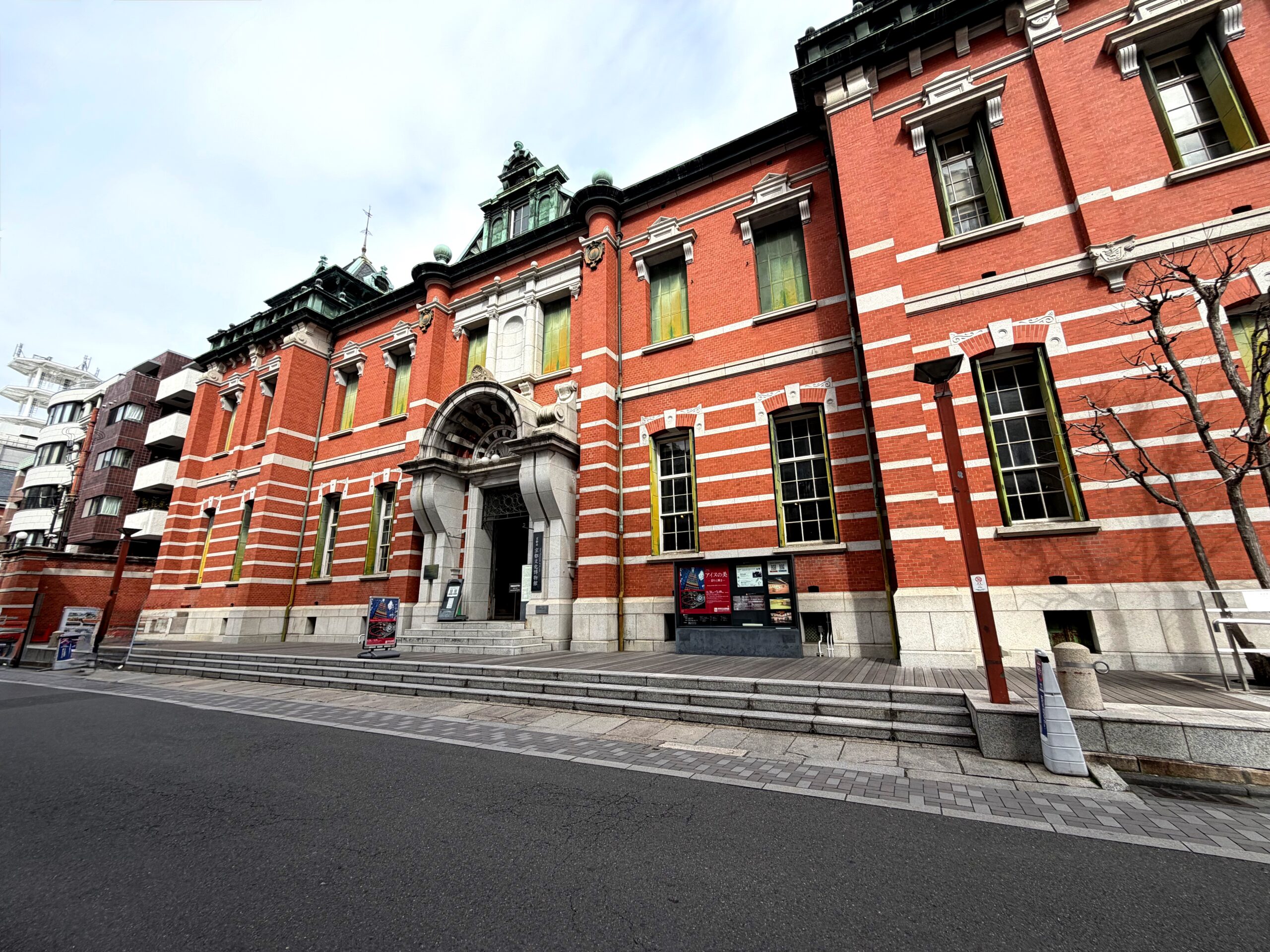
The symbol of the Kyoto Museum of Culture is the “Old Building (Annex)” facing Karasuma-dori.
Built in 1906 (Meiji 39) as the former Kyoto branch of the Bank of Japan, this masterpiece of Renaissance-style architecture was designed by Tatsuno Kingo, also known for designing Tokyo Station, and Nagano Uheiji. With its beautiful contrast of red brick and white granite, it is designated as a national Important Cultural Property as a representative example of Kyoto’s modern architecture.
It is currently used as a venue for exhibitions and events, and the special exhibitions held in its classically elegant space — with its high ceilings and imposing arches — offer a unique experience in which the exhibits and the architecture become one.
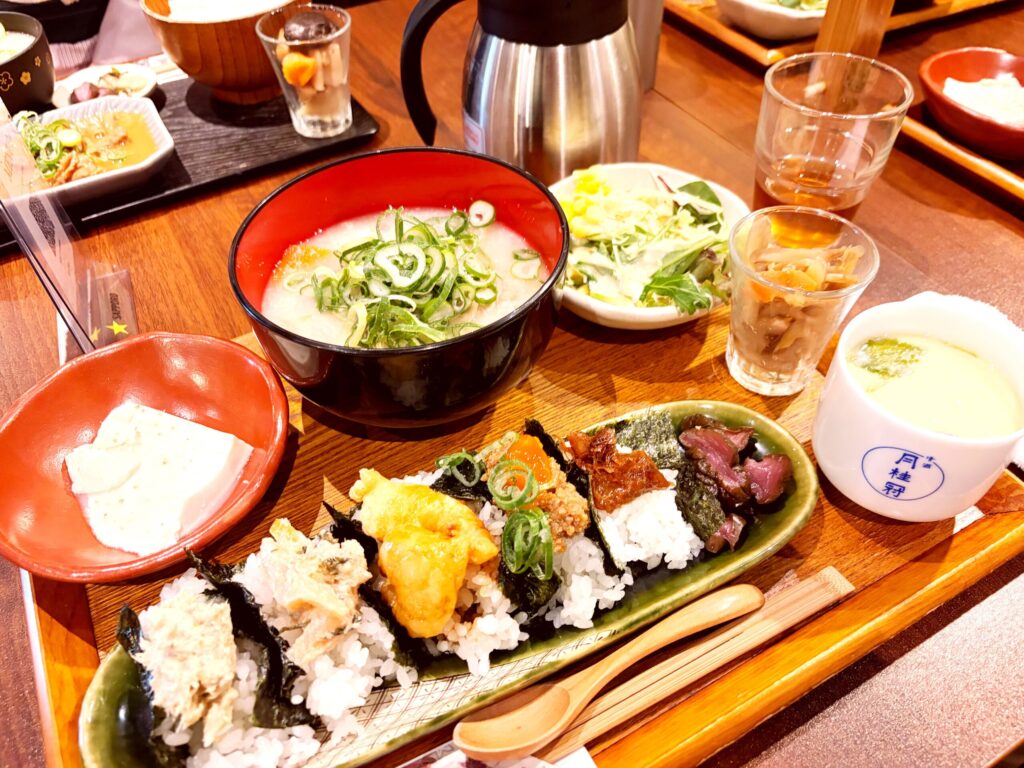
There is also a café on the first floor, where you can enjoy a luxurious moment of rest inside a historic building.
Main Building & General Exhibition Rooms — Tracing 1,200 Years of History
The general exhibition rooms on the 3rd and 4th floors of the main building present a comprehensive history of Kyoto from prehistoric and ancient times through to the modern era.
Beginning with artifacts from the Jomon period, you can trace Kyoto’s history in chronological order: the construction of the Heian capital, the culture of the Heian aristocracy and classical literature, the Onin War and the Sengoku period, the townspeople’s culture of the Edo period, and the path toward modernization.
The exhibitions are rich not only in actual artifacts but also in elaborate restoration models and digital video content, with many features designed to allow visitors of all ages — from children to adults — to learn while enjoying themselves.
The restoration model of the Heian capital in particular is not to be missed, allowing visitors to visually grasp the magnificent appearance of the ancient capital. Exhibits are also rotated on a regular basis, ensuring fresh discoveries with every visit.
Film Theater — The Film Culture of Kyoto, Birthplace of Japanese Cinema
A feature unique to the Kyoto Museum of Culture is the “Film Theater” on basement floors 1 and 2. Kyoto is the birthplace of Japanese cinema, and many film companies including Toei and Shochiku developed with Kyoto as their base.
The Film Theater regularly screens masterpieces of Japanese cinema and films connected to Kyoto, making it a must-visit destination for film enthusiasts as well.
In particular, screenings of period dramas and works set in Kyoto complement the historical learning offered by the museum, providing an opportunity to understand the history and culture of Kyoto more deeply through film. Screening schedules are published on the official website at any time.
Special and Themed Exhibitions
Throughout the year, themed special exhibitions are held. The lineup is wide-ranging, from exhibitions on Kyoto’s crafts, fine arts, and history to collaborative projects with museums in other prefectures and overseas.
As a separate admission fee may apply during special exhibition periods, it is recommended to check the official website before your visit.
Access and Basic Information
- Address: Sanjo Takakura, Nakagyo-ku, Kyoto (Karasuma-dori Sanjo agaru)
- Opening hours: 10:00–19:30 (last admission 19:00)
- Closed: Mondays (if a public holiday, the following weekday); year-end and New Year holidays
- Admission: General exhibition rooms: adults ¥500, university students ¥400, high school students and under free
- Access: 3-minute walk from Karasuma Oike Station (Karasuma Line / Tozai Line)
References
- Kyoto Museum of Culture Official Website
- National Designated Cultural Properties Database (Agency for Cultural Affairs)
Afterword
There are no photos from inside the museum, but on this day an exhibition of hina dolls was being held. It featured hina dolls from various periods throughout history.
It gave a clear sense of how styles had changed over time. I also found the restoration model of the Nara capital (Heijo-kyo) and old maps of Kyoto fascinating.
As I had visited Shinsen-en and Nijo Castle just a few days earlier, I was able to learn about the history of Kyoto and how the cityscape had changed over the years.
Including the special exhibition, the visit turned out to be quite substantial in volume. There are also shops on the first floor where you can buy souvenirs, and you can enjoy a meal at a relatively leisurely pace. It is a place I would like to visit again on my own.