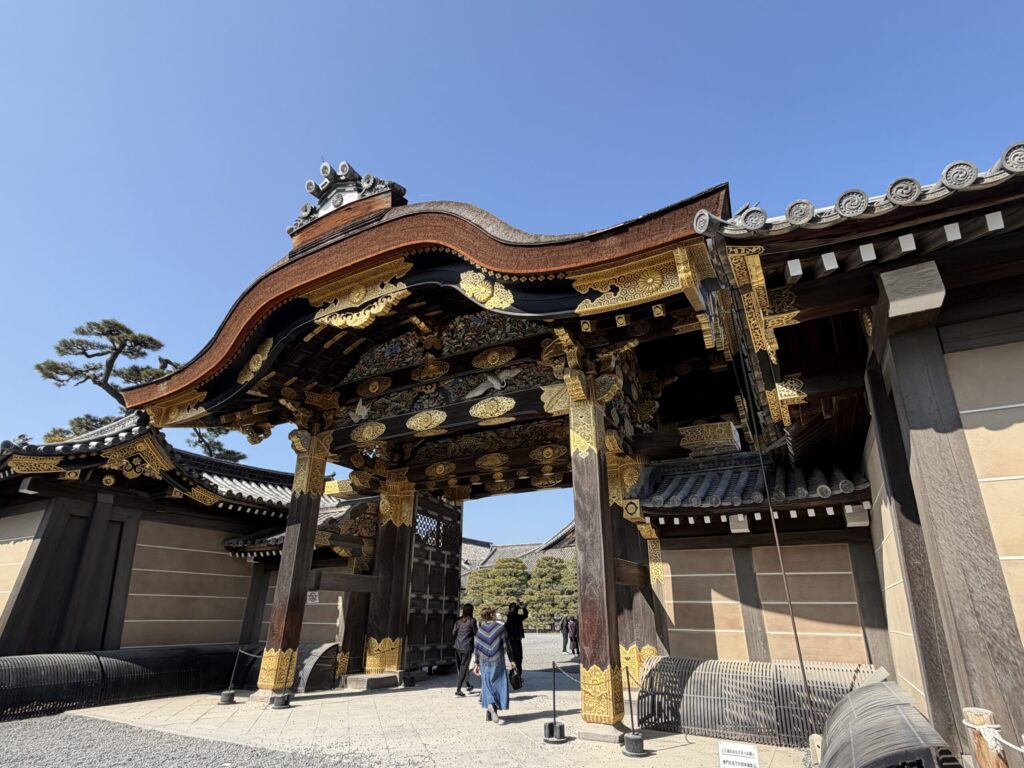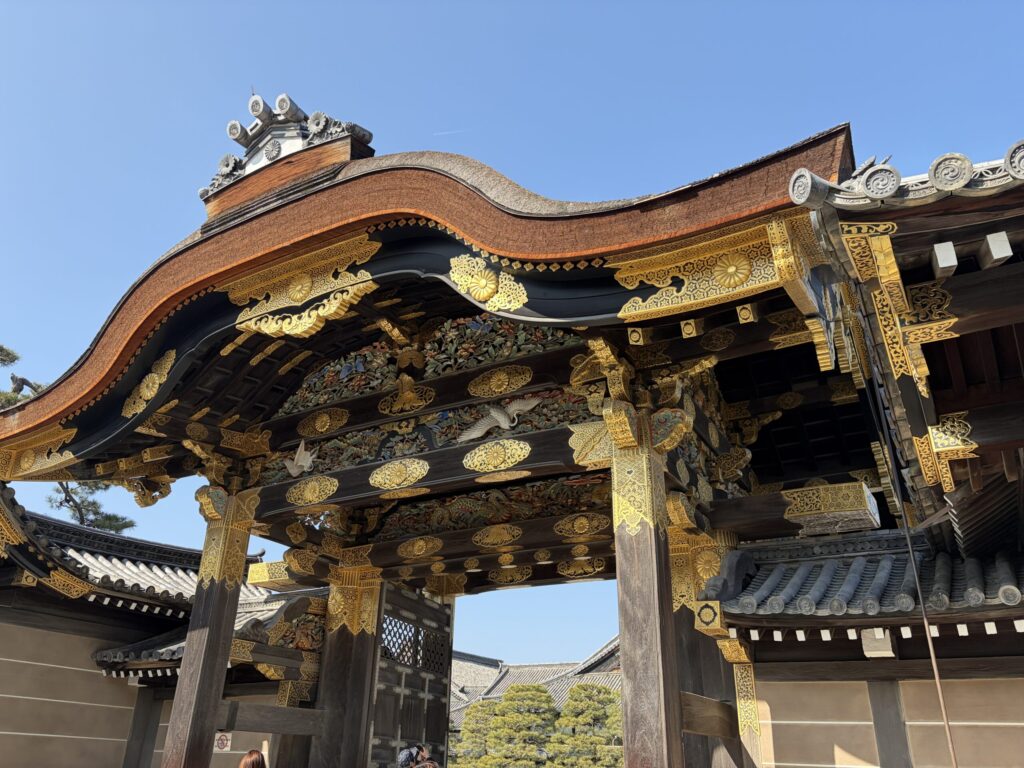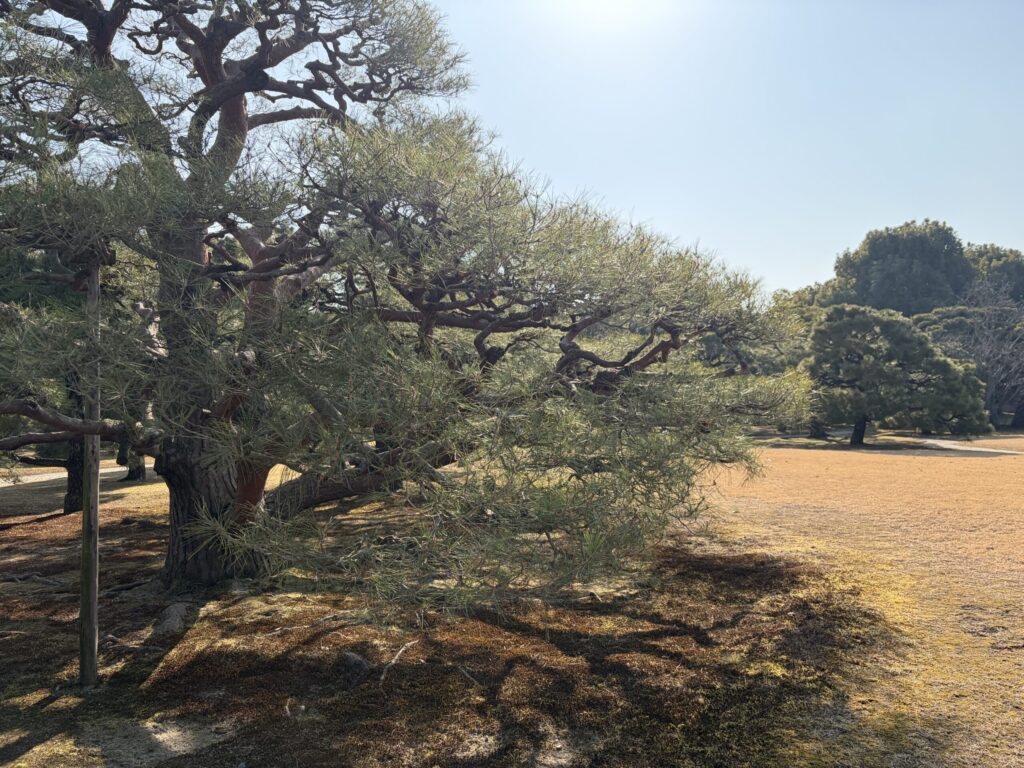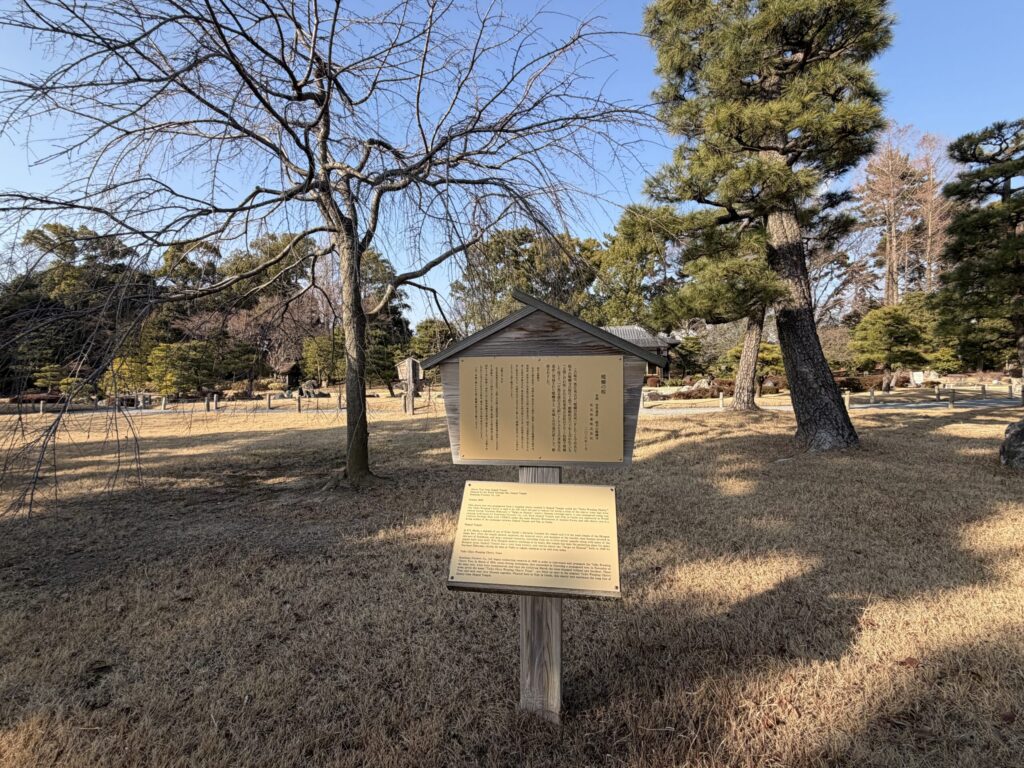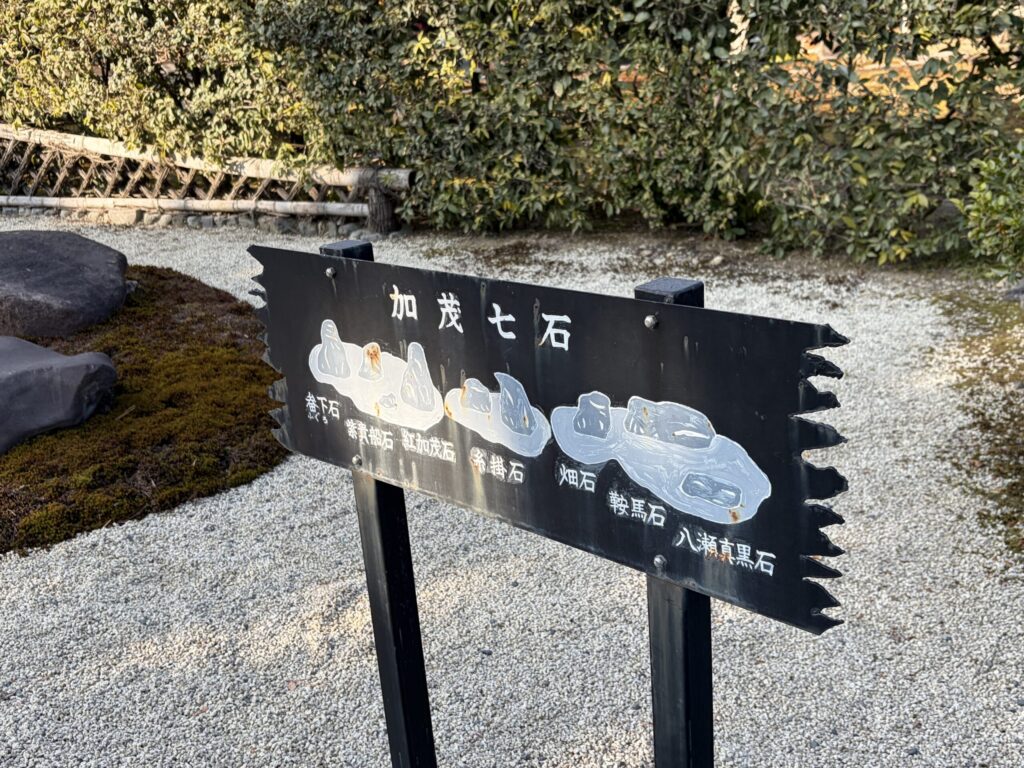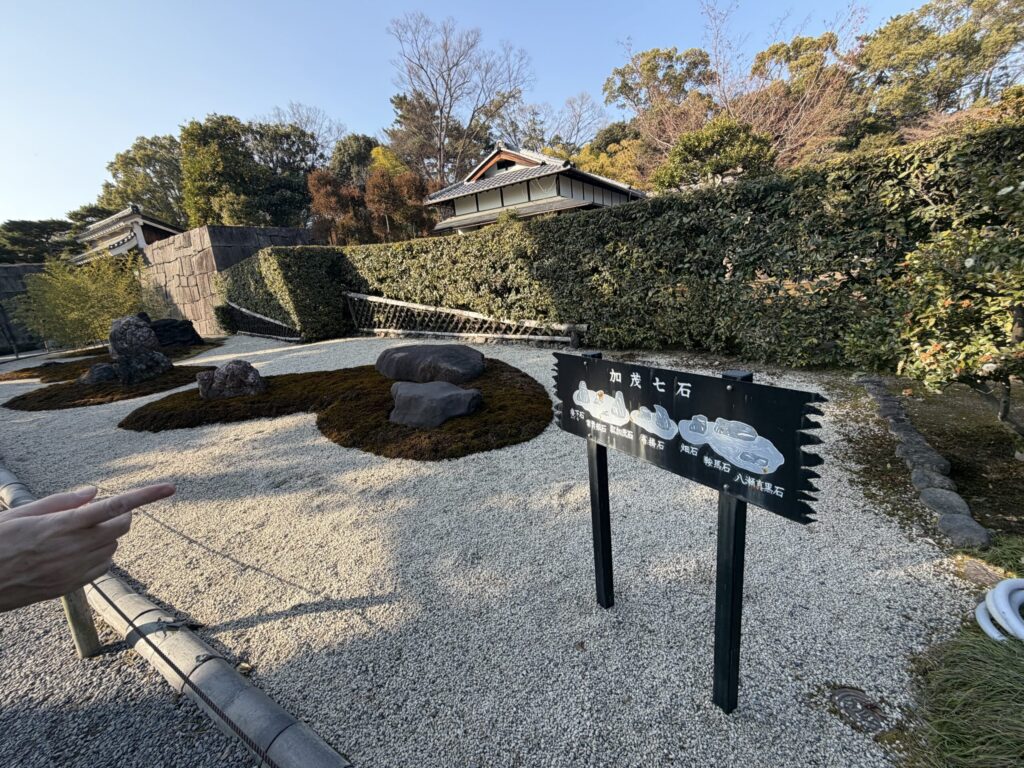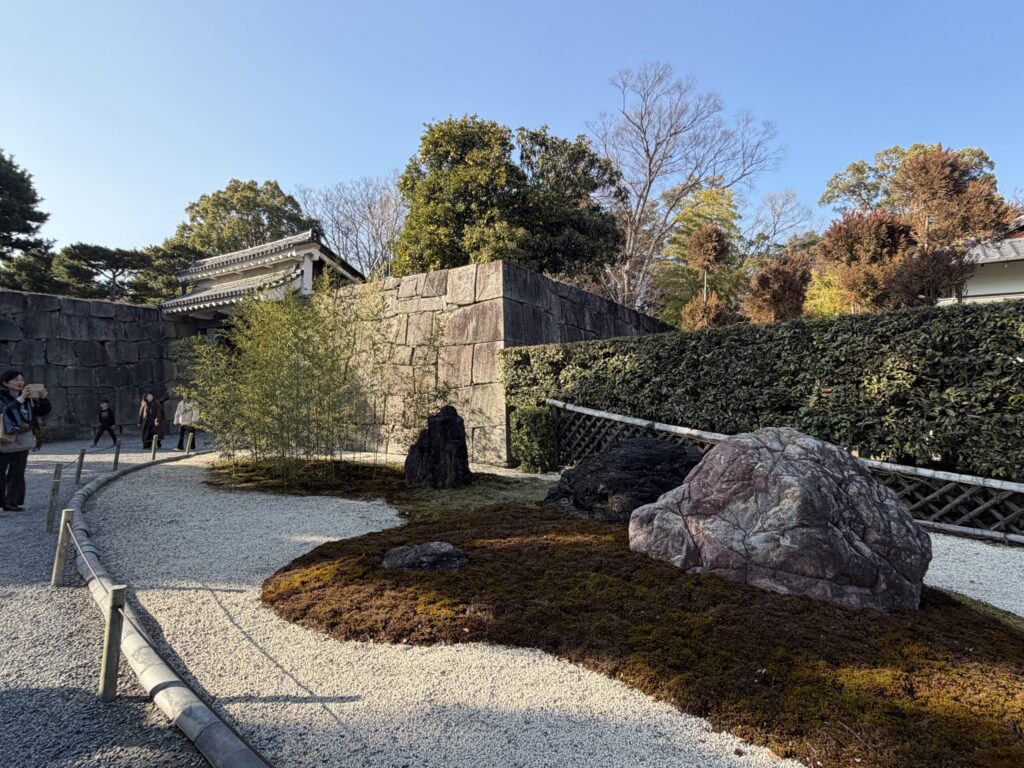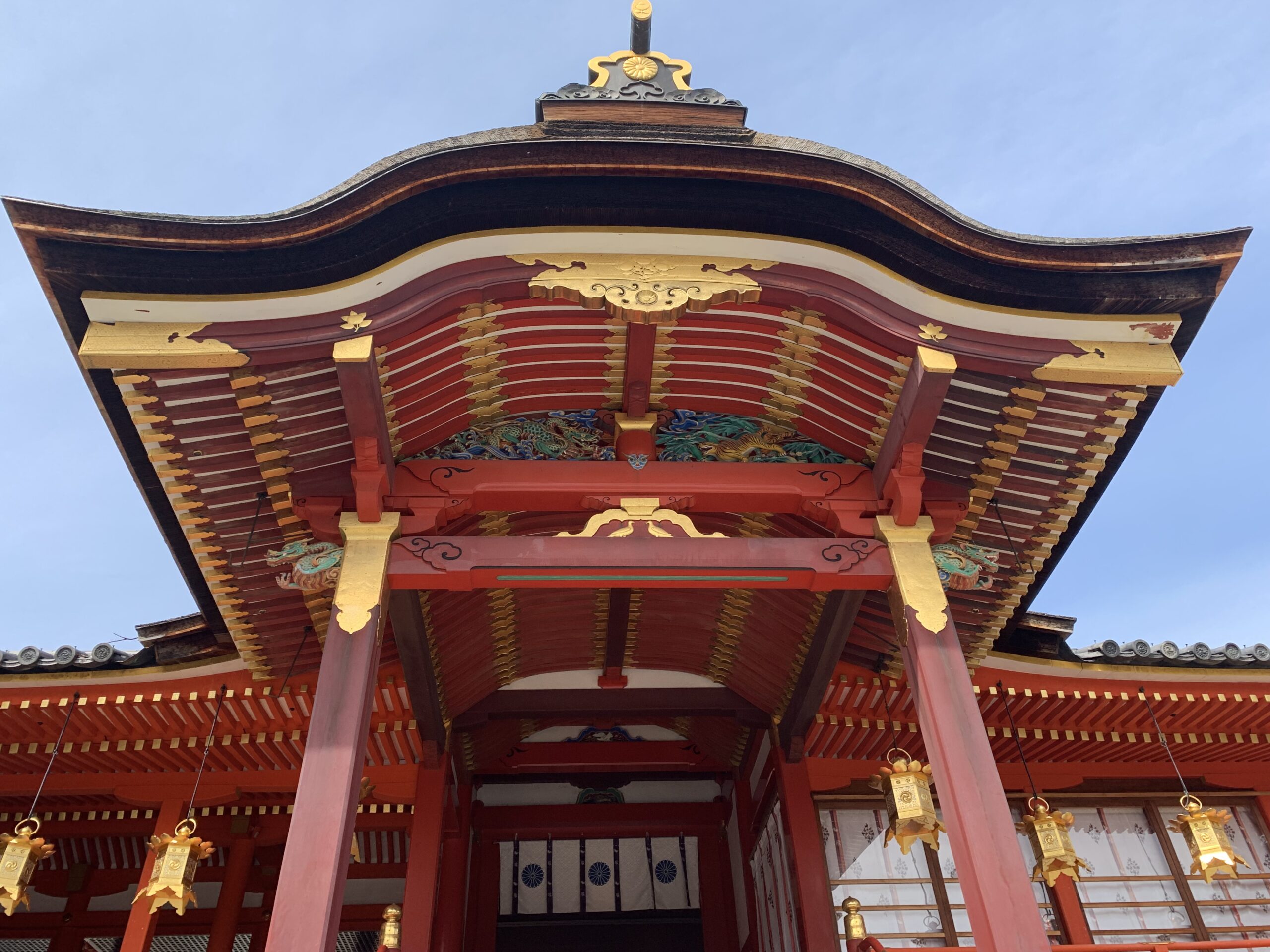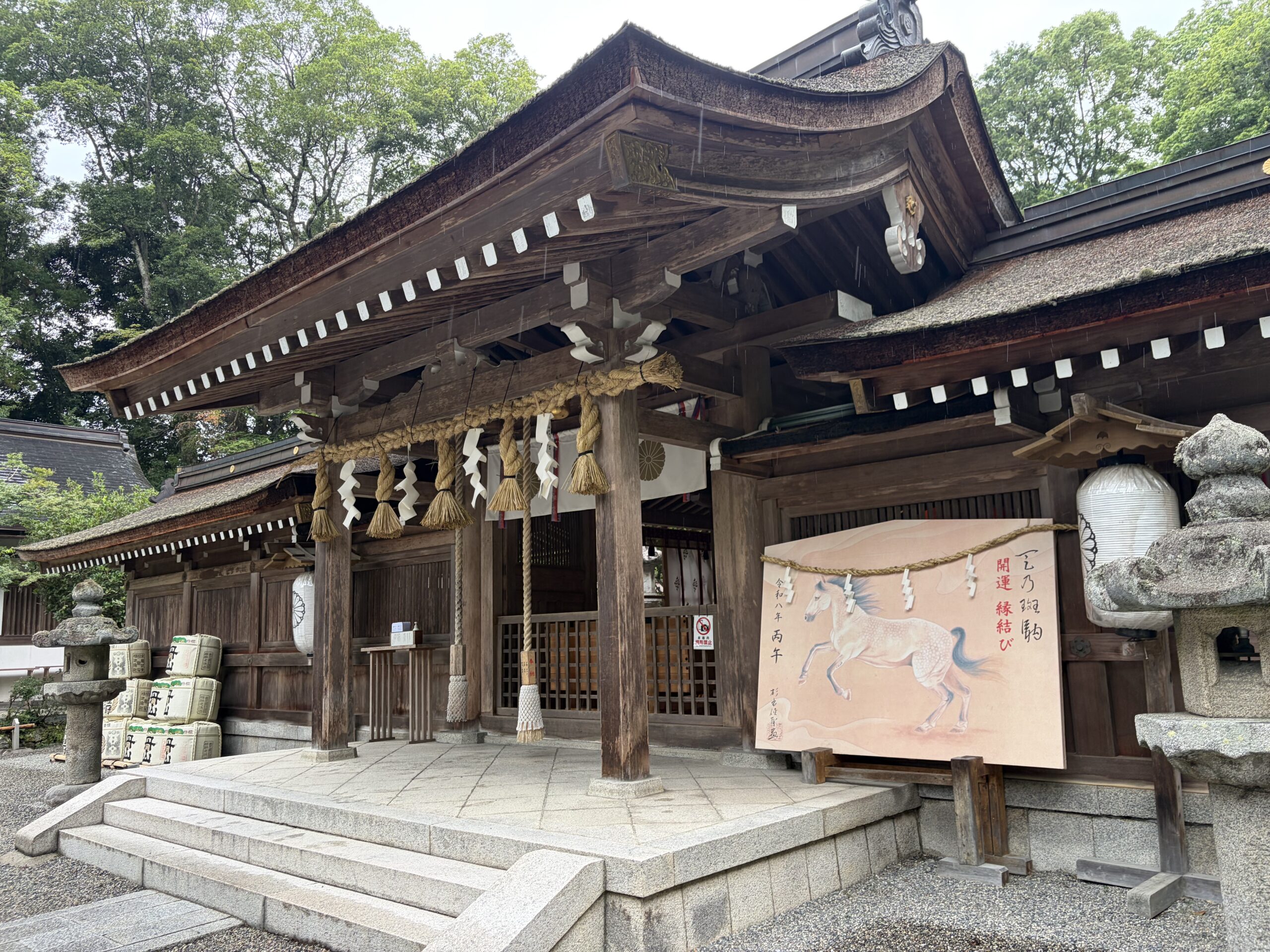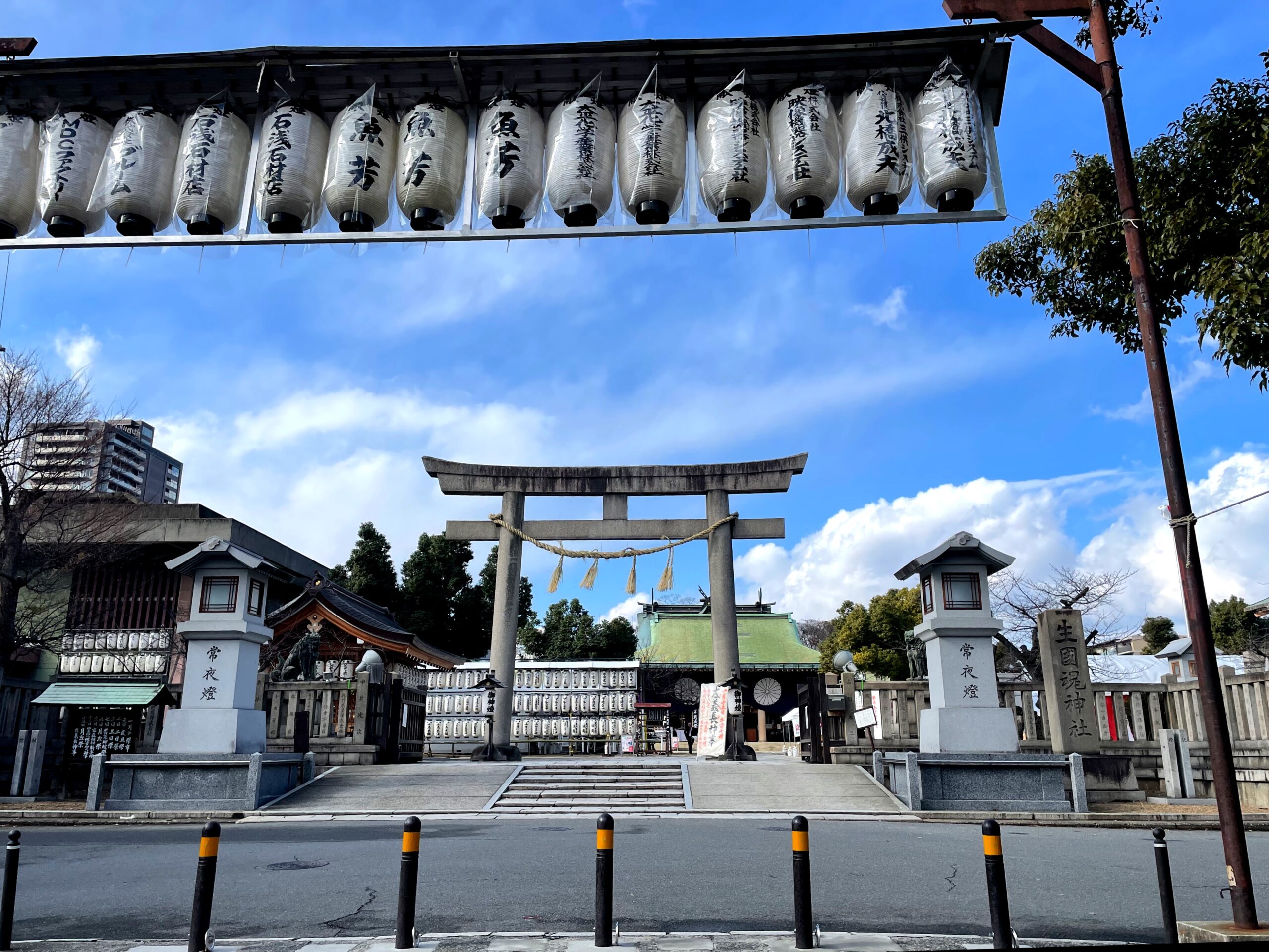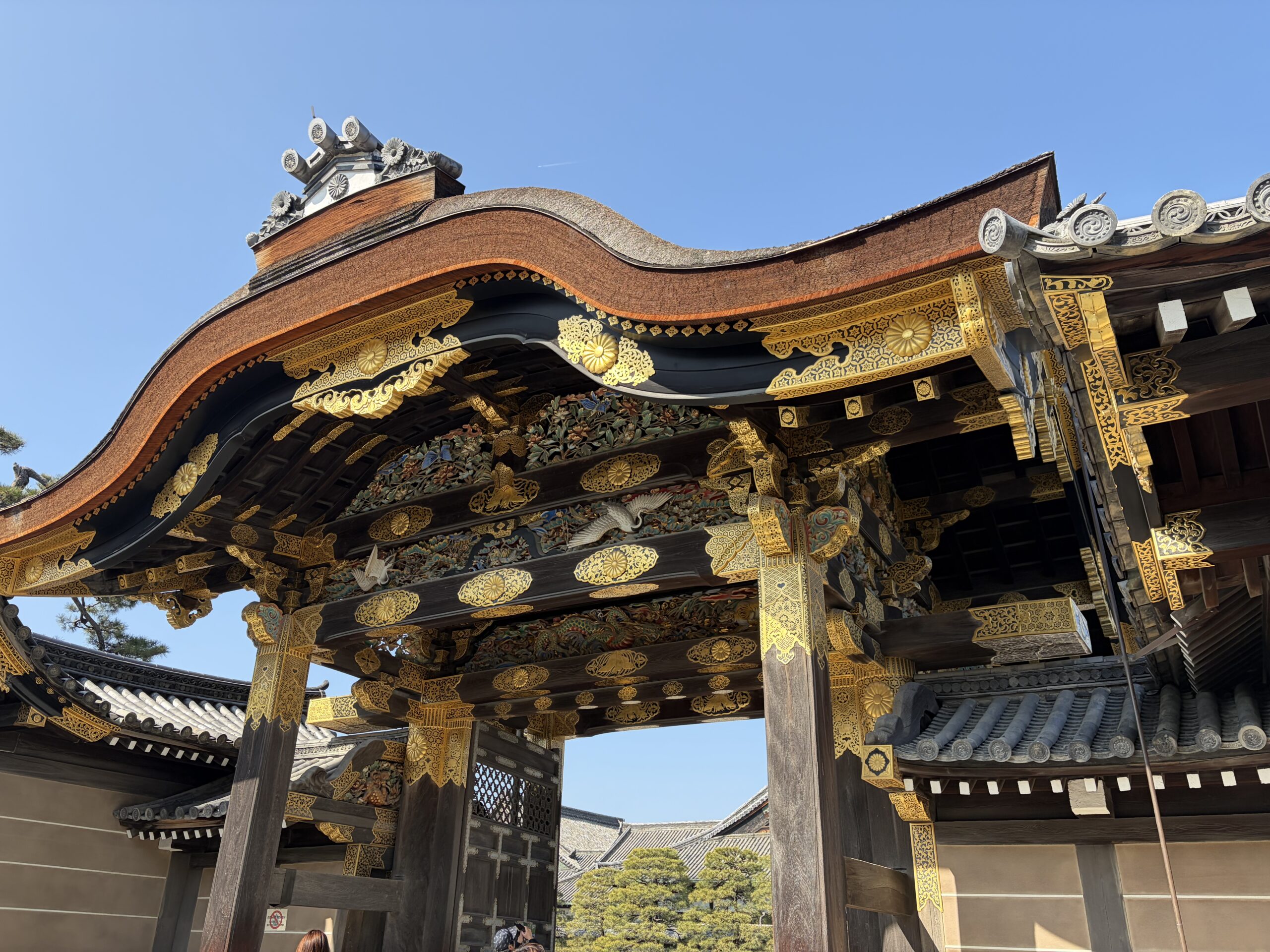
One day in February 2026, I visited Nijo Castle in Kyoto, dressed in kimono.
It had been about 15 years since my last visit.
The castle was bustling with many tourists.
The garden is vast, and it took quite a while to walk all the way around.
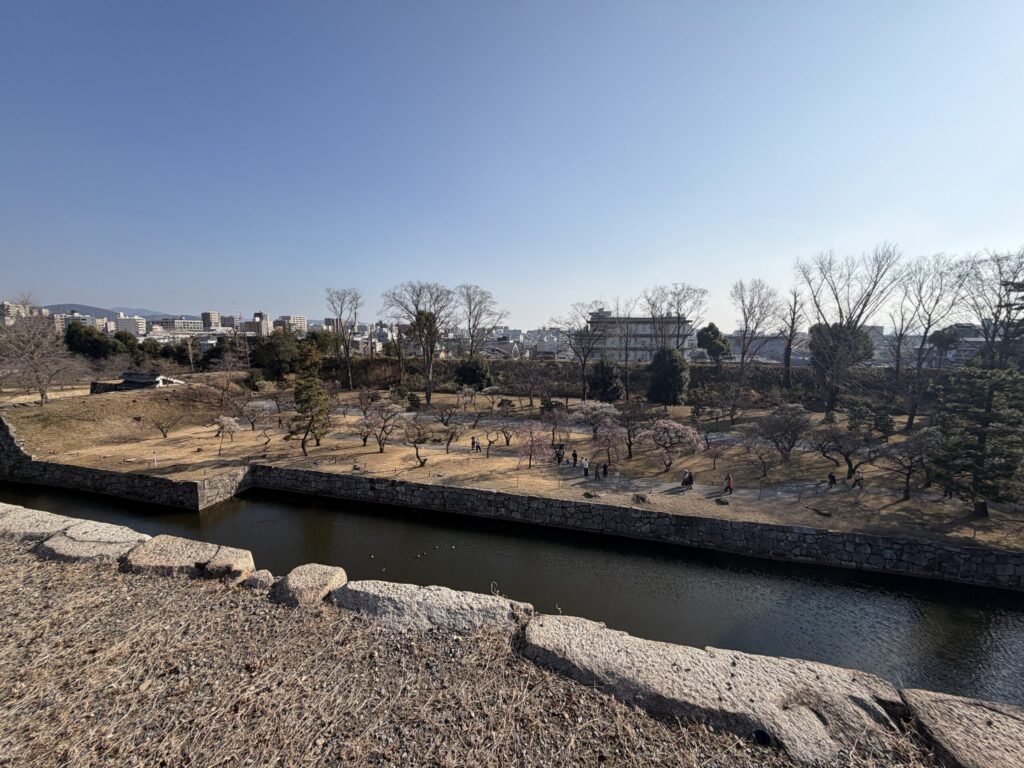
When I climbed up to the ruins of the castle tower, there were no tall buildings in sight, and I had a sweeping view of the Kyoto cityscape.
The following article was written with the assistance of AI.
The photos are my own.
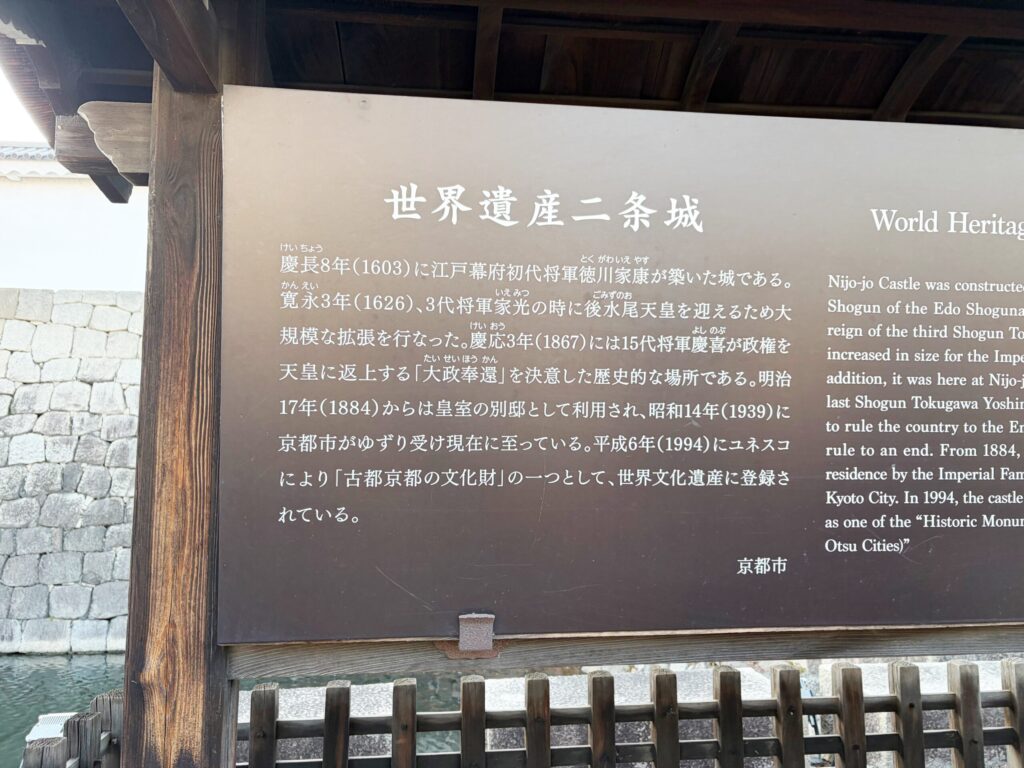
Standing majestically in the heart of Kyoto, Nijo Castle is a historic structure that symbolizes the authority of the Tokugawa shogunate. It was built by Tokugawa Ieyasu in 1603, and in 1994 it was registered as part of the UNESCO World Heritage Site “Historic Monuments of Ancient Kyoto.”
It served not only as the shogun’s residence during visits to Kyoto, but also as the historic stage where the transfer of power back to the Emperor — known as the Taisei Houkan — was declared at the end of the Edo period.
Here is an introduction to this castle, where history and beauty coexist.
History of Nijo Castle
The history of Nijo Castle begins with Tokugawa Ieyasu, who, after his victory at the Battle of Sekigahara, built the castle as his base in Kyoto. It initially functioned as the shogun’s lodging during visits to the capital, and served as a seat of government for paying respects to the Emperor and conducting official affairs. In 1626, during the reign of the third shogun Iemitsu, a large-scale renovation and expansion was carried out, completing the imposing appearance we see today.
However, as the shogun’s visits to Kyoto ceased, the castle fell into a long period of disuse. It returned to the forefront of history during the turbulent late Edo period, when it witnessed its greatest turning point. In 1867 (the 3rd year of Keio), the 15th shogun Tokugawa Yoshinobu declared the restoration of imperial rule in the grand hall of the Ninomaru Palace, bringing to an end the Edo shogunate that had lasted for over 260 years. This was truly the stage upon which Japanese history was profoundly changed.
After the Meiji era, it came under imperial jurisdiction as a detached palace, and in 1939 it was granted to the city of Kyoto.
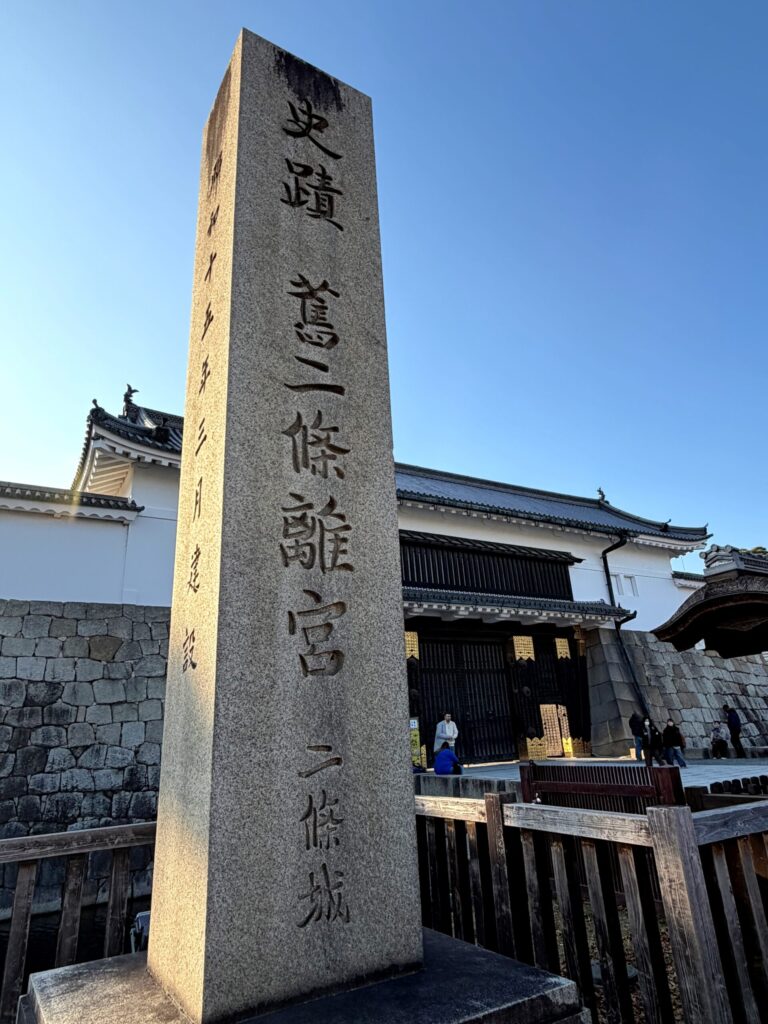
Today it is managed and operated by the city of Kyoto as “Nijo-jo Castle, former imperial villa.”
Highlight ①: The Ninomaru Palace — a National Treasure
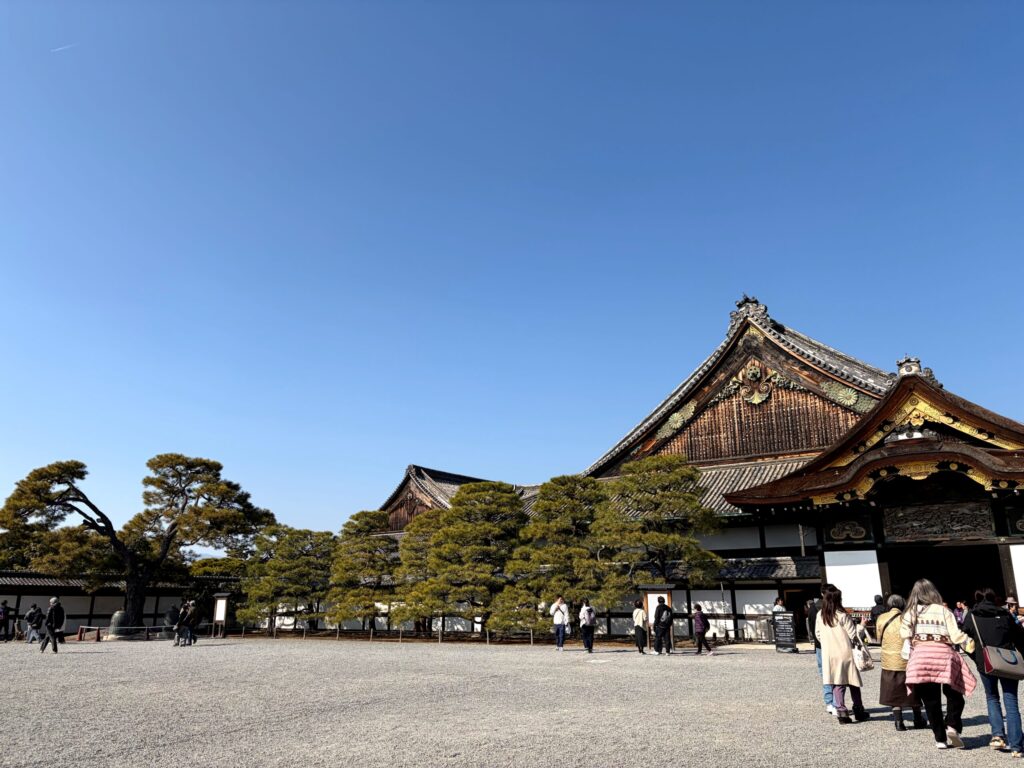
The greatest highlight of Nijo Castle is the Ninomaru Palace, designated as a National Treasure.
A masterpiece of samurai shoin-zukuri architecture, its six buildings are arranged in a zigzag formation, and the interiors are adorned with magnificent painted sliding screens by the Kano school.
With a total of 33 rooms and a floor space of over 800 tatami mats, the vast space leaves no doubt as to the authority and wealth of the Tokugawa shogunate.
The particularly famous “nightingale floors” are fitted with a mechanism that produces a squeak with every step, said to have been a device for detecting the intrusion of assassins. Walking along them yourself, you cannot help but marvel at the ingenuity of their construction.
The great hall (the first and second chambers) is the very place where the restoration of imperial rule was declared, and dolls recreating the scene are on display, allowing visitors to vividly feel the breath of history.
Highlight ②: The Ninomaru Garden and Honmaru
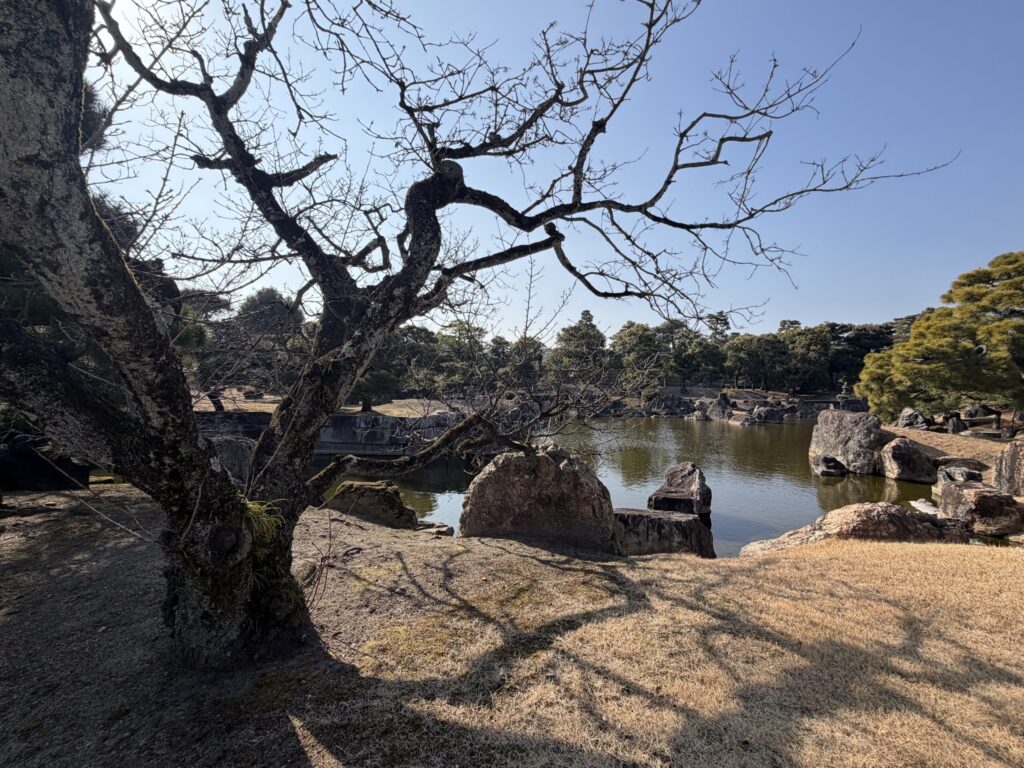
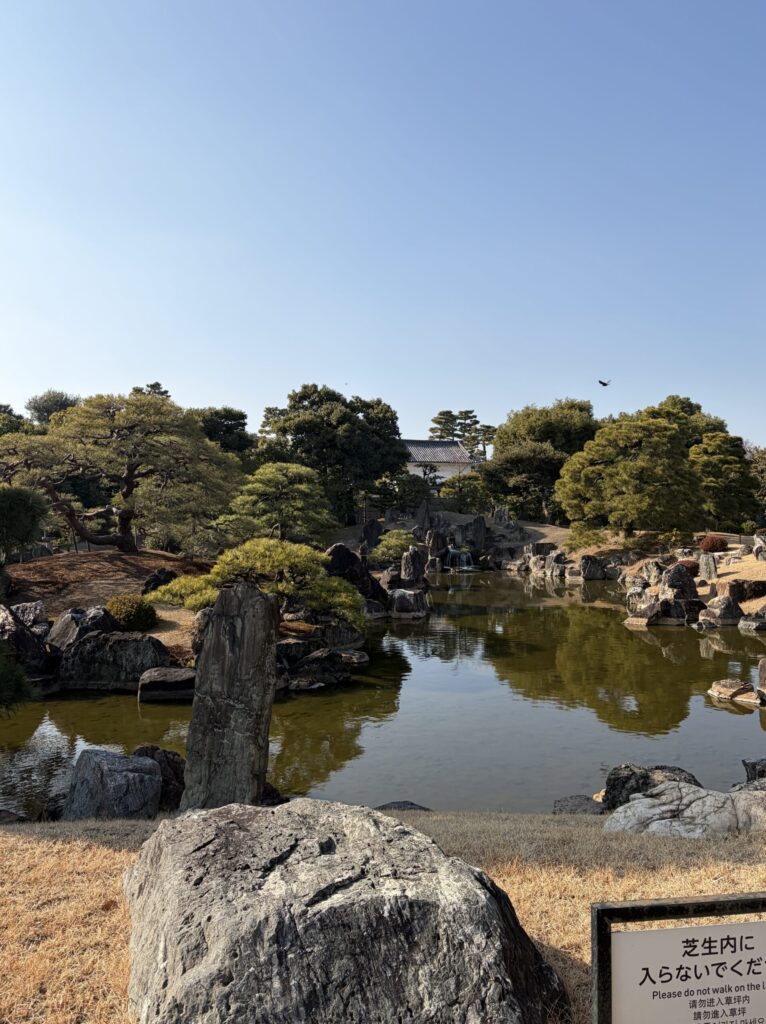
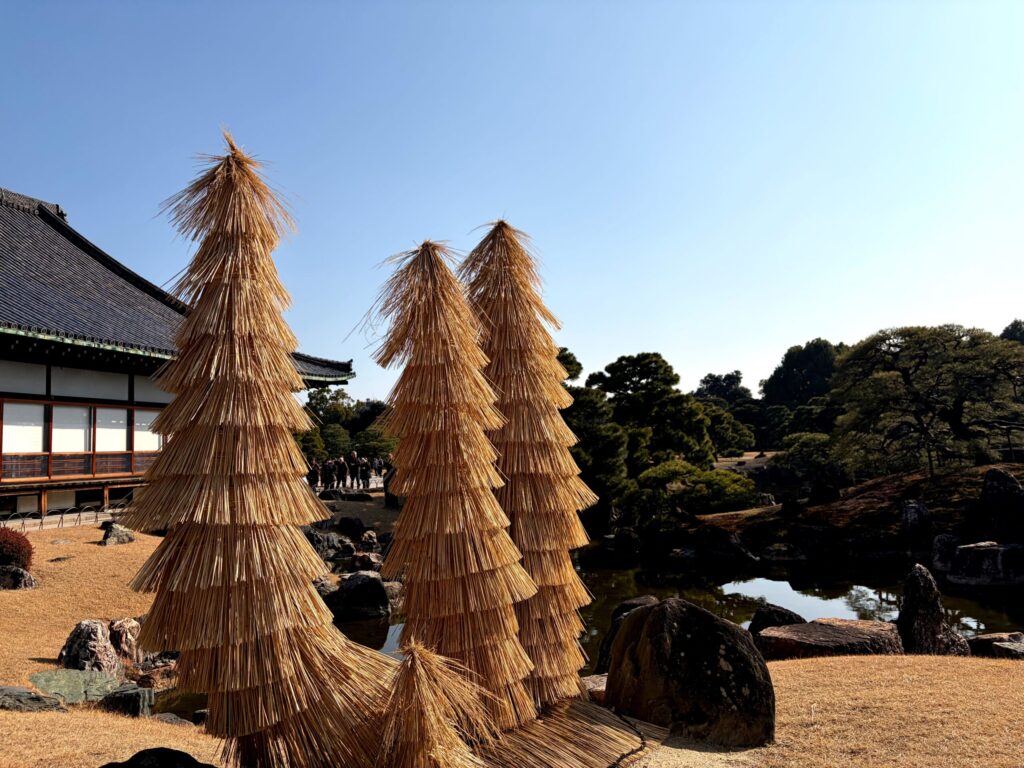
The Ninomaru Garden surrounding the palace is a pond-strolling garden said to have been designed by Kobori Enshu in the early Edo period.
Three islands are arranged in the central pond, with a skillful arrangement of stones of various sizes.
The harmony with the shoin-zukuri buildings is magnificent, and the reflection of the palace in the pond is a sight of exceptional beauty.
It is also designated as a Special Place of Scenic Beauty, and is counted among the masterpieces of Japanese garden design.
The Honmaru (main enclosure) contains the ruins of the castle tower. Originally a five-story keep, it was destroyed by lightning in 1750, and today only the stone walls remain. The Honmaru Palace, relocated in the late Edo period, can also be visited.
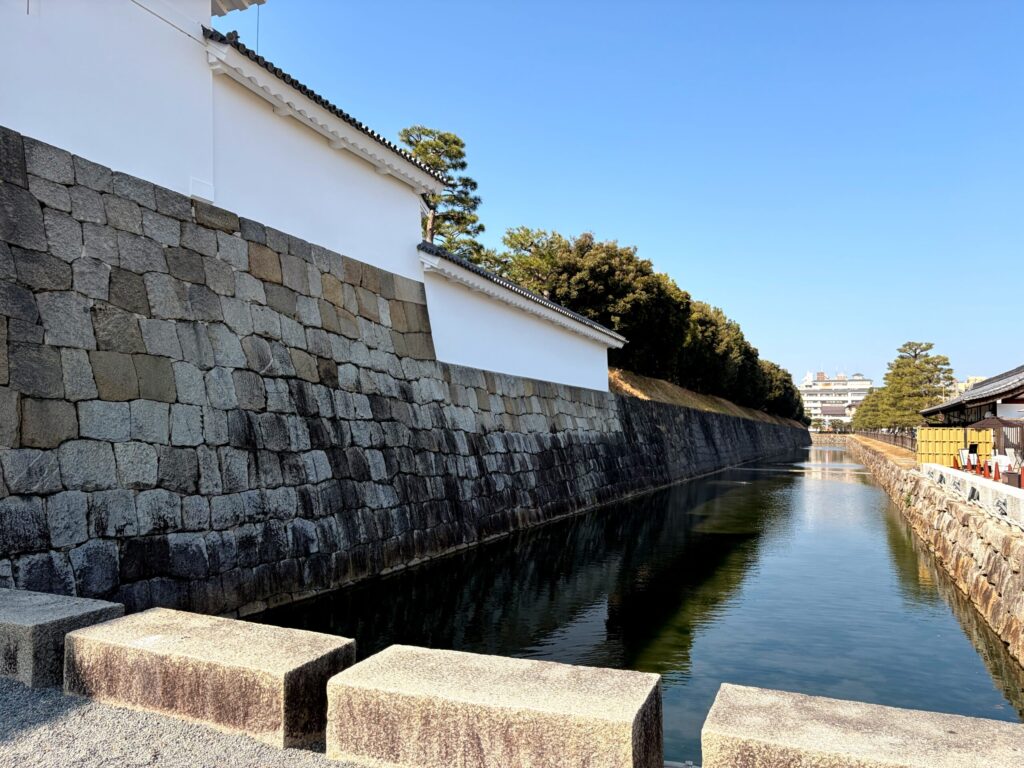
Walking along the inner moat that surrounds the Honmaru, you can feel in your very skin the scale of the castle as it once was.
Highlight ③: Nijo Castle Through the Four Seasons
Nijo Castle is also known for the different faces it shows throughout the four seasons.
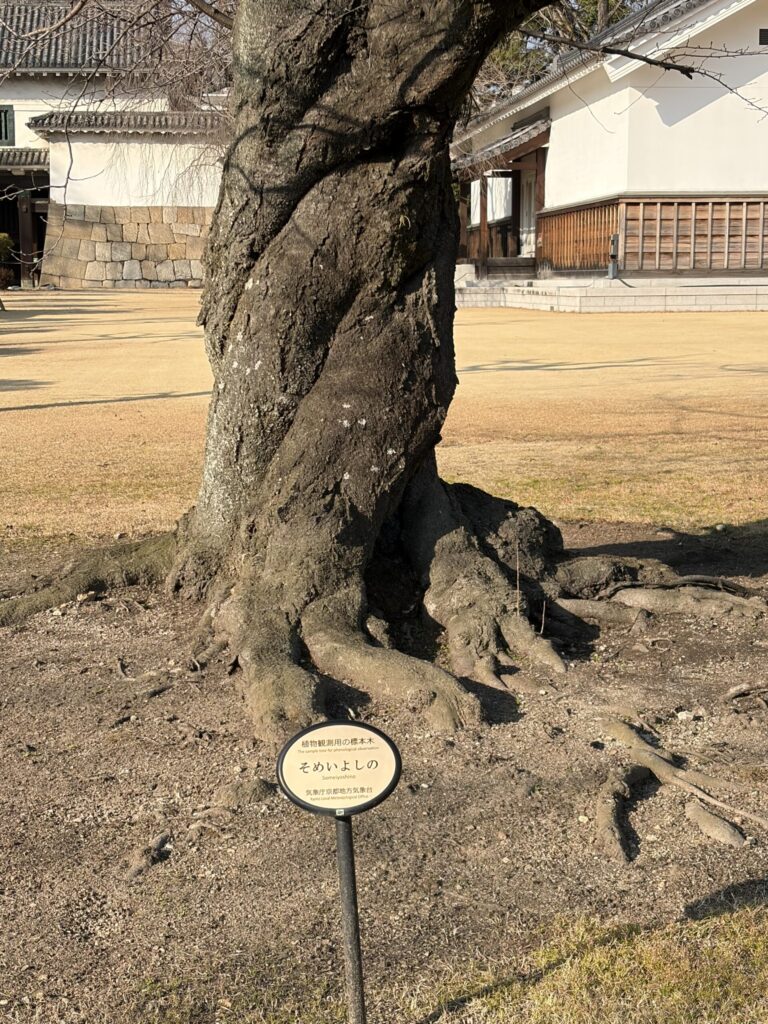
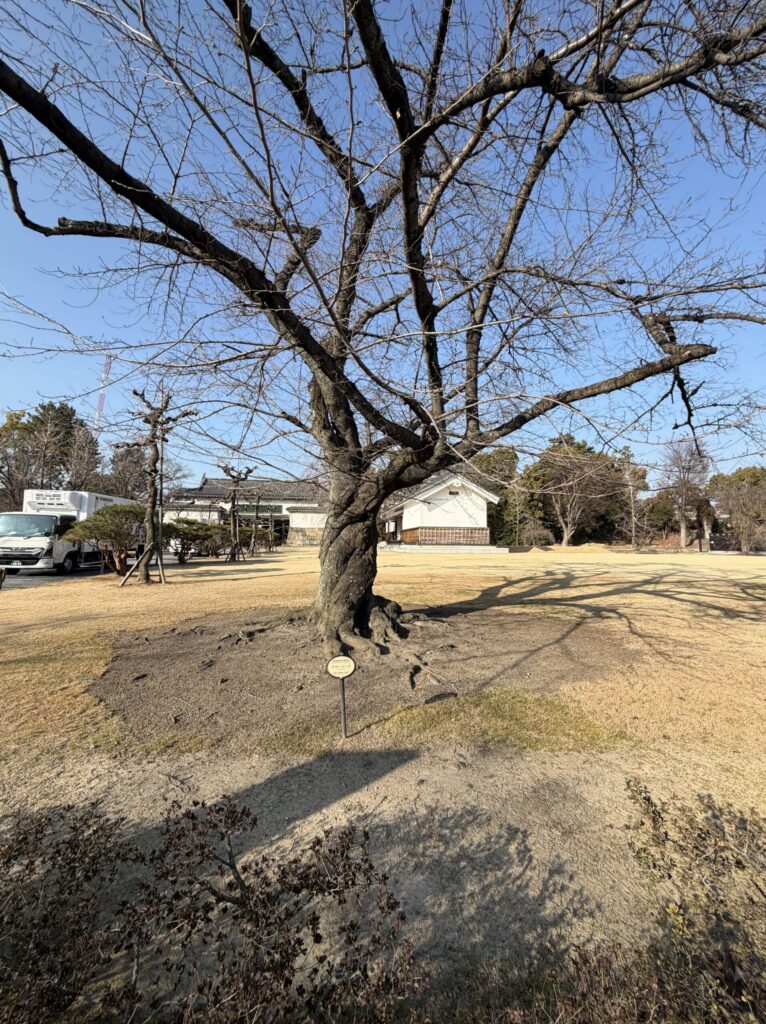
In spring, approximately 300 cherry trees of about 50 varieties burst into bloom across the castle grounds, and the nighttime illumination event “Nijo Castle Cherry Blossom Festival” is held.
In summer, lush green foliage is reflected in the moat, and in autumn, the grounds are vividly colored with autumn leaves.
In winter, a popular light projection mapping event is held, making this a place where each visit, in any season, brings new discoveries.
Access and Basic Information
- Address: 541 Nijojo-cho, Nijo-dori Horikawa Nishi-iru, Nakagyo-ku, Kyoto
- Opening hours: 8:45–17:00 (last entry 16:00)
- Closed: Year-end and New Year holidays (December 26–January 4); every Tuesday in January, July, August, and December
- Admission: Castle entry ¥800; Ninomaru Palace viewing ¥500 (separate fee)
- Access: Just outside Nijo-jo-mae Station on the Tozai subway line, or alight at “Nijo-jo-mae” bus stop
References
- Nijo-jo Castle (Former Imperial Villa) Official Website
- UNESCO World Heritage “Historic Monuments of Ancient Kyoto”
Afterword
The Ninomaru Palace was truly impressive. You are made to feel the full weight of Tokugawa power.
Photography is not permitted inside, but the decorations in every room were exquisite down to the finest detail.
The fusuma paintings in each room, the ceilings not just of the rooms but of the corridors, the intricate craftsmanship in every corner —
every single element held my attention without fail.
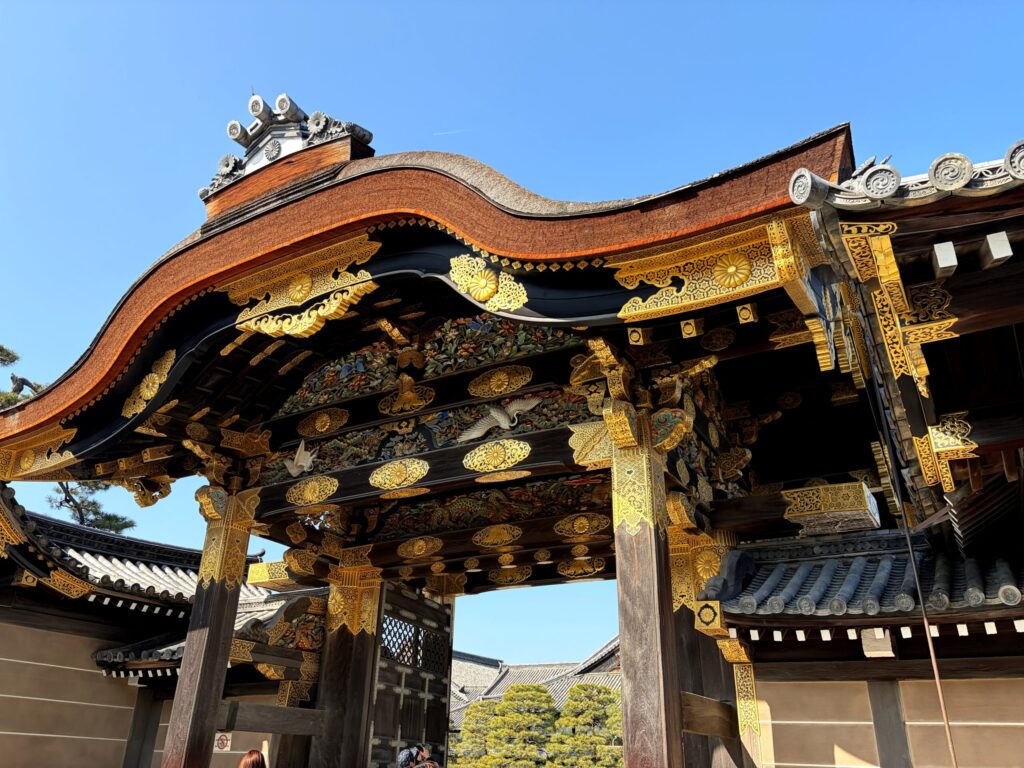
What struck me most was seeing the Tokugawa hollyhock crest give way, somewhere along the way, to the imperial chrysanthemum crest.
And above all, the dolls recreating the scene of the restoration of imperial rule.
You truly feel that this actually happened right here.
One more thing — when Nijo Castle was built, a large portion of the nearby “Shinsen-en” garden was absorbed into the castle grounds.
The present-day Shinsen-en has become very small as a result.
I visited there before coming to Nijo Castle that day, so I will write about it in another article.