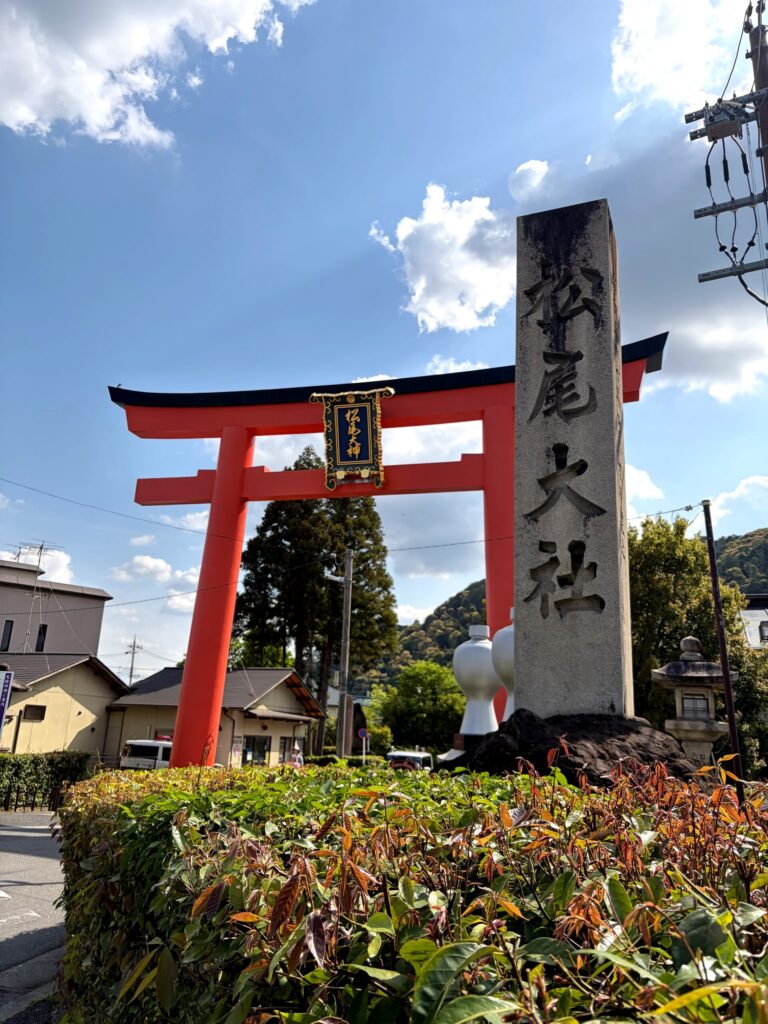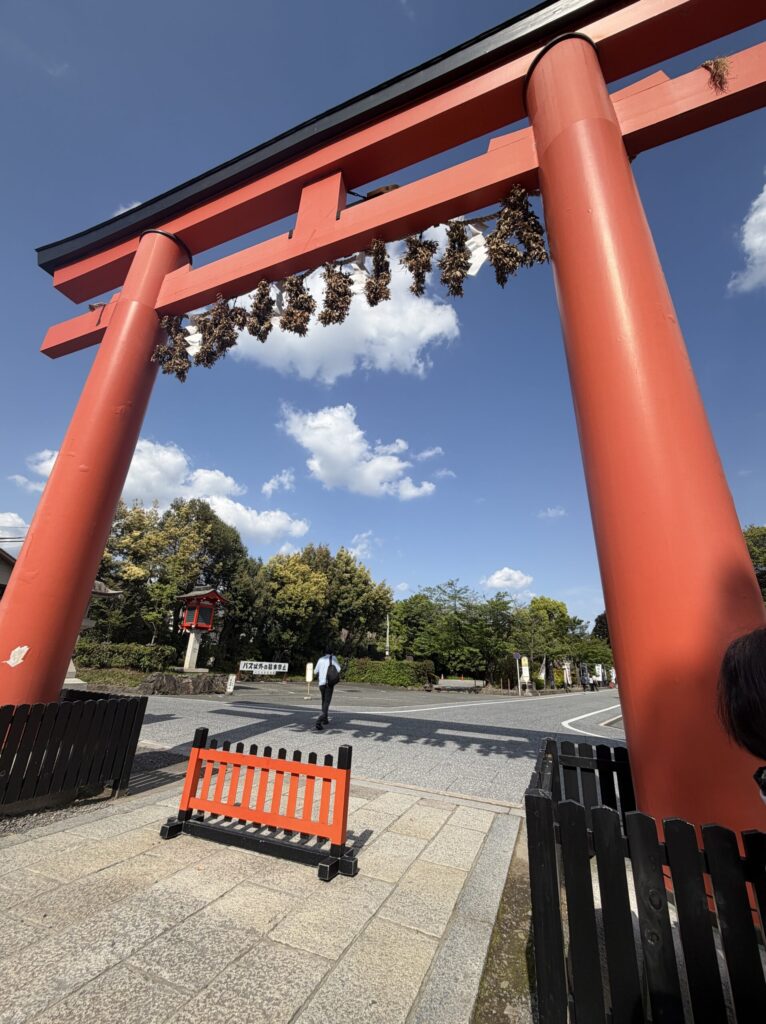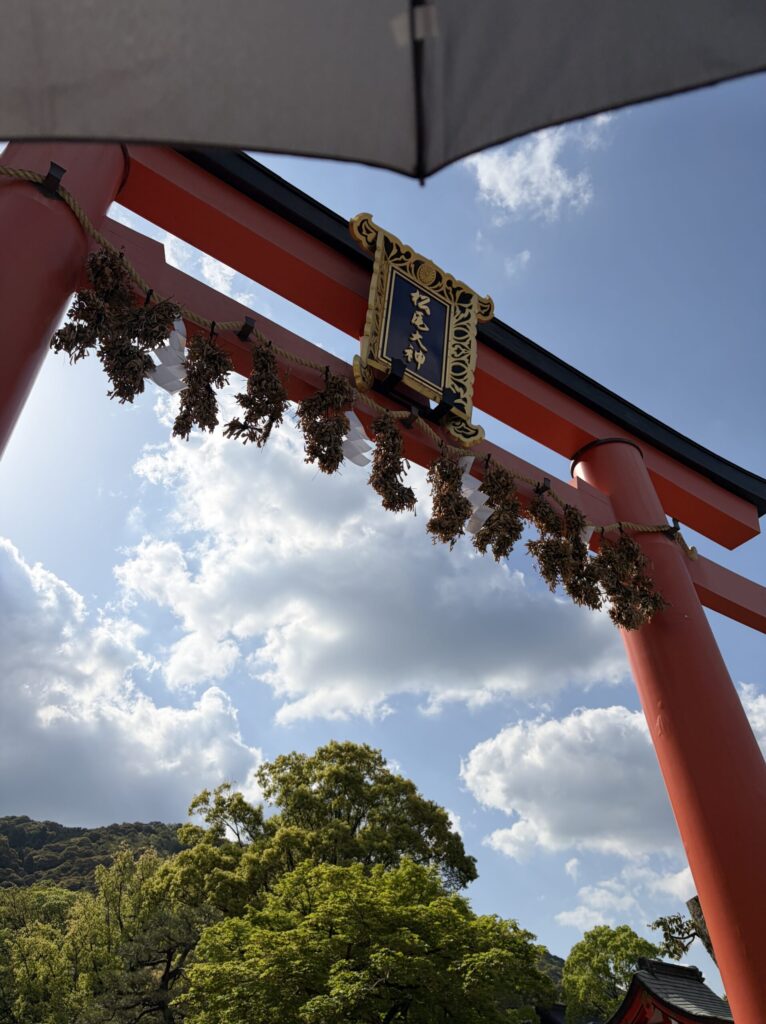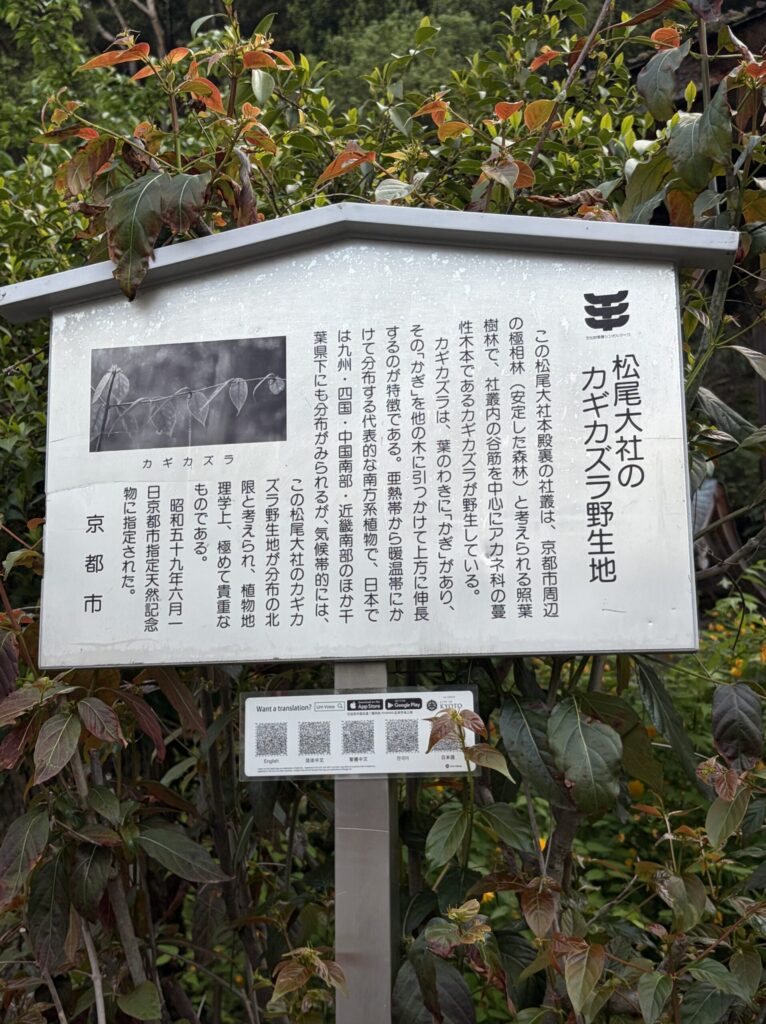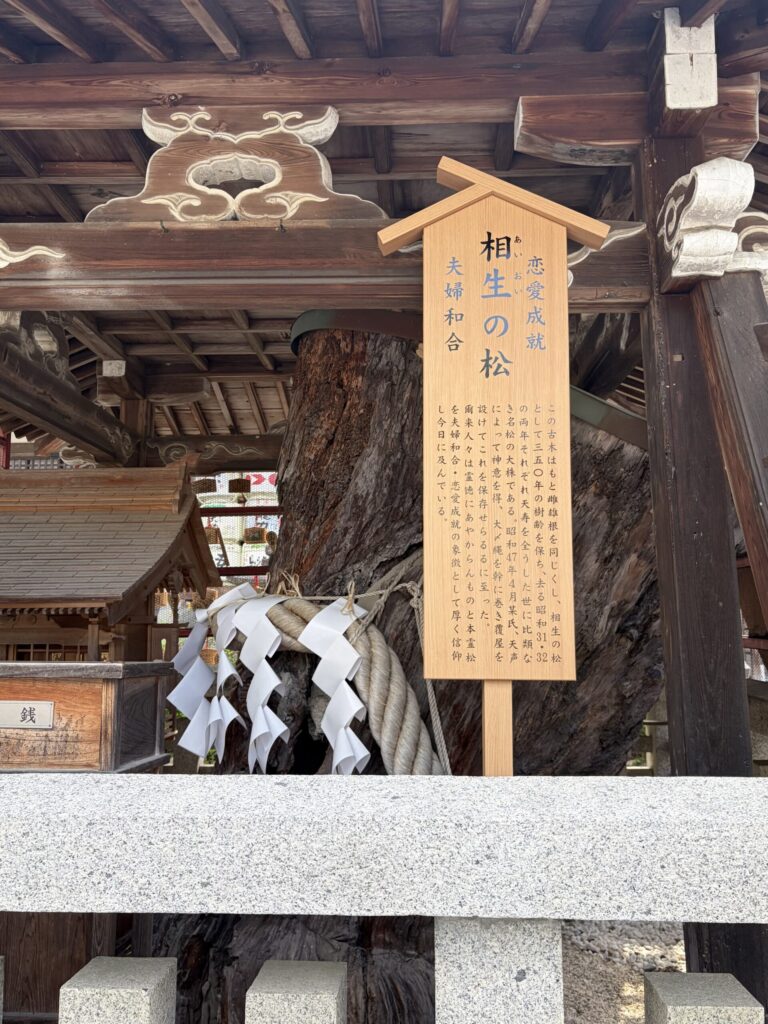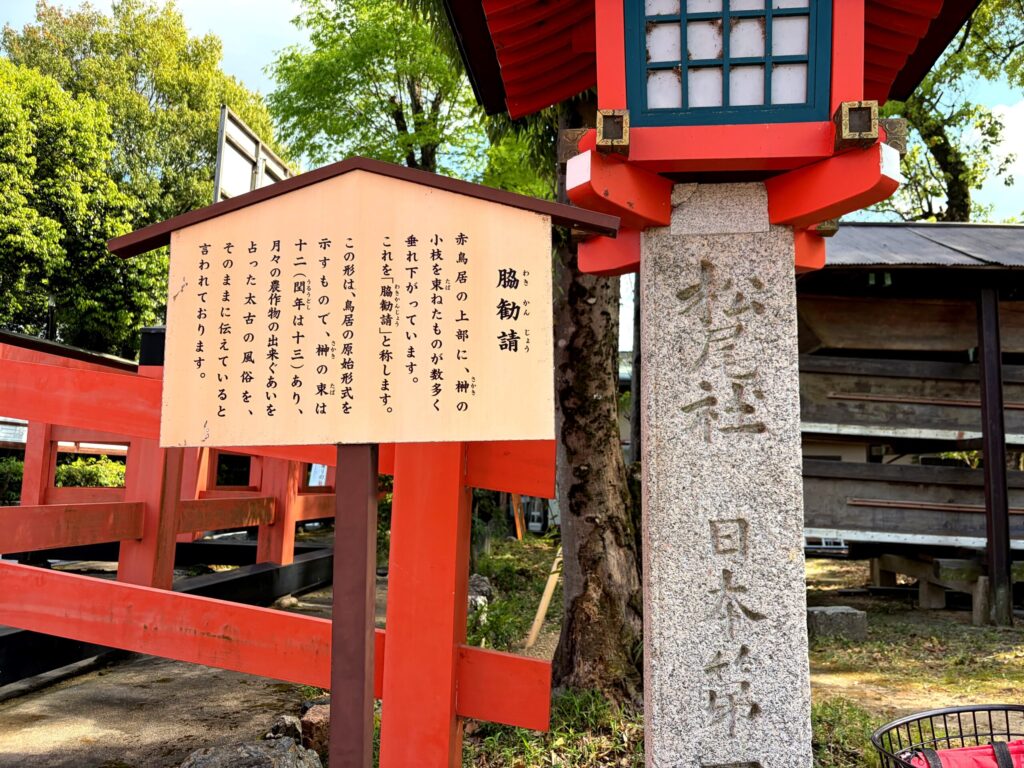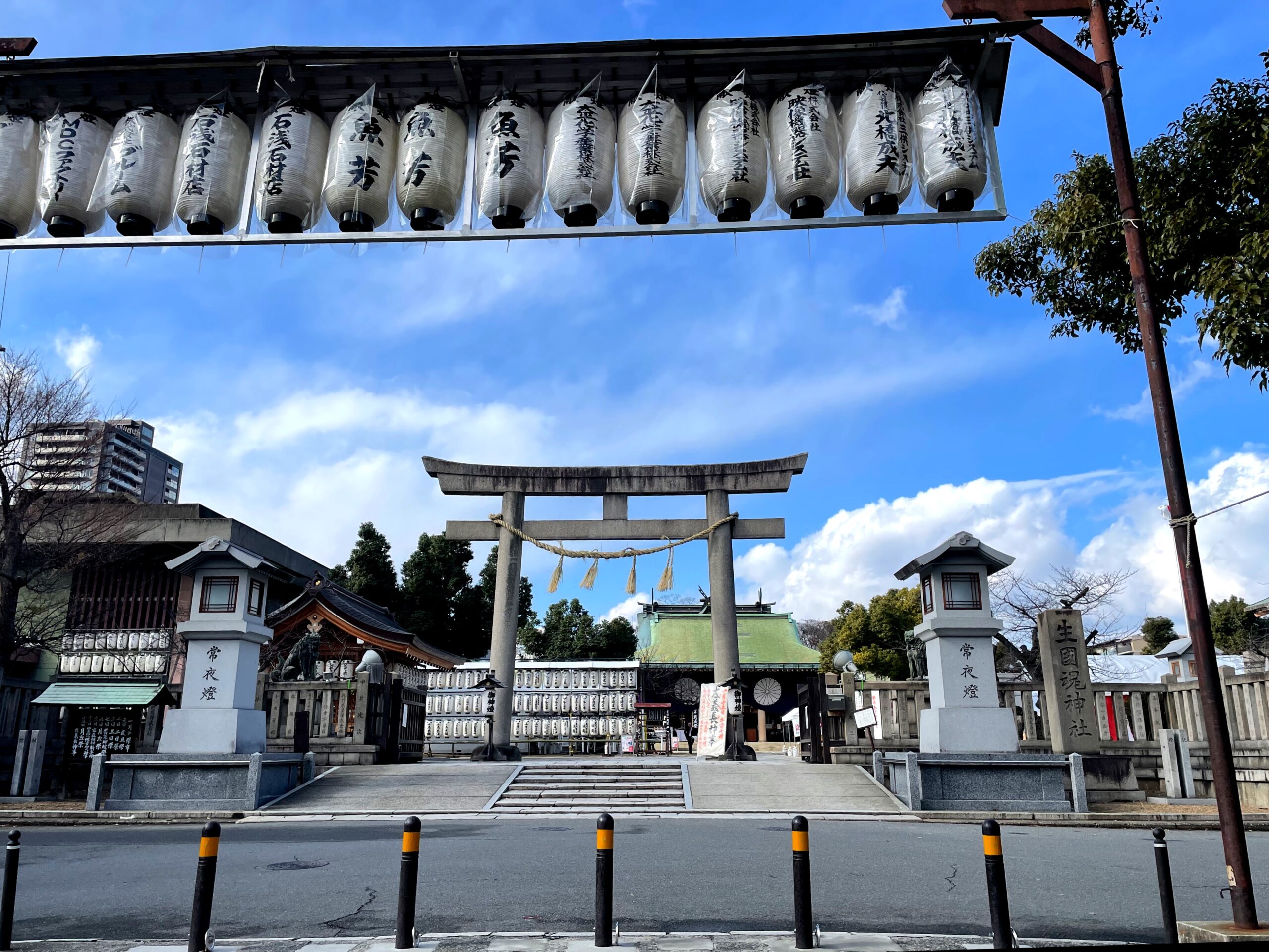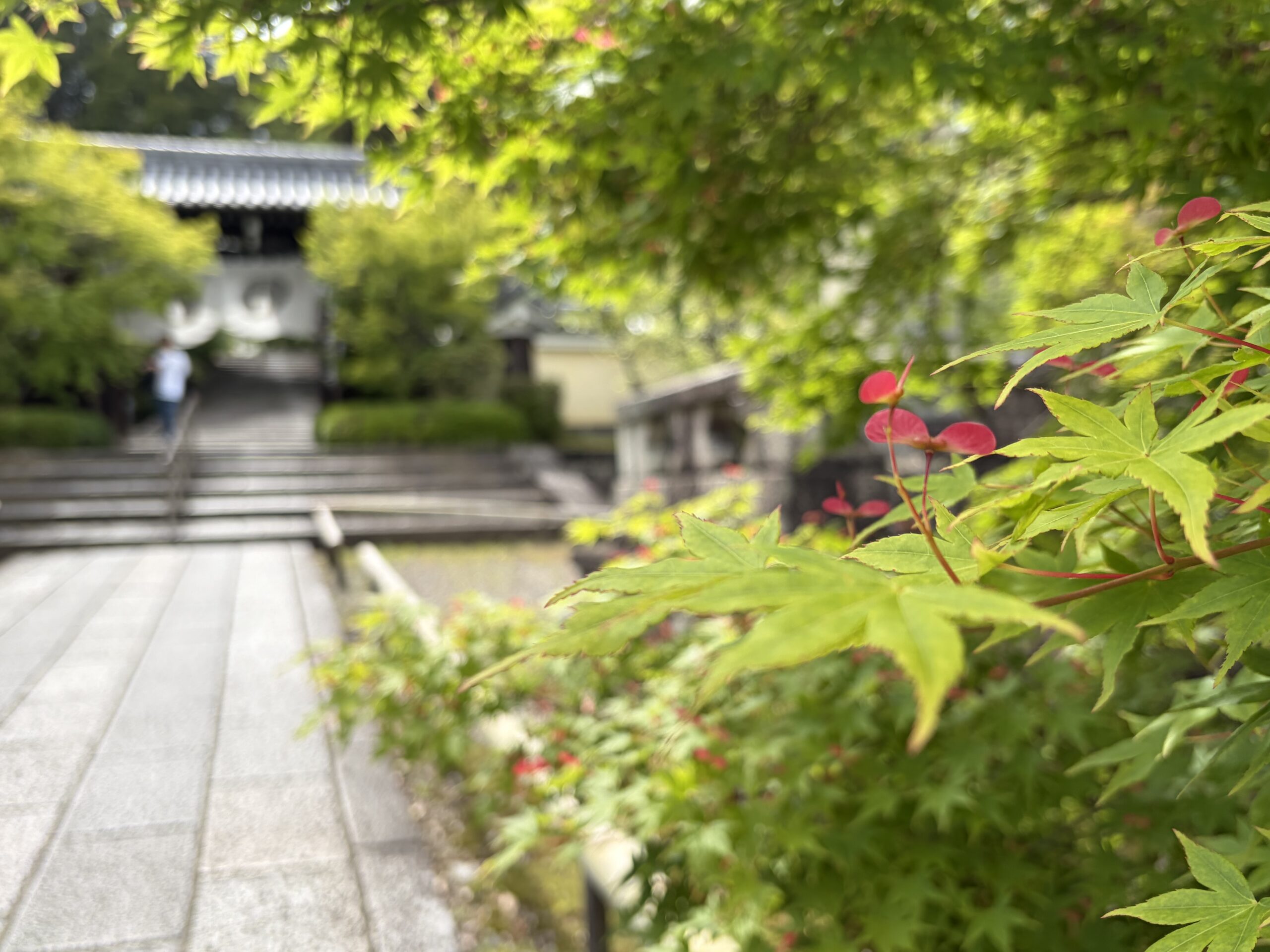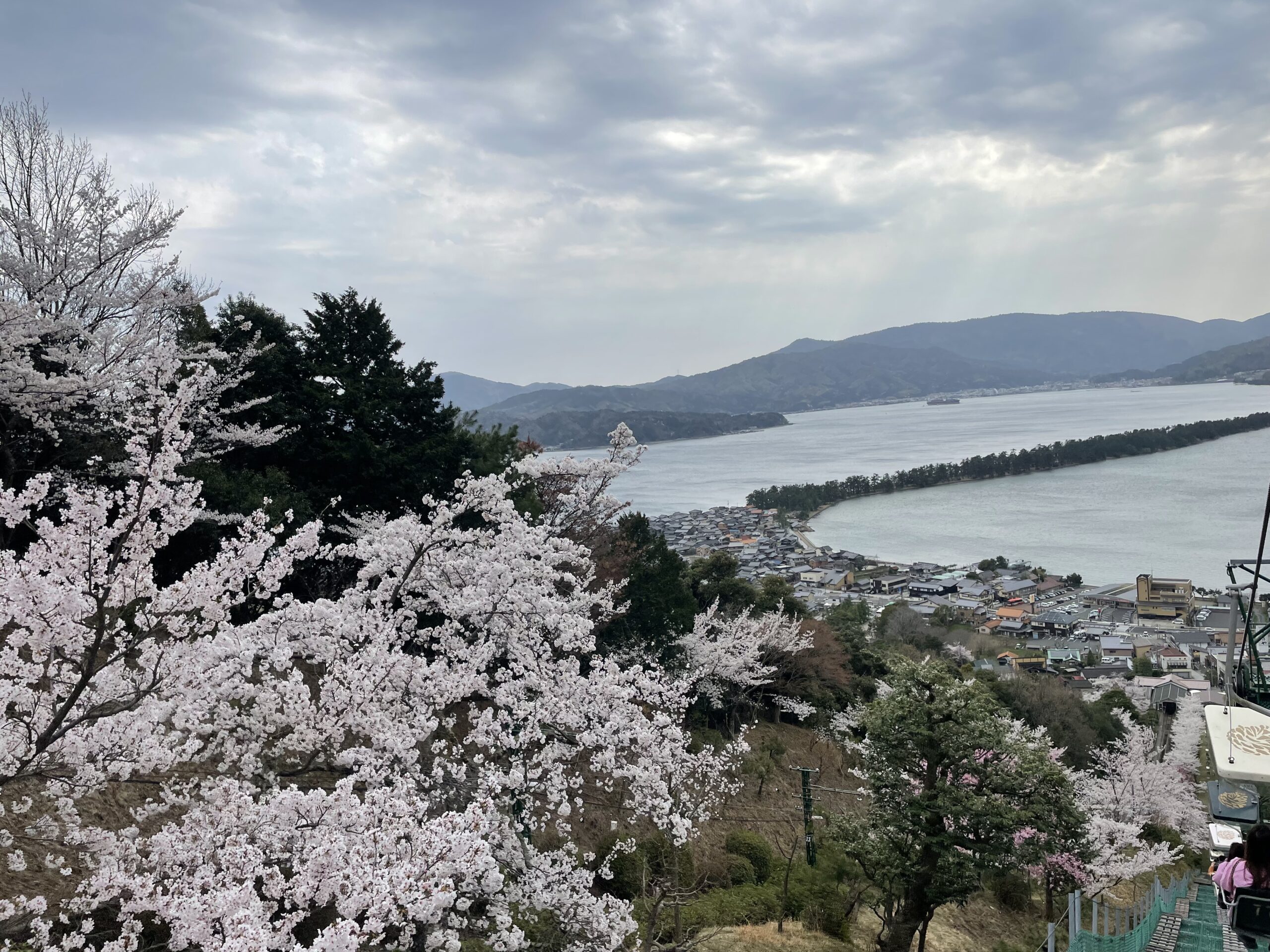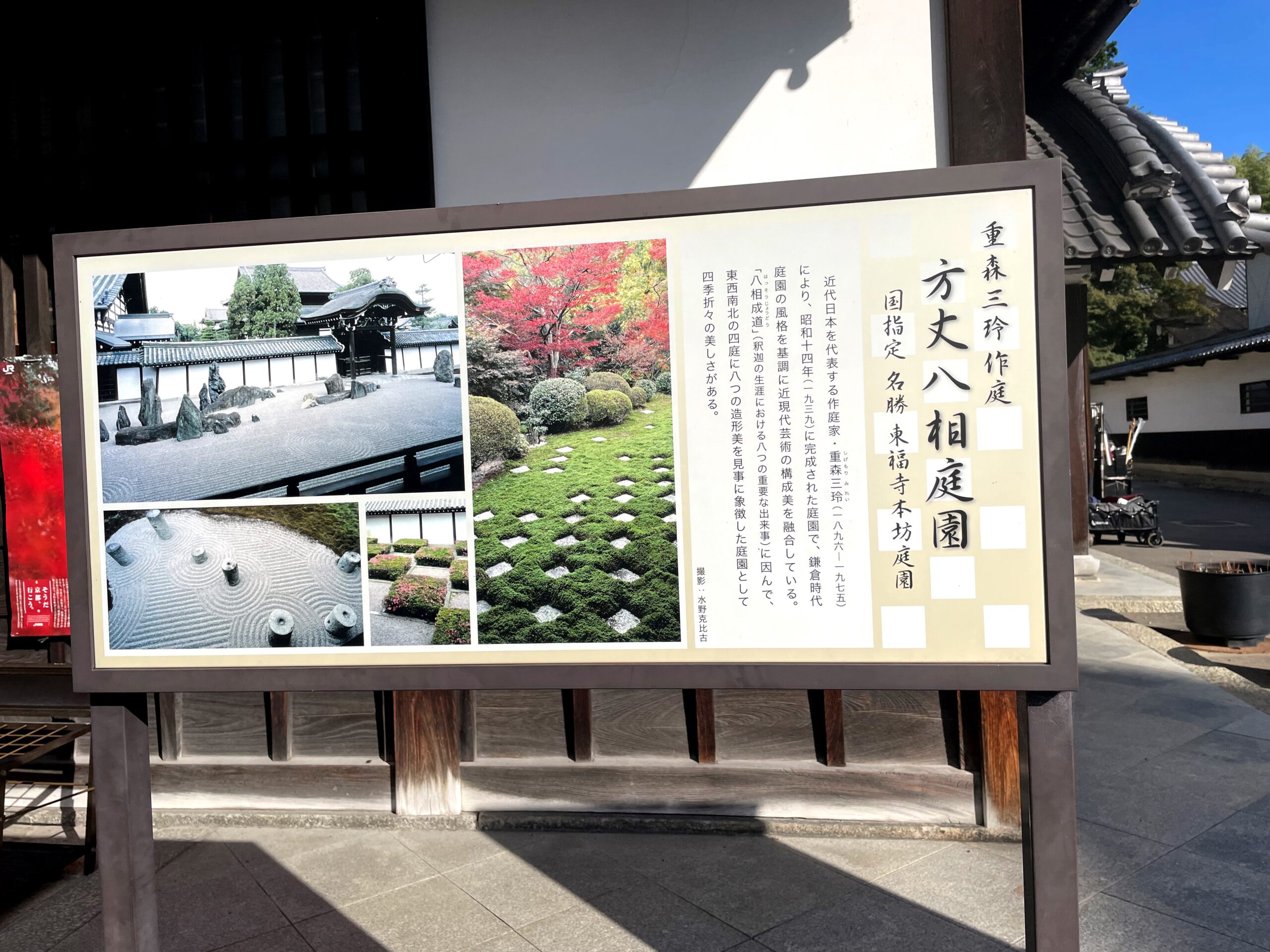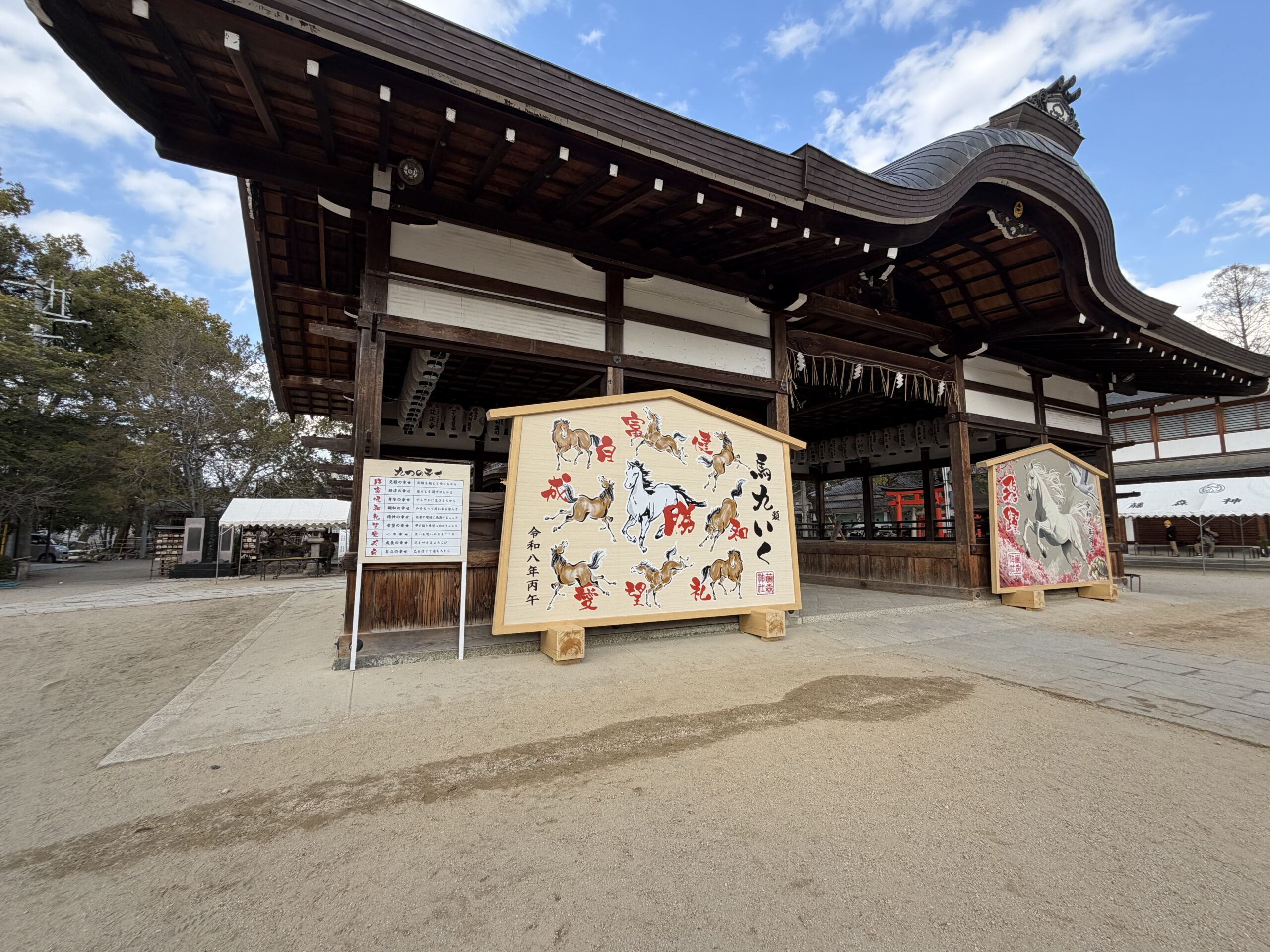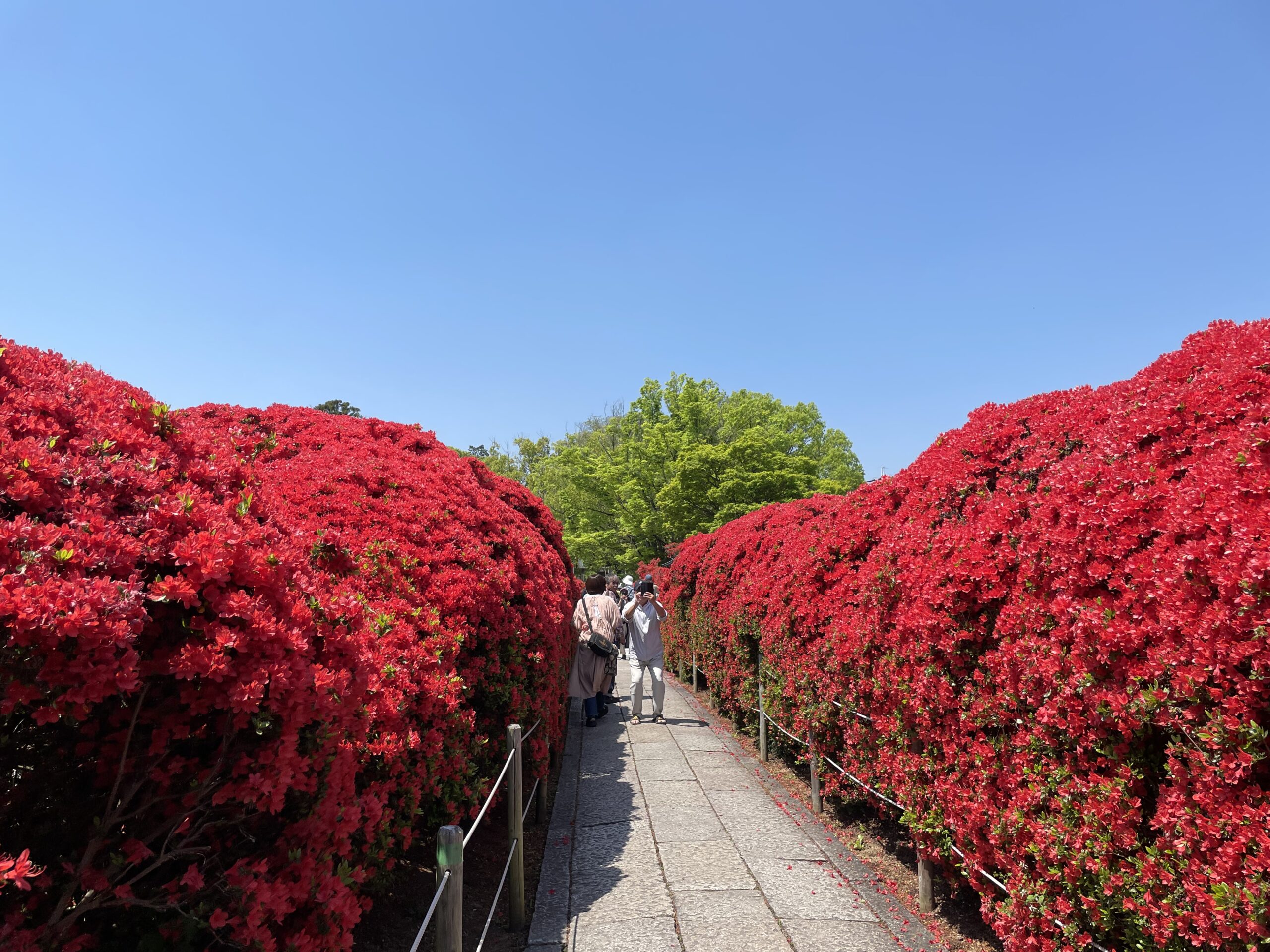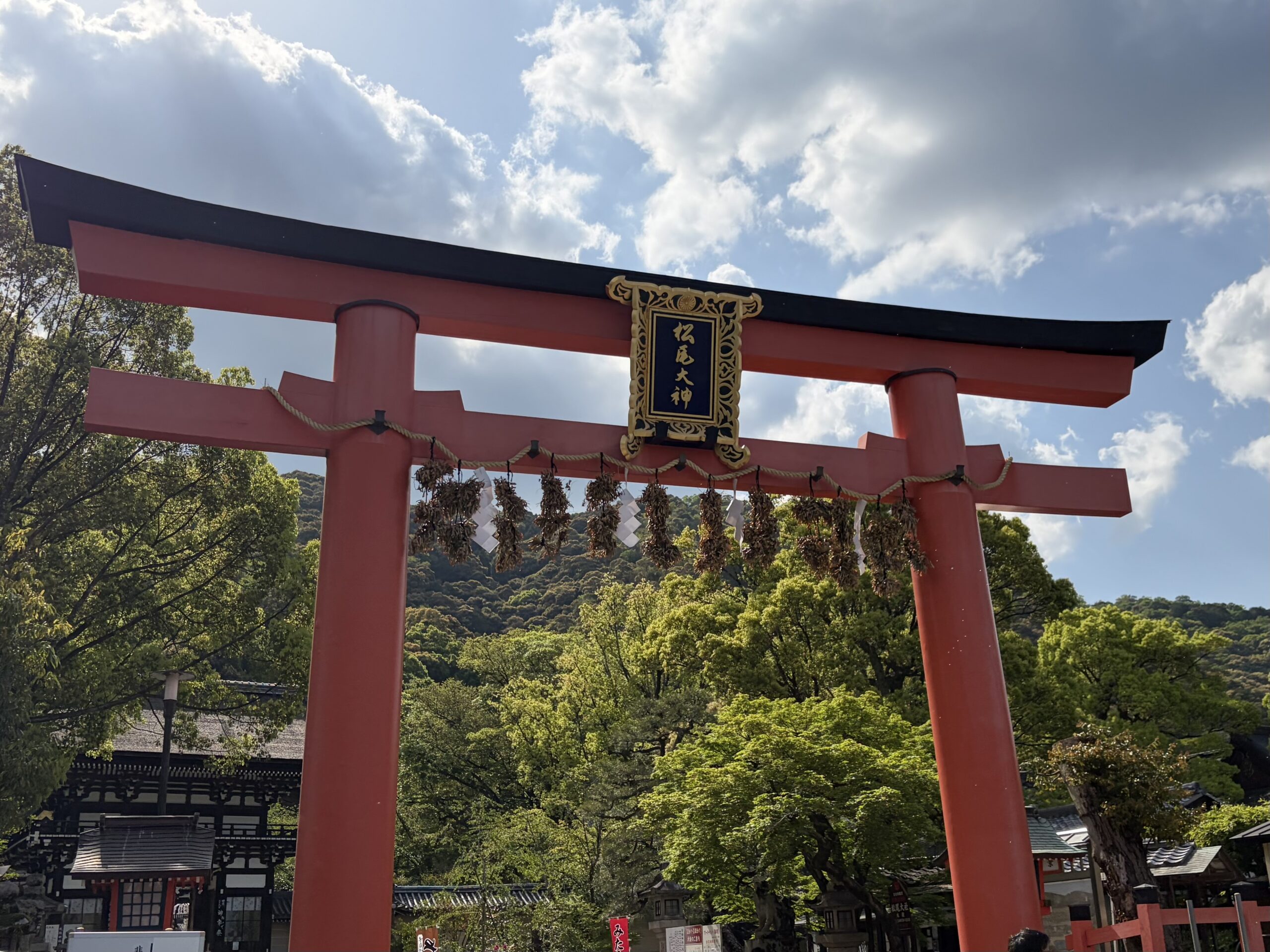
From Hankyu Kyoto Line, transfer at Katsura Station onto the Arashiyama Line — two stops along, just before Arashiyama, is Matsuo-taisha.
I visited on the same day as my trip to Katsura Imperial Villa, combining the two into one outing. This was actually my second visit to Matsuo-taisha — I had stopped by once before when I went to Suzumushi-dera Temple nearby.
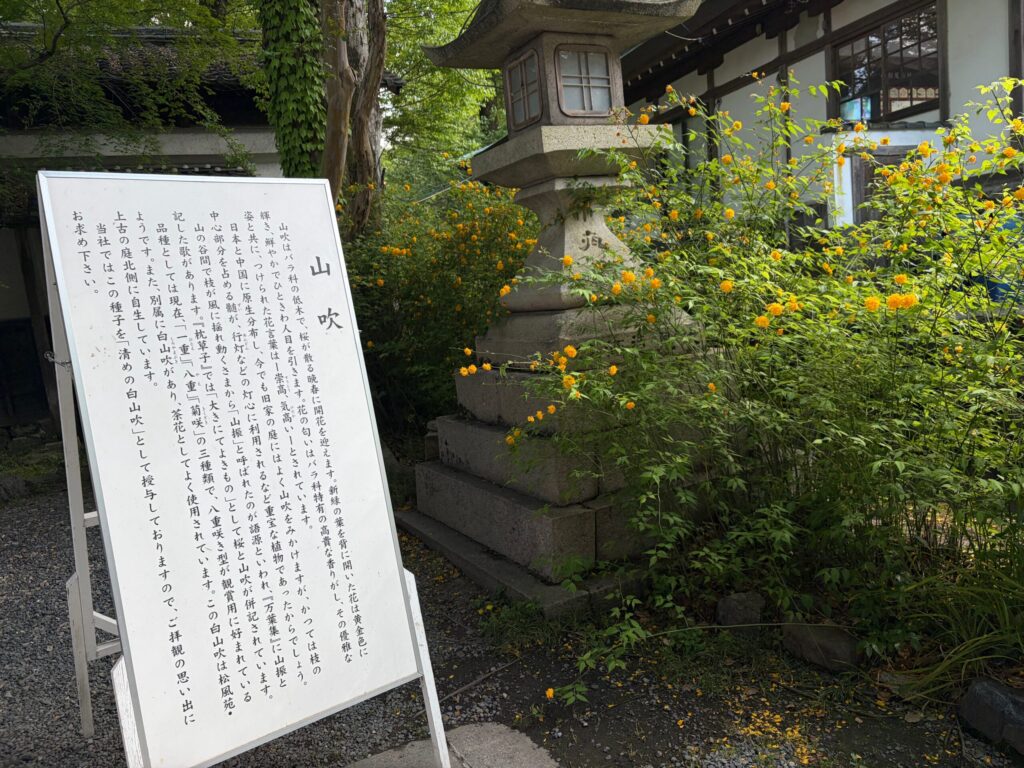
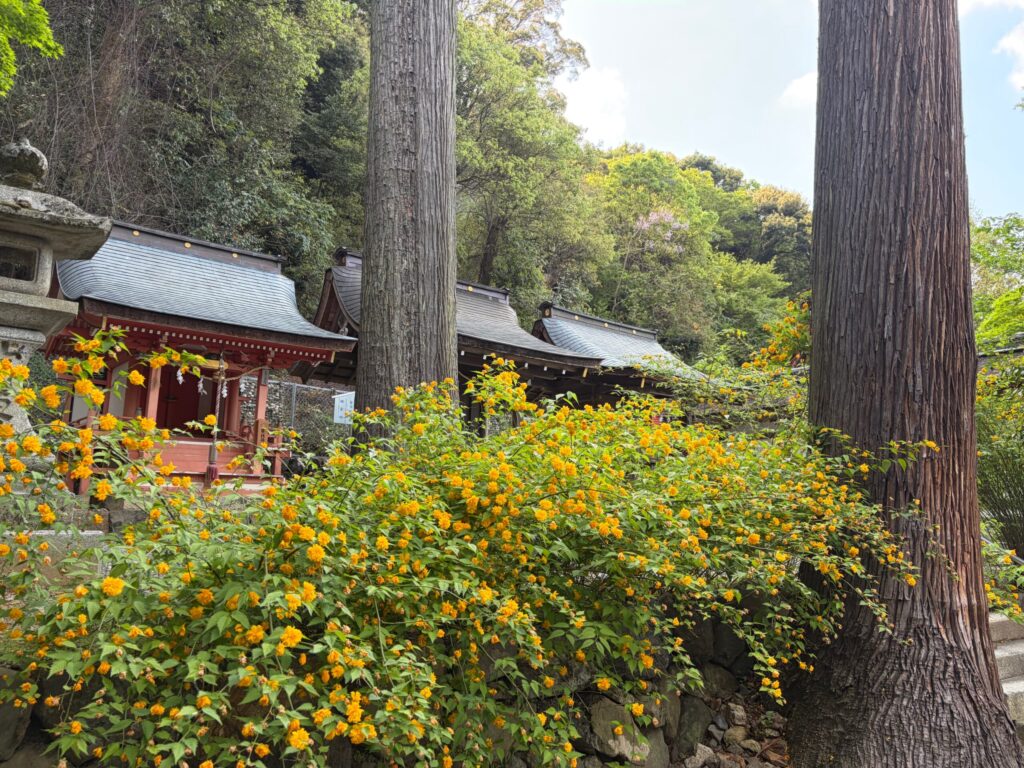
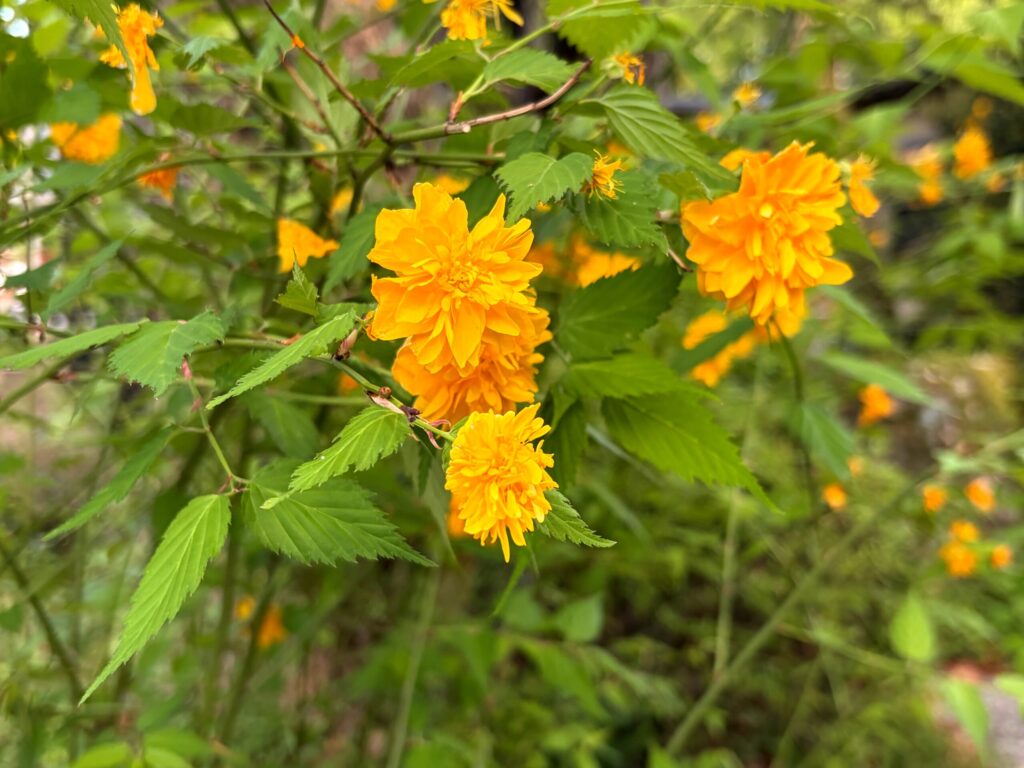
Unfortunately, the yamabuki (Japanese kerria) blossoms were already past their peak this time.
The following is an AI-written guide. The photographs are my own.
Matsuo-taisha Shrine, located in Nishikyo-ku, Kyoto, is the head shrine of approximately 2,000 Matsuo shrines across Japan and one of the oldest shrines in Kyoto. It is especially revered as the deity of brewing and fermentation, drawing deep faith from sake breweries and makers of soy sauce and miso throughout the country. Situated in the Arashiyama-Katsura area, the shrine grounds are graced with seasonal flowers throughout the year.
What Is Matsuo-taisha?
The founding of Matsuo-taisha is traditionally dated to 701 CE, when Hata no Imiki Tori constructed a shrine hall by imperial decree of Emperor Monmu. The two enshrined deities are Oyamakui-no-kami and Ichikishimahime-no-mikoto. Oyamakui-no-kami governs mountains and water — and through the vital role of water in brewing, has been venerated as the patron deity of brewers and fermenters across Japan.
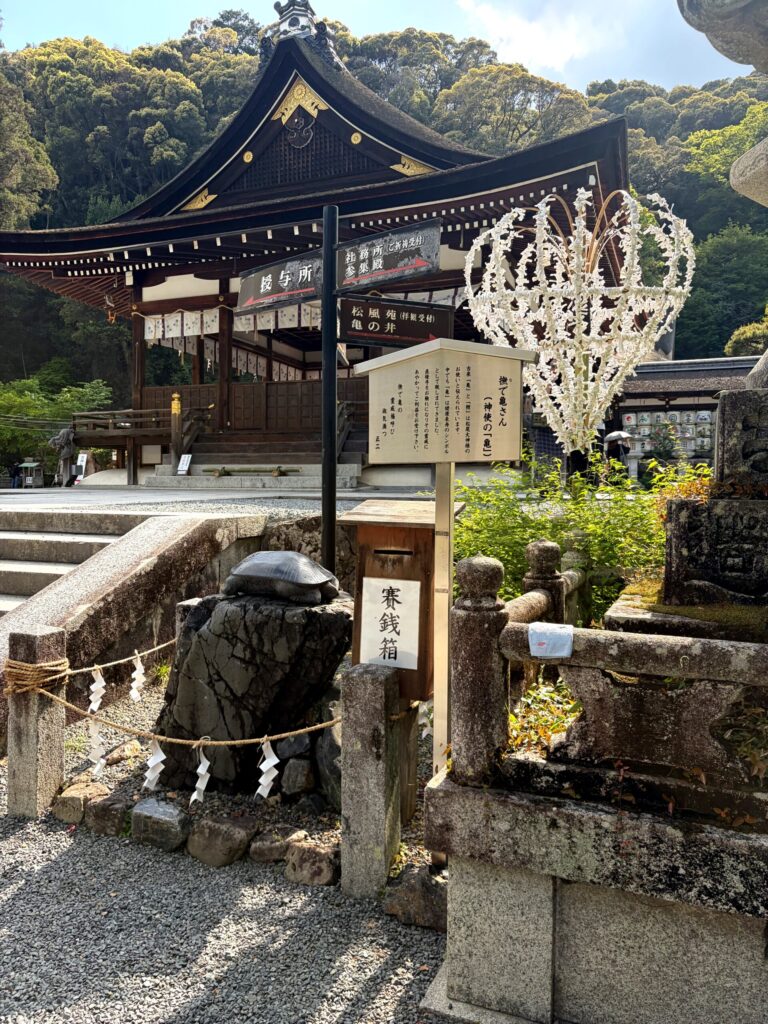
Deep within the grounds, a sacred spring called Kame-no-i (Turtle Well) is said to keep water and food from spoiling when mixed with it. Long revered as the “water of immortality,” it continues to draw pilgrims seeking its blessing.
Highlights
The Main Hall and Rōmon Gate
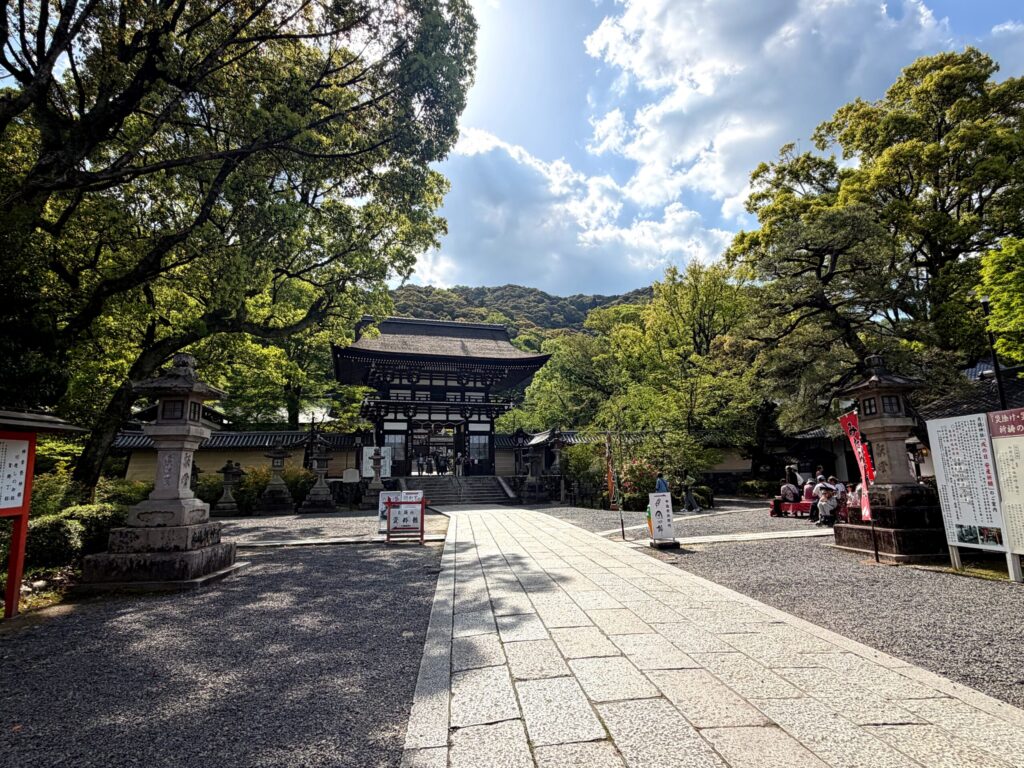
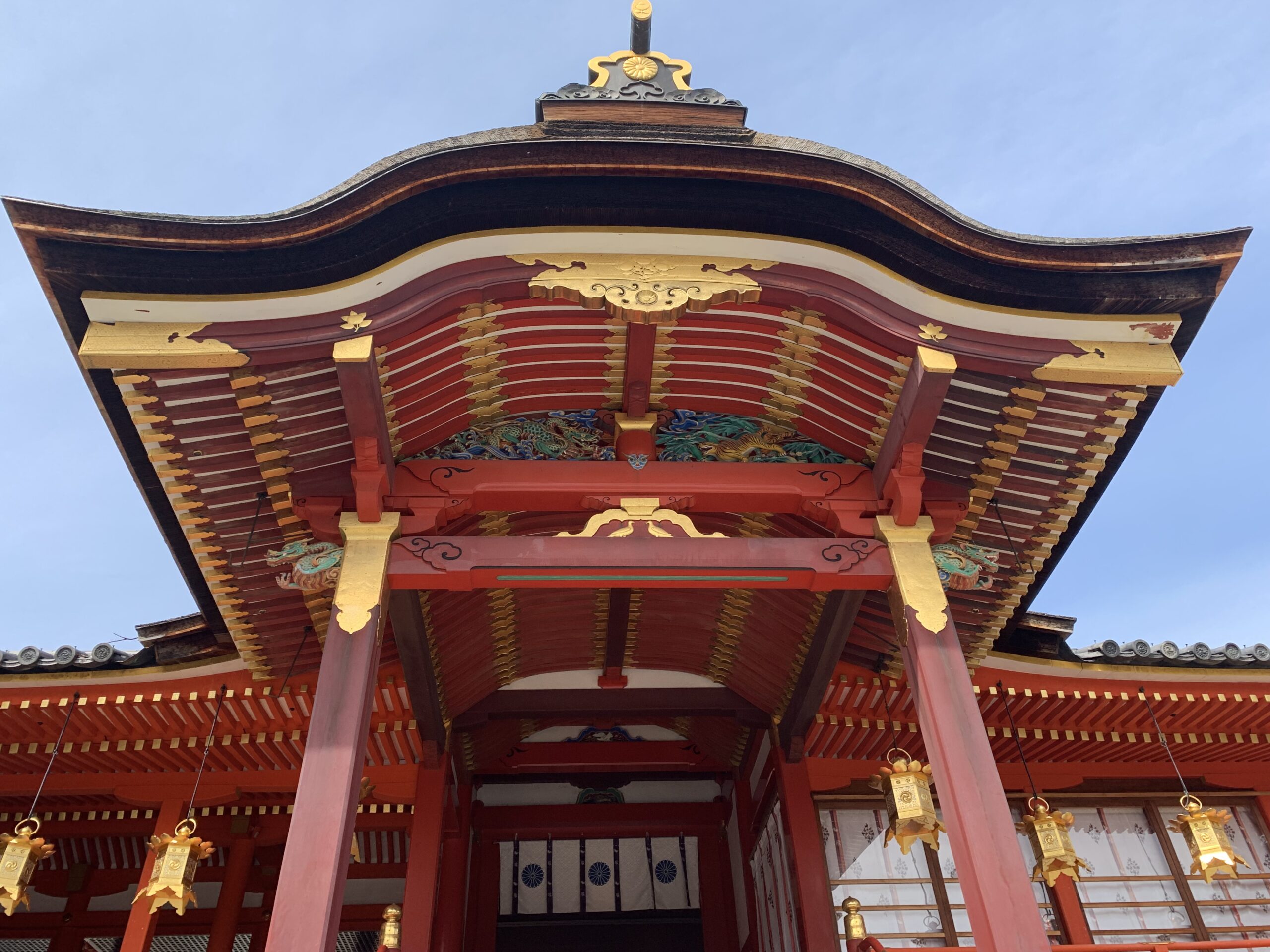
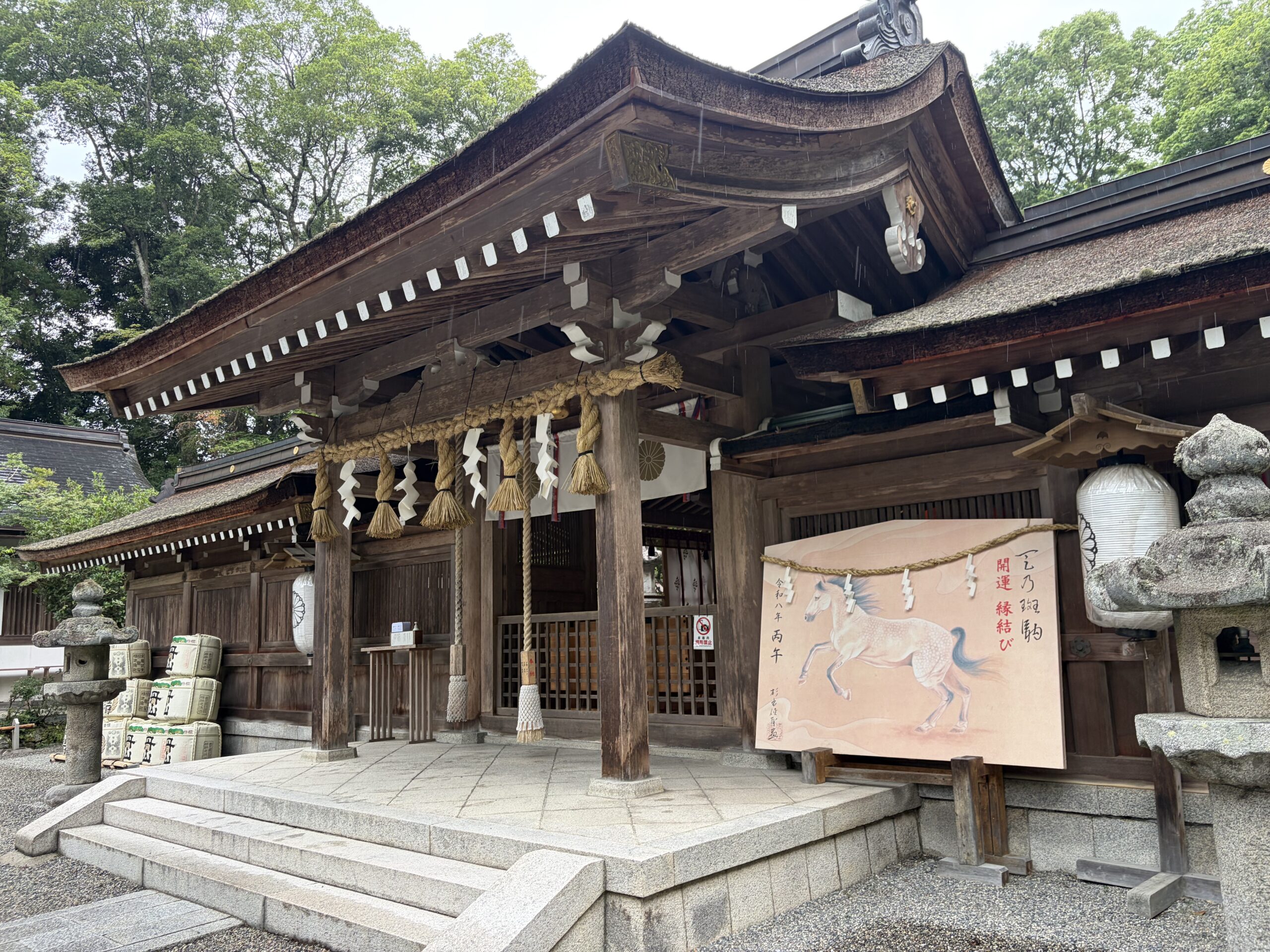
The main hall, built in the Muromachi period, features a distinctive architectural style known as ryōnagare-zukuri, and is designated as an Important Cultural Property of Japan. The vermilion-painted rōmon gate at the entrance is the iconic symbol of Matsuo-taisha, greeting visitors as they arrive.
The Three Gardens (Hōrai, Kyokusui, and Jōko)
The shrine grounds contain three gardens designed by Mirei Shigemori, one of the most celebrated garden designers of the Showa era. Named the Hōrai Garden, the Kyokusui Garden, and the Jōko Garden, each is defined by bold stone arrangements and the movement of water — masterworks of modern Japanese garden design.
Matsuo-yama and the Iwakura Sacred Stones
Behind the shrine halls, the forested slopes of Matsuo-yama are home to an ancient cluster of sacred boulders known as iwakura, venerated since antiquity. A mountain path from behind the main hall leads up to them, offering a rare encounter with the oldest layer of the shrine’s spiritual history.
The Sake Museum
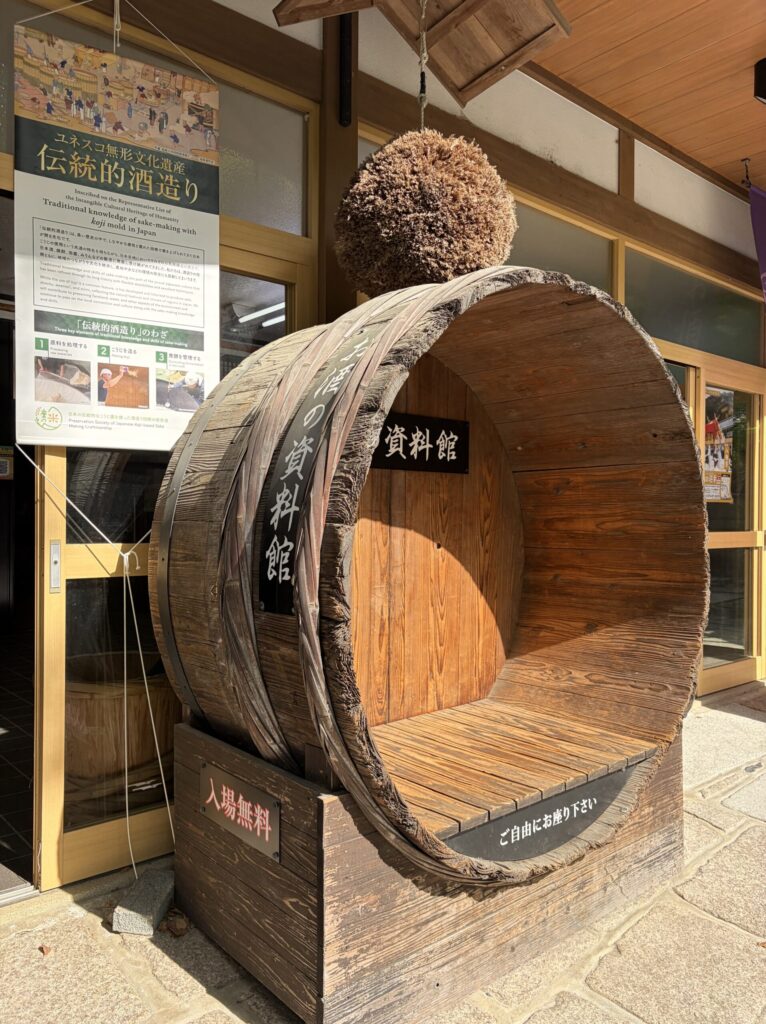
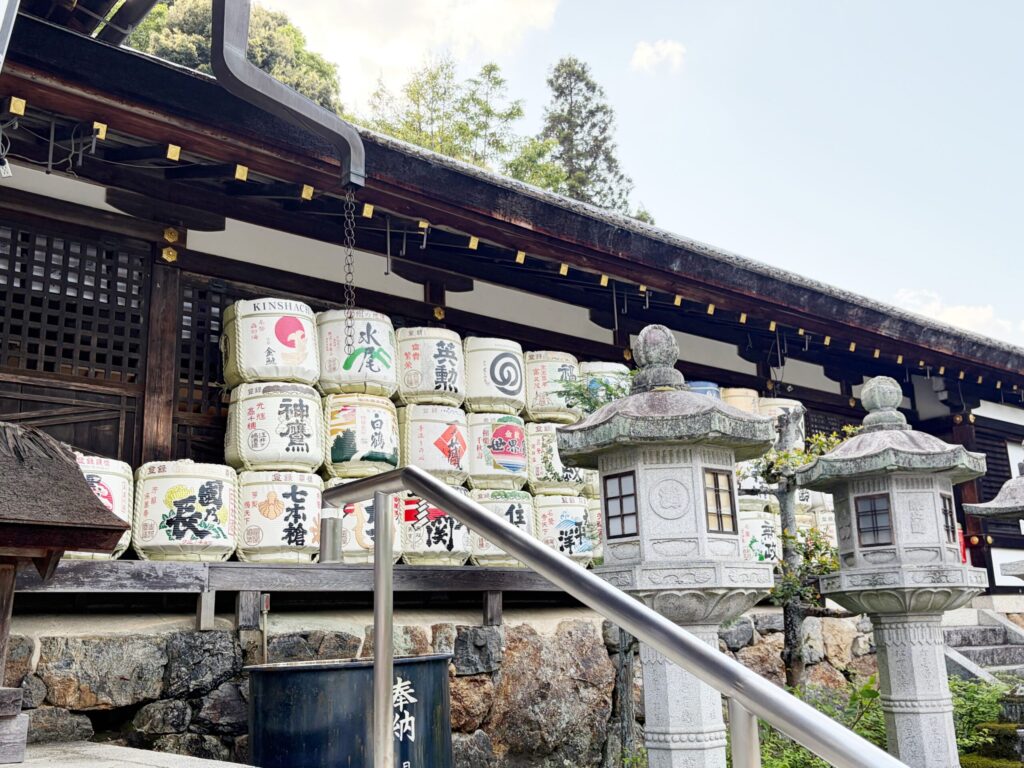
In keeping with the shrine’s identity as the home of the brewing deity, a dedicated Sake Museum on the grounds displays the history and tools of Japanese brewing, along with sake barrels offered by breweries from across the country. Highly recommended for anyone with an interest in Japanese sake.
Annual Events and Festivals
Matsuo Festival (April and May)
The grandest festival of Matsuo-taisha unfolds in three parts. In April’s “Oide” (Departure), six portable shrines (mikoshi) are carried across the Katsura River to the temporary shrine — a stirring sight. In May’s “Okaeri” (Return), the mikoshi make their way back to Matsuo-taisha amid the energy and warmth of the local community.
Yamabuki Festival (April)
Matsuo-taisha is also known as the “Shrine of Yamabuki” — from mid-April to early May, approximately 3,000 yamabuki (Japanese kerria) plants burst into golden-yellow bloom along the grounds and approach paths. A special opening is held during this period, drawing many visitors to enjoy the vivid display.
Jōzō Festival (November)
A festival unique to Matsuo-taisha: breweries and fermentation producers from across Japan gather to pray for a successful new sake season. New sake is offered to the deity, and the event offers a rich glimpse into Japan’s deep brewing heritage.
Access and Information
- Address: 3 Arashiyama Miyamachi, Nishikyo-ku, Kyoto
- Access: Approx. 3 min walk from Hankyu Arashiyama Line “Matsuo-taisha Station”
- Hours: Shrine grounds open freely; gardens 9:00 AM – 4:00 PM (paid entry)
- Garden admission: ¥500
- Parking: Available
Summary
With over 1,300 years of history, Matsuo-taisha stands as one of Kyoto’s oldest and most venerated shrines. The gardens of Mirei Shigemori, the golden blaze of yamabuki in spring, the mysterious iwakura on the mountain, and the rich world of brewing culture — there is always something new to discover here. If your travels take you to the Arashiyama-Katsura area, do not miss it.
References
Postscript
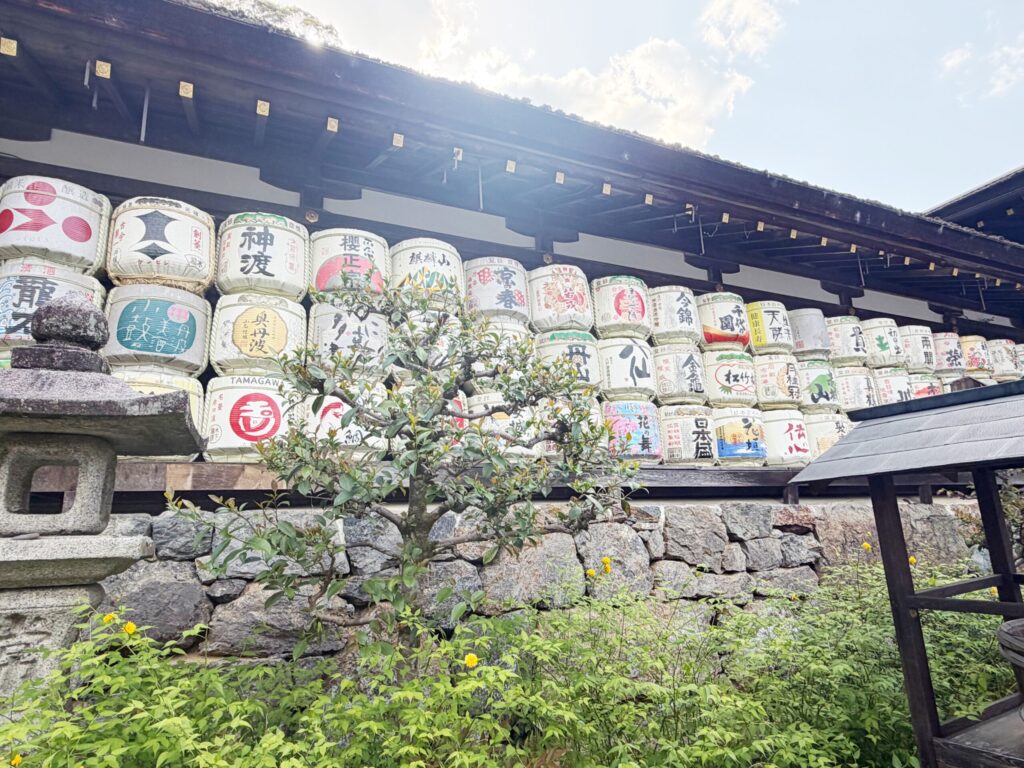
The rows of sake barrels dedicated by breweries throughout the shrine grounds were truly impressive — among them, barrels from local Kyoto breweries as well.
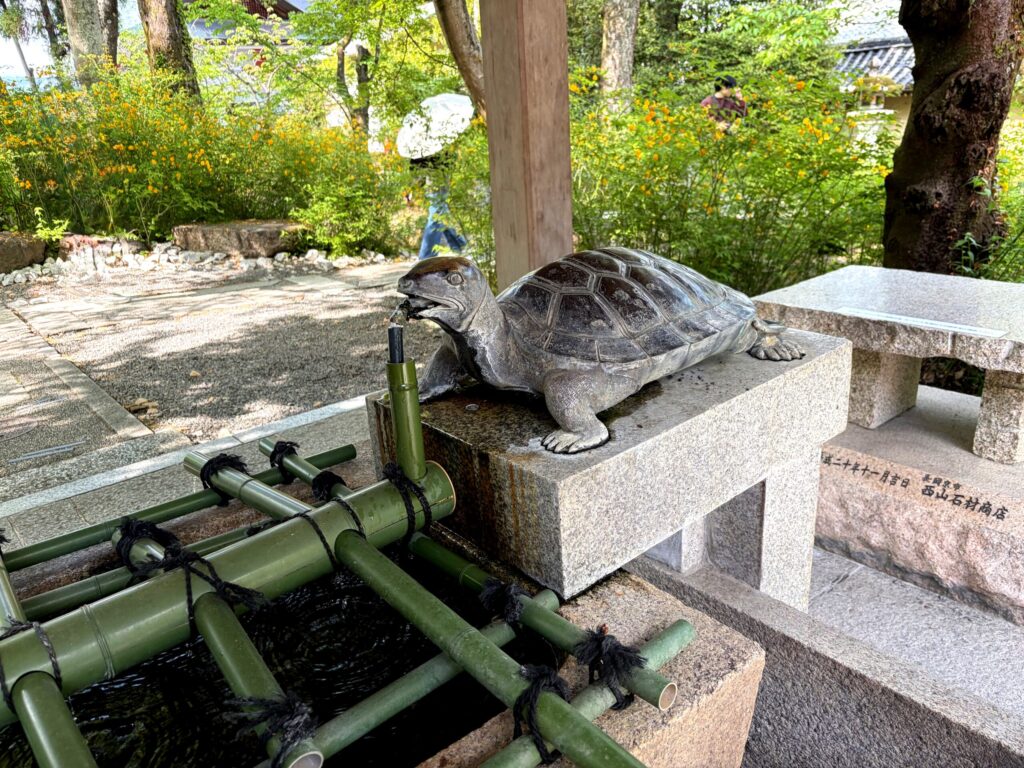
The turtle at the purification fountain (temizuya) was charming.
The Sake Museum is well worth a visit. Next door is a small shop selling Kyoto pickles and other local goods.