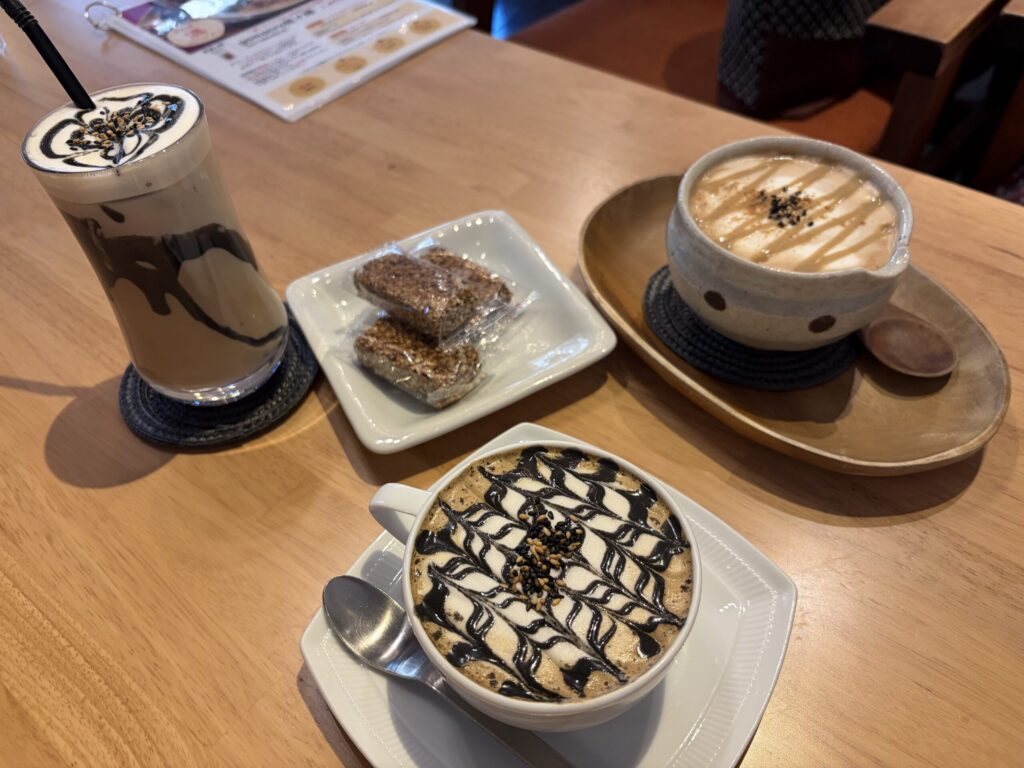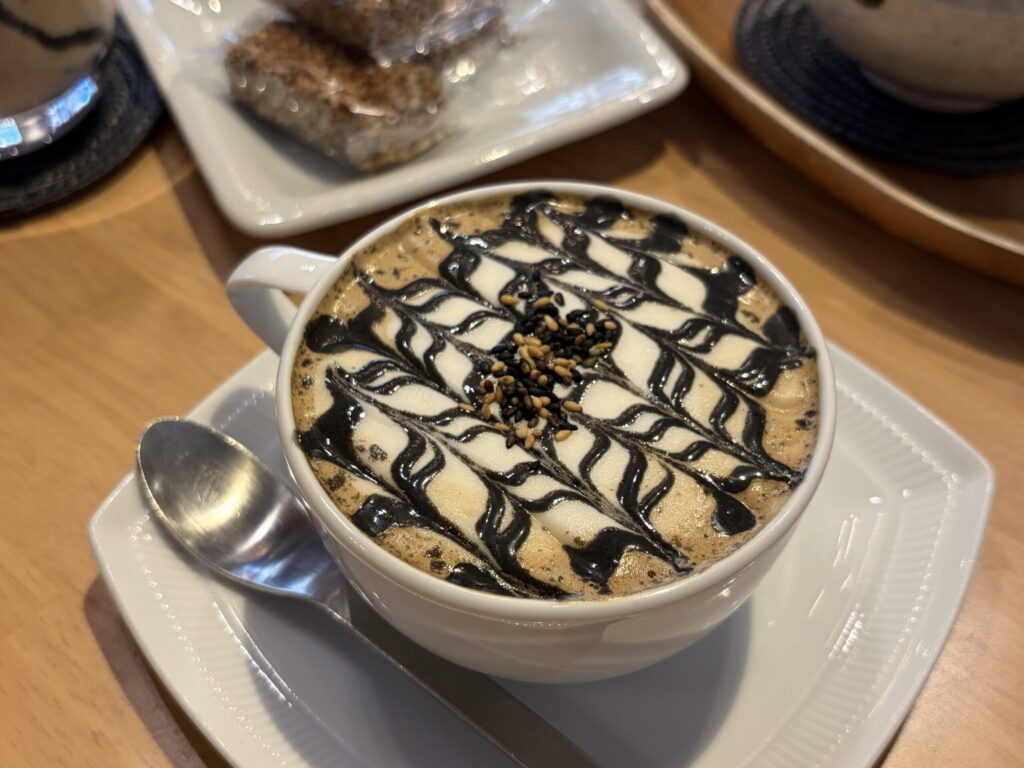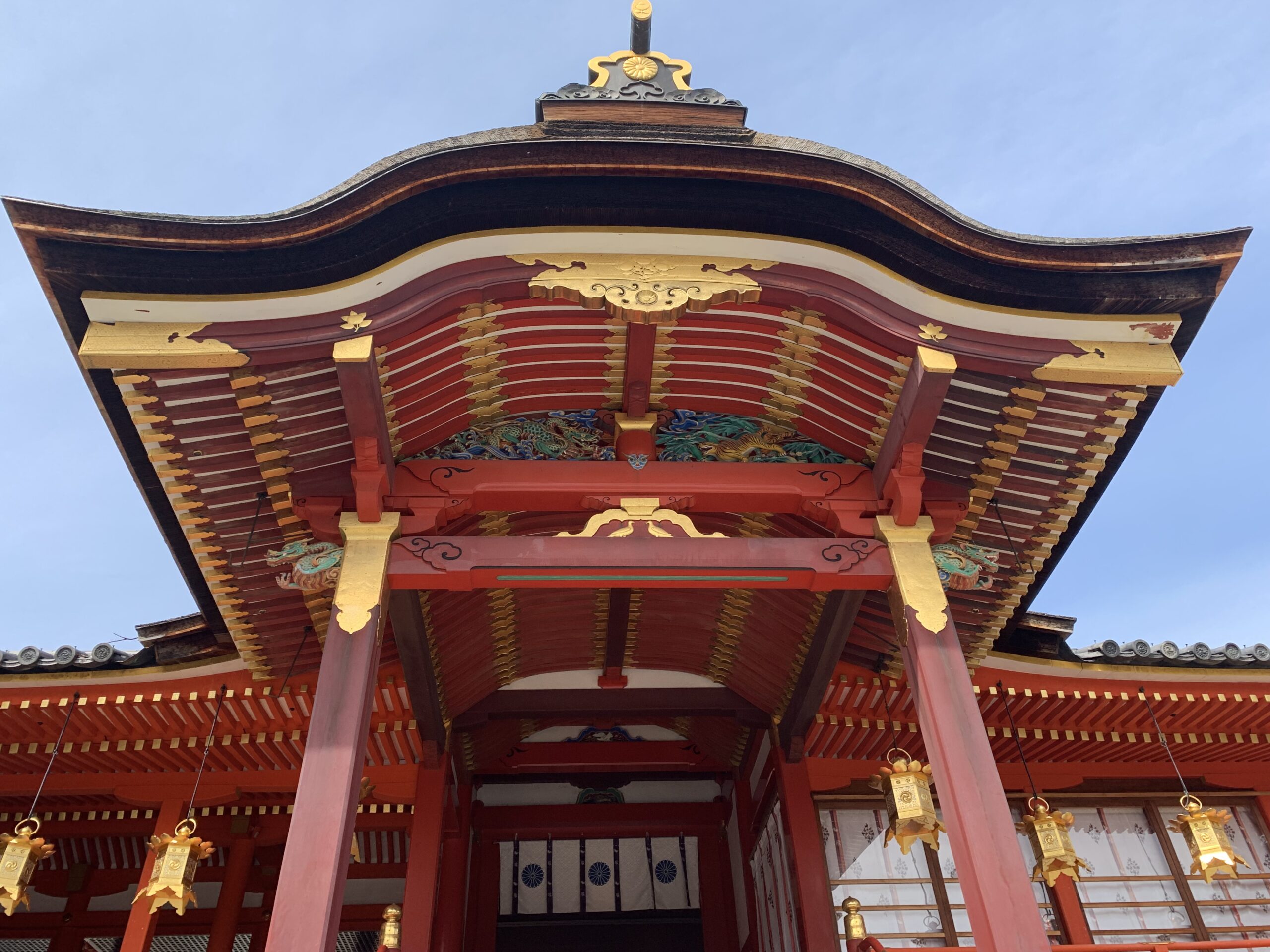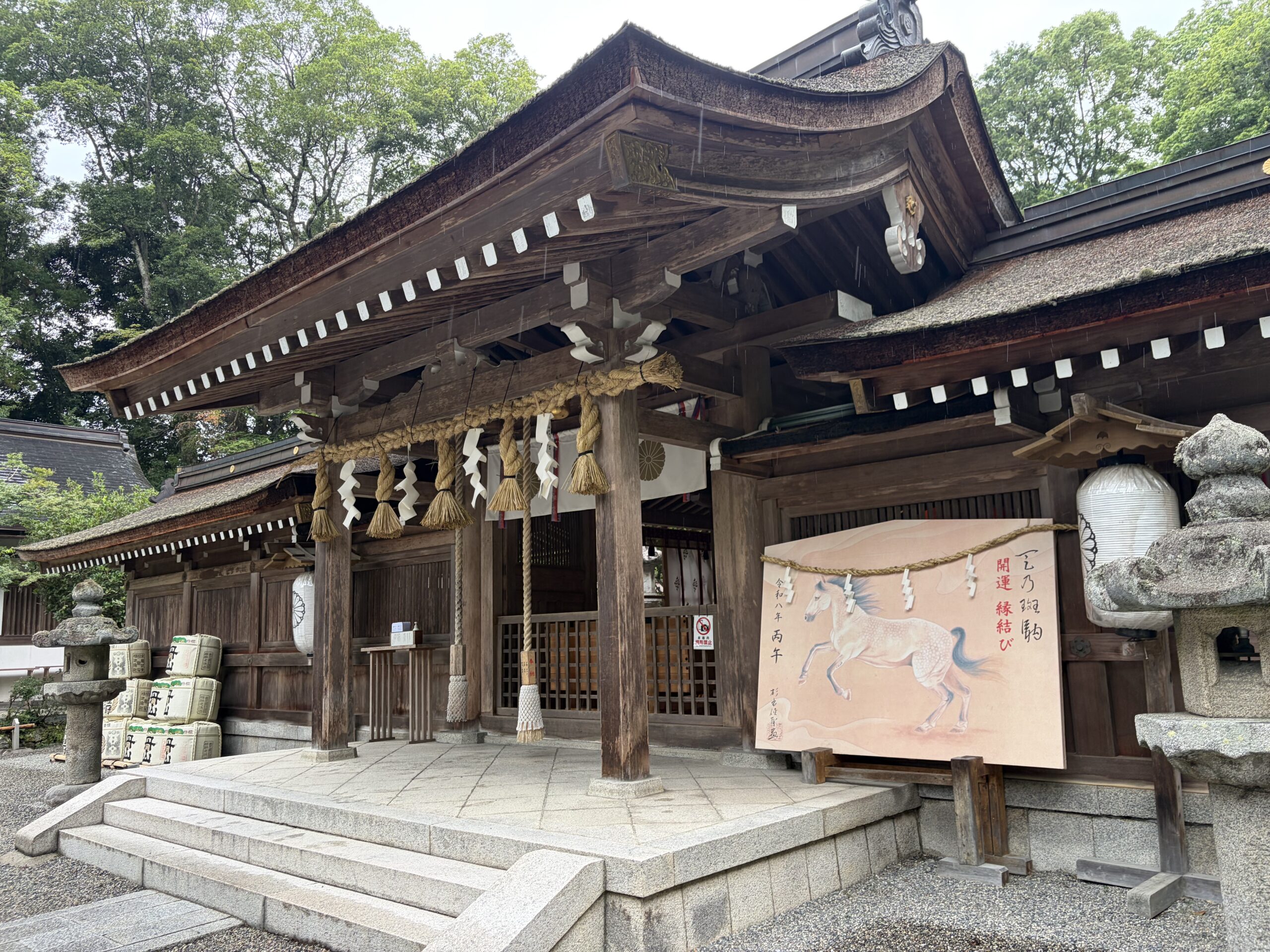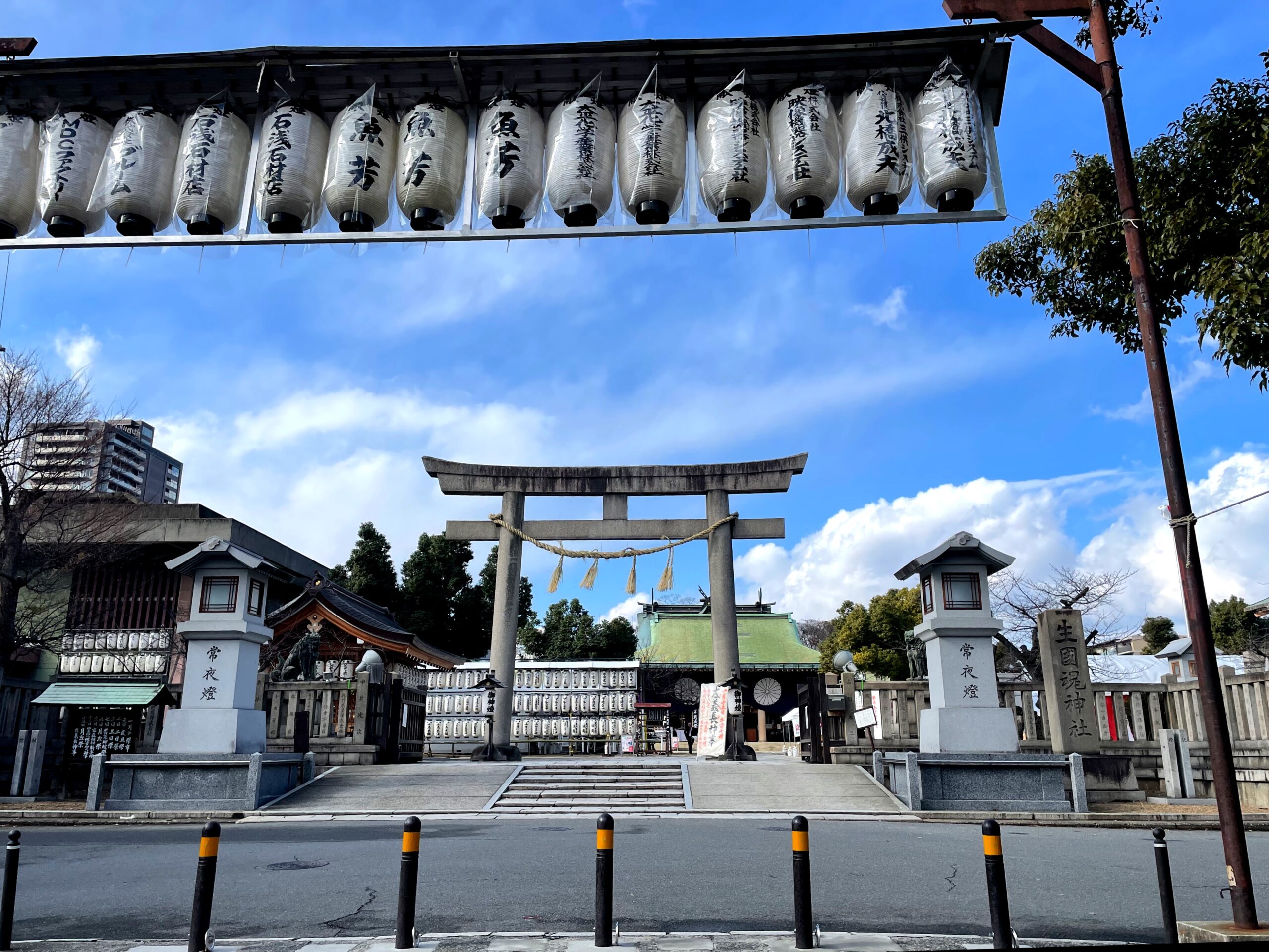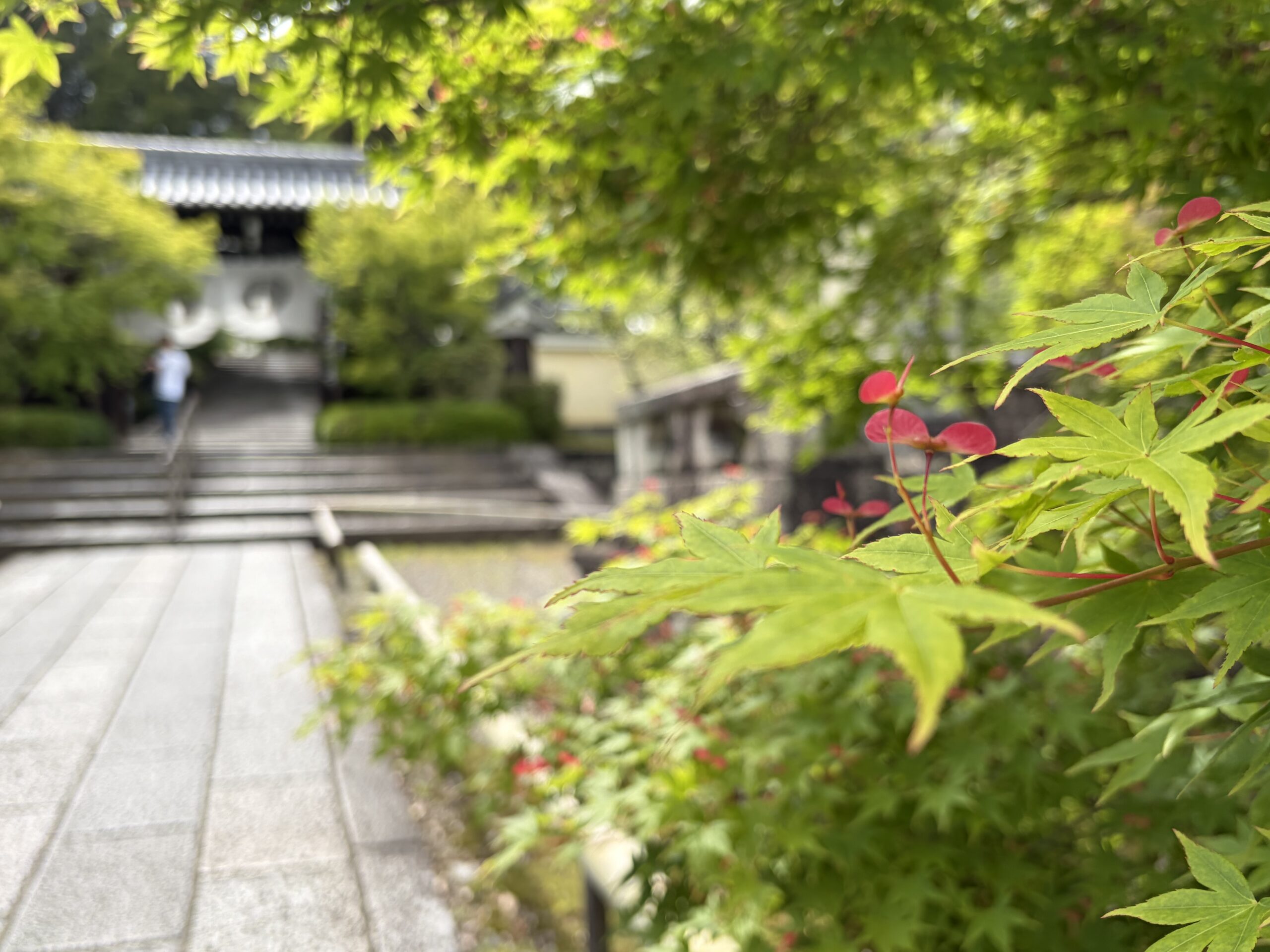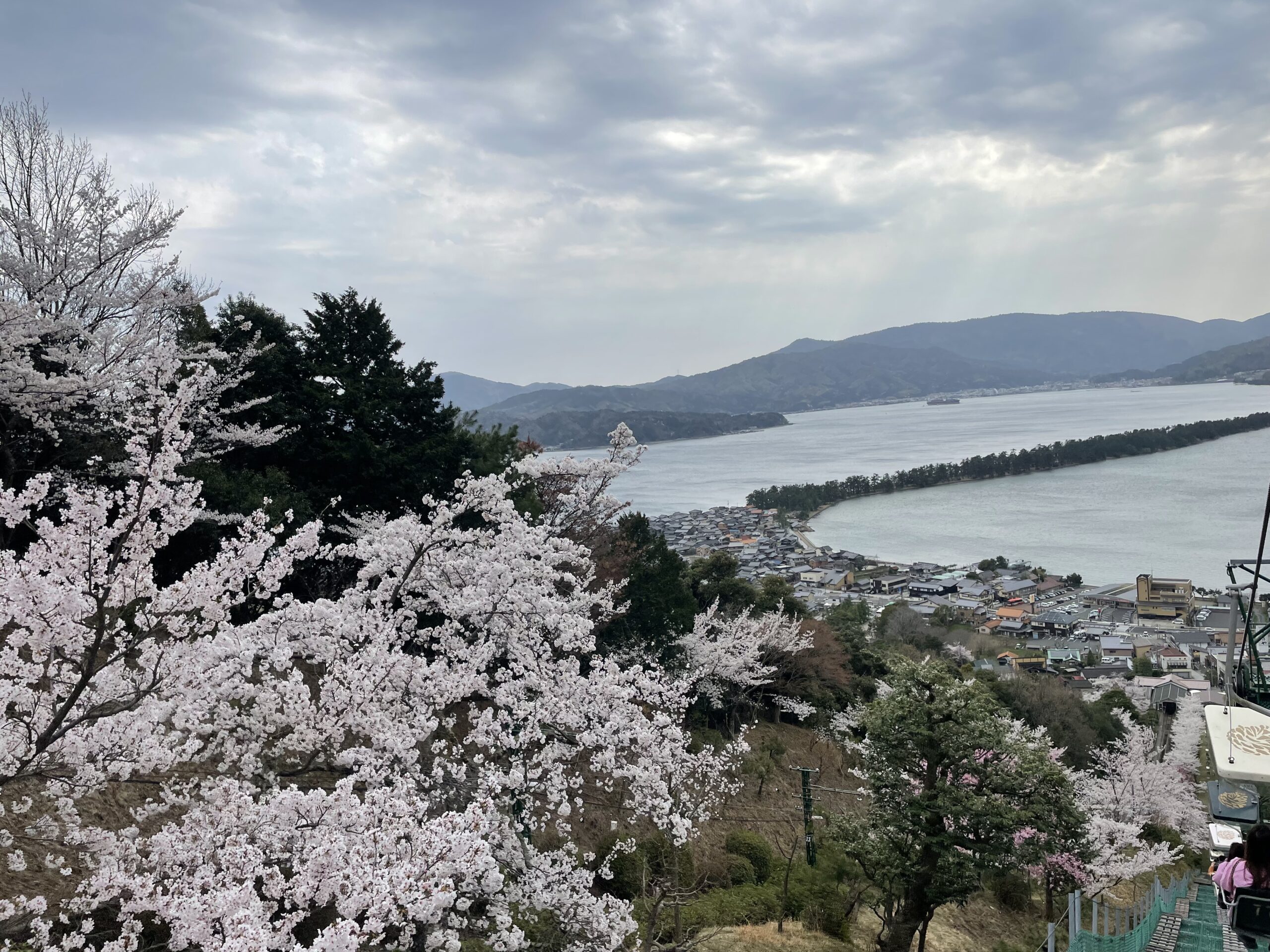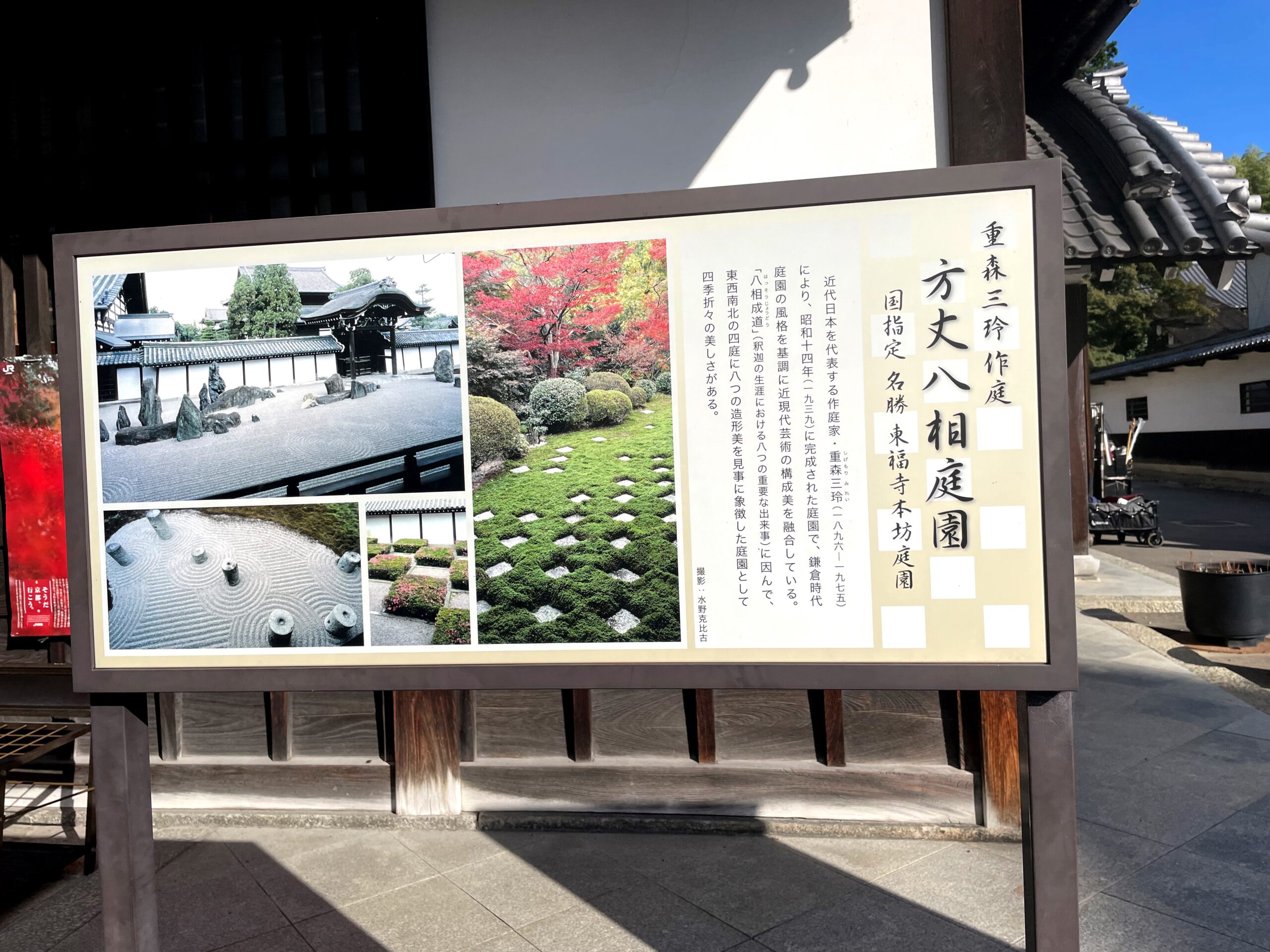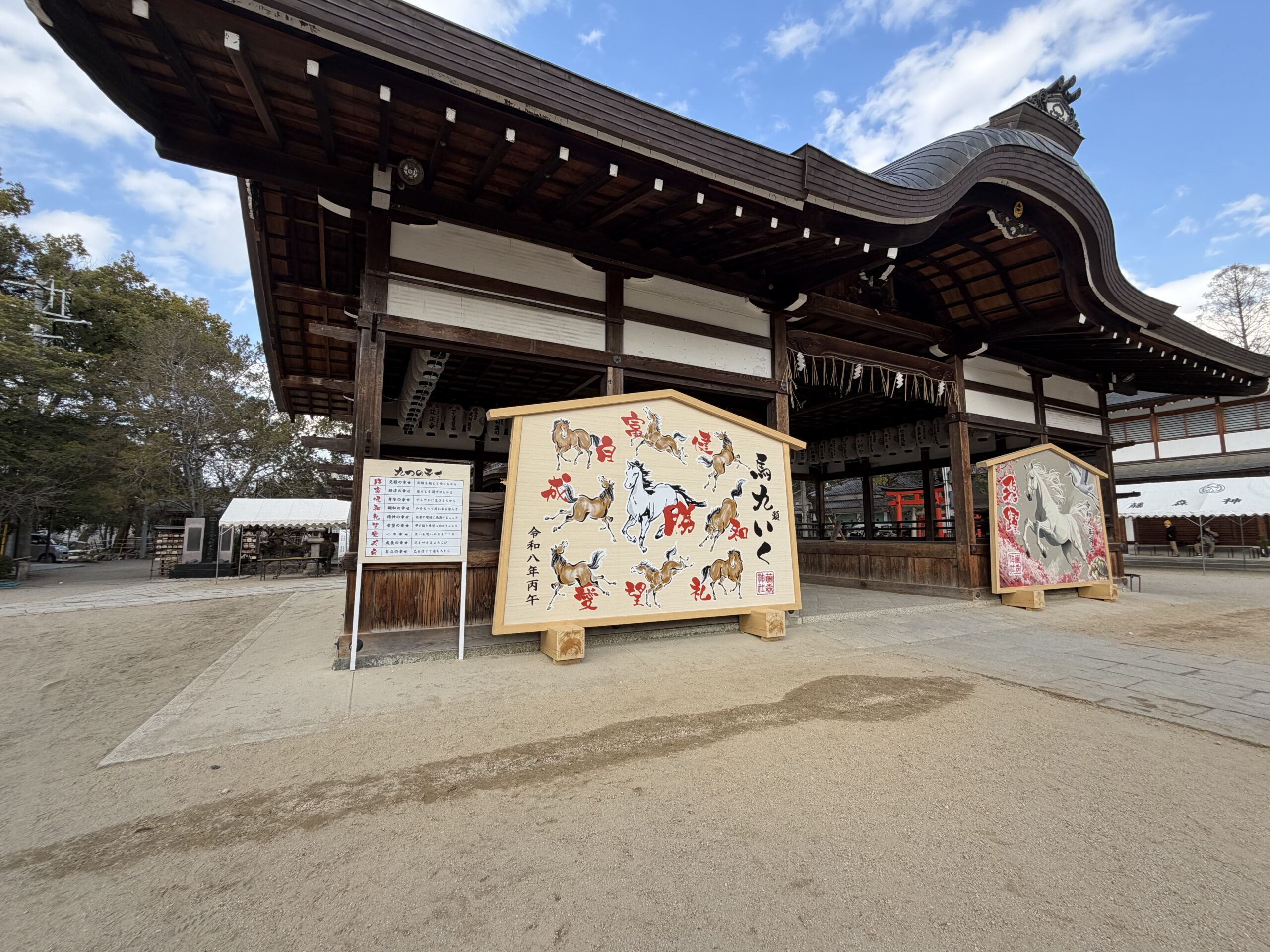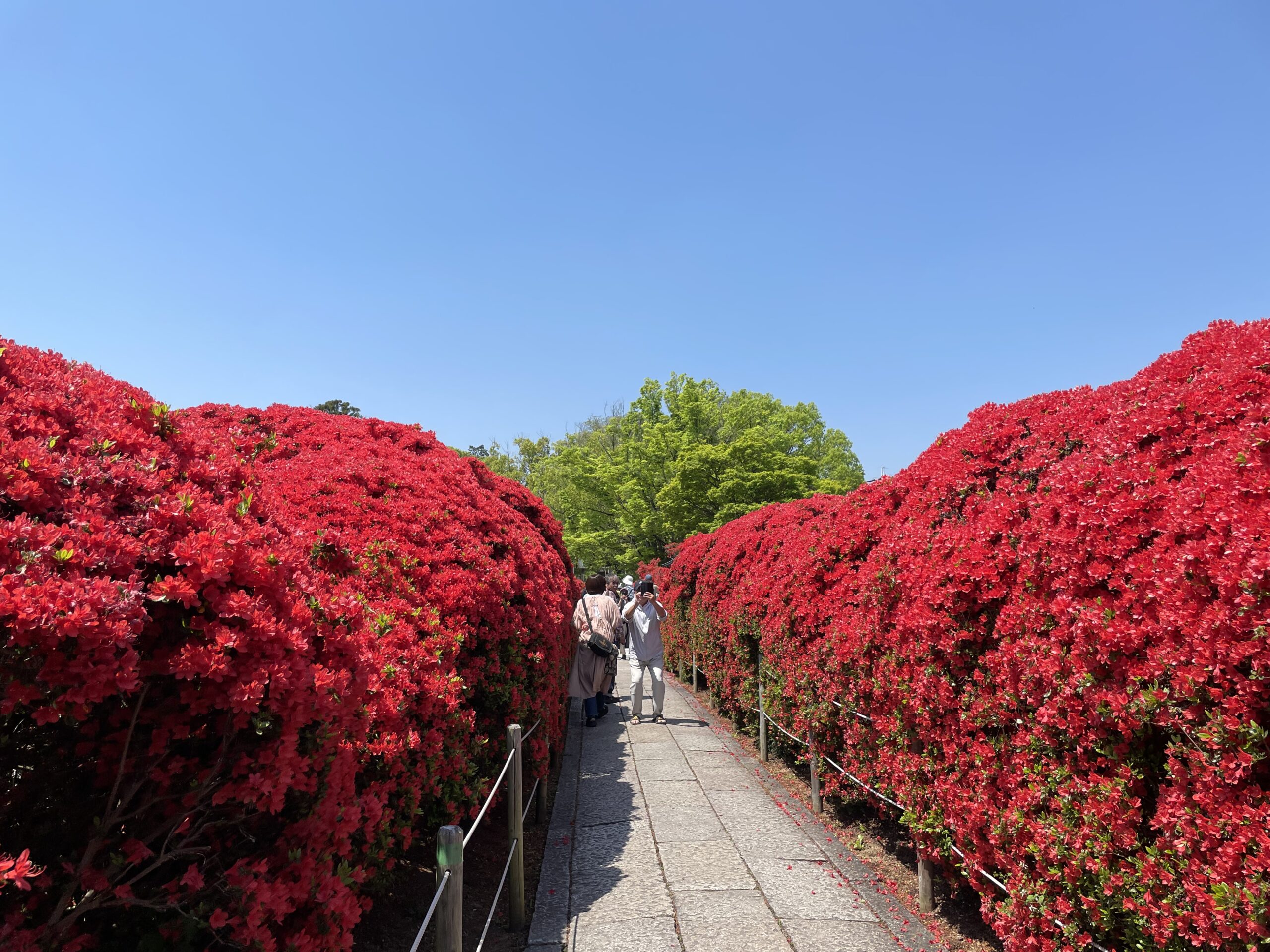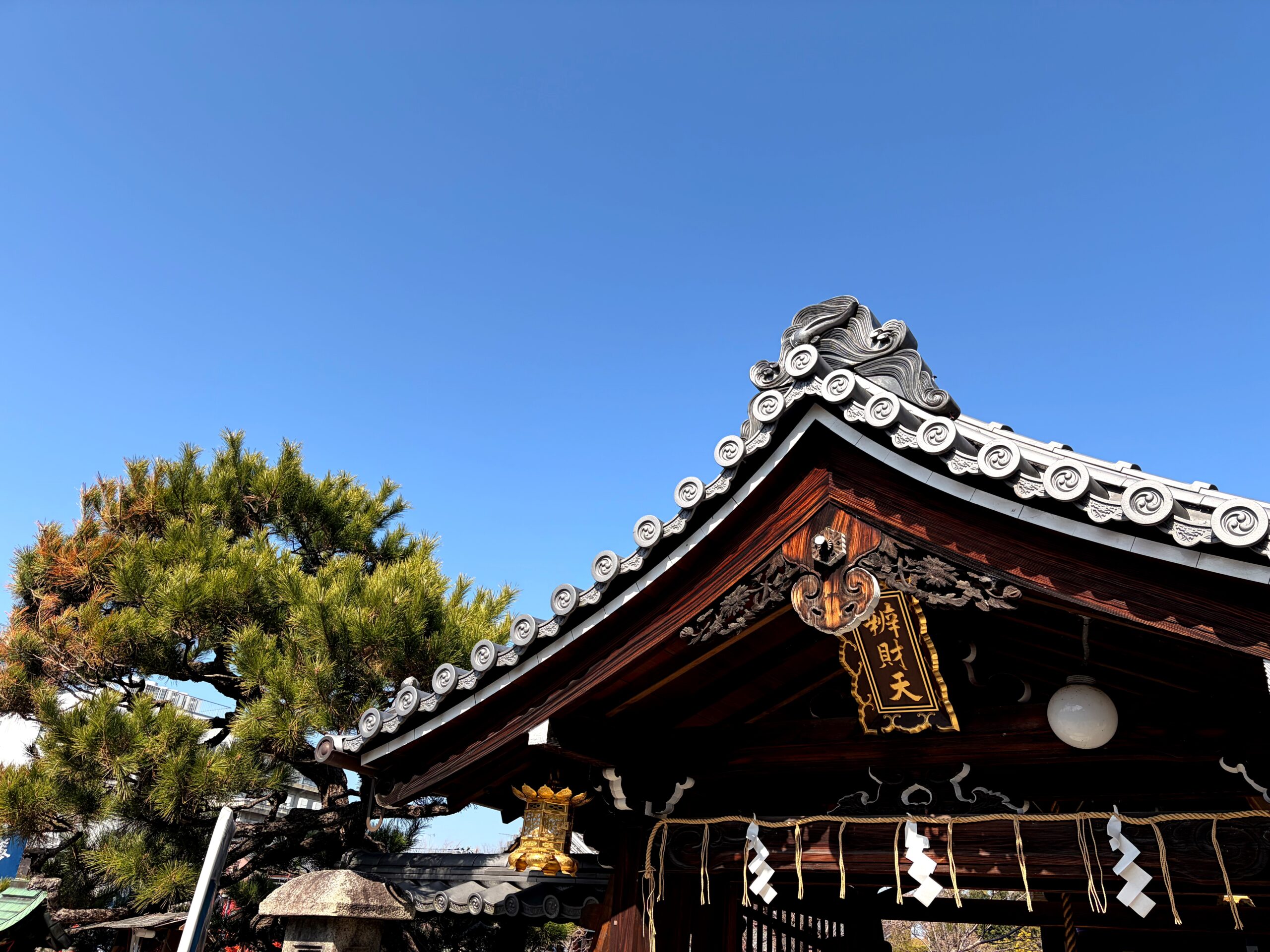
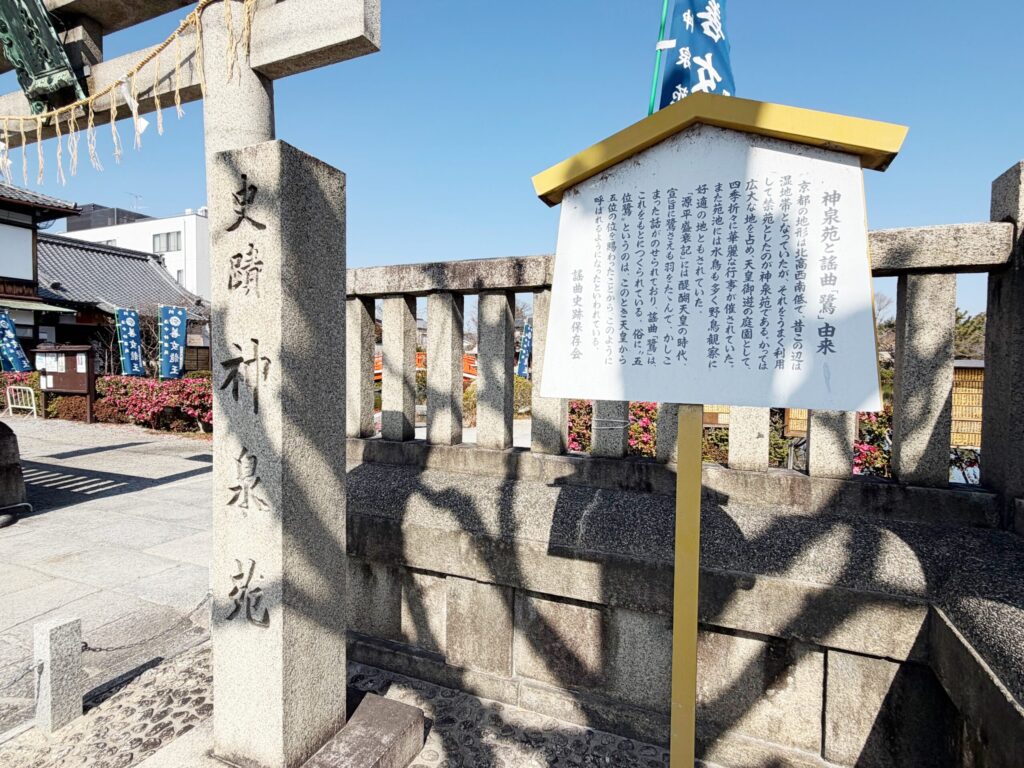
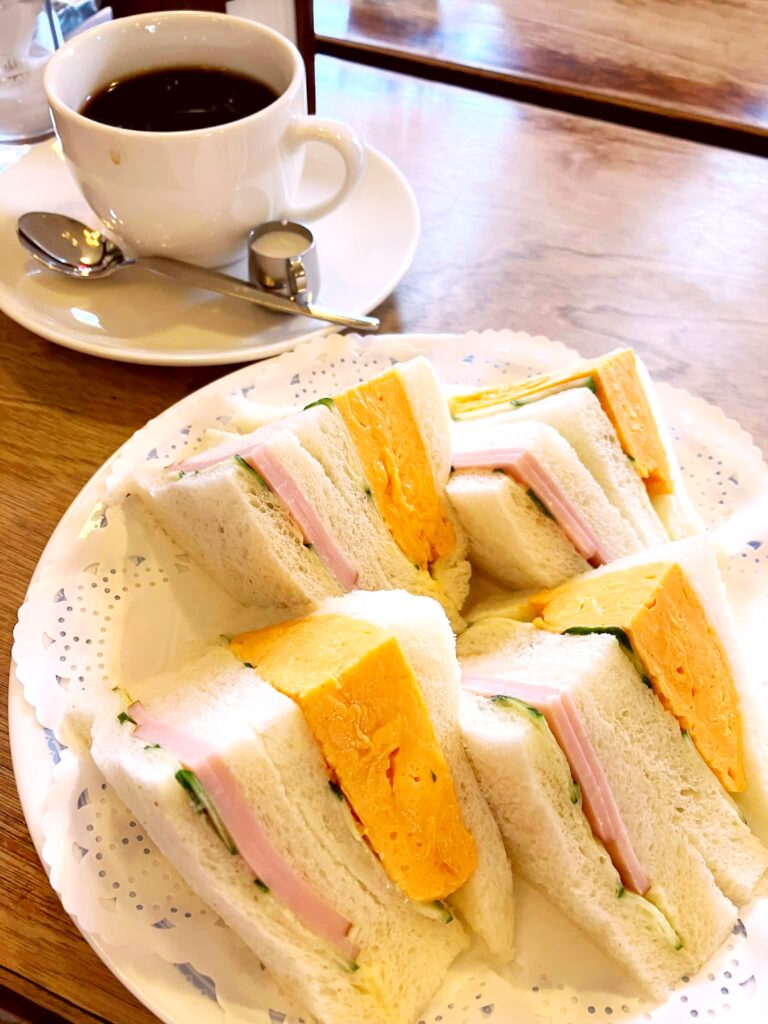
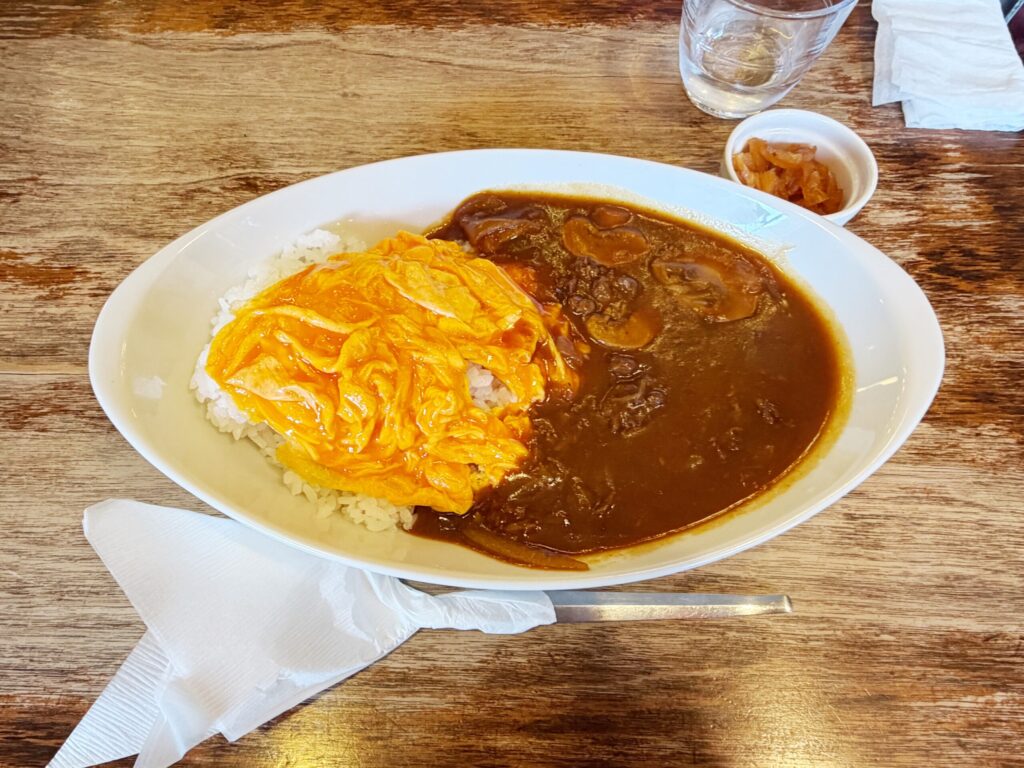
Before heading to Nijo Castle, I visited Shinsen-en in the morning and had lunch at a nearby café.
I’ll have AI write a supporting article about Shinsen-en. The photos will be my own originals.
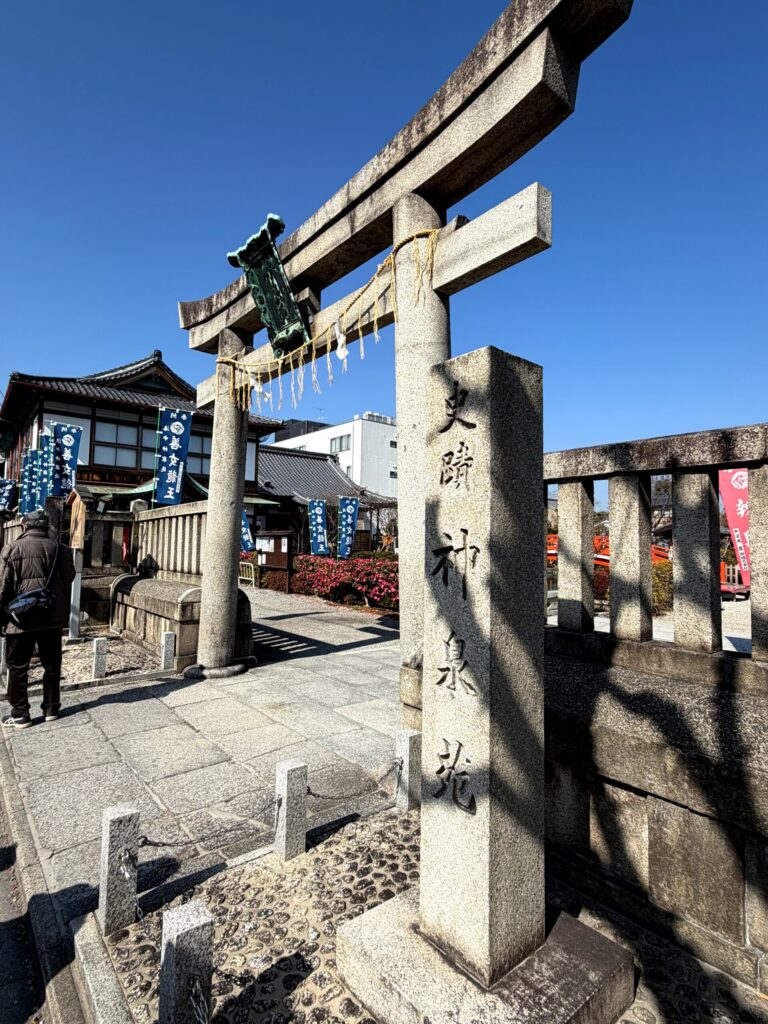
Tucked just south of the famous Nijo Castle, Shinsen-en (神泉苑) is the kind of place most visitors walk right past without realizing what they’re missing. While crowds queue for the World Heritage castle a stone’s throw away, this 1,200-year-old sacred garden remains remarkably quiet—a genuine hidden power spot in the heart of Kyoto.
Founded in 794 CE, almost exactly when the imperial capital itself was established, Shinsen-en carries layers of history connected to rainmaking rituals, an esoteric Buddhist legend, and even the origins of Kyoto’s most famous festival. Step through its gate, and the noise of the modern city fades into birdsong over still water.
What Is Shinsen-en? A Look at Its History
Shinsen-en began life not as a shrine but as the private pleasure garden of Emperor Kanmu, the ruler who relocated Japan’s capital to Heian-kyo (present-day Kyoto). In its heyday, the garden was vast—roughly 500 meters north to south and 240 meters east to west—dotted with pavilions, fishing halls, and elegant towers arranged around a central pond. This was a stage for aristocratic refinement, where Heian-era nobles drifted in boats, composed poetry, and watched the moon rise over the water.
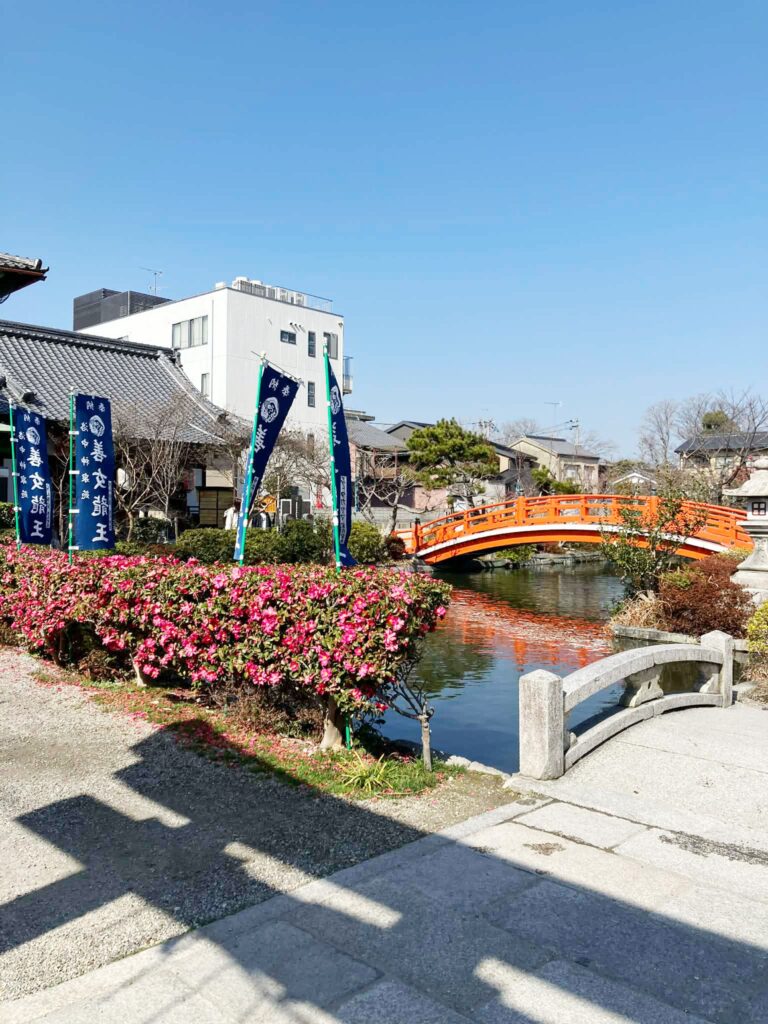
What survives today is only a fraction of that original estate, yet the central pond, Hojoju-ike (法成就池), still holds an undeniable atmosphere. Stand at its edge and it becomes surprisingly easy to picture the courtiers of a thousand years ago gliding past on lacquered boats. The contrast is striking: just beyond the trees lies one of Kyoto’s busiest districts, yet here the breeze crossing the water feels almost otherworldly.
The Legend of Kukai and the Dragon King
No account of Shinsen-en is complete without the rainmaking legend of Kukai (空海)—also known by his posthumous title Kobo Daishi—the monk who founded Shingon Buddhism. According to tradition, a severe drought struck the capital in 824 CE. Kukai performed an elaborate ritual here and summoned Zennyo Ryuo (善女龍王), a dragon deity invited from northern India, to bring the rains. The heavens duly opened.
From that point on, Shinsen-en became revered as a sacred site for rain prayers, drawing the deep devotion of the imperial court whenever drought threatened the harvest. A shrine dedicated to Zennyo Ryuo still stands on a small island at the center of the pond, reached by a vivid vermilion bridge. For a deity associated with water and dragons, the setting could hardly be more fitting.
The Birthplace of the Gion Festival
Here’s a fact that surprises even seasoned Kyoto travelers: Shinsen-en is widely regarded as the birthplace of the Gion Matsuri (祇園祭), Japan’s most celebrated festival. In 863 CE, a ceremony called a goryo-e (御霊会)—a rite to appease vengeful spirits and ward off plague—was held in the garden. A few years later, in 869 CE, sixty-six halberds were erected, one for each of Japan’s provinces at the time, in a grand prayer to drive away an epidemic sweeping the land.
Those sixty-six halberds were the conceptual ancestors of the towering yamaboko floats that parade through Kyoto every July. So when you watch the Gion Festival procession, you’re witnessing a tradition that traces its first spark back to this quiet pond.
What Are the Highlights of Shinsen-en?
The grounds are compact—you could walk the perimeter in a few minutes—but the experience is concentrated rather than thin. After spending time here, a few features stand out as genuinely memorable.
- Hojoju-bashi (法成就橋): The red bridge arching toward the dragon shrine. Custom holds that if you cross it while holding a single wish in your heart, that wish will be granted.
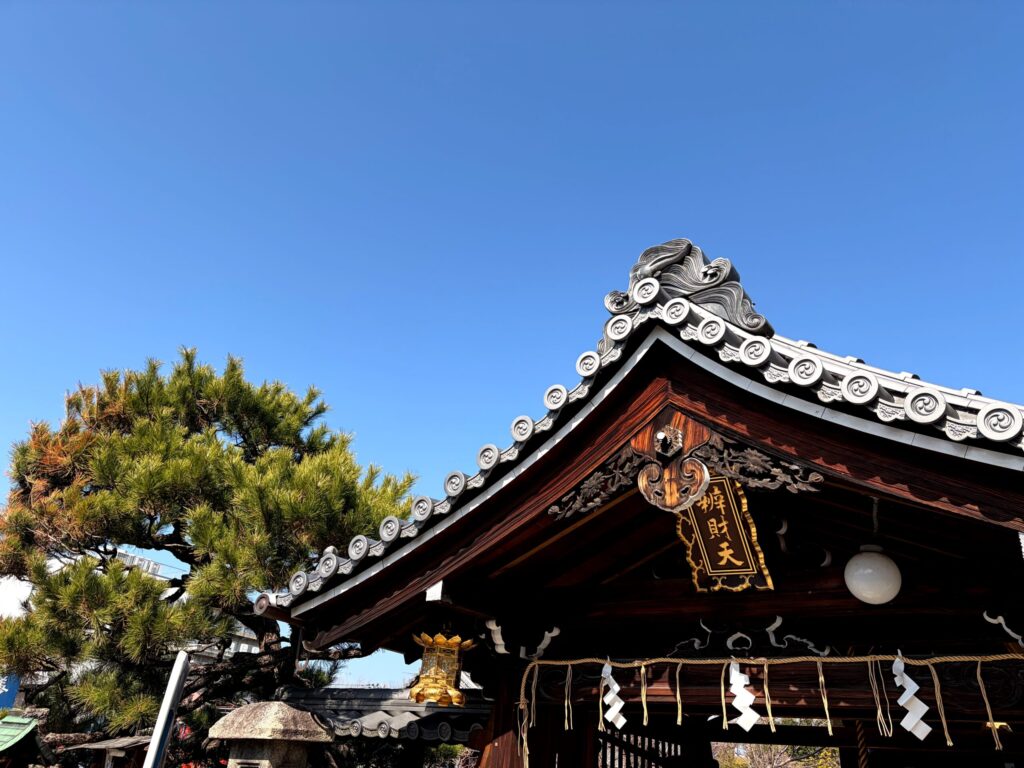
- Zennyo Ryuo Shrine: The heart of the rainmaking legend, known today for blessings related to water and the fulfillment of heartfelt wishes.
- Eho-sha (恵方社): An unusual shrine—possibly the only one of its kind in Japan—that is physically rotated each New Year’s Eve to face the year’s lucky direction, allowing worshippers to always pray toward the auspicious compass point.
- Waterfowl: The pond attracts cormorants and other birds. With a little luck, you’ll catch one gliding gracefully across the surface.
The Hojoju-bashi bridge has quietly become a favorite among younger visitors, partly for its photogenic vermilion against the green water. There’s an old piece of etiquette worth remembering, though: when you cross, resist the urge to wish for “this and that.” Tradition asks you to focus on a single, sincere wish. Locals will tell you the spell only works if you don’t get greedy.
Dining at Heihachi Within the Grounds
One detail that elevates a visit here is Shinsen-en Heihachi (神泉苑平八), a long-established ryotei (traditional restaurant) located right on the grounds. Diners can savor Kyoto cuisine while gazing out over the historic pond—an experience that pairs naturally with a visit to the shrine. Eating a refined meal while overlooking a garden with imperial roots is the sort of thing you simply can’t replicate elsewhere in the city.
How Do You Get to Shinsen-en and When Should You Visit?
Shinsen-en sits in the Monzen-cho neighborhood of Kyoto’s Nakagyo Ward, and the access could hardly be easier: it’s about a two-minute walk from Nijojo-mae Station on the Tozai subway line. The most popular route is to combine it with a visit to the World Heritage-listed Nijo Castle, just to the north.
- Address: 166 Monzen-cho, Oike-dori Shinsen-en, Nakagyo-ku, Kyoto
- Hours: The grounds are generally open all day; the shrine office operates during daylight hours.
- Admission: Free
- Best time to visit: Early morning or dusk, when the crowds thin out
The fact that you can drop in for free, in the very center of the tourist district, yet still feel like you’ve found a secret, is part of the charm. After battling the crowds at Nijo Castle, Shinsen-en makes an ideal place to catch your breath and slow down.
Frequently Asked Questions
- Q: What blessings is Shinsen-en known for?
- A: Historically it’s associated with rainmaking and water-related blessings through the dragon deity Zennyo Ryuo. Today, visitors also come for the fulfillment of heartfelt wishes, and crossing the Hojoju-bashi bridge is believed to grant wishes—including those related to love and relationships.
- Q: How long does a visit take?
- A: The grounds are small, so even a leisurely stroll takes only about 20 to 30 minutes. That makes it perfect to slot in alongside a tour of Nijo Castle.
- Q: Can I receive a goshuin (shrine seal stamp)?
- A: Yes. The shrine office offers goshuin, and the design featuring a dragon—inspired by Zennyo Ryuo—is especially popular with collectors.
- Q: What is the connection to the Gion Festival?
- A: The goryo-e ceremony held at Shinsen-en during the Jogan era (9th century) is considered the origin of the Gion Festival, which is why the site is described as the festival’s birthplace.
Conclusion
Few places let you touch so many strands of Kyoto’s essence in one quiet visit. Shinsen-en is at once the surviving fragment of an imperial garden, the stage for Kukai’s famous rain prayer, and the cradle of the Gion Festival. That it remains peaceful despite standing beside Nijo Castle—and that it costs nothing to enter—only adds to its appeal. Make a single wish on the Hojoju-bashi bridge, align your fortunes at the Eho-sha shrine, and linger by the pond where Heian nobles once drifted on the water. For travelers willing to step slightly off the beaten path, this hidden power spot rewards the detour. Next time you’re in Kyoto, give it the half hour it deserves.
References
Postscript

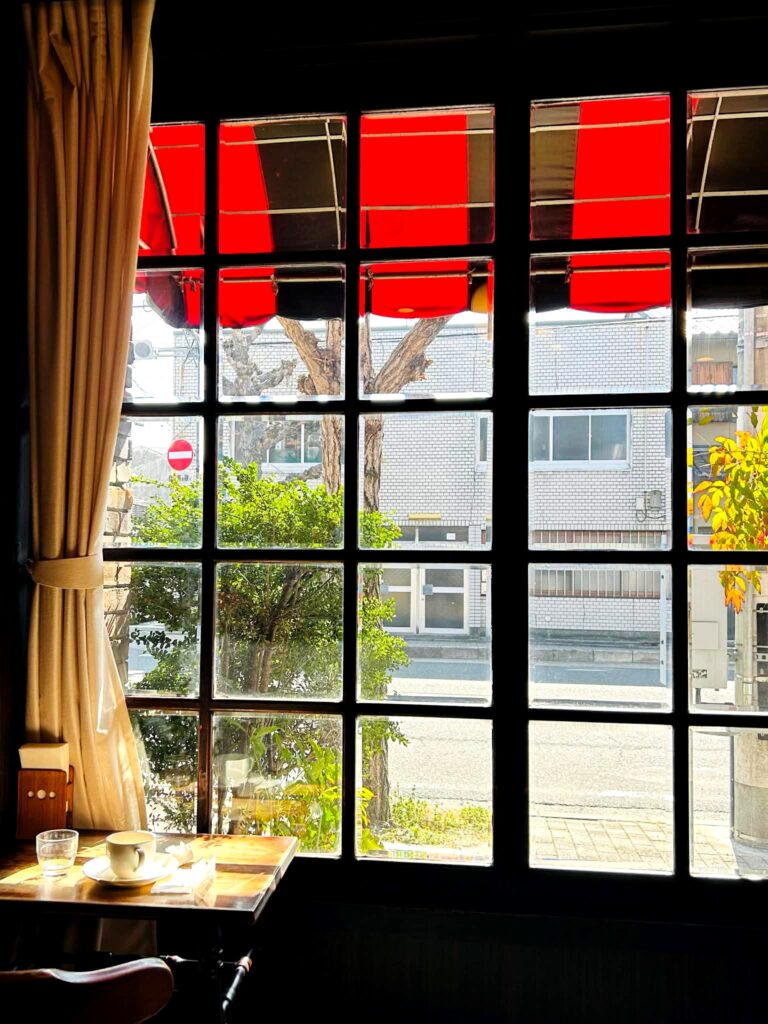
I stopped by Café Tirol, which was right near Shinsen-en. There was already a queue before it even opened.
Inside, the walls were decorated with old photographs of Nijo Castle and more.



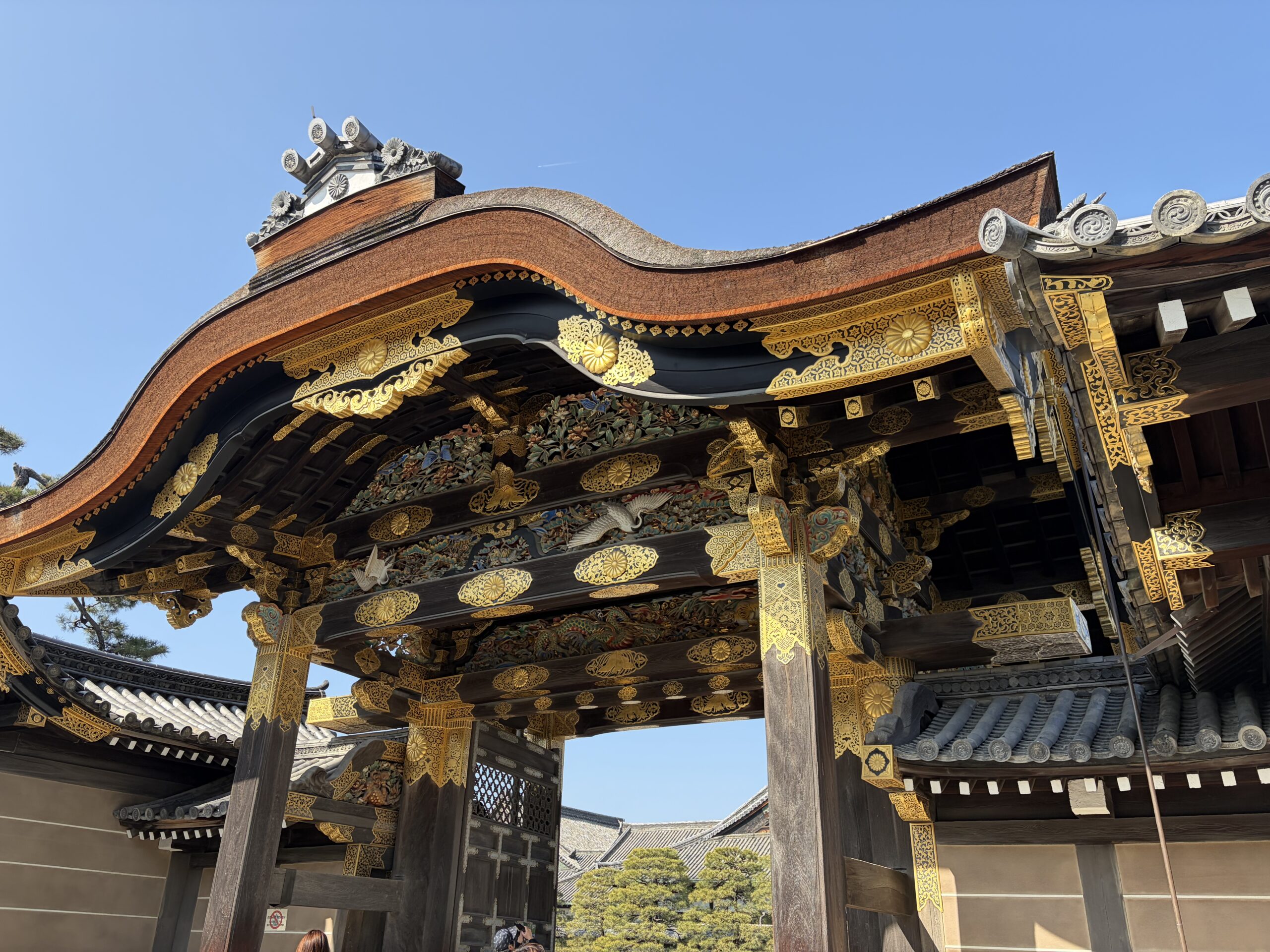
After touring Nijo Castle, I walked to Karasuma Oike subway station.
Along the way, I stopped at gomacro Salon and enjoyed a delicious black sesame cappuccino.