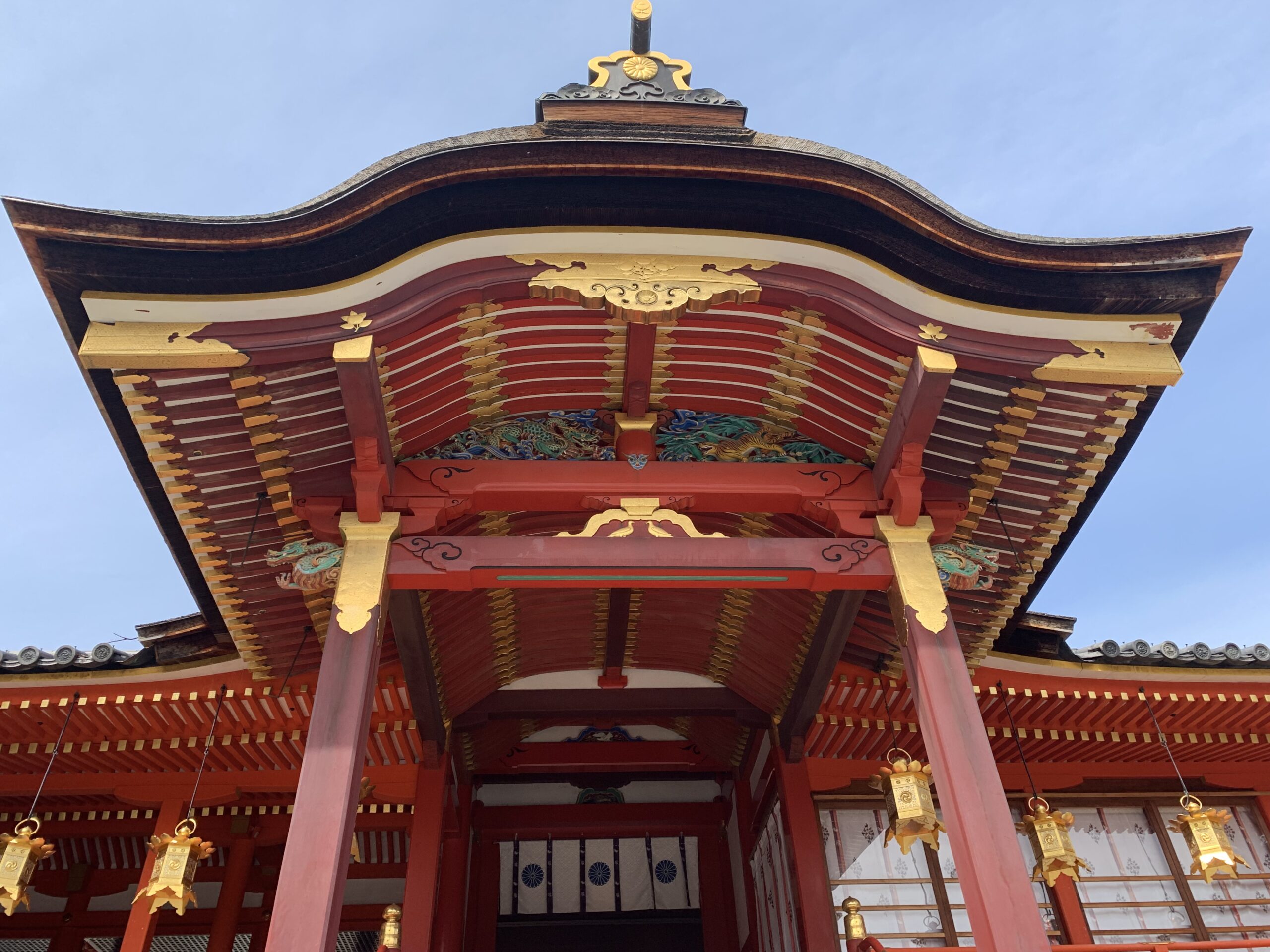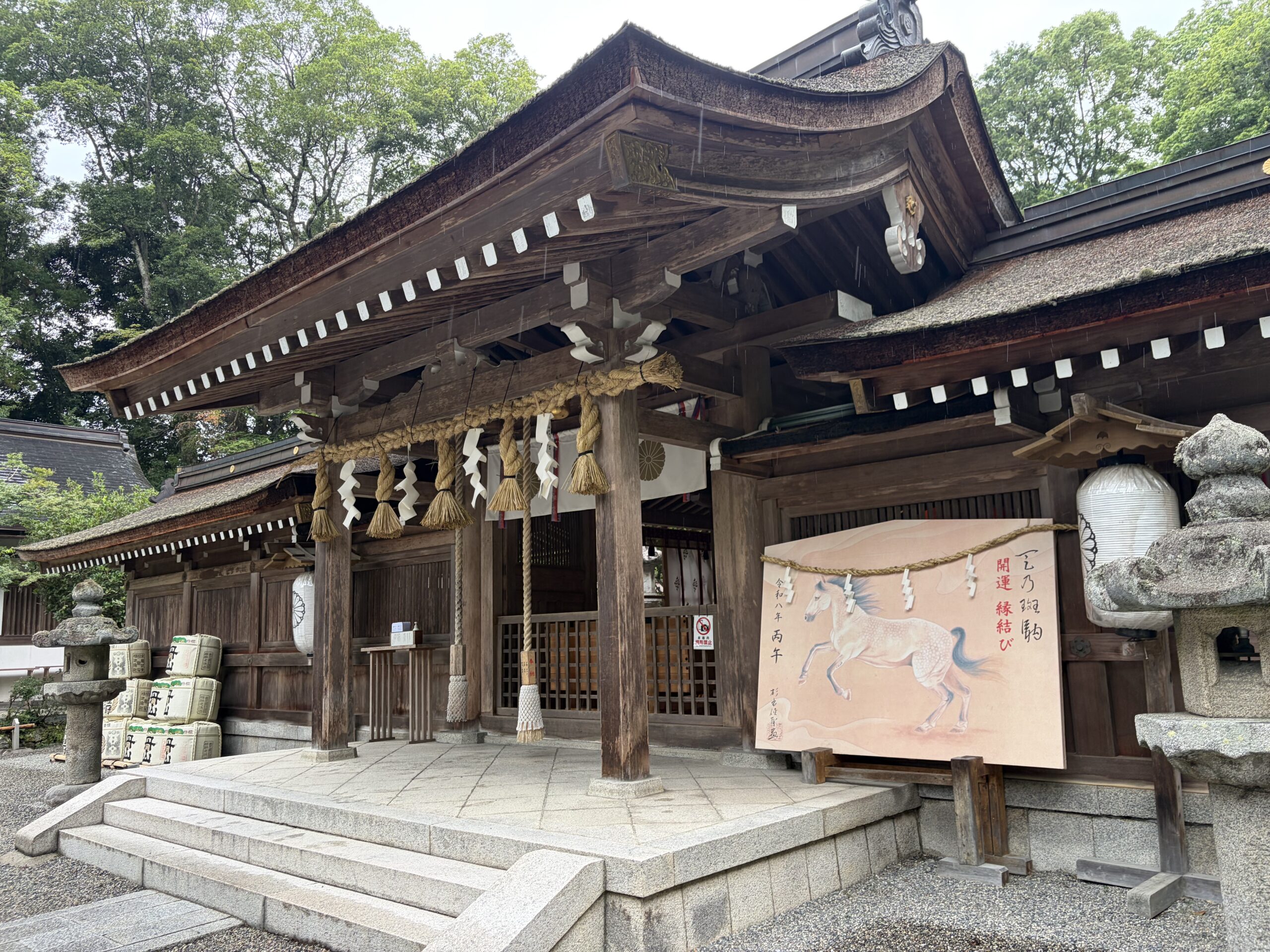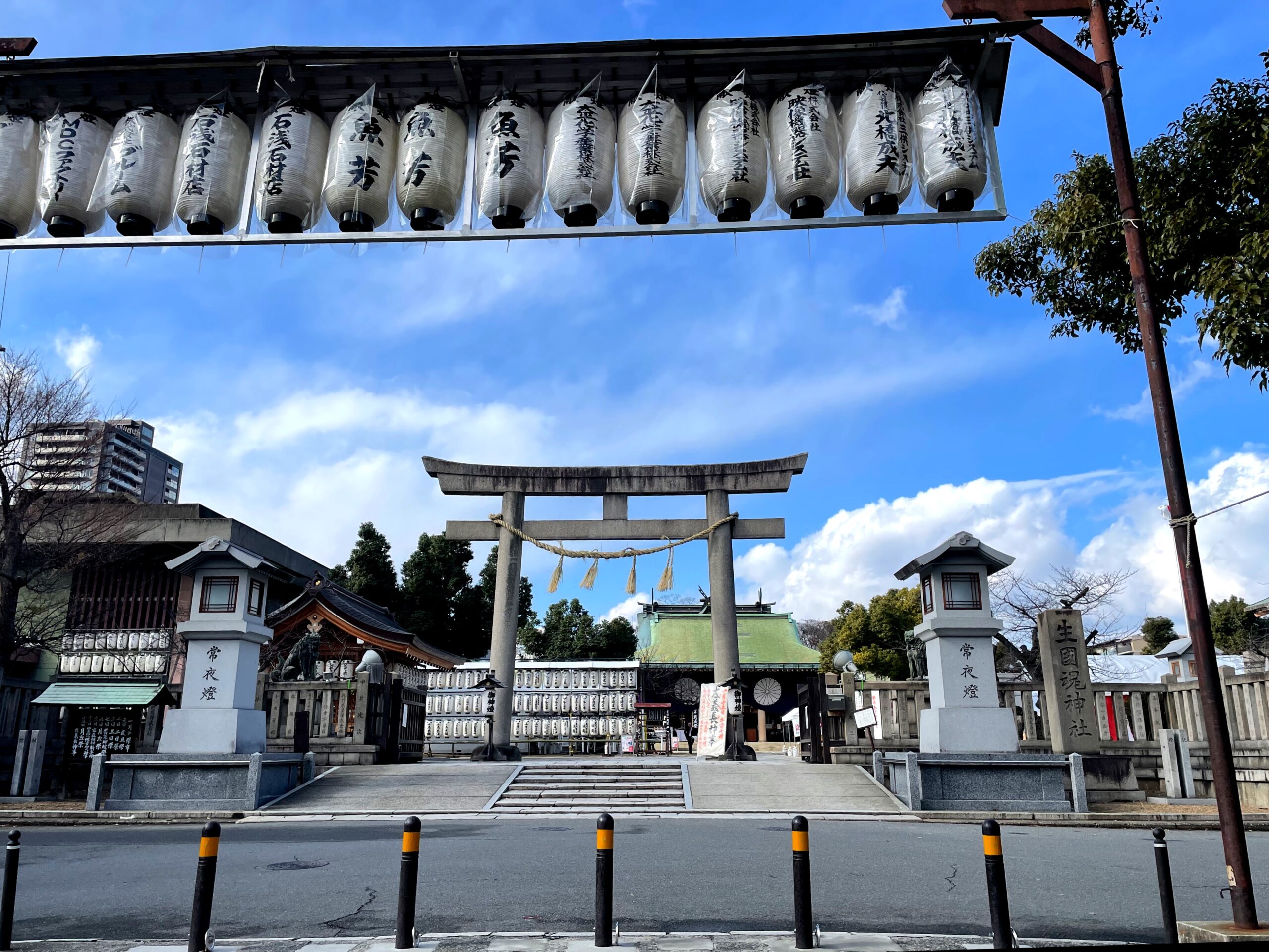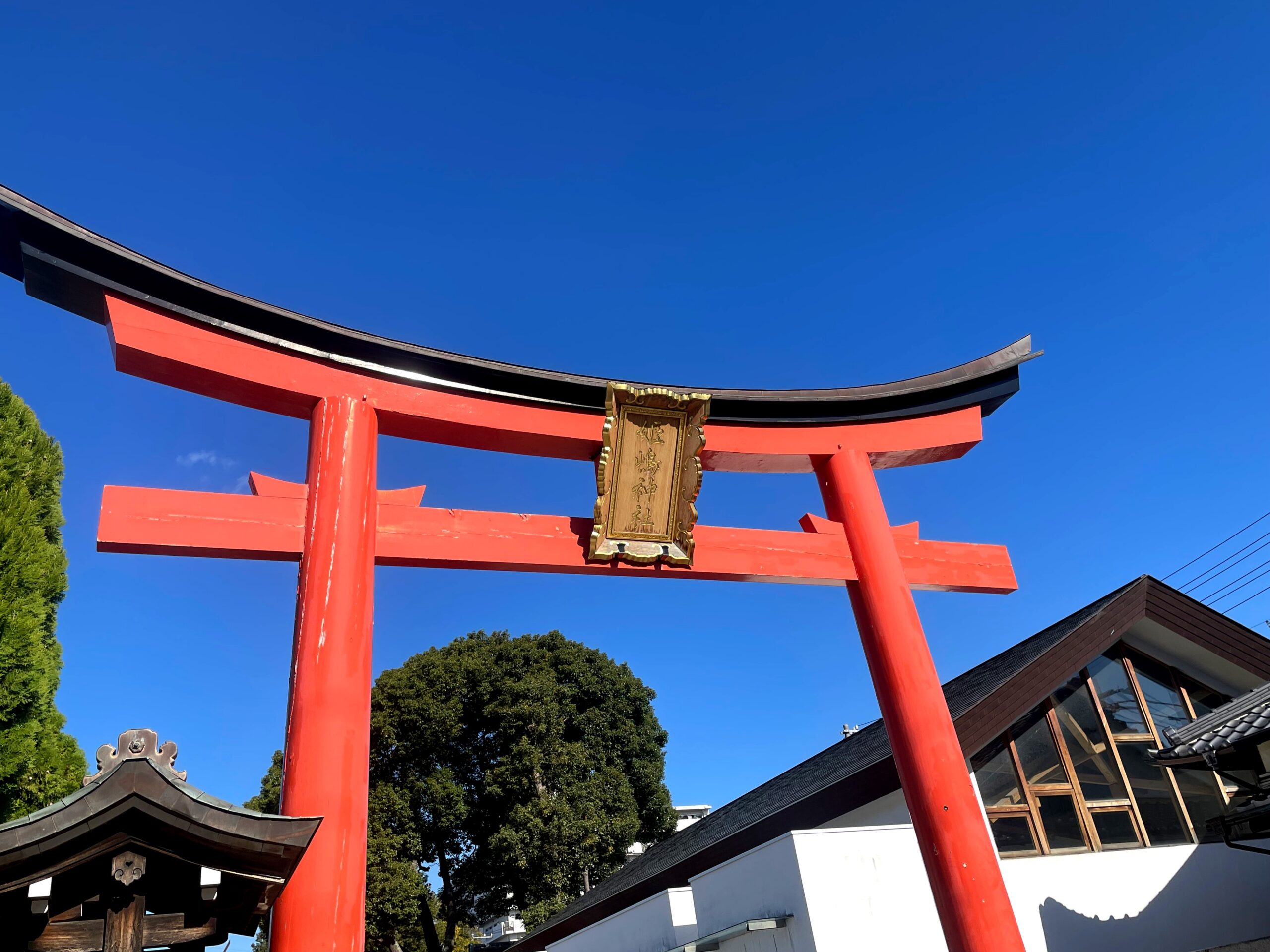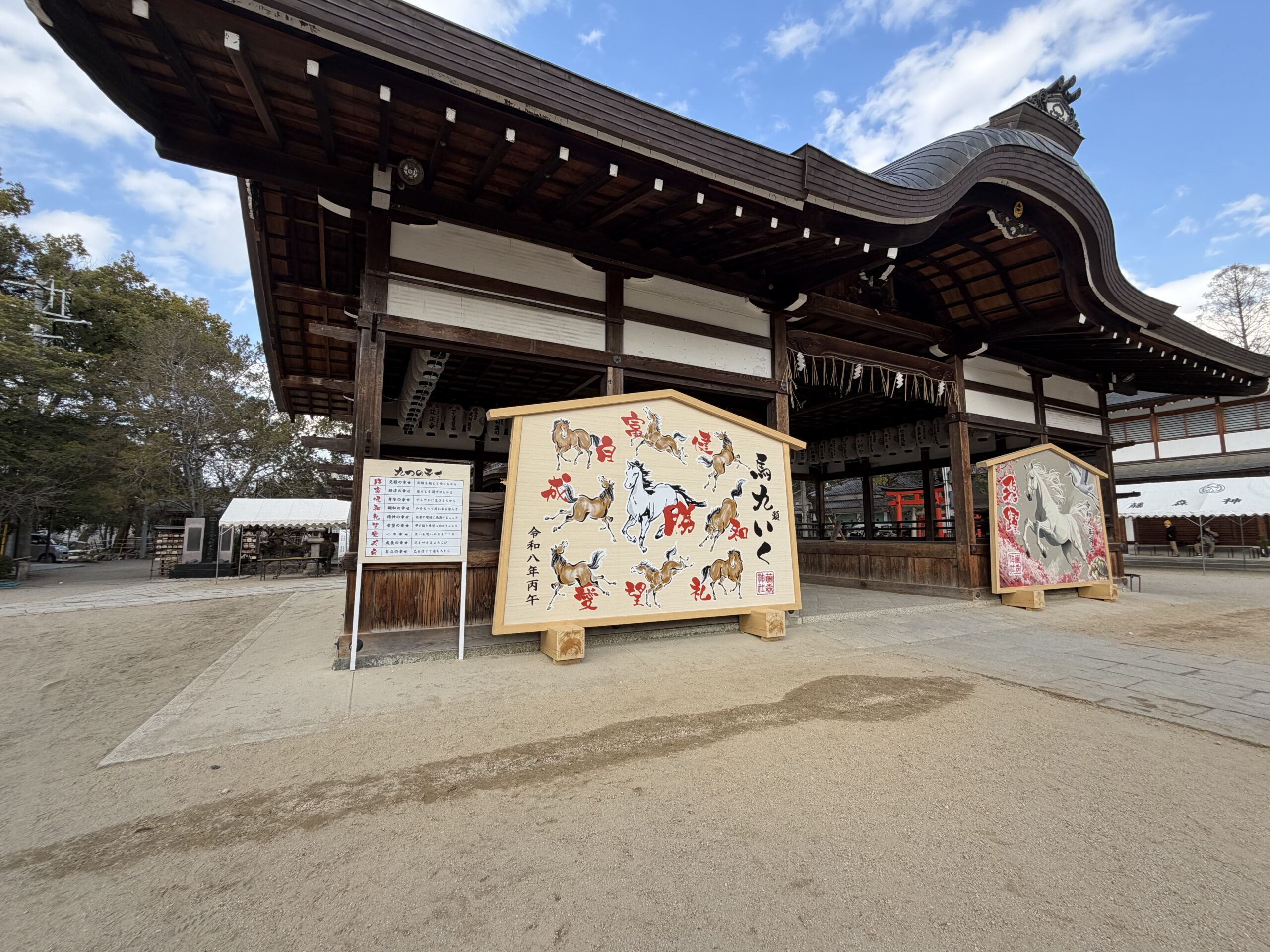
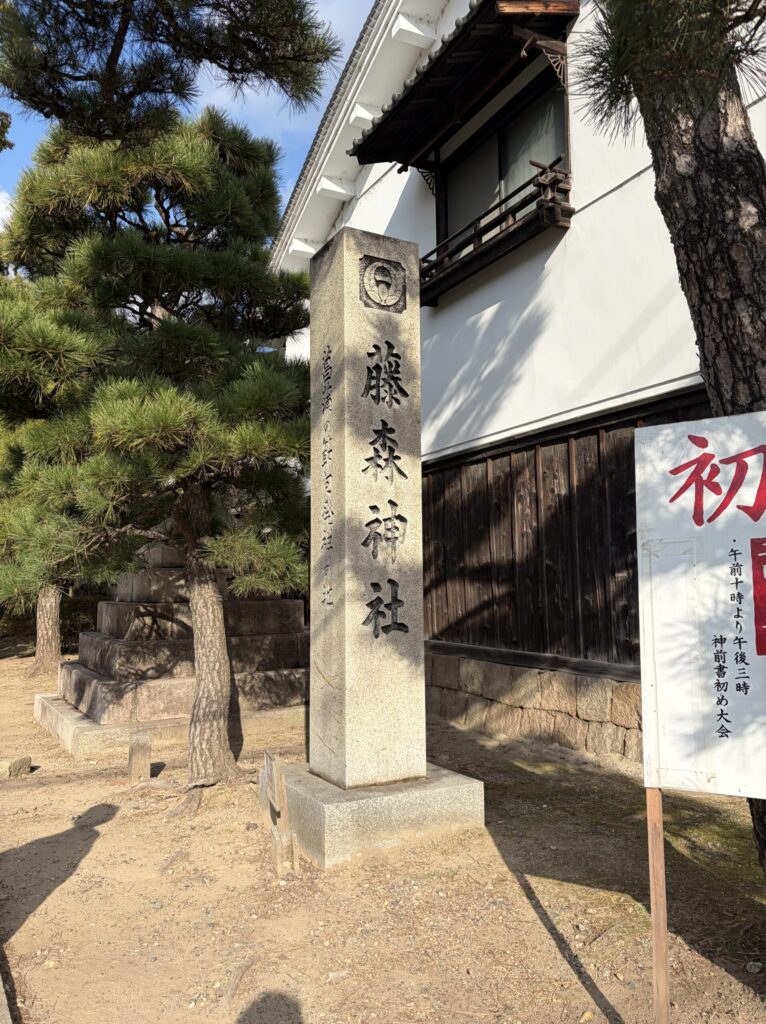
In 2026 — the Year of the Horse — I paid a visit to Fujinomori Shrine, which has deep connections to horses.
I’ll have AI write a supporting article about Fujinomori Shrine. The photos will be my own originals.
Tucked away in the Fushimi ward of southern Kyoto, Fujinomori Shrine (Fujinomori Jinja) is one of the city’s oldest sacred sites, revered as the home of the god of victory and the protector of horses. While Kyoto draws millions of visitors to famous temples and gardens, this shrine attracts a very particular crowd: horse racing professionals, jockeys, trainers, and devoted fans who come seeking divine luck in competition. If you have any interest in Japanese spiritual traditions—or simply love an underrated, atmospheric spot away from the tourist crush—Fujinomori Shrine deserves a place on your itinerary.
What Is Fujinomori Shrine?
Founded roughly 1,800 years ago, Fujinomori ranks among Kyoto’s most ancient shrines—predating the city’s establishment as the imperial capital in 794. According to shrine tradition, its origins trace back to Empress Jingu, who, upon her triumphant return from a military campaign on the Korean peninsula, planted her army’s banners on this very ground and dedicated her weapons here as offerings. In other words, the spot where soldiers once gave thanks for victory became the foundation of the shrine itself.
The shrine enshrines twelve deities, with Susanoo-no-Mikoto—the storm god of Japanese mythology—at the center. What makes Fujinomori unusual is that gods of learning, martial arts, and victory are all venerated together under one roof. Walk through the grounds and you’ll notice a certain bracing, dignified stillness in the air, a quality long-time visitors often associate with the spirit of the warrior class.
Why Is Fujinomori Known as the Shrine of Victory?
The reputation of Fujinomori as a “shrine of victory” (shoun, meaning fortune in winning) stems partly from its martial founding legend, but also from the annual Fujinomori Festival (Fujinomori Matsuri), also called the Fukakusa Festival, held every May 5th. The festival’s centerpiece is the Kakeuma Shinji, a thrilling horseback ritual designated an Intangible Folk Cultural Property by the City of Kyoto.
Several threads weave together to explain the victory association:
- The founding legend centers on a prayer of thanksgiving for military success
- The shrine honors deities of martial arts and competition
- The iris flower (shobu) is an auspicious symbol here, thanks to a clever pun
That last point is delightfully Japanese. The word for iris, shobu, sounds identical to two other words: shobu meaning “martial spirit” and shobu meaning “a contest” or “a match.” Irises are essential to Japan’s Boys’ Day celebrations on May 5th, and Fujinomori is sometimes cited as the birthplace of this tradition. Over the centuries, this linguistic coincidence only deepened the shrine’s connection to luck in any kind of struggle.
Why Is Fujinomori Called the Horse God Shrine?
Ask a Japanese horse racing fan about Fujinomori and their eyes will light up. The shrine’s fame among the racing community grows directly out of the Kakeuma Shinji ritual and the resulting belief in Fujinomori as a “god of horses.” Throughout the grounds you’ll find an astonishing density of horse-themed votive plaques (ema) and dedicated offerings, left by owners, jockeys, and trainers praying for victory.
The sight genuinely stops you in your tracks. Rows upon rows of ema bear the names of racehorses, many dedicated by figures connected to the Japan Racing Association (JRA). Scanning the boards for the names of champion horses you recognize becomes an unexpectedly addictive pastime—and for racing enthusiasts, it’s reason enough to make the trip.
Horse Statues and Spots for Victory Prayers
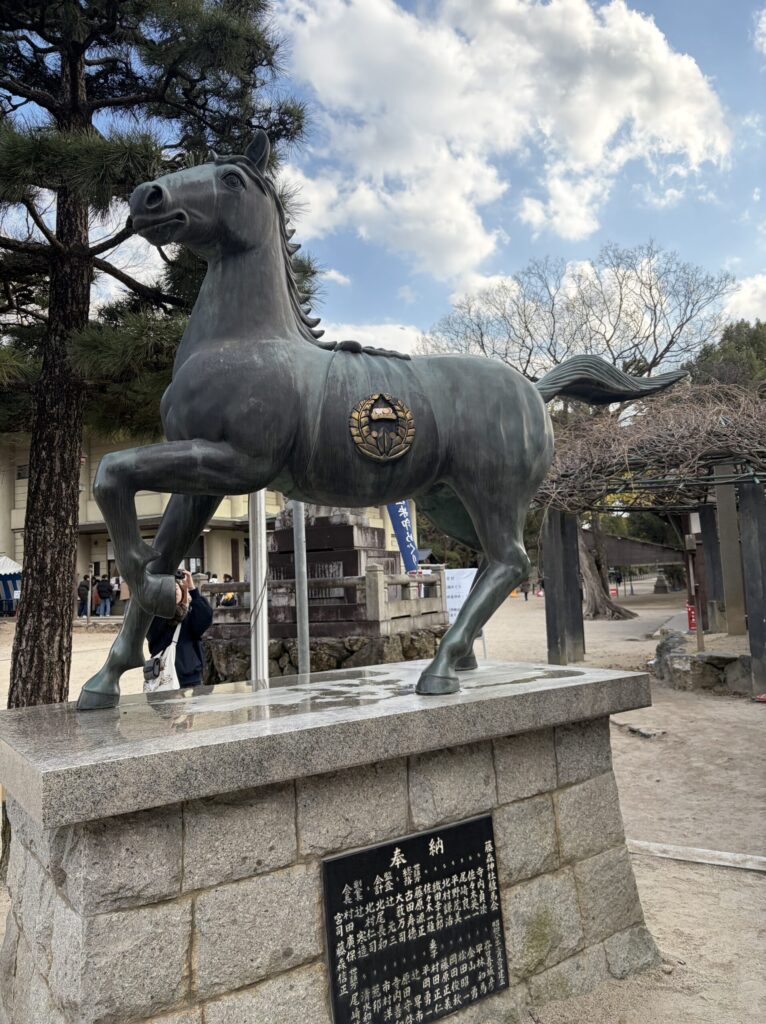
Near the main hall stands a horse statue that worshippers reach out to touch as they pray for good fortune. Charms and ema featuring horse motifs are perennially popular, snapped up not only by racing fans but by students facing exams, athletes before big games, and businesspeople heading into high-stakes negotiations.
The shrine’s victory charms (shoun omamori) come in a generous range of colors, so you can choose one that fits your particular kind of “battle.” Plenty of visitors pick one up simply as a meaningful keepsake of their visit—a small, portable piece of Kyoto’s fighting spirit.
What Are the Highlights of the Shrine Grounds?
Fujinomori isn’t only about victory and horses. It’s also celebrated as one of Kyoto’s finest spots for seasonal flowers, particularly its renowned ajisai-en, or hydrangea garden.
An Ajisai Garden of 3,500 Hydrangea Plants
The grounds contain two separate hydrangea gardens, holding around 3,500 plants between them. They typically reach peak bloom from early June to early July, when waves of blue, purple, and pink flowers transform the shrine into a painter’s palette. During this window, the shrine hosts a Hydrangea Festival (Ajisai Matsuri) and offers a limited-edition goshuin—a hand-brushed shrine seal that collectors treasure precisely because it’s only available for a few weeks each year.
The Sacred Spring “Fuji no Mizu”
Within the grounds bubbles a natural spring called Fuji no Mizu, prized as a sacred water that bestows good fortune in competition. The name carries a layered meaning—”water without equal, second to none.” Locals treat it as part of daily life, arriving with empty bottles to collect the water, and many visitors bring their own containers to take some home. There’s something quietly moving about watching neighborhood residents fill jugs at a spring that has flowed for centuries.
- Ajisai garden: about 3,500 hydrangeas, peak bloom in June–July
- Fuji no Mizu: a sacred spring said to grant victory
- Kakeuma Shinji: the horseback ritual dedicated at the May 5th festival
How to Get to Fujinomori Shrine
Reaching Fujinomori is refreshingly easy. From Sumizome Station on the Keihan Line, it’s about a 7-minute walk; from JR Fujinomori Station on the JR Nara Line, roughly 5 minutes on foot. Coming from Kyoto Station, the train ride takes only about 15 minutes, making the shrine a convenient detour when you have a gap between sightseeing stops.
The shrine grounds are generally open for worship throughout the day. Note, however, that during the hydrangea garden’s public opening (around June), a small admission fee applies. The office distributing goshuin seals and charms typically operates from about 9:00 a.m. to 5:00 p.m.
Frequently Asked Questions
- Q: When can I see the Kakeuma Shinji horseback ritual?
- A: It is performed every year on May 5th during the Fujinomori Festival (Fukakusa Festival). Riders display daring feats such as handstands and sidesaddle riding atop galloping horses. The ritual is designated an Intangible Folk Cultural Property by the City of Kyoto.
- Q: Can I visit to pray for luck in horse racing?
- A: Absolutely. Fujinomori is beloved by horse racing professionals and fans as the “god of horses,” and its victory charms and ema are very popular. Many worshippers come to pray for success in all kinds of competition.
- Q: When is the best time to see the hydrangeas?
- A: Peak bloom typically runs from early June to early July. Around 3,500 hydrangea plants flower during this period, and the Hydrangea Festival takes place at the same time.
- Q: Is there an admission fee?
- A: General worship is free, but an admission fee is required during the public opening of the hydrangea garden.
- Q: How long does it take from Kyoto Station?
- A: About 15 minutes on the JR Nara Line to JR Fujinomori Station, then roughly a 5-minute walk. You can also reach it via a 7-minute walk from Sumizome Station on the Keihan Line.
Conclusion
With roughly 1,800 years of history, Fujinomori Shrine stands as Kyoto’s enduring home of the gods of victory and horses. Its martial founding legend, the spectacular Kakeuma Shinji ritual, the sacred Fuji no Mizu spring, and the glorious hydrangea gardens combine to make it far more than a single-note destination.
Horse racing fans will find it irresistible, but so too will anyone facing a significant challenge—an exam, a competition, an important day at work. With its easy access from Kyoto Station and its relaxed, local atmosphere, Fujinomori is an ideal place to slip away from the crowds and absorb a different side of the city. Come and draw on its fighting spirit; whatever battle lies ahead of you, a visit to Fujinomori Shrine just might tip the odds in your favor.
References
Postscript
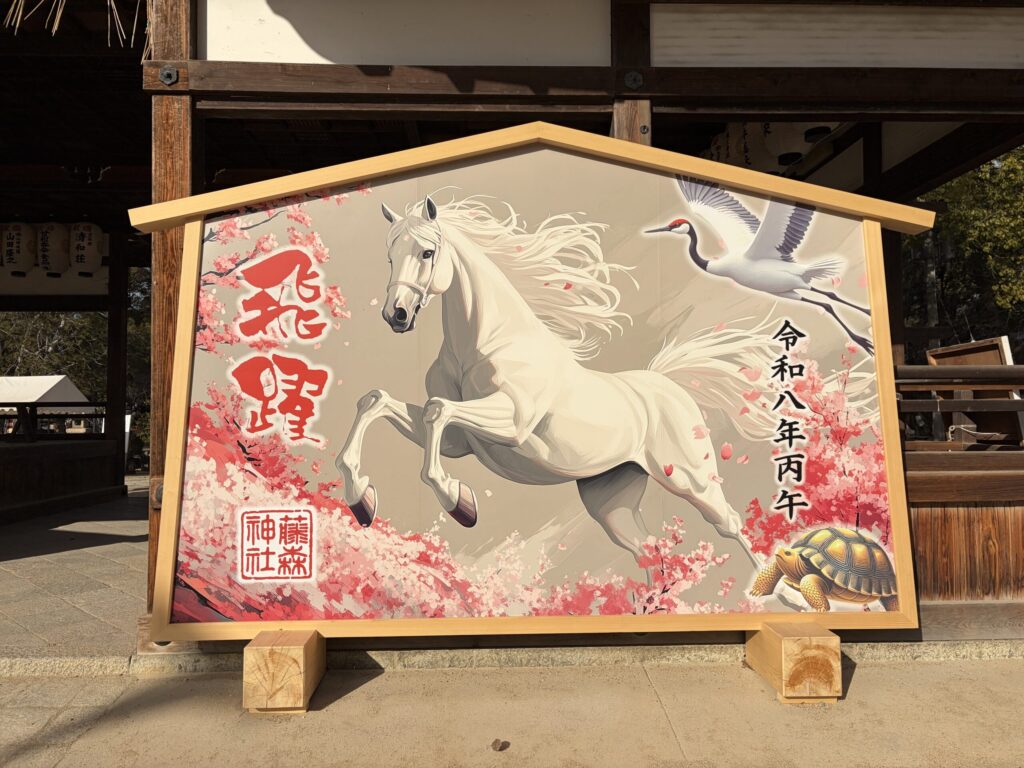
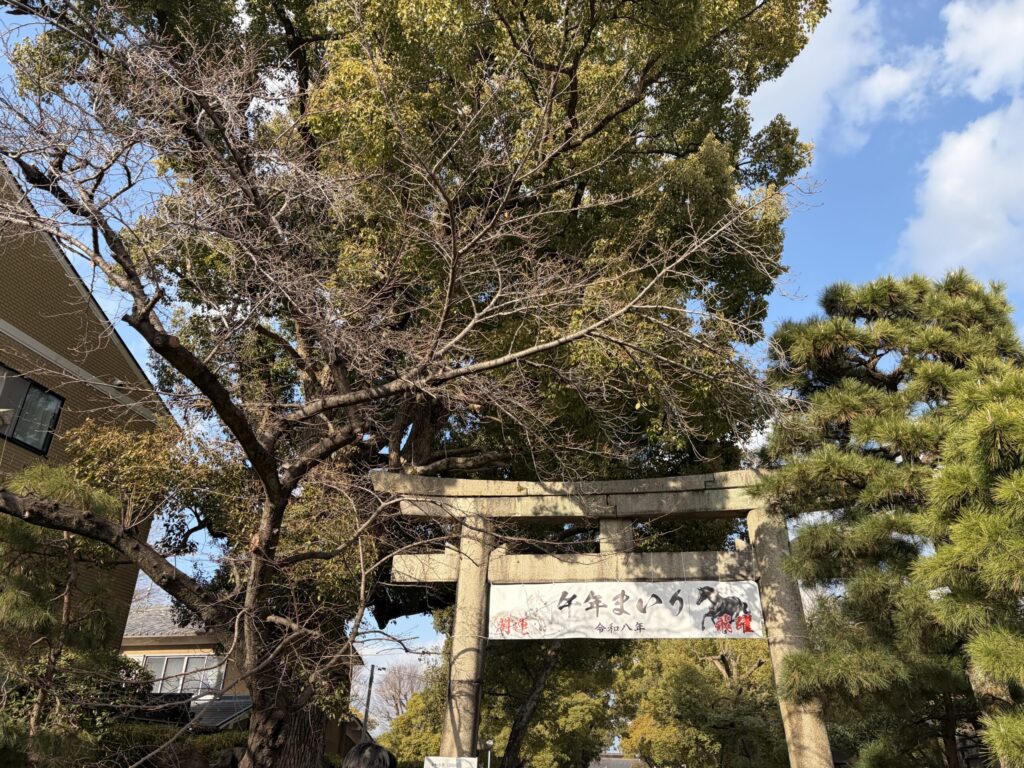
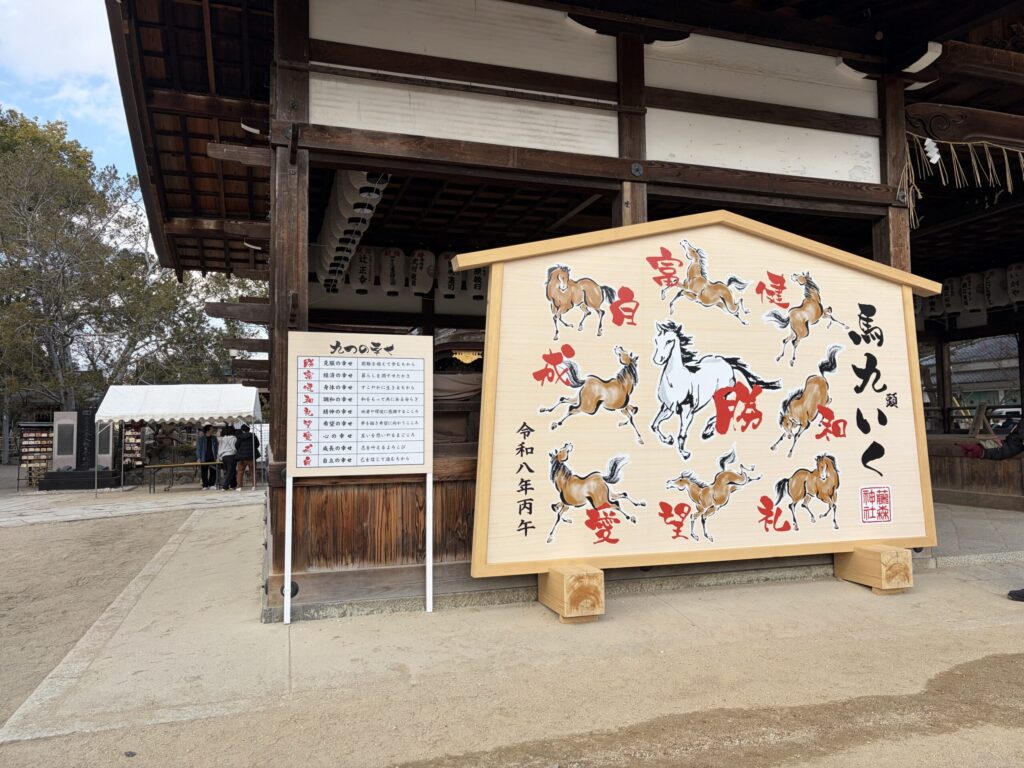
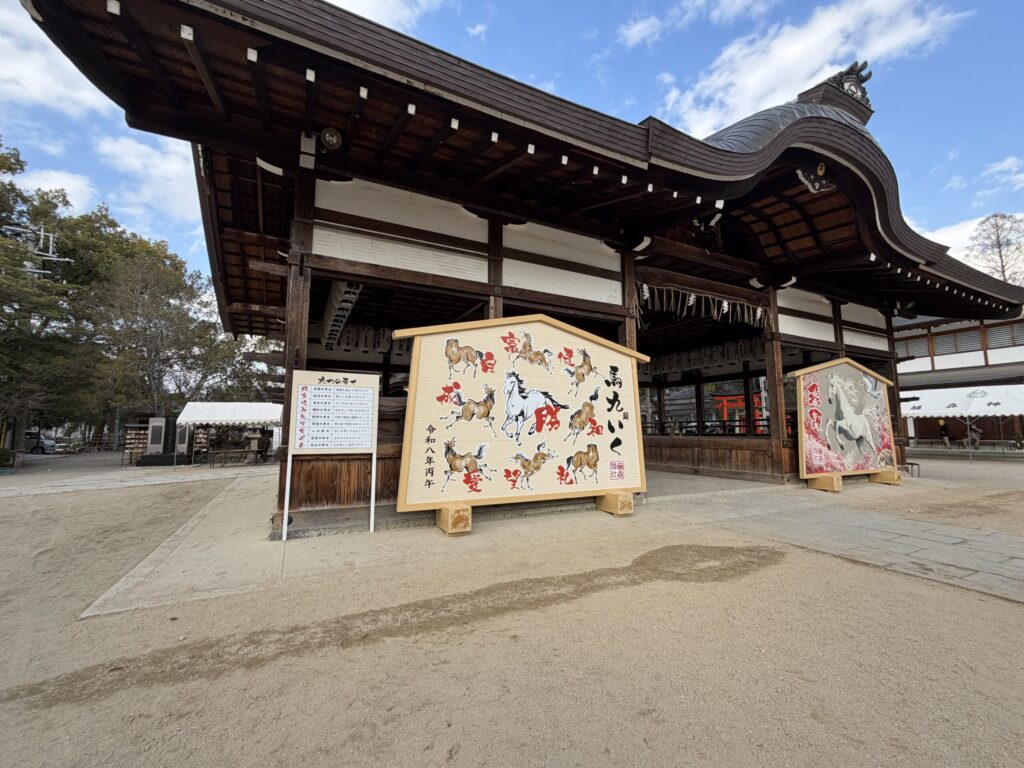
It was a clear, sunny day in January when I made my visit. There was a large ema (votive horse tablet) on display.
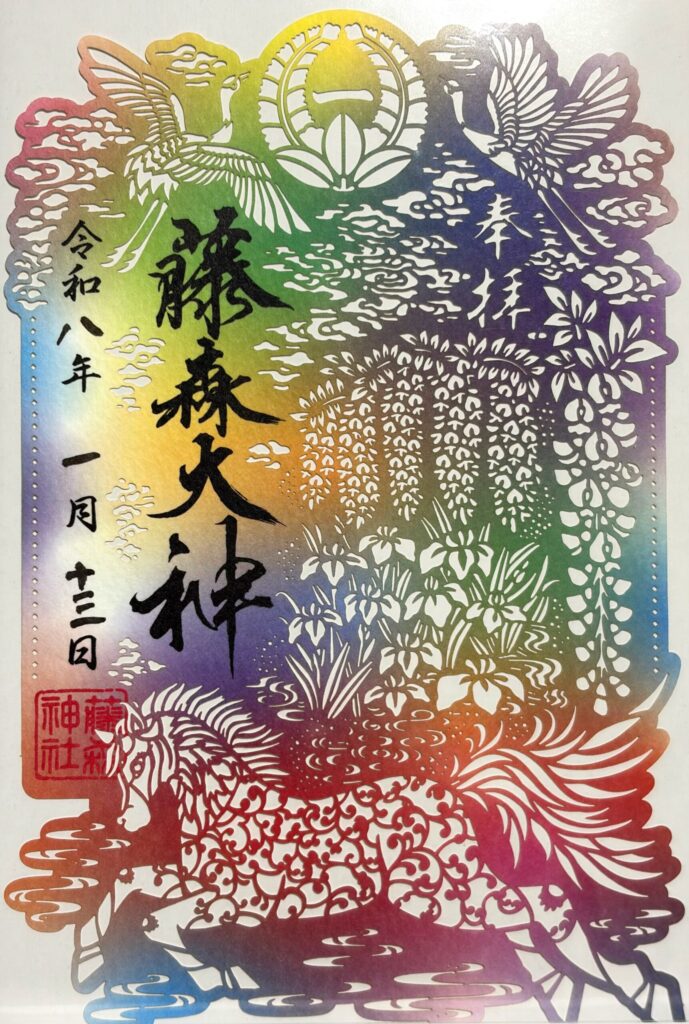
Fujinomori Shrine offers a wonderful variety of goshuin (red seal stamps).
The cut-paper (kirie) goshuin in particular caught my eye.
From JR Fujinomori Station, it was quite a steep downhill walk to the shrine — which of course means a steady uphill climb on the way back.
The path from Keihan Railway’s Sumizome Station is much more level, so it actually feels closer in terms of physical effort.
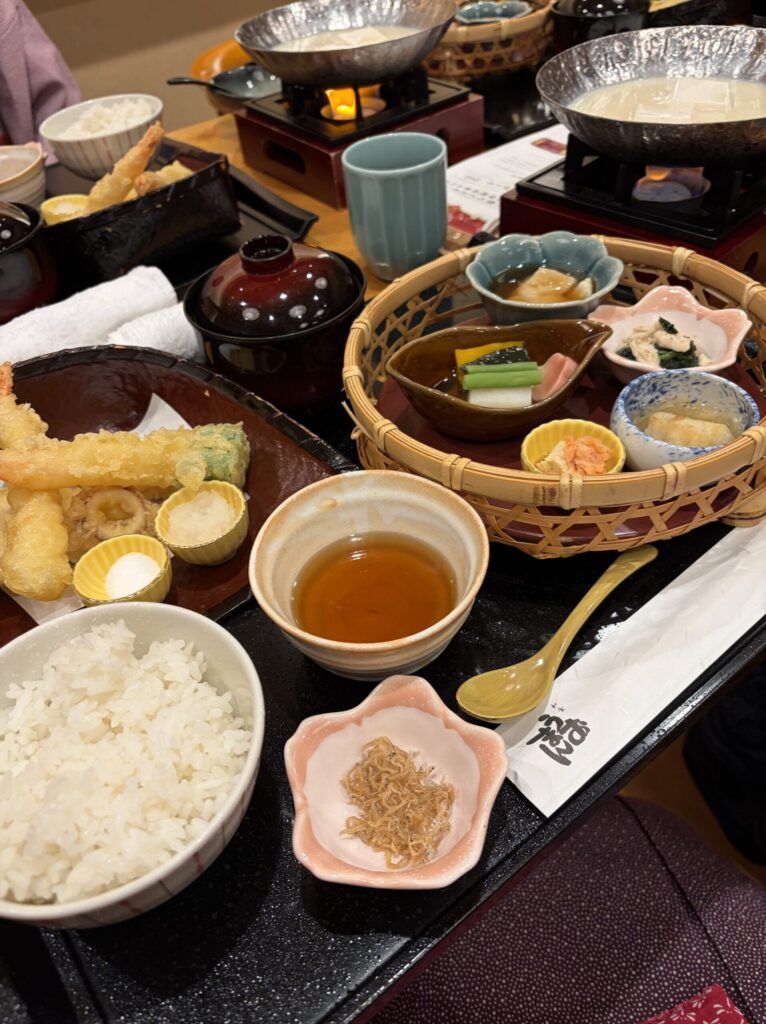
And since Kyoto Station is nearby, it might be a good idea to have a meal in Kyoto before heading out.
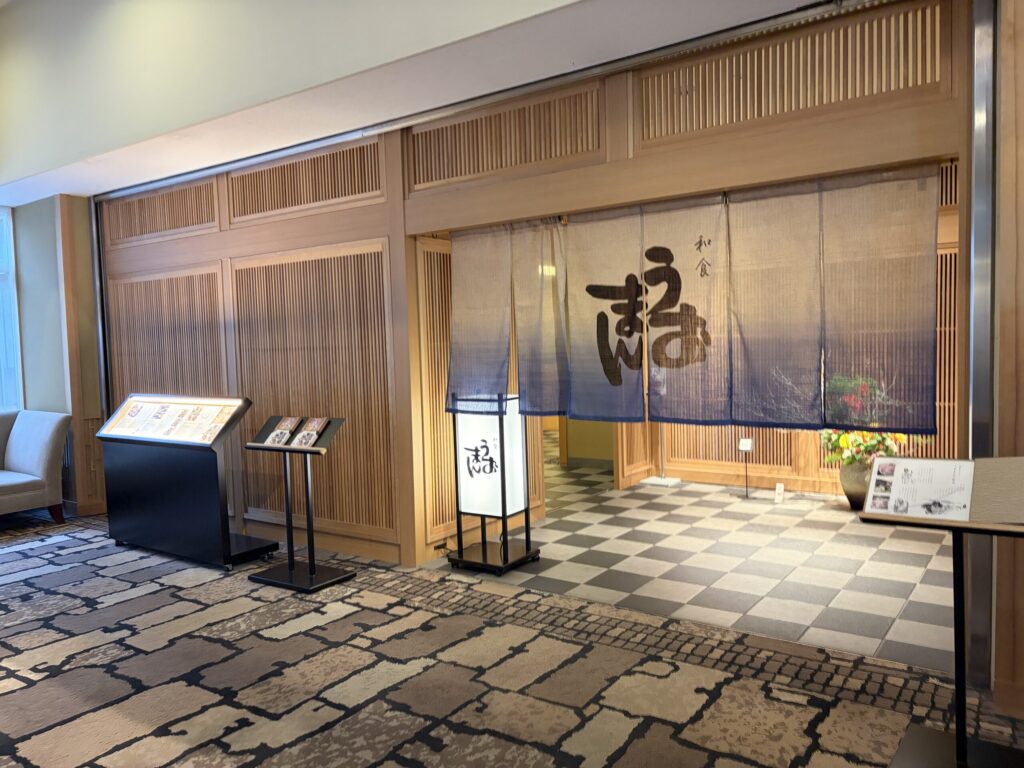
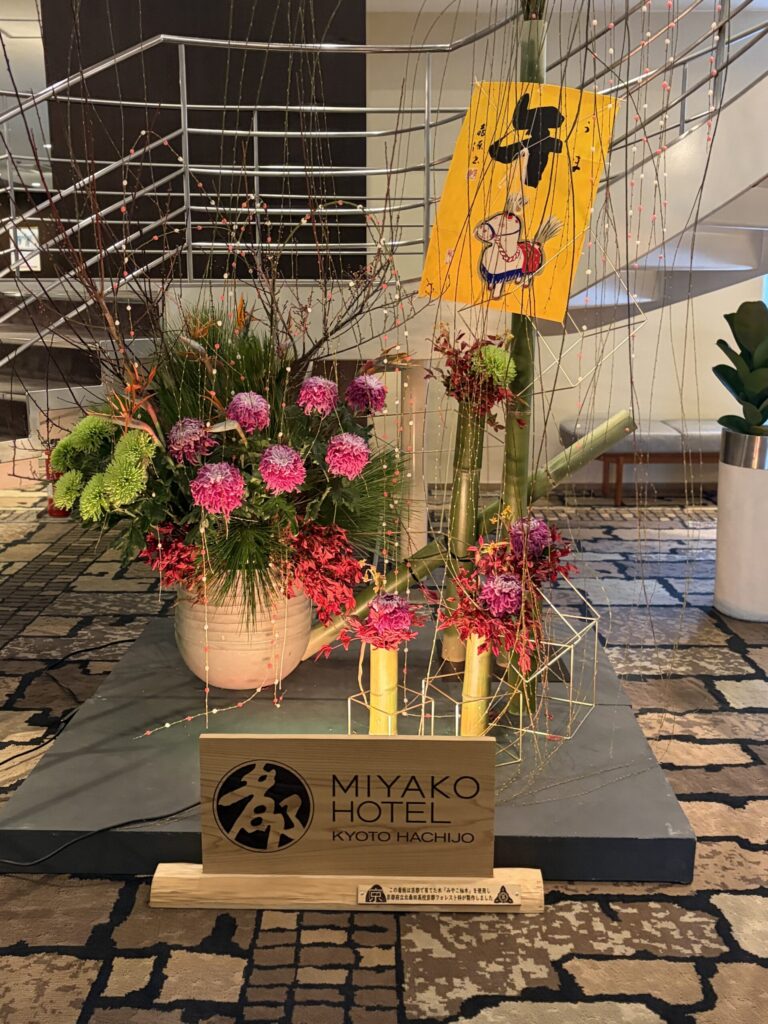
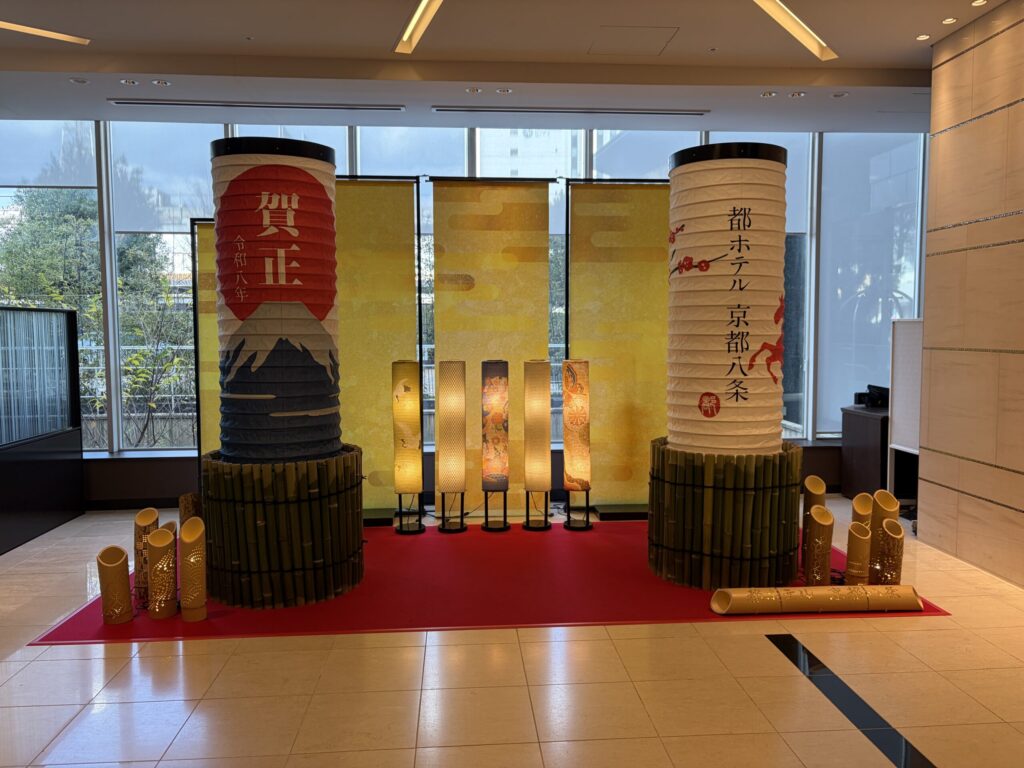
On this day, we dined at one of the restaurants inside The Miyako Hotel Kyoto Hachijo.