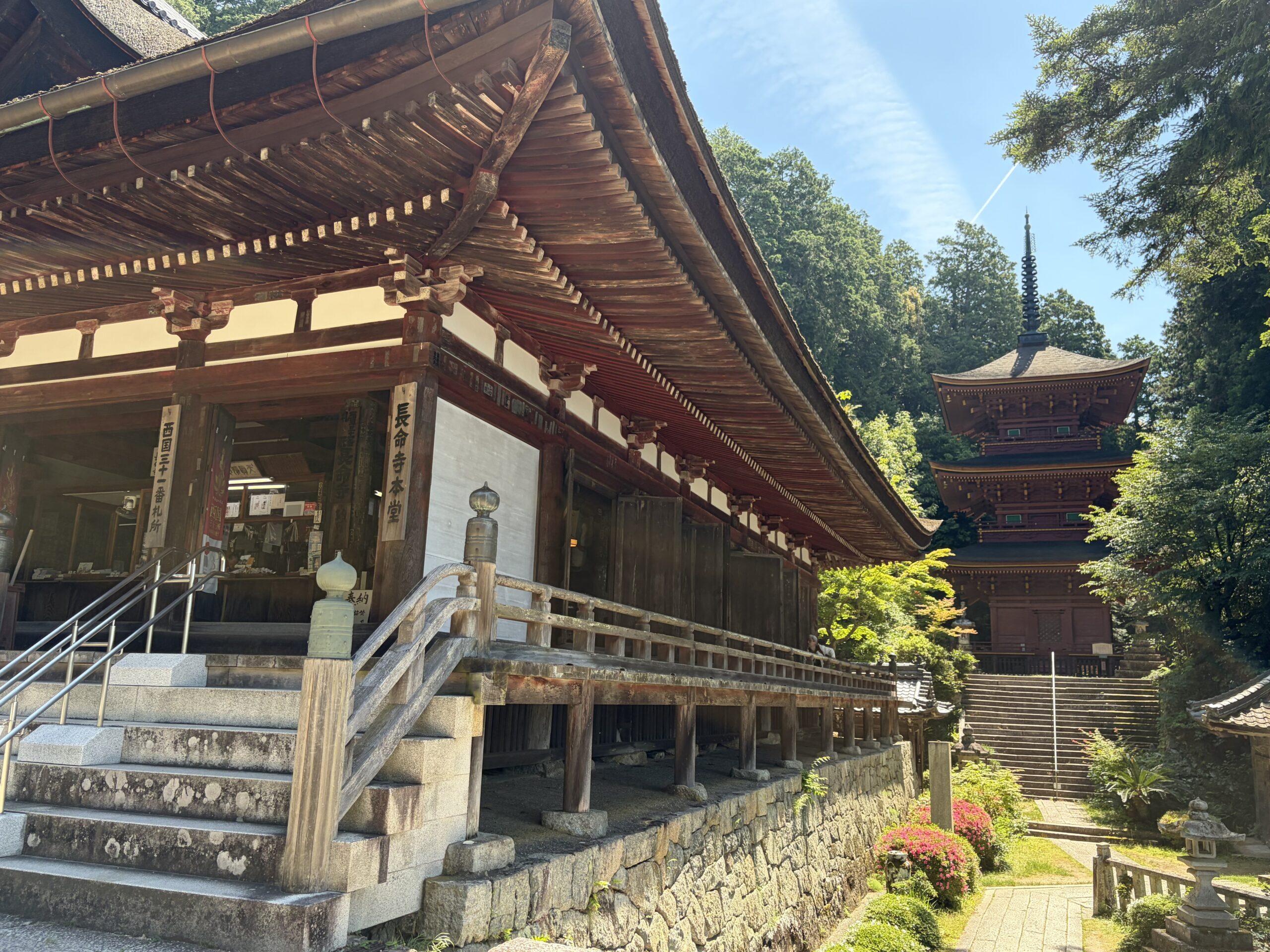
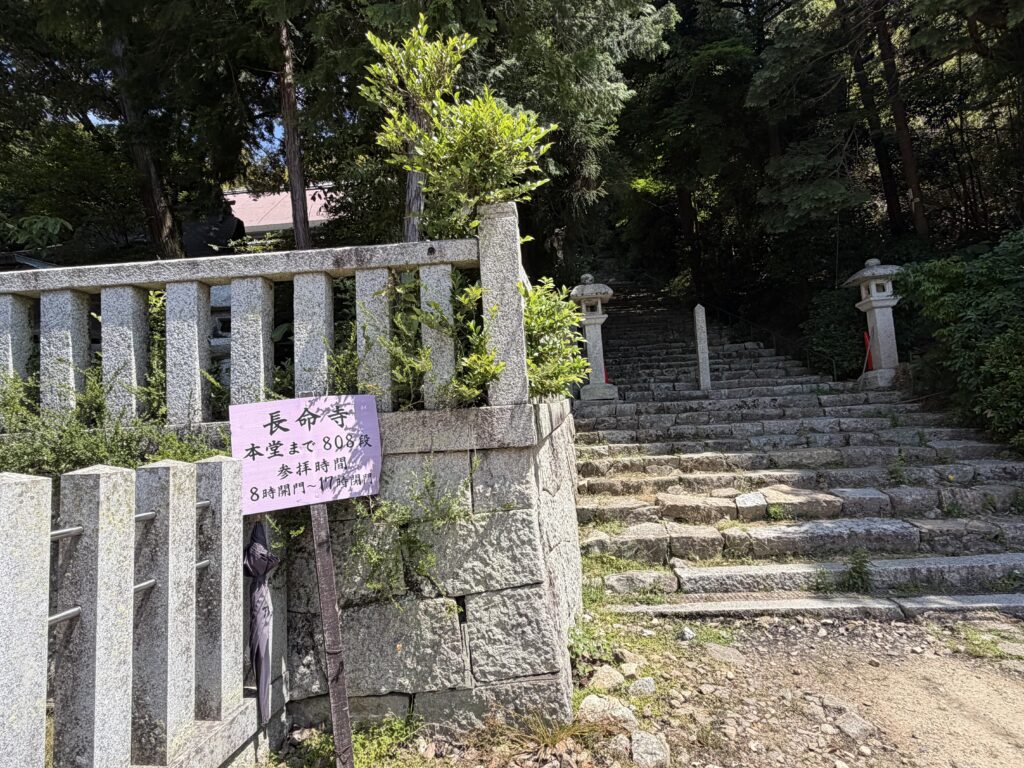
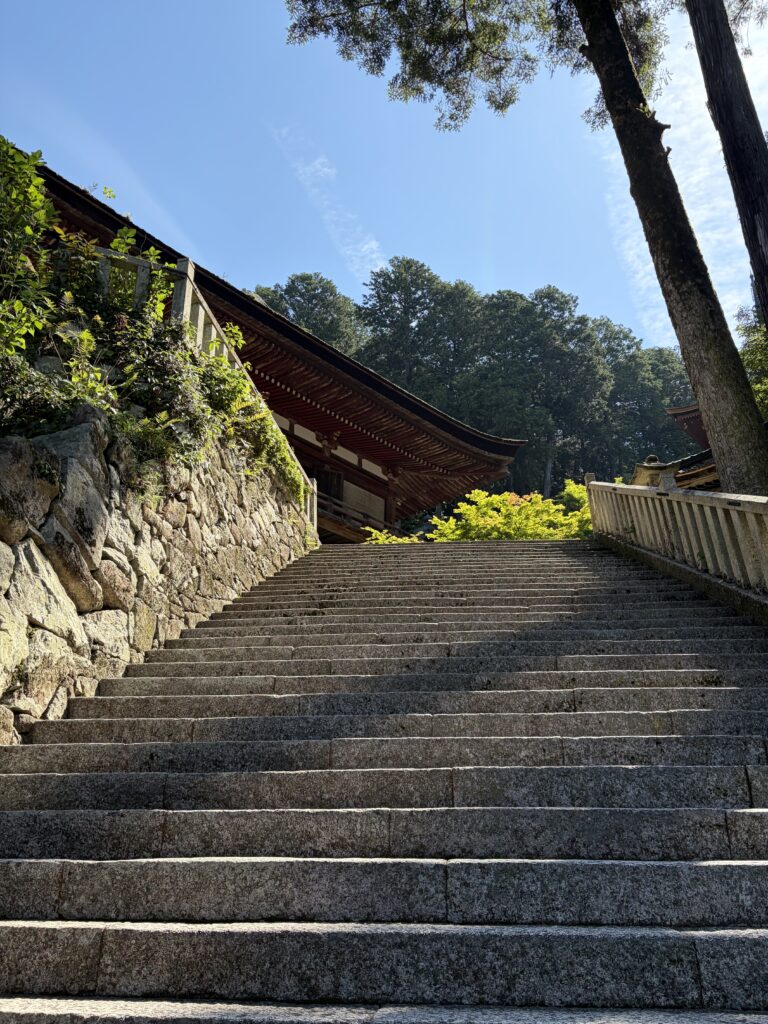
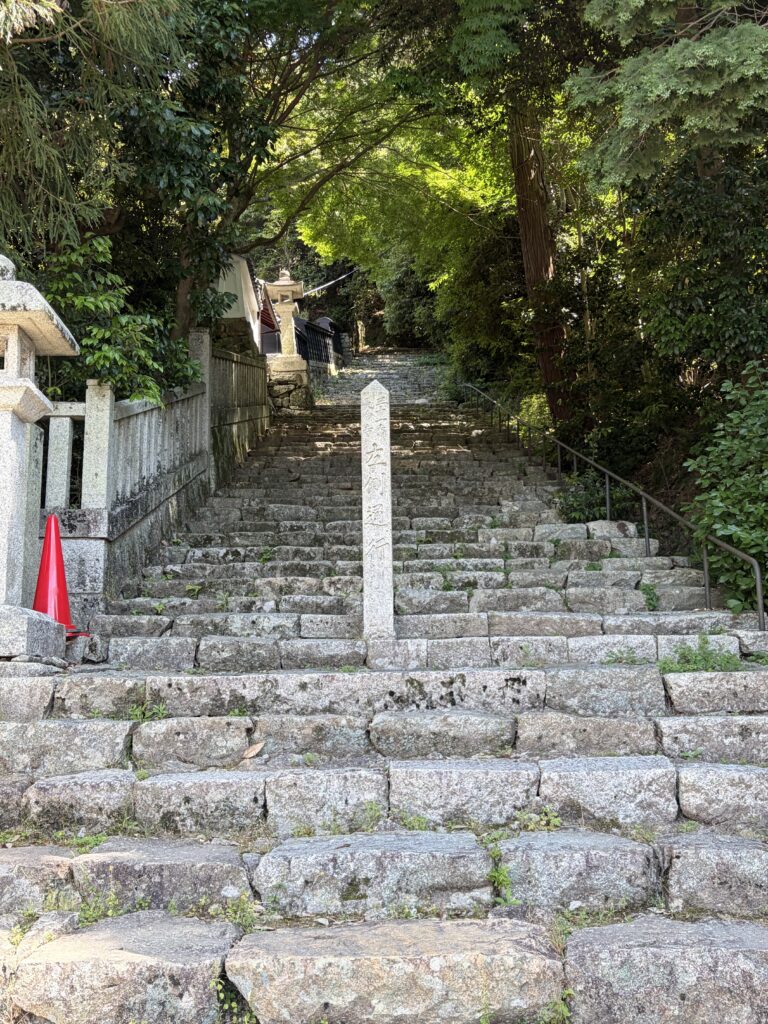
I visited Chomeiji Temple in June 2026. As I was also planning to visit Kannon-shoji that day, I skipped the stone steps from the base. I drove partway up and climbed the roughly 100 steps from the parking lot.
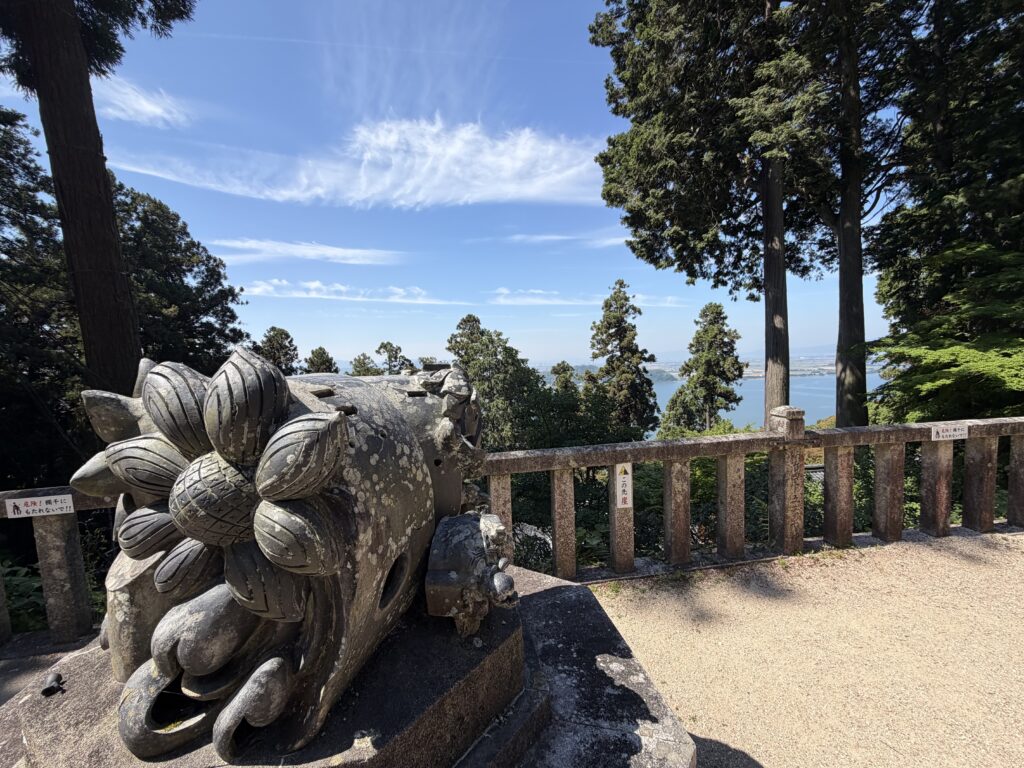
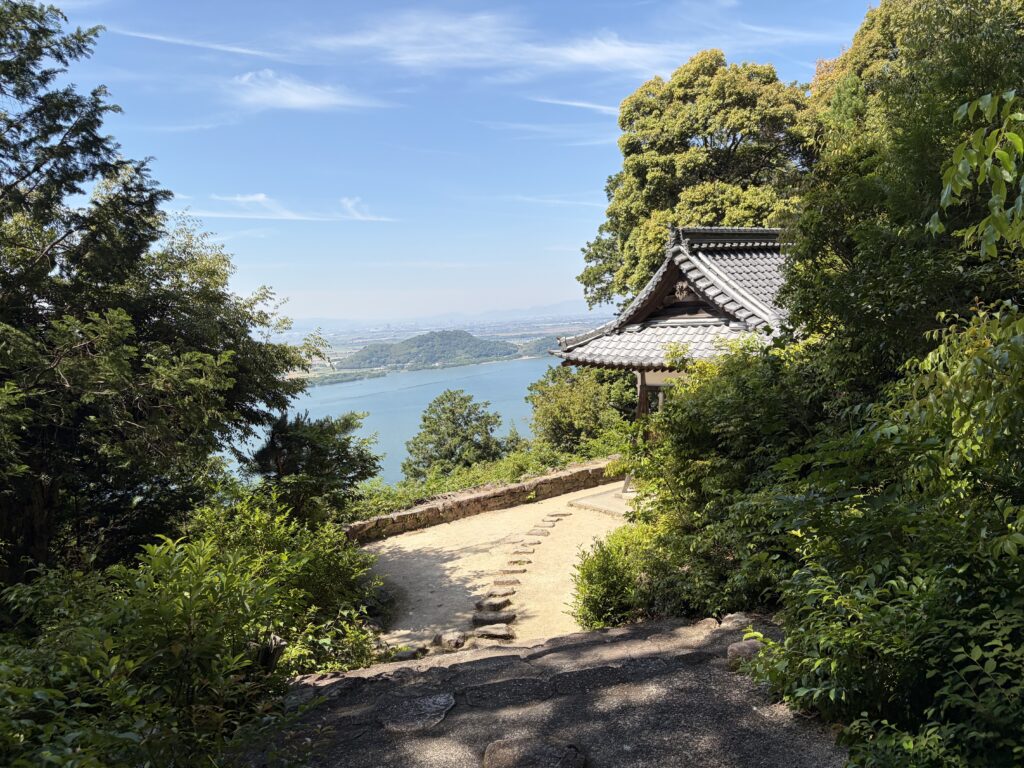
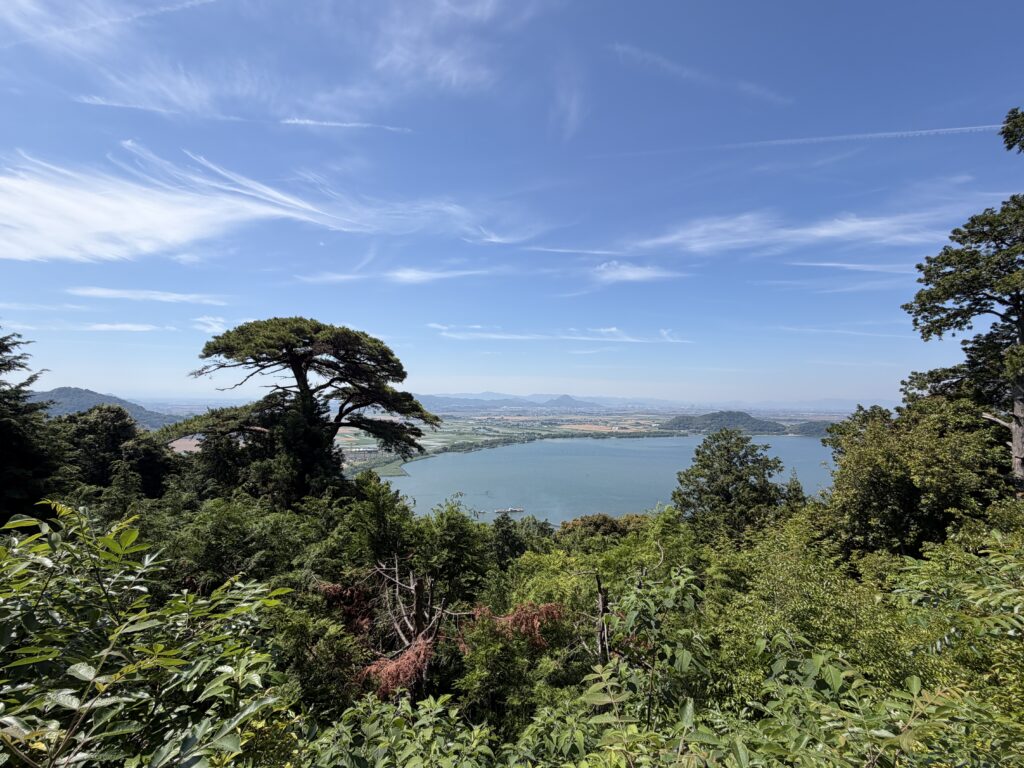
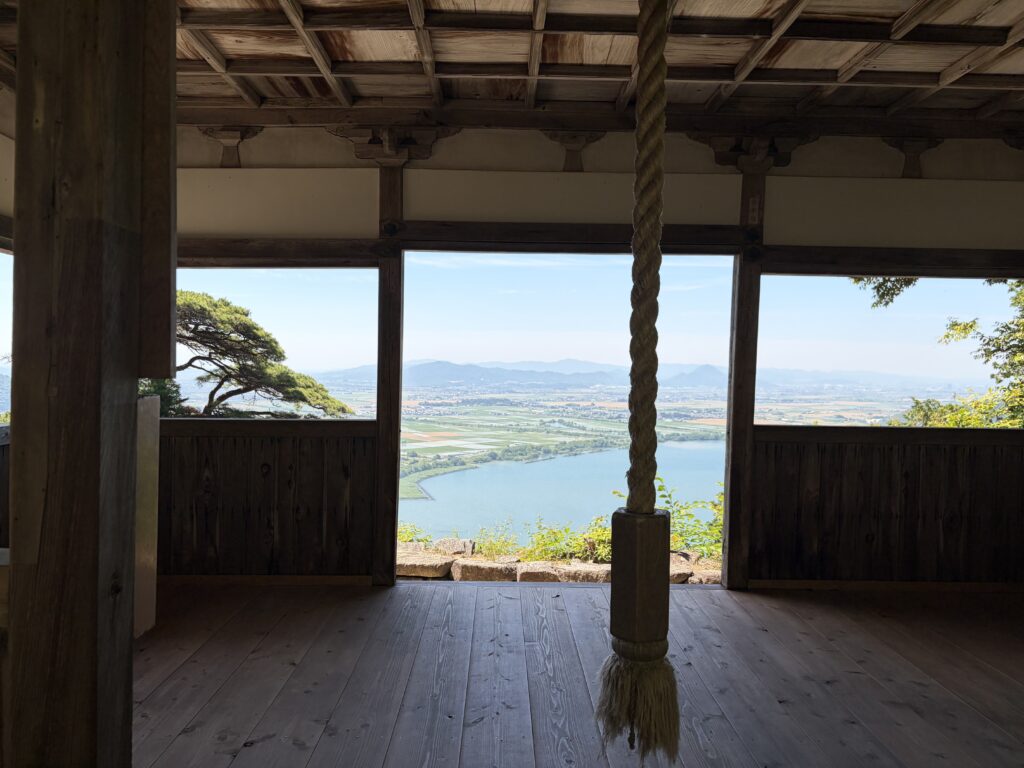
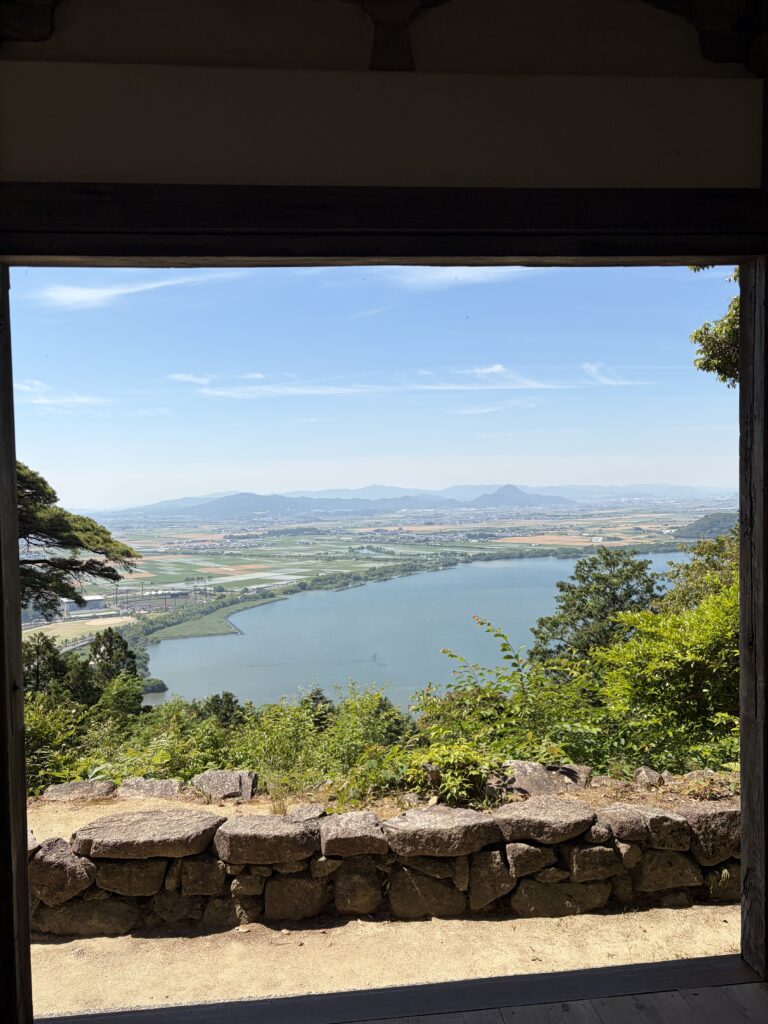
I was treated to a sweeping panoramic view of Lake Biwa.
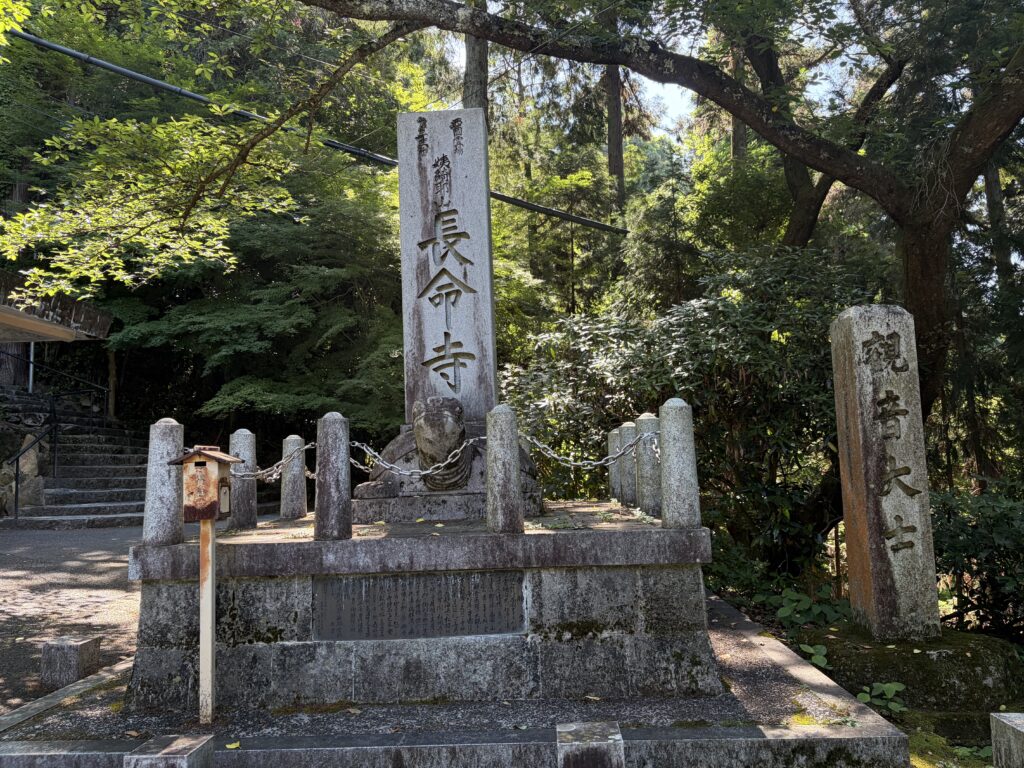
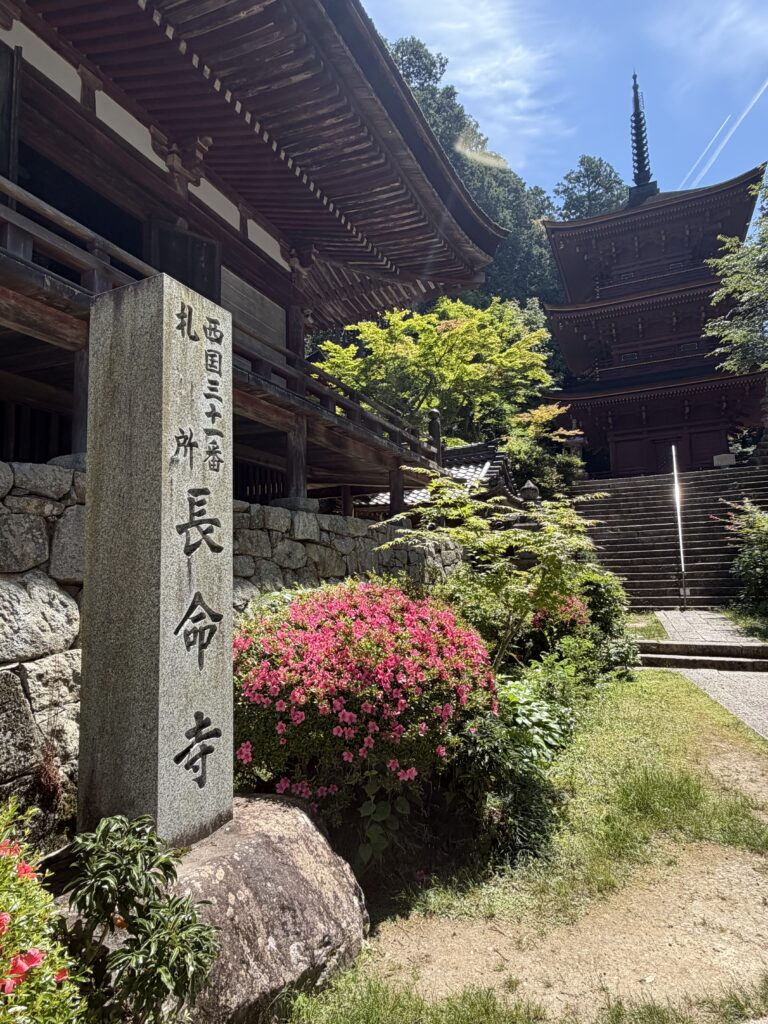
Chomeiji Temple, the 31st sacred site on the Saigoku Pilgrimage of the Thirty-Three Temples, comes as the journey enters its final stretch.
Nestled on a mountainside approximately 250 meters above sea level with Lake Biwa spread out below, this ancient temple is renowned — true to its name — for the blessing of longevity. Here is a detailed introduction to the history, highlights, and pilgrimage tips for Chomeiji Temple, located in Omihachiman City, Shiga Prefecture.
What Is Chomeiji Temple? — A Celebrated Omi Temple for Health and Long Life
Chomeiji is an independent temple of the Tendai school, situated on Mt. Chomeiji in Omihachiman City, Shiga Prefecture. Its principal image is the Senju Juichimen Shō Kanzeon Bosatsu Sanzon Ittai (a triad of Thousand-Armed, Eleven-Faced, and Sacred Kannon enshrined as one), and the temple has long drawn worshippers seeking blessings of health, longevity, and the fulfillment of prayers.
Its history stretches back to great antiquity. According to tradition, the temple’s origins lie in the reign of the 12th Emperor Keikō, when the legendary statesman Takenouchi no Sukune prayed at this site for jumyō chōon — an infinitely long life.
Takenouchi no Sukune is said to have lived to the age of 300, and it is from this legend that the temple received the name Chomeiji — “Temple of Long Life.”
The Legend of Takenouchi no Sukune and Longevity
It is further told that when Prince Shōtoku later visited this site, he discovered characters said to have been carved by Takenouchi no Sukune. He then carved a Senju Juichimen Shō Kannon with his own hands, enshrined it here, and founded the temple.
From these origins, Chomeiji has been revered far and wide as a sacred place for prayers of longevity.
Highlights of Chomeiji Temple
Chomeiji offers many highlights that captivate visitors. Here are the key points not to be missed.
The 808 Stone Steps
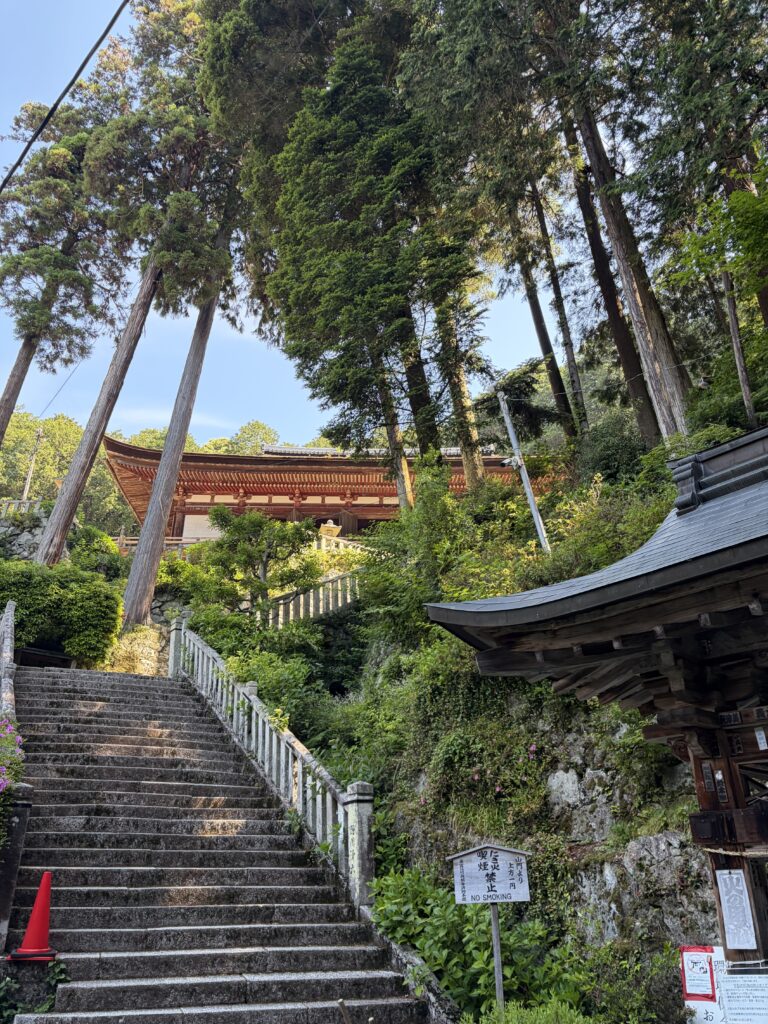
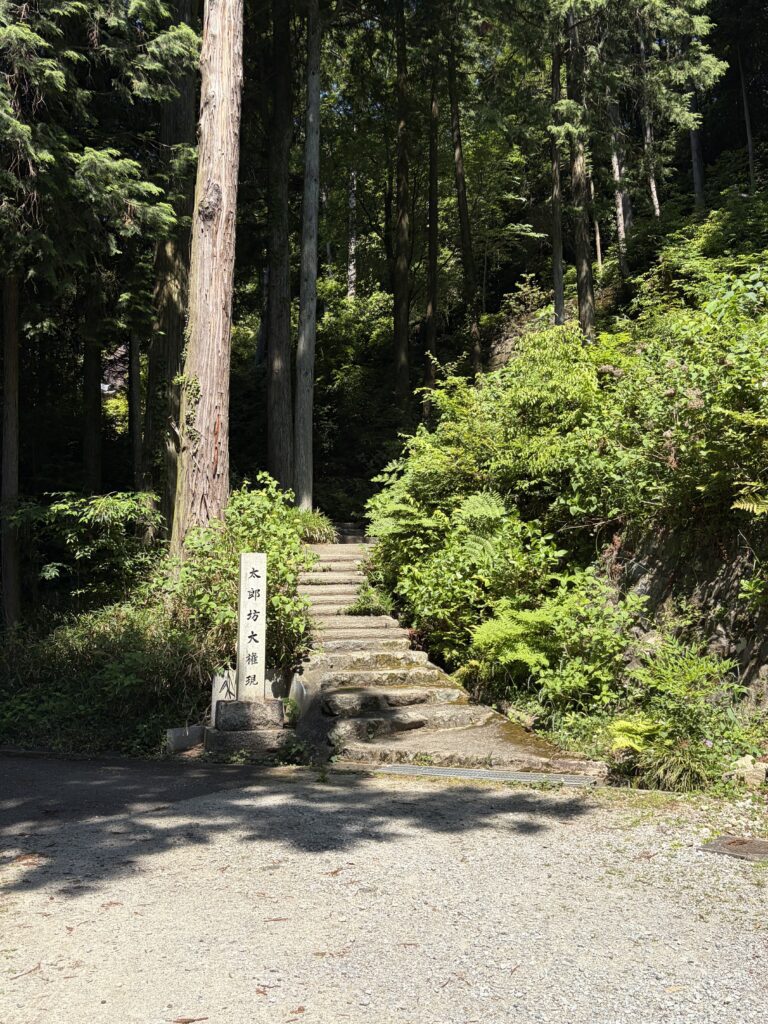
No visit to Chomeiji is complete without mention of the 808 stone steps that climb from the base of the mountain to the main hall.
Each step trodden is, in itself, a form of ascetic practice. Yet at the top, a magnificent view awaits alongside a deep sense of accomplishment.
- Some sections of the steps are steep; comfortable footwear is strongly recommended
- Those less confident in their stamina can use a parking area partway up the mountain (from there, approximately 100 steps remain)
- The changing appearance of the trees with each season is itself a pleasure
Important Cultural Properties
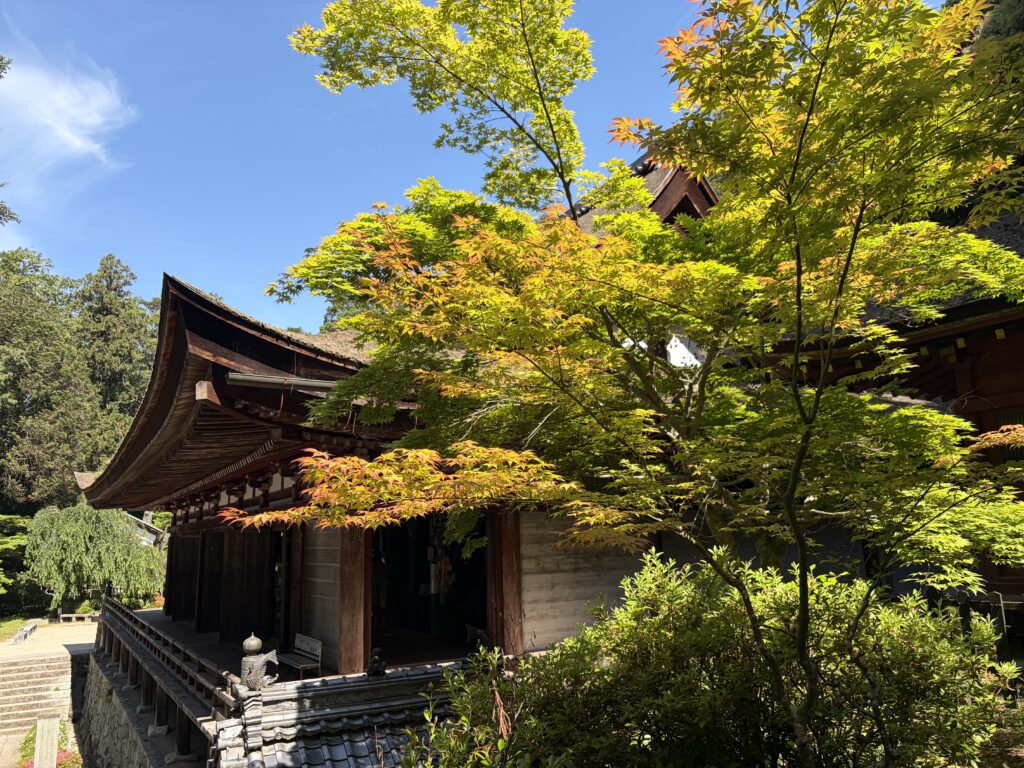
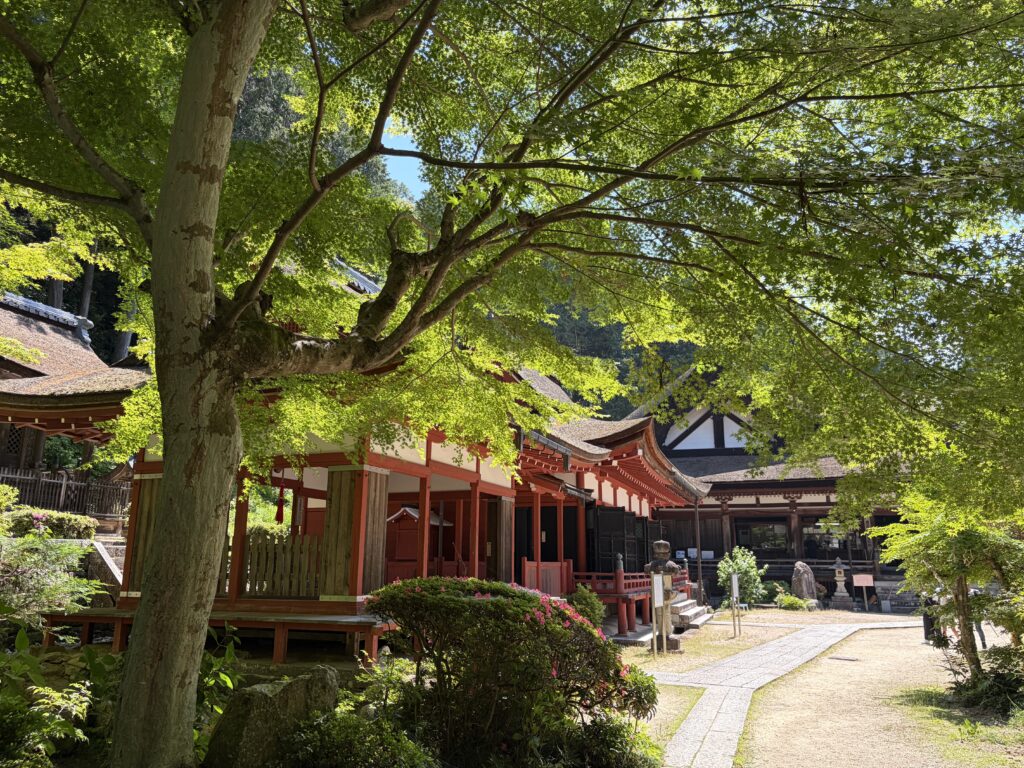
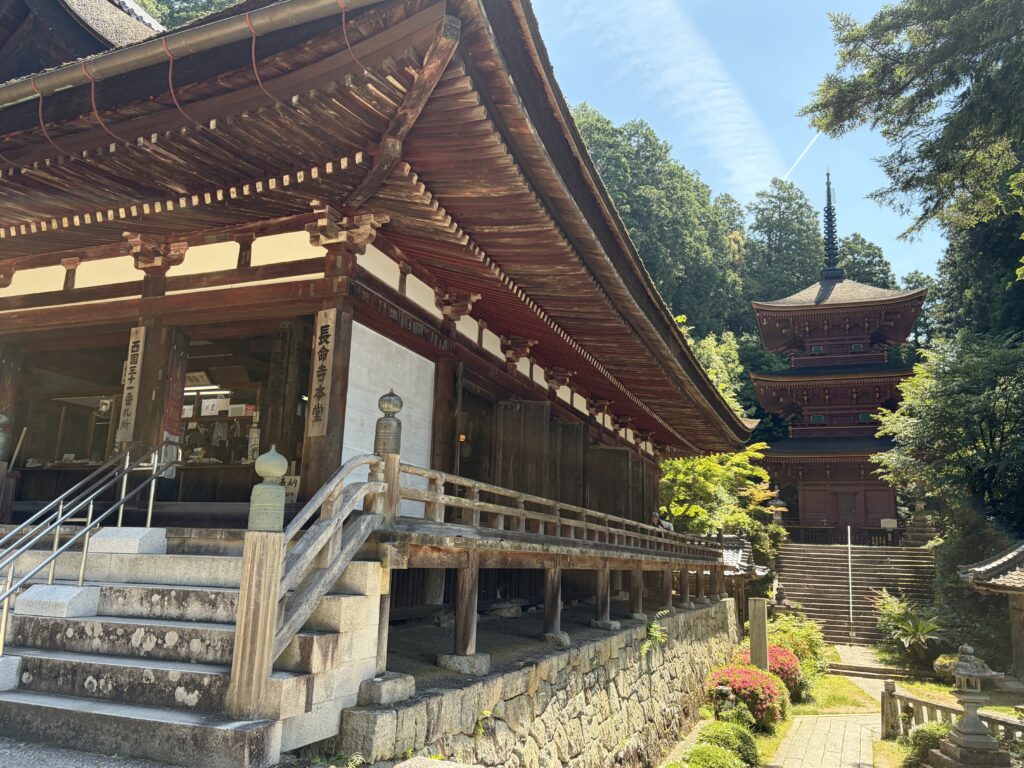
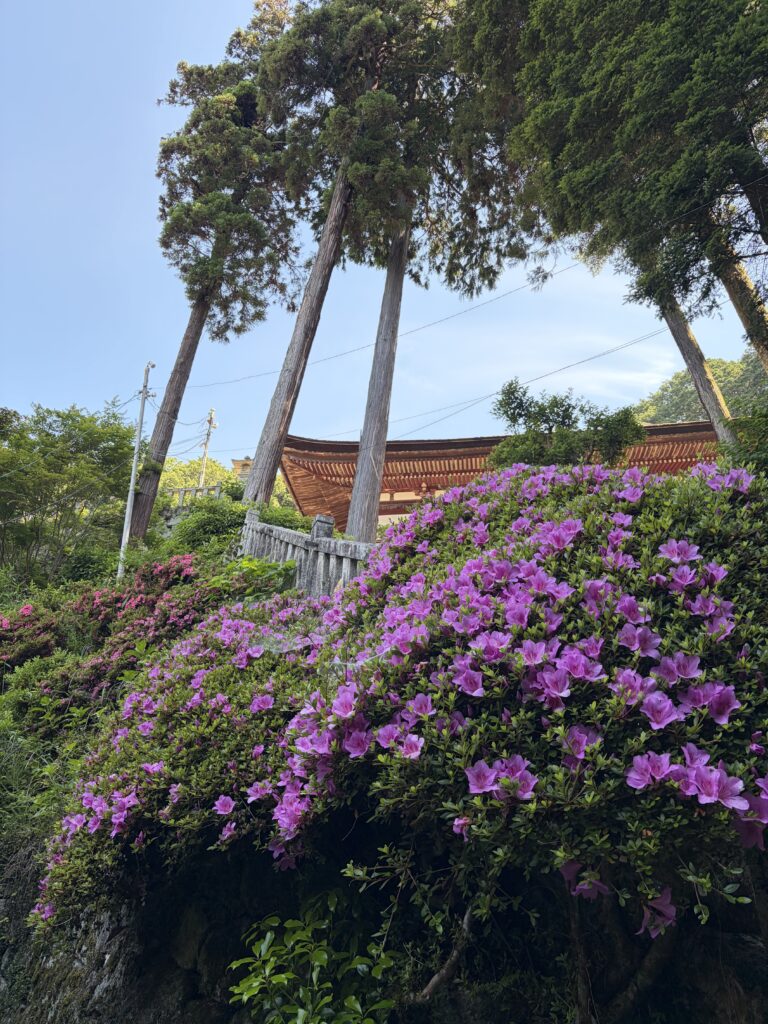
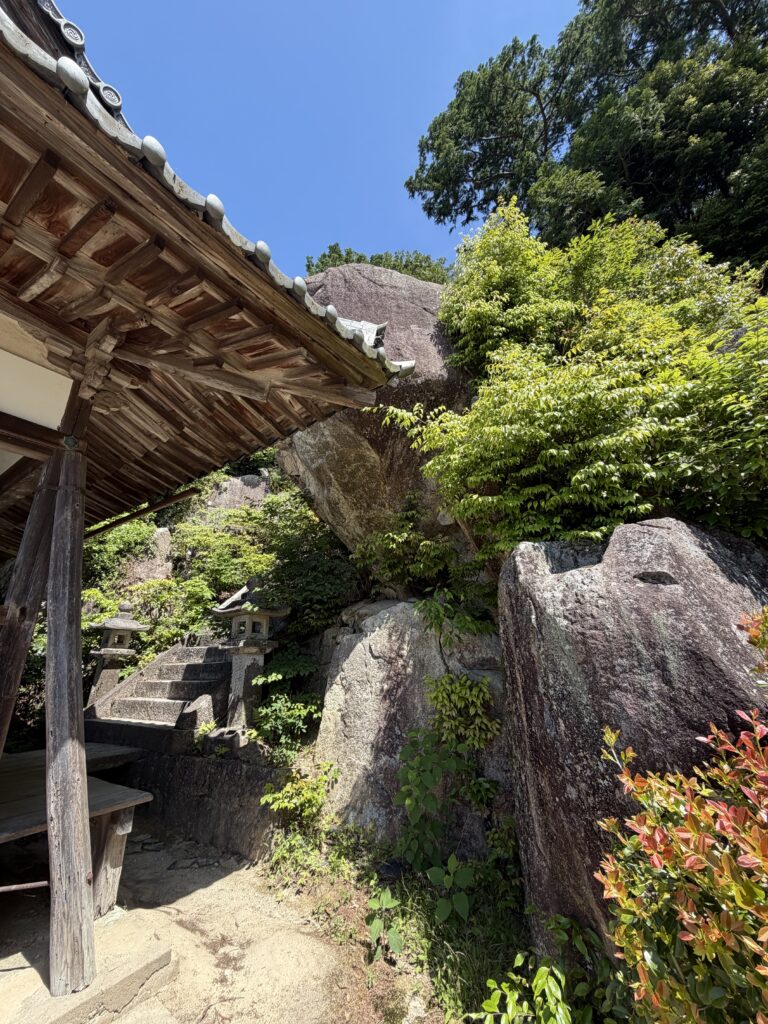
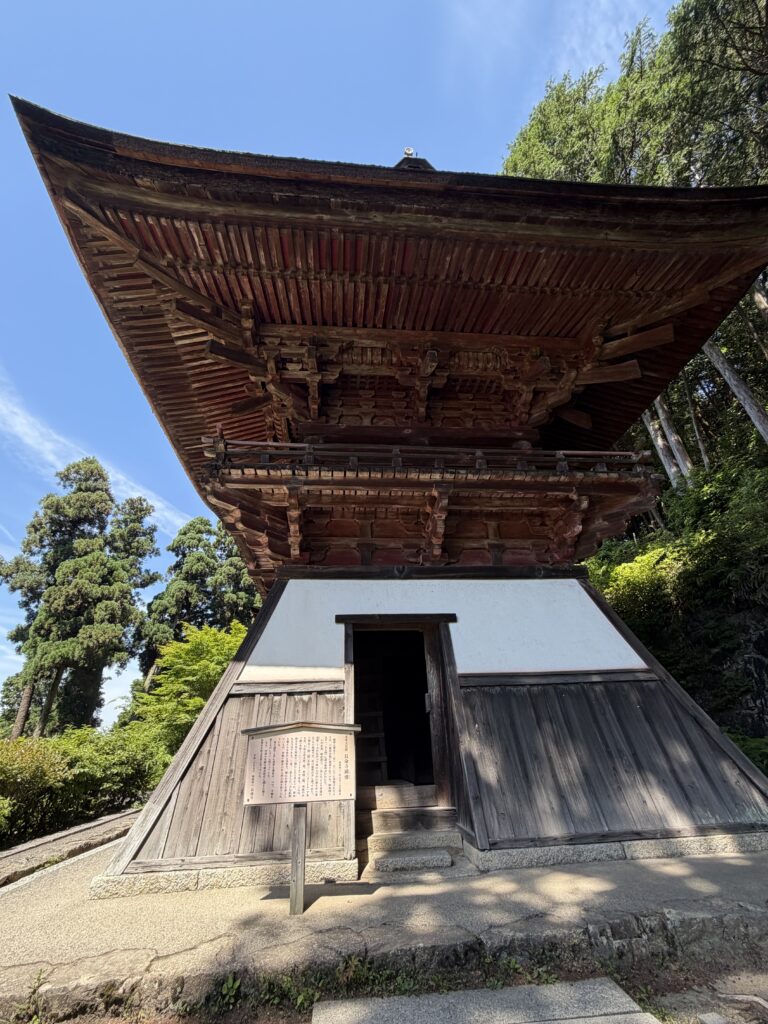
The temple grounds contain numerous solemn structures rebuilt during the Muromachi period, many of which are designated National Important Cultural Properties.
- Main Hall (Hondō): A beautiful hiwadabuki (cypress bark) roof building rebuilt in 1524 (Daiei 4)
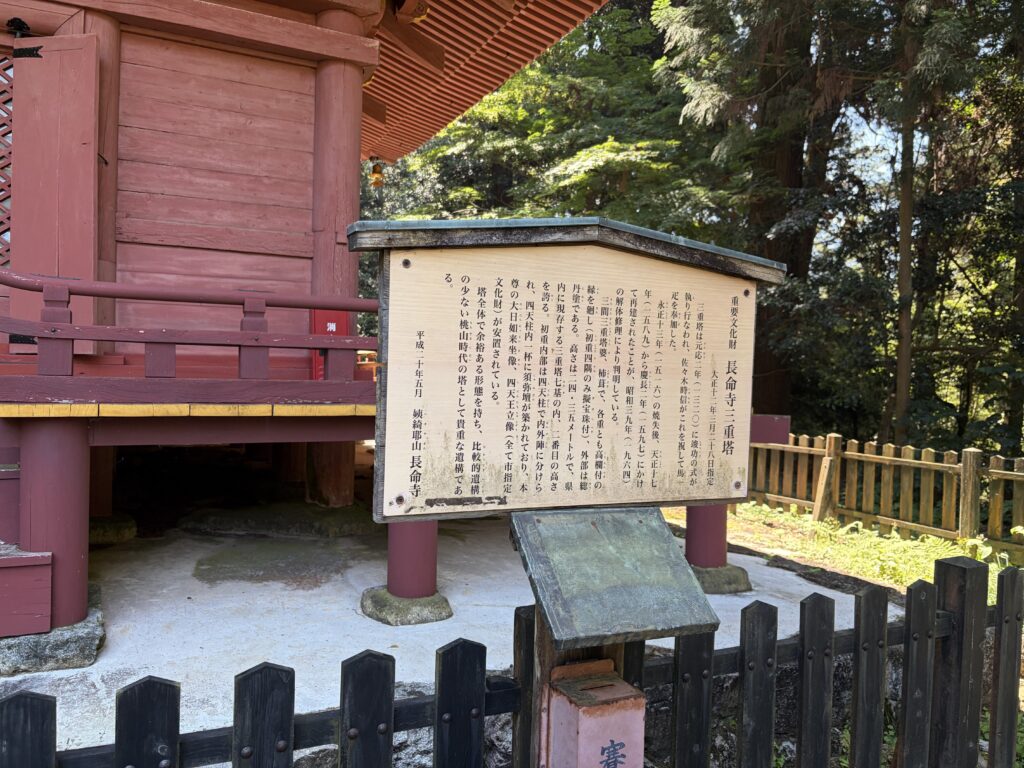
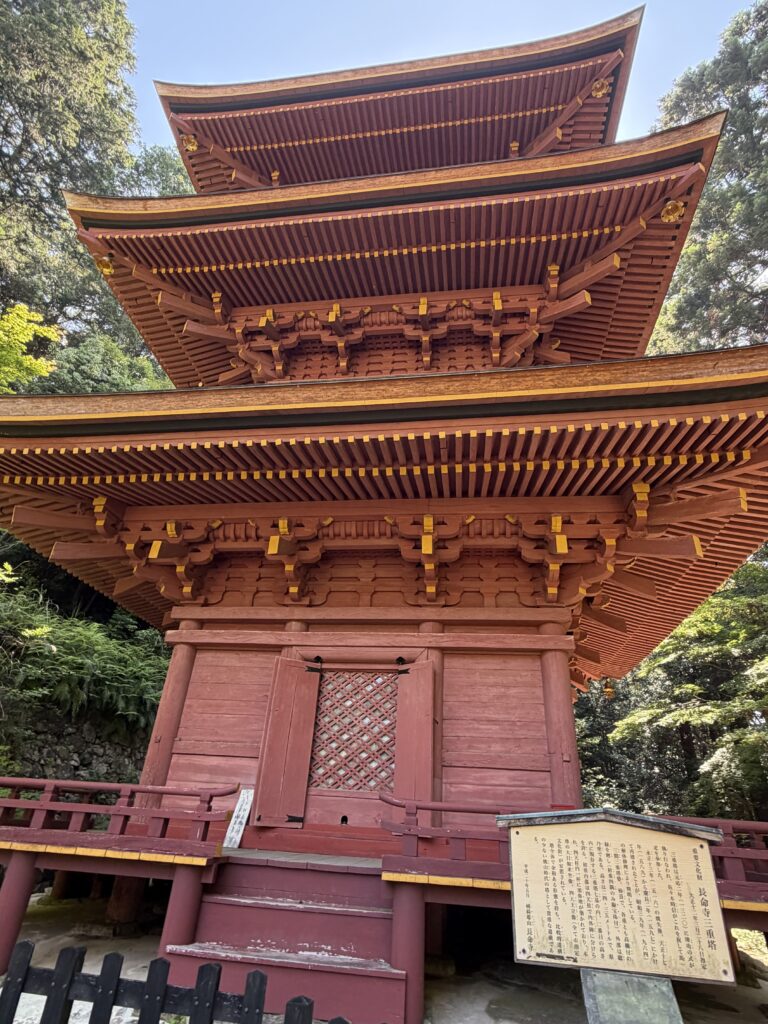
- Three-Storied Pagoda (Sanjūnotō): Its vivid vermilion makes it an iconic landmark of the grounds
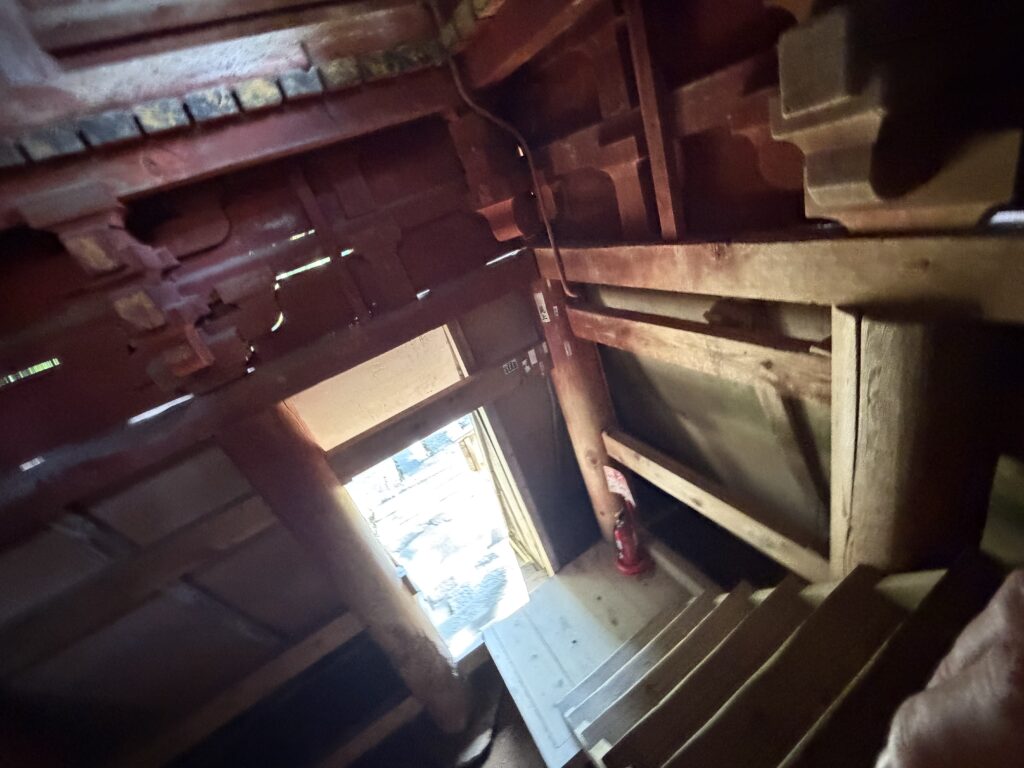
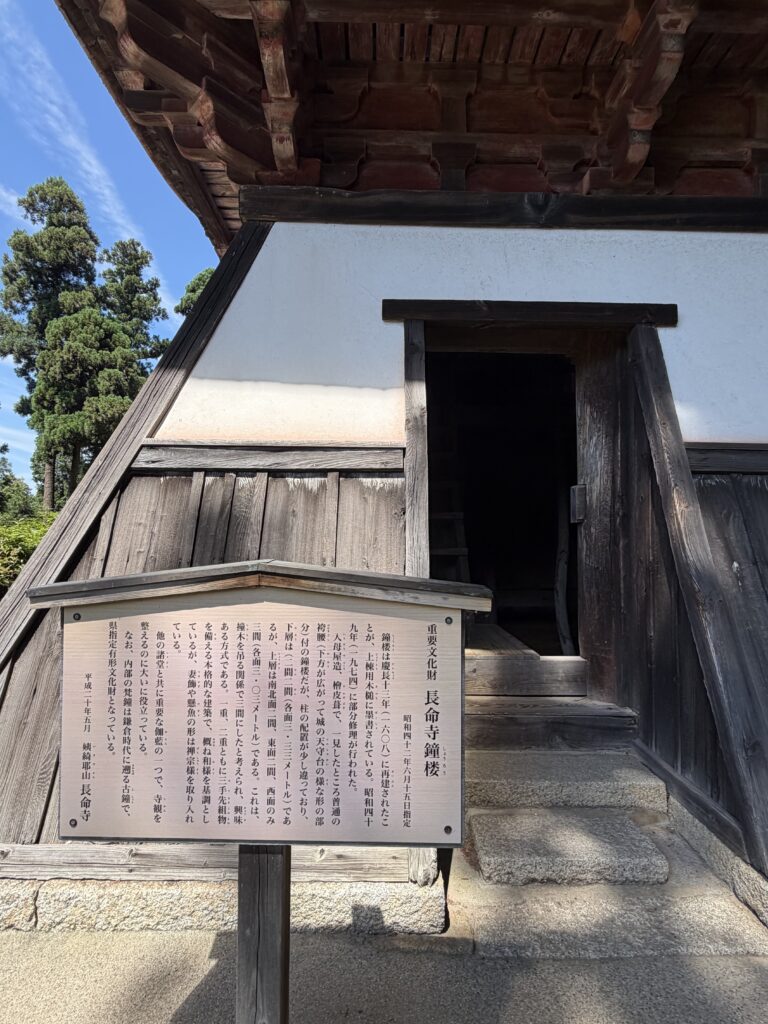
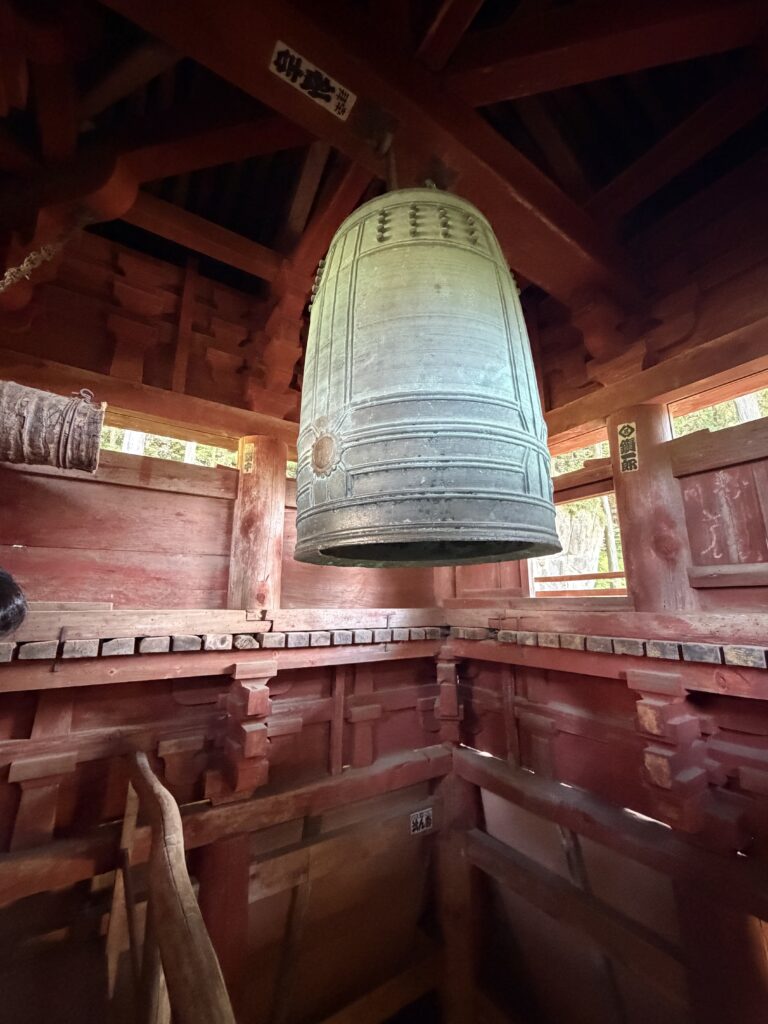
- Bell Tower (Shōrō): Striking in its well-proportioned, elegant form
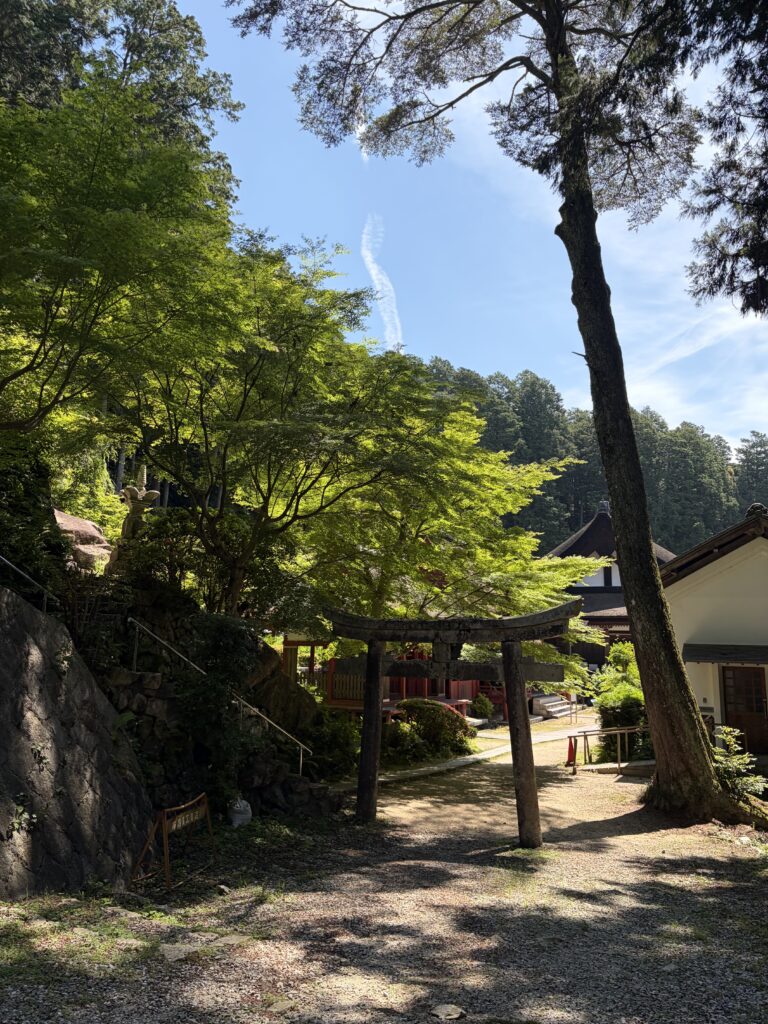
The precinct where these structures stand together is enveloped in a solemn atmosphere that seems to transcend time — particularly rewarding for those with a love of history.
The Panoramic View of Lake Biwa
One of Chomeiji’s greatest draws is the spectacular view of Lake Biwa from within the temple grounds.
Perched on the mountainside, the vast expanse of Lake Biwa stretches out below. On a clear day, the far shore is visible across the water. The fatigue of climbing the stone steps vanishes entirely in the face of this view.
Visitor Information and Access
Essential information for those planning a visit to Chomeiji:
- Address: 157 Chomeijichō, Omihachiman City, Shiga Prefecture
- Principal Image: Senju Juichimen Shō Kanzeon Bosatsu Sanzon Ittai
- Pilgrimage Verse (Goeika): “Yachitose ya / yanagi ni nagaki / inochi-dera / hakobu ayumi no / kazashi naru ran”
- Access: Approximately 25 minutes by Ōmi Railway Bus from JR Omihachiman Station; alight at the “Chomeiji” bus stop
Tips for Your Visit
As Chomeiji is located on a mountainside, your visit will require some time and energy. Keep the following in mind for a comfortable pilgrimage:
- Wear comfortable clothing and sturdy shoes
- Stay well hydrated, especially in summer
- If receiving a goshuin stamp, check the reception hours of the nōkyōsho (stamp office) in advance
- Consider combining your visit with sightseeing at Lake Biwa or a stroll through the historic streets of Omihachiman
Closing Thoughts — A Tranquil Pilgrimage for Health and Long Life
Chomeiji, the 31st sacred site on the Saigoku Pilgrimage, offers two great draws: the blessing of longevity and the breathtaking panorama of Lake Biwa. The 808 stone steps are by no means an easy climb — but at the top, a majestic temple complex and a view that cleanses the soul are waiting.
Why not reflect on the legend of Takenouchi no Sukune and his extraordinary long life as you offer prayers for the health and longevity of yourself and those dear to you? Time spent amid the nature and history of Omihachiman is sure to become an unforgettable memory of the pilgrimage. Please do make the journey to Chomeiji.
References
- Chomeiji Temple — Official Website
- Saigoku Thirty-Three Sacred Sites Association — Chomeiji (Site No. 31)
About Goshuin Stamp Books and Related Items
I usually collect the pre-written kakioki type of goshuin stamps, but for the Thirty-Three Temple Pilgrimage I wanted stamps written directly into a dedicated book, so I purchased one especially for the journey.
Goshuincho stamp books are also sold at the temples of the Saigoku Pilgrimage. However, the accordion-fold (jyabara) style can cause ink to bleed through to the other side. For that reason, I would recommend a bound style rather than accordion-fold — ideally one where each page is separated by an interleaving sheet of paper.
Nokyo-cho — Saigoku Thirty-Three Temples
Gold brocade binding (with vinyl cover) · Lightweight, quick-drying special washi paper that resists ink bleed-through
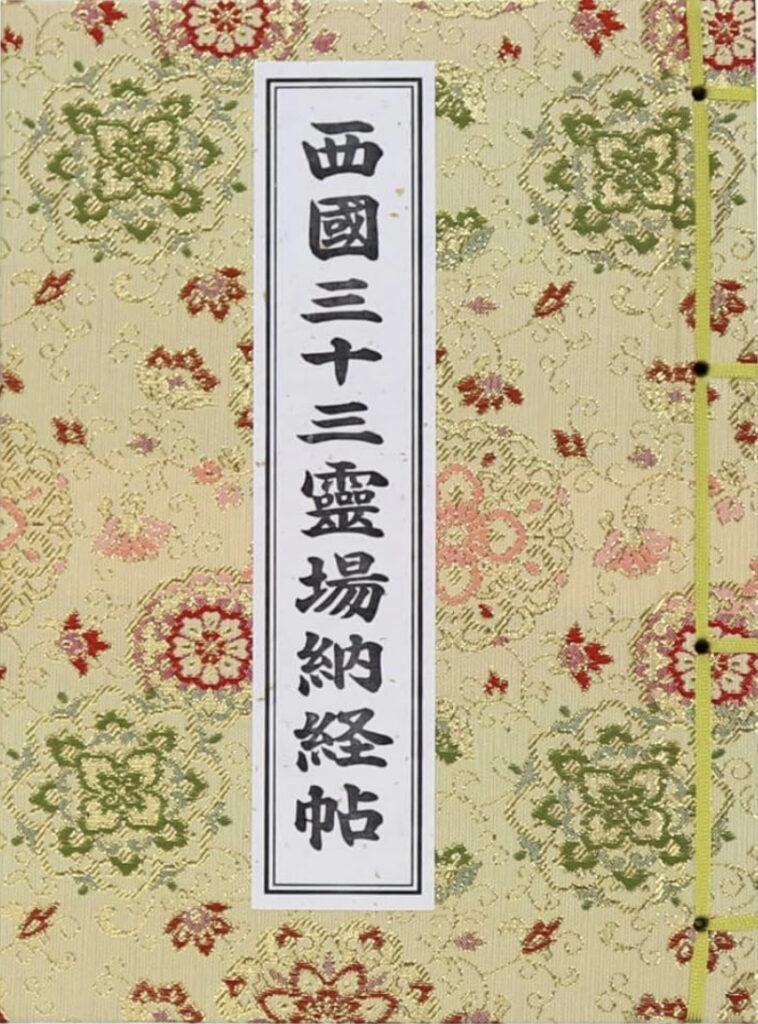
Nokyo-cho — Saigoku Thirty-Three Temples
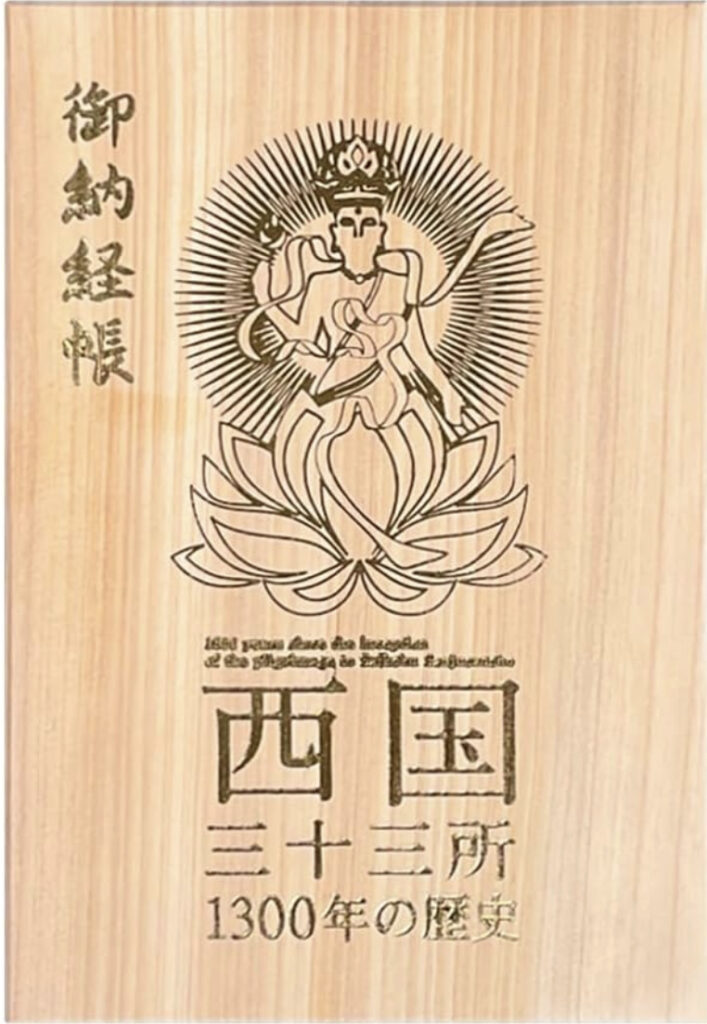
Hinoki (Japanese cypress) solid wood binding · Handmade washi paper, accordion-fold double-layer style
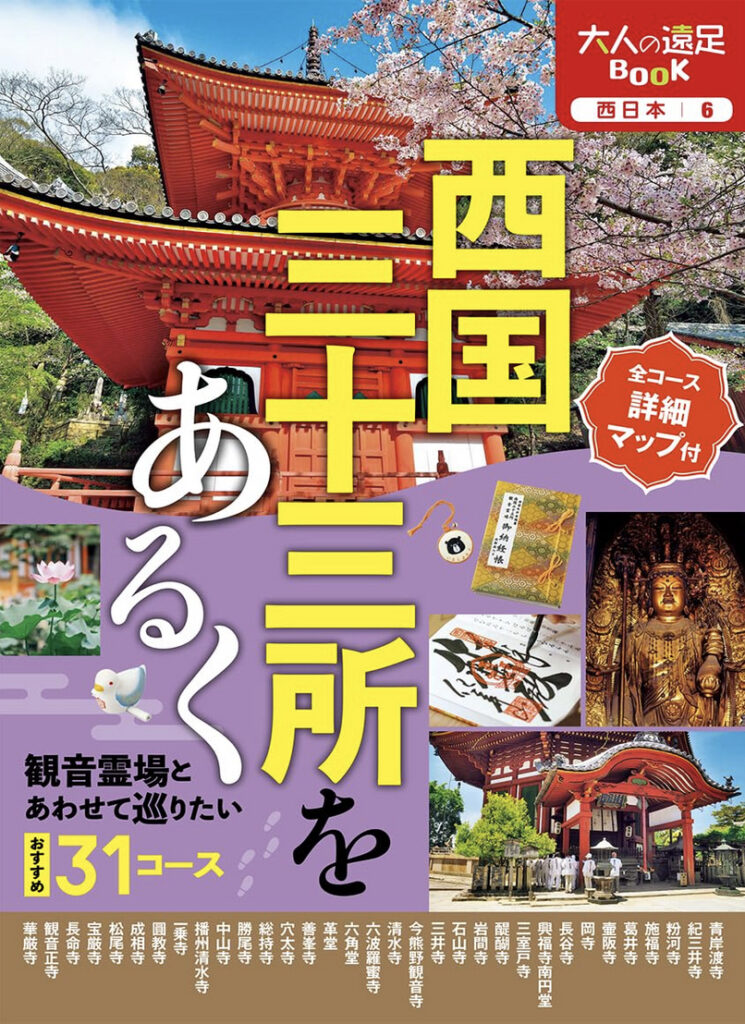
Walking the Saigoku Thirty-Three Temples
Otona no Ensoku BOOK
A guidebook for enjoying the pilgrimage and the pleasures of dedicated walking
Introduction & Overview
- What Is Esoteric Buddhism? Tendai and Shingon Explained in Simple Terms
- The Deep Connection Between the Saigoku Pilgrimage and Esoteric Buddhism | Why We Journey to Kannon Bodhisattva
Buddhas & Bodhisattvas
- What Are the 33 Forms of Kannon Bodhisattva? A Complete Guide to the Principal Images of the Saigoku Pilgrimage
- What Is the Difference Between Nyorai, Bosatsu, Myōō, and Ten? An Illustrated Guide to the Deities of Esoteric Buddhism
Practices & Culture
- The Meaning of the Heart Sutra Explained Simply | The World of the Sutras Chanted on Pilgrimage
- What Are Goshuin, Omiei, and Sange? The Esoteric Buddhist Culture You Encounter on the Saigoku Pilgrimage
Temples & History
Saigoku Pilgrimage of the Thirty-Three Temples — List of Sacred Sites
- No.12 Syohoji
- No.13 Ishiyamadera
- No.14 Miidera
- No.15 Imakumano-Knnonji
- No.16 Kiyomizudera
- No.17 Rokuharamitsuji
- No.18 Rokkakudo-Chohoji
- No.19 Kaudo-Gyoganji
- No.20 Yoshiminedera
- No.21 Anaoji
- No.22 Sojiji
- No.23 Katsuoji
- No.24 Nakayamadera
- No.25 Bansyu-Kiyomizudera
- No.26 Ichijyoji
- No.27 Engyoji
- No.28 Nariaiji
- No.29 Matsunoodera
- No.30 Chikubusima-Hogonji
- No.31 Chomeiji
- No.32 Kannonsyoji
- No.33 Kegonji