I began the Saigoku Pilgrimage of the Thirty-Three Temples in 2026. For the sacred sites I have already visited, I have written articles accompanied by my own photographs.
From here, I will have AI write support articles about the sites I have yet to visit — as a way of preparing for the journey ahead.
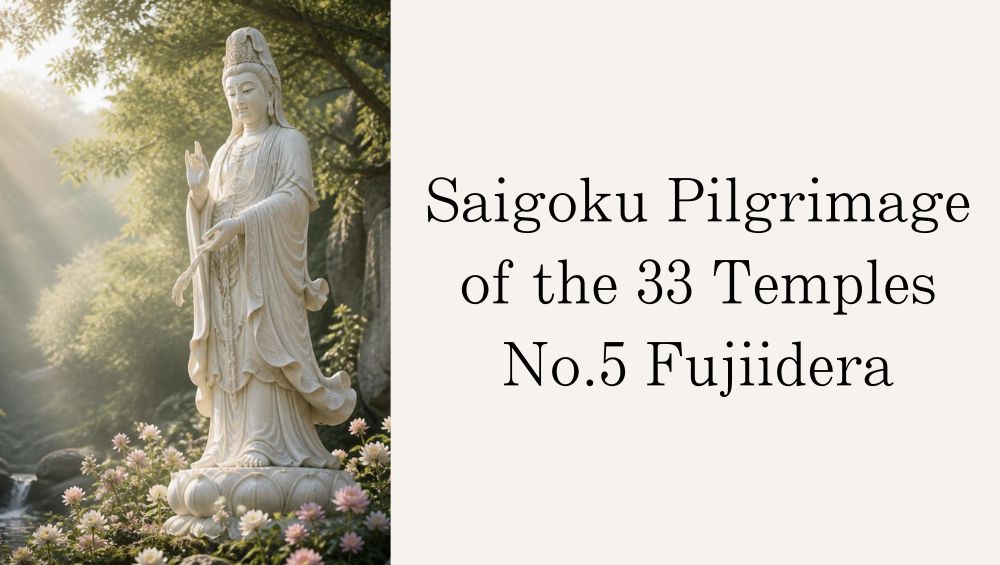
Tucked away in the residential heart of Osaka Prefecture lies Fujiidera Temple (葛井寺, Fujii-dera), the fifth sacred site on the Saikoku Kannon Pilgrimage (西国三十三箇所). This ancient temple is celebrated for its extraordinary Thousand-Armed Kannon statue and has such deep local roots that it even gave its name to the surrounding city. In this guide, we’ll explore its history, highlights, and practical tips for anyone hoping to visit one of Japan’s most storied Buddhist temples.
What Is Fujiidera Temple?
Located in Fujiidera City, Osaka Prefecture, this temple’s formal name is Shiun-zan Fujii-dera (紫雲山葛井寺). What makes it especially convenient for travelers is its location—just a few minutes on foot from Fujiidera Station on the Kintetsu Minami Osaka Line, keeping it comfortably within reach of central Osaka.
Here’s a detail that surprises many first-time visitors: the city of Fujiidera itself is said to take its name from this very temple. When a place of worship becomes the namesake of an entire municipality, you know it has stood at the center of local life and faith for centuries. Walking through the grounds, you’ll notice something curious—despite being ringed by ordinary houses and streets, the compound settles into a pocket of unexpected stillness the moment you step inside.
Understanding the Saikoku Thirty-Three Pilgrimage
The Saikoku Sanjūsan-kasho (西国三十三箇所) refers to a pilgrimage circuit visiting 33 temples dedicated to Kannon (観音), the bodhisattva of compassion, scattered mainly across the Kansai region. Its roots run remarkably deep—it is often described as the oldest pilgrimage route in Japan. Fujiidera holds the position of the fifth station, and pilgrims arrive in a steady stream to collect their goshuin (御朱印), the calligraphed temple seals that mark each stop along the way.
- Ranks as the fifth station (dai-go-ban) on the Saikoku route
- The principal object of worship is Kannon Bosatsu
- One of the most accessible sacred sites within Osaka Prefecture
Why Is the Thousand-Armed Kannon So Special?
Above all else, Fujiidera is famous for its principal image: the Thousand-Armed Kannon (千手観音). Most so-called “thousand-armed” statues across Japan actually represent the thousand arms symbolically, using 42 arms as a stand-in for the full count. The statue at Fujiidera, however, is renowned for being fitted with an enormous number of arms—far closer to the literal thousand than most.
The effect is astonishing. Countless delicately carved arms fan outward in radiating layers, and when you stand before it in person, the sheer precision of the craftsmanship combined with the quiet, mercy-filled expression can genuinely leave you at a loss for words. It is a seated statue (座像, zazō), and the composure of that pose only deepens the sense of solemn grandeur.
Timing Your Visit to See the Statue
Because this is such a precious image, it is normally kept enclosed within its zushi (厨子), the protective miniature shrine or cabinet used to house sacred statues, and unveiled only on designated days. This practice of periodic public display is common for treasured Buddhist statues throughout Japan. Before making the trip, it’s wise to check the temple’s information for the opening days and viewing hours. If you’re going to travel all that way, you’ll want to choose a day when you can truly stand face to face with the principal image rather than a closed cabinet.
What Are the Highlights of the Temple Grounds?
The appeal of Fujiidera hardly ends with its statuary. The grounds hold a well-arranged collection of temple buildings—the garan (伽藍), or monastic compound—that carry a palpable sense of history and shift in mood with each passing season.
Pass through the main gate and the Main Hall (hondō) stands directly ahead, welcoming worshippers. The compound is modestly sized, so you can take your time exploring without feeling worn out—a layout that’s genuinely kind to first-time pilgrims and older visitors alike.
- The venerable main gate and the calm, dignified Main Hall
- Grounds whose scenery transforms with the seasons
- A restful gathering spot cherished by locals, not only by pilgrims
Here’s a suggestion from experience: after finishing your visit, take a stroll through the streets in front of the temple gate. Wandering the neighborhood, you begin to feel—slowly and warmly—just how much weight the name “Fujiidera” carries across the whole town.
Frequently Asked Questions
- Q: How do you read the temple’s name?
- A: It is read “Fujii-dera.” It shares the same reading as the place name Fujiidera and is said to be the origin of that name.
- Q: Which station on the Saikoku Thirty-Three Pilgrimage is Fujiidera?
- A: It is the fifth station. It counts among the Kannon pilgrimage sites centered on the Kansai region.
- Q: Can the Thousand-Armed Kannon be viewed at any time?
- A: Because it is such a precious statue, it is generally unveiled only on set days. We recommend checking the opening days and viewing hours before you visit.
- Q: How do I get there?
- A: It is within walking distance of Fujiidera Station on the Kintetsu Minami Osaka Line, making it easy to reach from central Osaka.
Conclusion
As the fifth station on the Saikoku Thirty-Three Pilgrimage, Fujiidera Temple offers a rare combination: a Thousand-Armed Kannon fitted with a near-literal multitude of arms, set within a tranquil, historic monastic compound. This deeply rooted temple even lent its name to the surrounding city, and its easy access from central Osaka is a welcome bonus. Whether you approach it as part of a full Saikoku pilgrimage or simply as a rewarding destination for an afternoon stroll, it’s well worth a visit. Time your trip to coincide with one of the statue’s unveiling days, and you’re likely to come away with an even deeper sense of wonder.
References
About Goshuin Stamp Books and Related Items
I usually collect the pre-written kakioki type of goshuin stamps, but for the Thirty-Three Temple Pilgrimage I wanted stamps written directly into a dedicated book, so I purchased one especially for the journey.
Goshuincho stamp books are also sold at the temples of the Saigoku Pilgrimage. However, the accordion-fold (jyabara) style can cause ink to bleed through to the other side. For that reason, I would recommend a bound style rather than accordion-fold — ideally one where each page is separated by an interleaving sheet of paper.
Nokyo-cho — Saigoku Thirty-Three Temples
Gold brocade binding (with vinyl cover) · Lightweight, quick-drying special washi paper that resists ink bleed-through
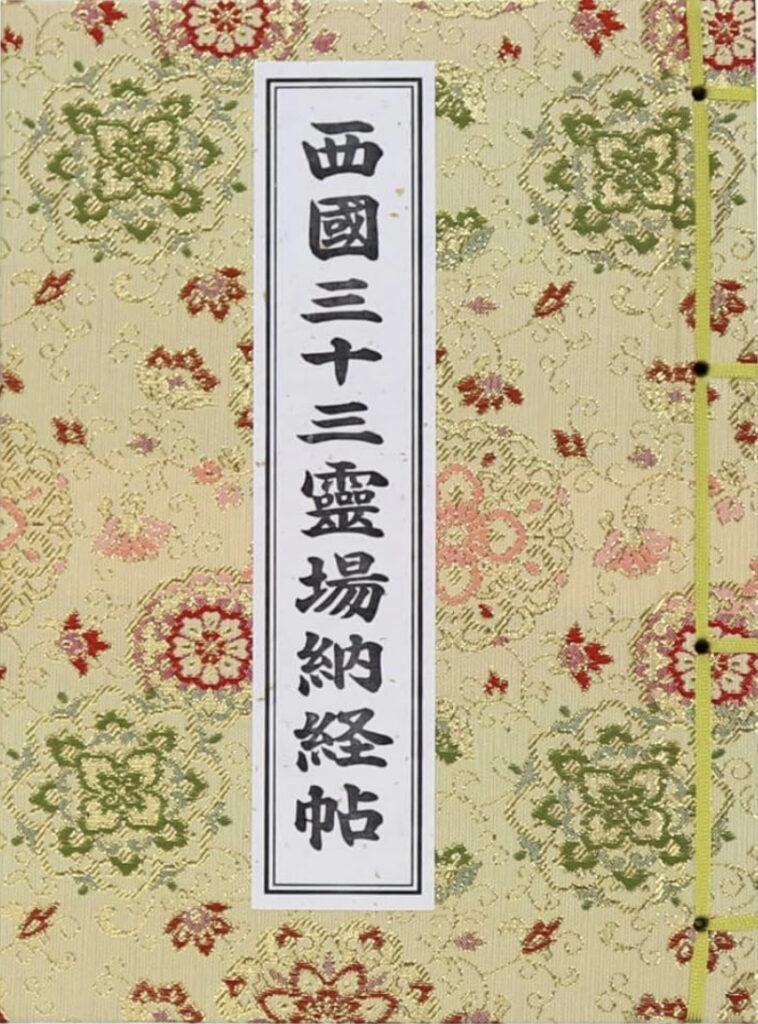
Nokyo-cho — Saigoku Thirty-Three Temples
Hinoki (Japanese cypress) solid wood binding · Handmade washi paper, accordion-fold double-layer style
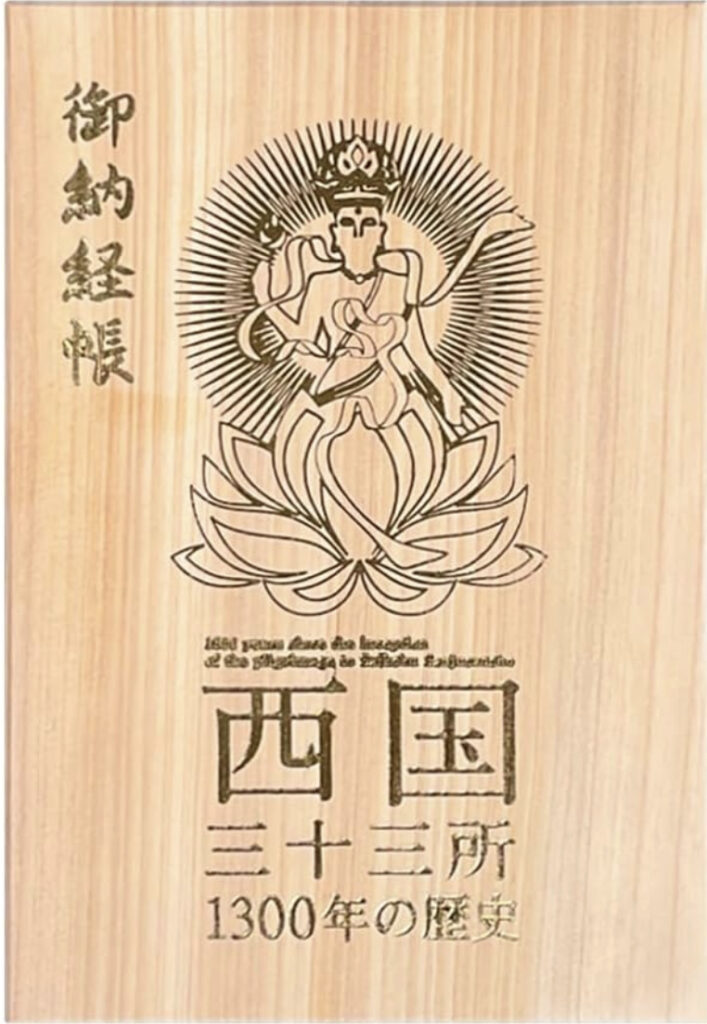
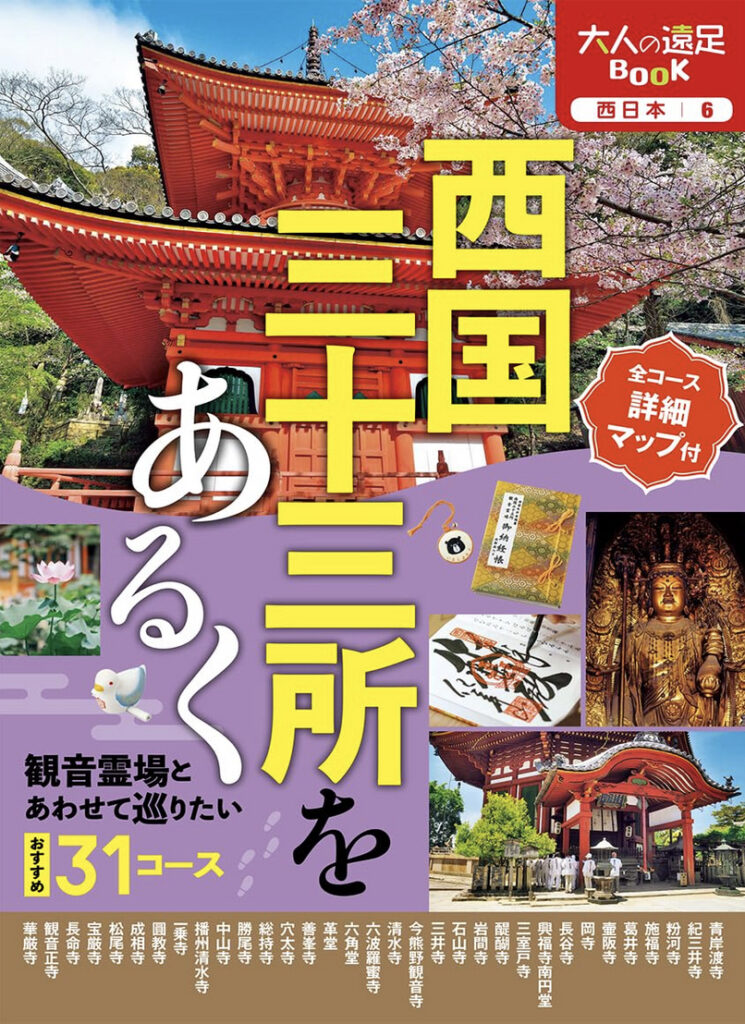
Walking the Saigoku Thirty-Three Temples
Otona no Ensoku BOOK
A guidebook for enjoying the pilgrimage and the pleasures of dedicated walking
Introduction & Overview
- What Is Esoteric Buddhism? Tendai and Shingon Explained in Simple Terms
- The Deep Connection Between the Saigoku Pilgrimage and Esoteric Buddhism | Why We Journey to Kannon Bodhisattva
Buddhas & Bodhisattvas
- What Are the 33 Forms of Kannon Bodhisattva? A Complete Guide to the Principal Images of the Saigoku Pilgrimage
- What Is the Difference Between Nyorai, Bosatsu, Myōō, and Ten? An Illustrated Guide to the Deities of Esoteric Buddhism
Practices & Culture
- The Meaning of the Heart Sutra Explained Simply | The World of the Sutras Chanted on Pilgrimage
- What Are Goshuin, Omiei, and Sange? The Esoteric Buddhist Culture You Encounter on the Saigoku Pilgrimage
Temples & History
Saigoku Pilgrimage of the Thirty-Three Temples — List of Sacred Sites
- No.12 Syohoji
- No.13 Ishiyamadera
- No.14 Miidera
- No.15 Imakumano-Knnonji
- No.16 Kiyomizudera
- No.17 Rokuharamitsuji
- No.18 Rokkakudo-Chohoji
- No.19 Kaudo-Gyoganji
- No.20 Yoshiminedera
- No.21 Anaoji
- No.22 Sojiji
- No.23 Katsuoji
- No.24 Nakayamadera
- No.25 Bansyu-Kiyomizudera
- No.26 Ichijyoji
- No.27 Engyoji
- No.28 Nariaiji
- No.29 Matsunoodera
- No.30 Chikubusima-Hogonji
- No.31 Chomeiji
- No.32 Kannonsyoji
- No.33 Kegonji