I began the Saigoku Pilgrimage of the Thirty-Three Temples in 2026. For the sacred sites I have already visited, I have written articles accompanied by my own photographs.
From here, I will have AI write support articles about the sites I have yet to visit — as a way of preparing for the journey ahead.
Tucked into the mountains of Takatori Town in Nara Prefecture, Tsubosaka-dera (also known as Minami Hokke-ji) is one of Japan’s most beloved temples for those seeking relief from eye ailments. As the sixth temple on the celebrated Saigoku Kannon Pilgrimage (Saigoku Sanjūsansho), it draws visitors from across the country who come to pray before an image of Kannon renowned for its healing powers. Locals affectionately call it the “temple that wards off eye disease.” In this article, we’ll explore its history, its dramatic mountaintop setting, the great stone Buddha statues connected to India, and the moving puppet-theater tale that made the temple famous.
What Is Tsubosaka-dera (Minami Hokke-ji)?
Perched on Mount Tsubosaka at the southern edge of the Nara Basin, this ancient temple carries the formal name Minami Hokke-ji (“Southern Lotus Temple”). Its position as the sixth stop on the Saigoku Sanjūsansho pilgrimage route has cemented its place in Japan’s spiritual geography for over a thousand years.
The views alone justify the climb. According to the temple’s official site, worshippers standing in the precincts look south toward Mount Yoshino—famed nationwide for its cherry blossoms—while to the north the eye sweeps across the Yamato Sanzan (the three sacred hills of Yamato) and the entire Nara Basin. Anyone who visits comes away struck by the crisp mountain air and the sheer breadth of the classical Yamato landscape unfolding below.
The temple is also cherished as a site connected to Sei Shōnagon, the Heian-period essayist behind The Pillow Book, a link that has drawn generations of devotees.
Key Features at a Glance
- The sixth札所 (fudasho, or pilgrimage temple) on the Saigoku Sanjūsansho route
- A principal image (honzon) of Kannon revered for healing eye disease
- Formal name: Minami Hokke-ji
- Associated with the writer Sei Shōnagon
- A spectacular setting overlooking Mount Yoshino and the Yamato Sanzan
Why Is Tsubosaka-dera Famous for Curing Eye Disease?
The temple’s national reputation as a place to “seal away” eye ailments springs from a genuinely touching story—the classic puppet drama Tsubosaka Reigenki (“The Miracle at Tsubosaka”).
At its heart is a tale of married devotion. The blind husband Sawaichi and his loyal wife Osato anchor the narrative, which revolves around their faith in the Kannon of Tsubosaka-dera. Performed in the ningyō jōruri puppet tradition, the play carried the temple’s name far and wide and turned it into a household word.
The principal Kannon image is believed to hold special power over afflictions of the eyes, and worshippers hoping to protect their vision still arrive in steady streams. There’s an unexpectedly modern resonance here, too: in an age when so many of us strain our eyes over screens all day, prayers for healthy eyesight feel oddly contemporary.
What Are the Great Buddha Statues Brought from India?
The temple’s other great draw is its collection of monumental stone Buddhist statues scattered across the grounds. These were made possible through the temple’s deep ties with India—Tenjiku in classical Japanese—and their presence on the mountain slopes is genuinely commanding.
In recent years, one seasonal spectacle has become especially popular: the Ajisai Daibutsu, or “Hydrangea Great Buddha.” According to the official site, when the ground-planted hydrangeas reach their peak, the great Buddha appears framed by clouds of colorful blossoms. It’s the kind of sight that makes the rainy season worth braving—a view found nowhere but Tsubosaka-dera.
Latest Visitor Information
A few practical notes worth knowing before you go, drawn from the temple’s official announcements:
- The statue of Toyotomi Hidenaga will be absent for a museum exhibition from June 22, Reiwa 8 (2026) until mid-November.
- The statue of his retainer, Honda, remains available for viewing throughout.
- A special collaboration goshuin (temple seal) is being offered under the theme of the eye-healing Kannon of Kyoto and Nara: Yōkoku-ji (Yanagidani Kannon) × Tsubosaka-dera.
- A limited-edition combined admission ticket is on sale for the spring special viewing period.
Checking the official site for the latest viewing information before your visit is always the safest bet.
How Do You Get to Tsubosaka-dera?
Because the temple sits in the mountains of Takatori Town, reaching it by public transport requires a little planning. The official site has posted notices about the suspension of Nara Kotsu route buses on weekdays and the closure of the taxi company near the nearest station.
Anyone planning a weekday visit should confirm their transportation options in advance. If you’re tackling several stops on the Saigoku pilgrimage in one trip, building in plenty of extra time will spare you a good deal of stress.
Frequently Asked Questions
- Q: What is the formal name of Tsubosaka-dera?
- A: Its formal name is Minami Hokke-ji. Located in Takatori Town, Nara Prefecture, it is known as the sixth temple on the Saigoku Sanjūsansho pilgrimage.
- Q: Why is it called a temple for curing eye disease?
- A: Its principal Kannon image is revered for healing eye ailments, and the puppet drama Tsubosaka Reigenki—the story of the blind husband Sawaichi and his wife Osato—spread the temple’s name across Japan.
- Q: When can I see the Hydrangea Great Buddha?
- A: According to the official site, it can be enjoyed when the ground-planted hydrangeas reach their peak. Check the official site for the most current bloom information.
- Q: Can I view the statue of Toyotomi Hidenaga?
- A: The Toyotomi Hidenaga statue will be away for a museum exhibition from June 22, Reiwa 8 (2026) until mid-November. The statue of his retainer Honda remains viewable throughout.
- Q: Are there any special temple seals?
- A: Yes—a collaboration goshuin between Yōkoku-ji (Yanagidani Kannon) and Tsubosaka-dera is currently offered under the theme of the eye-healing Kannon of Kyoto and Nara.
Conclusion
As the sixth temple of the Saigoku Sanjūsansho and home to a Kannon revered for eye healing, Tsubosaka-dera (Minami Hokke-ji) has gathered the faith of pilgrims for centuries. Between the tender married love of Sawaichi and Osato in Tsubosaka Reigenki, the grand stone Buddhas linked to India, and the seasonal splendor of the Hydrangea Great Buddha, there is a remarkable amount to see and reflect upon.
To stand in this mountain temple, gazing toward Mount Yoshino and the Yamato Sanzan, and quietly press your palms together is a rare kind of peace. Whether you’re praying for healthy eyes or simply eager to experience Japan’s living pilgrimage culture, this is a temple well worth the journey. Just be sure to check the transport and viewing details beforehand, and give yourself the time to savor an unhurried trip.
References
About Goshuin Stamp Books and Related Items
I usually collect the pre-written kakioki type of goshuin stamps, but for the Thirty-Three Temple Pilgrimage I wanted stamps written directly into a dedicated book, so I purchased one especially for the journey.
Goshuincho stamp books are also sold at the temples of the Saigoku Pilgrimage. However, the accordion-fold (jyabara) style can cause ink to bleed through to the other side. For that reason, I would recommend a bound style rather than accordion-fold — ideally one where each page is separated by an interleaving sheet of paper.
Nokyo-cho — Saigoku Thirty-Three Temples
Gold brocade binding (with vinyl cover) · Lightweight, quick-drying special washi paper that resists ink bleed-through
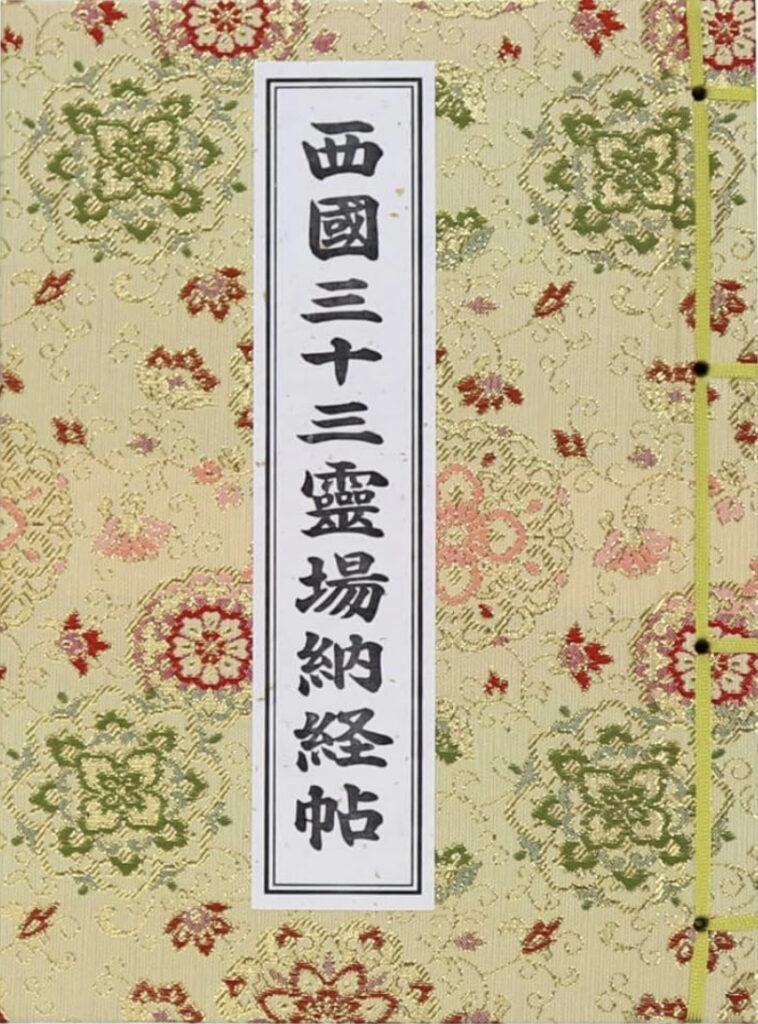
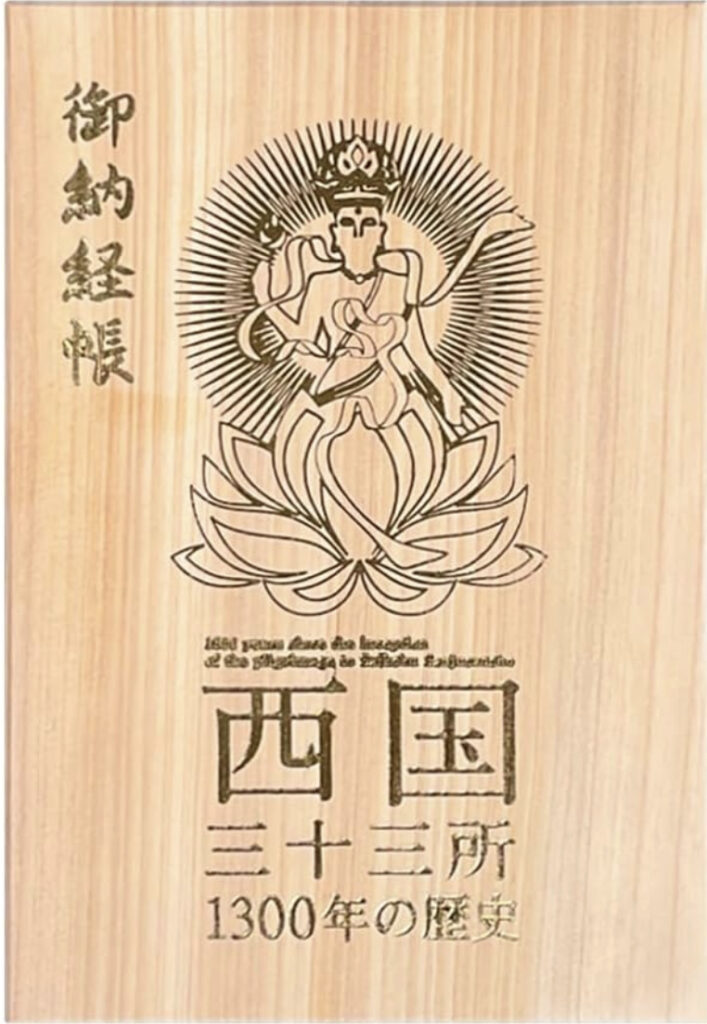
Nokyo-cho — Saigoku Thirty-Three Temples
Hinoki (Japanese cypress) solid wood binding · Handmade washi paper, accordion-fold double-layer style
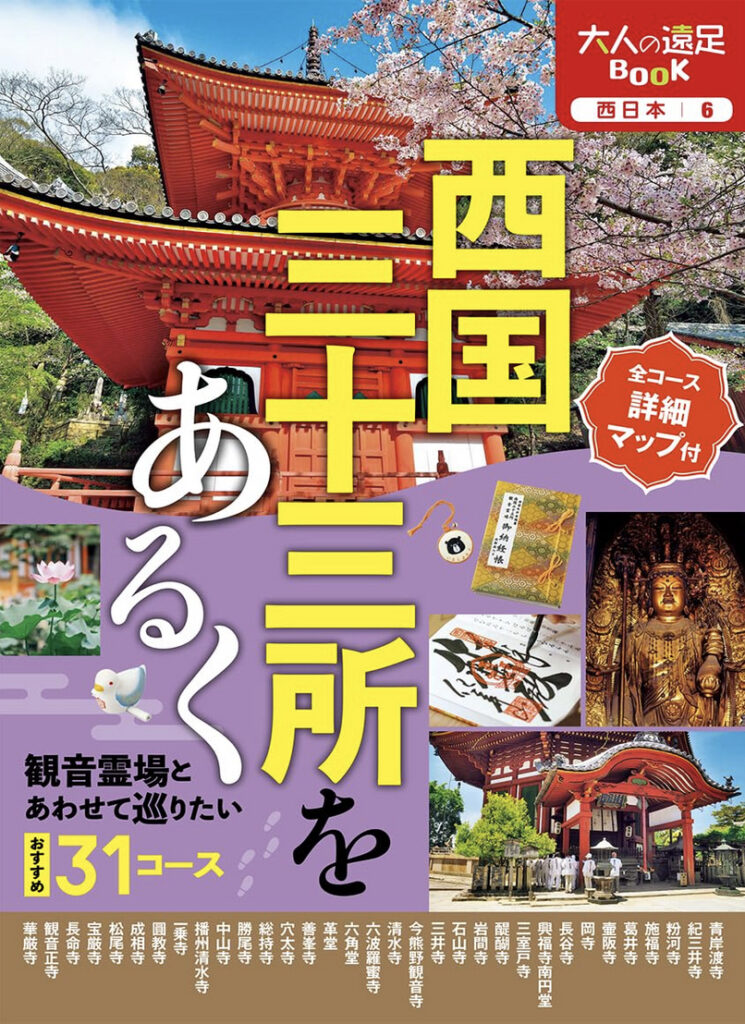
Walking the Saigoku Thirty-Three Temples
Otona no Ensoku BOOK
A guidebook for enjoying the pilgrimage and the pleasures of dedicated walking
Introduction & Overview
- What Is Esoteric Buddhism? Tendai and Shingon Explained in Simple Terms
- The Deep Connection Between the Saigoku Pilgrimage and Esoteric Buddhism | Why We Journey to Kannon Bodhisattva
Buddhas & Bodhisattvas
- What Are the 33 Forms of Kannon Bodhisattva? A Complete Guide to the Principal Images of the Saigoku Pilgrimage
- What Is the Difference Between Nyorai, Bosatsu, Myōō, and Ten? An Illustrated Guide to the Deities of Esoteric Buddhism
Practices & Culture
- The Meaning of the Heart Sutra Explained Simply | The World of the Sutras Chanted on Pilgrimage
- What Are Goshuin, Omiei, and Sange? The Esoteric Buddhist Culture You Encounter on the Saigoku Pilgrimage
Temples & History
Saigoku Pilgrimage of the Thirty-Three Temples — List of Sacred Sites
- No.12 Syohoji
- No.13 Ishiyamadera
- No.14 Miidera
- No.15 Imakumano-Knnonji
- No.16 Kiyomizudera
- No.17 Rokuharamitsuji
- No.18 Rokkakudo-Chohoji
- No.19 Kaudo-Gyoganji
- No.20 Yoshiminedera
- No.21 Anaoji
- No.22 Sojiji
- No.23 Katsuoji
- No.24 Nakayamadera
- No.25 Bansyu-Kiyomizudera
- No.26 Ichijyoji
- No.27 Engyoji
- No.28 Nariaiji
- No.29 Matsunoodera
- No.30 Chikubusima-Hogonji
- No.31 Chomeiji
- No.32 Kannonsyoji
- No.33 Kegonji