I began the Saigoku Pilgrimage of the Thirty-Three Temples in 2026. For the sacred sites I have already visited, I have written articles accompanied by my own photographs.
From here, I will have AI write support articles about the sites I have yet to visit — as a way of preparing for the journey ahead.
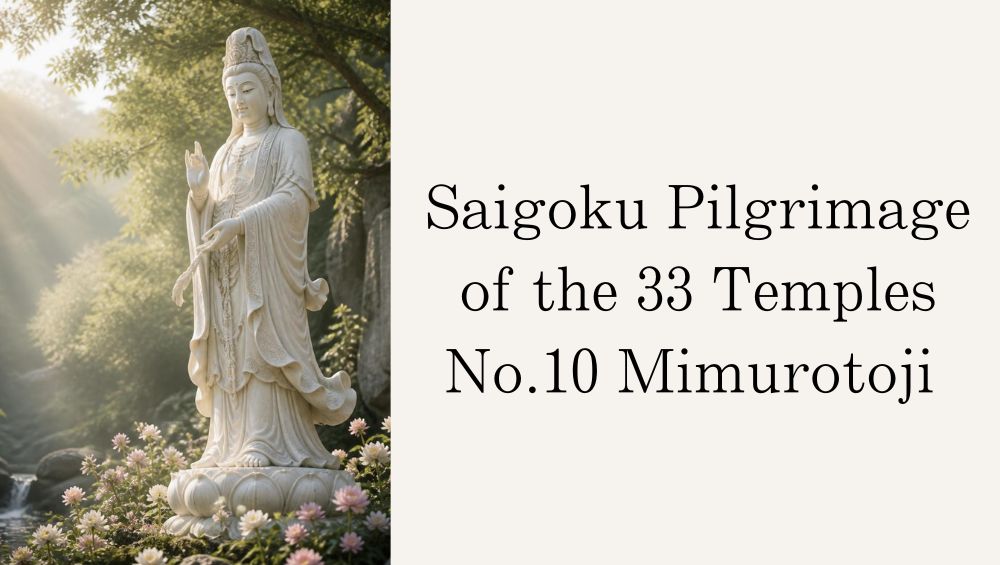
Tucked away in the serene hills of Uji, Kyoto, lies one of Japan’s most beloved flower temples: Mimurotoji (三室戸寺). As the tenth sacred site on the Saigoku Kannon Pilgrimage—a renowned 33-temple route dedicated to the Buddhist goddess of mercy—this temple draws countless visitors with its rich history and breathtaking seasonal blossoms. In this post, we’ll explore the history, highlights, and practical tips for visiting this hidden gem of Kyoto.
What Is Mimurotoji Temple?
Mimurotoji is a temple belonging to the Honzan Shugen sect of Japanese Buddhism, with the mountain name “Myōjōsan” (明星山). Its principal object of worship is the Senju Kannon Bosatsu—the Thousand-Armed Goddess of Mercy—and the temple is widely known as the tenth stop on the Saigoku Thirty-Three Kannon Pilgrimage.
Located in Uji, the same area famous for the UNESCO World Heritage Site Byodoin Temple, Mimurotoji sits quietly at the foot of a mountain just beyond the Uji River. Its peaceful atmosphere offers a wonderful escape from the hustle and bustle of city life.
A Glimpse Into Its History
According to temple legend, Mimurotoji was founded in the year 770, during the Nara period, by imperial decree of Emperor Kōnin. It was originally called “Mimuroto-ji” (御室戸寺), but the name later changed to its current form (三室戸寺) because three emperors—Kōnin, Kazan, and Shirakawa—established detached imperial palaces here.
Over its long history, the temple suffered several devastating fires, yet it was repeatedly rebuilt thanks to the devotion of the faithful. Today, it remains a cherished sacred site, lovingly preserved as a place of Kannon worship for over a thousand years.
Highlights of Mimurotoji Temple
Beyond its spiritual significance, Mimurotoji is famous throughout Japan for the seasonal beauty of its flowers. Here are some of the must-see attractions.
A Temple Renowned for Its Flowers
Often called the “Hydrangea Temple” (ajisai-dera), Mimurotoji offers a stunning floral display in every season:
- Hydrangeas (ajisai): In June, around 20,000 hydrangea plants fill the temple grounds, creating a magical “Hydrangea Garden” at its peak. Evening illuminations are especially popular.
- Azaleas and Rhododendrons (tsutsuji and shakunage): From late April to May, approximately 20,000 azaleas and 1,000 rhododendrons paint the hillsides in vivid colors.
- Lotus (hasu): In summer, more than 100 varieties of lotus bloom in large pots, showcasing a pure and serene beauty.
- Autumn Leaves (momiji): In fall, the maple trees turn brilliant shades of red and gold, adding tapestry-like color to the quiet grounds.
The Main Hall and Majestic Architecture
The main hall (hondō), rebuilt during the Edo period, welcomes visitors with its dignified, solid construction. Rows of lotus pots line the area in front of the hall, making it a perfect photo spot during the blooming season. The grounds also feature a three-story pagoda and a bell tower, and simply strolling through them brings a sense of calm and tranquility.
Spots for Good Fortune
Mimurotoji is also home to several unique statues believed to bring blessings—well worth visiting alongside your prayers:
- Ugajin (宇賀神): A stone statue with the body of a snake and the face of an elderly man. Stroking its ears is said to bring good luck, while stroking its tail is believed to improve your fortune with money.
- Komausagi (狛兎): A popular “guardian rabbit” statue. If you can stand the egg-shaped stone upright inside the sphere it holds, your wish is said to come true.
- Hōshōgyū (宝勝牛): Touching the stone inside this “treasure ox’s” mouth is believed to bring victory, making it a favorite among those hoping to succeed in competitions and challenges.
Visitor Information and Access
Here’s everything you need to know for planning your visit to Mimurotoji.
- Address: 21 Shigatani, Todo, Uji City, Kyoto Prefecture
- Access: About a 15-minute walk from Mimuroto Station on the Keihan Railway
- Principal Image: Senju Kannon Bosatsu (Thousand-Armed Goddess of Mercy)
- Pilgrimage Verse (goeika): “All through the night, parting the moonlit slopes of Mimuroto—at the rapids of the Uji River, white waves rise.”
The flower-viewing seasons can be especially crowded, so visiting early in the morning is recommended. Note that during certain periods, separate admission may be required for the Hydrangea Garden and Azalea Garden. Be sure to check the official website in advance for bloom updates and opening hours so you can plan with confidence.
Conclusion
As the tenth temple on the Saigoku Pilgrimage, Mimurotoji offers visitors both the compassion of the Thousand-Armed Kannon and the ever-changing beauty of seasonal flowers. Whether you come for the hydrangeas, azaleas, lotus blossoms, or autumn foliage, the temple reveals a different face with each visit. Add in the charming good-fortune spots like Ugajin and Komausagi, and you have a truly fulfilling pilgrimage experience.
Why not plan a visit to Mimurotoji alongside other famous Uji landmarks, such as the World Heritage Byodoin Temple? Take the time to receive a goshuin (temple seal stamp) and savor a peaceful moment forging a connection with the Kannon goddess of mercy.
References
About Goshuin Stamp Books and Related Items
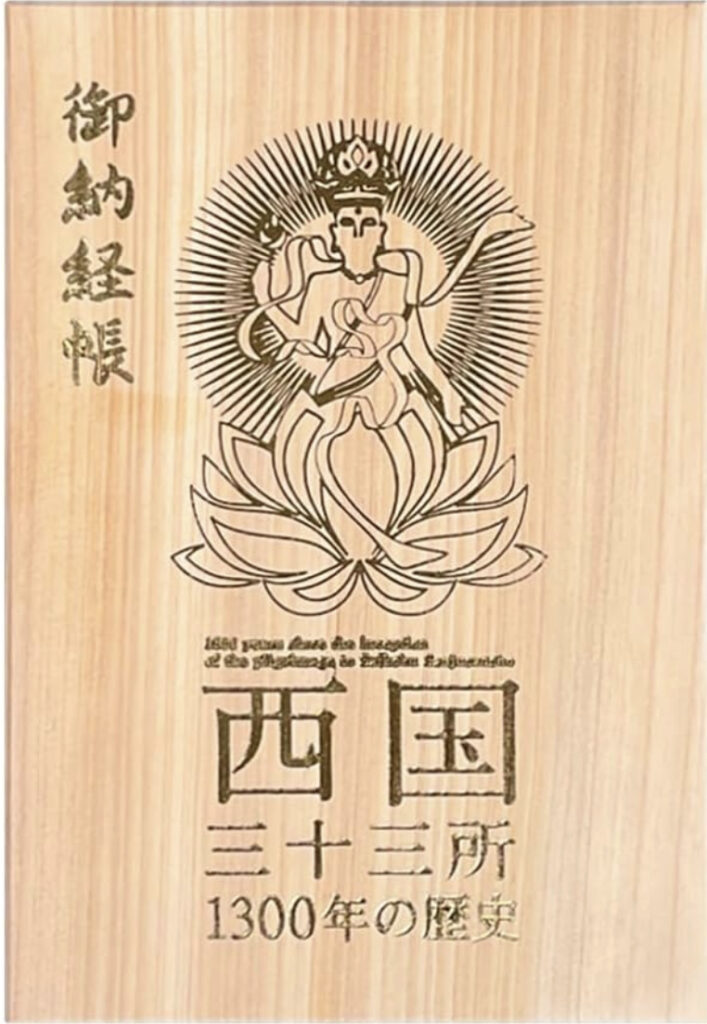
I usually collect the pre-written kakioki type of goshuin stamps, but for the Thirty-Three Temple Pilgrimage I wanted stamps written directly into a dedicated book, so I purchased one especially for the journey.
Goshuincho stamp books are also sold at the temples of the Saigoku Pilgrimage. However, the accordion-fold (jyabara) style can cause ink to bleed through to the other side. For that reason, I would recommend a bound style rather than accordion-fold — ideally one where each page is separated by an interleaving sheet of paper.
Nokyo-cho — Saigoku Thirty-Three Temples
Gold brocade binding (with vinyl cover) · Lightweight, quick-drying special washi paper that resists ink bleed-through
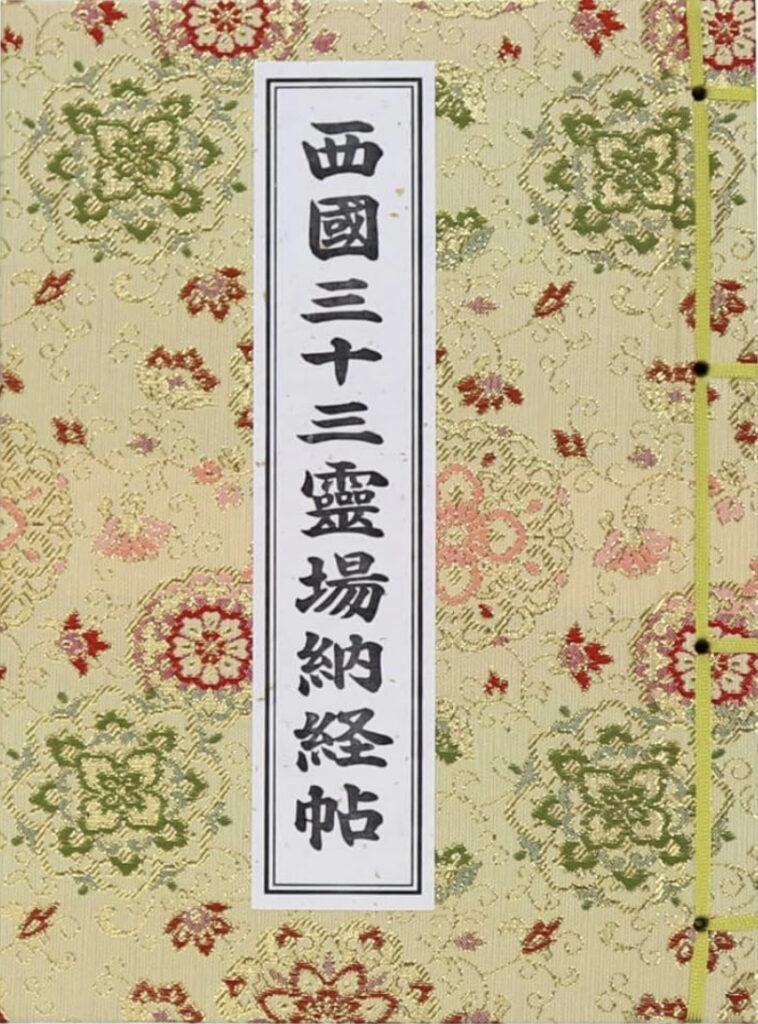
Nokyo-cho — Saigoku Thirty-Three Temples
Hinoki (Japanese cypress) solid wood binding · Handmade washi paper, accordion-fold double-layer style
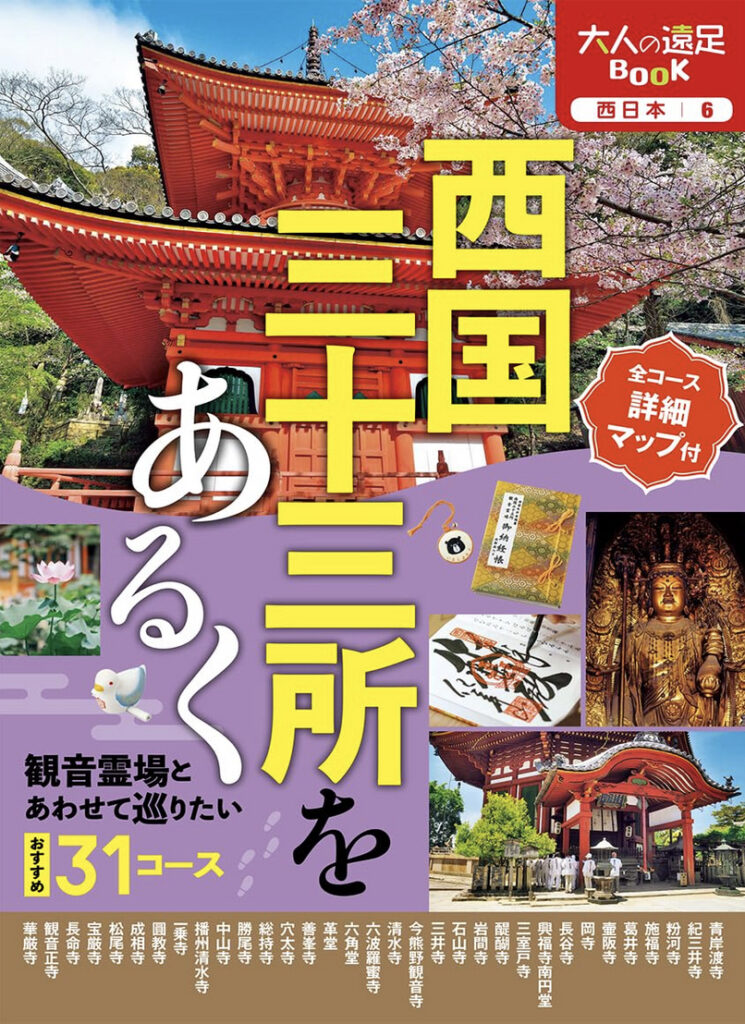
Walking the Saigoku Thirty-Three Temples
Otona no Ensoku BOOK
A guidebook for enjoying the pilgrimage and the pleasures of dedicated walking
Introduction & Overview
- What Is Esoteric Buddhism? Tendai and Shingon Explained in Simple Terms
- The Deep Connection Between the Saigoku Pilgrimage and Esoteric Buddhism | Why We Journey to Kannon Bodhisattva
Buddhas & Bodhisattvas
- What Are the 33 Forms of Kannon Bodhisattva? A Complete Guide to the Principal Images of the Saigoku Pilgrimage
- What Is the Difference Between Nyorai, Bosatsu, Myōō, and Ten? An Illustrated Guide to the Deities of Esoteric Buddhism
Practices & Culture
- The Meaning of the Heart Sutra Explained Simply | The World of the Sutras Chanted on Pilgrimage
- What Are Goshuin, Omiei, and Sange? The Esoteric Buddhist Culture You Encounter on the Saigoku Pilgrimage
Temples & History
Saigoku Pilgrimage of the Thirty-Three Temples — List of Sacred Sites
- No.12 Syohoji
- No.13 Ishiyamadera
- No.14 Miidera
- No.15 Imakumano-Knnonji
- No.16 Kiyomizudera
- No.17 Rokuharamitsuji
- No.18 Rokkakudo-Chohoji
- No.19 Kaudo-Gyoganji
- No.20 Yoshiminedera
- No.21 Anaoji
- No.22 Sojiji
- No.23 Katsuoji
- No.24 Nakayamadera
- No.25 Bansyu-Kiyomizudera
- No.26 Ichijyoji
- No.27 Engyoji
- No.28 Nariaiji
- No.29 Matsunoodera
- No.30 Chikubusima-Hogonji
- No.31 Chomeiji
- No.32 Kannonsyoji
- No.33 Kegonji