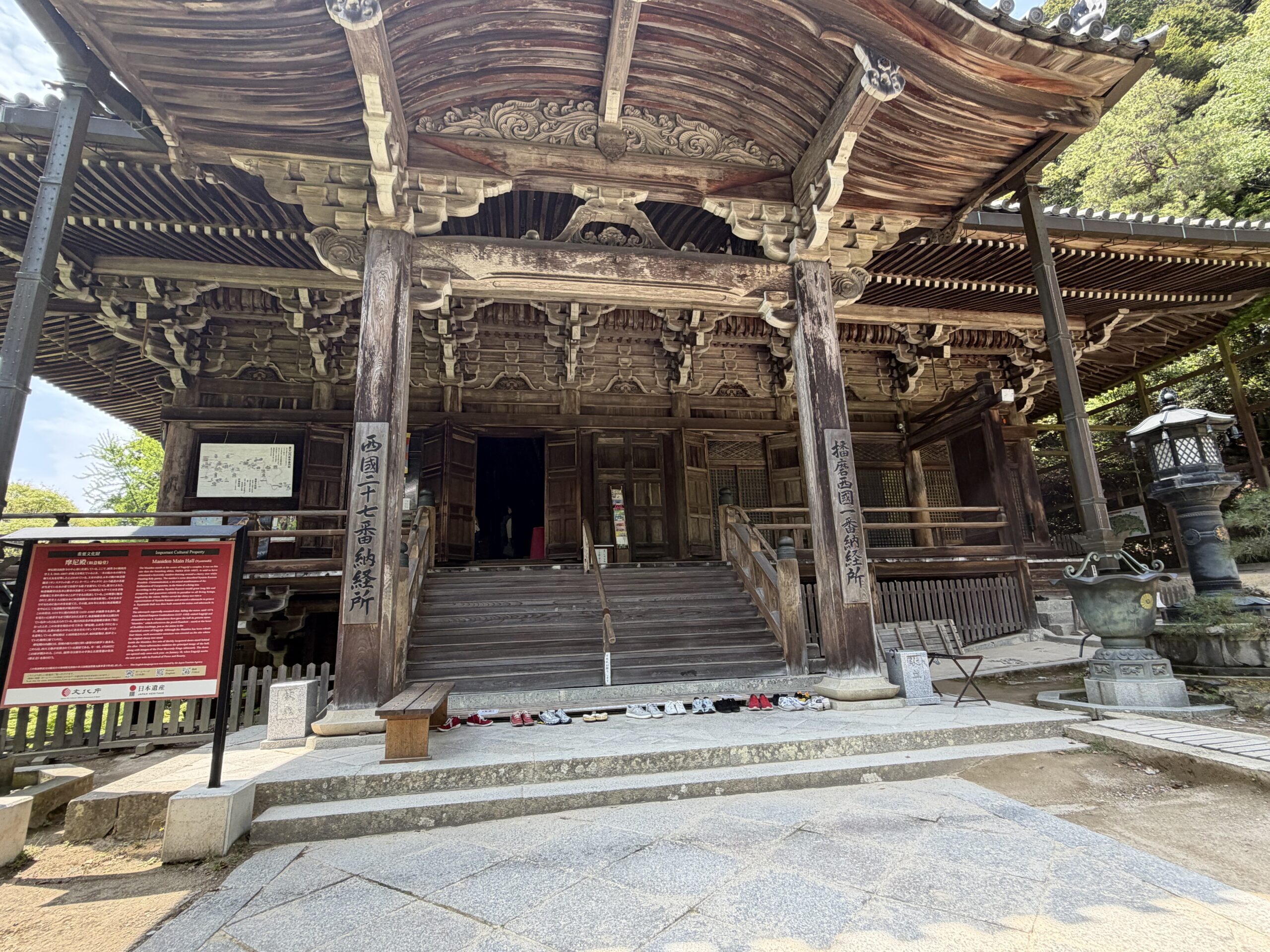
I began the Saigoku Pilgrimage of the Thirty-Three Temples in 2026. For the sacred sites I have already visited, I have written articles accompanied by my own photographs.
From here, I will have AI write support articles about the sites I have yet to visit — as a way of preparing for the journey ahead.
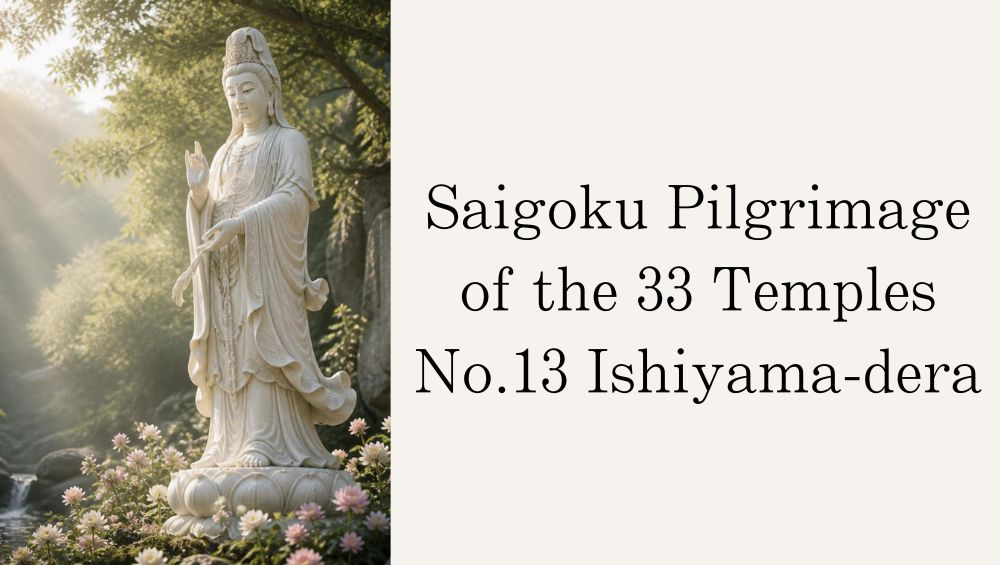
Our journey along the Saigoku Thirty-Three Temple Pilgrimage—one of Japan’s oldest and most beloved Buddhist pilgrimage routes—now brings us to its thirteenth sacred site: Ishiyama-dera (石山寺). Nestled in the city of Otsu in Shiga Prefecture, this ancient temple has captivated visitors for centuries with its seasonal flowers, dramatic rock formations, and deep ties to Japanese literature. In this article, we’ll explore the highlights, history, and practical tips for visiting Ishiyama-dera—whether you’re planning a pilgrimage of your own or simply hoping to experience a slice of Japan’s cultural heritage.
What Is Ishiyama-dera? History and Overview
Ishiyama-dera is a head temple of the Shingon school of Japanese Buddhism, located in Otsu, Shiga Prefecture. Its principal object of worship is the Nyoirin Kannon (如意輪観世音菩薩), a compassionate form of the Bodhisattva of Mercy. According to tradition, the temple was founded in the year 747, during the Nara period, by the monk Roben at the imperial request of Emperor Shomu—making it a site of truly remarkable antiquity.
The temple’s name, which literally means “Stone Mountain Temple,” comes from the enormous outcrop of wollastonite (a rare type of rock known as keikaiseki in Japanese) that rises within its grounds. Designated a National Natural Monument, this striking formation forms the very foundation on which the temple halls are built. The rugged rock face that spreads out before the main hall never fails to leave visitors in awe.
Its Place on the Saigoku Pilgrimage
On the Saigoku Thirty-Three Temple Pilgrimage, Ishiyama-dera holds the position of the thirteenth temple. As a sacred site of Kannon worship, it has attracted devotees since ancient times. During the Heian period (794–1185), aristocrats flocked to the temple in a popular practice known as Ishiyama-mode (the “Ishiyama pilgrimage”), making it a fashionable destination among the cultured elite.
Highlights of Ishiyama-dera
Ishiyama-dera offers an abundance of treasures, from historically significant architecture to stunning natural beauty. Here are the main points of interest:
- Main Hall (National Treasure): The oldest wooden structure in Shiga Prefecture, built in an elegant stage-style architecture that extends gracefully over the slope.
- Tahoto Pagoda (National Treasure): Said to have been donated by the famous shogun Minamoto no Yoritomo, this is the oldest two-storied pagoda in Japan, celebrated for its beautifully balanced proportions.
- Wollastonite Rock (Natural Monument): The massive stone formation that gave the temple its name—a magnificent landscape sculpted by nature itself.
- Higashi-daimon Gate (Important Cultural Property): Standing at the entrance to the approach, this gate is guarded by powerful Nio guardian statues that welcome visitors.
A Temple of Flowers Through the Seasons
Ishiyama-dera is widely known as a “flower temple,” offering blossoms to enjoy throughout the year. In spring, plum and cherry blossoms bloom; early summer brings azaleas and rabbit-ear irises; and autumn paints the grounds in fiery shades of crimson foliage. During the autumn leaf season, the temple is illuminated in the evenings, creating a truly magical and otherworldly atmosphere.
Murasaki Shikibu and Ishiyama-dera
No discussion of Ishiyama-dera would be complete without mentioning its connection to Murasaki Shikibu, the author of The Tale of Genji—often considered the world’s first novel. According to legend, while staying in religious seclusion at the temple, Murasaki gazed upon the full harvest moon reflected on the surface of nearby Lake Biwa and was struck with the inspiration to begin writing her masterpiece.
Within the temple grounds stands a statue of Murasaki Shikibu, and the “Genji Room” (Genji-no-ma)—where she is said to have written—still remains. For lovers of literature, this is nothing short of sacred ground. With Murasaki Shikibu featured as the central figure of a recent NHK historical drama, the temple has drawn renewed attention in recent years.
Visitor Information and Access
Here is some essential information to help you plan a relaxed and rewarding visit to Ishiyama-dera:
- Location: 1-1-1 Ishiyamadera, Otsu City, Shiga Prefecture
- Access: About a 10-minute walk from Ishiyama-dera Station on the Keihan Railway, or by bus from JR Ishiyama Station
- Principal Image: Nyoirin Kannon (Bodhisattva of Mercy)
- Pilgrim’s Verse (Goeika): A traditional devotional poem recited by pilgrims, expressing faith in the deep and steadfast vow of the Buddha at Ishiyama.
The walk from the station through the temple’s old town district is full of charm, and it’s well worth stopping by the teahouses and souvenir shops along the way before or after your visit. If you’d like to explore the grounds at a leisurely pace, plan to spend around one to two hours here.
Conclusion
The thirteenth temple of the Saigoku Pilgrimage, Ishiyama-dera, is a magnificent temple brimming with National Treasure architecture, a Natural Monument rock formation, flowers for every season, and the literary romance of Murasaki Shikibu. Combining the solemn atmosphere of a sacred Kannon site with the rich pleasures of nature and history, it offers a deeply moving experience for pilgrims and casual visitors alike.
Why not spend a quiet, contemplative moment at this ancient temple resting on the shores of Lake Biwa? Receiving a goshuin (a stamped seal collected at temples and shrines) while letting your thoughts drift back to the elegance of the Heian era is sure to become a treasured memory of your travels in Japan.
References
About Goshuin Stamp Books and Related Items
I usually collect the pre-written kakioki type of goshuin stamps, but for the Thirty-Three Temple Pilgrimage I wanted stamps written directly into a dedicated book, so I purchased one especially for the journey.
Goshuincho stamp books are also sold at the temples of the Saigoku Pilgrimage. However, the accordion-fold (jyabara) style can cause ink to bleed through to the other side. For that reason, I would recommend a bound style rather than accordion-fold — ideally one where each page is separated by an interleaving sheet of paper.
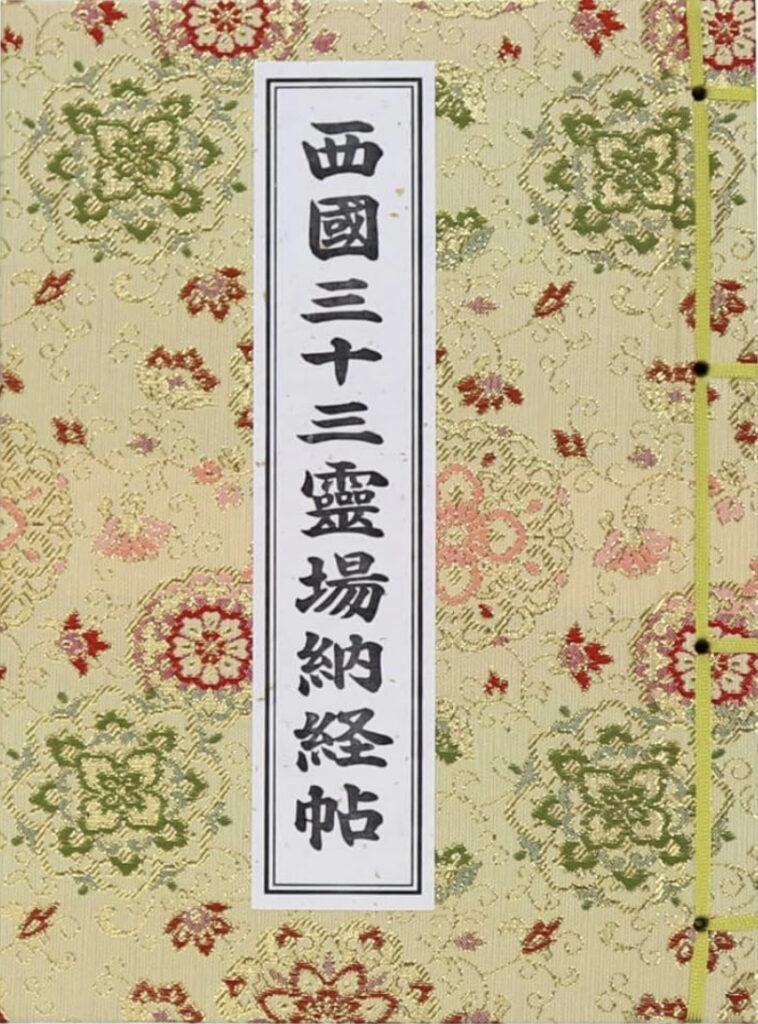
Nokyo-cho — Saigoku Thirty-Three Temples
Gold brocade binding (with vinyl cover) · Lightweight, quick-drying special washi paper that resists ink bleed-through
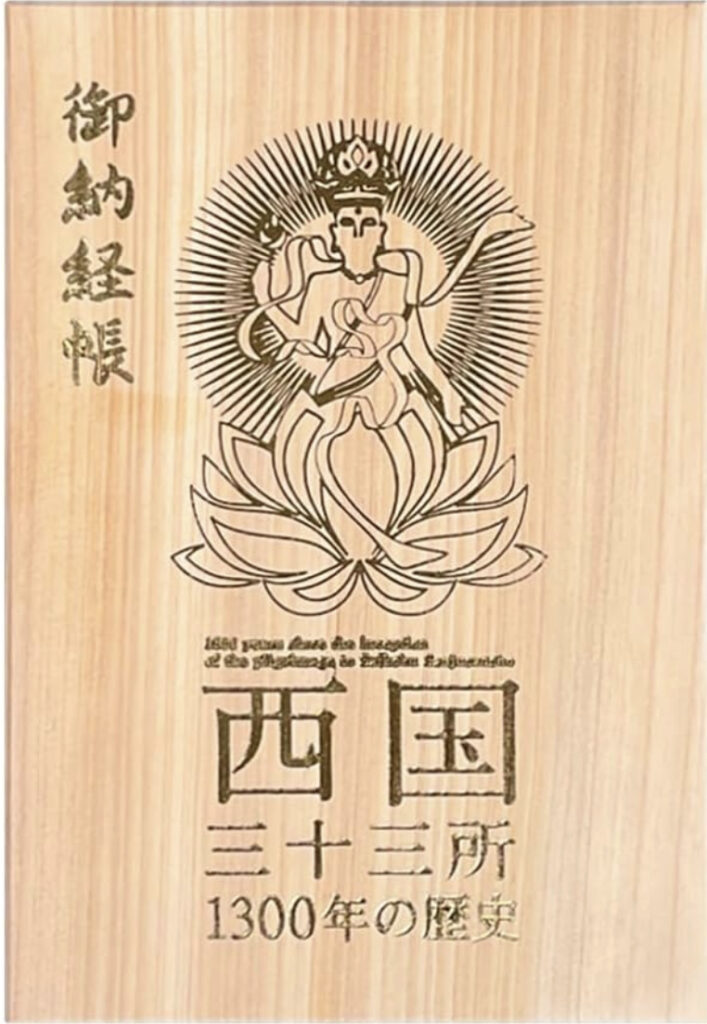
Nokyo-cho — Saigoku Thirty-Three Temples
Hinoki (Japanese cypress) solid wood binding · Handmade washi paper, accordion-fold double-layer style
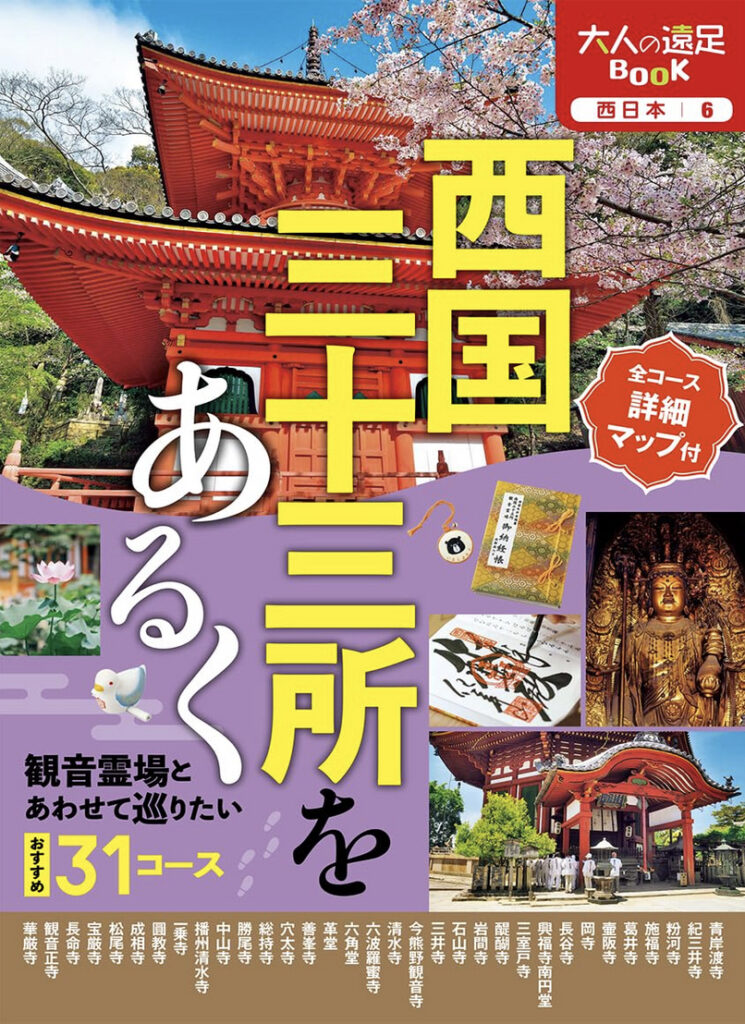
Walking the Saigoku Thirty-Three Temples
Otona no Ensoku BOOK
A guidebook for enjoying the pilgrimage and the pleasures of dedicated walking
Introduction & Overview
- What Is Esoteric Buddhism? Tendai and Shingon Explained in Simple Terms
- The Deep Connection Between the Saigoku Pilgrimage and Esoteric Buddhism | Why We Journey to Kannon Bodhisattva
Buddhas & Bodhisattvas
- What Are the 33 Forms of Kannon Bodhisattva? A Complete Guide to the Principal Images of the Saigoku Pilgrimage
- What Is the Difference Between Nyorai, Bosatsu, Myōō, and Ten? An Illustrated Guide to the Deities of Esoteric Buddhism
Practices & Culture
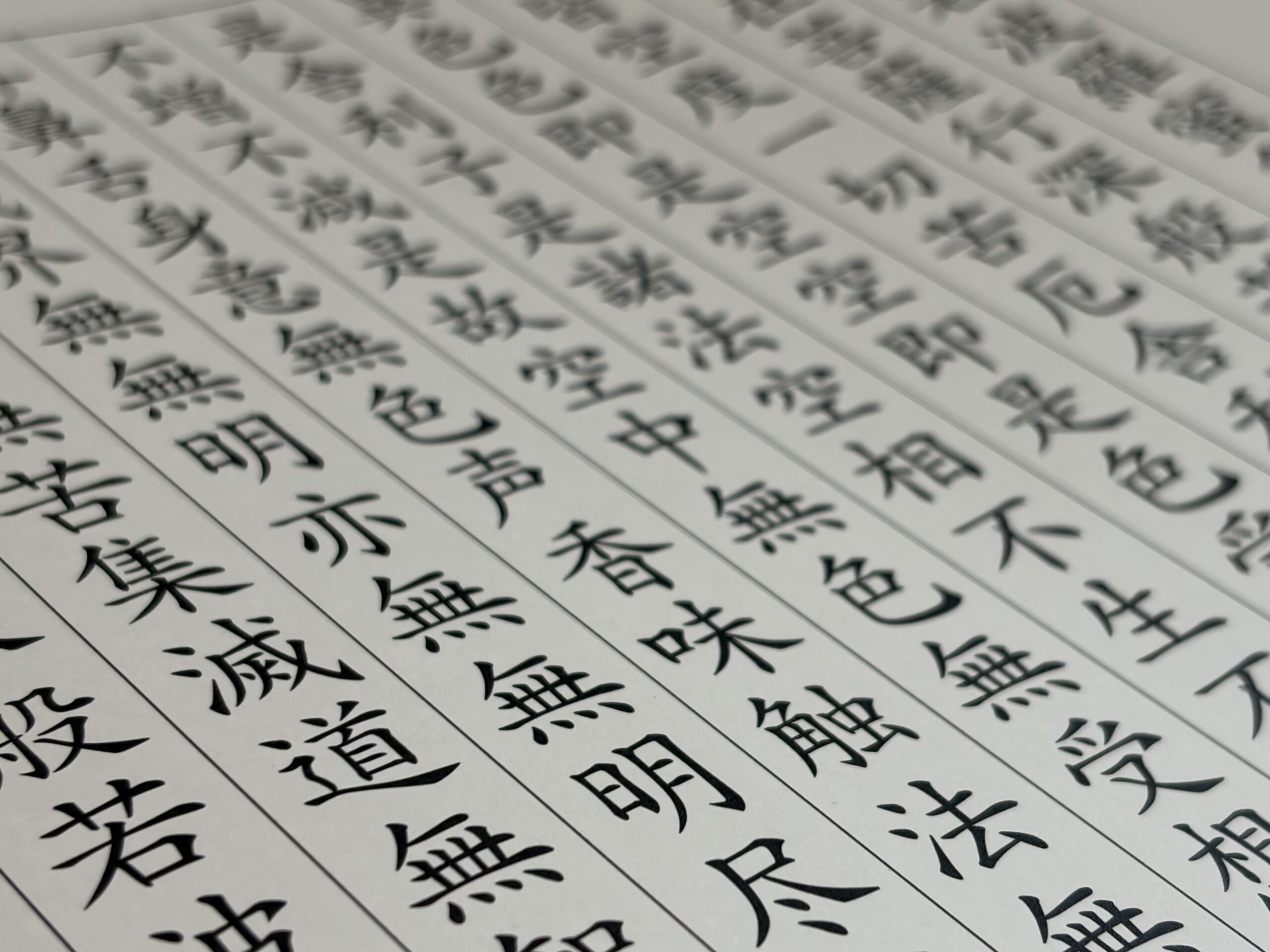
- The Meaning of the Heart Sutra Explained Simply | The World of the Sutras Chanted on Pilgrimage
- What Are Goshuin, Omiei, and Sange? The Esoteric Buddhist Culture You Encounter on the Saigoku Pilgrimage
Temples & History
Saigoku Pilgrimage of the Thirty-Three Temples — List of Sacred Sites
- No.12 Syohoji
- No.13 Ishiyamadera
- No.14 Miidera
- No.15 Imakumano-Knnonji
- No.16 Kiyomizudera
- No.17 Rokuharamitsuji
- No.18 Rokkakudo-Chohoji
- No.19 Kaudo-Gyoganji
- No.20 Yoshiminedera
- No.21 Anaoji
- No.22 Sojiji
- No.23 Katsuoji
- No.24 Nakayamadera
- No.25 Bansyu-Kiyomizudera
- No.26 Ichijyoji
- No.27 Engyoji
- No.28 Nariaiji
- No.29 Matsunoodera
- No.30 Chikubusima-Hogonji
- No.31 Chomeiji
- No.32 Kannonsyoji
- No.33 Kegonji