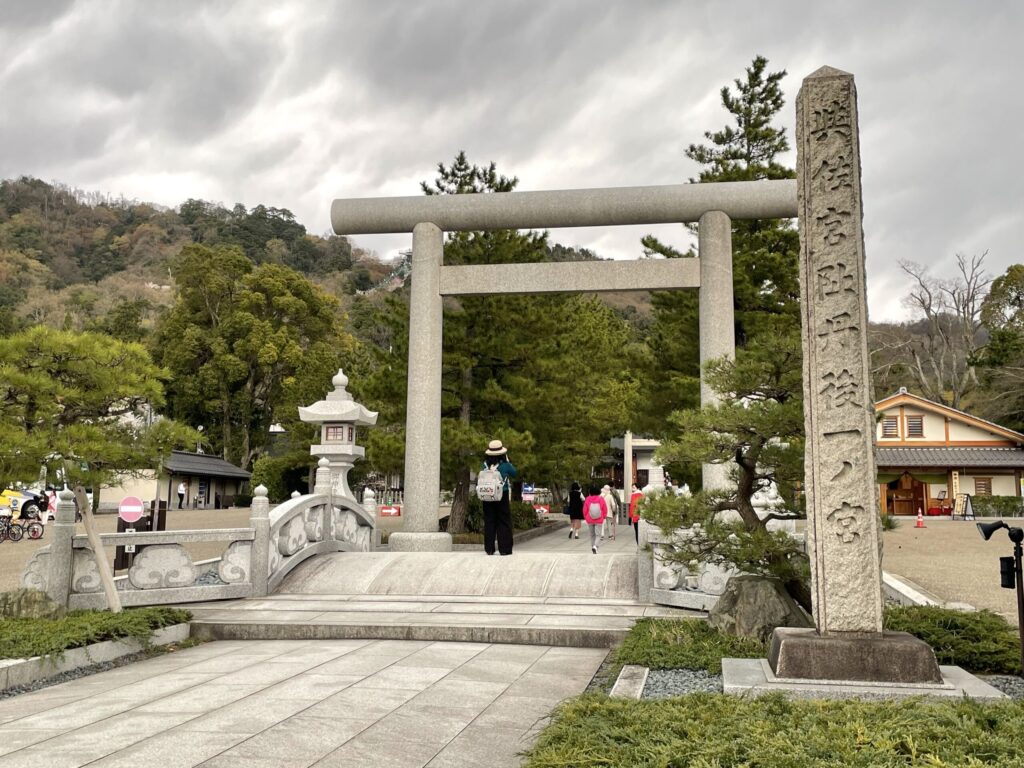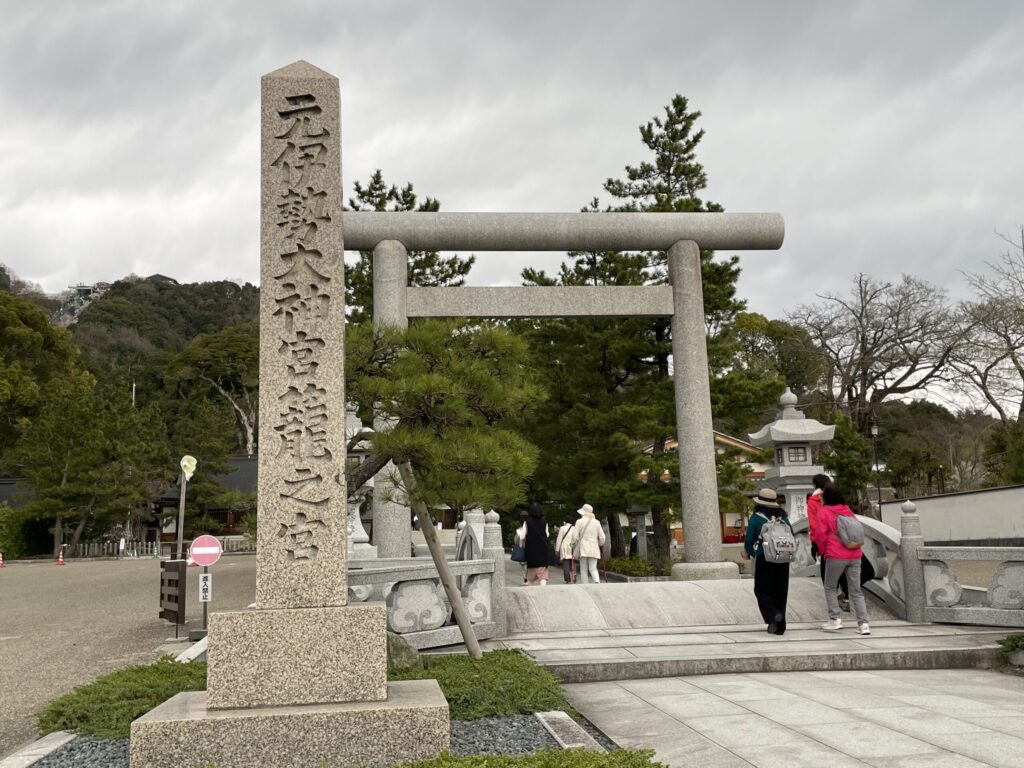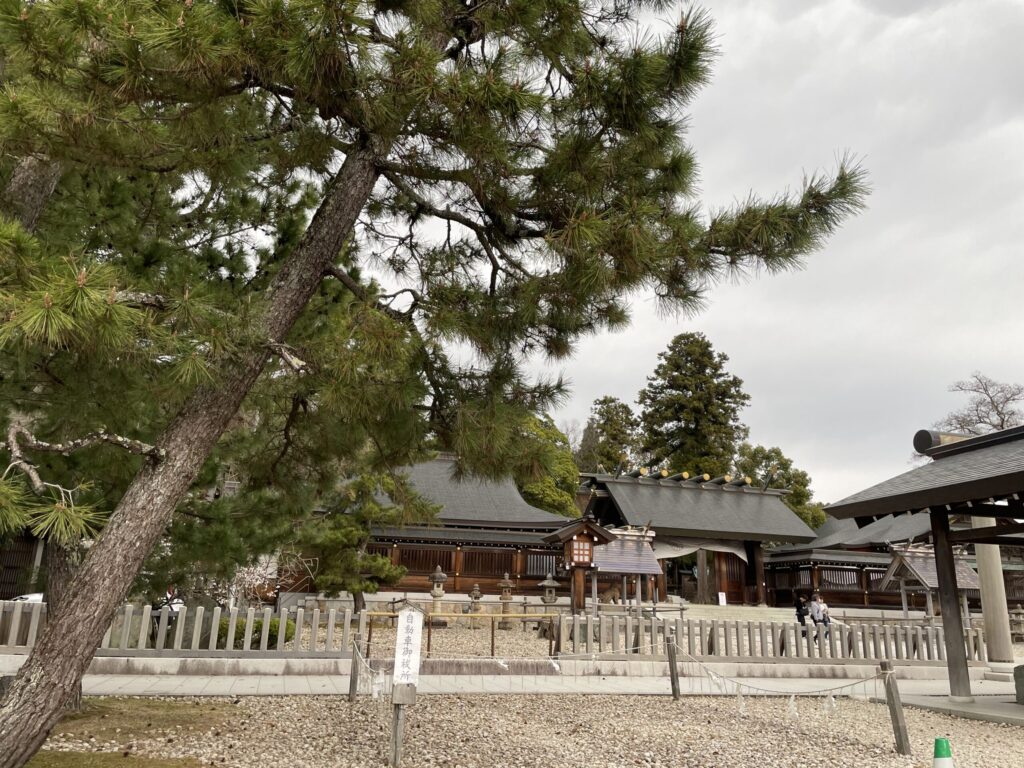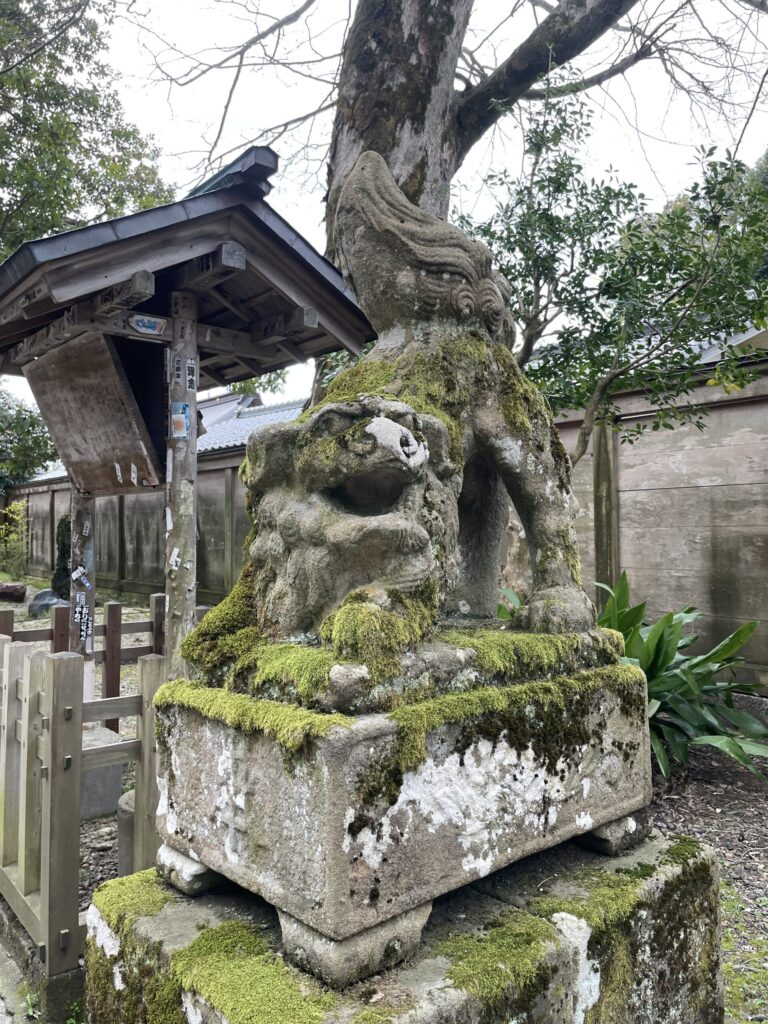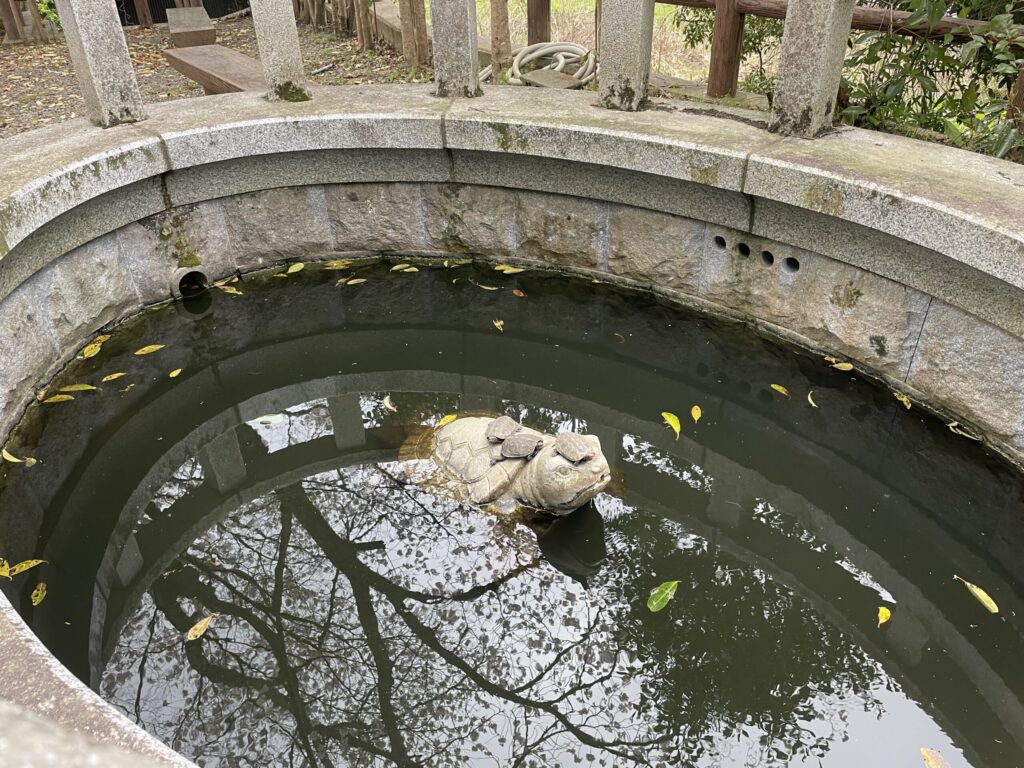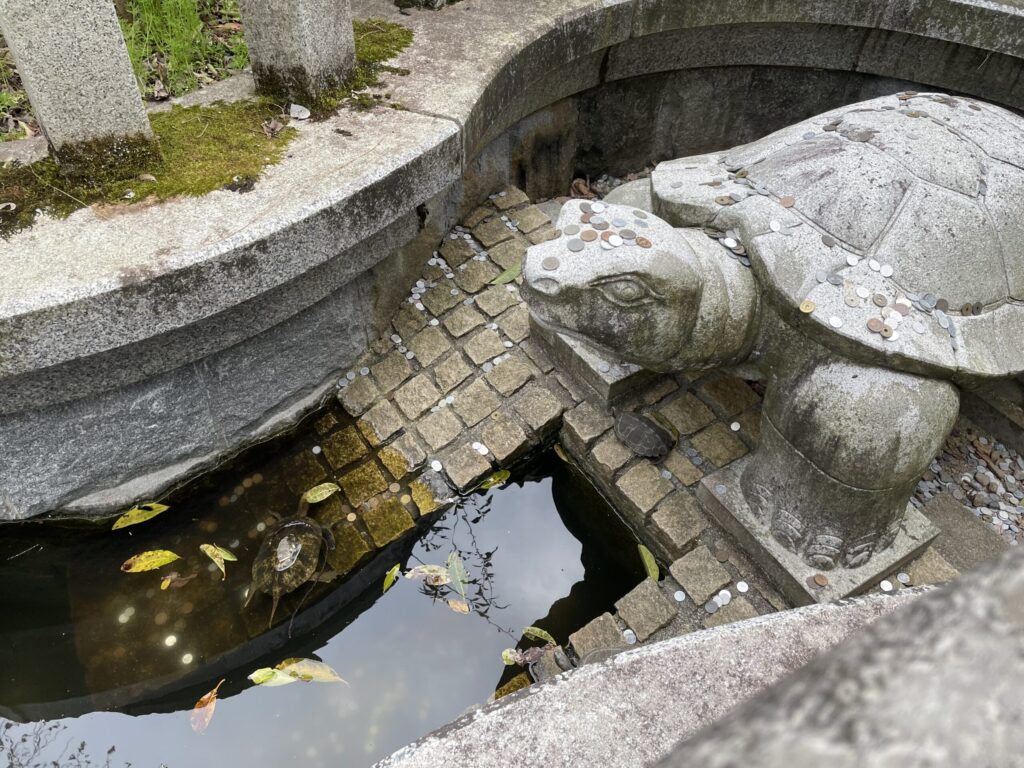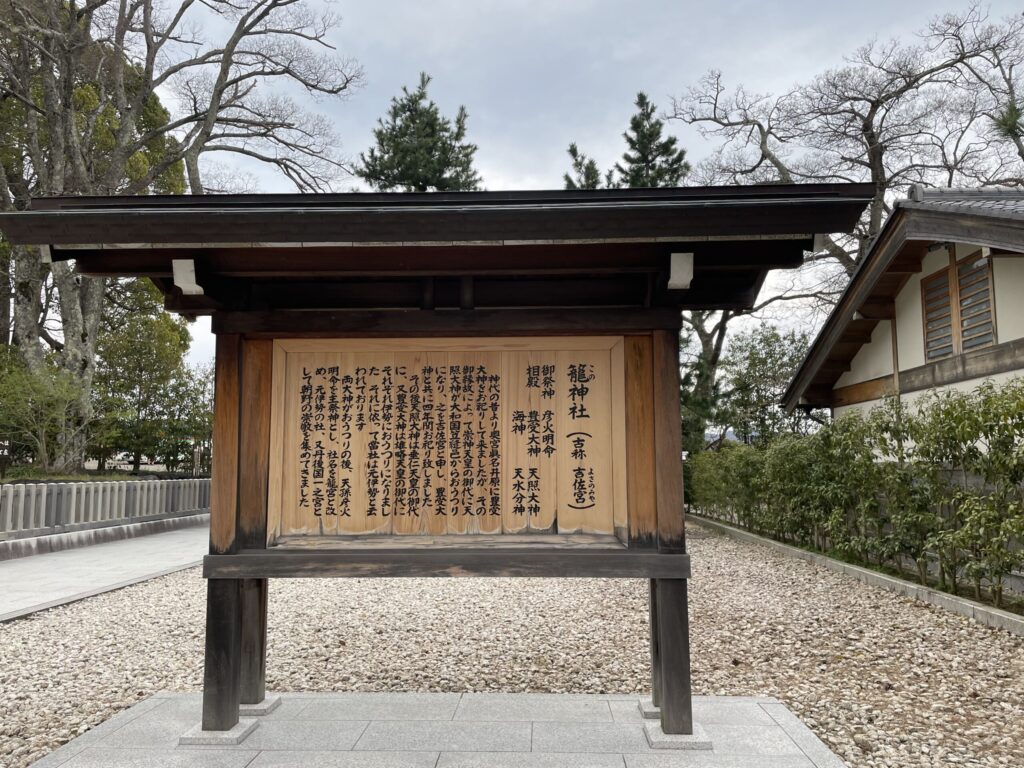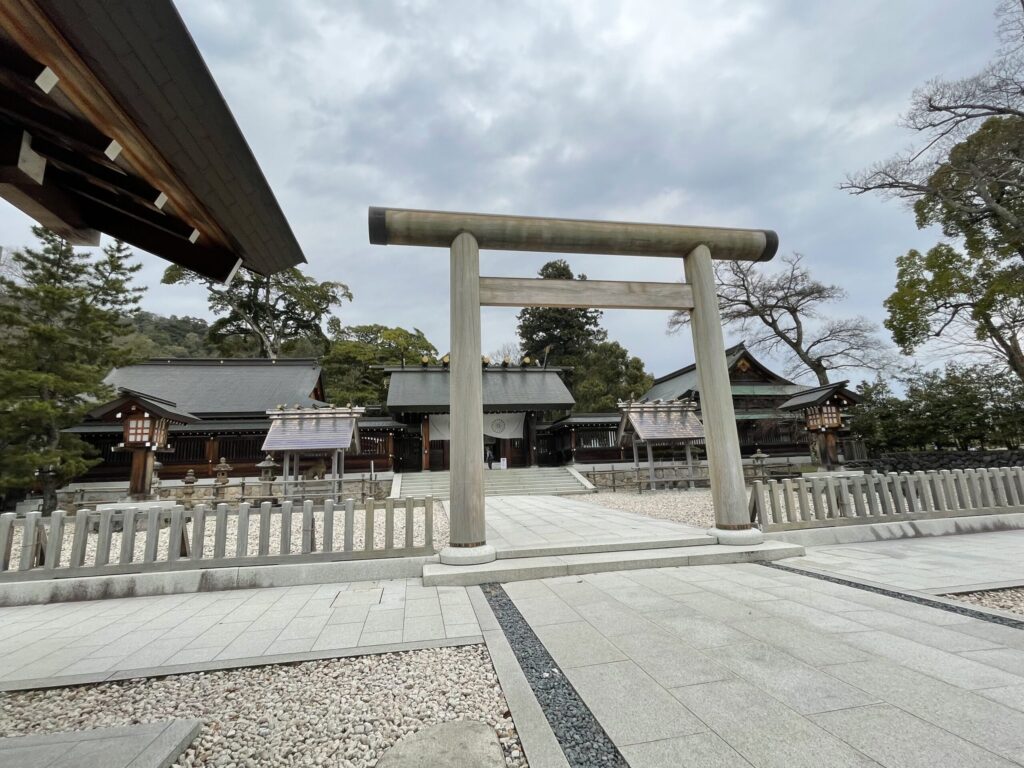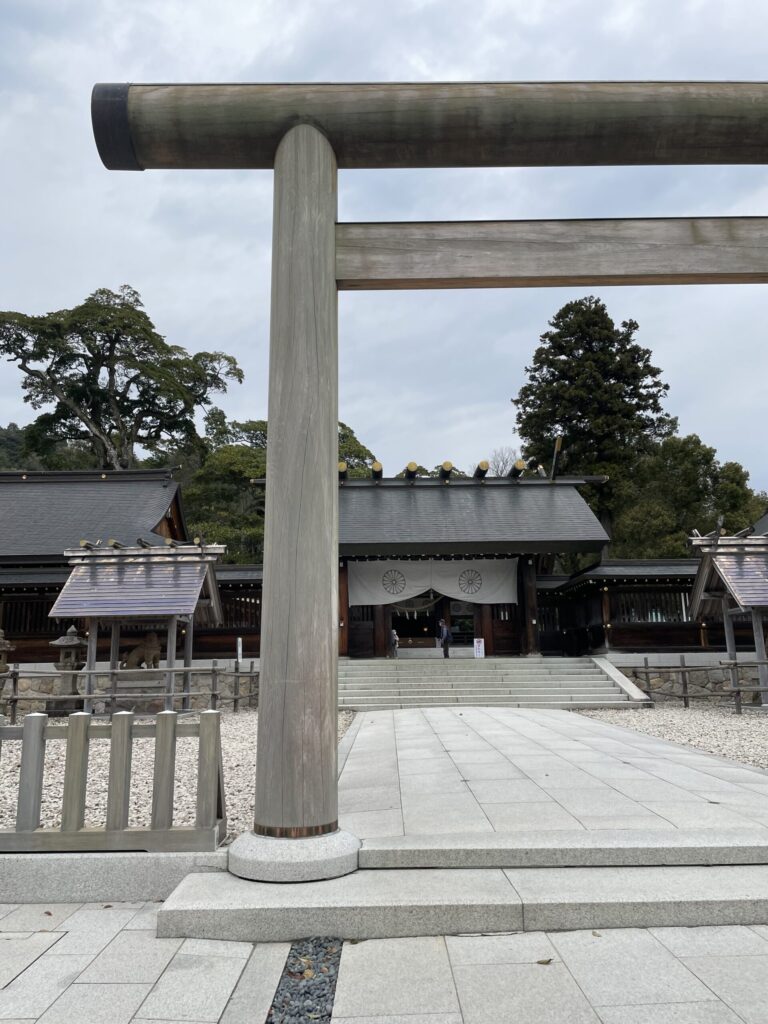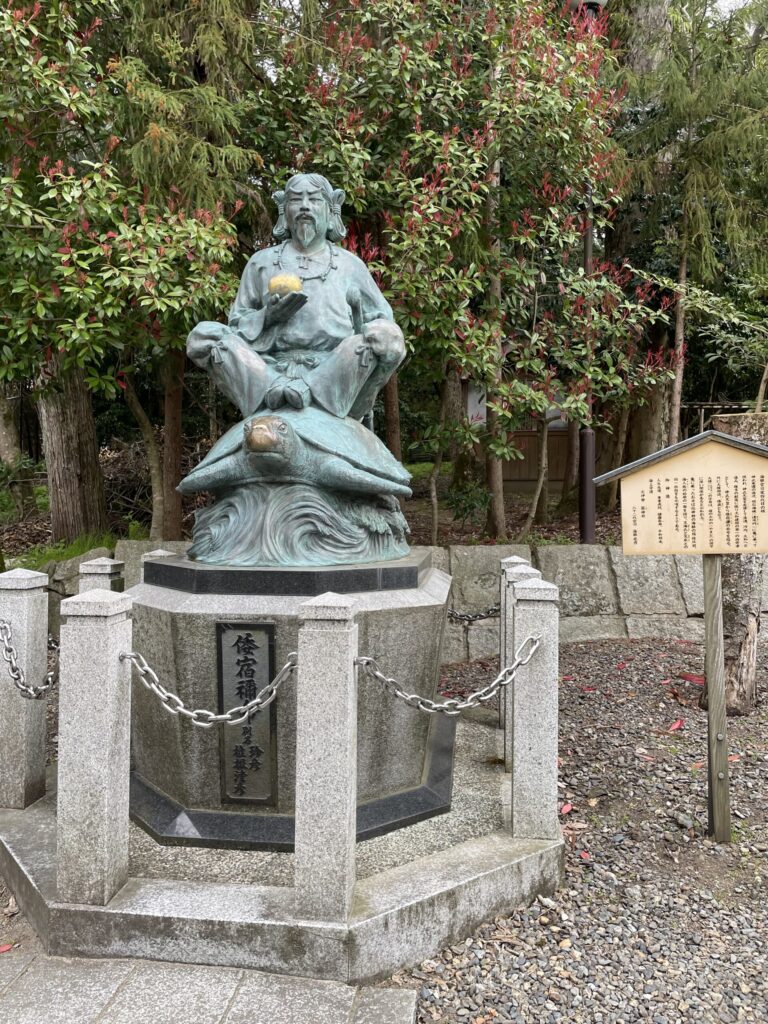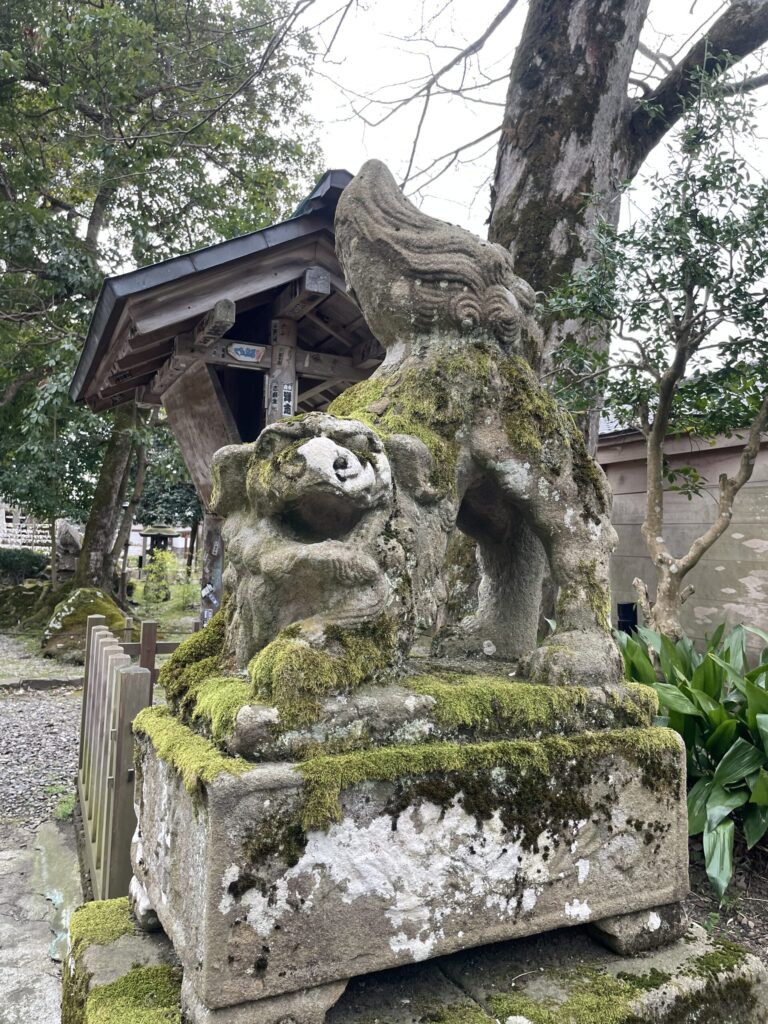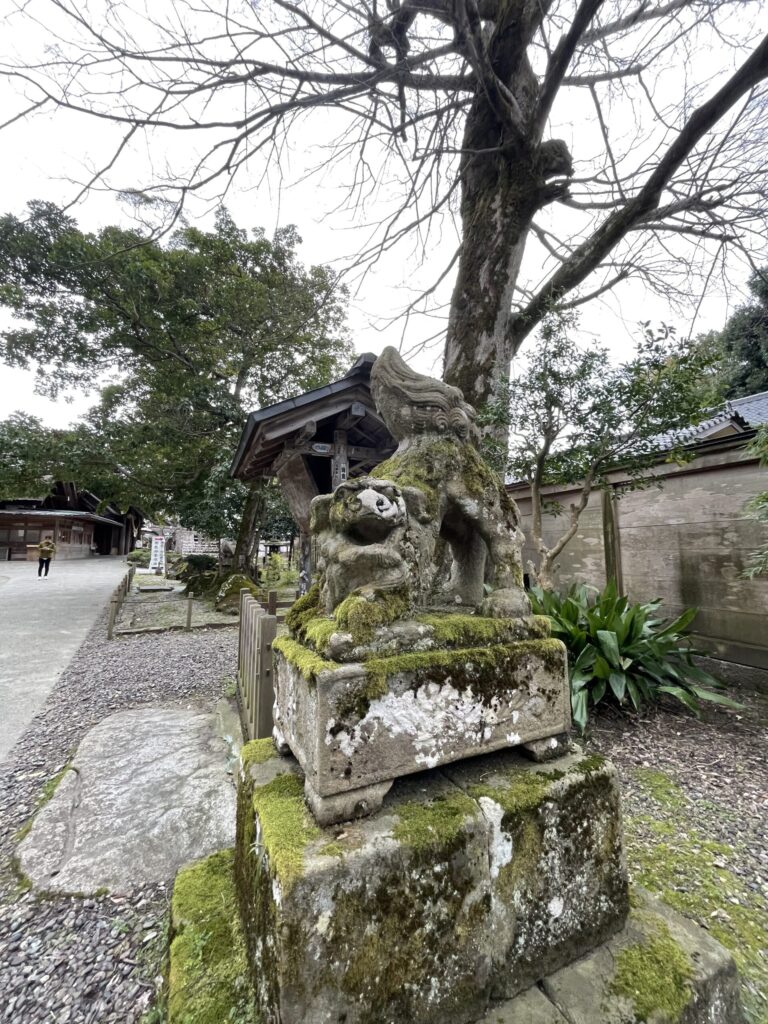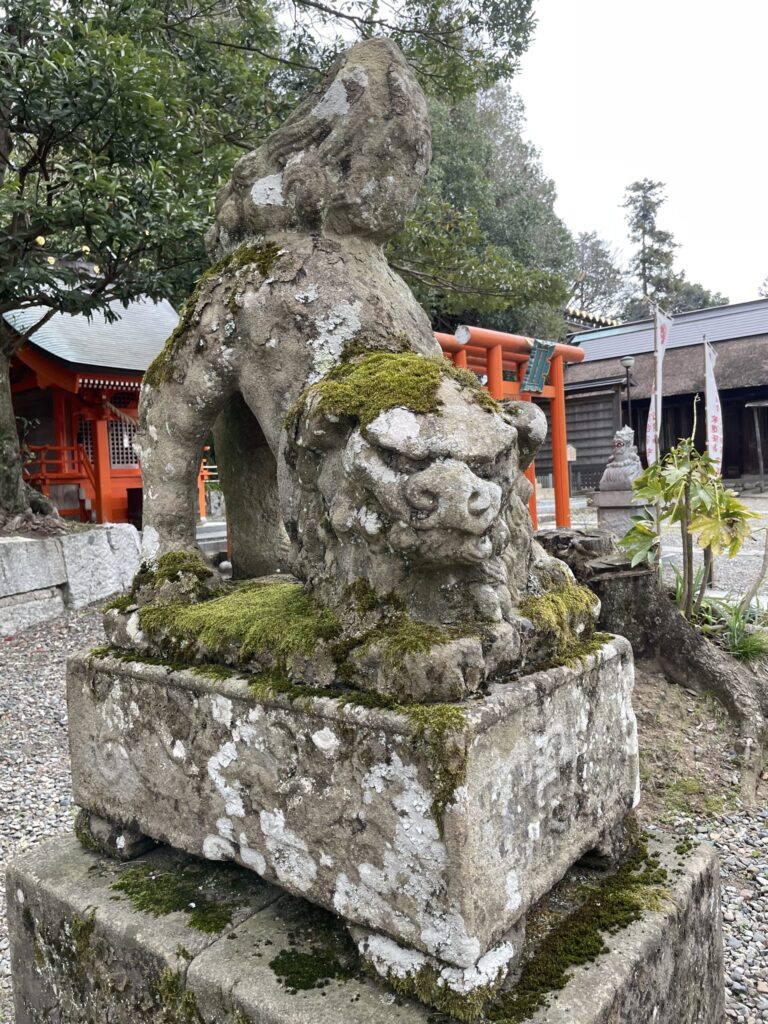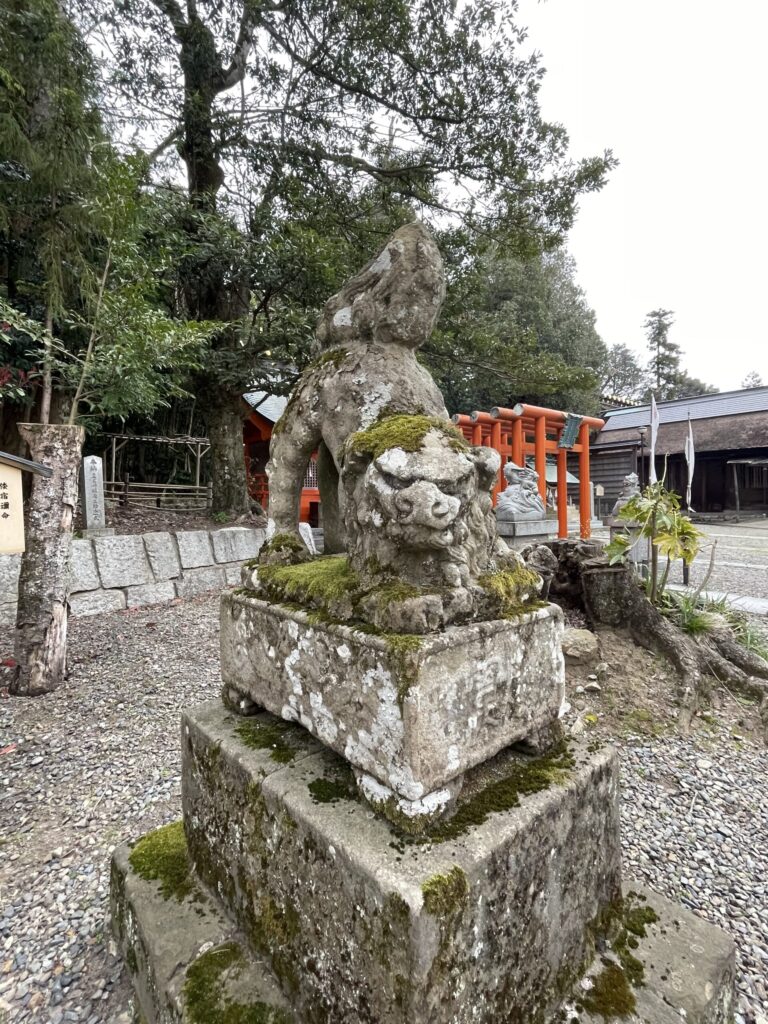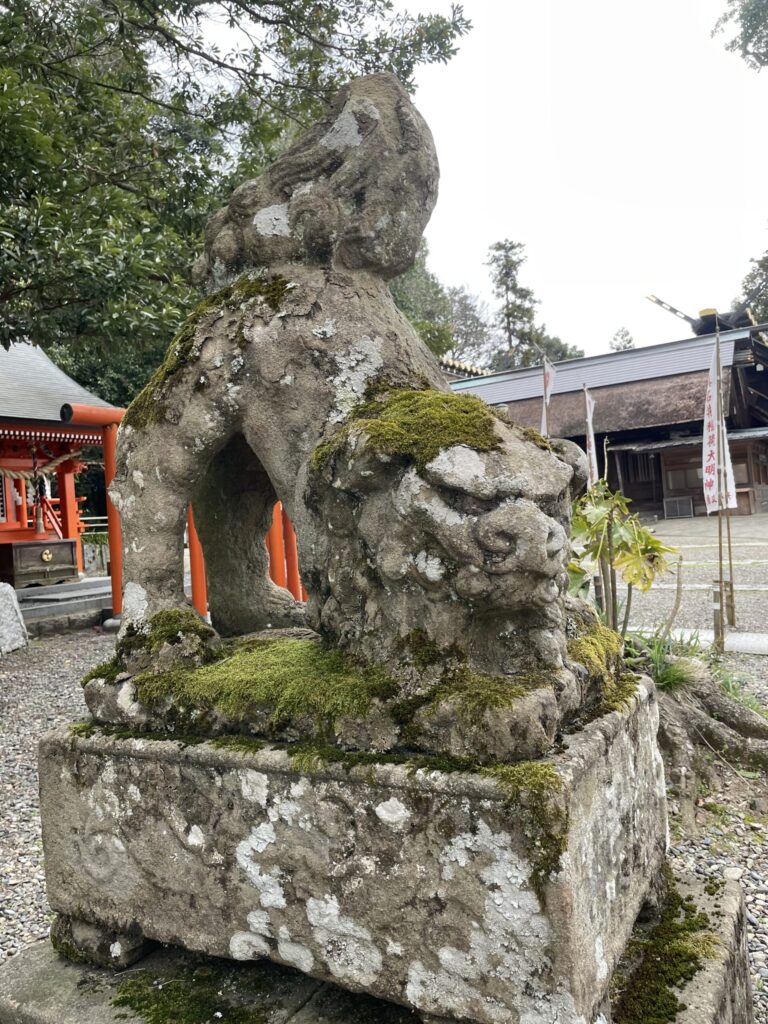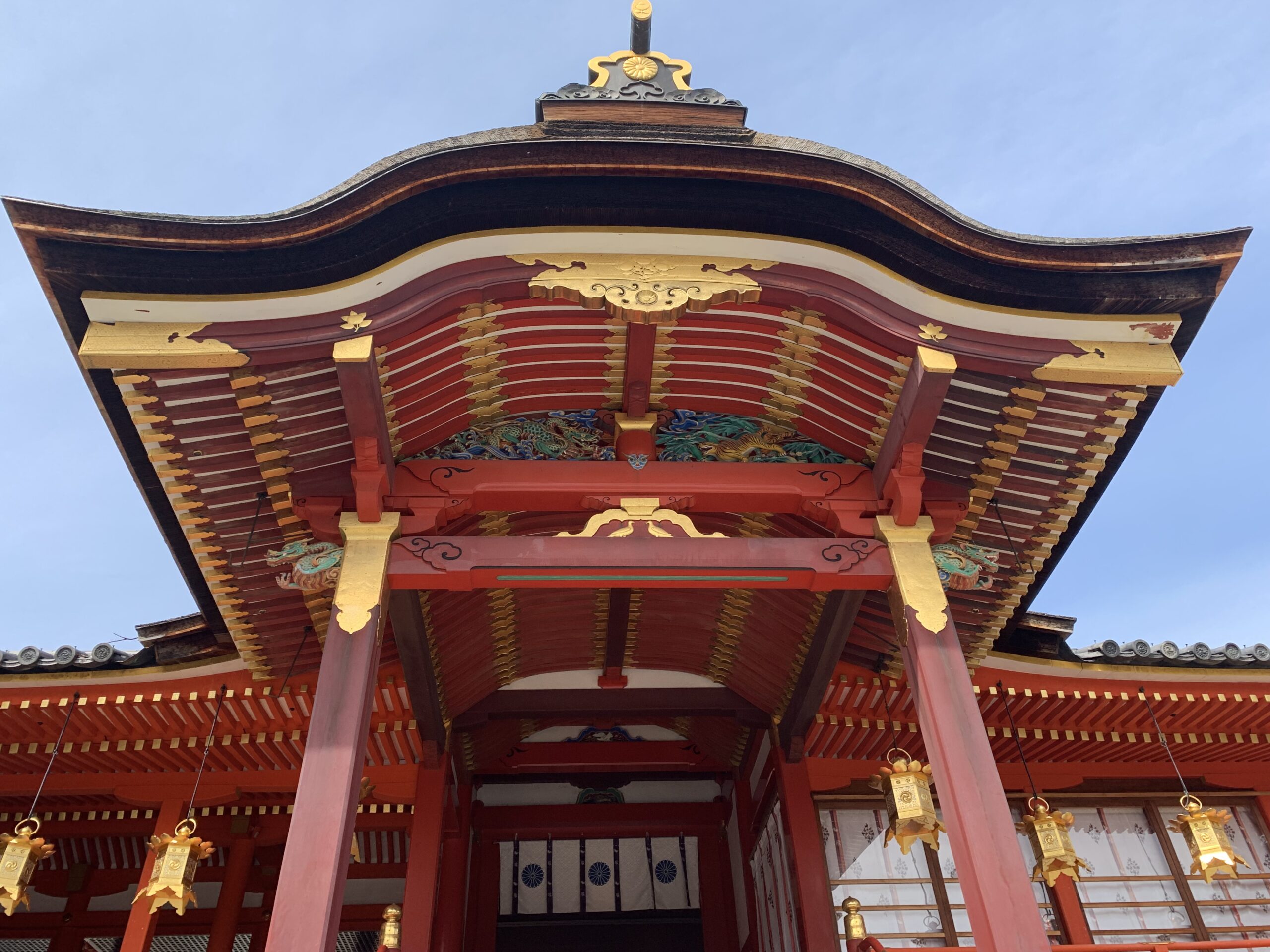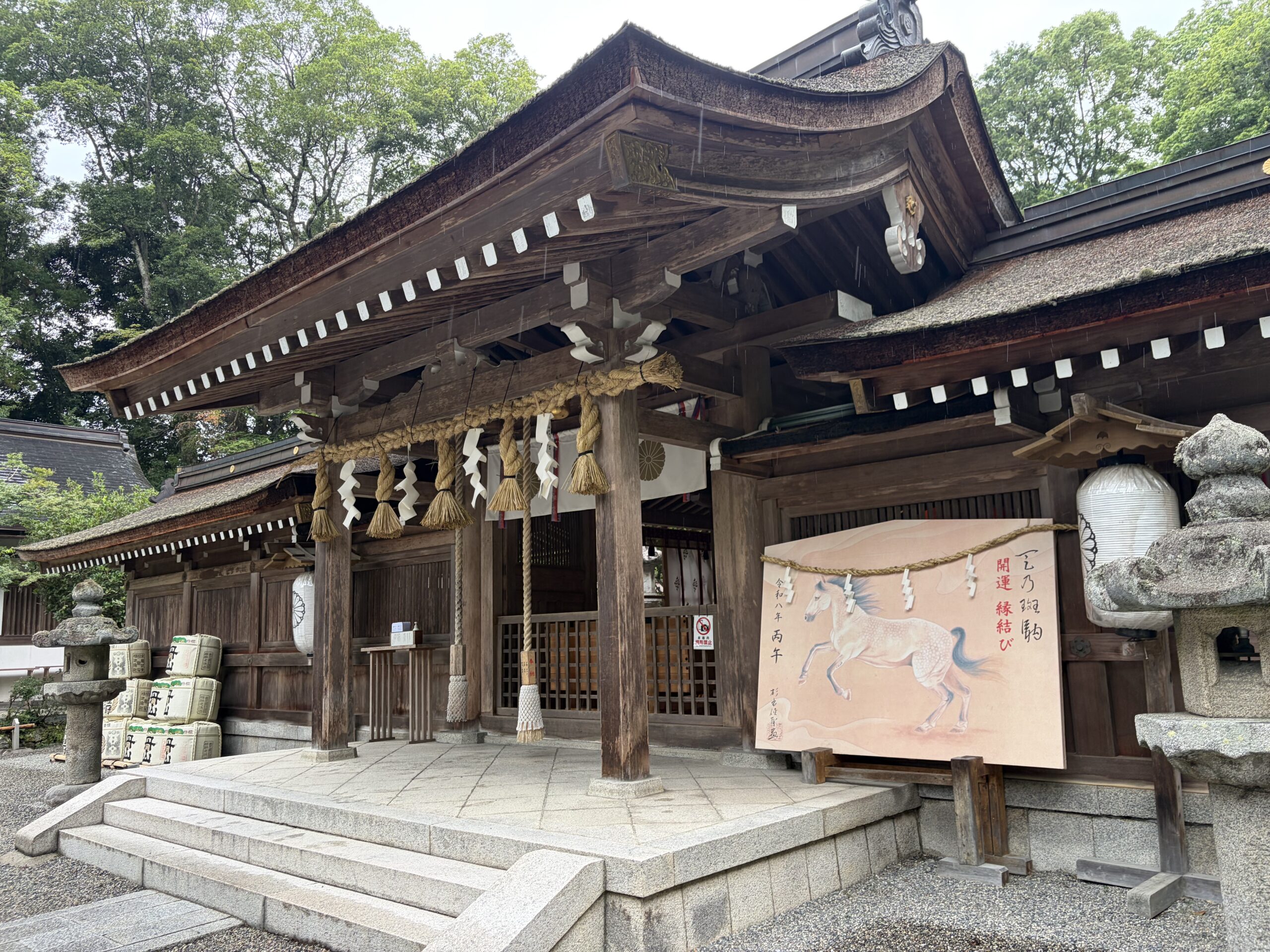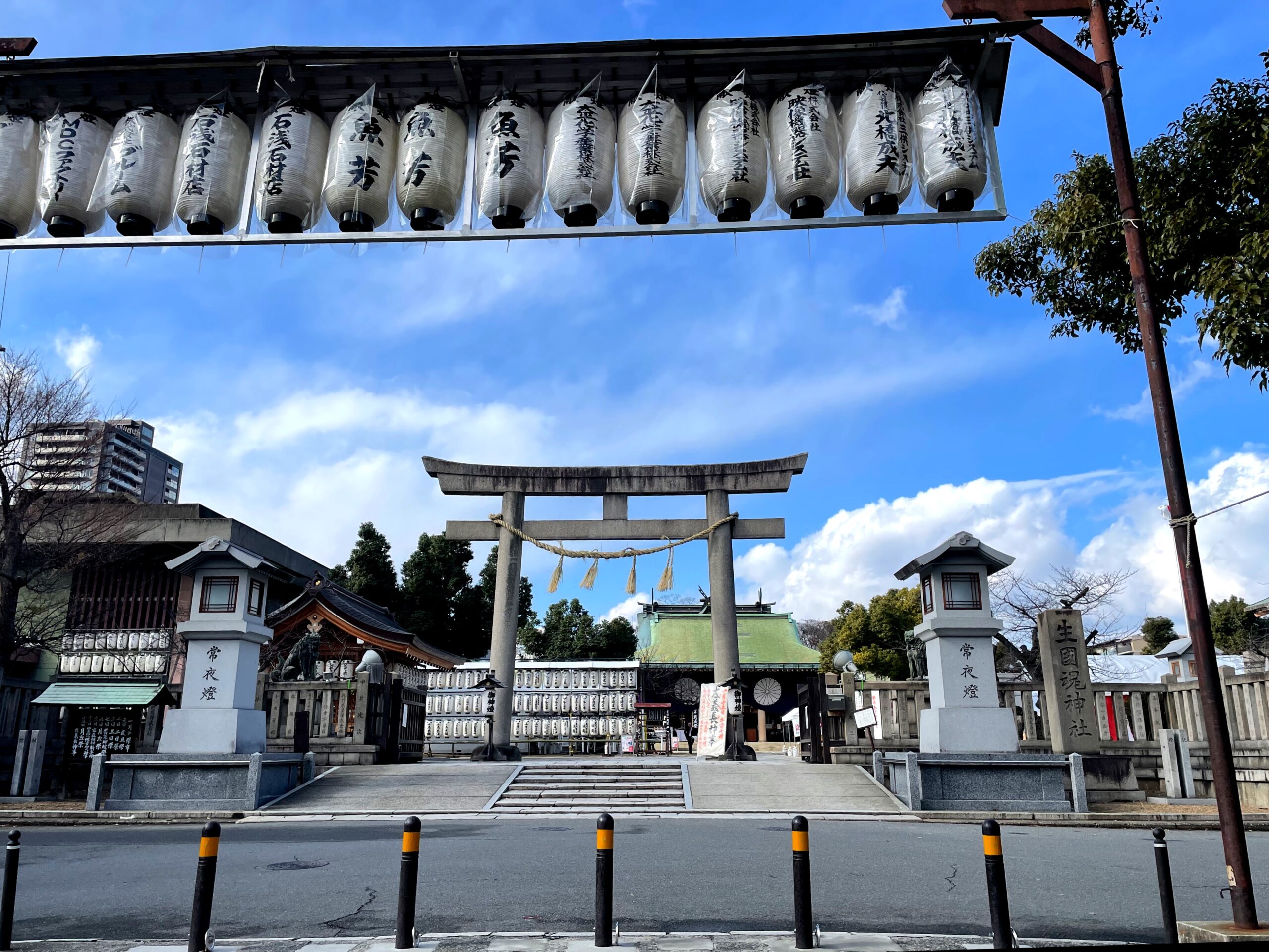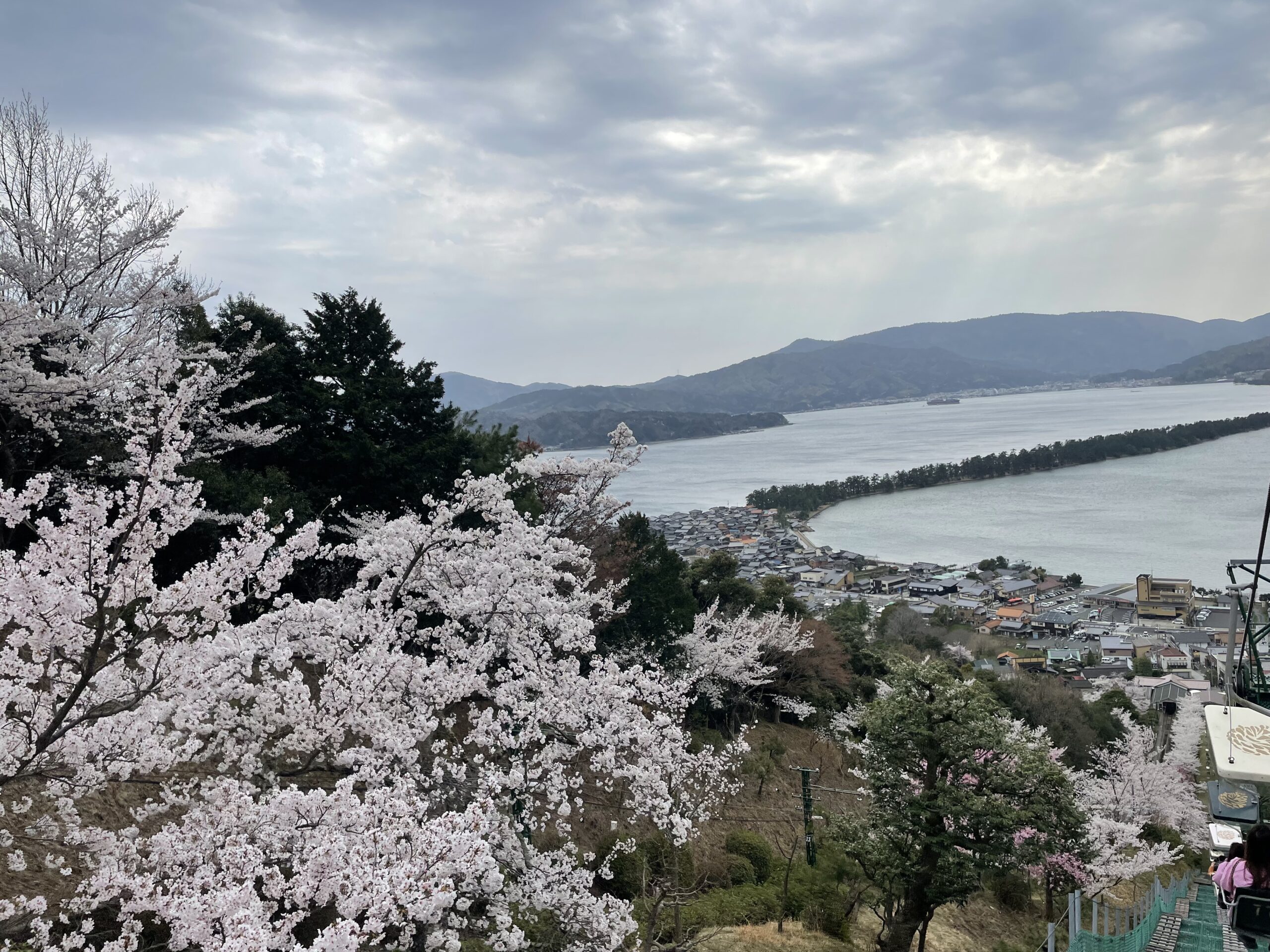
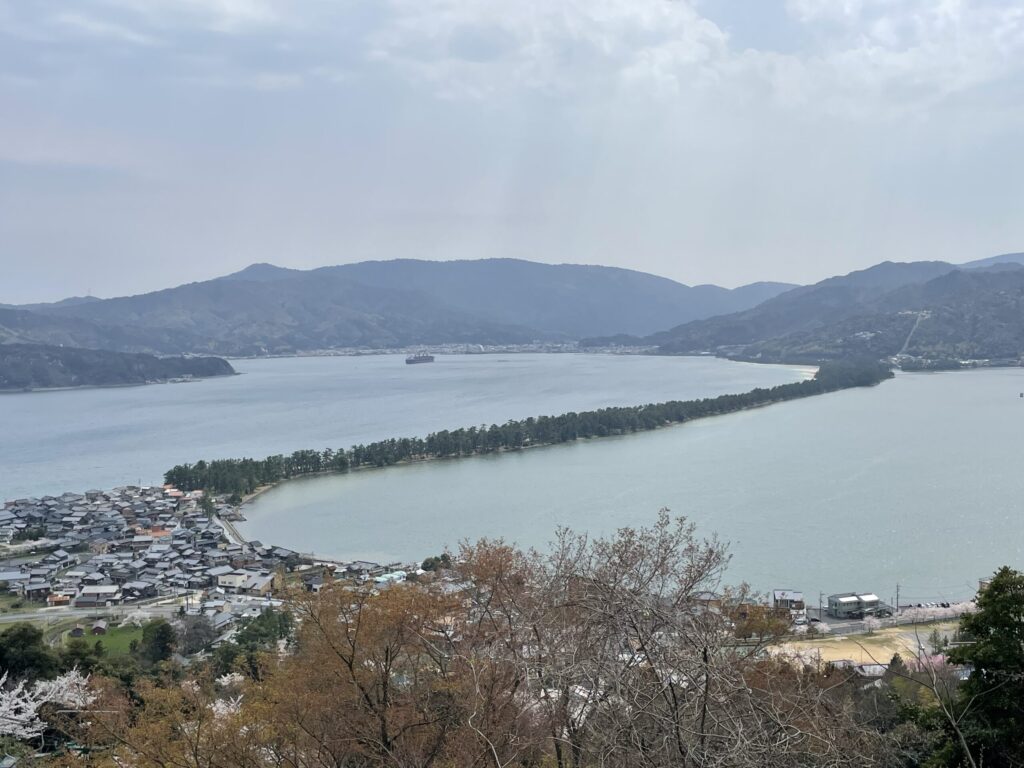
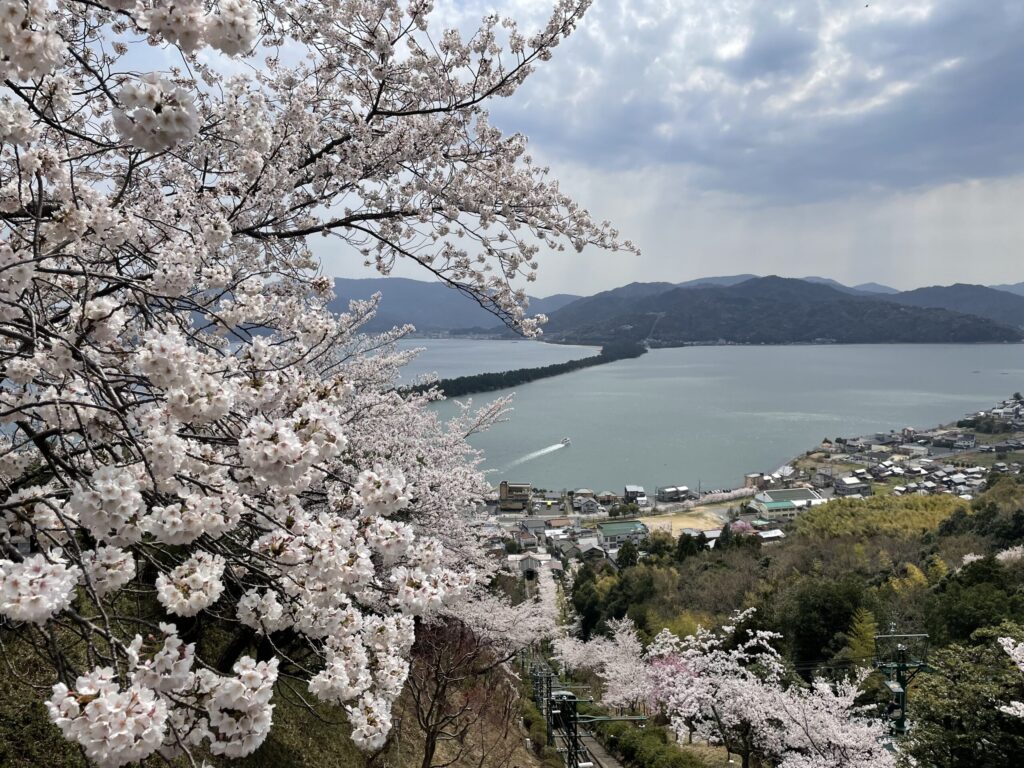
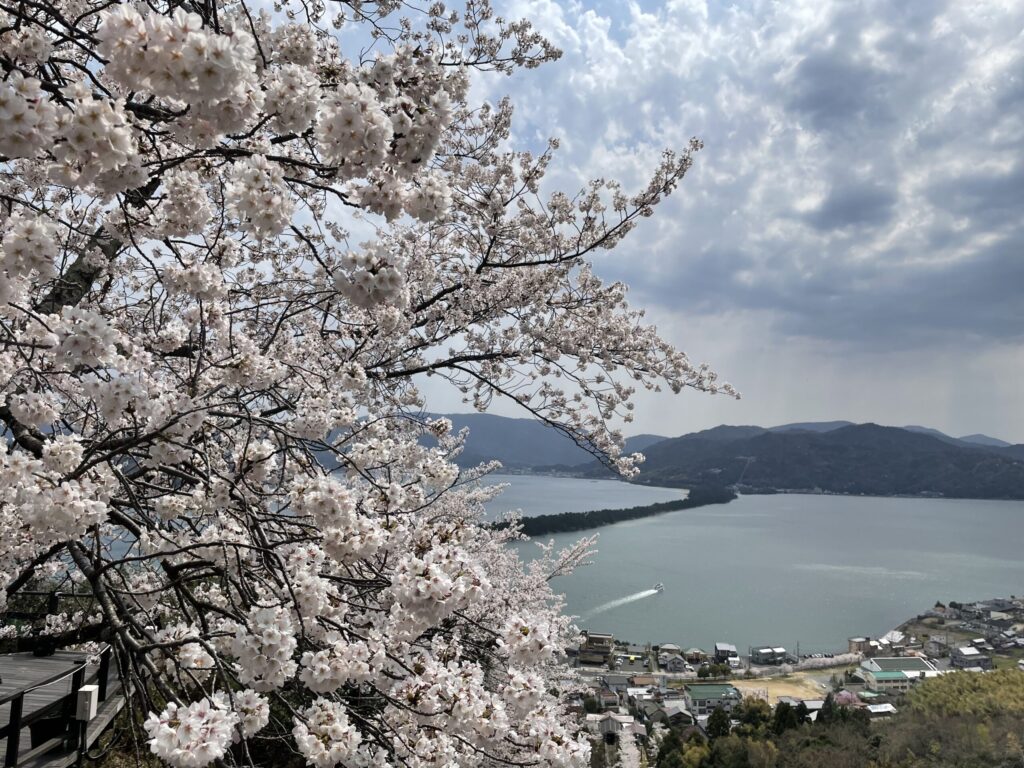
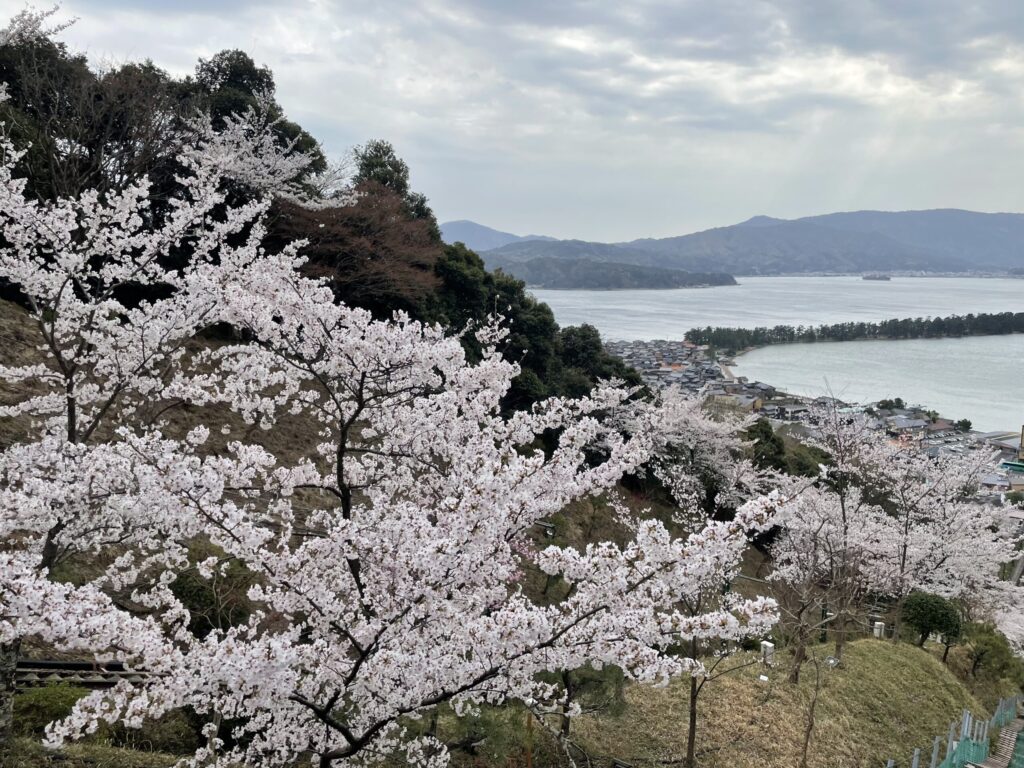
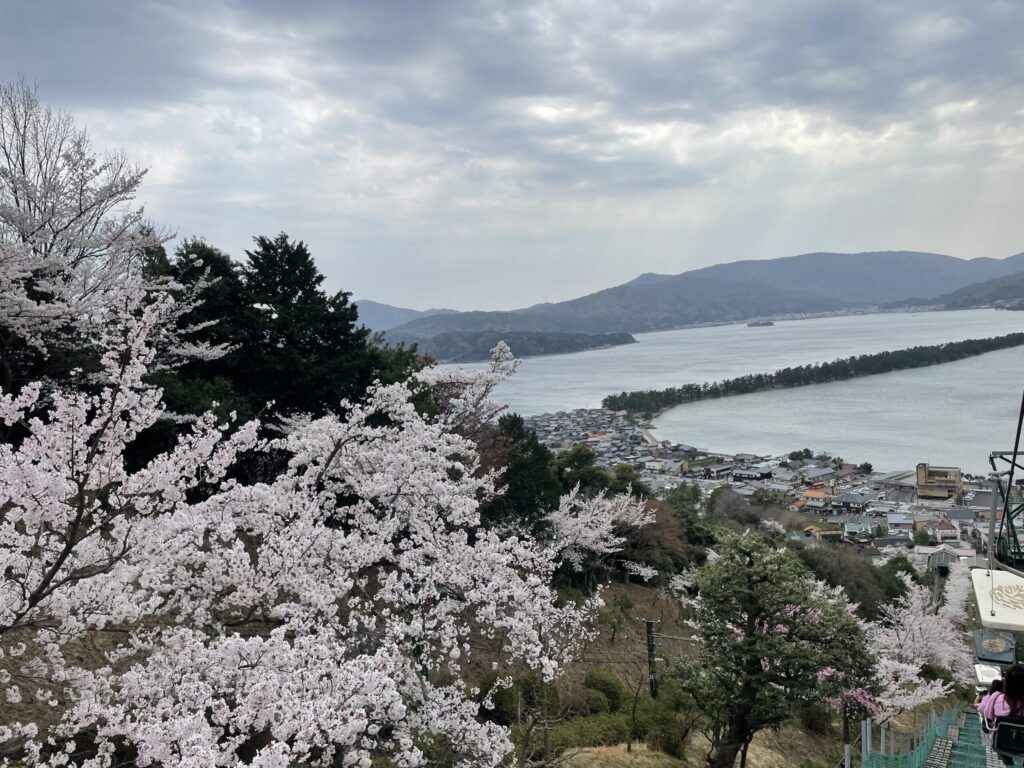
I visited Amanohashidate in April 2025. The cherry blossoms were in full bloom, and I was treated to a breathtaking view of Amanohashidate framed by sakura. There was also a Motoike Shrine (Motoie Kono-jinja) right next to the parking lot, so I paid my respects there as well.
I had AI write some support articles about Amanohashidate and Motoie Kono-jinja. The photos are all original.
Stretching across Miyazu Bay in the far north of Kyoto Prefecture, Amanohashidate (天橋立, literally “Bridge to Heaven”) ranks among Nihon Sankei—the three most celebrated scenic views in Japan. Picture a slender ribbon of sand, roughly 3.6 kilometers long, crowned with around 6,700 pine trees. Across the water sits Moto-Ise Kono Shrine, a sanctuary so ancient that locals consider it the ancestral home of Ise Grand Shrine itself. This guide walks you through both the breathtaking landscape and the deep history that quietly surrounds it.
What Is Amanohashidate and Why Is It One of Japan’s Three Views?
Amanohashidate sits alongside Matsushima in the Tohoku region and Miyajima in Hiroshima as one of the “Nihon Sankei” (日本三景), the trio of landscapes Japanese travelers have revered for centuries. The sandbar measures between 20 and 170 meters wide, and that pine-lined spit of land has captivated poets, pilgrims, and painters for generations.
What gives the place its enduring pull is the contrast the Japanese call hakusa seishō (白砂青松)—white sand and green pines. Set against the deep blue of the bay, the effect is almost painterly. Geologists find it remarkable too: sandbars carrying mature pine forests at this scale are genuinely rare on a global level, formed grain by grain over thousands of years by the currents flowing through Miyazu Bay.
A Name Born from Myth
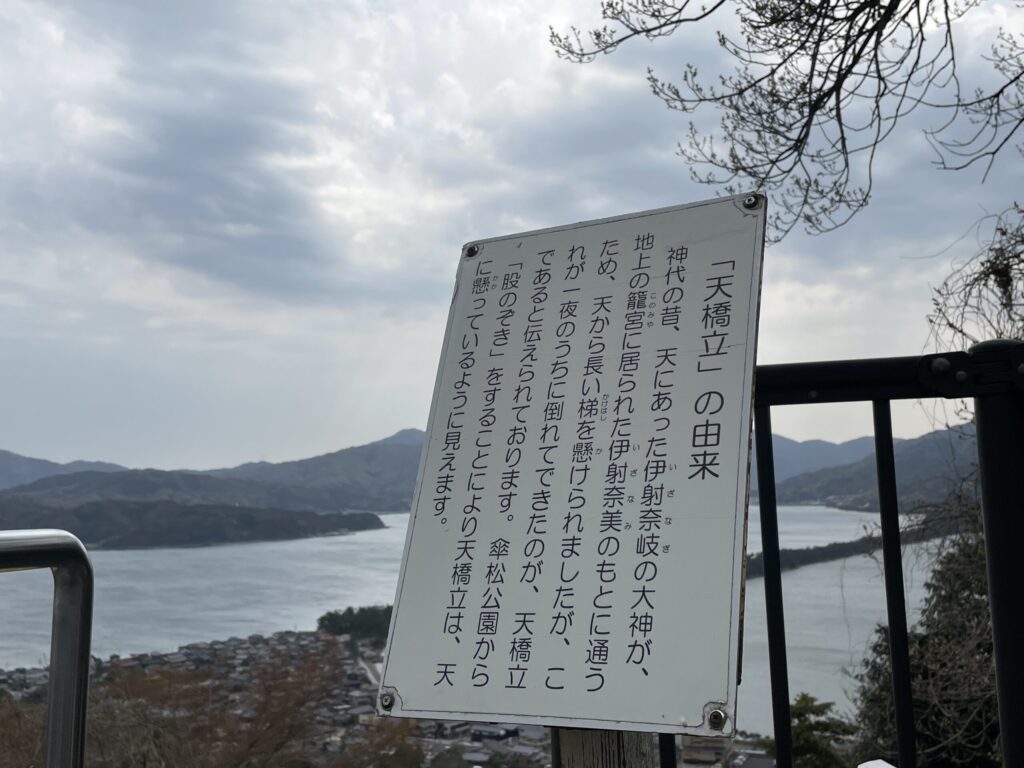
According to the Tango Fudoki, an ancient regional chronicle, the sandbar owes its name to the deity Izanagi-no-Mikoto. The story goes that he built a ladder to connect the heavens with the earthly world. While he slept, the ladder toppled over onto the sea and settled into a single narrow strip of land—and so Amanohashidate came to be. There is something telling about a place where mythology is still embedded directly in the geography; it hints at just how old the Tango region truly is.
Where Are the Best Views of Amanohashidate?
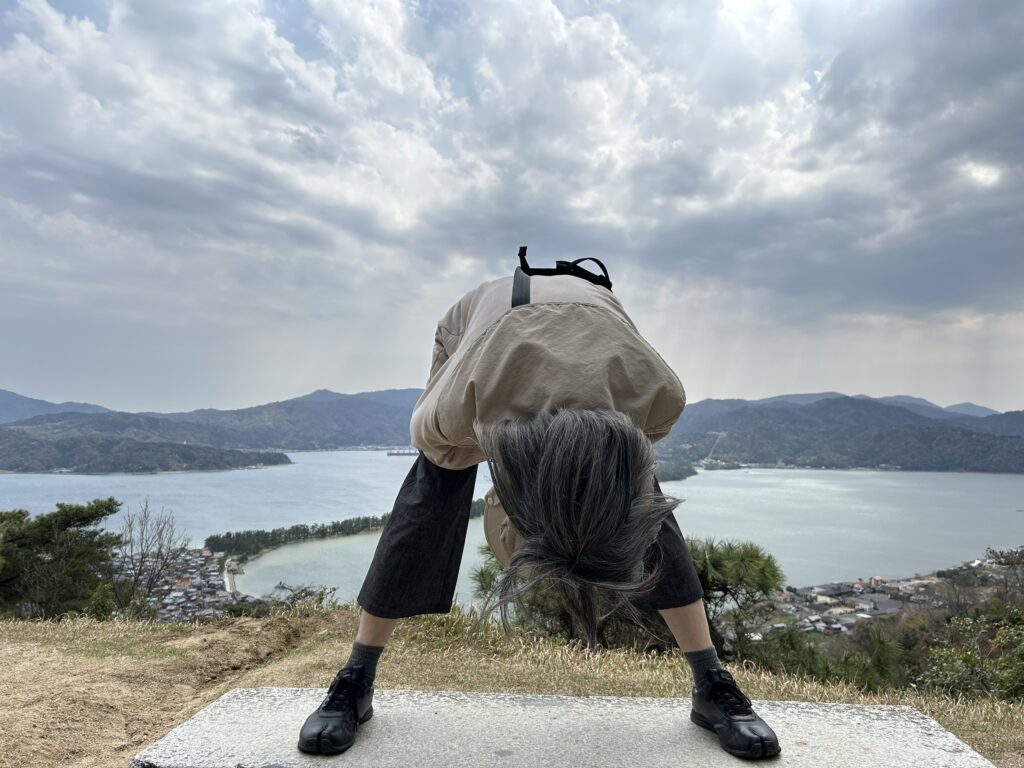
No visit feels complete without trying matanozoki (股のぞき), the famously playful “peering between your legs” pose. From a viewing platform, you bend forward and look at the scenery upside down through your own legs. Do it, and the sky and sea seem to flip places. The sandbar appears to float in mid-air—or, depending on which side you stand, to rise like a dragon ascending into the heavens.
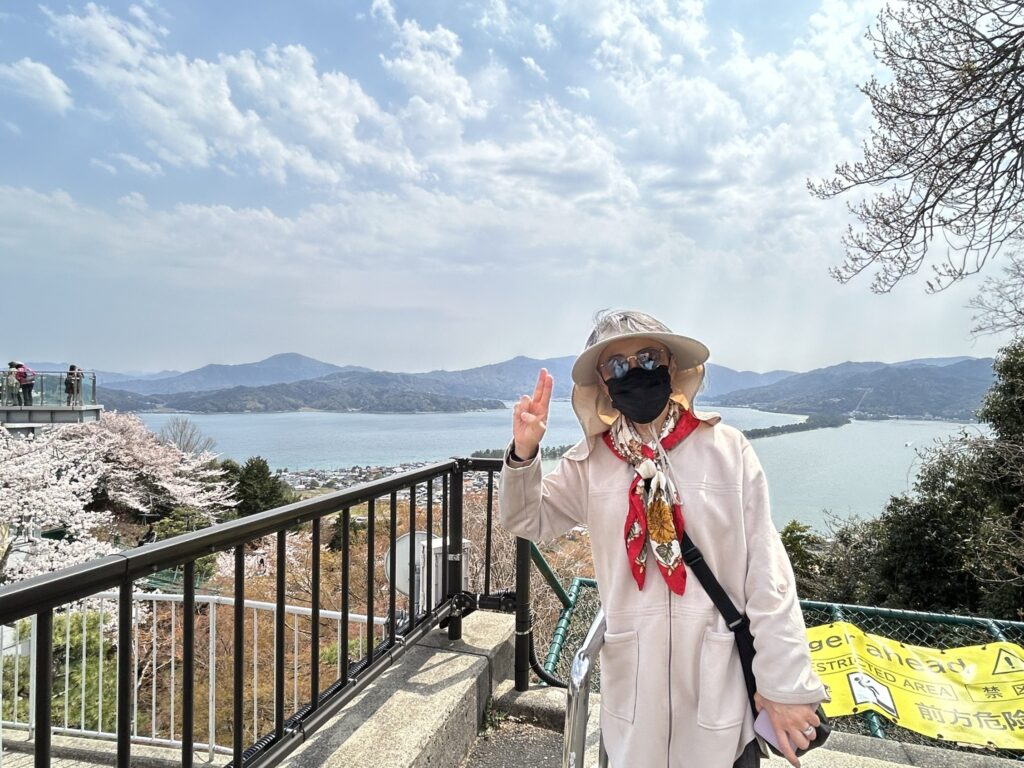
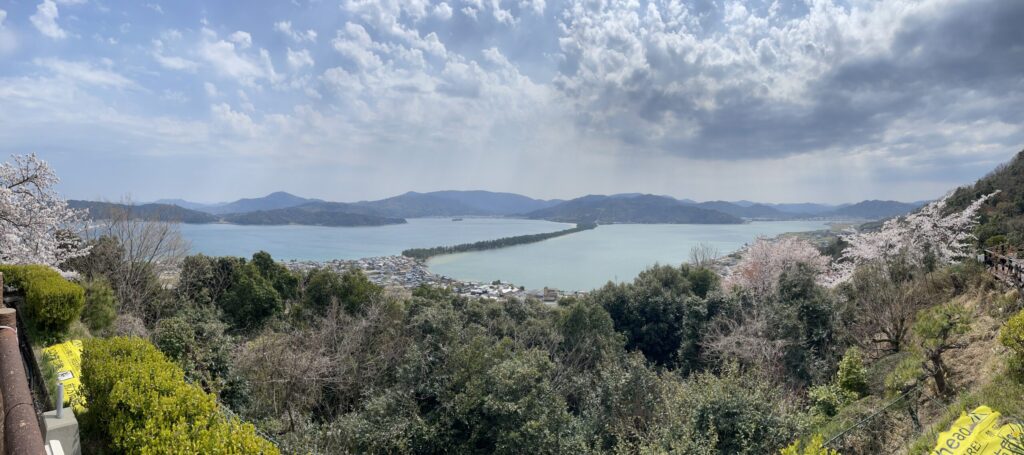
- Amanohashidate View Land (south, Monju district): Famous for the hiryūkan (“flying dragon view”), where the spit resembles a dragon leaping skyward. Reach the summit by chairlift or monorail.
- Kasamatsu Park (north, Fuchu district): Offers the shōryūkan (“rising dragon view”), which looks like a bridge arching toward heaven. Access is by cable car.
Because the north and south sides reveal genuinely different silhouettes, anyone with the time to spare should visit both. One practical tip from experience: chairlifts and cable cars occasionally close for seasonal maintenance, so check the Amanohashidate Tourist Association’s official site before you set out. A wasted trip to a closed lift is a frustration easily avoided.
What Makes Moto-Ise Kono Shrine So Special?
On the northern Fuchu side stands Moto-Ise Kono Shrine (元伊勢籠神社, Kono-jinja). The prefix “Moto-Ise” translates roughly to “the original Ise,” and the reason lies in a remarkable tradition. Before the deities Amaterasu-Ōmikami (the sun goddess) and Toyouke-no-Ōkami were permanently enshrined at Ise Grand Shrine, they are said to have been worshipped here, on this very ground, for a time.
In other words, Kono Shrine functions as something like the spiritual hometown of Ise. Its principal deity is Hikohoakari-no-Mikoto, and for countless generations the shrine has been led by the Amabe clan (海部氏), an ancient lineage of priests. The clan’s family genealogy, the Amabe-shi Keizu, is designated a National Treasure—it counts among the oldest surviving genealogical records in Japan and remains a priceless resource for historians studying the country’s earliest aristocratic families.
Don’t Overlook the Inner Shrine, Manai-jinja
About a 15-minute walk from Kono Shrine lies its inner sanctuary, Manai-jinja (真名井神社). Dedicated to Toyouke-no-Ōkami, this sacred precinct is home to a spring known as Ame-no-Manai-no-Mizu—”the heavenly true well water”—revered since ancient times. Visitors often describe the atmosphere here as distinctly hushed and weighty, a world apart from the tourist bustle just minutes away. If the word “power spot” applies anywhere, it applies here.
How Can You Walk Across and Experience Amanohashidate?
The sandbar isn’t only for admiring from a distance—you can walk its full length. On foot it takes about 50 minutes; by rental bicycle, closer to 20. As you move through the pines, you’ll pass the freshwater spring called Isoshimizu (remarkable for staying fresh despite being surrounded by seawater) and poetry monuments dedicated to the modern tanka poets Yosano Hiroshi and Akiko.
- Strolling or cycling the length of the sandbar
- Sea kayaking for a view from the water
- The “Amanohashidate Machi Akari” evening illuminations along the beach
- E-bike tours exploring the nearby Seya Highlands and its terraced rice fields
A popular half-day itinerary pairs the Amanohashidate Sansho Mōde—a three-temple-and-shrine pilgrimage taking in Kono Shrine, Manai-jinja, and Chion-ji temple—with a tour of both major observation points. It’s an efficient way to taste both the spiritual and the scenic in a single afternoon.
Frequently Asked Questions
- Q: How do I get to Amanohashidate?
- A: The nearest station is Amanohashidate Station on the Kyoto Tango Railway. From central Kyoto, a limited express takes about two hours. During certain seasons, direct highway buses also run from Osaka and Kyoto.
- Q: How much time should I set aside for a visit?
- A: To cover the observation points and Kono Shrine, plan for roughly half a day (about three to four hours). If you want to add a walk across the sandbar or an activity like kayaking, give yourself a full day.
- Q: Can I visit both Kono Shrine and Manai-jinja?
- A: Yes. Manai-jinja is about a 15-minute walk from Kono Shrine. Visiting both together gives you a much fuller sense of the “Moto-Ise” history.
- Q: When is the best time to visit?
- A: The site is rewarding year-round, but spring through early summer (when the pines are at their greenest) and autumn (for the foliage) are especially loved. In winter, a snow-dusted Amanohashidate takes on a dreamlike quality all its own.
Conclusion
Amanohashidate is at once a natural masterpiece sculpted over millennia and a stage steeped in mythology and ties to Ise Grand Shrine. Bend down for the upside-down matanozoki view and watch the dragon dance across the bay; then step into Moto-Ise Kono Shrine and brush against prayers older than recorded history. Being able to experience both in one place is precisely what makes this corner of the “Sea of Kyoto” so worth the journey. When you’re planning your next trip into Japan, consider giving Amanohashidate a place on the map.
References
Addendum
This time I took the lift up to the northern side of Amanohashidate.At the base there are plenty of restaurants and souvenir shops, so lunch and shopping are easy. The surrounding area has many sightseeing spots, so it would be lovely to stay overnight and explore at a leisurely pace.
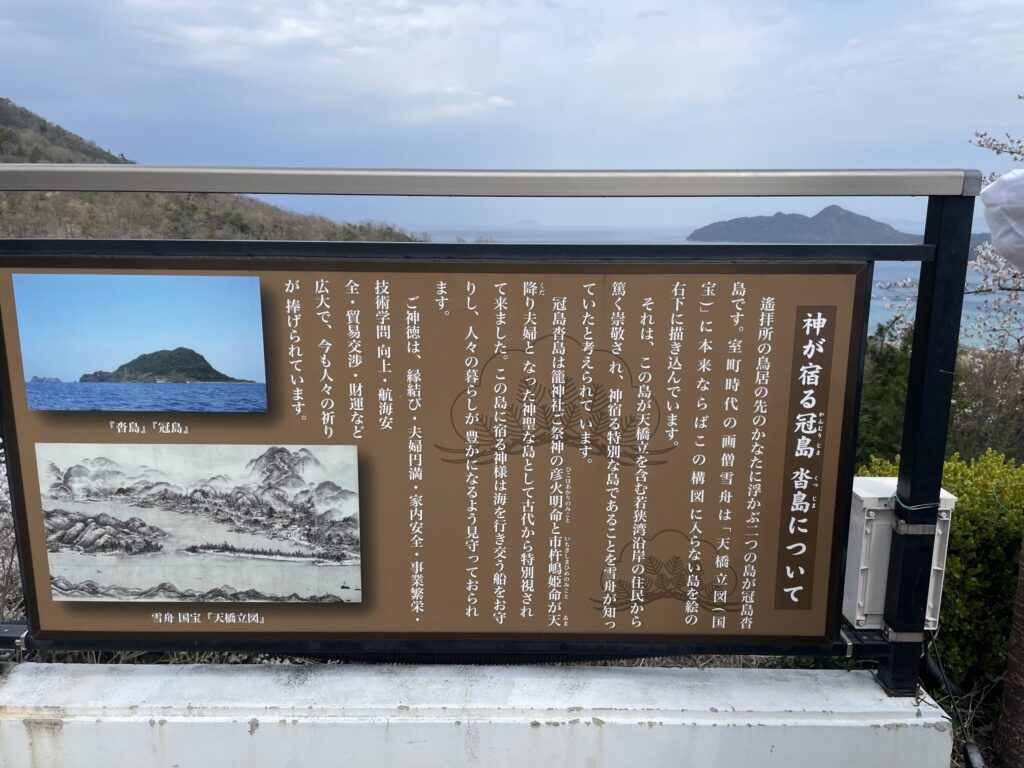
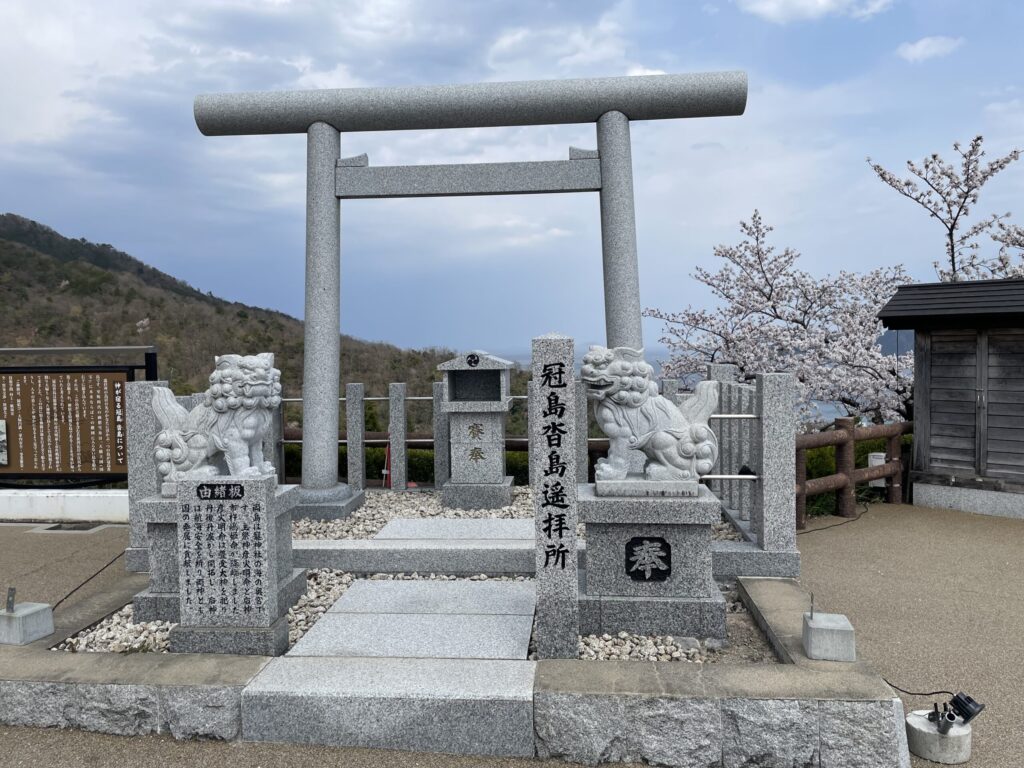
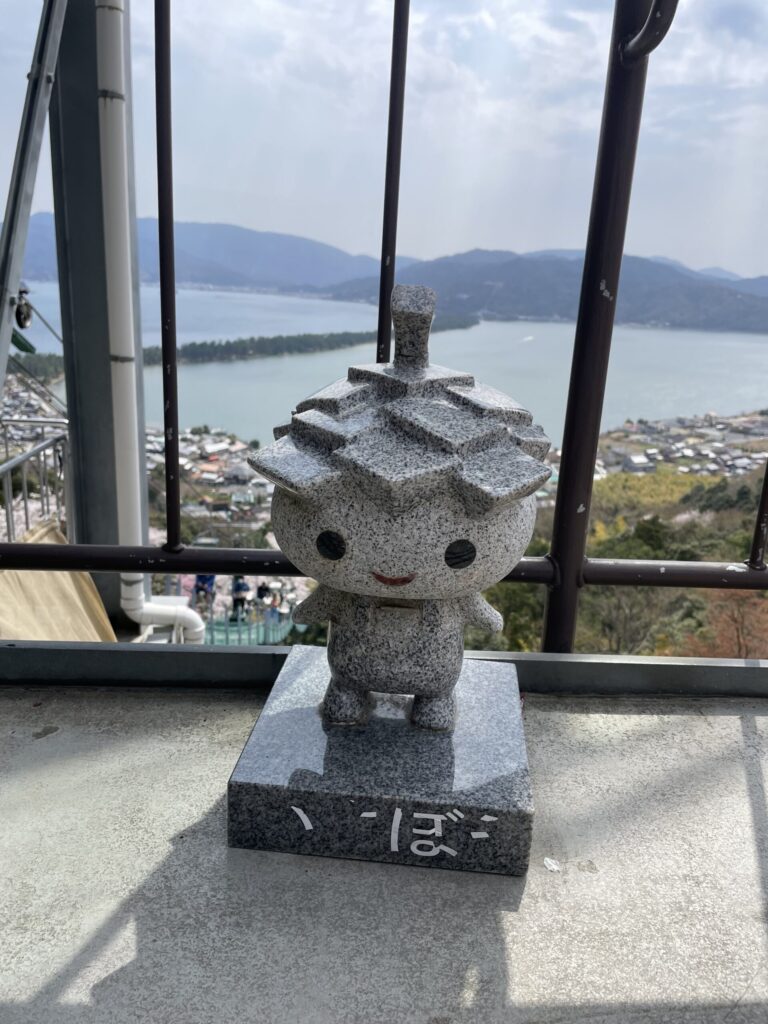
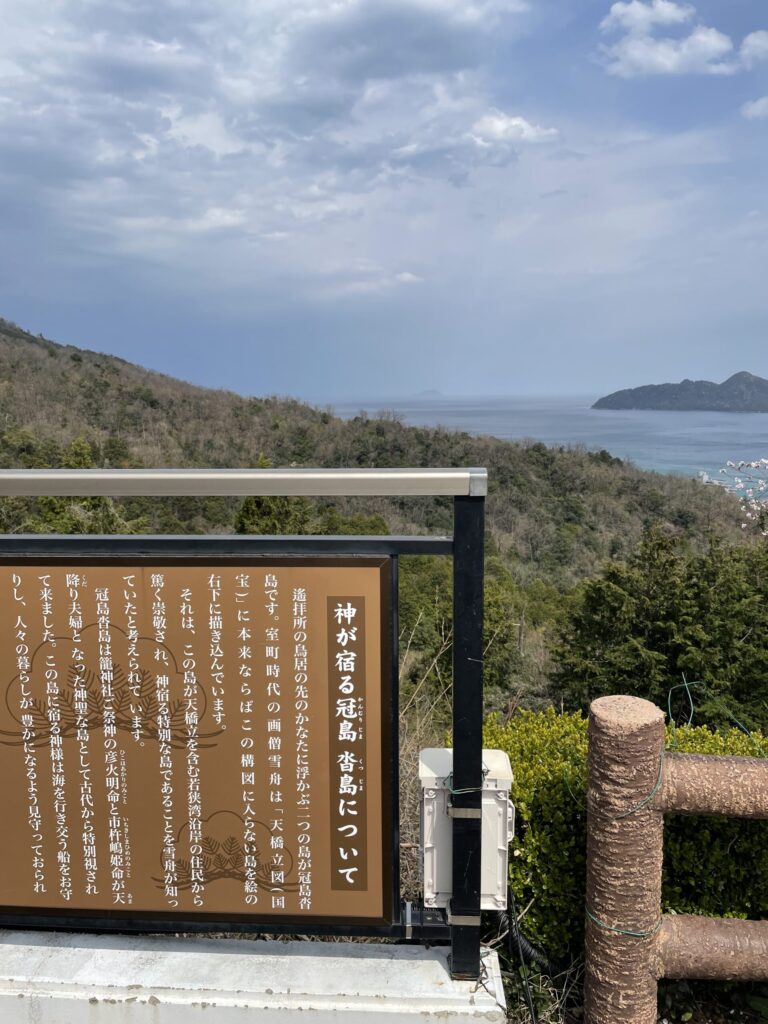
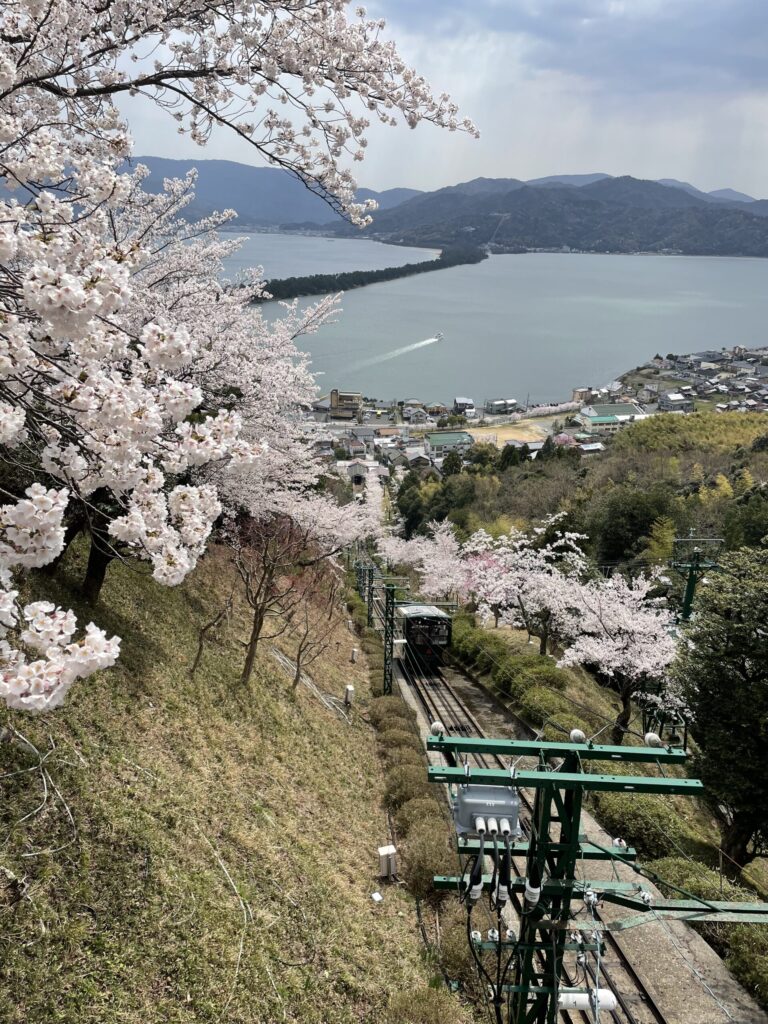
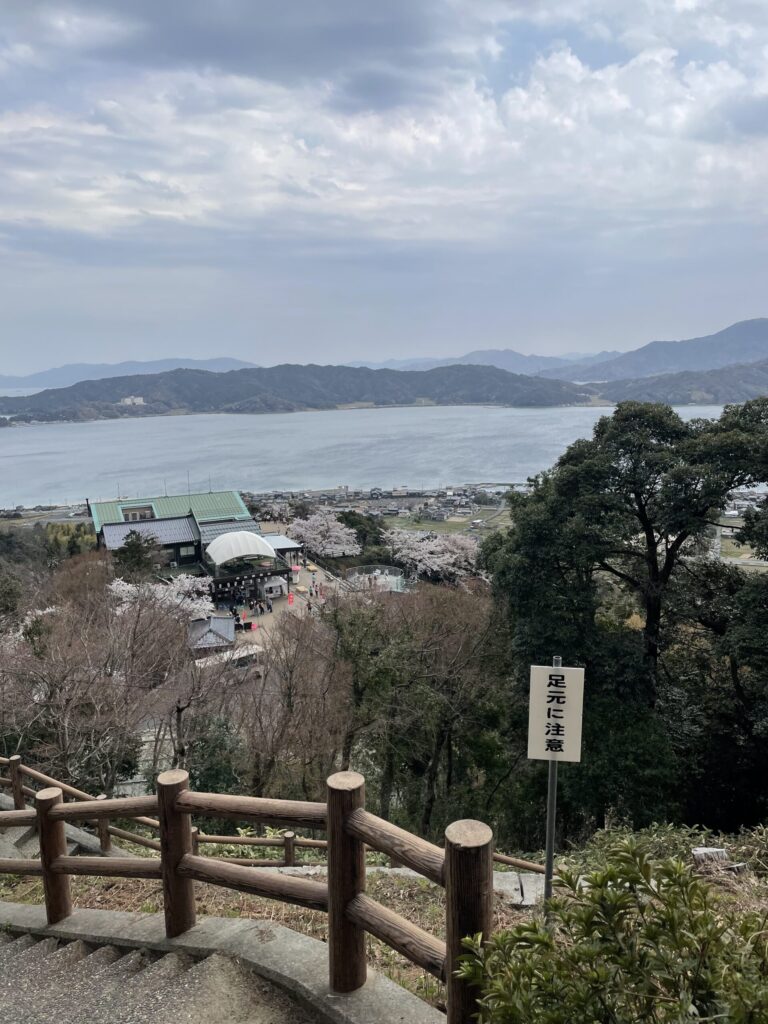
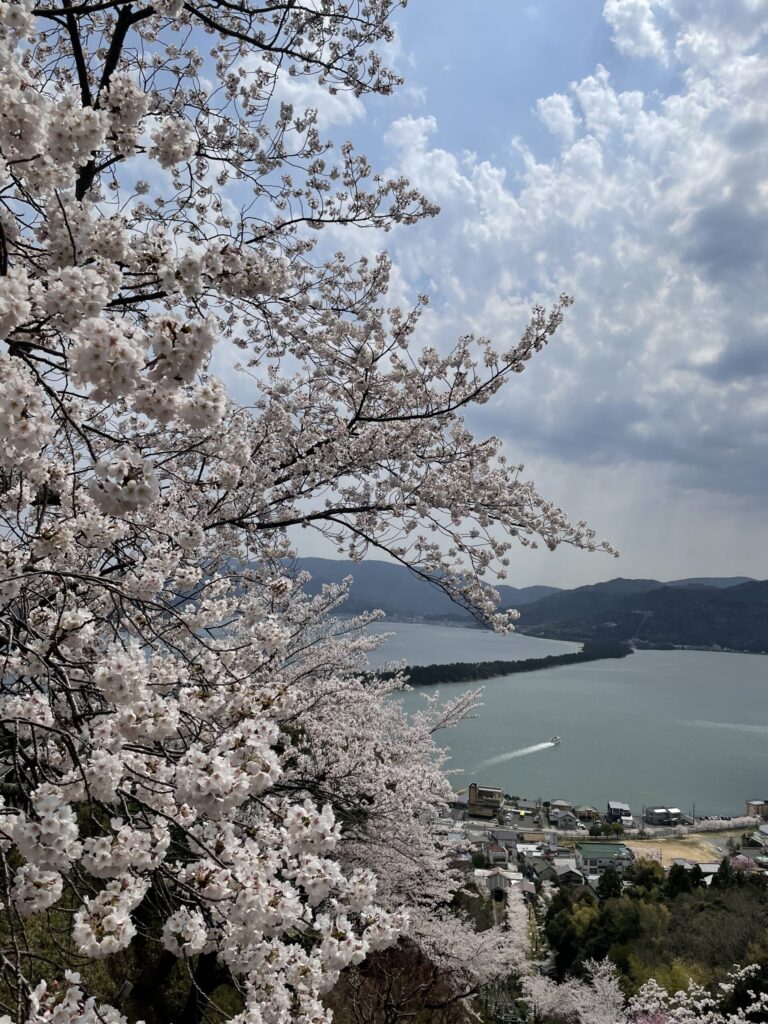
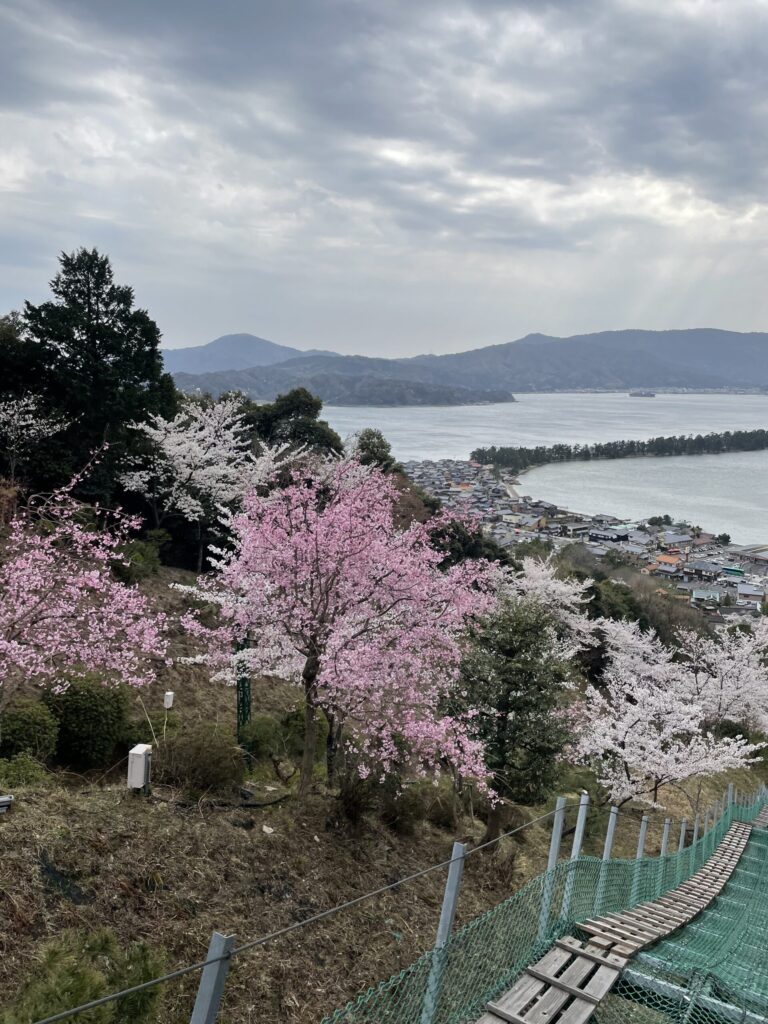
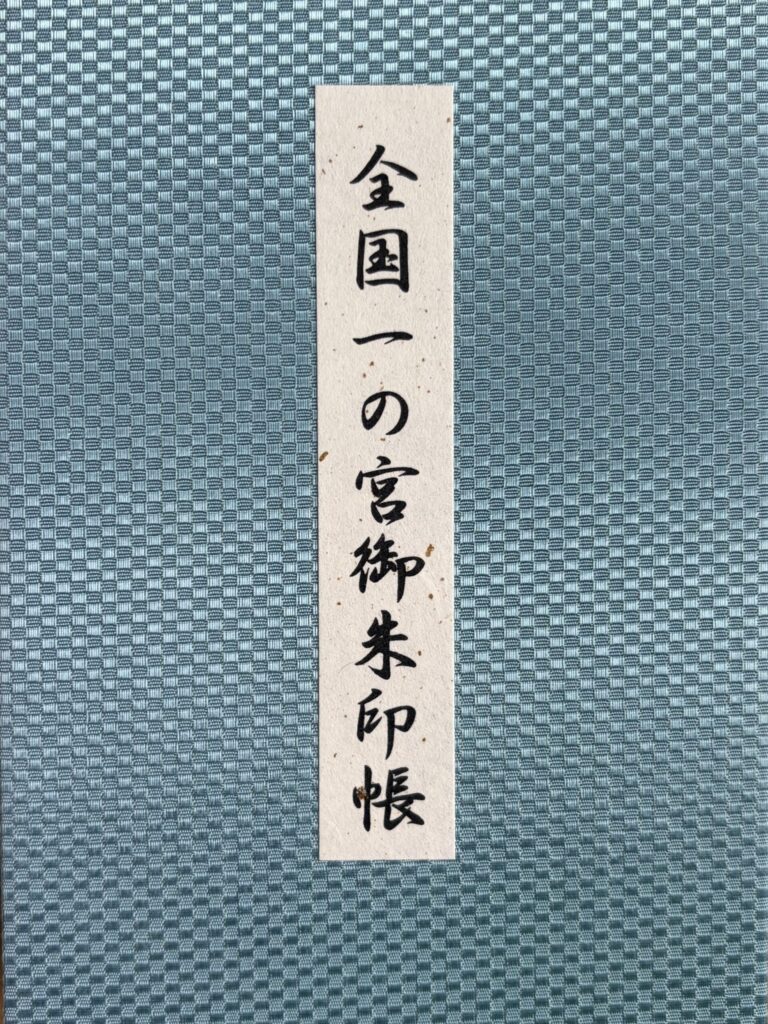
I have a Zenkoku Ichinomiya Goshuincho (a goshuin stamp book dedicated to the top-ranked shrines across Japan), and I rarely get the chance to visit shrines that are far from home — but it turned out that the parking lot I wandered into by chance was right next to Motoie Kono-jinja, one of those very ichinomiya shrines.
I took this as a lucky opportunity and received a goshuin stamp.
▶ Motoie Kono-jinja official website — here
The Ichinomiya goshuincho is available for purchase at ichinomiya shrines throughout Japan.