I began the Saigoku Pilgrimage of the Thirty-Three Temples in 2026. For the sacred sites I have already visited, I have written articles accompanied by my own photographs.
From here, I will have AI write support articles about the sites I have yet to visit — as a way of preparing for the journey ahead.
Our journey along the Saigoku Thirty-Three Kannon Pilgrimage—one of Japan’s oldest and most revered Buddhist pilgrimage routes—now brings us to the eighth temple: Hasedera, nestled in the mountains of Sakurai City, Nara Prefecture. Affectionately known as the “Temple of Flowers” (Hana no Mitera) for the blossoms that grace its grounds throughout the seasons, Hasedera has drawn worshippers and travelers for well over a thousand years. In this post, we’ll explore its rich history, must-see highlights, and helpful tips for planning your visit.
What Is Hasedera Temple?
Hasedera is the head temple of the Buzan branch of Shingon Buddhism, one of Japan’s major schools of esoteric Buddhism. Located in the Hase district of Sakurai City, the temple is said to have been founded during the Nara period (8th century), giving it a remarkable history of more than 1,300 years. It also serves as the head temple for all the Hasedera temples found across Japan.
The temple’s prestige reaches deep into Japanese literature. It appears in classic works such as The Pillow Book (Makura no Sōshi), The Tale of Genji (Genji Monogatari), and the Sarashina Diary (Sarashina Nikki)—a testament to how beloved this sacred site was among the aristocrats of the Heian period. Even today, countless visitors make their way here to offer prayers.
The Principal Image: The Eleven-Headed Kannon
The temple’s principal object of worship is a towering statue of the Eleven-Headed Kannon (Jūichimen Kanzeon Bosatsu), the Bodhisattva of Compassion, standing nearly 10 meters tall. One of the largest wooden Buddhist statues in Japan, its commanding presence is truly awe-inspiring. The figure holds a shakujō (a monk’s ringed staff) in its right hand and stands upon a rocky pedestal—a distinctive form known as the “Hasedera-style Eleven-Headed Kannon” that influenced Buddhist devotion across the country.
Highlights of Hasedera
Beyond the act of worship, Hasedera offers many enchanting sights to discover. Here are some of the most memorable.
The Noborirō (Covered Staircase Corridor)
After passing through the Niōmon (the temple’s imposing main gate guarded by two fierce Niō statues), you’ll encounter the Noborirō, a long covered corridor leading up to the main hall. This roofed passageway features 399 stone steps, lined on either side with peonies and other seasonal flowers. With elegant hanging lanterns illuminating the way, slowly ascending this corridor feels like a quiet, purifying ritual for the soul.
The Main Hall and Its “Stage” Architecture
Designated a National Treasure, the main hall (Hondō) is built in the dramatic butai-zukuri or “stage construction” style—the same design famously seen at Kiyomizu-dera in Kyoto. Built to project out over the cliffside, the open-air stage offers sweeping views of the surrounding Hase mountains and the temple town below, beautiful in every season. During certain periods, a special viewing (tokubetsu haikan) allows visitors to touch the feet of the principal Kannon image as they pray, so it’s worth checking the schedule before you go.
Flowers Through the Seasons
True to its nickname, the “Temple of Flowers” is adorned with blossoms year-round. The most famous of these are the spring peonies—an astonishing 7,000 plants of roughly 150 varieties bloom across the grounds in a breathtaking display.
- Spring: peonies, cherry blossoms, rhododendrons
- Early summer: hydrangeas, fresh green foliage
- Autumn: vibrant red and gold maple leaves
- Winter: winter peonies and snowy landscapes
No matter when you visit, you’ll be greeted by a distinct kind of beauty—one of Hasedera’s greatest charms.
Tips for Visiting and Pilgrimage Notes
Here are a few practical pointers to help you make the most of your visit.
- With 399 steps to climb, comfortable walking shoes are highly recommended.
- Peak flower seasons—especially the peony bloom from late April to early May—can be quite crowded.
- You can receive a goshuin (a calligraphic temple seal) at the main hall. If you carry a dedicated Saigoku Thirty-Three pilgrimage stamp book, it makes a wonderful keepsake of your journey.
- The approach to the temple is lined with shops selling local specialties such as kusa-mochi and yomogi-mochi (mugwort rice cakes), perfect for a treat after your visit.
Getting There
By train, the nearest station is Hasedera Station on the Kintetsu Osaka Line, about a 15–20 minute walk from the temple. The stroll through the old temple town along the way is itself a charming part of the pilgrimage experience. If you’re traveling by car, parking is available nearby.
Conclusion
As the eighth temple of the Saigoku Thirty-Three Kannon Pilgrimage, Hasedera is a place steeped in history and devotion, home to one of Japan’s largest Eleven-Headed Kannon statues. From climbing the 399 steps of the Noborirō, to gazing out from the stage-style main hall, to soaking in the seasonal flowers—every moment here enriches the heart of the traveler.
Whether you come as part of a pilgrimage or simply to enjoy one of Japan’s finest flower destinations, Hasedera welcomes all. Choose your season, make the journey, and experience the beauty unique to the “Temple of Flowers”—and the serene, compassionate gaze of its magnificent Kannon.
References
About Goshuin Stamp Books and Related Items
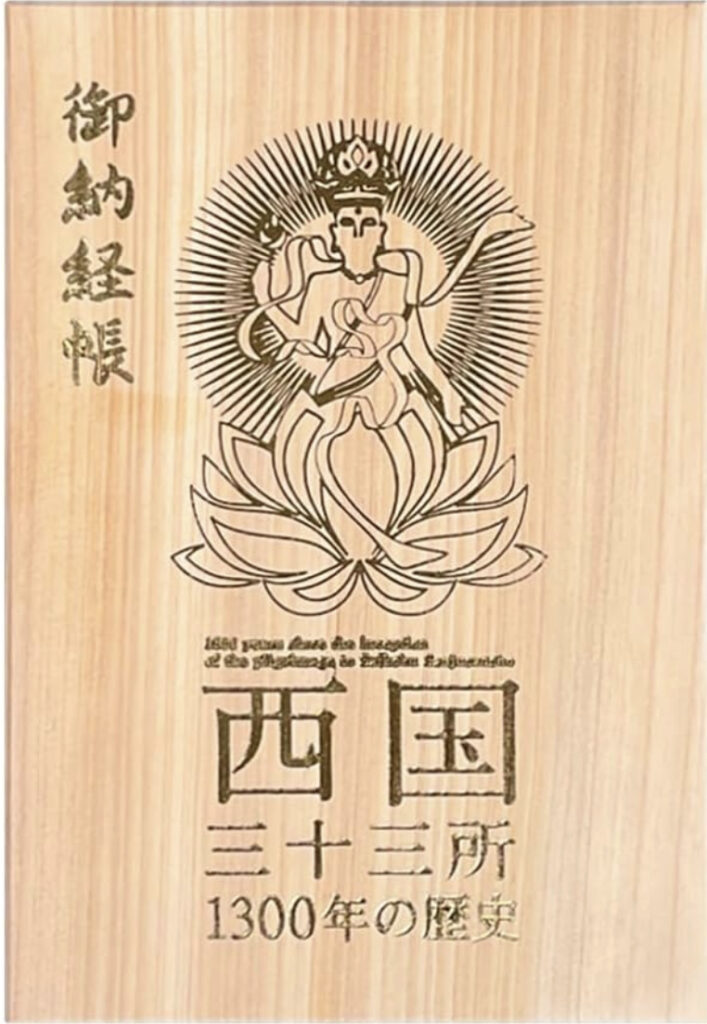
I usually collect the pre-written kakioki type of goshuin stamps, but for the Thirty-Three Temple Pilgrimage I wanted stamps written directly into a dedicated book, so I purchased one especially for the journey.
Goshuincho stamp books are also sold at the temples of the Saigoku Pilgrimage. However, the accordion-fold (jyabara) style can cause ink to bleed through to the other side. For that reason, I would recommend a bound style rather than accordion-fold — ideally one where each page is separated by an interleaving sheet of paper.
Nokyo-cho — Saigoku Thirty-Three Temples
Gold brocade binding (with vinyl cover) · Lightweight, quick-drying special washi paper that resists ink bleed-through
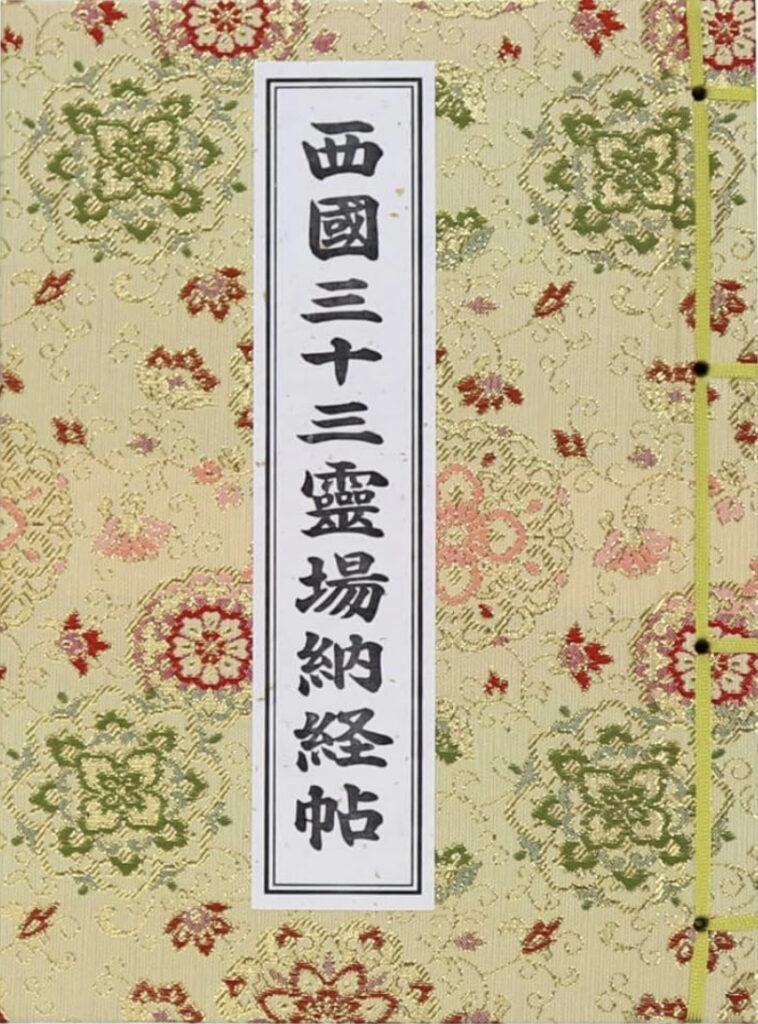
Nokyo-cho — Saigoku Thirty-Three Temples
Hinoki (Japanese cypress) solid wood binding · Handmade washi paper, accordion-fold double-layer style
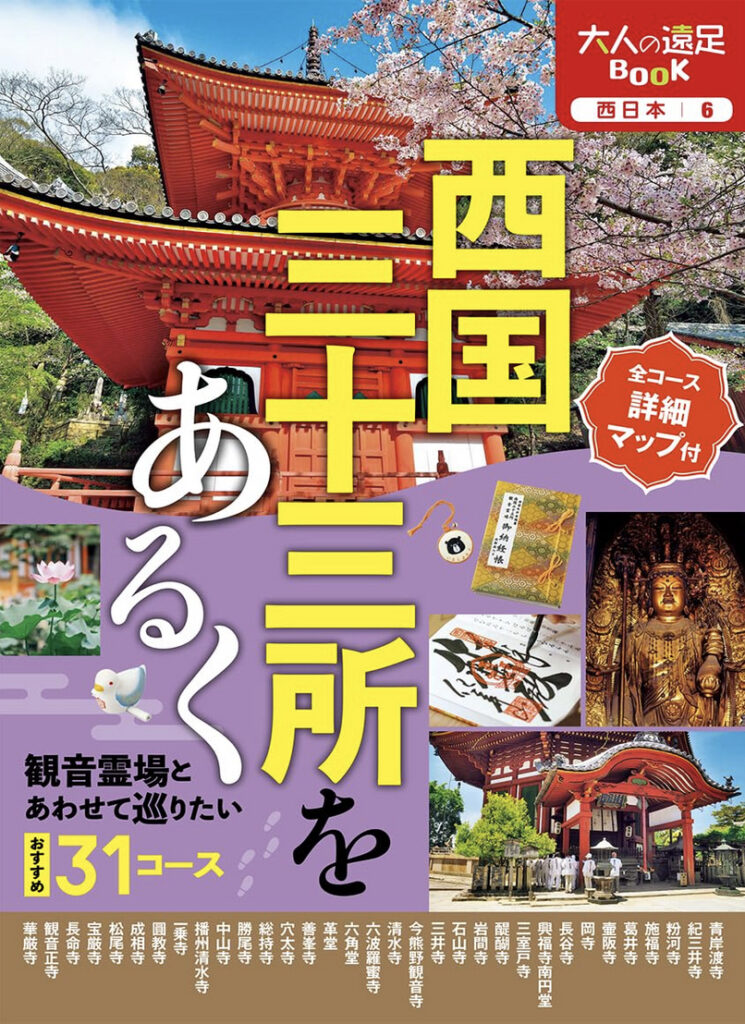
Walking the Saigoku Thirty-Three Temples
Otona no Ensoku BOOK
A guidebook for enjoying the pilgrimage and the pleasures of dedicated walking
Introduction & Overview
- What Is Esoteric Buddhism? Tendai and Shingon Explained in Simple Terms
- The Deep Connection Between the Saigoku Pilgrimage and Esoteric Buddhism | Why We Journey to Kannon Bodhisattva
Buddhas & Bodhisattvas
- What Are the 33 Forms of Kannon Bodhisattva? A Complete Guide to the Principal Images of the Saigoku Pilgrimage
- What Is the Difference Between Nyorai, Bosatsu, Myōō, and Ten? An Illustrated Guide to the Deities of Esoteric Buddhism
Practices & Culture
- The Meaning of the Heart Sutra Explained Simply | The World of the Sutras Chanted on Pilgrimage
- What Are Goshuin, Omiei, and Sange? The Esoteric Buddhist Culture You Encounter on the Saigoku Pilgrimage
Temples & History
Saigoku Pilgrimage of the Thirty-Three Temples — List of Sacred Sites
- No.12 Syohoji
- No.13 Ishiyamadera
- No.14 Miidera
- No.15 Imakumano-Knnonji
- No.16 Kiyomizudera
- No.17 Rokuharamitsuji
- No.18 Rokkakudo-Chohoji
- No.19 Kaudo-Gyoganji
- No.20 Yoshiminedera
- No.21 Anaoji
- No.22 Sojiji
- No.23 Katsuoji
- No.24 Nakayamadera
- No.25 Bansyu-Kiyomizudera
- No.26 Ichijyoji
- No.27 Engyoji
- No.28 Nariaiji
- No.29 Matsunoodera
- No.30 Chikubusima-Hogonji
- No.31 Chomeiji
- No.32 Kannonsyoji
- No.33 Kegonji