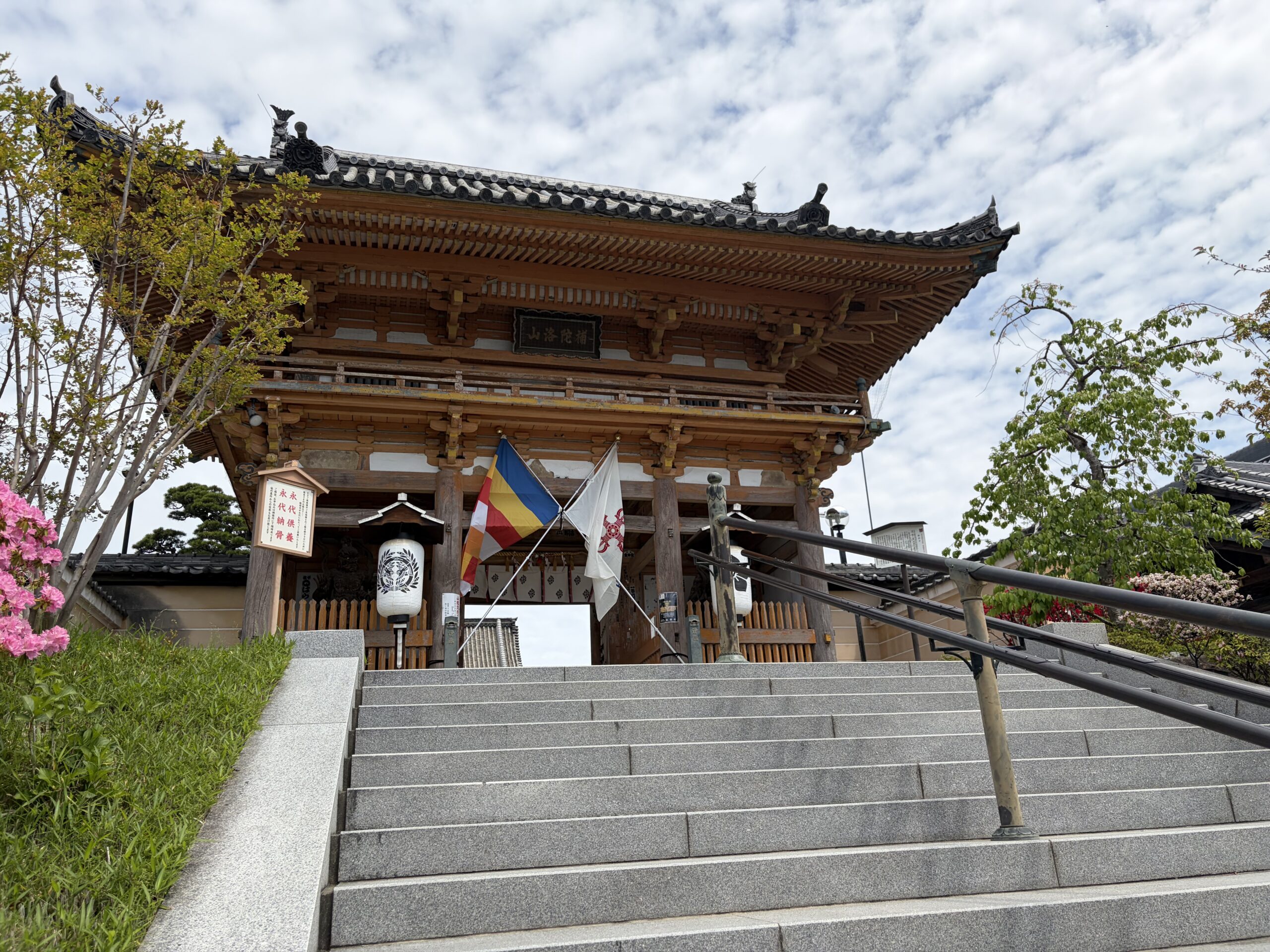
My local temple, Sōjiji, was where my Saigoku Pilgrimage truly began.
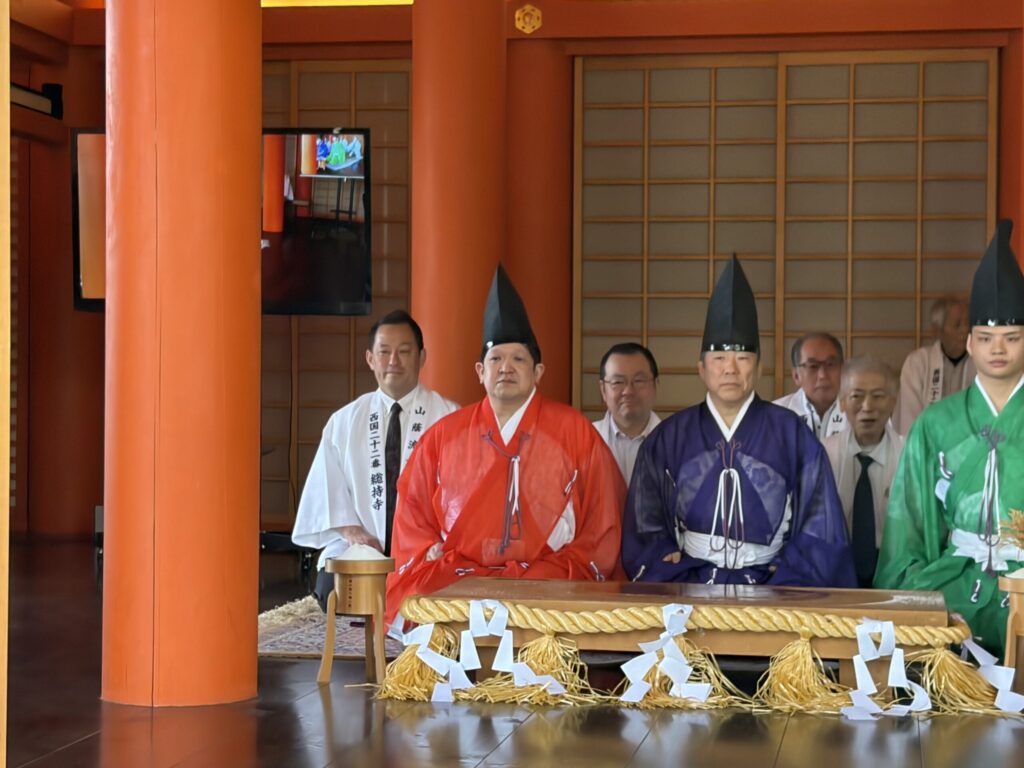
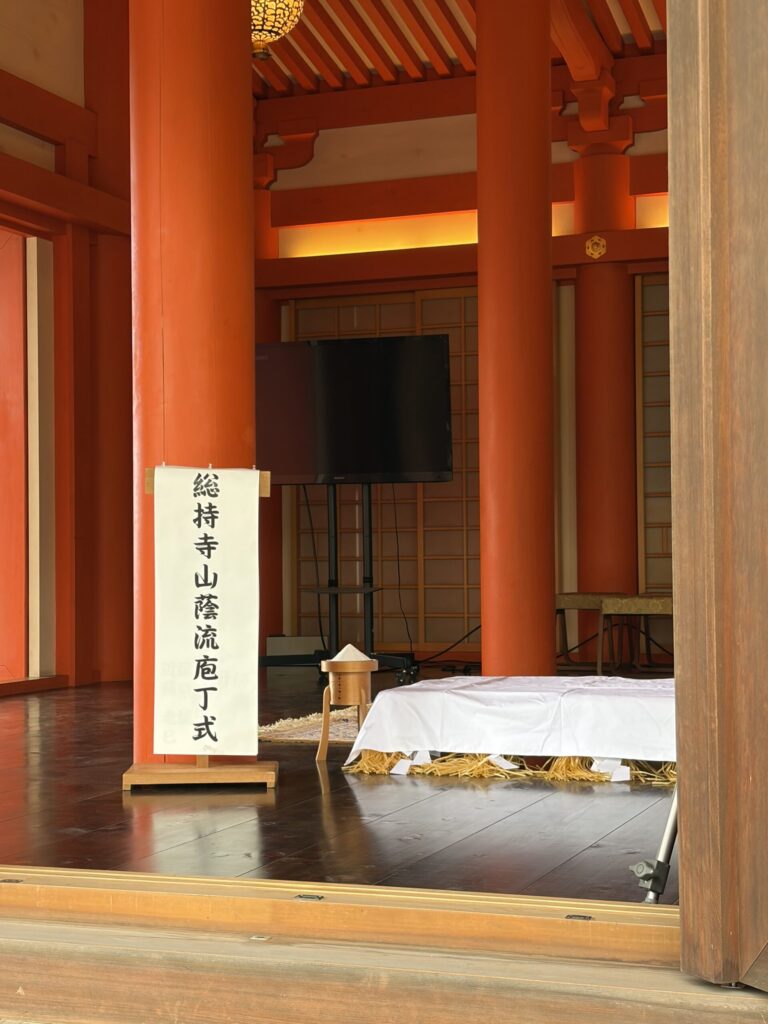
I visited on the day of the Hochoshiki ceremony in April — which happened to coincide with the once-a-year opening of the principal image. I purchased a dedicated pilgrimage stamp book there and went to pay my respects to the enshrined deity.
I also offered prayers before the images of the 33 Kannon deities, painted by artist Maruyama to commemorate the thousandth anniversary of Emperor Kazan’s revival of the pilgrimage. In a sense, I visited all 33 sacred sites that very day. It was an auspicious start.
The following article was written by AI (Claude). The photographs are my own.
On the Saigoku Pilgrimage, Site 22 brings us to Sōjiji Temple in Ibaraki City, Osaka Prefecture. Known for its legend of a Kannon riding on the back of a turtle, and for its hochoshiki — a ceremonial knife ritual performed to pray for culinary skill — this temple wraps visitors in a warm and gentle embrace. Here is a full introduction to Sōjiji’s history, highlights, and what to look for on your visit.
What Kind of Temple Is Sōjiji?
Sōjiji is a temple of the Koyasan Shingon sect located in Sōjiji, Ibaraki City, Osaka Prefecture. Its mountain name is Fudarakusan (補陀洛山). The principal image is the Thousand-Armed Kannon (Senju Kanzeon Bosatsu), and as Site 22 of the Saigoku Sanjūsan-kasho pilgrimage, the temple has welcomed countless pilgrims over the centuries.
Despite its urban location, the temple grounds retain a peaceful atmosphere. It is just a few minutes’ walk from both Hankyu “Sōjiji Station” and JR “JR Sōjiji Station,” making it exceptionally easy to access — a welcoming stop not only for pilgrims but for local residents as well.
The Temple’s Pilgrimage Verse (Goeika)
The traditional verse associated with Sōjiji reads:
Oshinabete / oi mo wakaki mo / Sōjiji no / hotoke no chikai / tanomanu wa nashi
“Young and old alike, there is none who does not rely on the vow of the Buddha of Sōjiji.”
These words express the boundless compassion of Kannon, whose vow to save all beings — regardless of age — runs through the heart of this temple.
The Legend of the Turtle-Riding Kannon
Sōjiji is famous above all for its legend of the turtle, connected to Fujiwara no Yamakage, a nobleman of the Heian period.
One day, Yamakage’s father, Takafusa, purchased a large turtle that had been caught by fishermen and released it back into the river. That very night, the young Yamakage fell into the river. His father prayed desperately to Kannon — and the next morning, the turtle they had saved appeared, carrying the boy safely on its back.
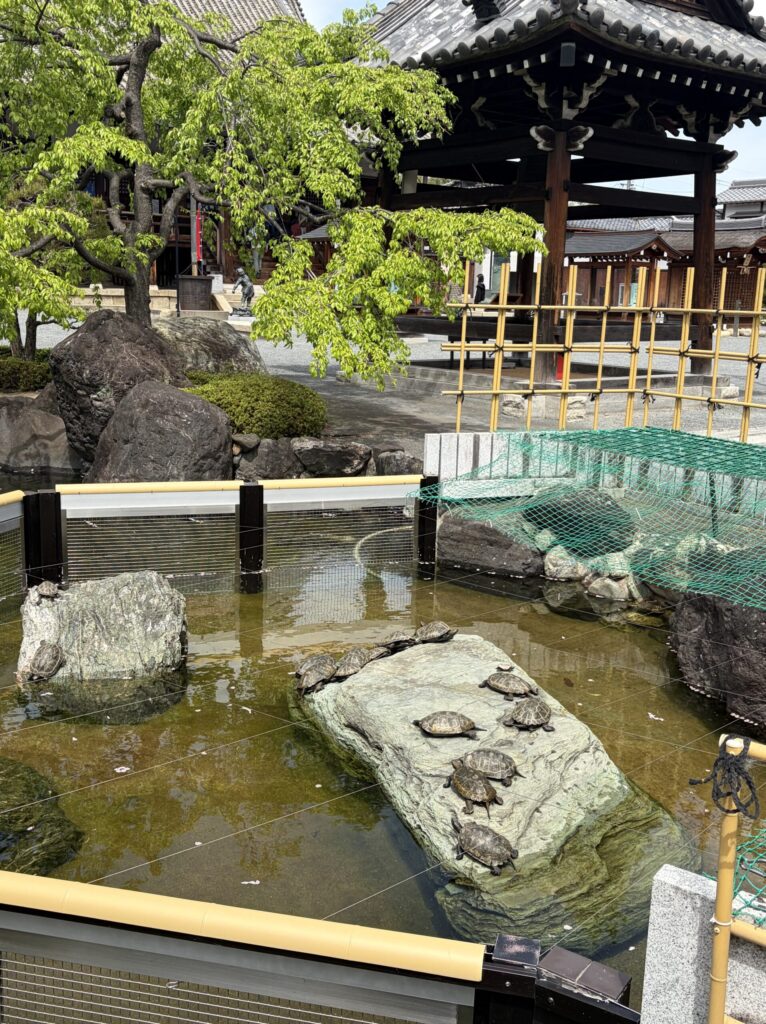
In gratitude, Yamakage enshrined a statue of the Thousand-Armed Kannon and built a hall to honor it. This is said to be the founding of Sōjiji Temple. To this day, the principal image stands upon the back of a turtle — a rare and distinctive form.
- A story of hoon (報恩) — repaying kindness: a father’s compassion saved a turtle, and that turtle saved his son
- The principal image stands on a turtle’s back — an unusual and memorable form
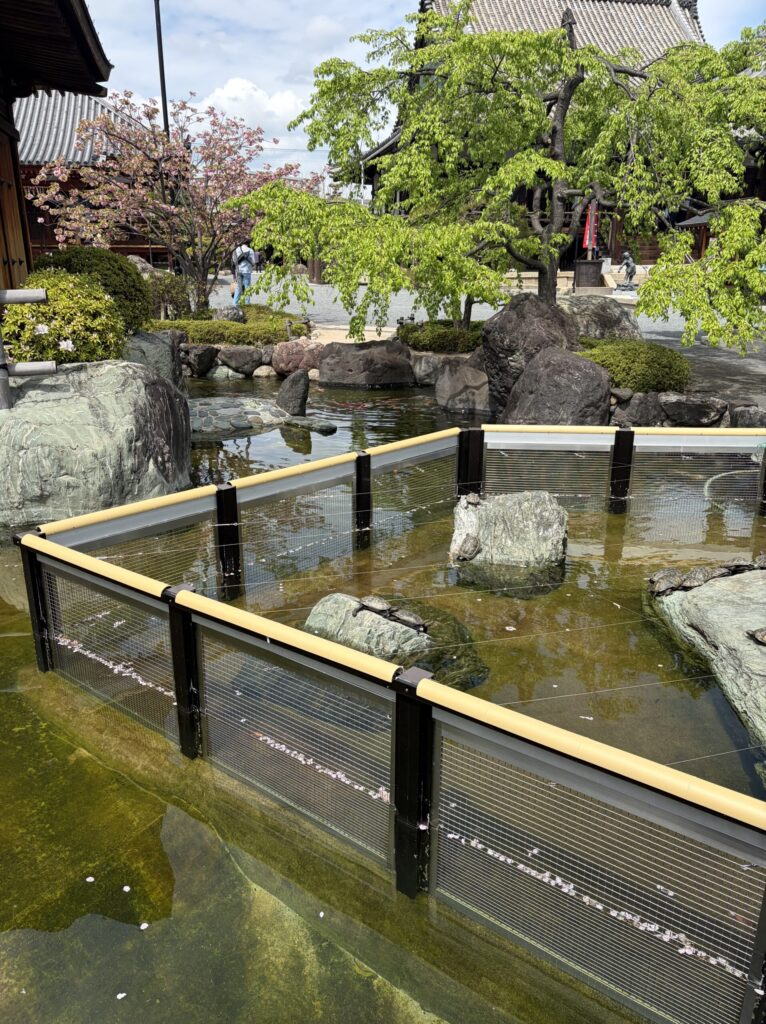
- Turtle motifs appear throughout the grounds in statues and votive items
The Hochoshiki: A Ceremony for Culinary Mastery
Equally central to Sōjiji’s identity is the hochoshiki — the ceremonial knife ritual. Fujiwara no Yamakage, who enshrined Kannon here, is also revered as the founder of the Shijo-ryu school of Japanese cuisine, a tradition that profoundly shaped the development of Japanese culinary arts.
In connection with this legacy, Sōjiji holds the Yamakage-ryu Hochoshiki every year on April 18. Dressed in formal Heian-period attire — eboshi cap and hitatare robe — a chef prepares fish using only a knife and chopsticks, without ever touching the food by hand. It is a graceful and solemn ceremony rooted in centuries of tradition.
Chefs and those involved in food come to pray for skill and to give thanks. If you hope to improve your cooking, this is a wonderful occasion to visit.
Highlights of the Temple Grounds
The Main Hall and Principal Image
At the center of the grounds stands the main hall, where the Thousand-Armed Kannon stands upon a turtle. The principal image is a hidden Buddha (hibutsu), normally kept within a closed shrine, but it can be viewed during special openings. Standing before it in the solemn atmosphere, many visitors feel a quiet sense of calm settle over them.
The Knife Mound and Kojin-do Shrine
The grounds also include a hochozuka — a mound dedicated to knives — and the Kojin-do, a shrine to the deity of fire and the kitchen. These spots, filled with the prayers of those who work with food, are uniquely Sōjiji.
Seasonal Beauty
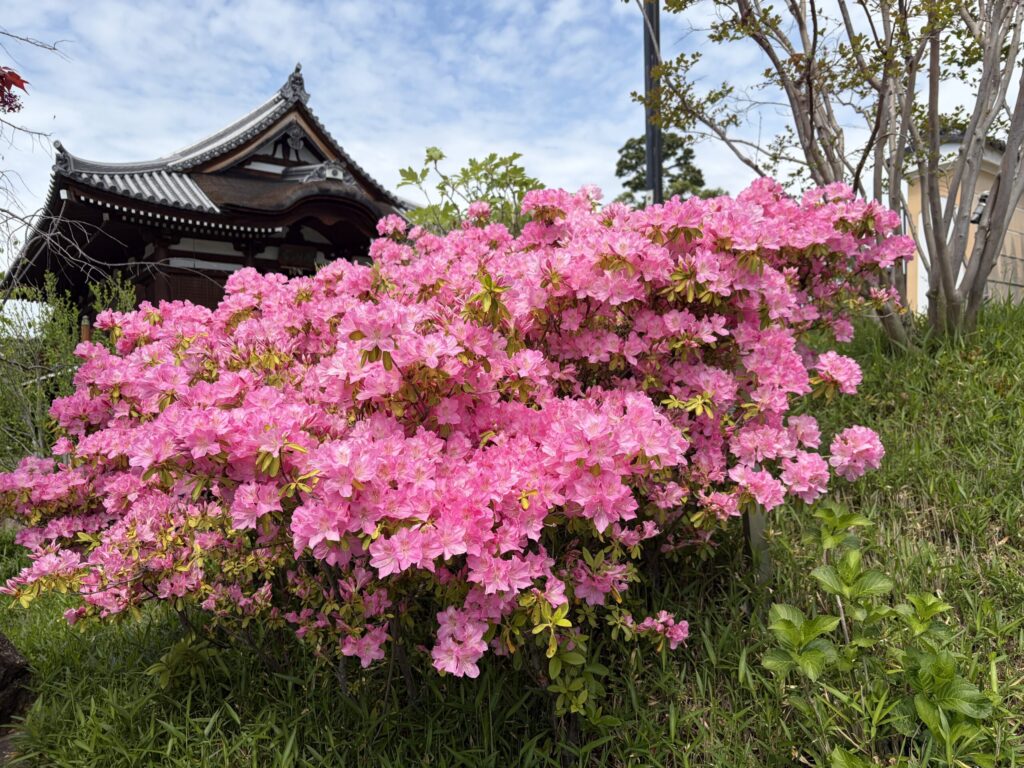
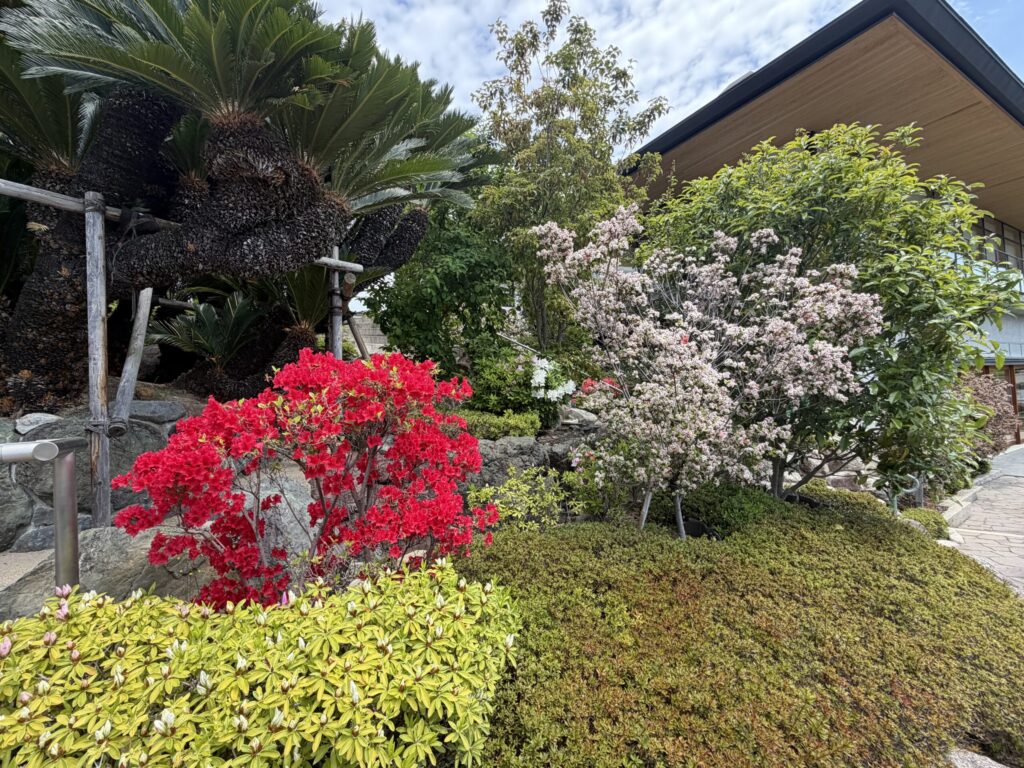
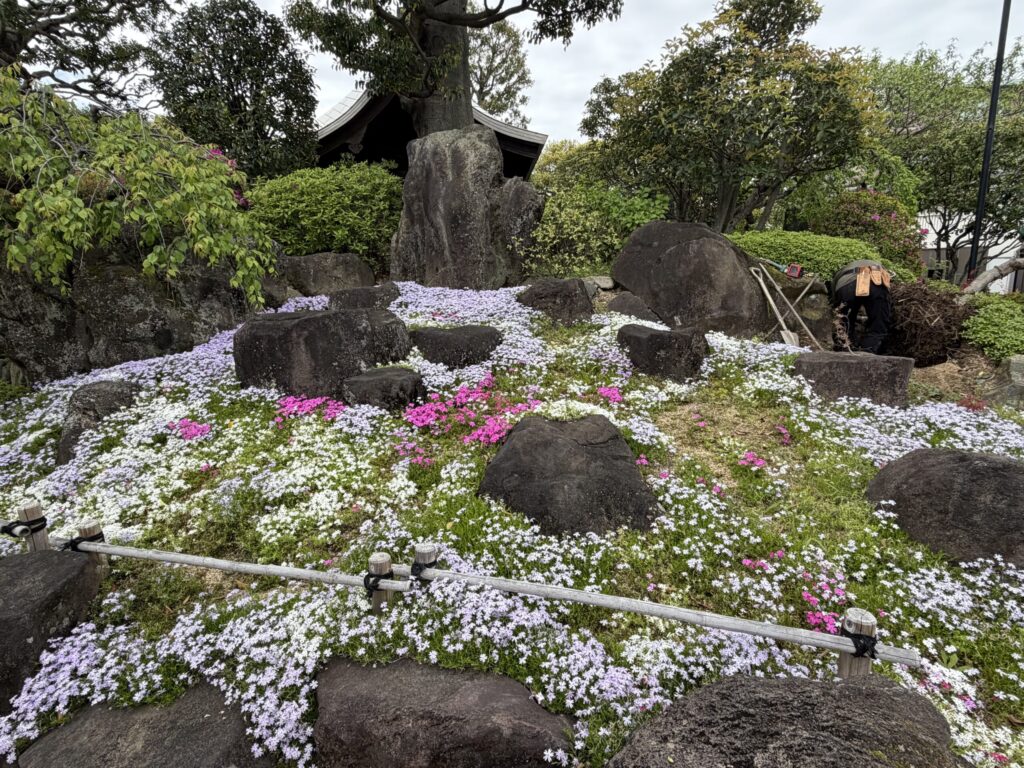
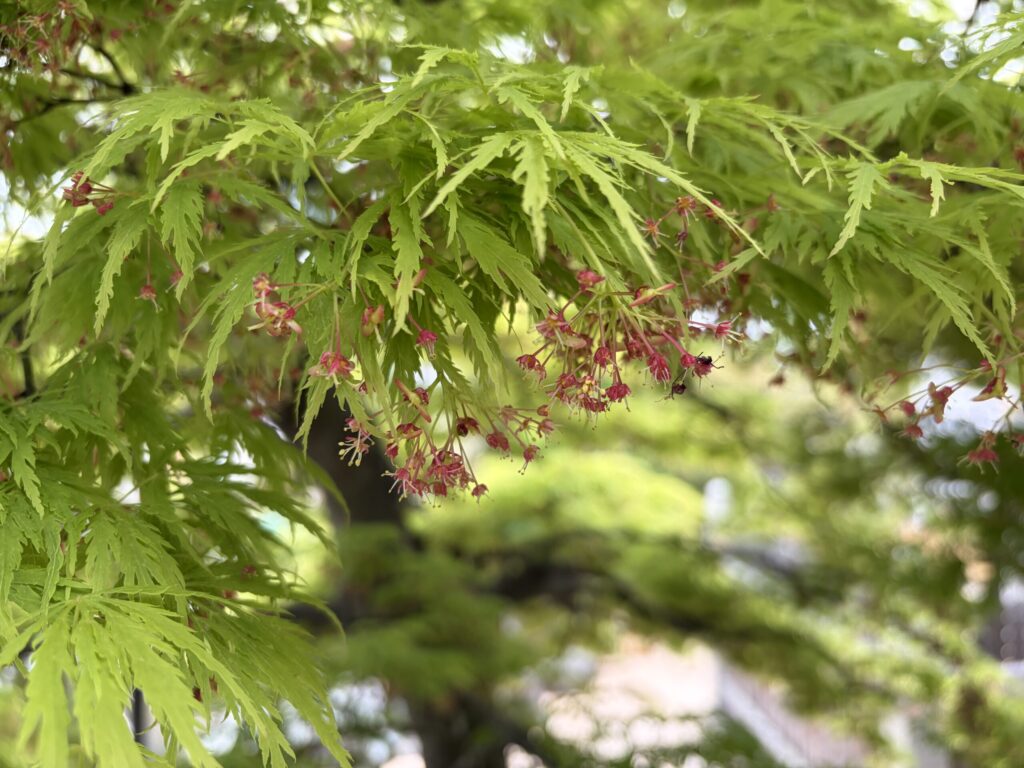
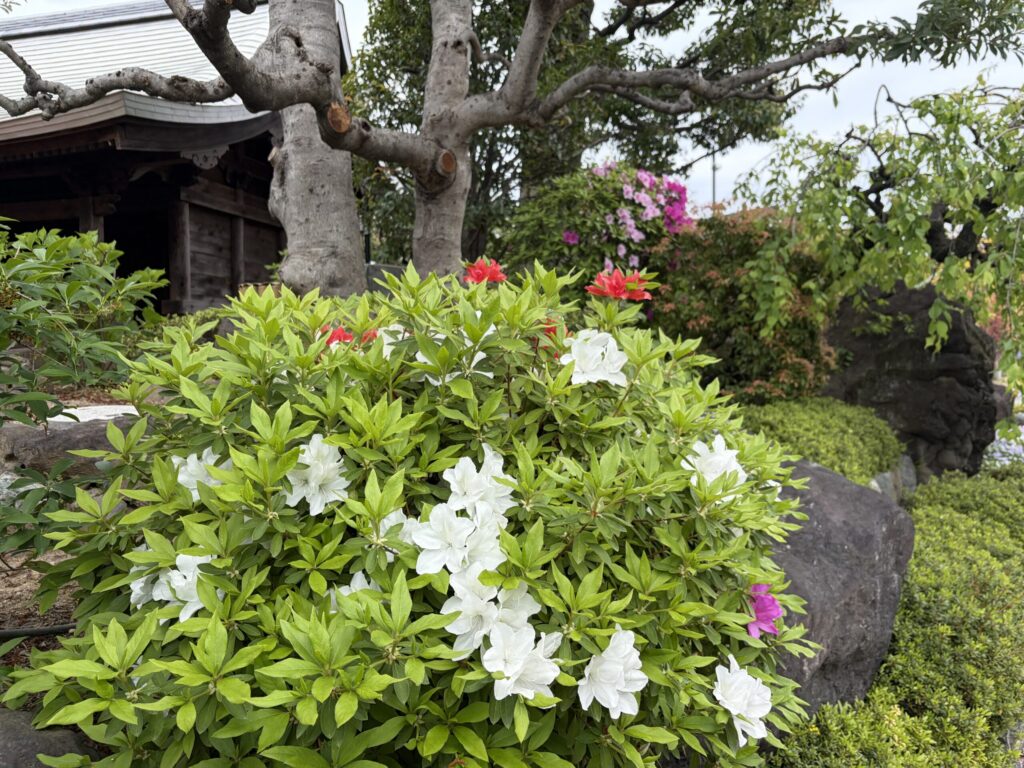
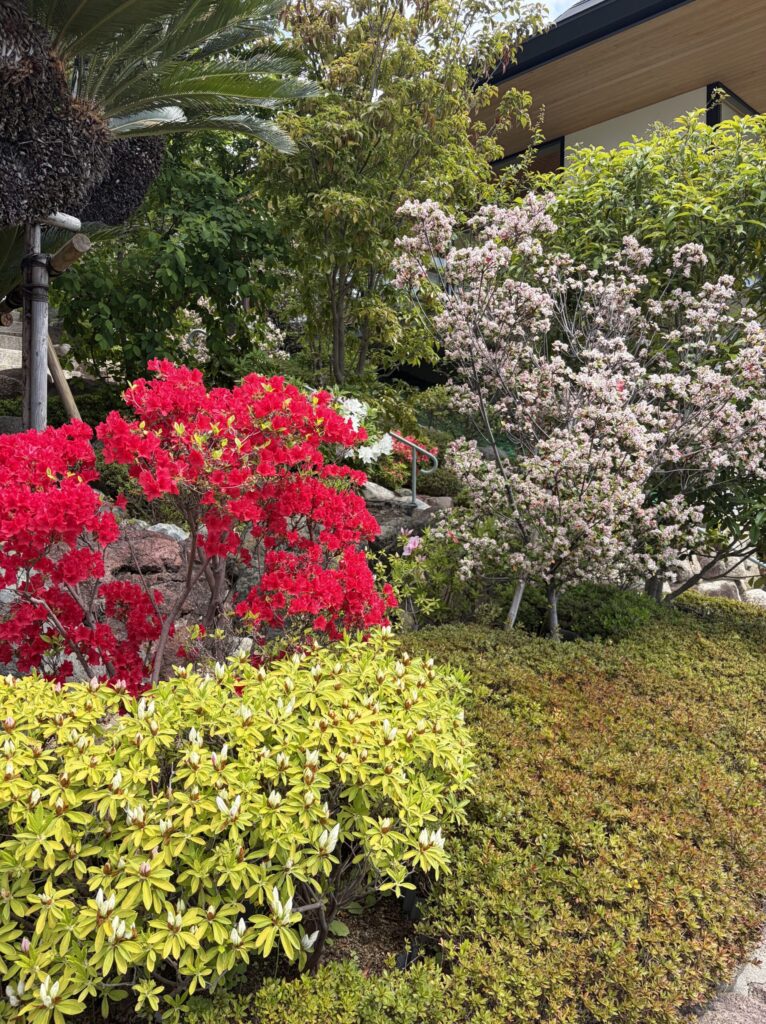
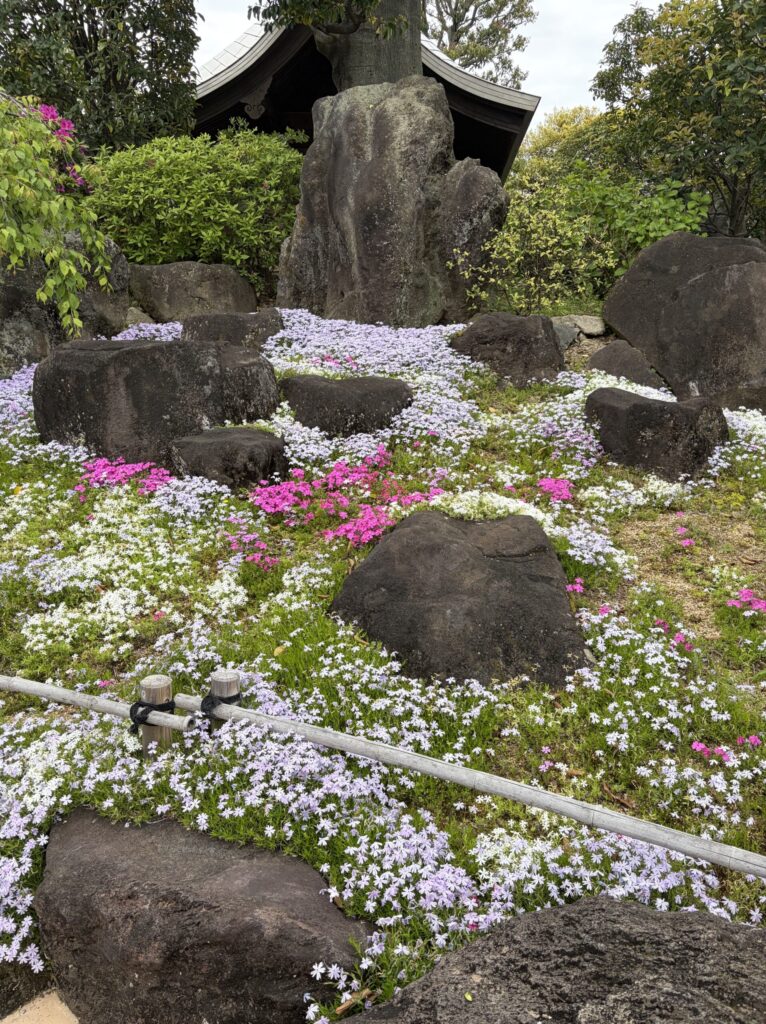
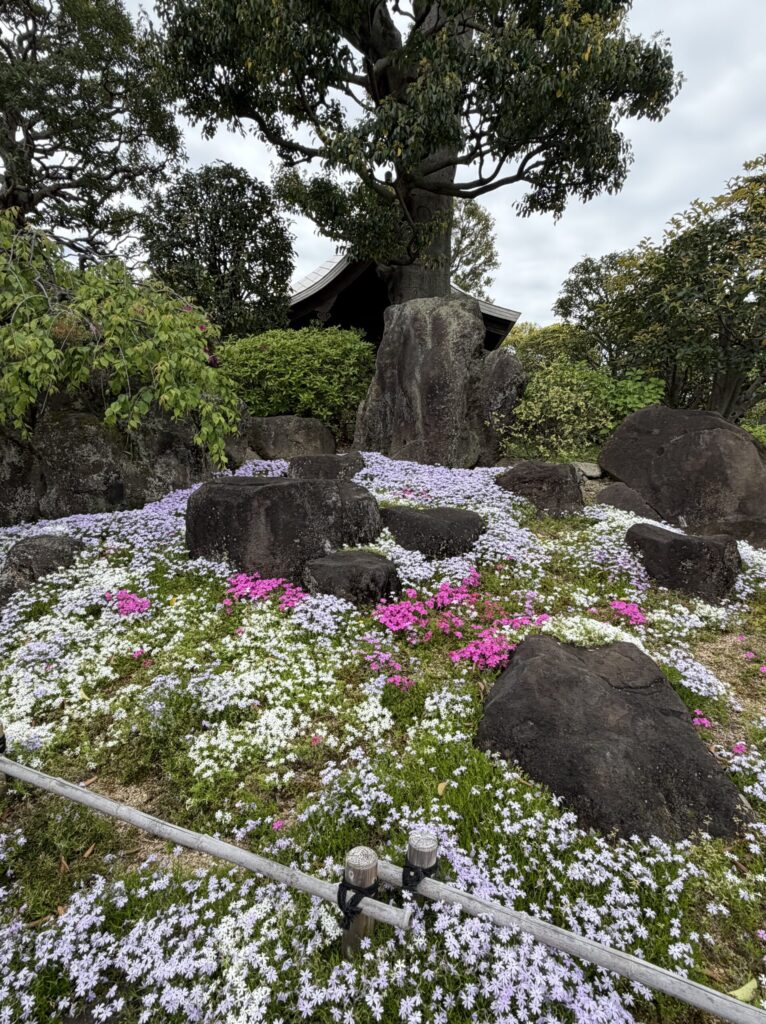
Despite being in an urban area, Sōjiji offers beautiful scenery through the seasons — cherry blossoms in spring, vivid autumn leaves in fall. The changing of the seasons adds another layer of joy to a visit.
Practical Information and Access
- Address: 1-6-1 Sōjiji, Ibaraki City, Osaka Prefecture
- Sect: Koyasan Shingon
- Principal Image: Senju Kanzeon Bosatsu (Thousand-Armed Kannon)
- Access: Approx. 5 min walk from Hankyu Kyoto Line “Sōjiji Station” / Approx. 7 min walk from JR Kyoto Line “JR Sōjiji Station”
- Stamp office hours: Generally 8:00 AM – 5:00 PM (please confirm on the official site before visiting)
The route from the station is flat and easy, making this site accessible for elderly visitors and families with children. It also connects conveniently to other pilgrimage sites, making it an easy and relaxed stop on the journey.
Summary
Sōjiji Temple, Site 22 of the Saigoku Pilgrimage, is a place where a heartwarming legend of turtle and Kannon intertwines with a unique tradition honoring the art of Japanese cuisine. Encountering the story of hoon — the repayment of kindness — and joining your hands in prayer before the turtle-riding Kannon, you may find a quiet peace settling into your heart.
Easy to reach from the station and welcoming to first-time pilgrims, Sōjiji is a gem among the 33 sacred sites. Whether you come to pray for culinary skill or simply to find a moment of stillness, this temple is well worth a visit.
References
- Saigoku Sanjūsan-kasho Official Website
- Sōjiji Temple Official Site
- Ibaraki City Tourism Association
Postscript: Autumn 2024 Photos and Lunch
On the day of the Hochoshiki, I headed for lunch to a spice curry restaurant on the opposite side of Sōjiji Station — and it was wonderful.
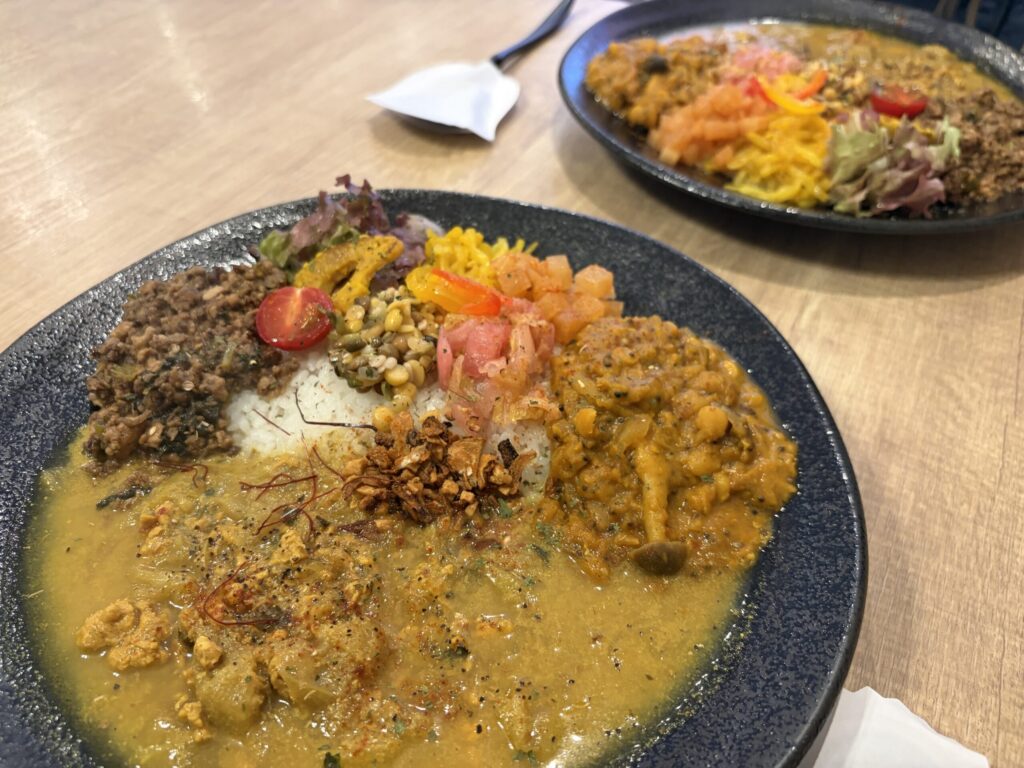
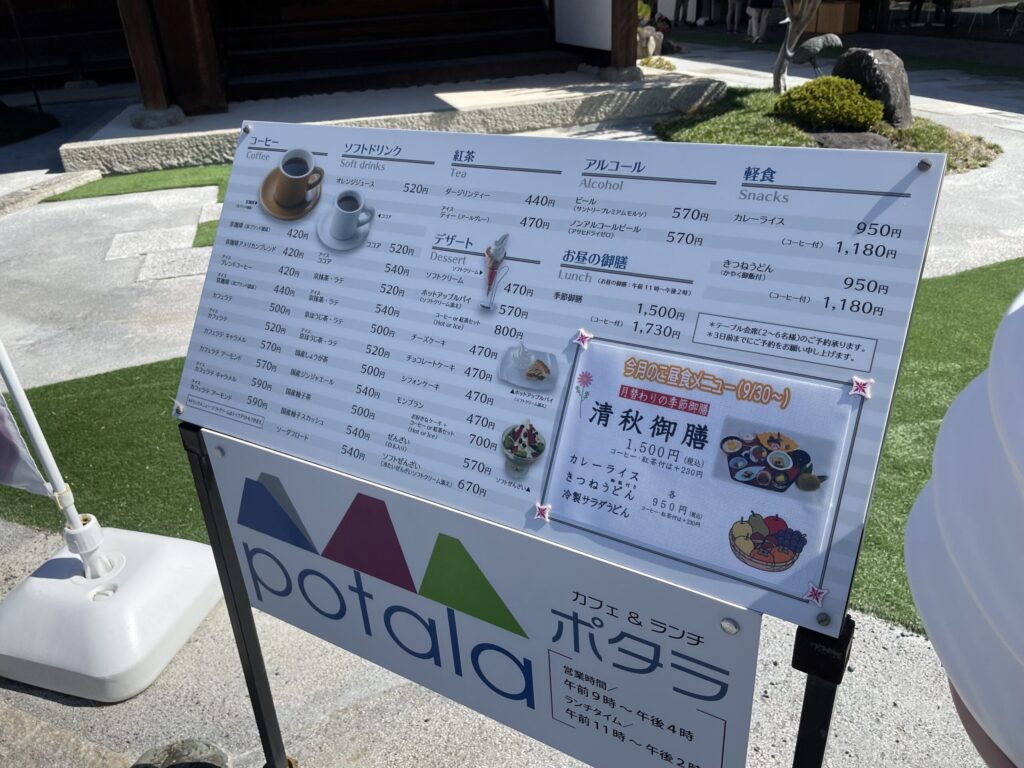
On days other than the ceremony, however, I would highly recommend the café inside the temple grounds itself.
The café is called Potala (ポタラ).
More information here.
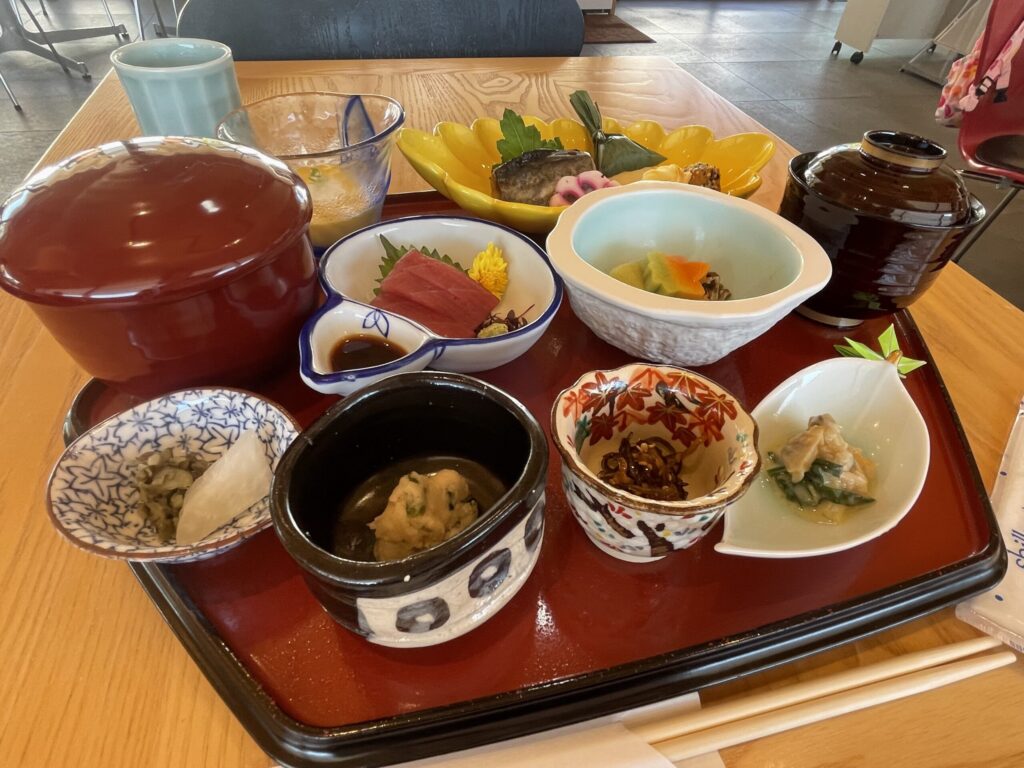
They serve a seasonal gozen — a beautifully arranged Japanese set meal — at very reasonable prices. I’ve heard that the chefs behind the Yamakage-ryu ceremony are involved in preparing the food, which means you can enjoy an authentic, carefully crafted seasonal meal without spending a fortune.
It’s quietly beloved by locals — a hidden gem well worth knowing about.
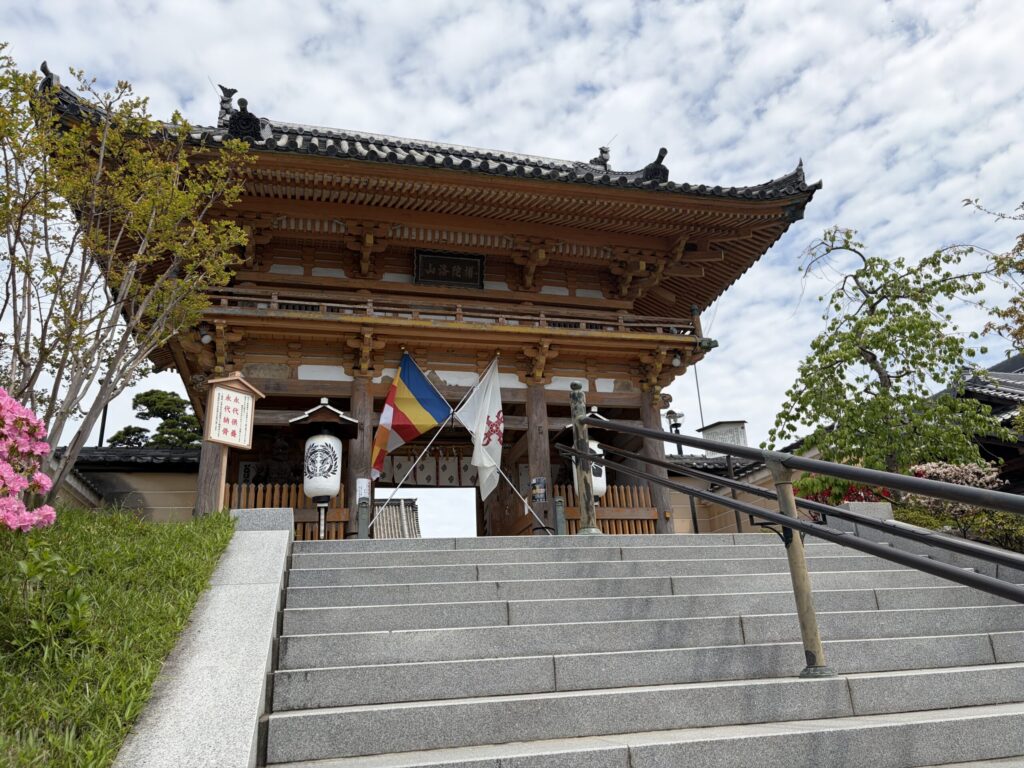
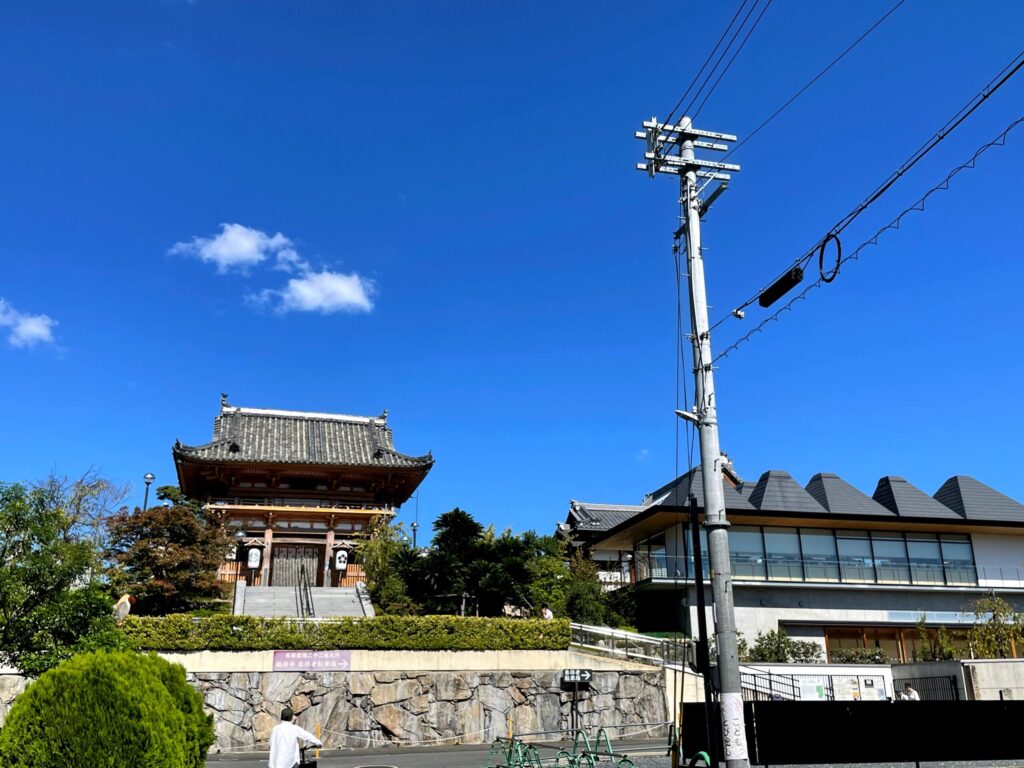
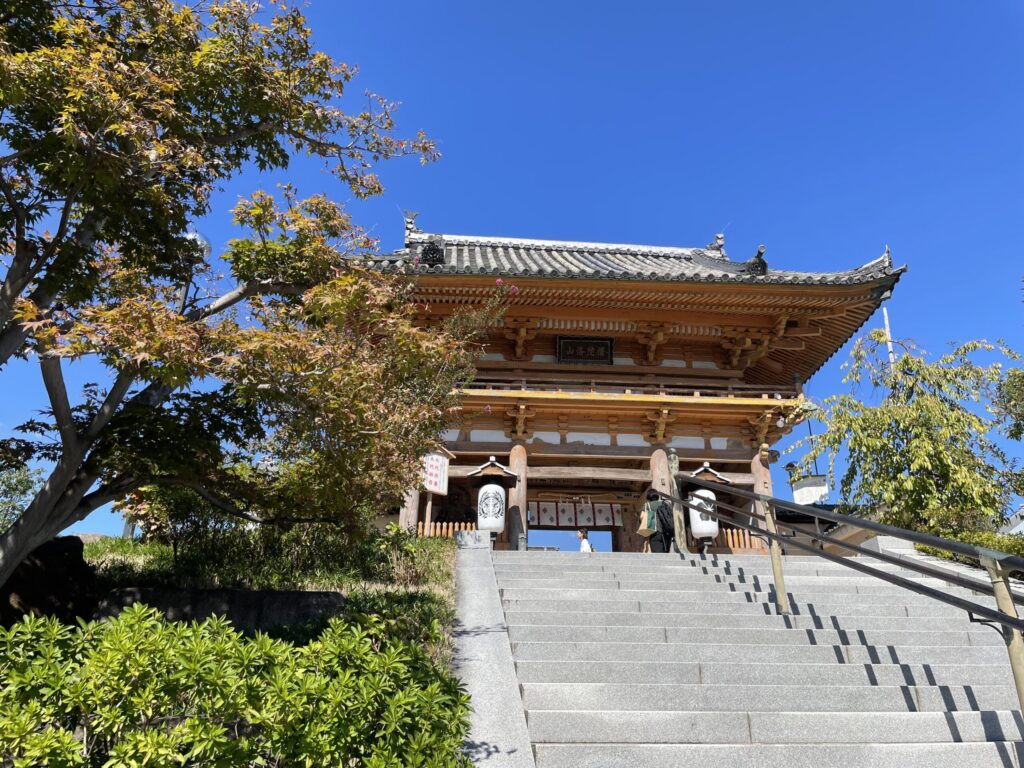
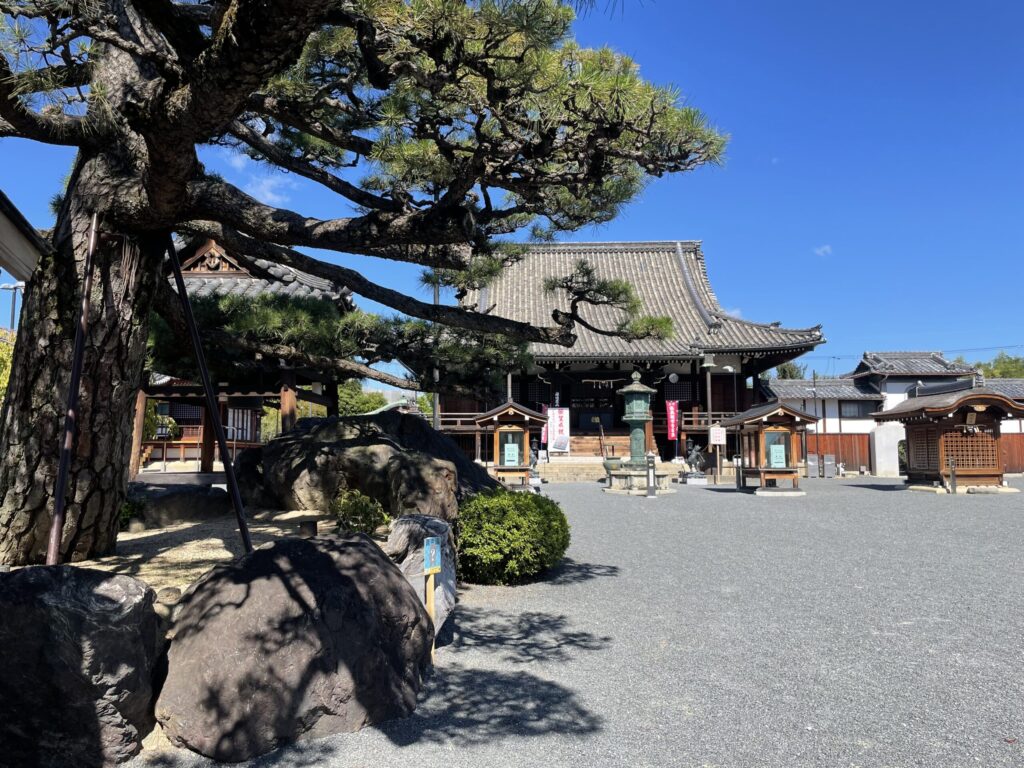
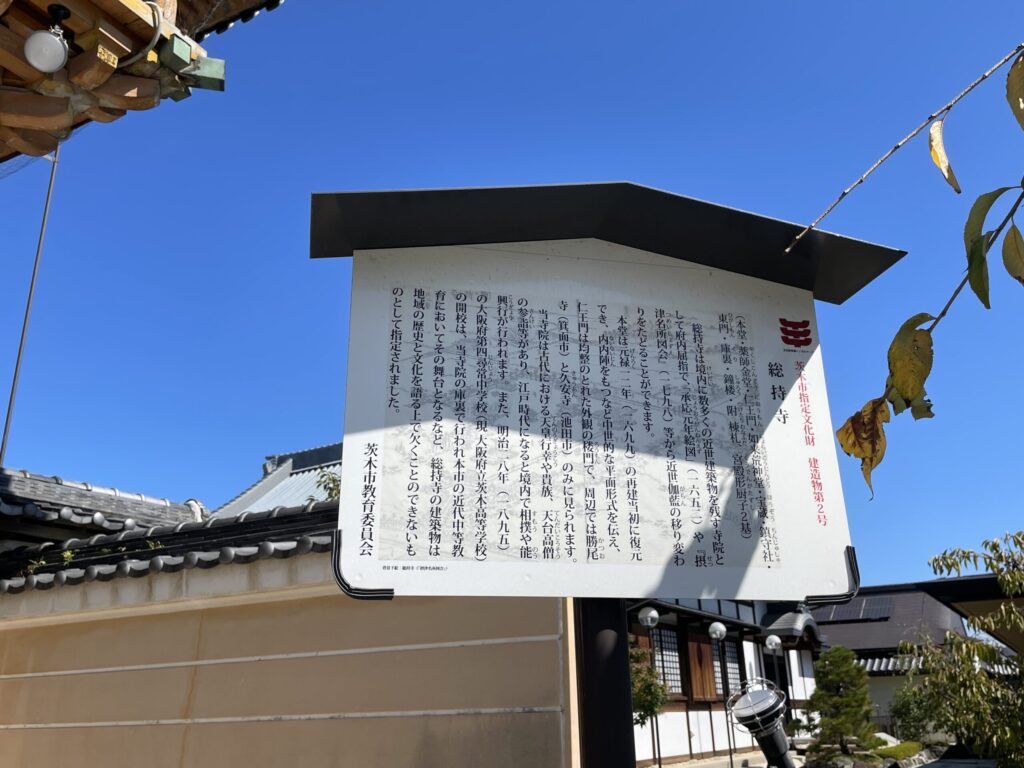
Below are some photographs from my autumn 2024 visit to the temple.
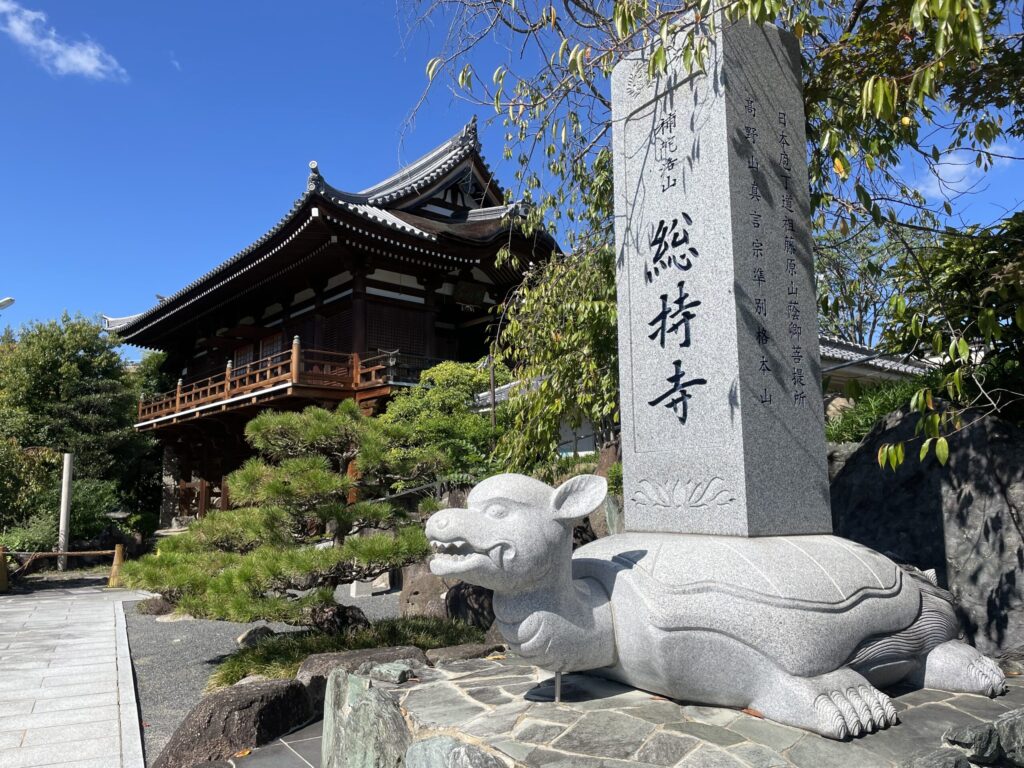
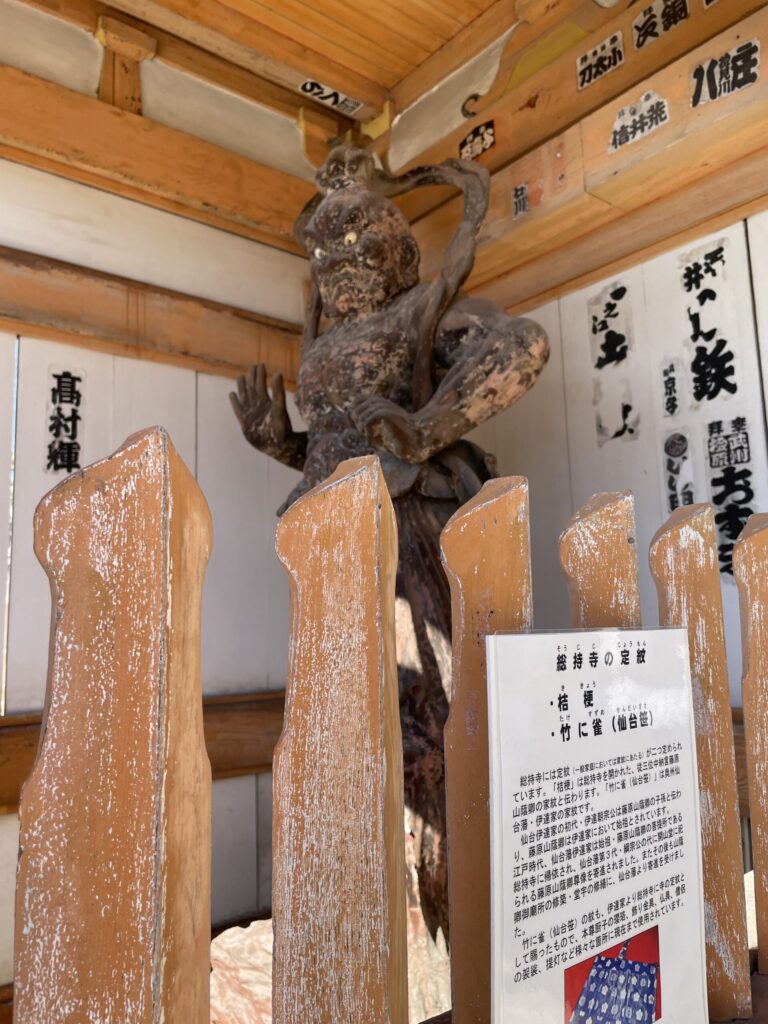
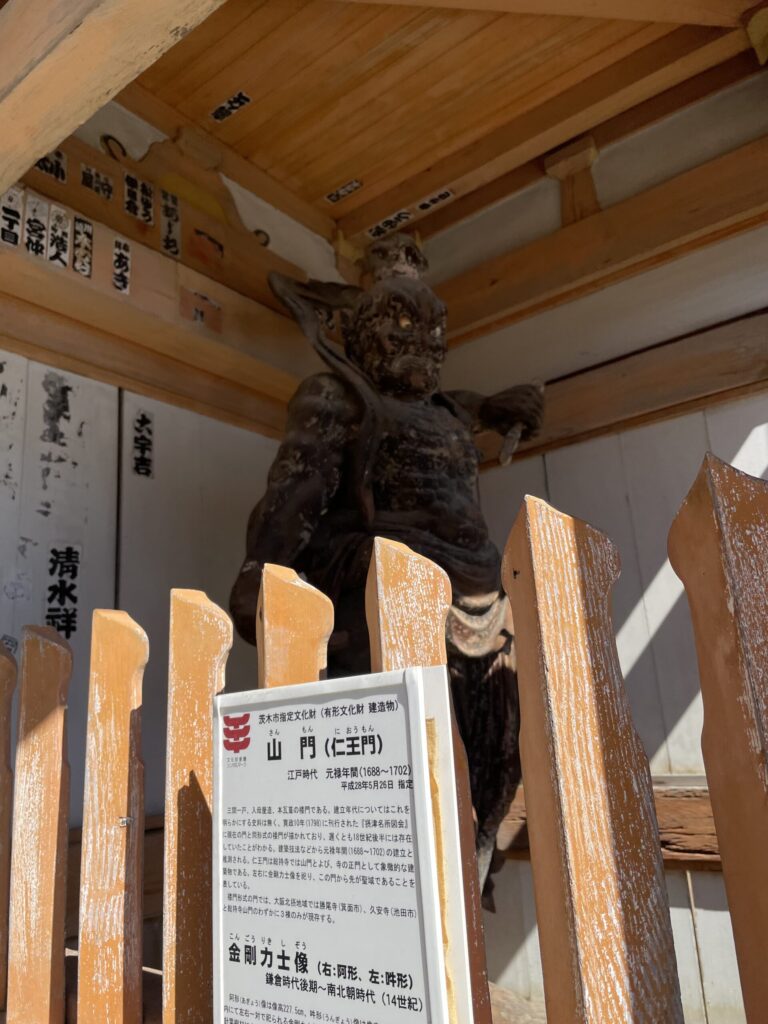
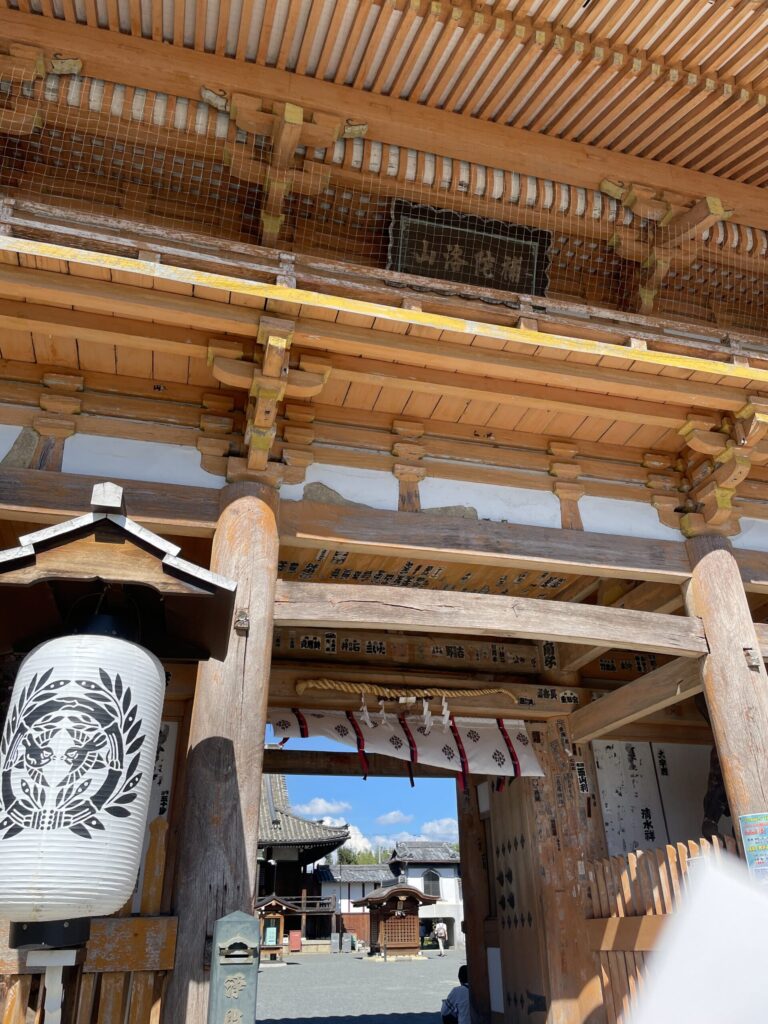
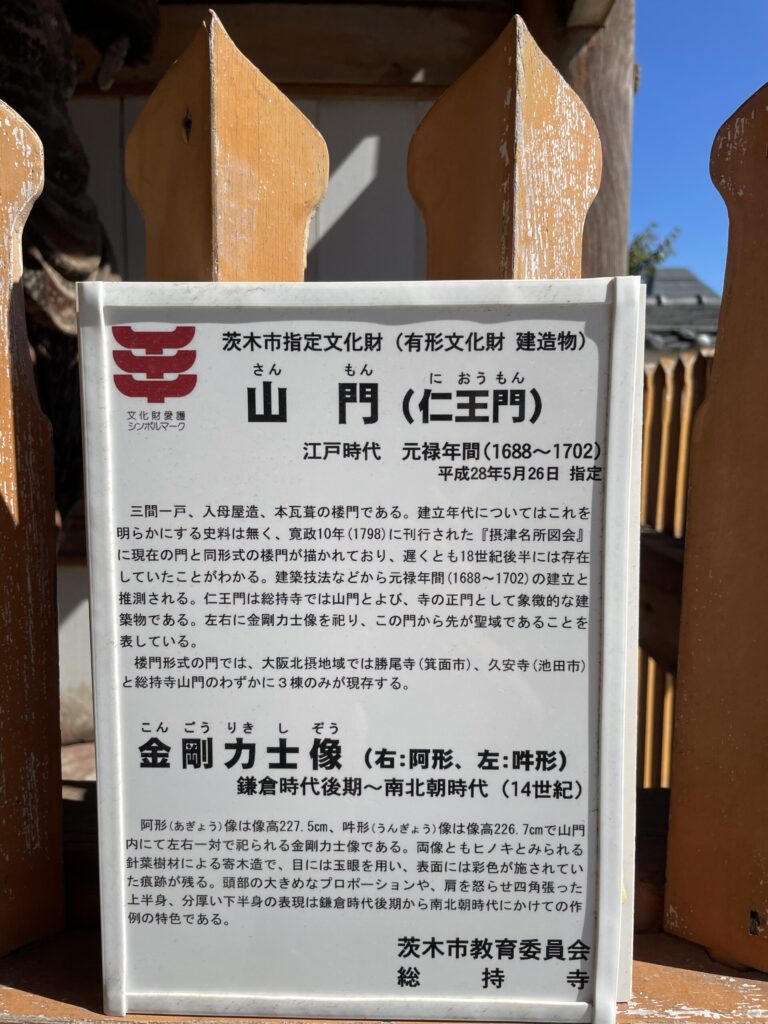
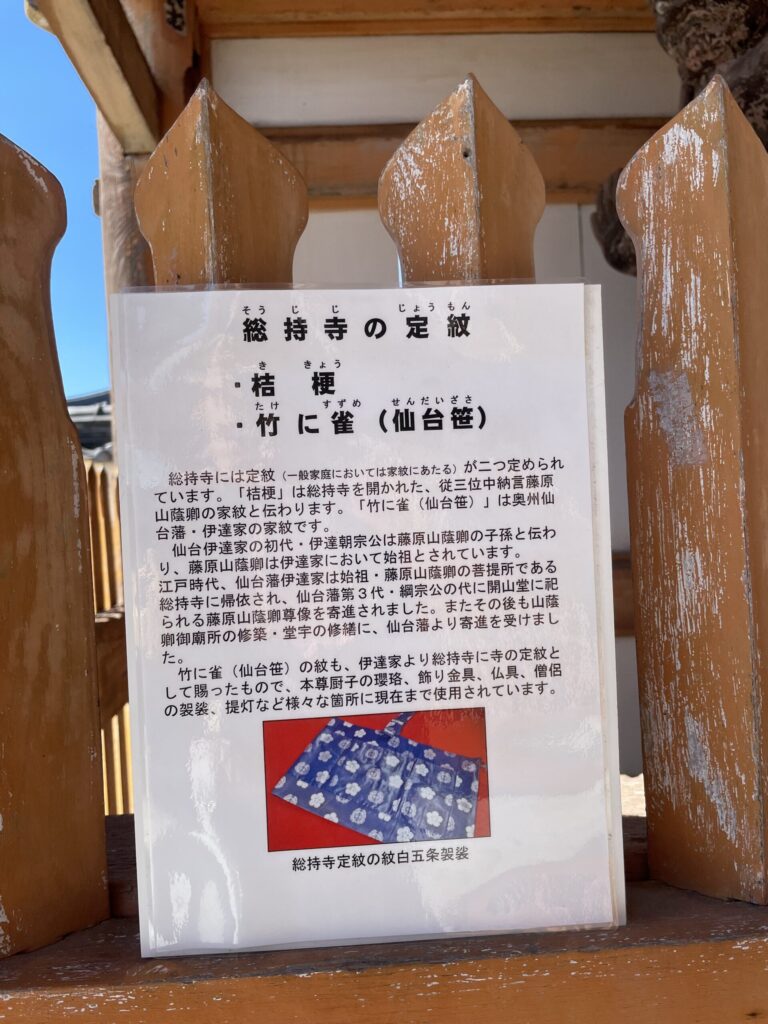
During the special opening of the principal image in 2026, I was able to see the interior of the shrine for the first time. Inside stood a Kannon image — jet black, darkened by soot.
My first thought was that it must have been caught in a fire. Just a few days earlier, I had seen the four scorched guardian statues (Shitenno) at the Jikido (dining hall) of Toji Temple in Kyoto — so the sight felt strangely familiar.
As it turns out, the blackening of Sōjiji’s Kannon image is said to be the result of an attack by Oda Nobunaga’s forces, who burned the temple during their military campaigns.
One cannot help but wonder — how many irreplaceable historical buildings and sacred objects were destroyed by the warlords of that age?
About Goshuin Stamp Books and Related Items
I usually collect the pre-written kakioki type of goshuin stamps, but for the Thirty-Three Temple Pilgrimage I wanted stamps written directly into a dedicated book, so I purchased one especially for the journey.
Goshuincho stamp books are also sold at the temples of the Saigoku Pilgrimage. However, the accordion-fold (jyabara) style can cause ink to bleed through to the other side. For that reason, I would recommend a bound style rather than accordion-fold — ideally one where each page is separated by an interleaving sheet of paper.
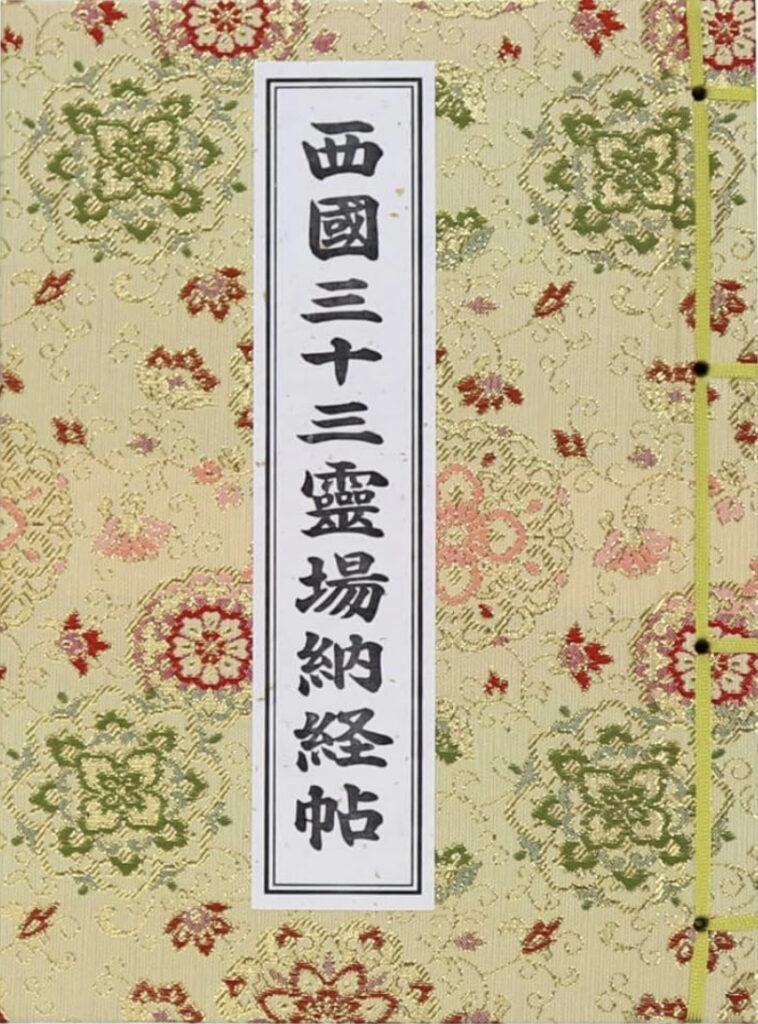
Nokyo-cho — Saigoku Thirty-Three Temples
Gold brocade binding (with vinyl cover) · Lightweight, quick-drying special washi paper that resists ink bleed-through
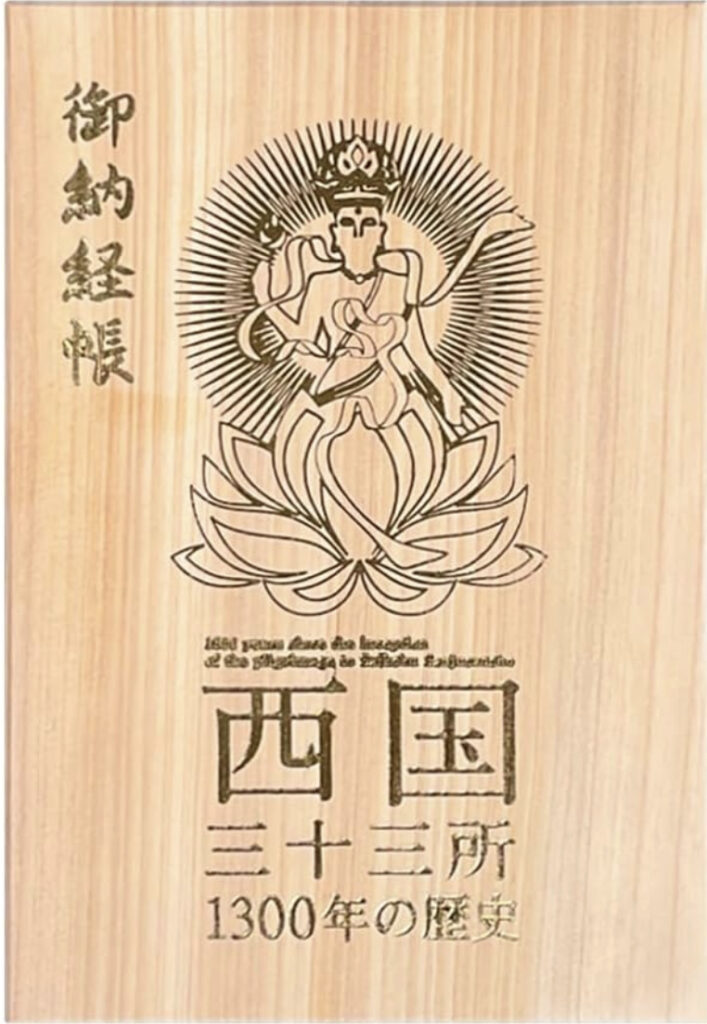
Nokyo-cho — Saigoku Thirty-Three Temples
Hinoki (Japanese cypress) solid wood binding · Handmade washi paper, accordion-fold double-layer style
Walking the Saigoku Thirty-Three Temples
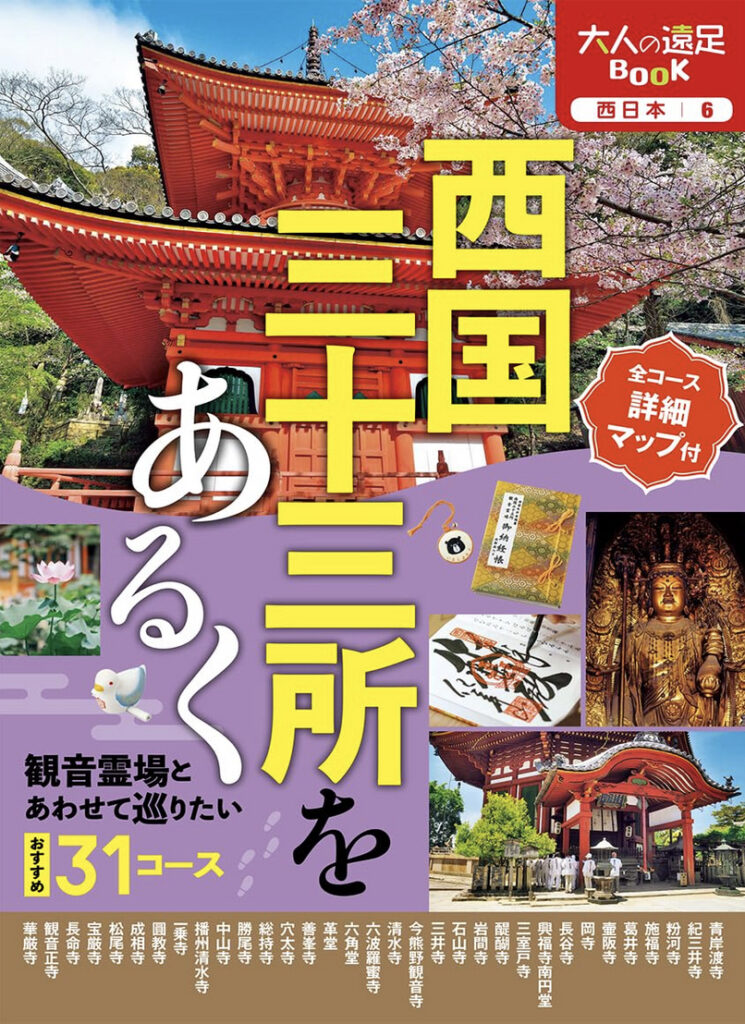
Otona no Ensoku BOOK
A guidebook for enjoying the pilgrimage and the pleasures of dedicated walking
Introduction & Overview
- What Is Esoteric Buddhism? Tendai and Shingon Explained in Simple Terms
- The Deep Connection Between the Saigoku Pilgrimage and Esoteric Buddhism | Why We Journey to Kannon Bodhisattva
Buddhas & Bodhisattvas
- What Are the 33 Forms of Kannon Bodhisattva? A Complete Guide to the Principal Images of the Saigoku Pilgrimage
- What Is the Difference Between Nyorai, Bosatsu, Myōō, and Ten? An Illustrated Guide to the Deities of Esoteric Buddhism
Practices & Culture
- The Meaning of the Heart Sutra Explained Simply | The World of the Sutras Chanted on Pilgrimage
- What Are Goshuin, Omiei, and Sange? The Esoteric Buddhist Culture You Encounter on the Saigoku Pilgrimage
Temples & History
Saigoku Pilgrimage of the Thirty-Three Temples — List of Sacred Sites
- No.12 Syohoji
- No.13 Ishiyamadera
- No.14 Miidera
- No.15 Imakumano-Knnonji
- No.16 Kiyomizudera
- No.17 Rokuharamitsuji
- No.18 Rokkakudo-Chohoji
- No.19 Kaudo-Gyoganji
- No.20 Yoshiminedera
- No.21 Anaoji
- No.22 Sojiji
- No.23 Katsuoji
- No.24 Nakayamadera
- No.25 Bansyu-Kiyomizudera
- No.26 Ichijyoji
- No.27 Engyoji
- No.28 Nariaiji
- No.29 Matsunoodera
- No.30 Chikubusima-Hogonji
- No.31 Chomeiji
- No.32 Kannonsyoji
- No.33 Kegonji