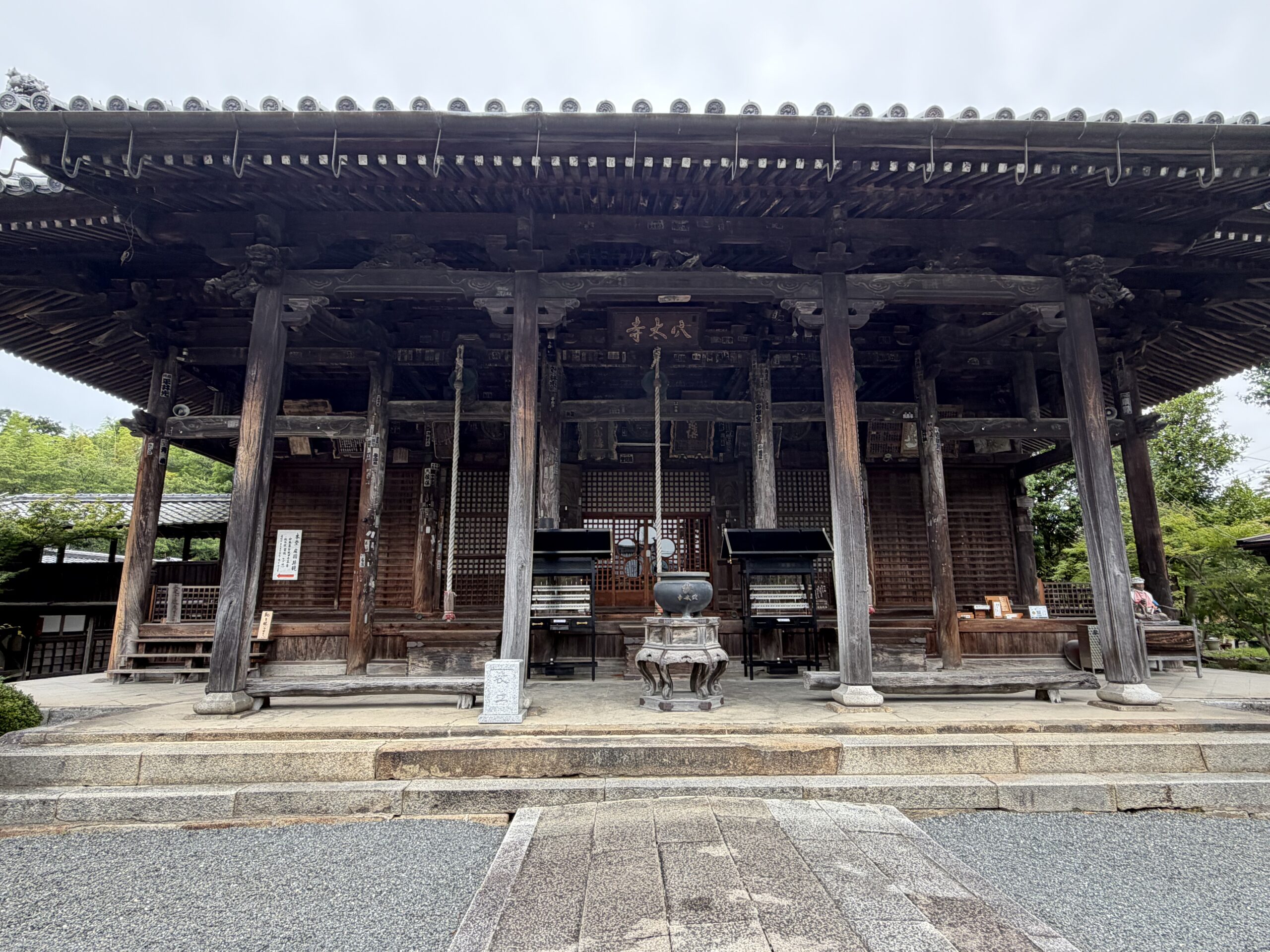
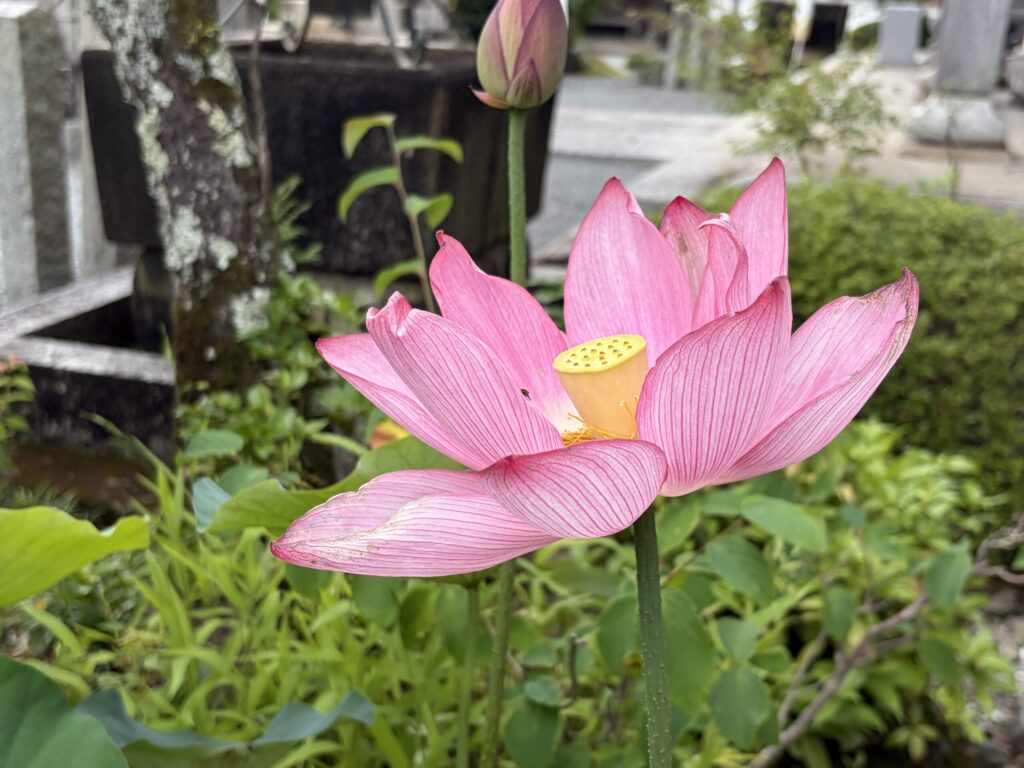
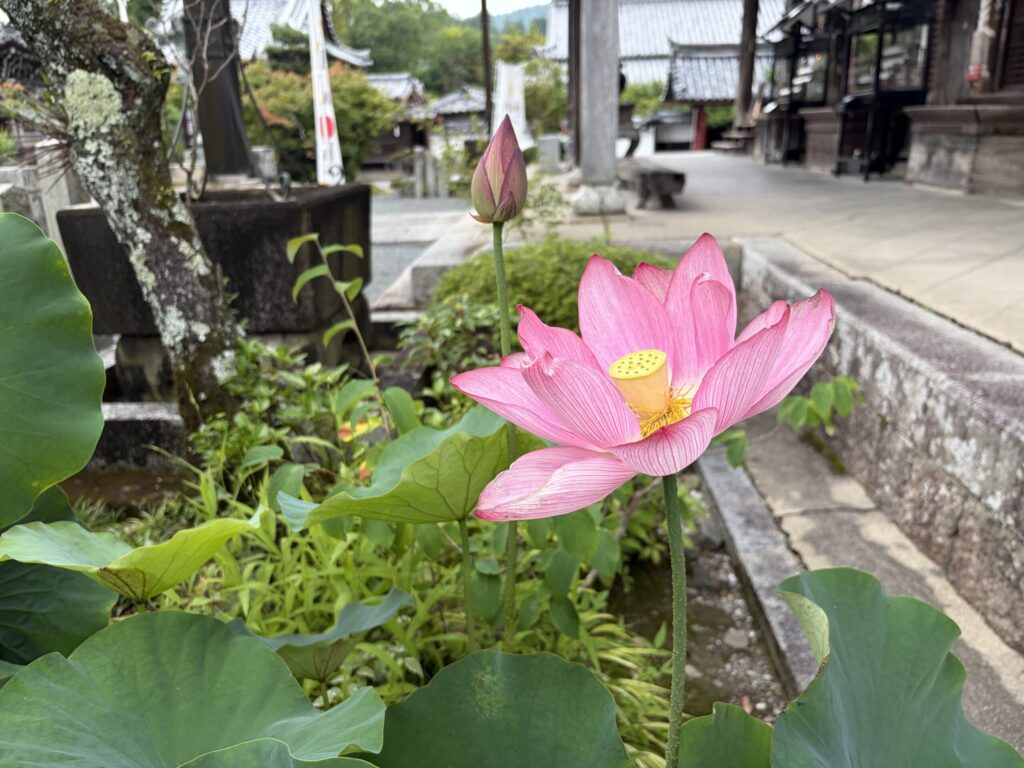
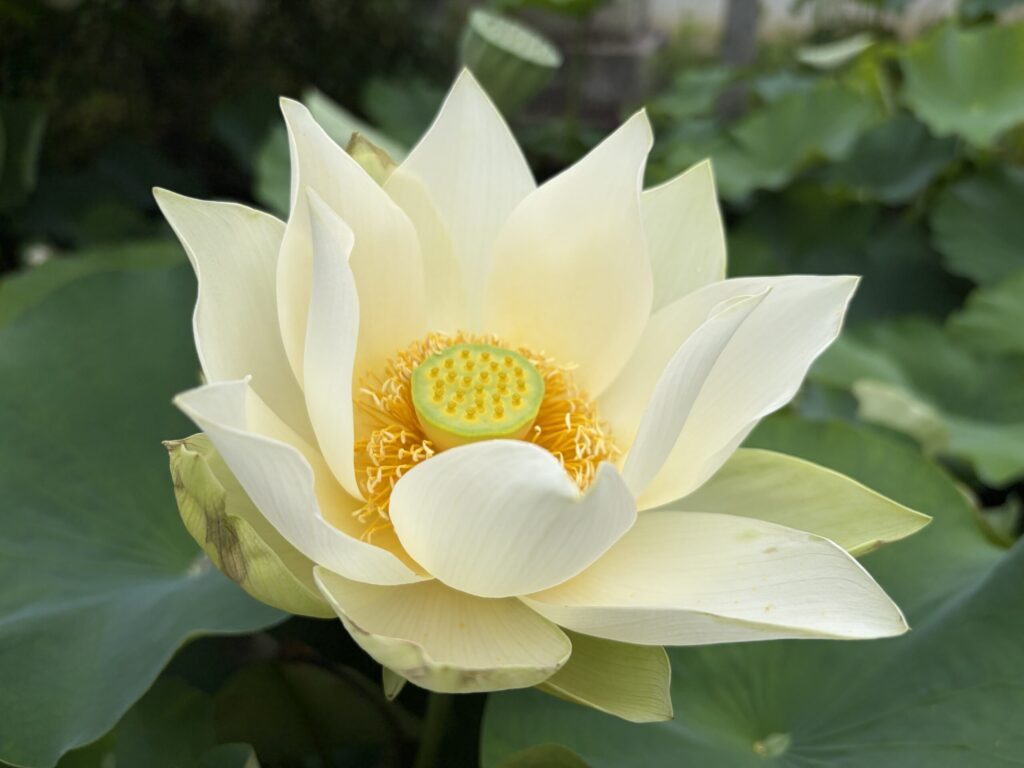
The next temple on the Saigoku Pilgrimage after Yoshimine-dera is Anao-ji. When I visited, the lotus flowers were in full bloom. It seems the hydrangeas had also been blooming beautifully just a little before.
I had AI write a support article about Anao-ji. The photos are all original.
The Saikoku Thirty-Three Temple Pilgrimage (Saikoku Sanjūsankasho) is one of Japan’s oldest and most cherished spiritual journeys, leading travelers to thirty-three sacred temples dedicated to Kannon, the Buddhist deity of compassion. As we reach the latter half of this pilgrimage, today we turn our attention to the 21st temple on the route: Anaoji Temple, nestled in the peaceful countryside of Kameoka City, Kyoto Prefecture.
Famous for its healing “nade-botoke” (a Buddha statue you stroke for good health) and one of the most beautiful gardens in the Tamba region, Anaoji is a temple steeped in over thirteen centuries of history. In this article, we’ll explore its fascinating background, must-see highlights, and helpful tips for your visit. Whether you’re planning a pilgrimage or simply dreaming of a deeper Kyoto experience, read on!
What Is Anaoji Temple? History and Overview
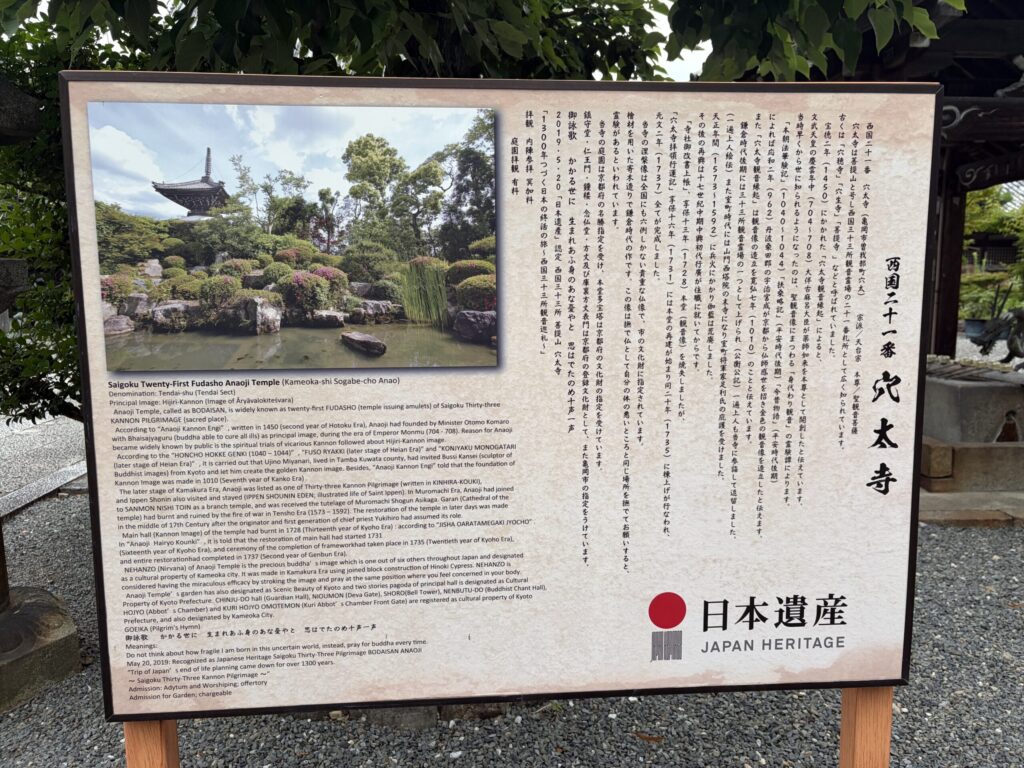
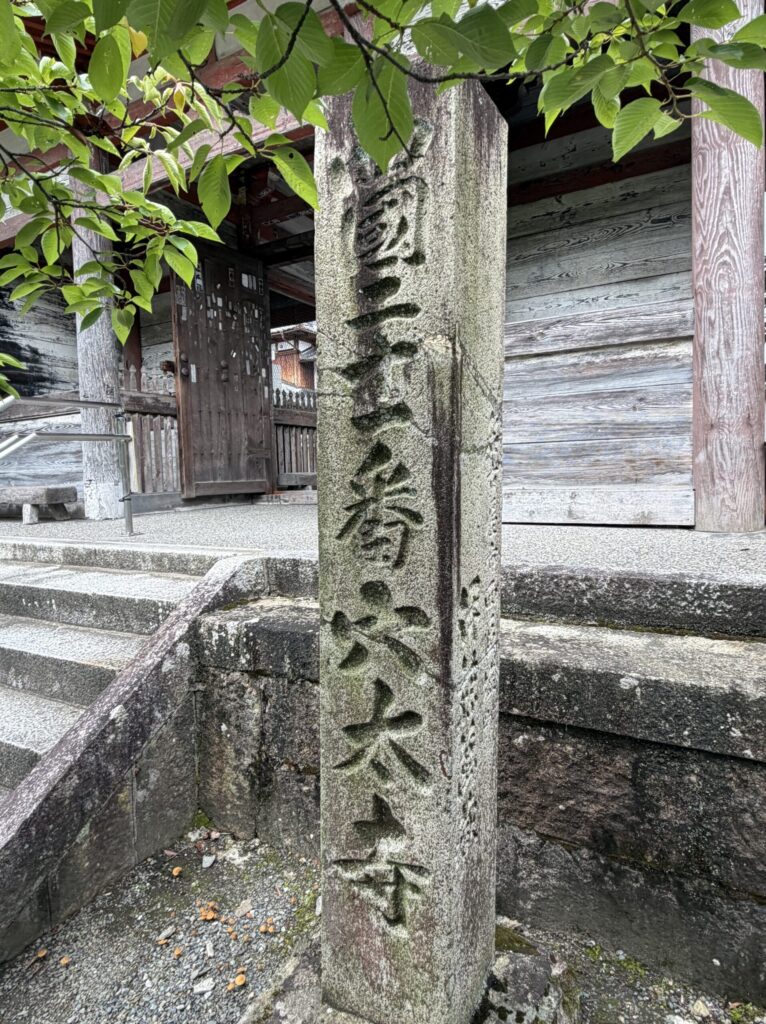
Anaoji Temple (穴太寺) is located in the Sogabe district of Kameoka City, Kyoto Prefecture. Officially called “Bodaisan Anaoji,” it belongs to the Tendai school of Buddhism, one of Japan’s major Buddhist traditions. While the temple’s principal image is Yakushi Nyorai (the Medicine Buddha), the icon enshrined for the Saikoku Pilgrimage is the Shō Kannon Bosatsu, a form of the compassionate bodhisattva Kannon.
According to temple tradition, Anaoji was founded in the year 705 by Ōtomo no Komaro, under the imperial decree of Emperor Monmu. With more than 1,300 years of history behind it, the temple stands as one of the most venerable ancient sites in the Tamba region.
The Legend of the “Substitute Kannon”
One of Anaoji’s most beloved tales is the legend of the “Migawari Kannon,” or “Substitute Kannon.” During the Heian period (794–1185), a samurai commissioned a Buddhist sculptor to carve a statue of Kannon. However, when the time came to hand over the prized horse he had promised as payment, the samurai grew reluctant and shot the sculptor with a bow and arrow.
To his astonishment, when he returned home, the sculptor was completely unharmed—instead, the arrow was found lodged in the Kannon statue. People believed that Kannon had taken the wound in the sculptor’s place, and from that time on, the statue became an object of deep devotion and faith.
Highlights of Anaoji Temple
Anaoji offers visitors a wealth of sights that soothe the heart and spirit. Here are the highlights you won’t want to miss.
The Healing “Nade-botoke”
Inside the main hall lies a reclining statue of Shaka Nyorai (the historical Buddha) resting on a futon, known as the “nade-botoke”—literally, the “Buddha you stroke.” According to tradition, if you stroke the part of your own body that ails you, then stroke the same area on the statue, your illness will be healed.
The custom is simple but deeply meaningful:
- Gently stroke the part of your body that troubles you
- Then stroke the same area on the Buddha statue
- Repeat the process to receive its blessing
Worn smooth and gleaming from the touch of countless devoted pilgrims over the centuries, the statue’s surface bears silent witness to generations of faith and hope.
The Celebrated Anaoji Garden
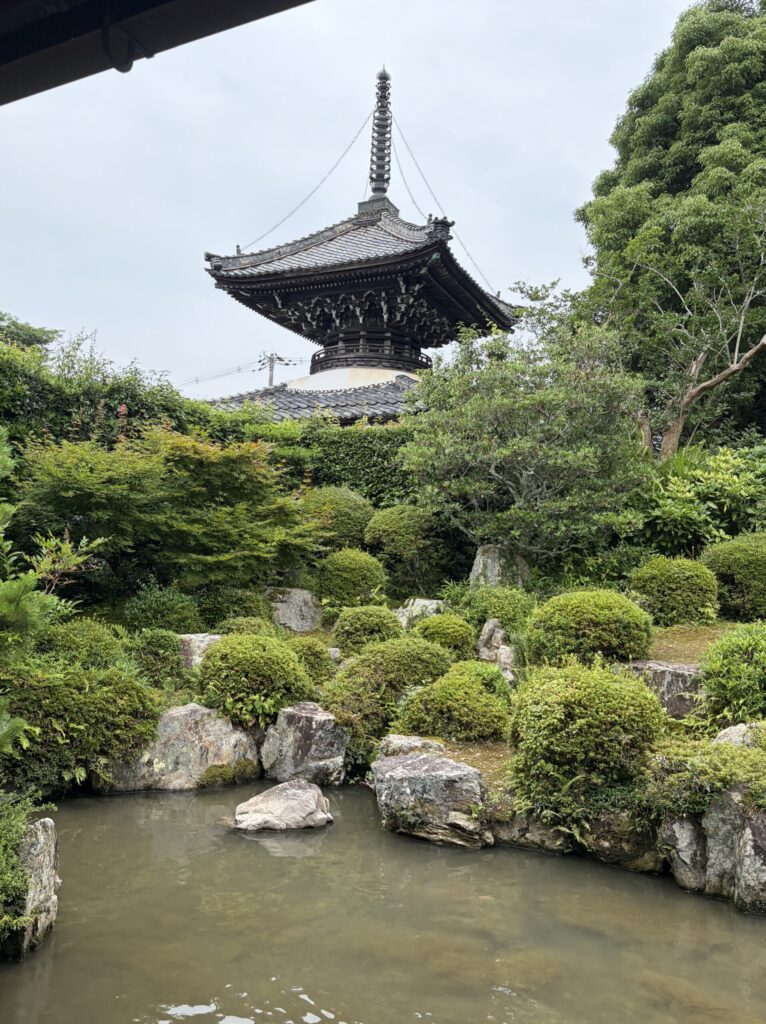
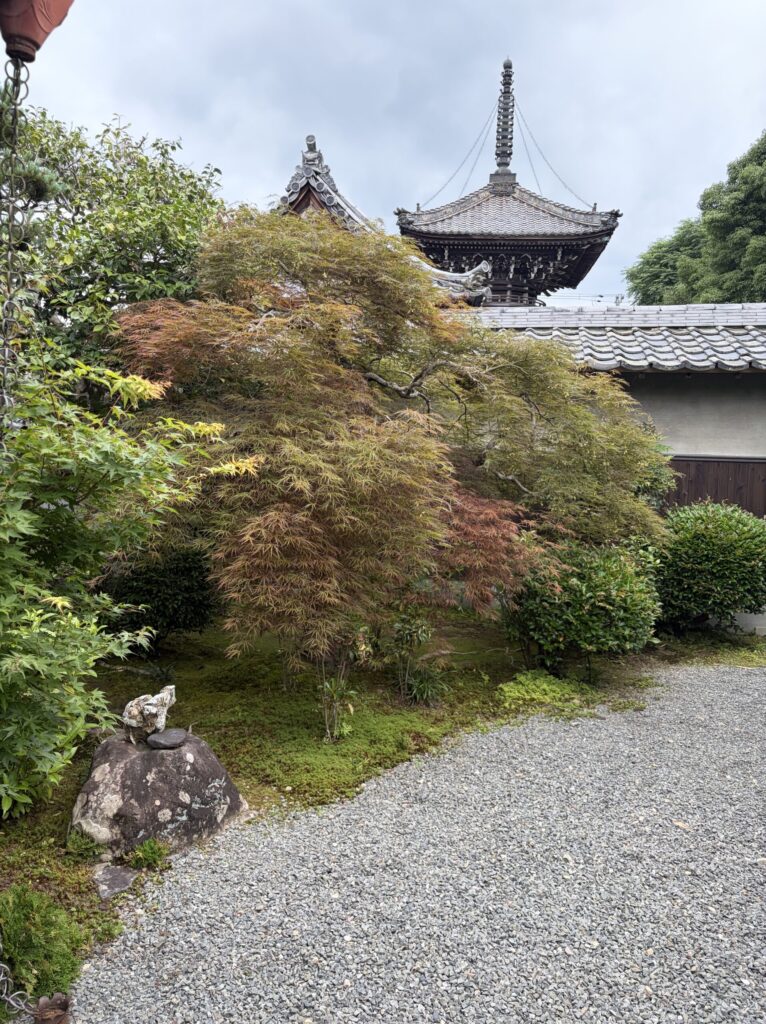
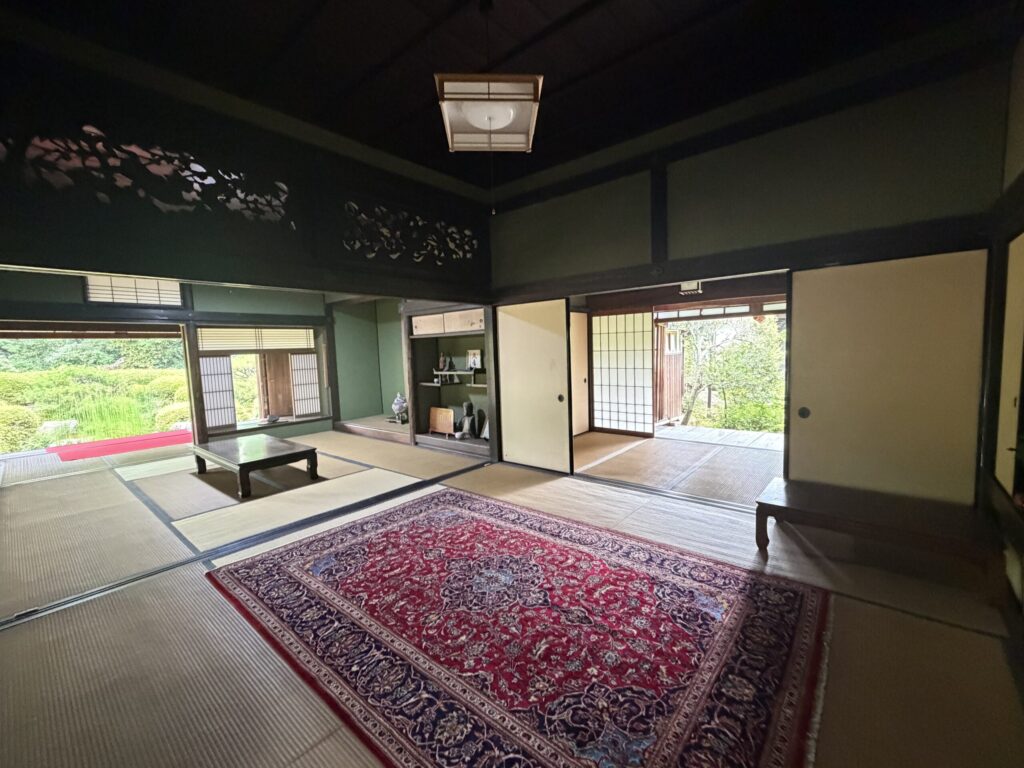
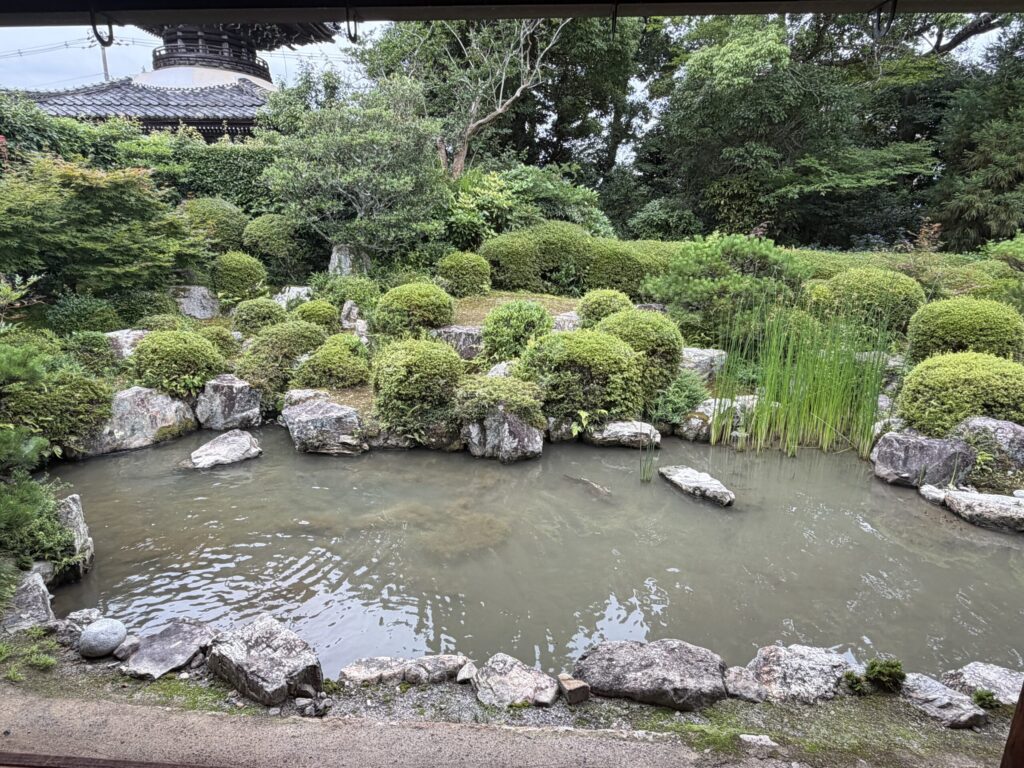
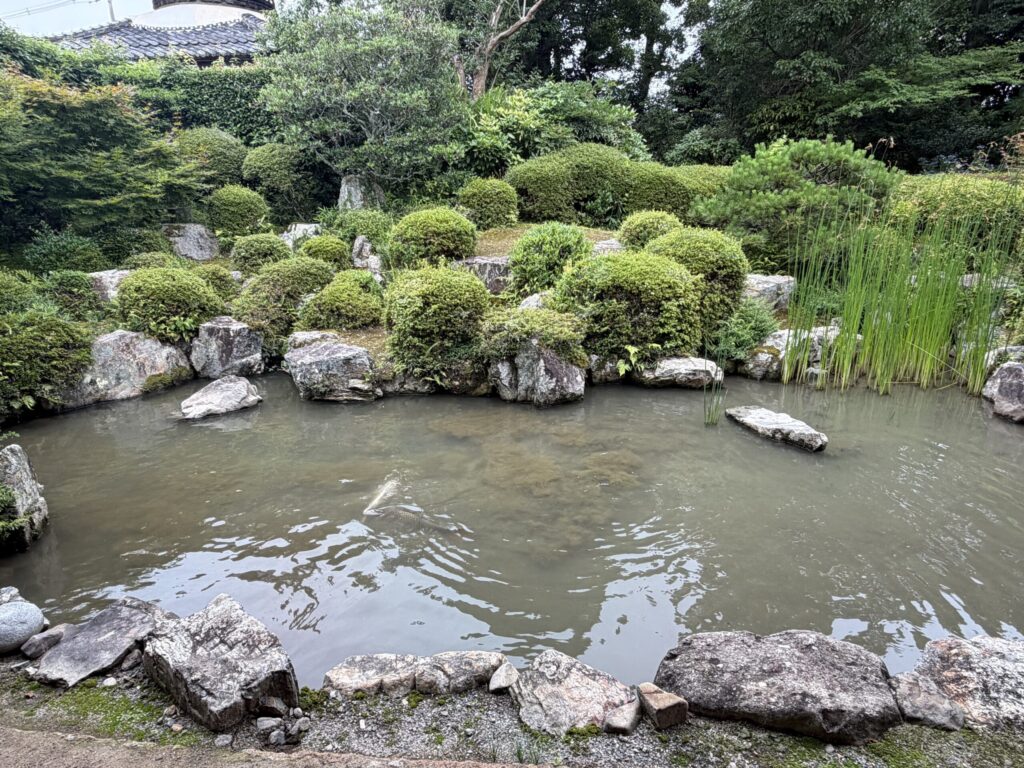
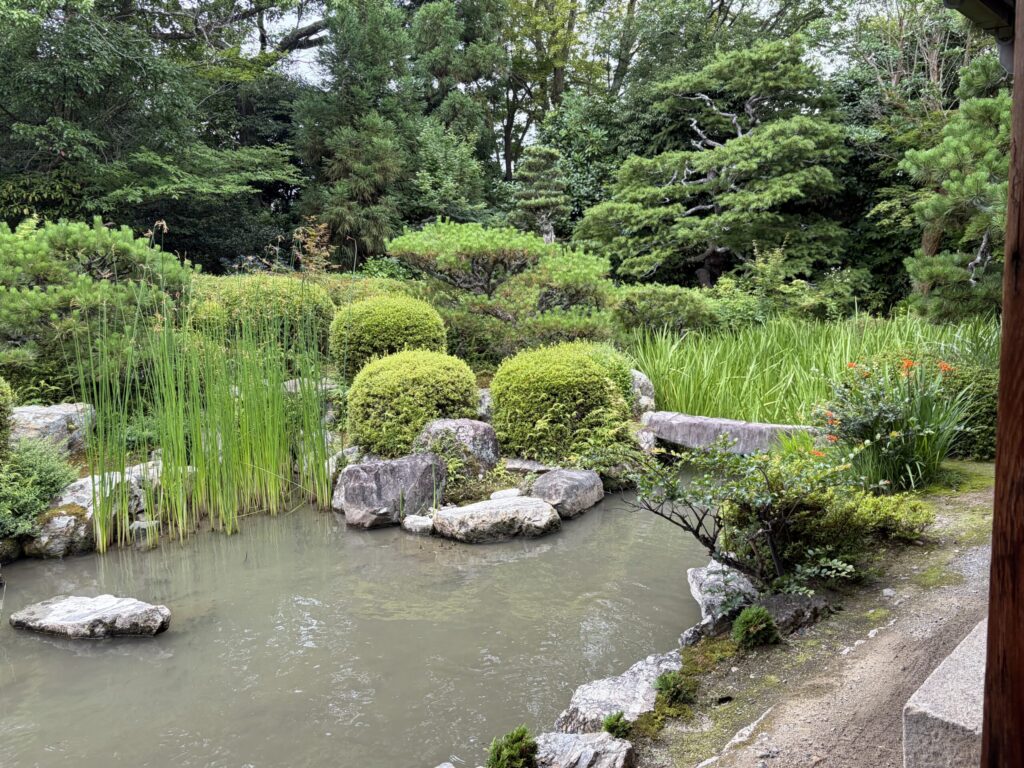
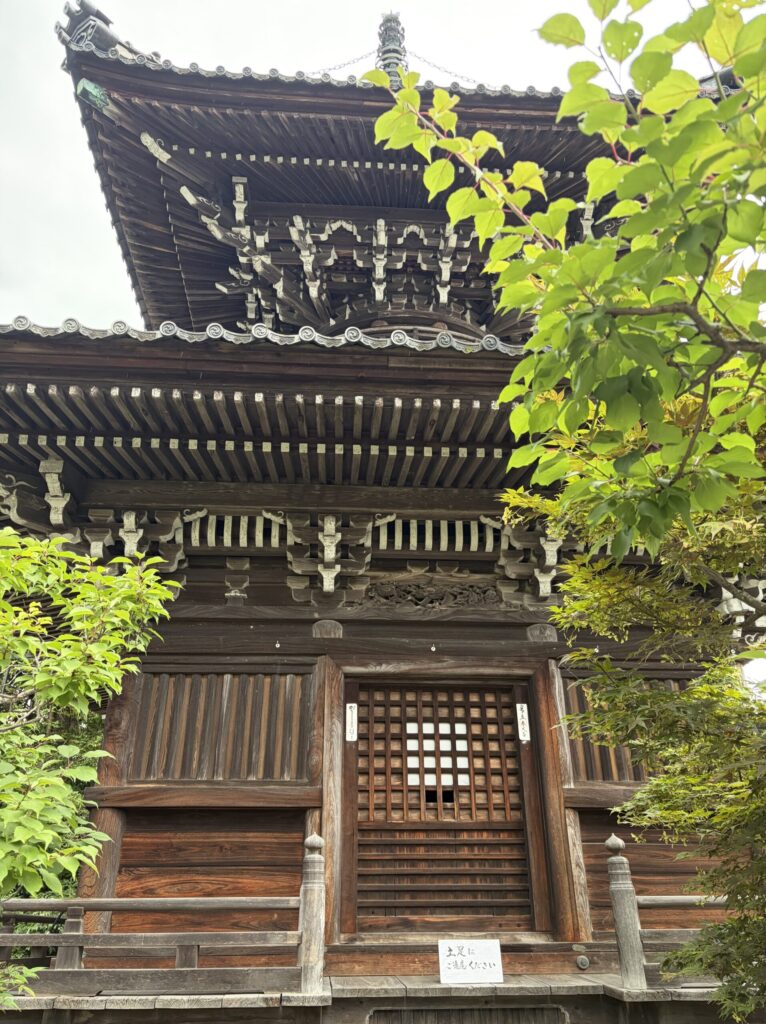
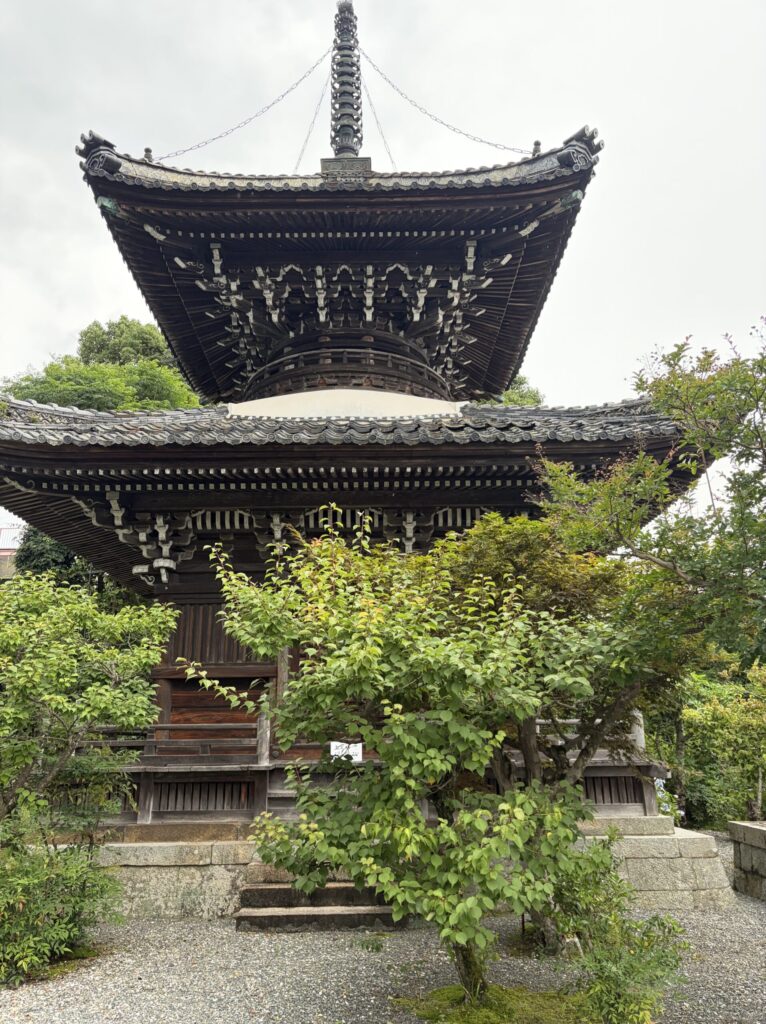
Adjacent to the main hall is the shoin (a study or reception room in traditional temple architecture), from which visitors can admire one of the finest gardens in the Tamba region. Created in the mid-Edo period (1603–1868), this is a “chisen kanshō-shiki teien”—a pond-style garden designed for viewing rather than walking through. Cleverly incorporating the temple’s tahōtō (a two-storied pagoda) as “shakkei,” or “borrowed scenery,” the garden has been designated a Place of Scenic Beauty by Kyoto Prefecture. Each season brings a different face to the landscape, so the garden rewards visitors no matter when they arrive.
The Pagoda and Main Hall
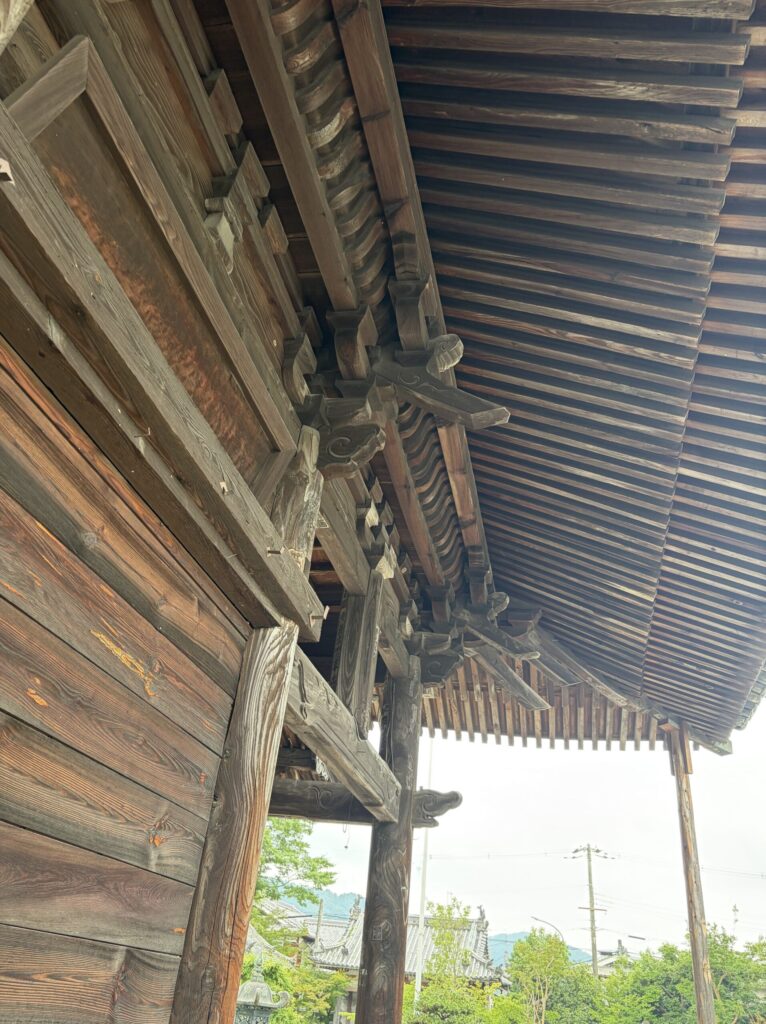
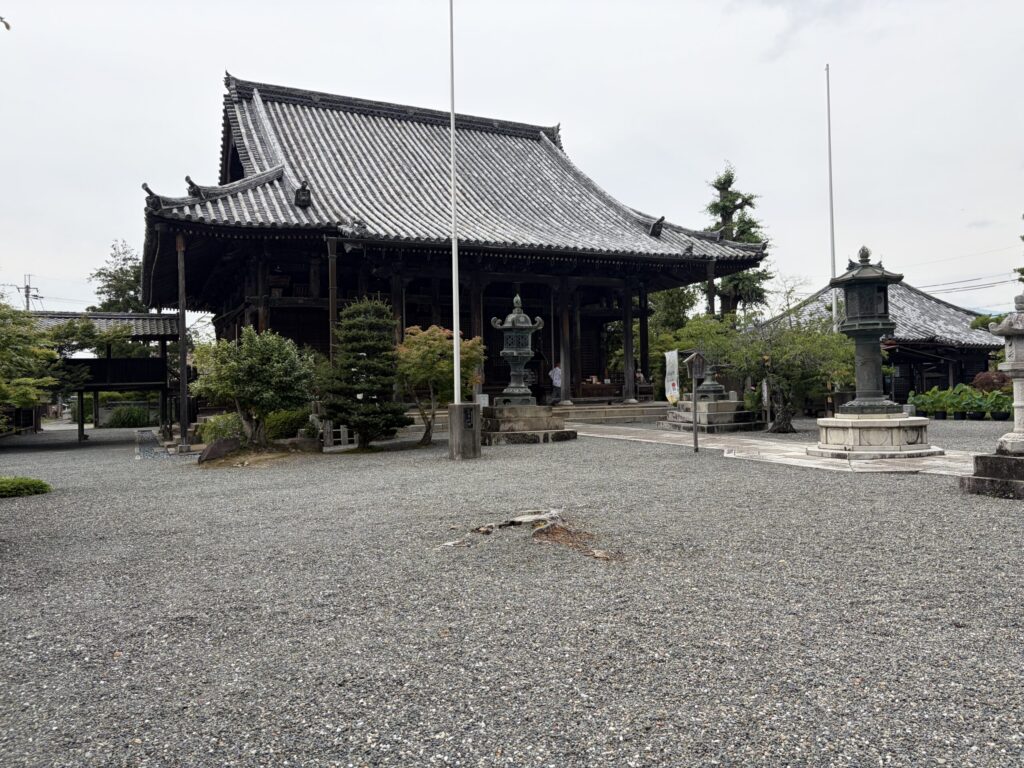
An elegant tahōtō pagoda rises within the temple grounds, playing an important role as the borrowed scenery that frames the garden. The current main hall was rebuilt during the Edo period, and its serene, dignified presence conveys the quiet weight of the temple’s long history.
Tips for Your Visit and the Pilgrimage Song
Here is some essential information to know before visiting Anaoji Temple.
- Pilgrimage Icon: Shō Kannon Bosatsu (a form of the compassionate bodhisattva Kannon)
- Buddhist School: Tendai
- Goeika (Pilgrimage Song): “Kakaru yo ni / umare au mi no / ana uya to / omowade tanome / tokoe hitokoe”
- Address: 46 Anao Higashitsuji, Sogabe-cho, Kameoka City, Kyoto Prefecture
Note that admission to both the main hall and the garden requires a separate entrance fee. To fully enjoy the nade-botoke and the garden at a leisurely pace, we recommend visiting both. When receiving a temple stamp (goshuin) or having your pilgrimage book inscribed, please observe proper etiquette and worship quietly out of respect for this sacred place.
Getting There
The most convenient way to reach Anaoji is by bus or taxi from Kameoka Station on the JR Sanin Main Line. Take a bus from Kameoka Station and get off at the “Anaoji-mae” stop—the temple is just steps away. If you’re traveling by car, free parking is available, so there’s no need to worry. Set amid tranquil rural scenery, Anaoji invites you to slow down and savor a peaceful moment on your pilgrimage.
Conclusion
As the 21st temple on the Saikoku Pilgrimage, Anaoji captivates visitors with its healing nade-botoke, renowned for blessings of good health, and its beautiful garden designated a Place of Scenic Beauty by Kyoto Prefecture. With more than 1,300 years of history and memorable legends like that of the Substitute Kannon, the temple offers far more than a simple stop along the route.
Surrounded by the gentle landscapes of Kameoka, why not take a quiet moment to face Kannon and let your body and mind find peace? As one destination on your pilgrimage journey, Anaoji Temple is well worth a visit—and it may just leave you with an unforgettable memory of spiritual Japan.
References
- Saikoku Thirty-Three Temple Pilgrimage Official Site
- Anaoji Temple Official Site
- Kameoka City Official Site
Addendum
The temple is located a little to the south of the roadside station “Galleria Kameoka.” The surrounding area is also home to many other ancient temples.
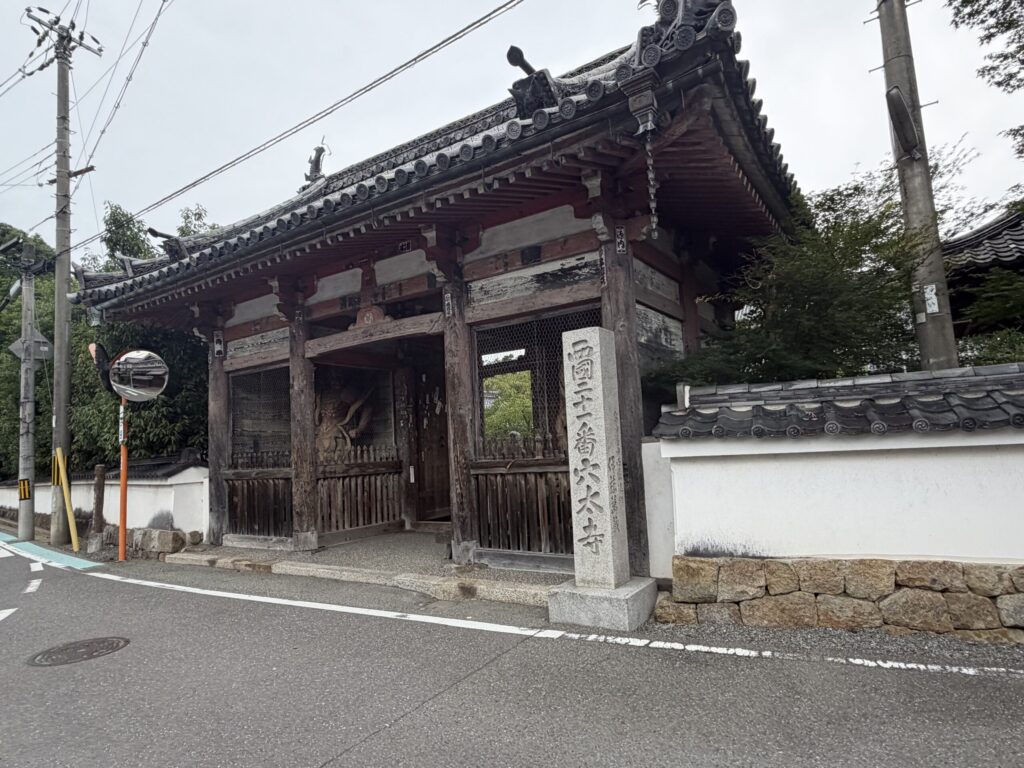
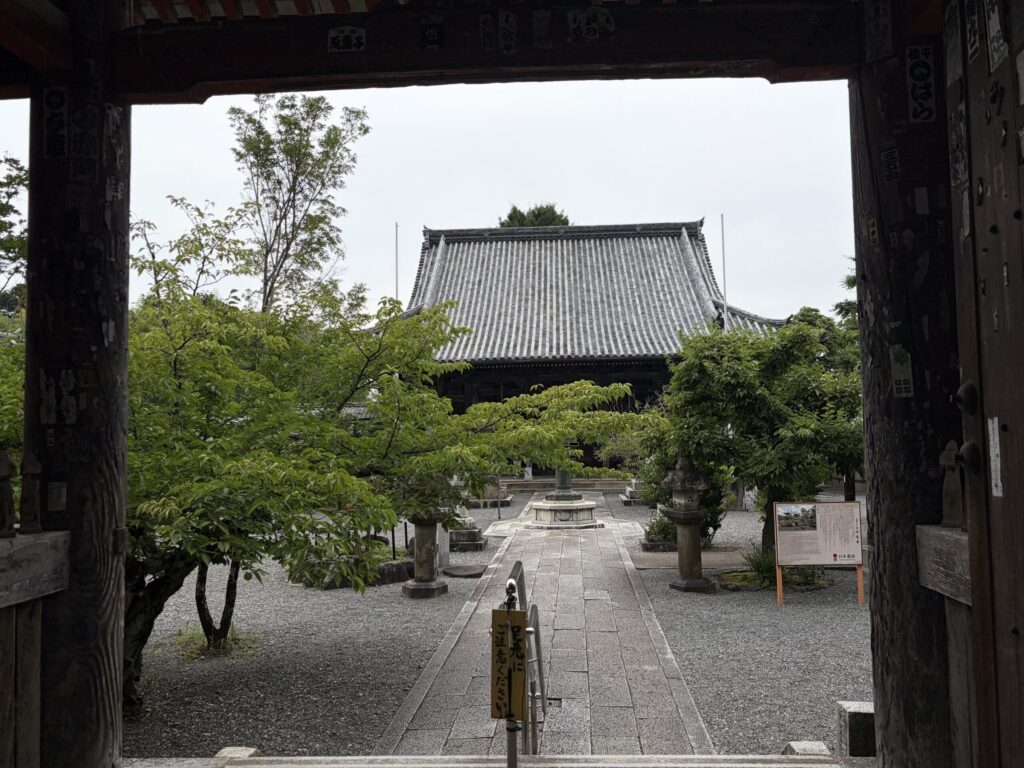
Walking along the road from the parking lot, the Niomon (Two Guardian Kings Gate) comes into view at the end of the path. The venerable appearance of the gate and the towering old trees conveyed a deep sense of history.
According to temple tradition, the temple was founded in 705 at the imperial request of Emperor Monmu, when Otomo no Furumaro enshrined Yakushi Nyorai as the principal image.
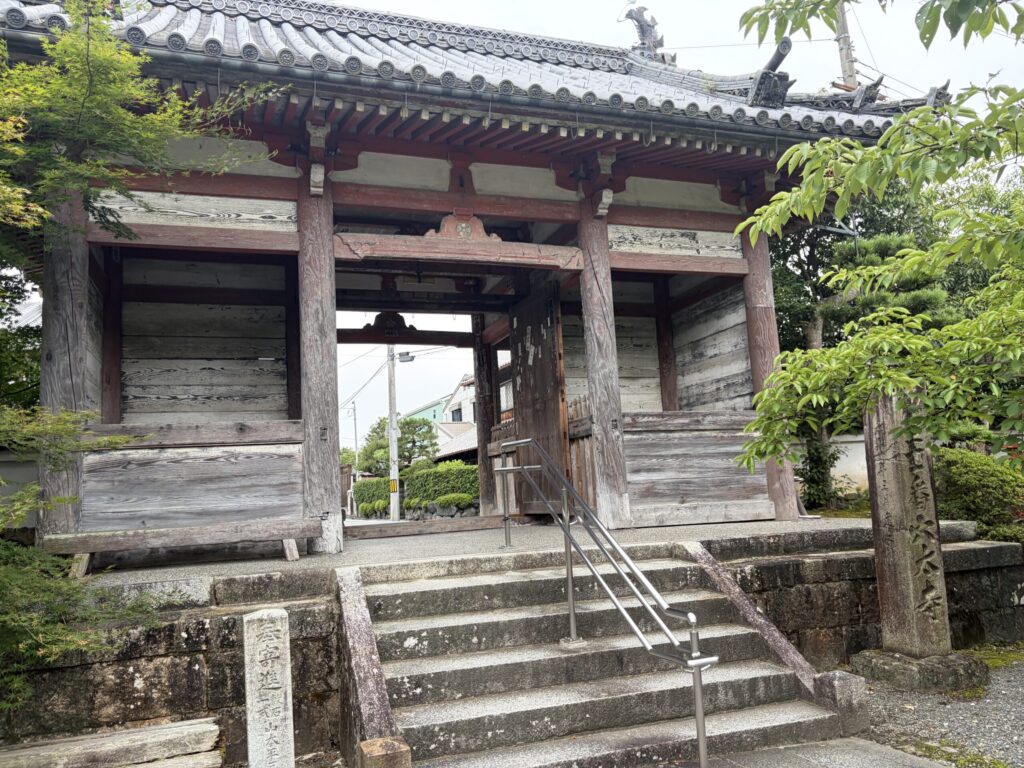
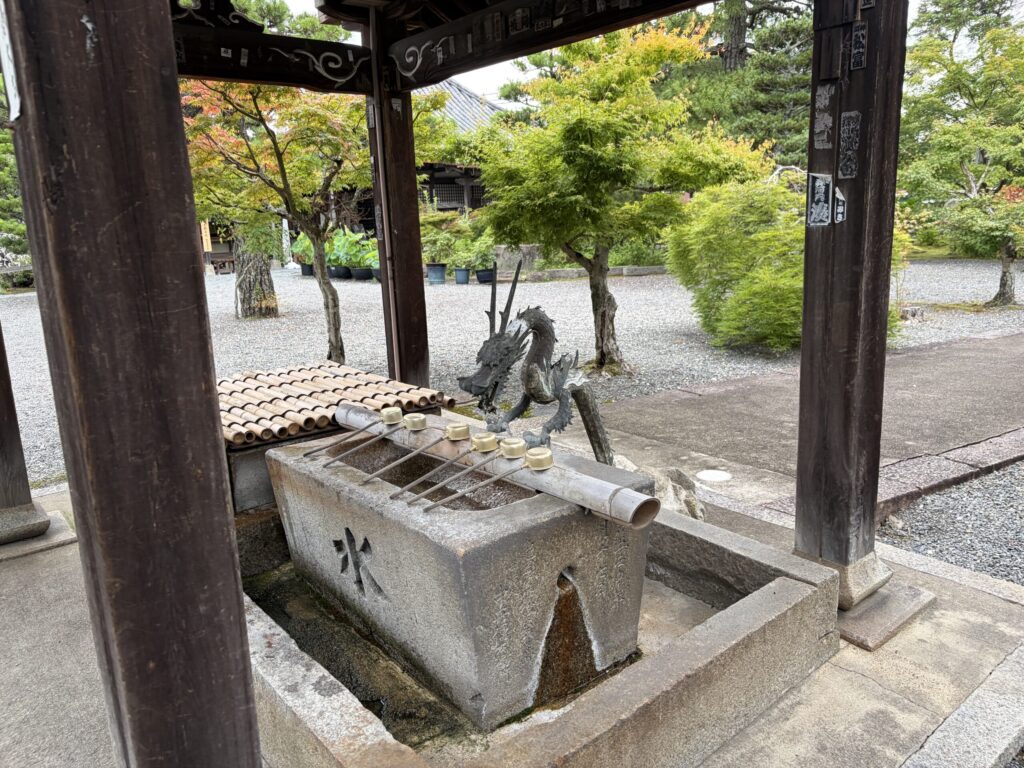
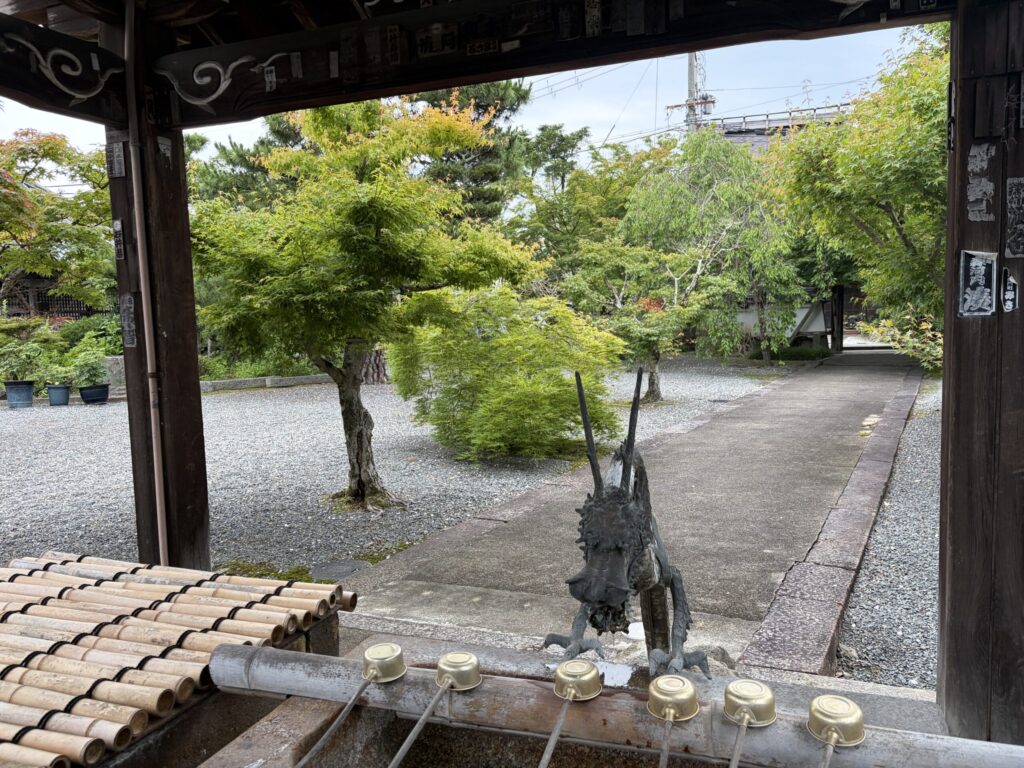
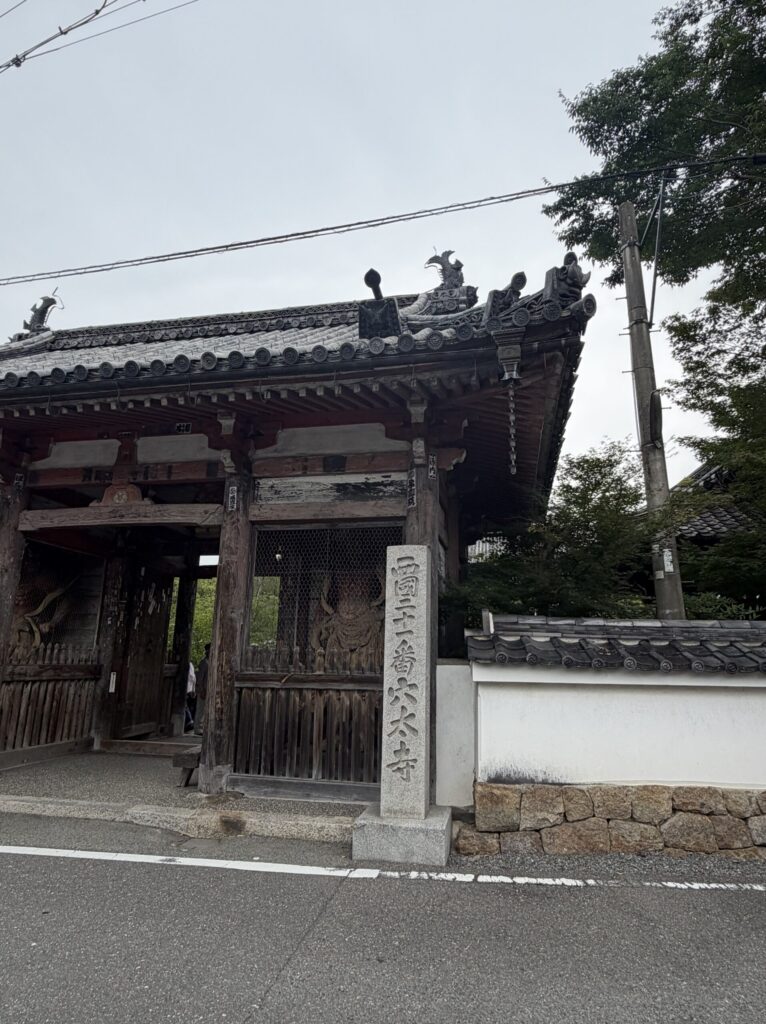
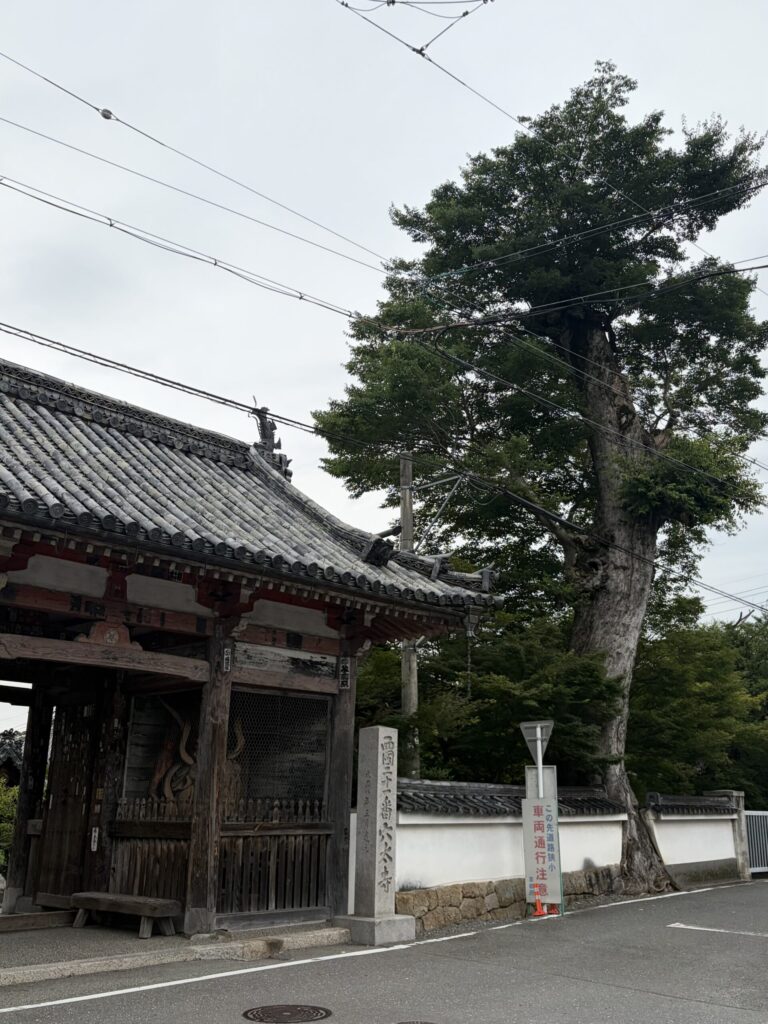
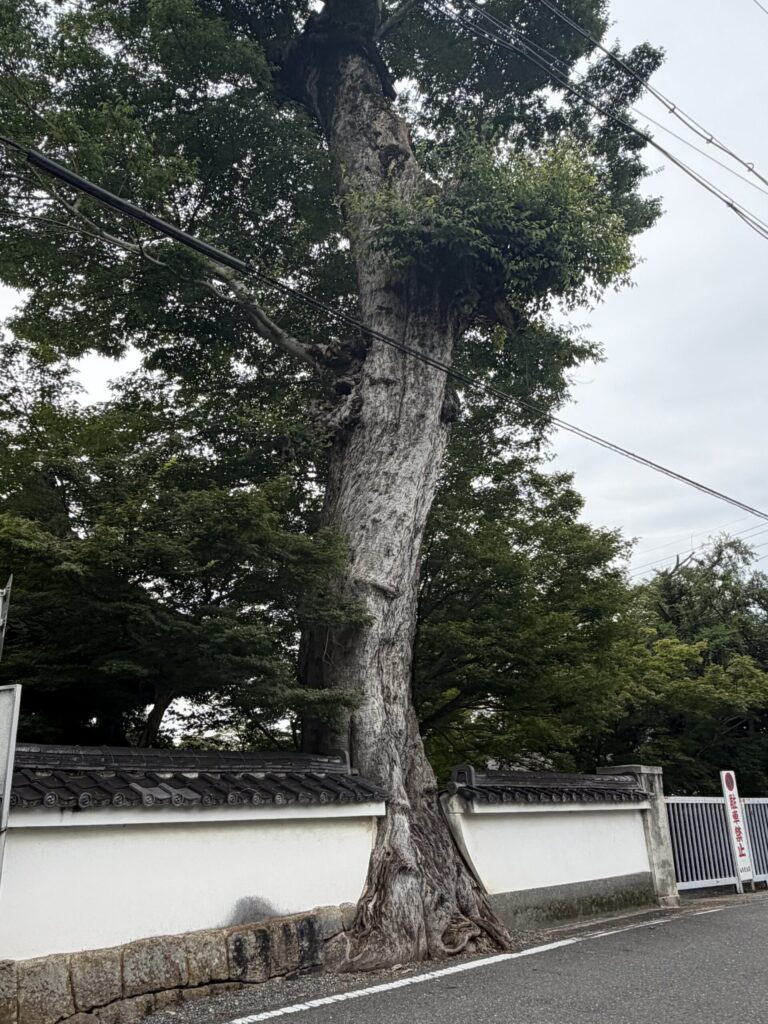
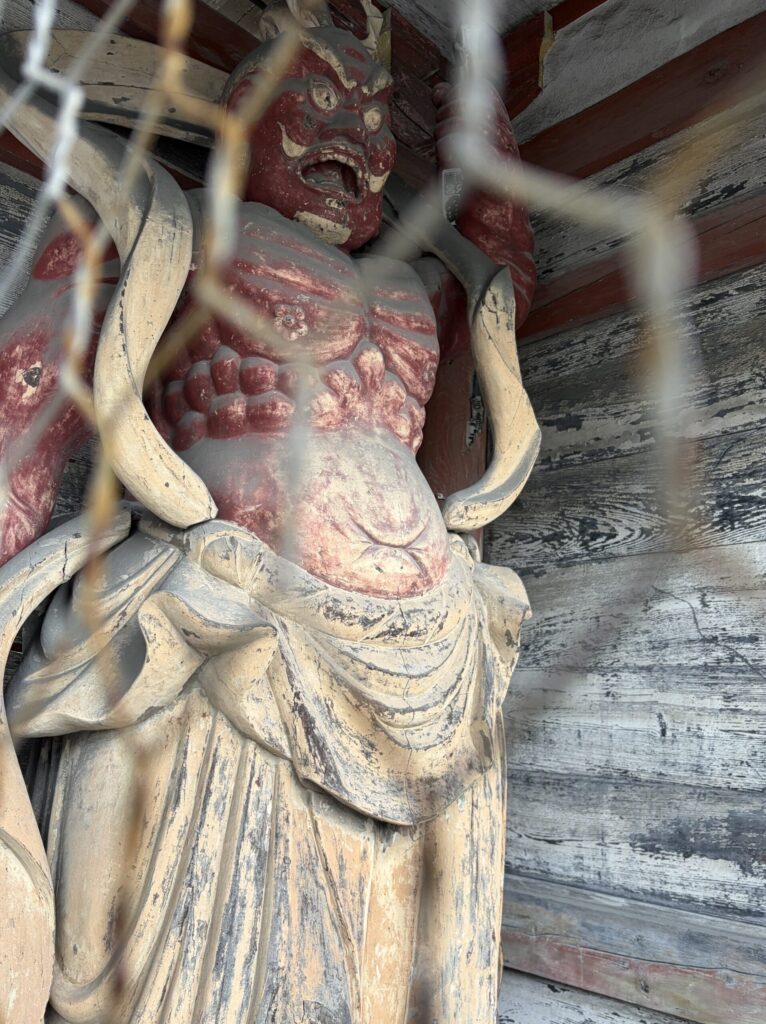
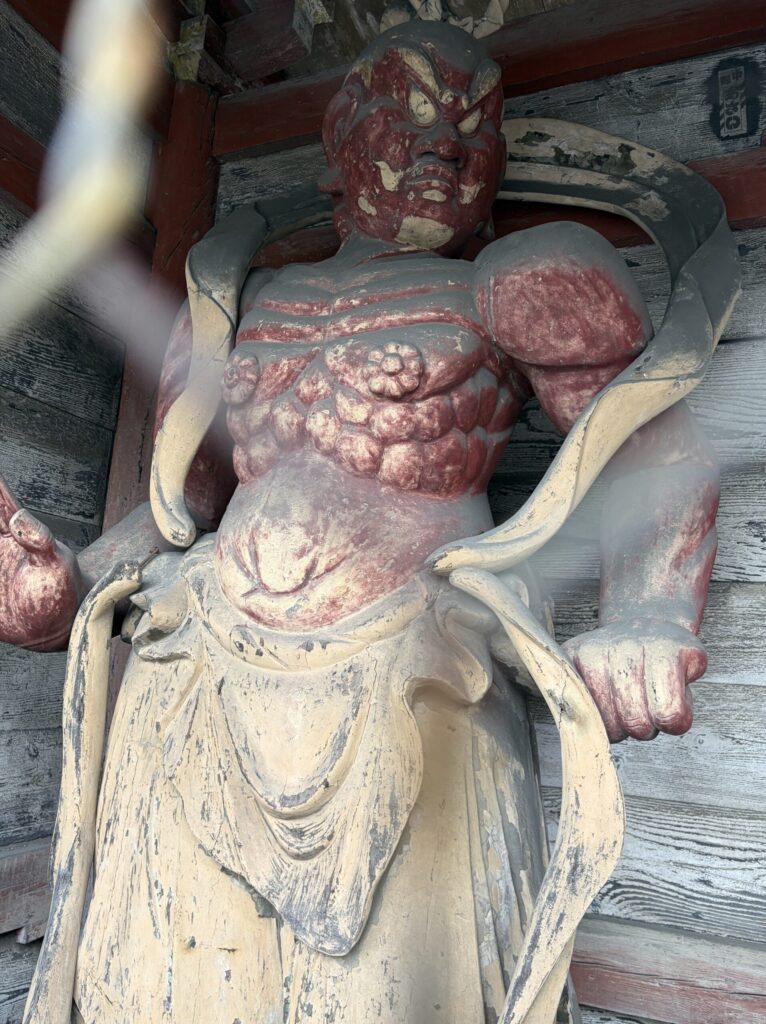
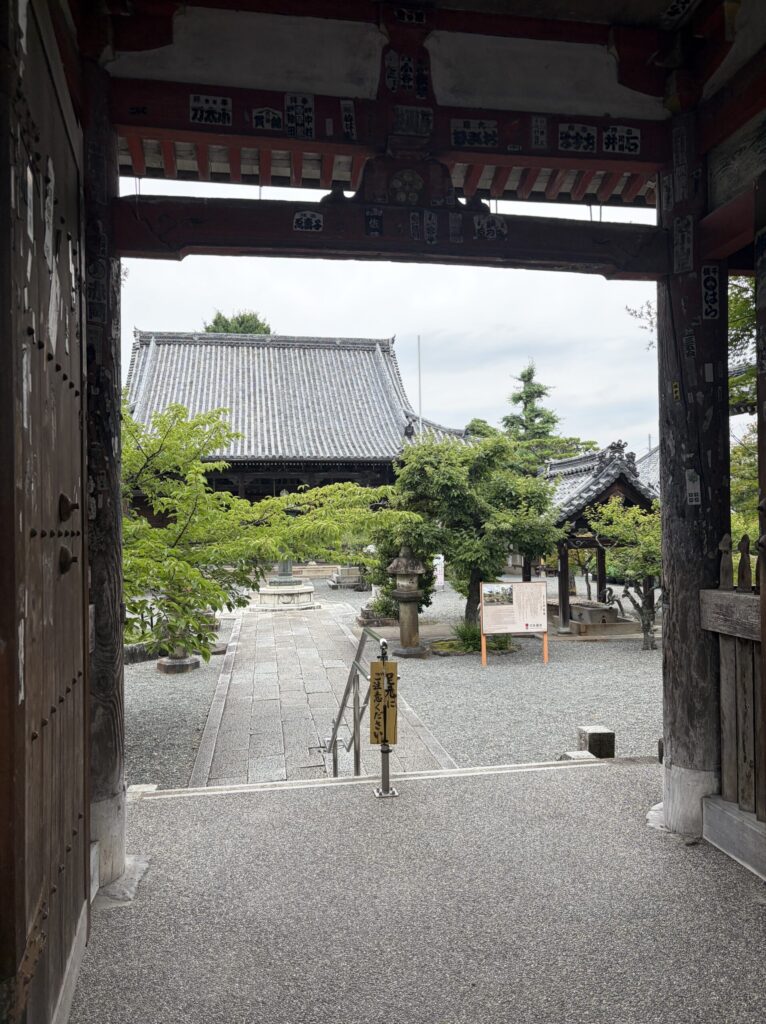
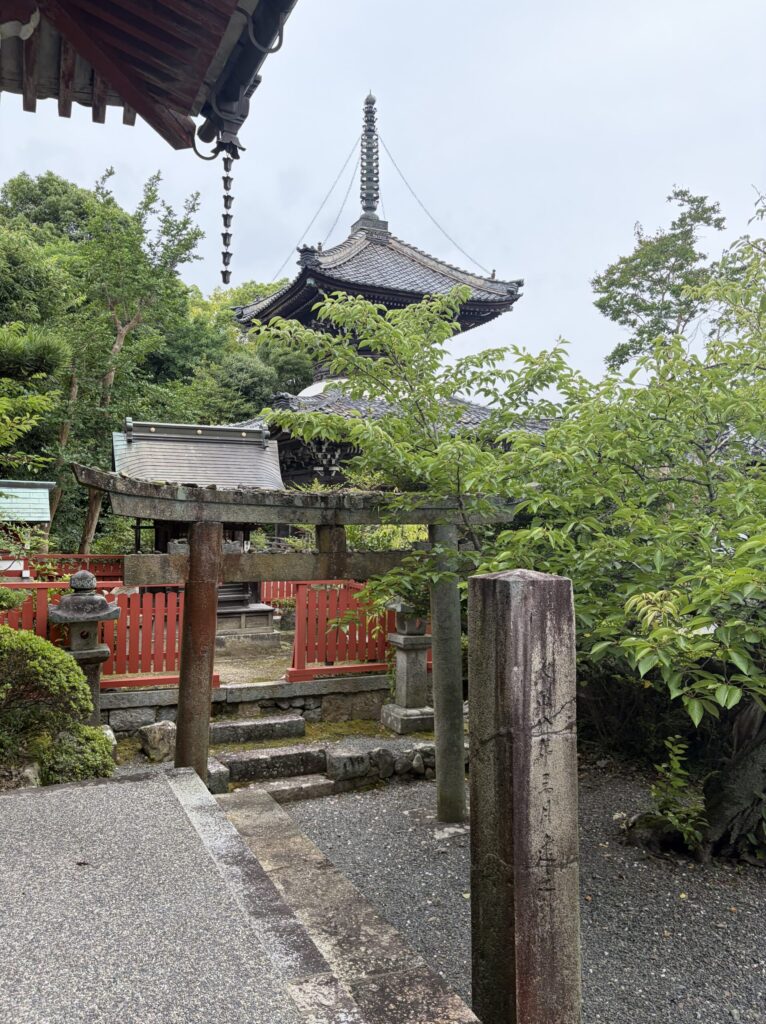
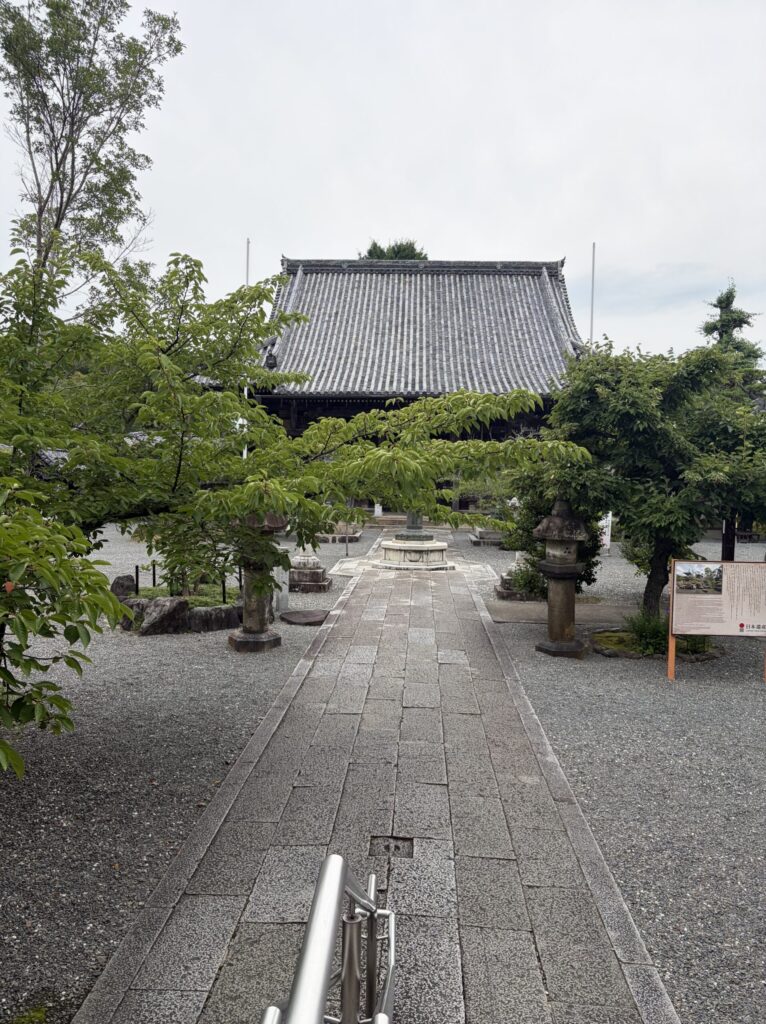
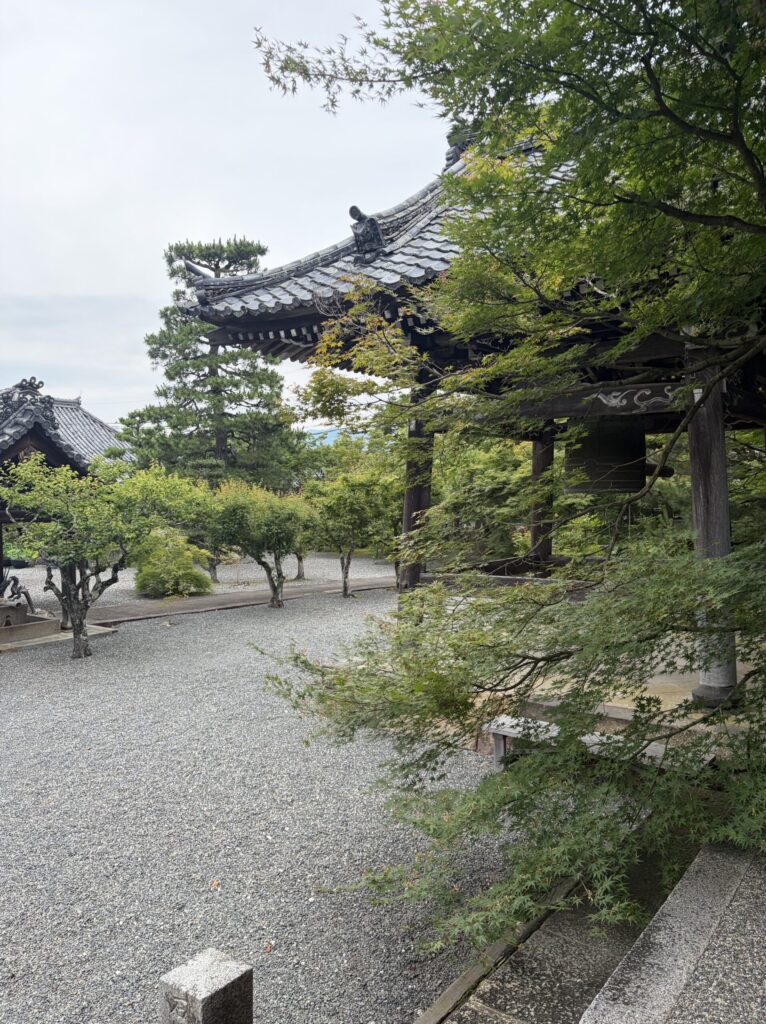
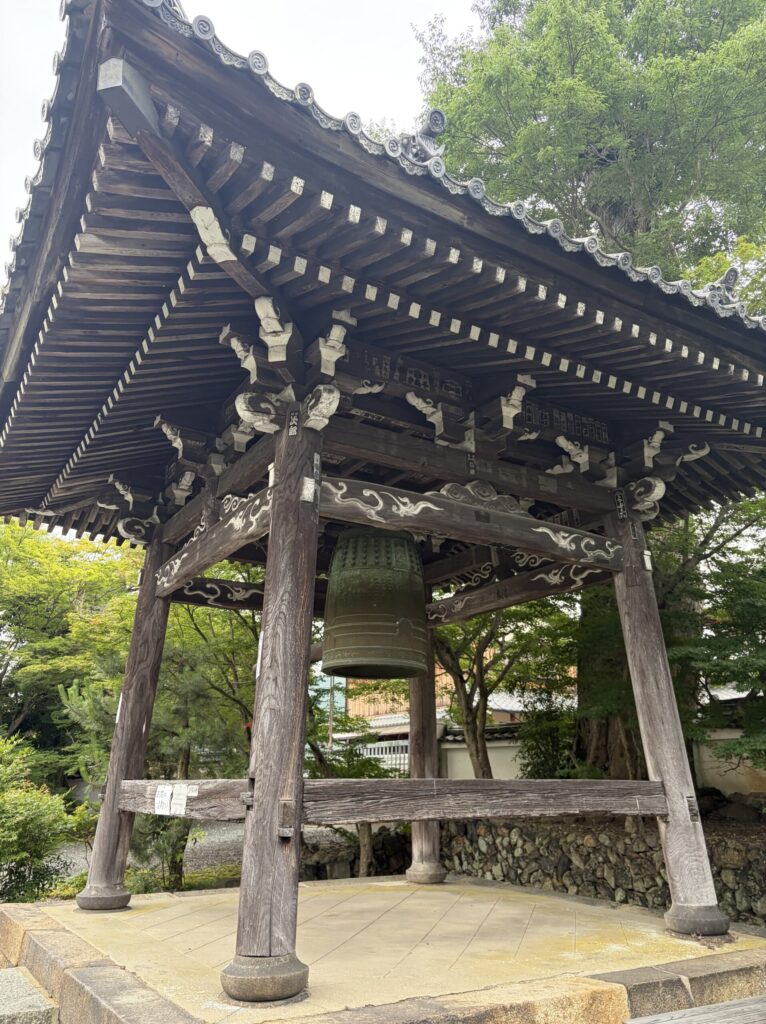
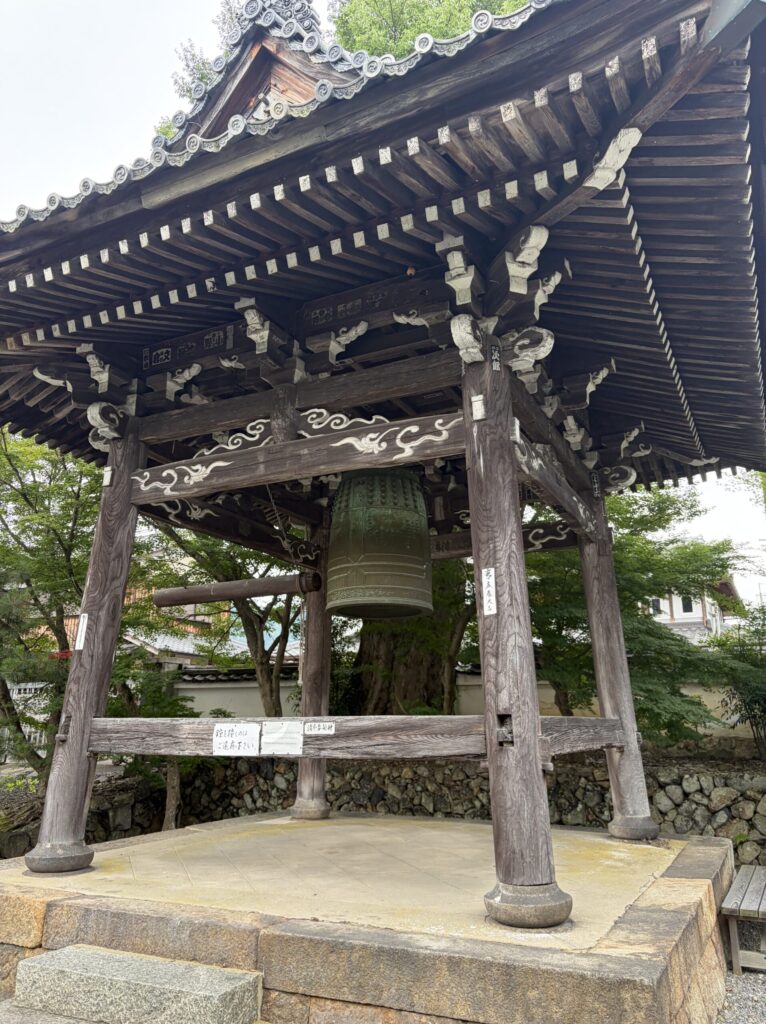
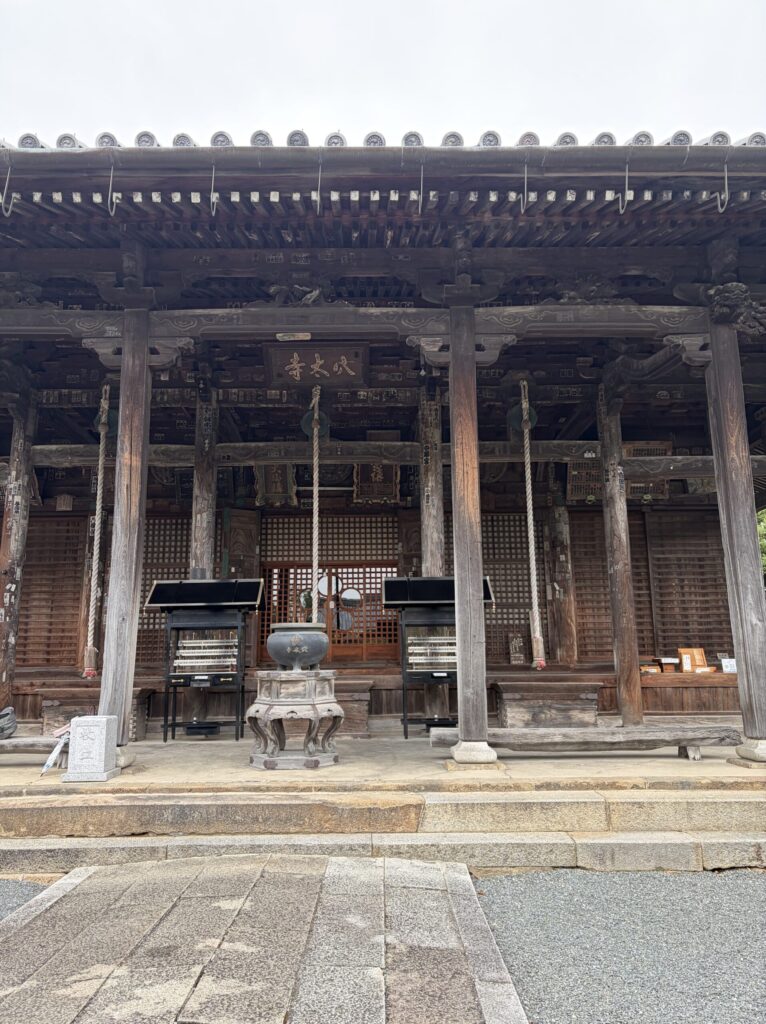
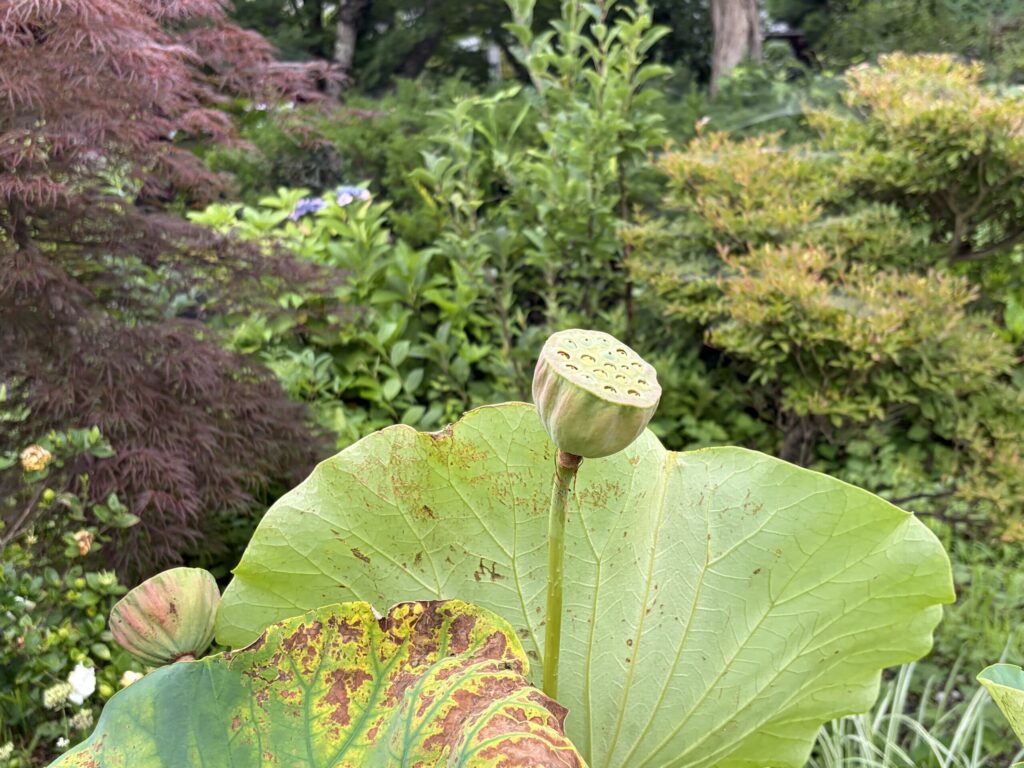
What caught my eye in the grounds were the lotus flowers.
The largest ones were almost as tall as a person — quite a sight to behold up close, which I think is quite rare.
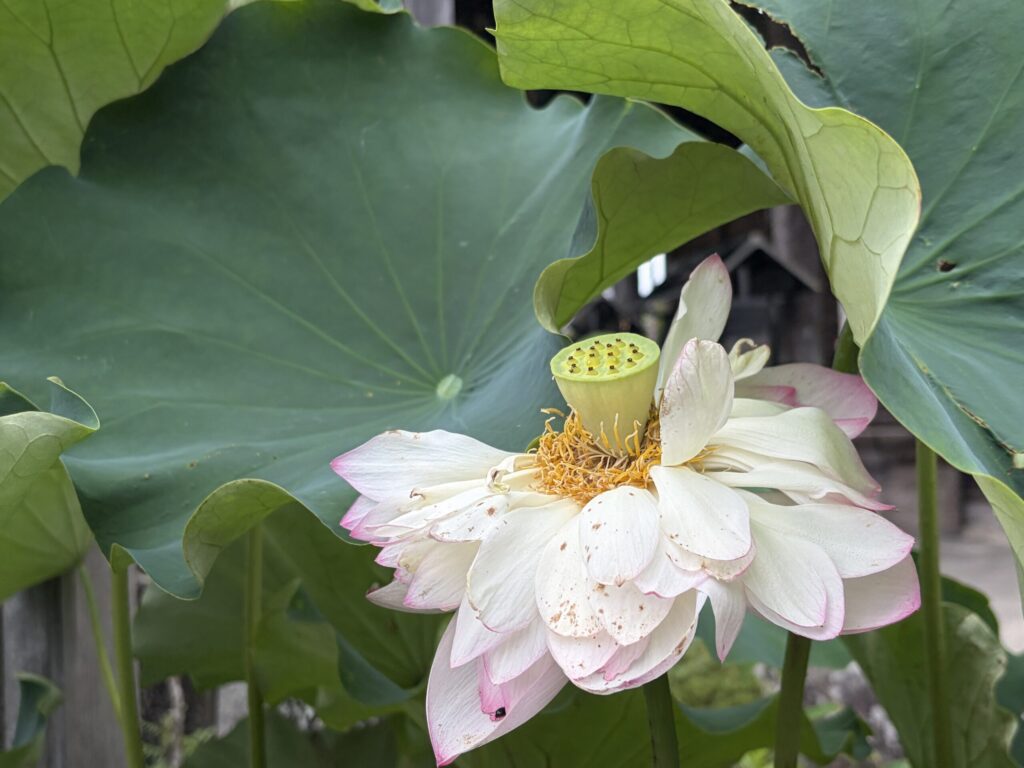
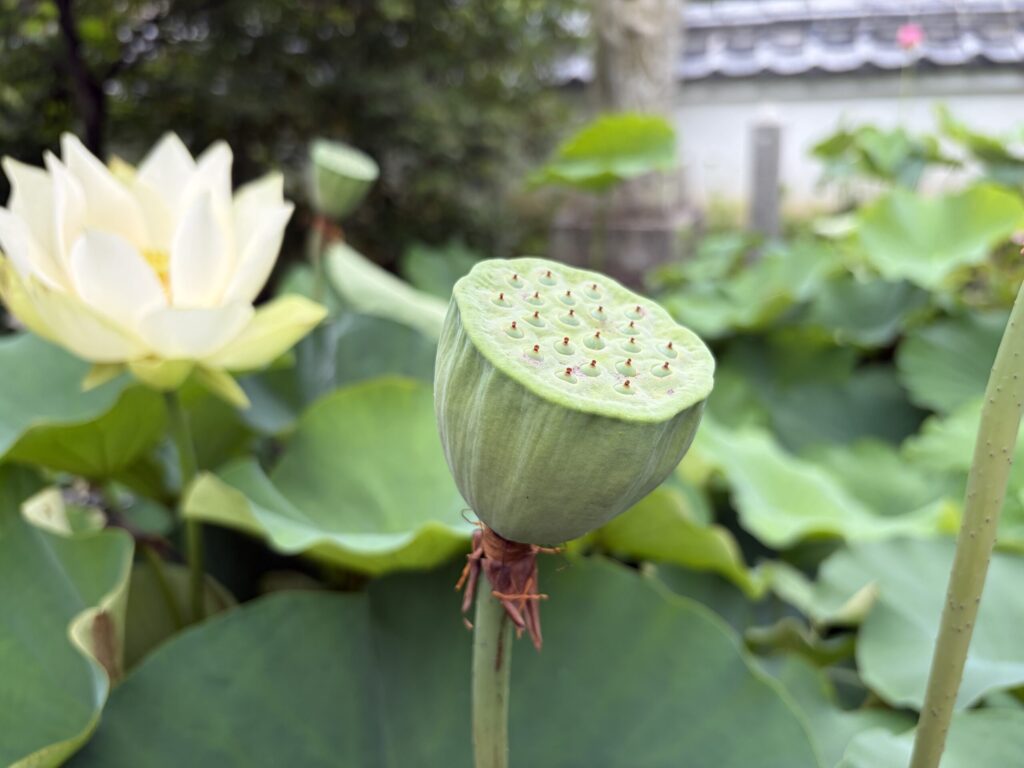
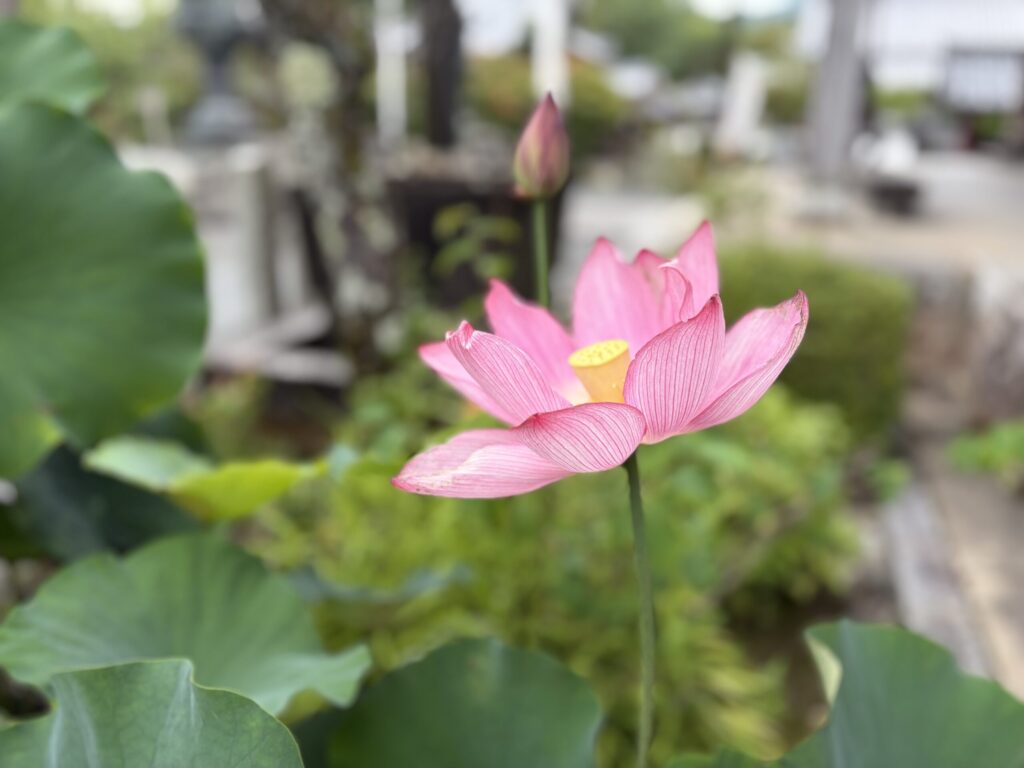
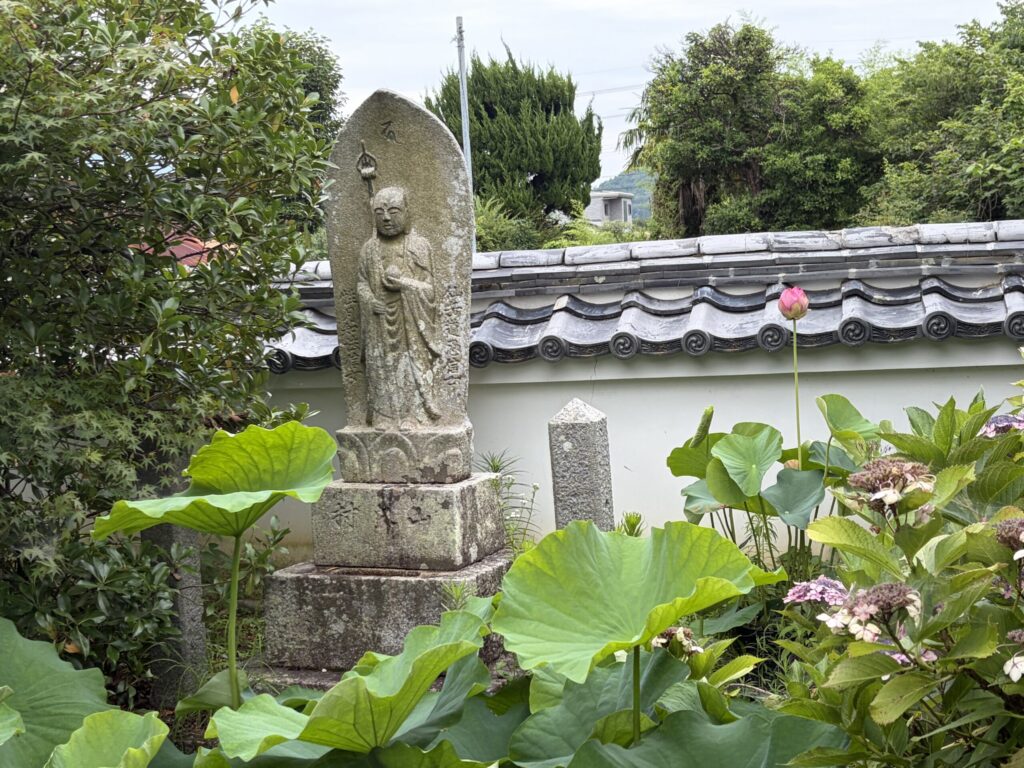
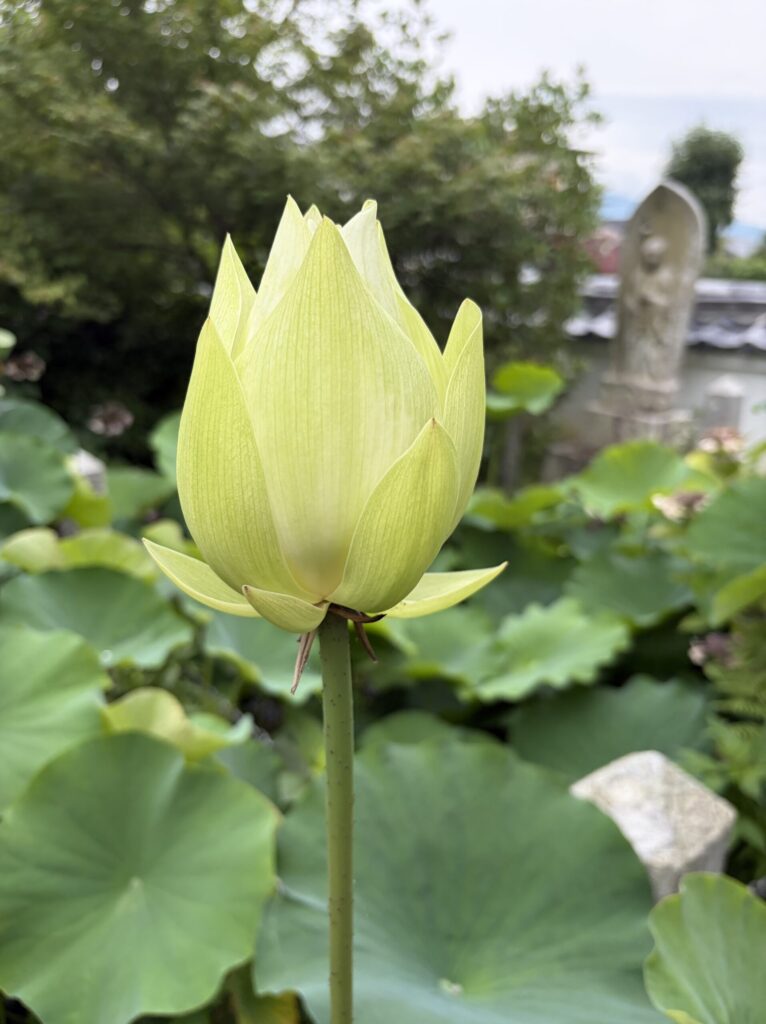
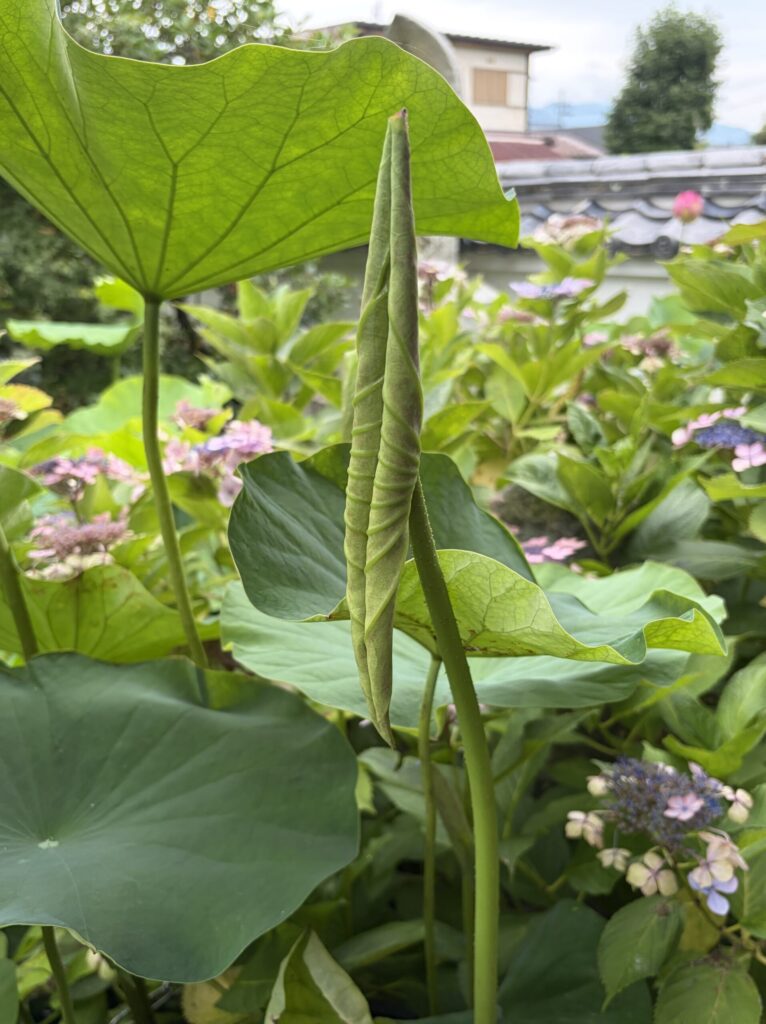
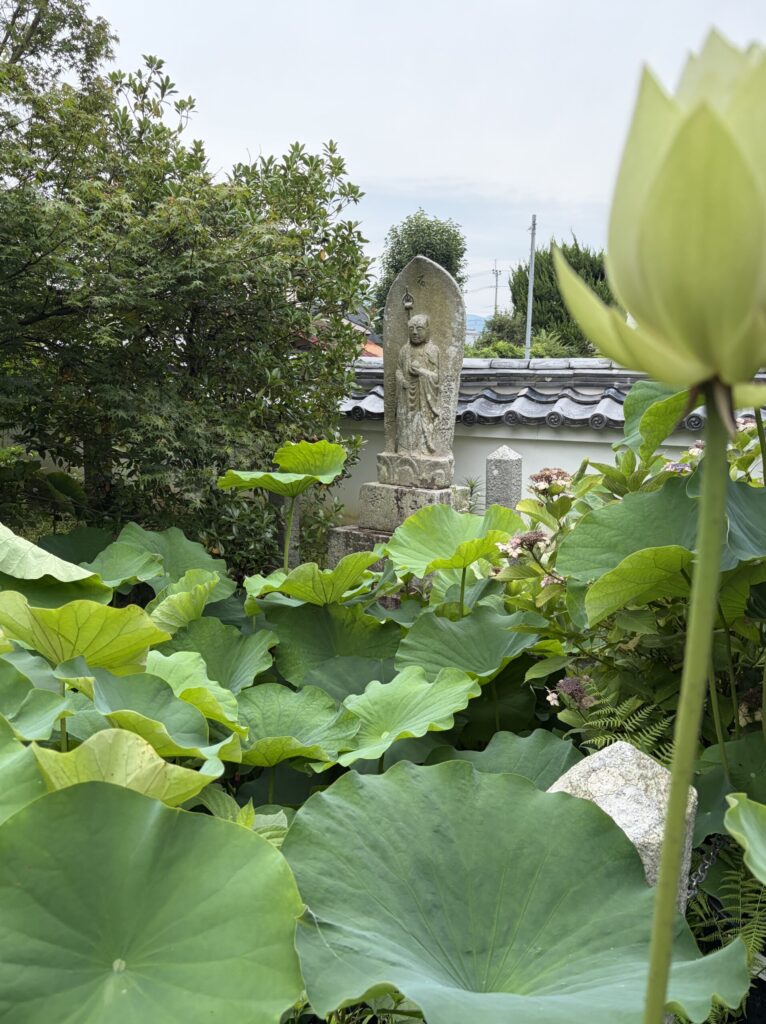
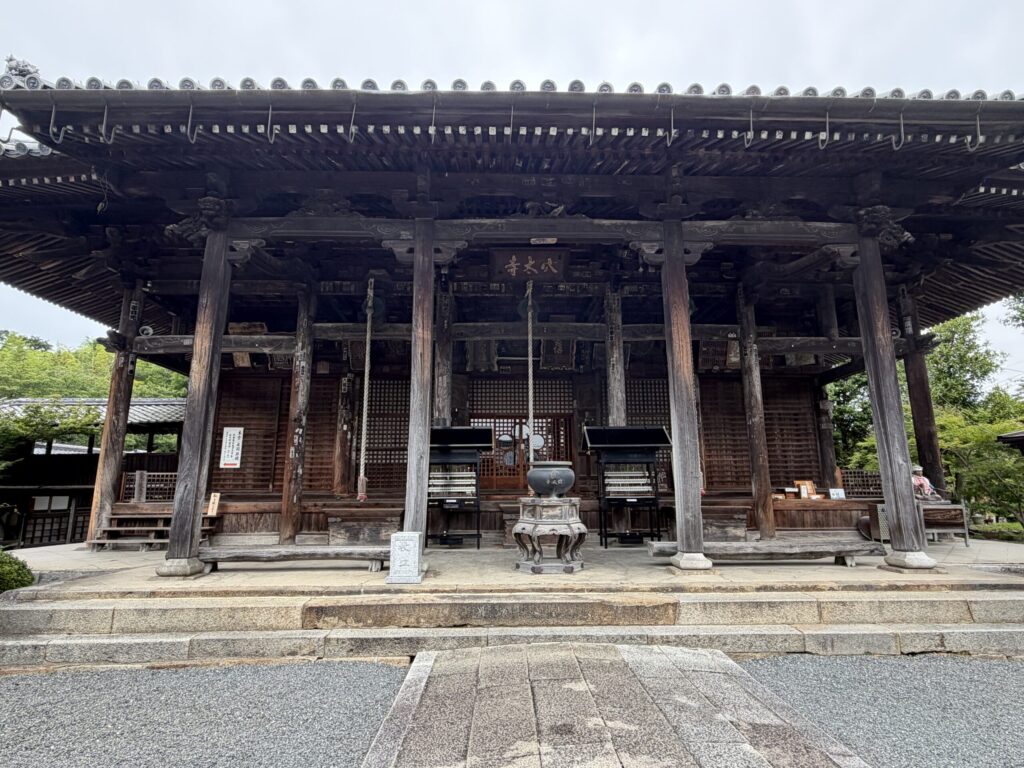
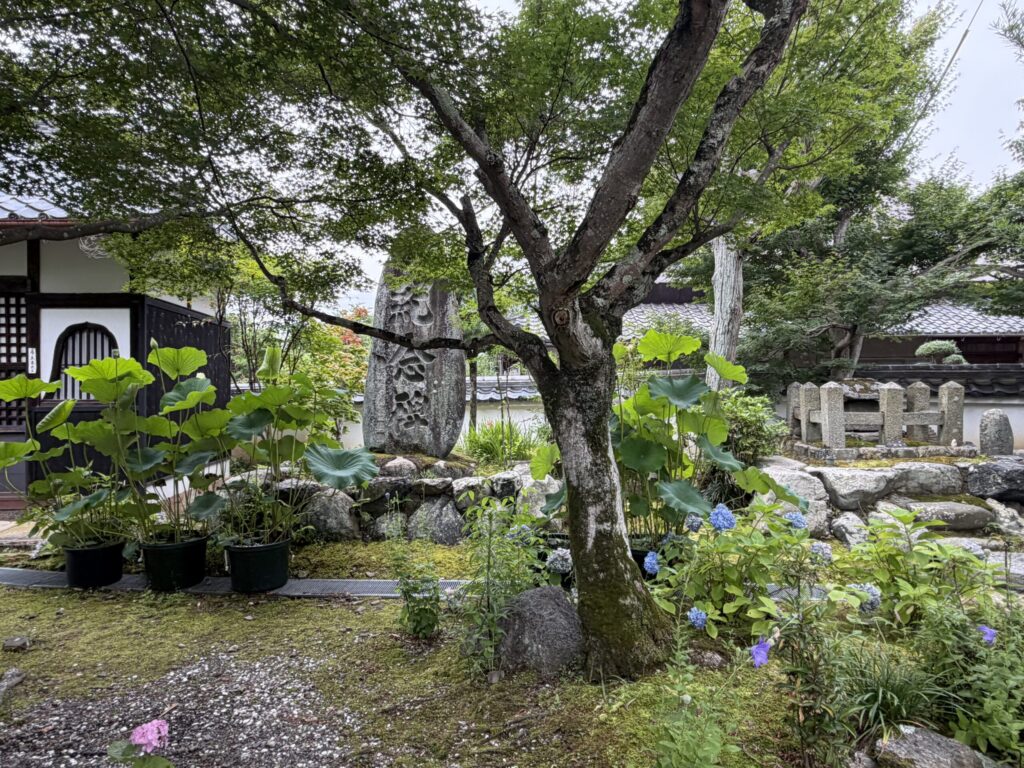
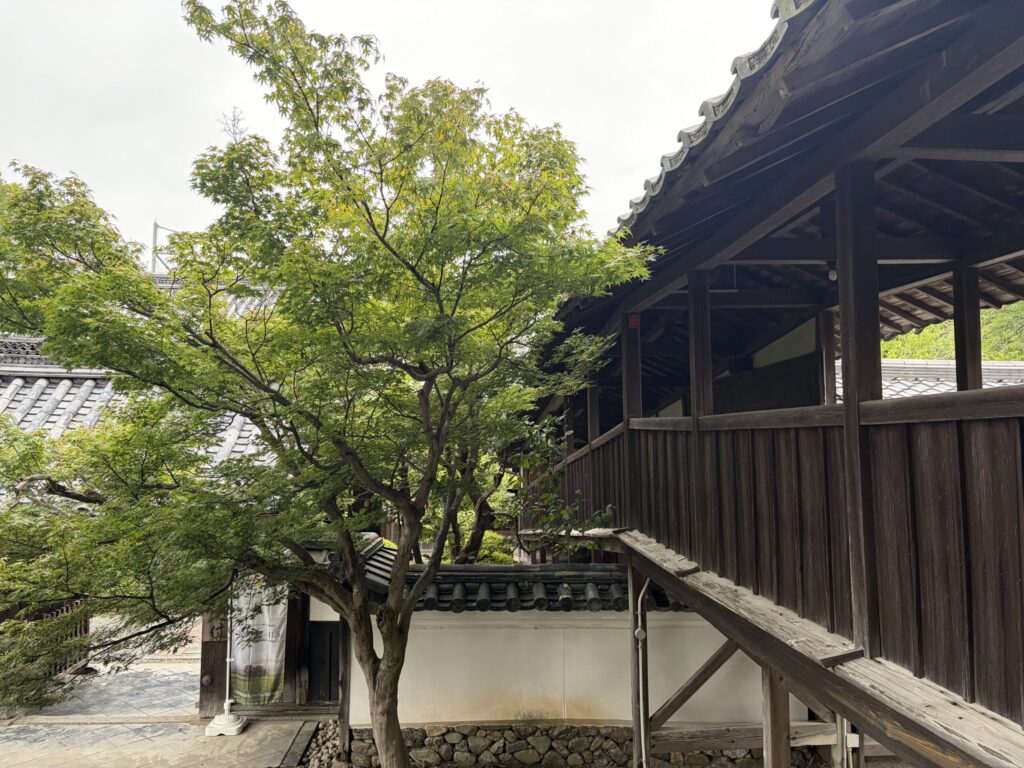
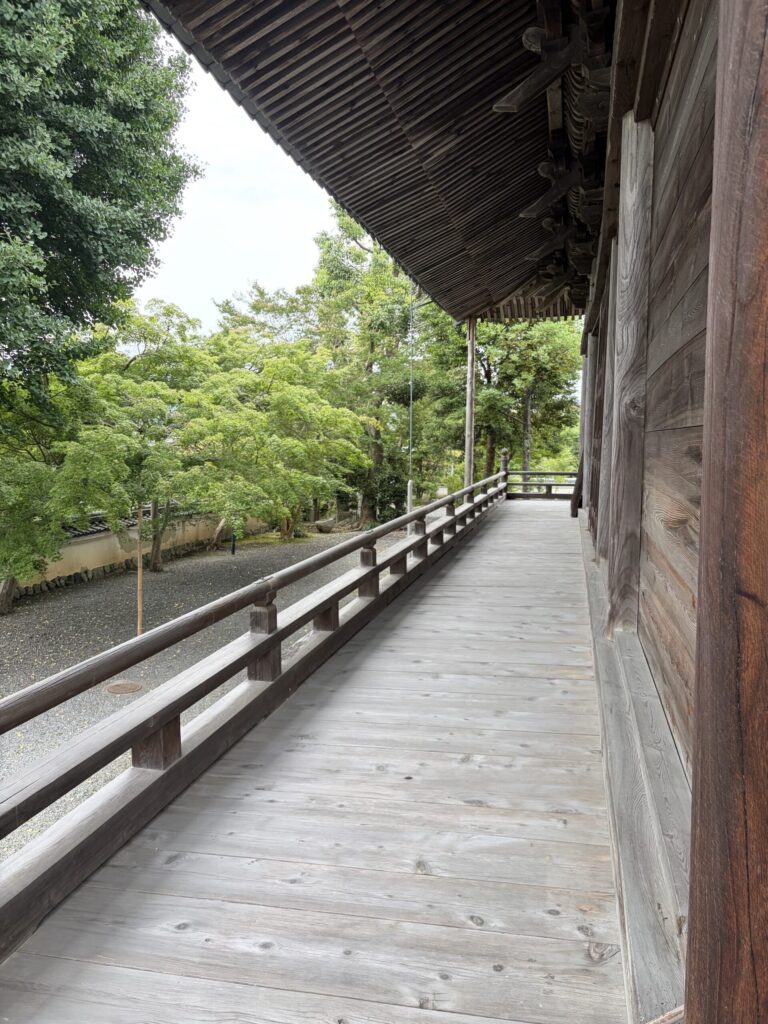
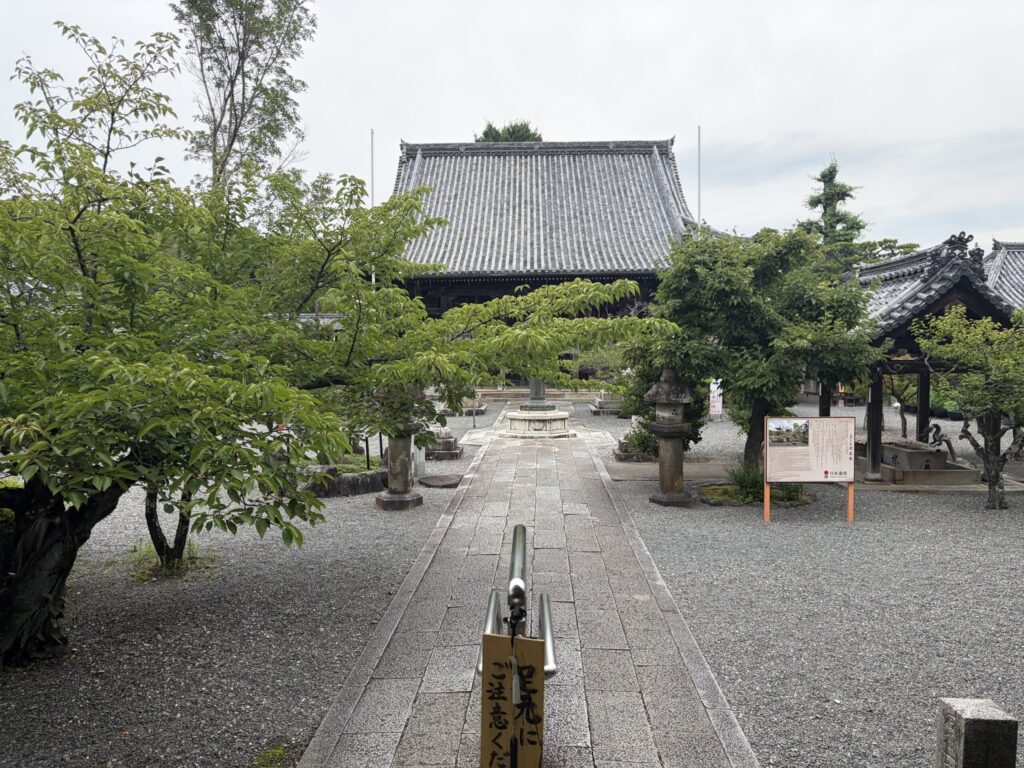
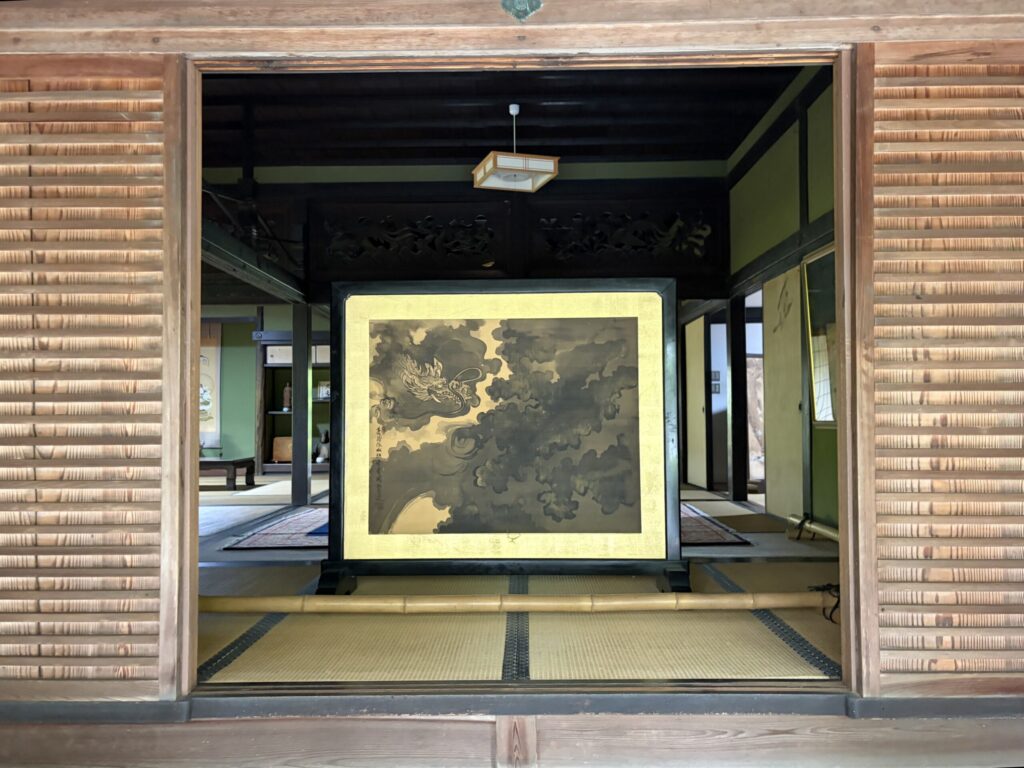
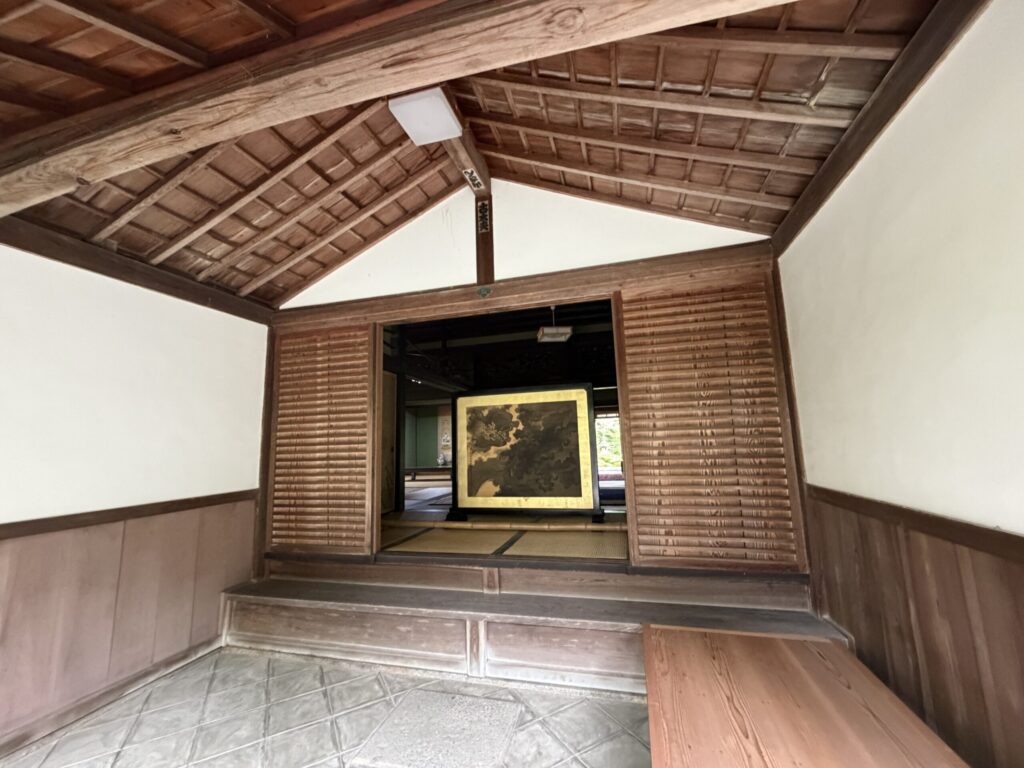
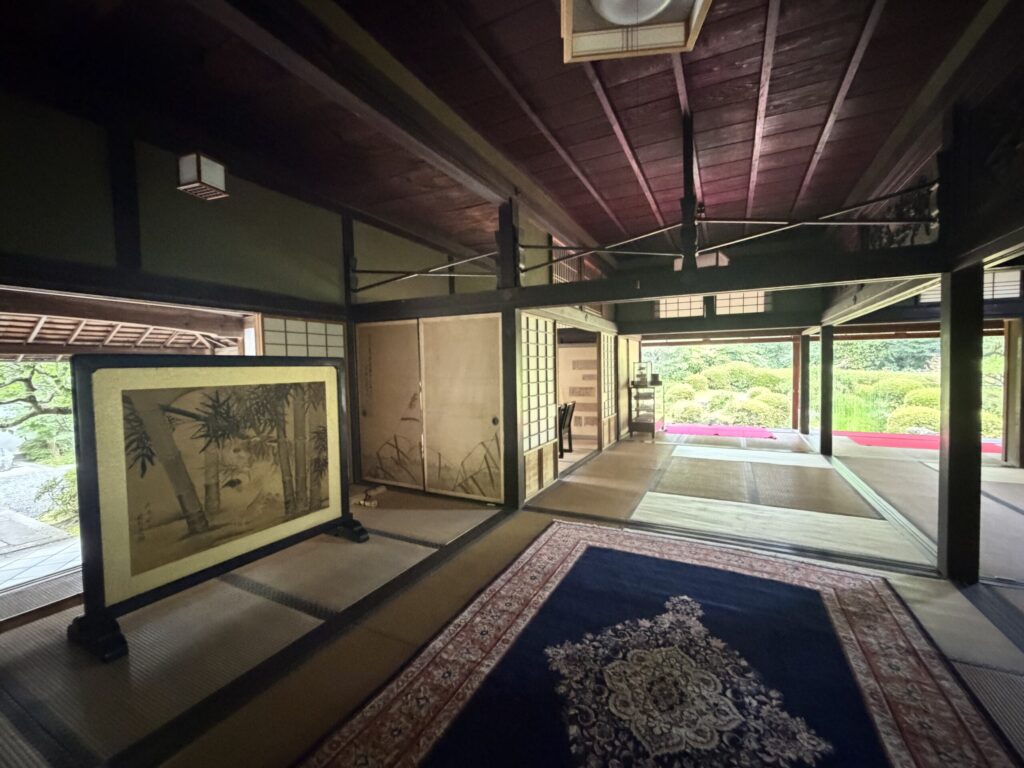
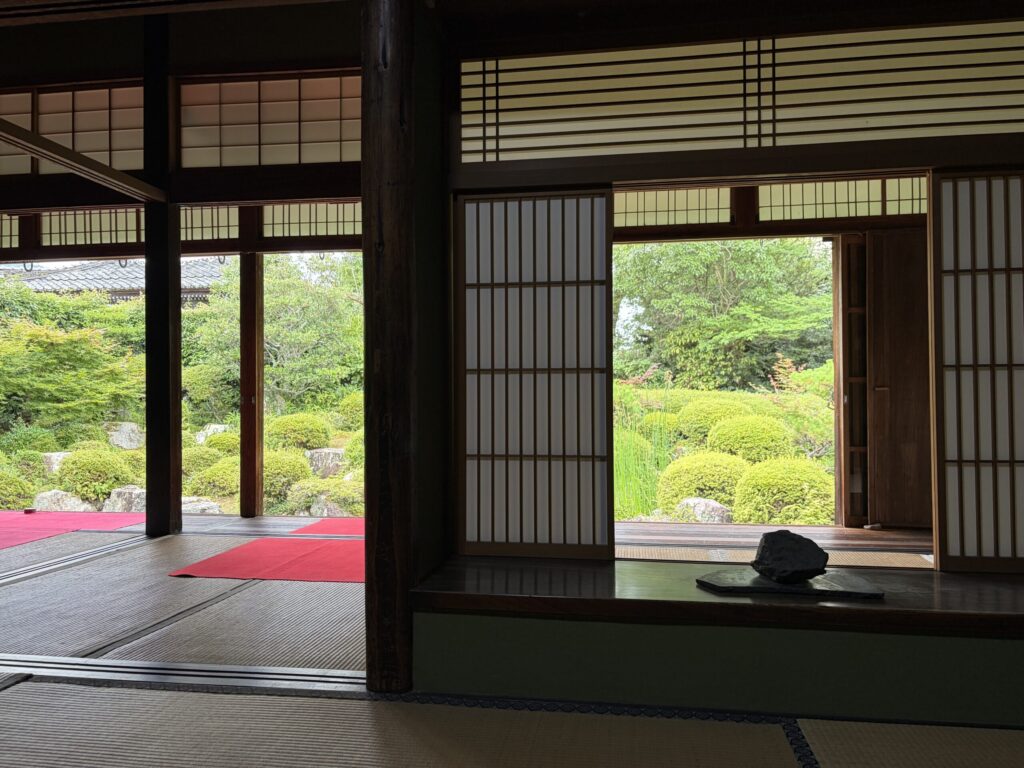
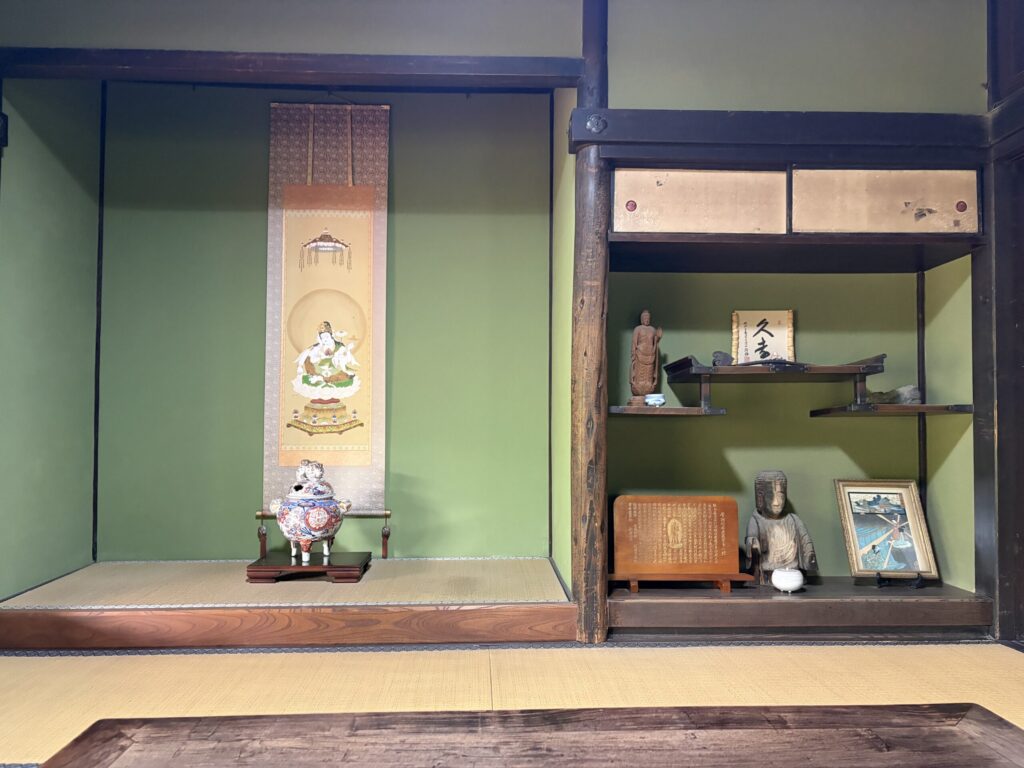
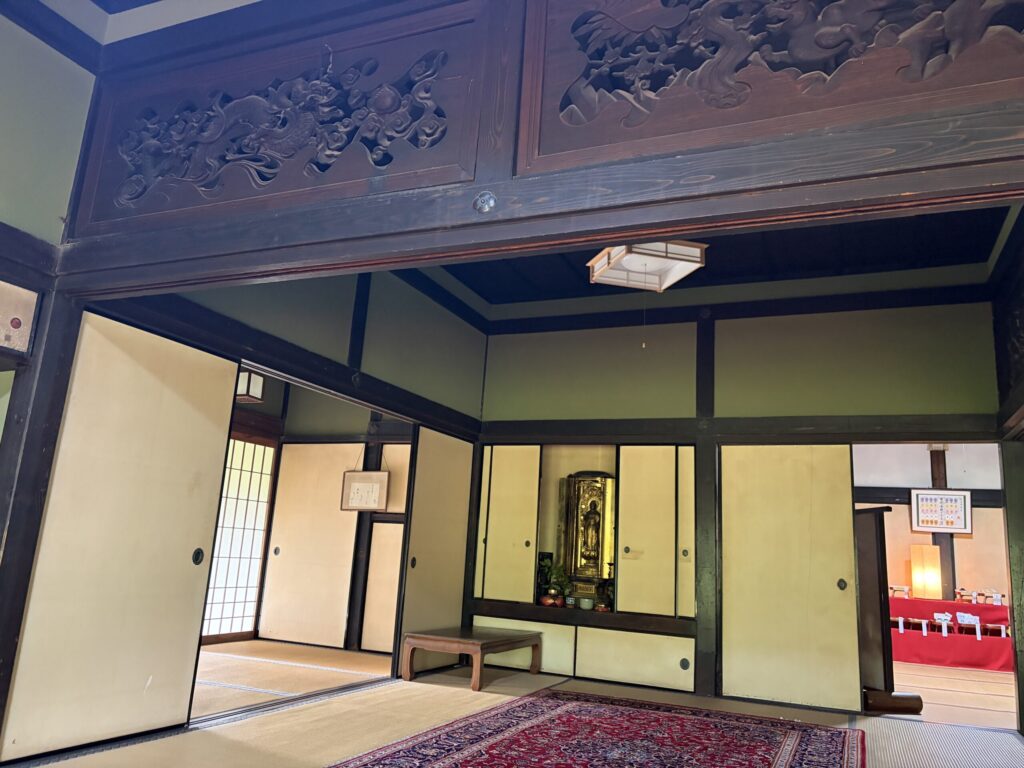
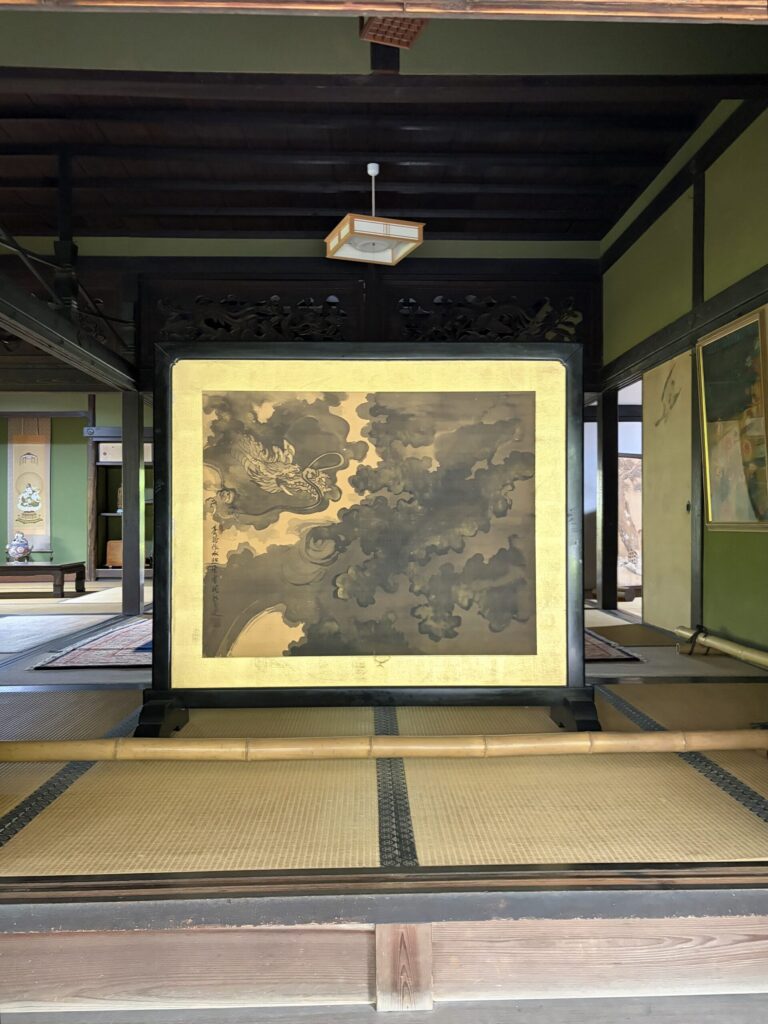
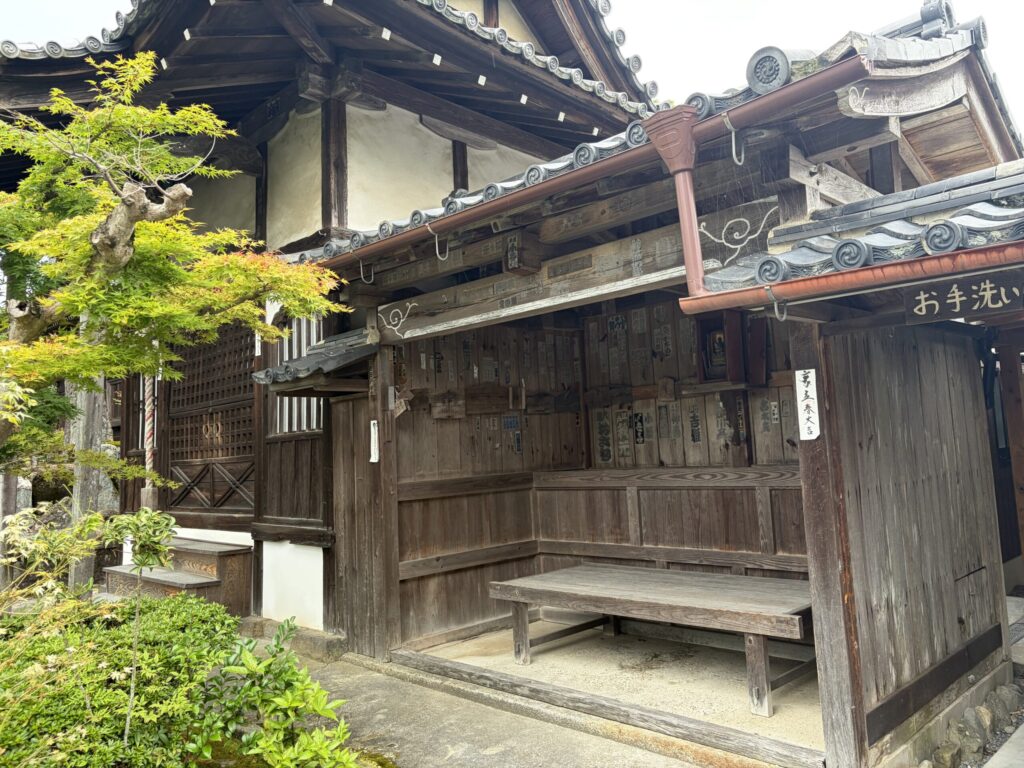
To the left of the main hall is En’no-in, a shoin-zukuri (traditional Japanese residential-style) building said to have been relocated to this site around 1700.
From inside, a covered corridor leads directly into the main hall.
The coffered ceiling (gotenjo) of the main hall is painted with pictures of birds and flowers, though in natural light they were difficult to see clearly. (Photography was not permitted.)
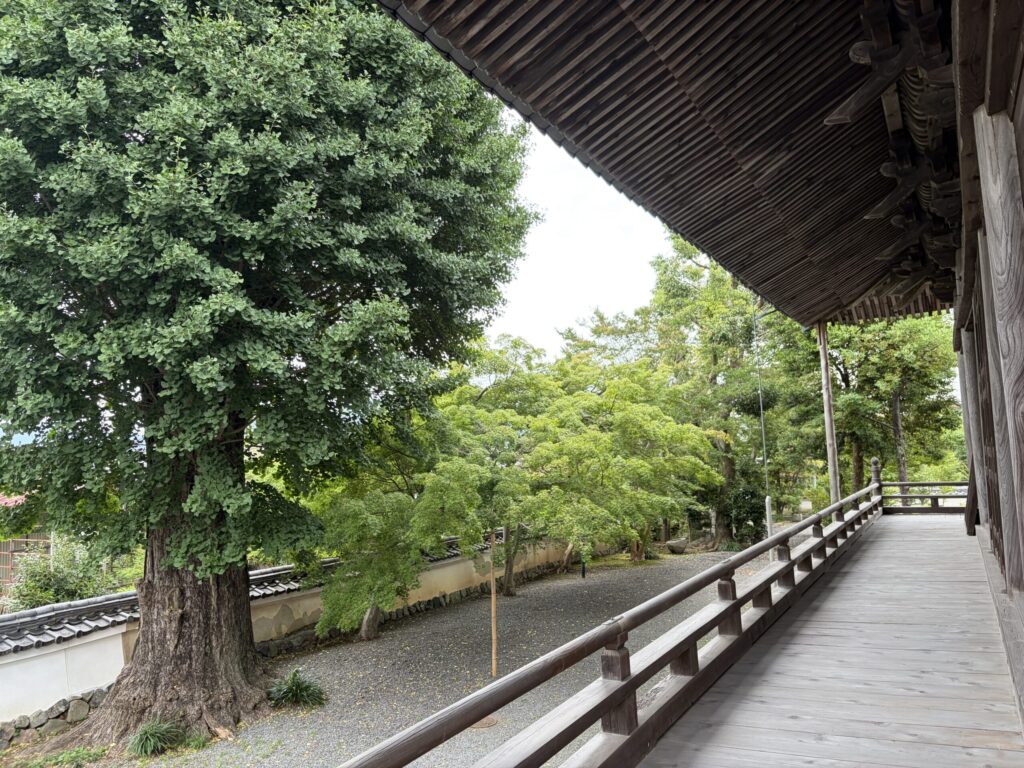
Behind the main hall stood a large ginkgo tree.
After visiting the main hall, you can take your time enjoying the shoin-zukuri architecture and the beautifully maintained garden.
If you are visiting between late June and early July, the morning hours are recommended — the lotus flowers are at their finest.
About Goshuin Stamp Books and Related Items
I usually collect the pre-written kakioki type of goshuin stamps, but for the Thirty-Three Temple Pilgrimage I wanted stamps written directly into a dedicated book, so I purchased one especially for the journey.
Goshuincho stamp books are also sold at the temples of the Saigoku Pilgrimage. However, the accordion-fold (jyabara) style can cause ink to bleed through to the other side. For that reason, I would recommend a bound style rather than accordion-fold — ideally one where each page is separated by an interleaving sheet of paper.
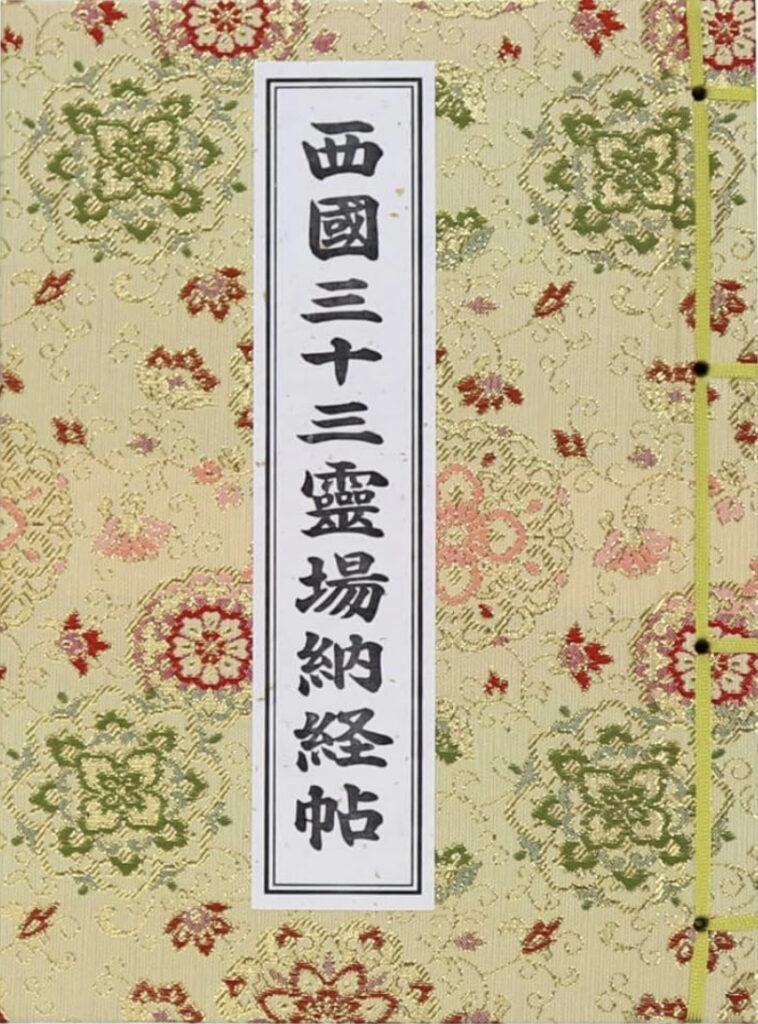
Nokyo-cho — Saigoku Thirty-Three Temples
Gold brocade binding (with vinyl cover) · Lightweight, quick-drying special washi paper that resists ink bleed-through
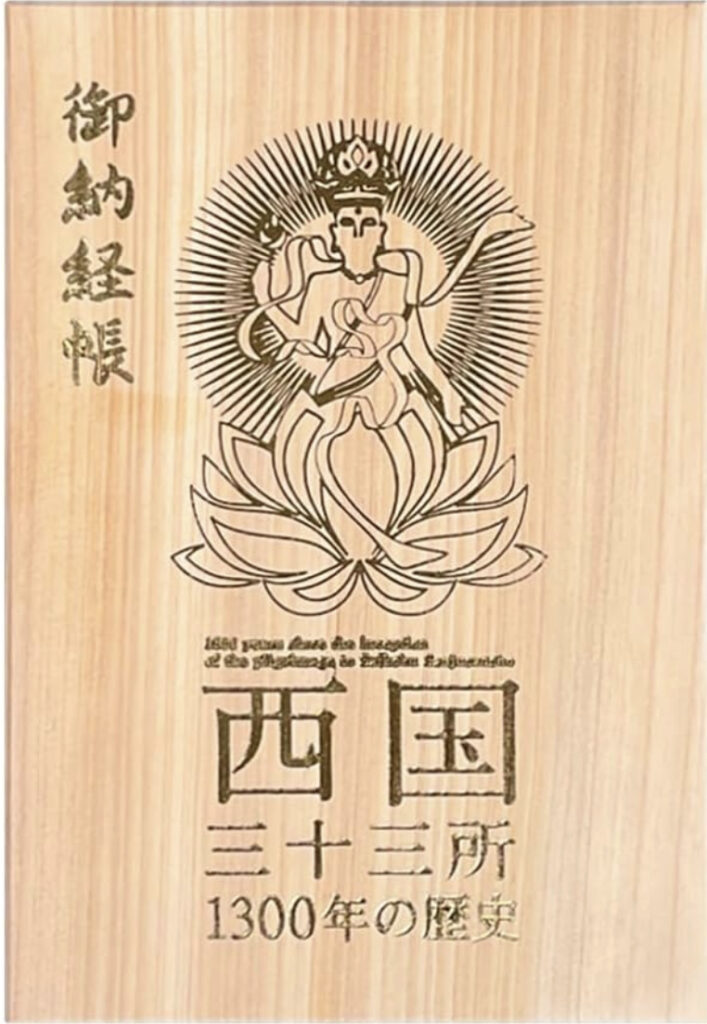
Nokyo-cho — Saigoku Thirty-Three Temples
Hinoki (Japanese cypress) solid wood binding · Handmade washi paper, accordion-fold double-layer style
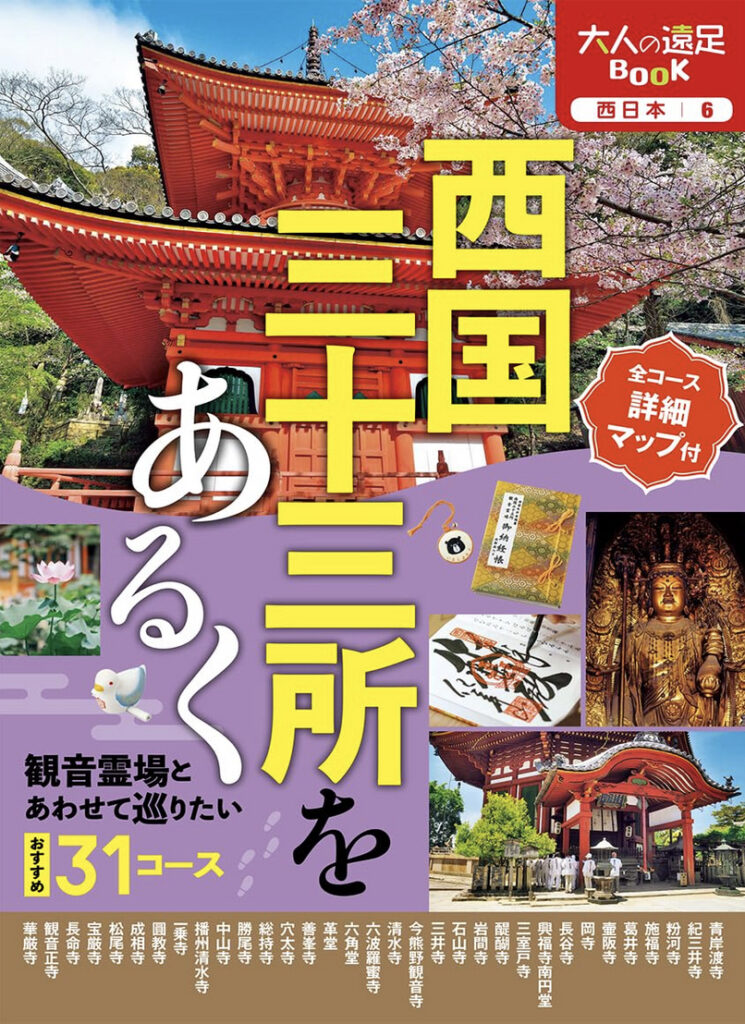
Walking the Saigoku Thirty-Three Temples
Otona no Ensoku BOOK
A guidebook for enjoying the pilgrimage and the pleasures of dedicated walking
Introduction & Overview
- What Is Esoteric Buddhism? Tendai and Shingon Explained in Simple Terms
- The Deep Connection Between the Saigoku Pilgrimage and Esoteric Buddhism | Why We Journey to Kannon Bodhisattva
Buddhas & Bodhisattvas
- What Are the 33 Forms of Kannon Bodhisattva? A Complete Guide to the Principal Images of the Saigoku Pilgrimage
- What Is the Difference Between Nyorai, Bosatsu, Myōō, and Ten? An Illustrated Guide to the Deities of Esoteric Buddhism
Practices & Culture
- The Meaning of the Heart Sutra Explained Simply | The World of the Sutras Chanted on Pilgrimage
- What Are Goshuin, Omiei, and Sange? The Esoteric Buddhist Culture You Encounter on the Saigoku Pilgrimage
Temples & History
Saigoku Pilgrimage of the Thirty-Three Temples — List of Sacred Sites
- No.12 Syohoji
- No.13 Ishiyamadera
- No.14 Miidera
- No.15 Imakumano-Knnonji
- No.16 Kiyomizudera
- No.17 Rokuharamitsuji
- No.18 Rokkakudo-Chohoji
- No.19 Kaudo-Gyoganji
- No.20 Yoshiminedera
- No.21 Anaoji
- No.22 Sojiji
- No.23 Katsuoji
- No.24 Nakayamadera
- No.25 Bansyu-Kiyomizudera
- No.26 Ichijyoji
- No.27 Engyoji
- No.28 Nariaiji
- No.29 Matsunoodera
- No.30 Chikubusima-Hogonji
- No.31 Chomeiji
- No.32 Kannonsyoji
- No.33 Kegonji