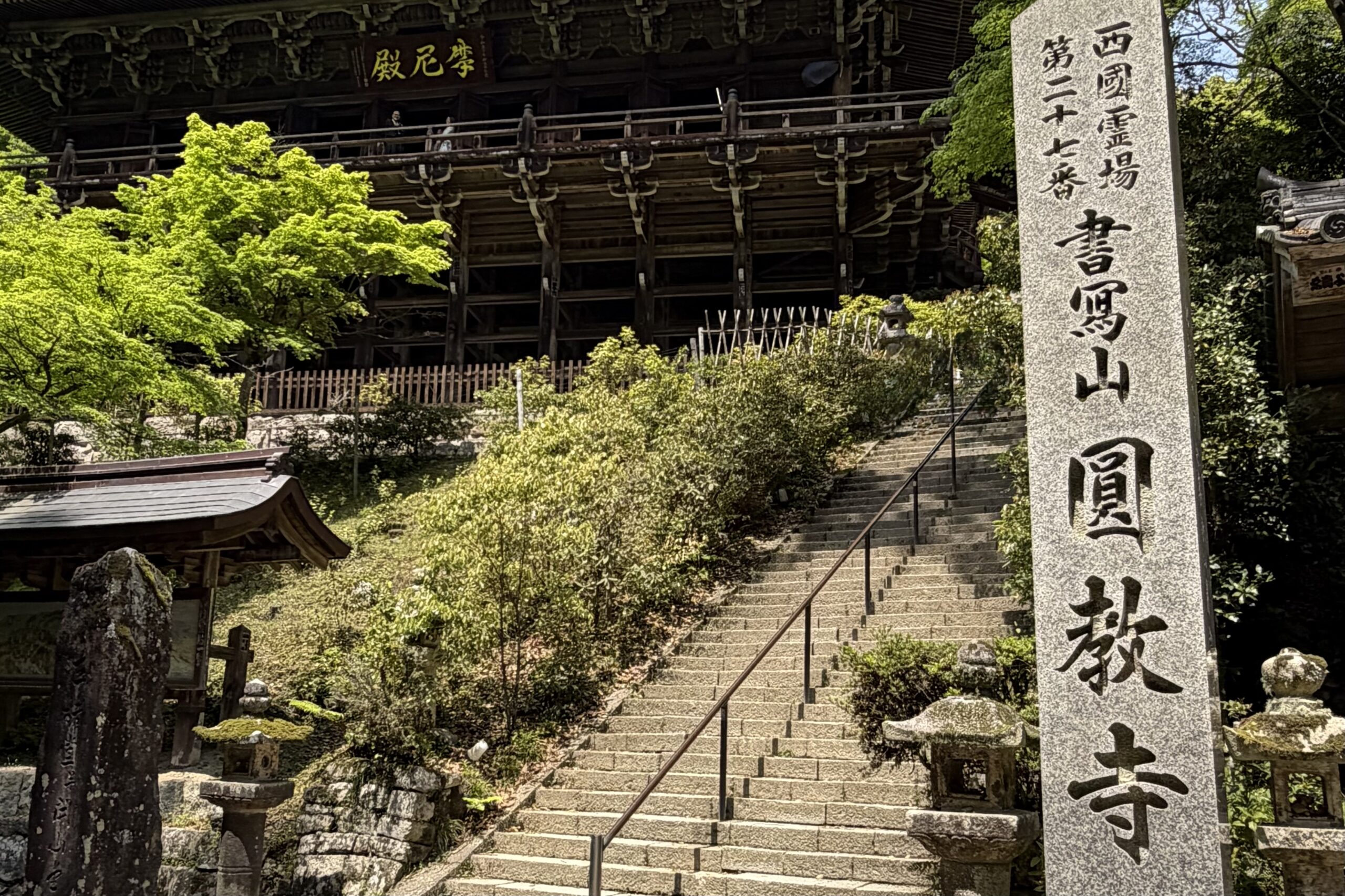
Engyoji Temple marks the westernmost point of the Saigoku Pilgrimage.
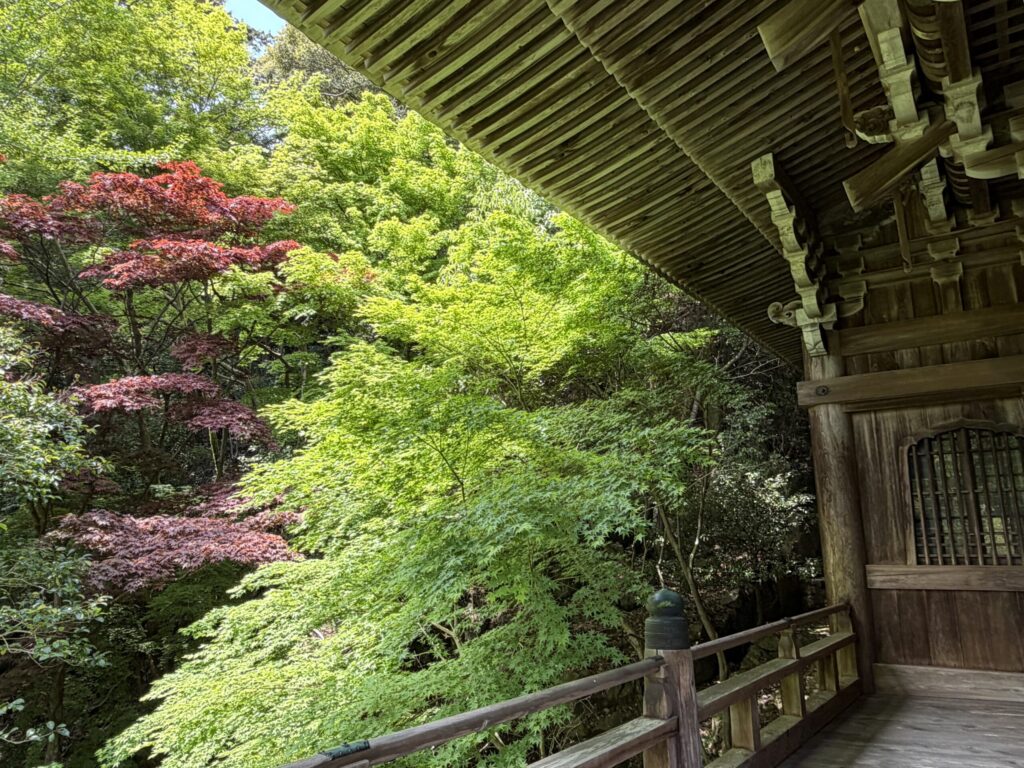
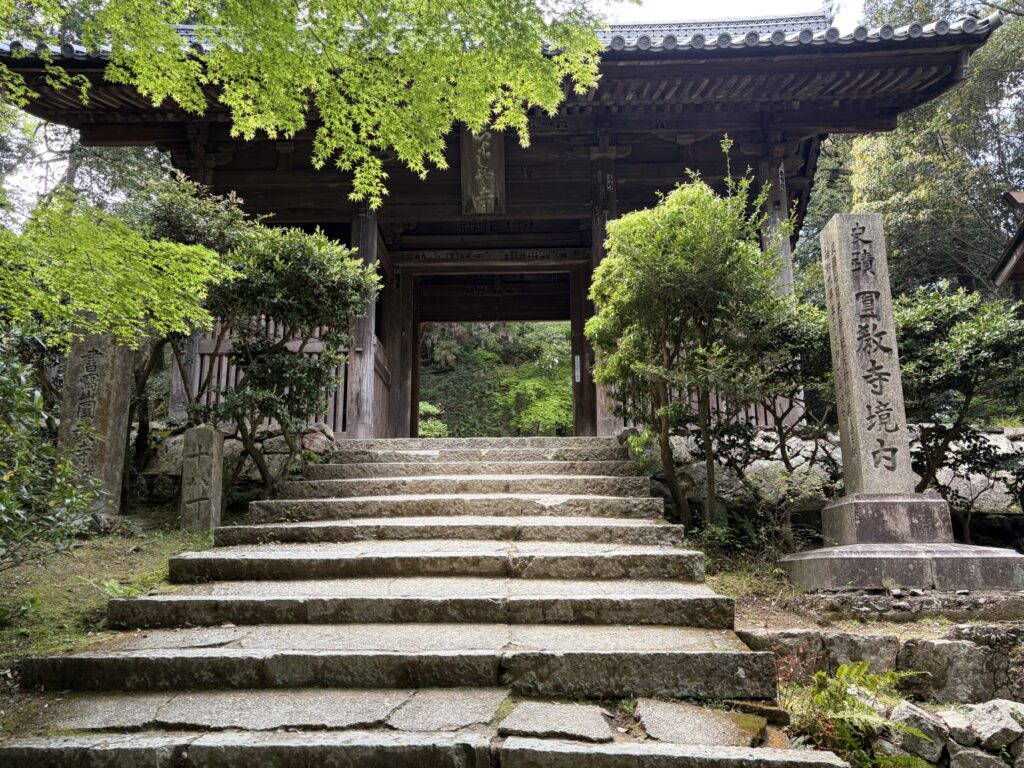
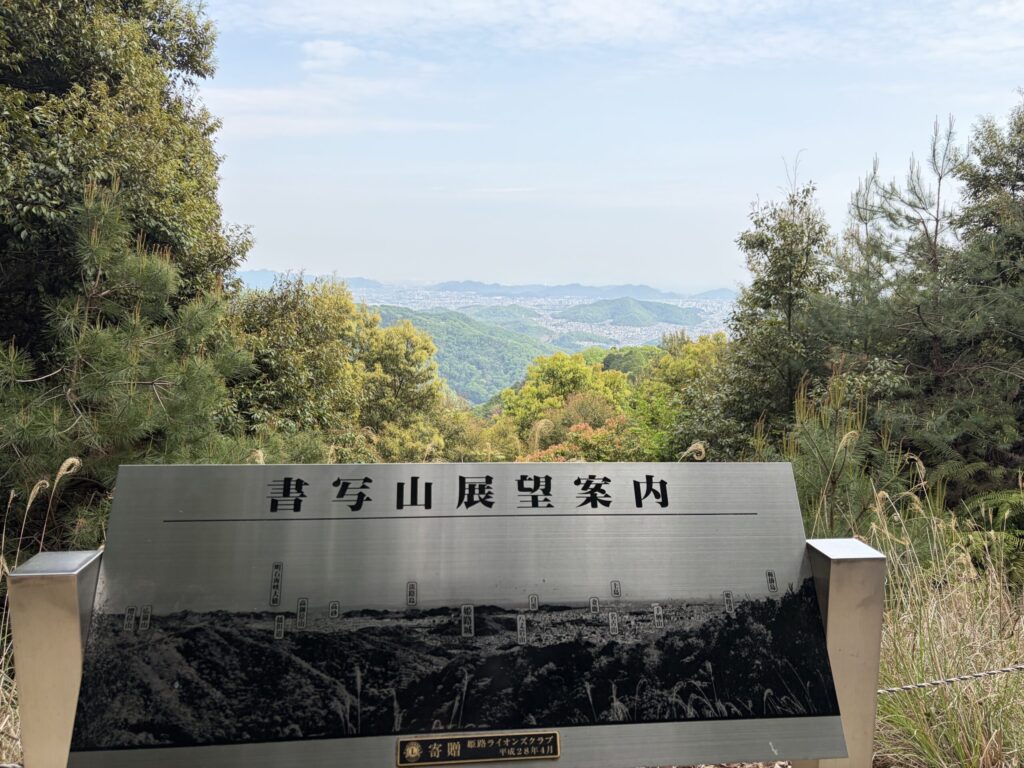
At the end of April, with fresh green leaves filling the air, I took a bus from JR Himeji Station to the ropeway terminal, then rode up to Shoshazan — the mountain on which Engyoji stands.
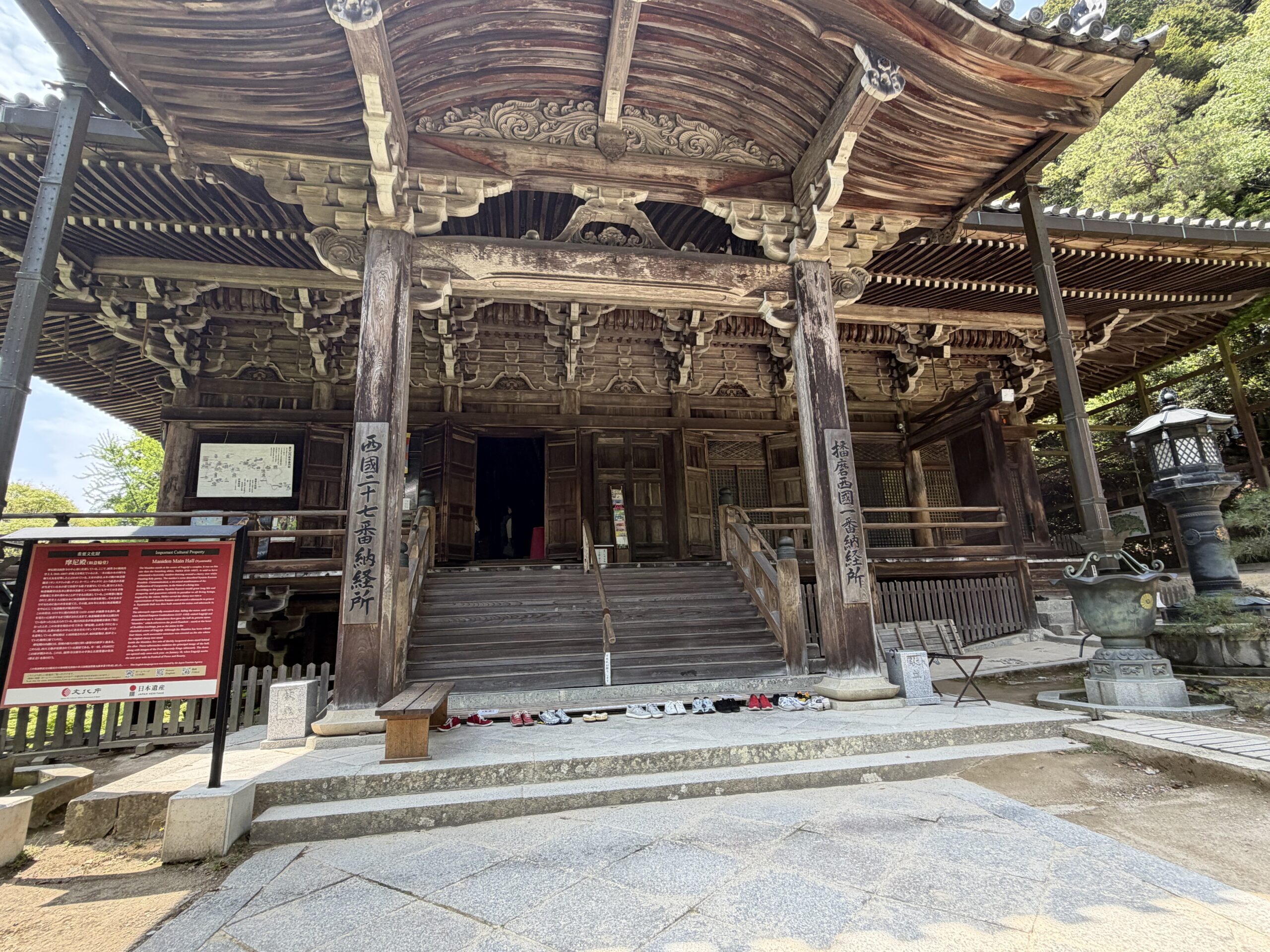
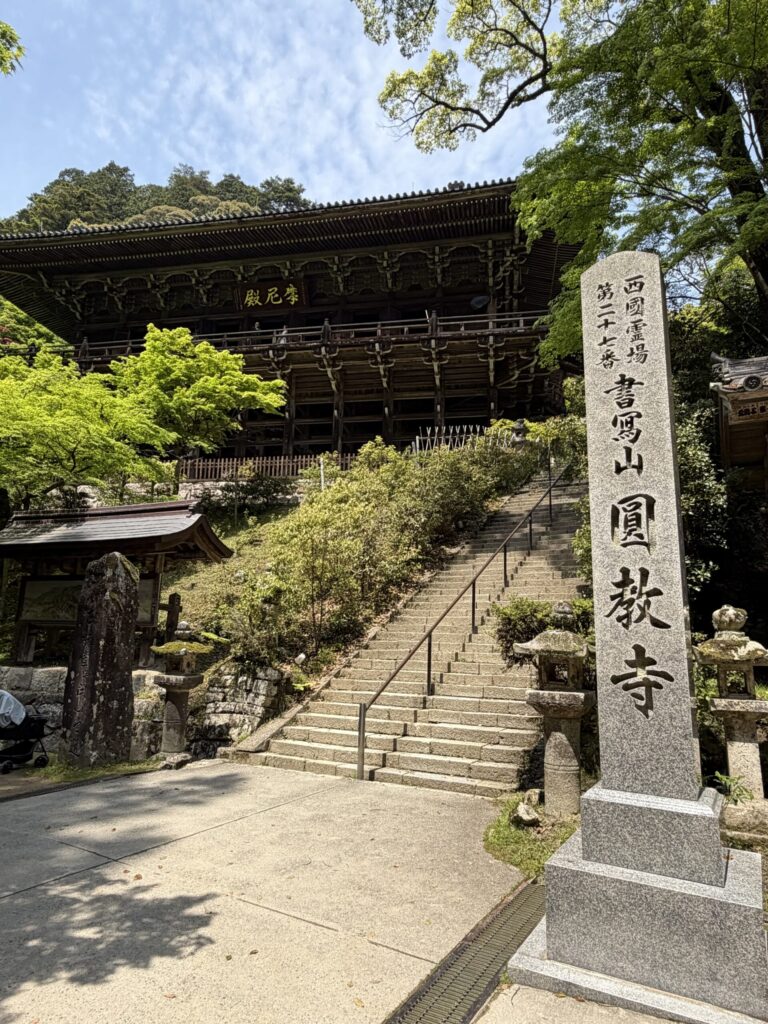
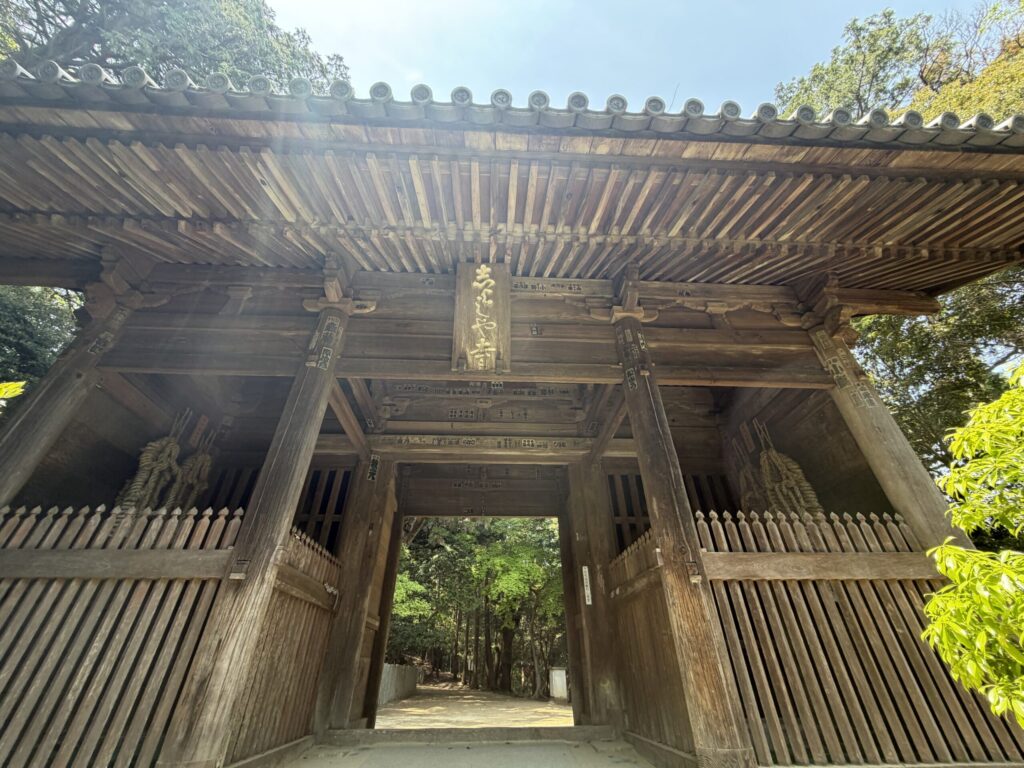
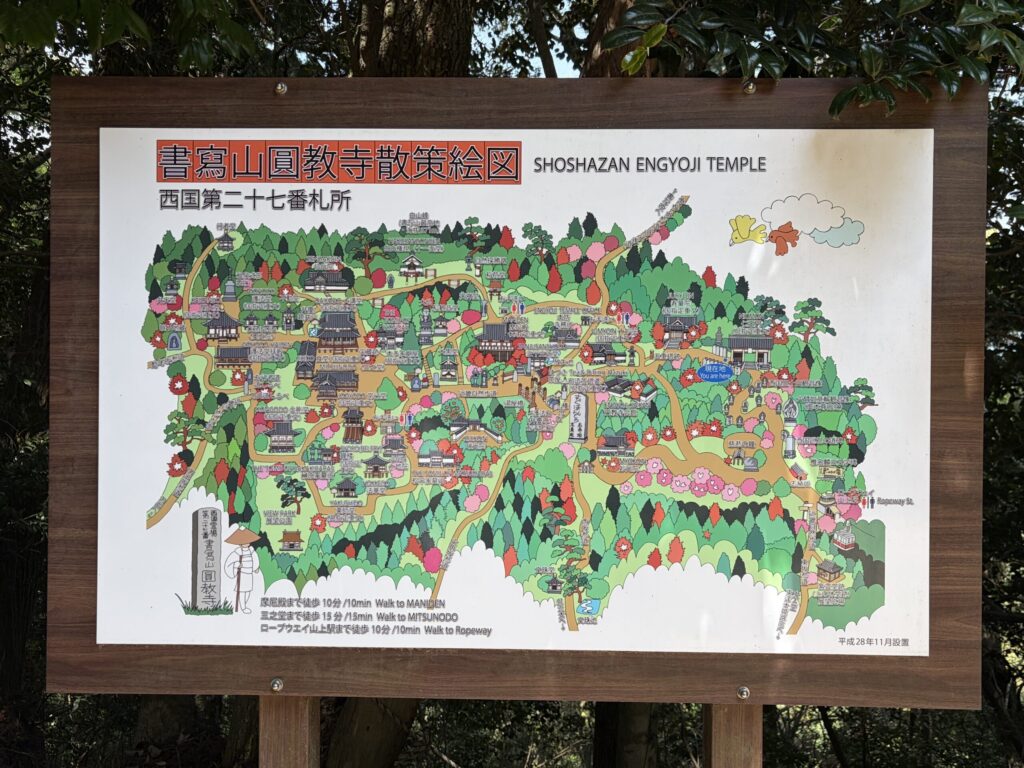
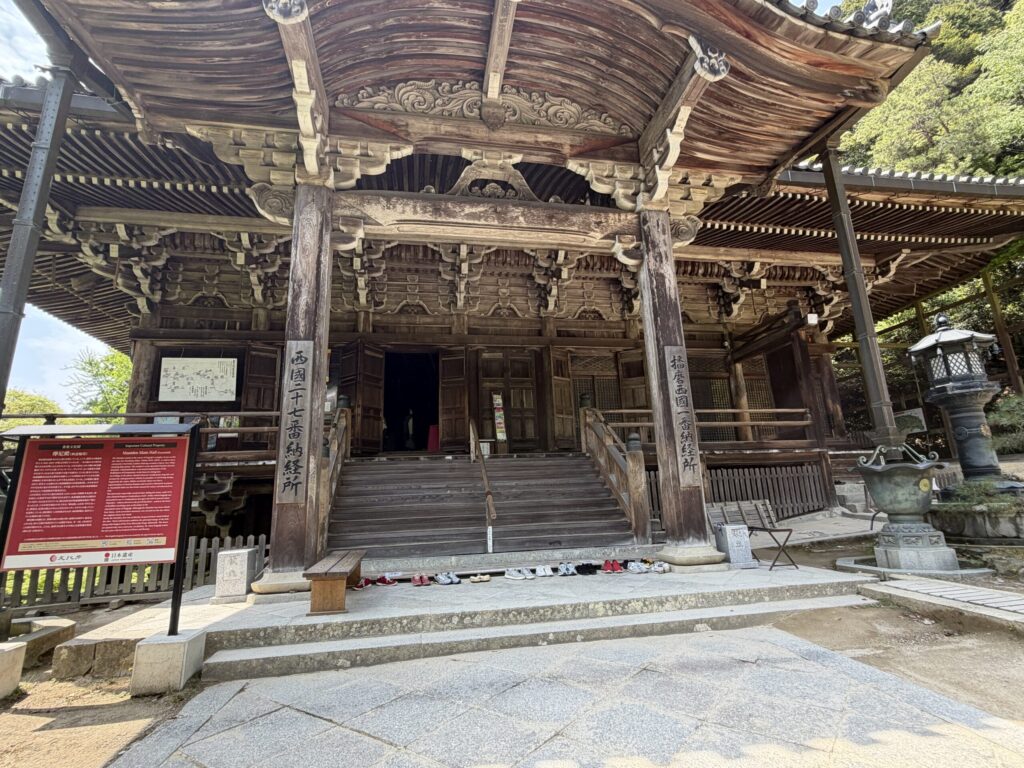
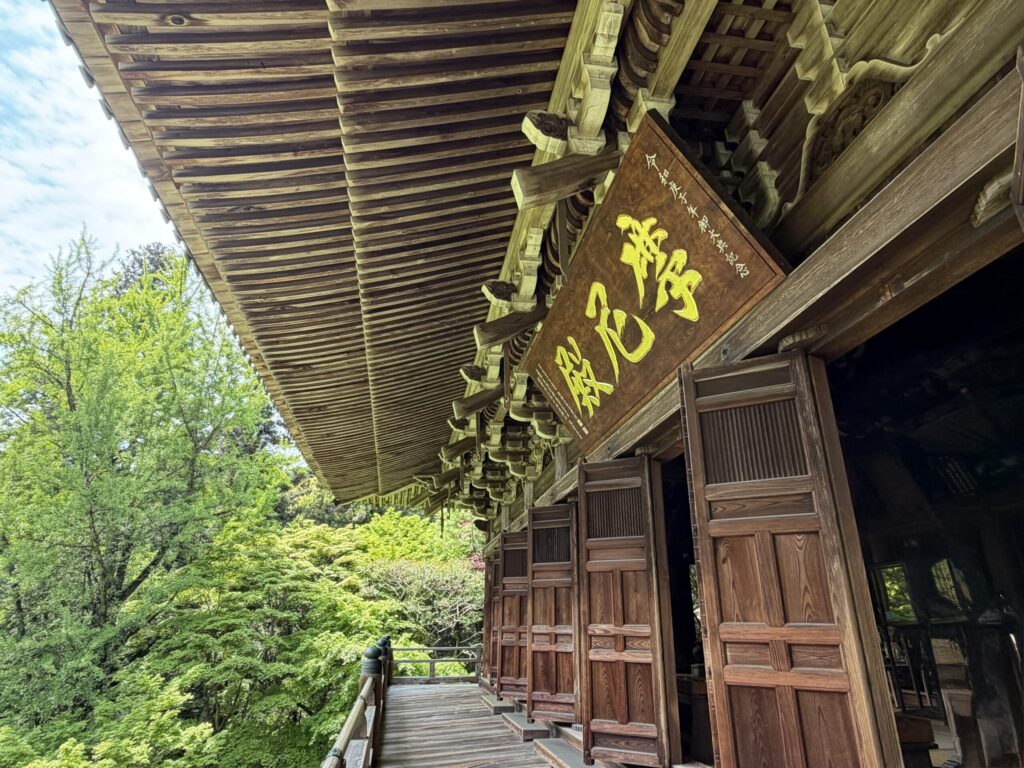
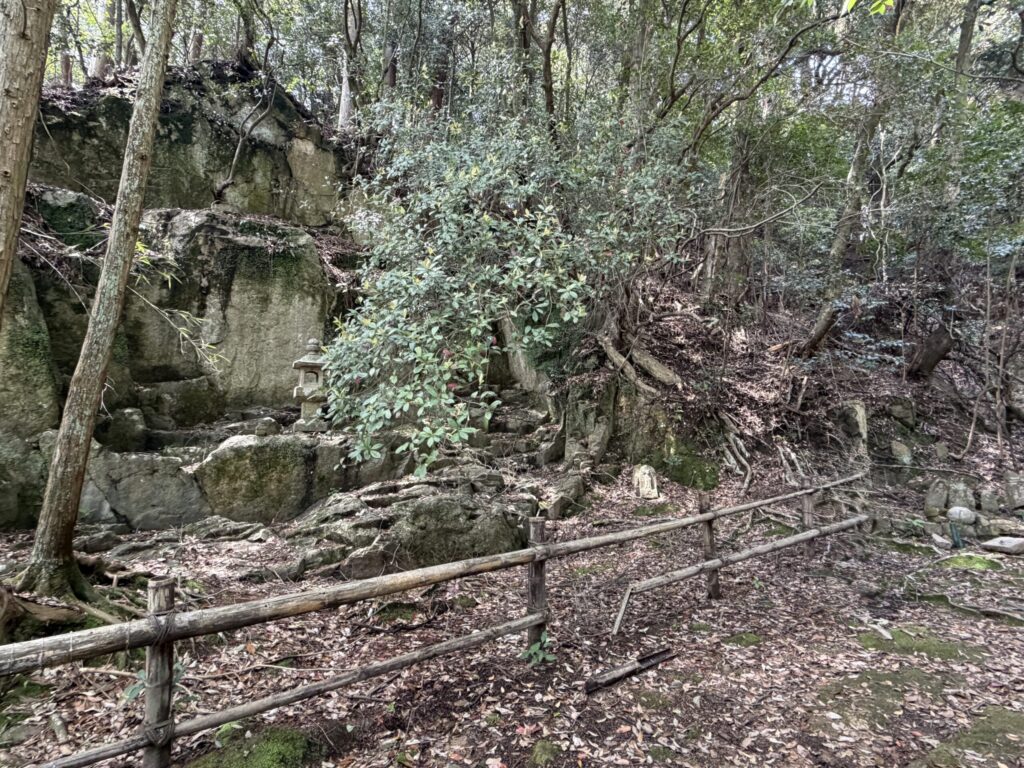
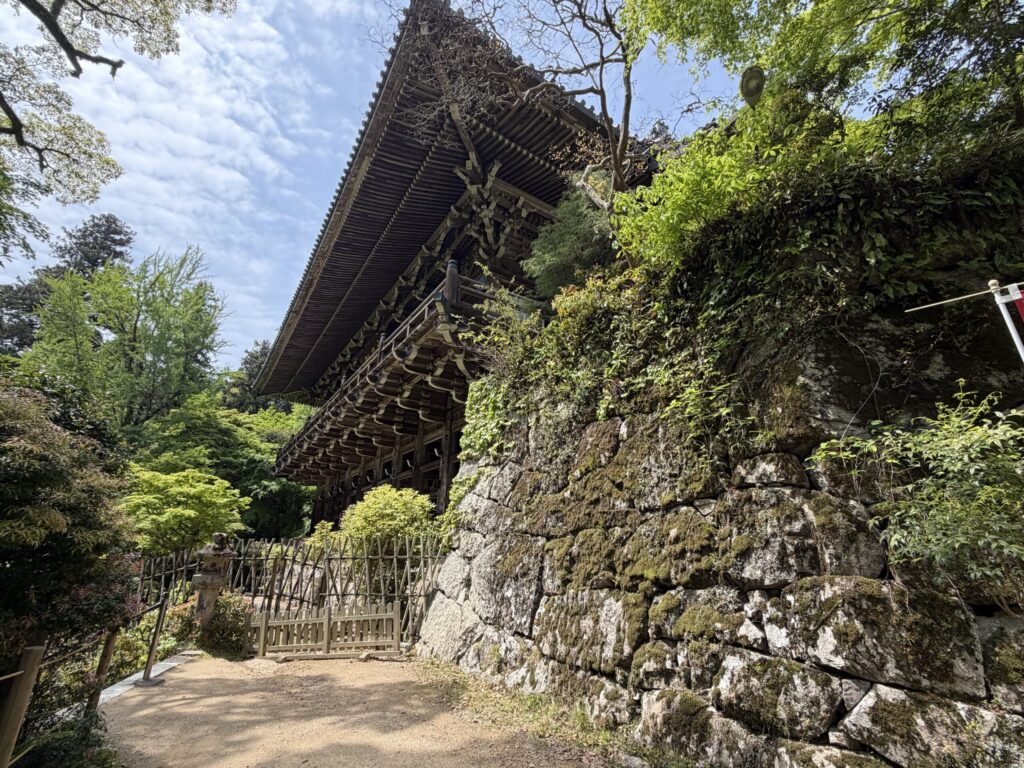
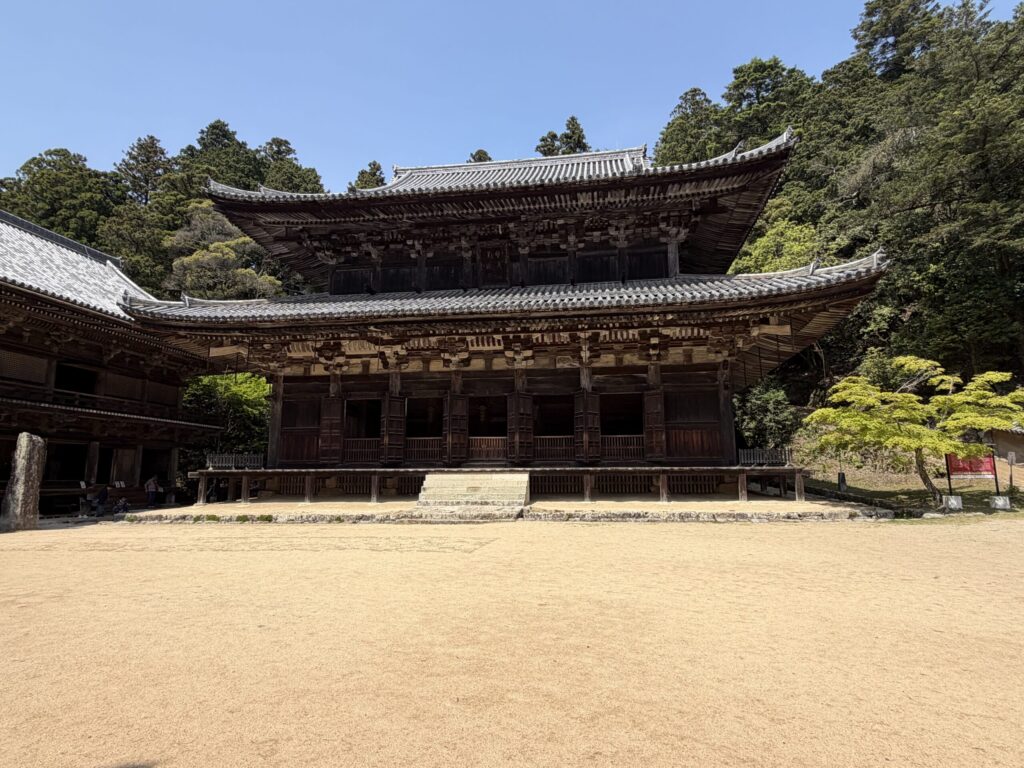
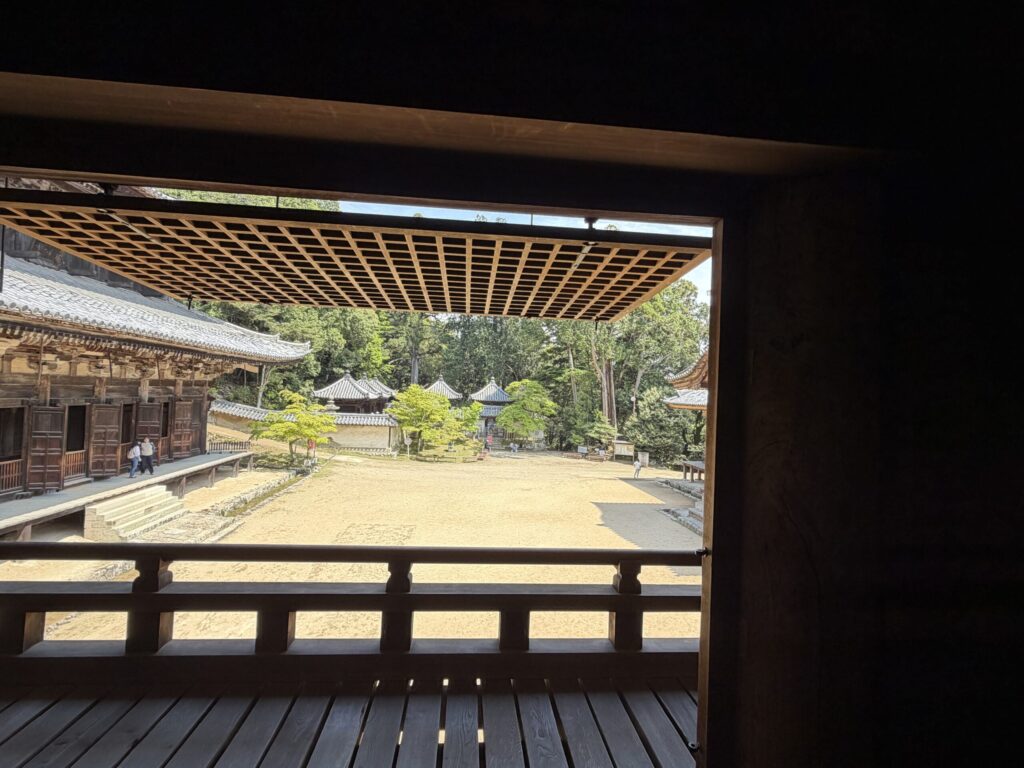
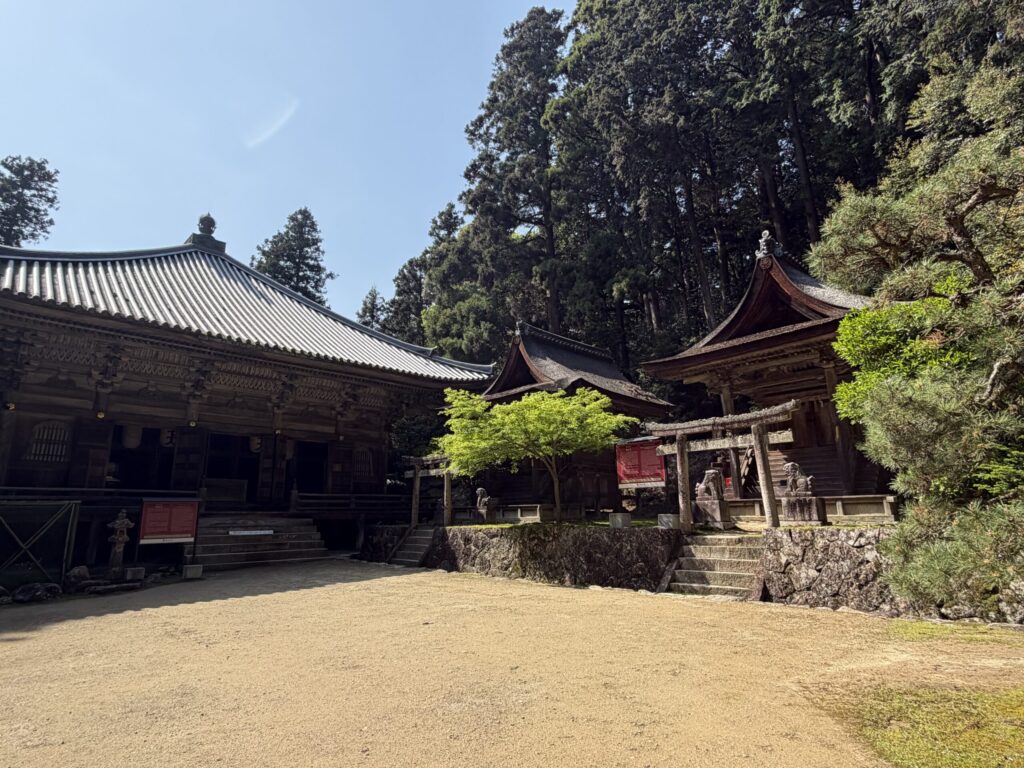
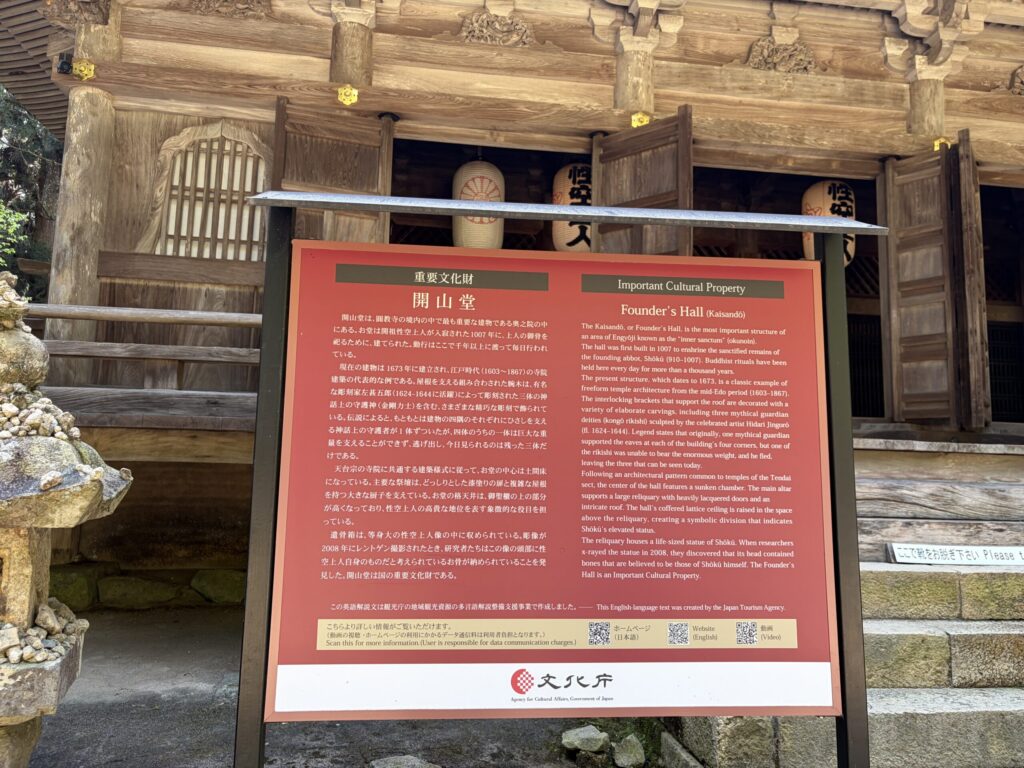
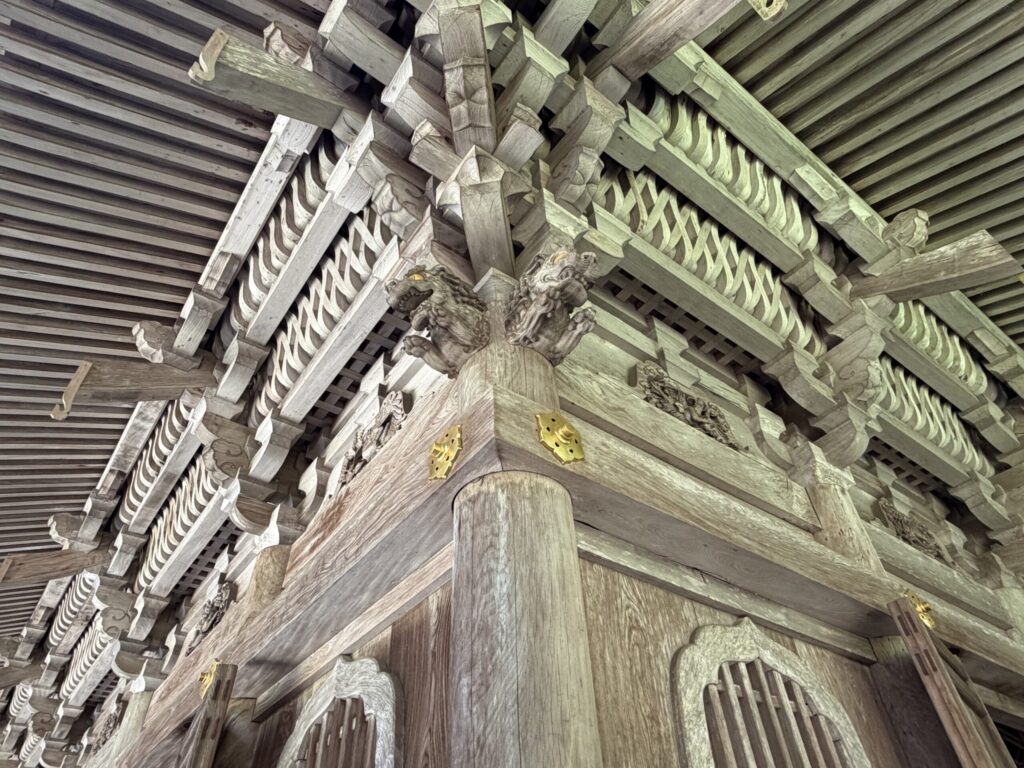
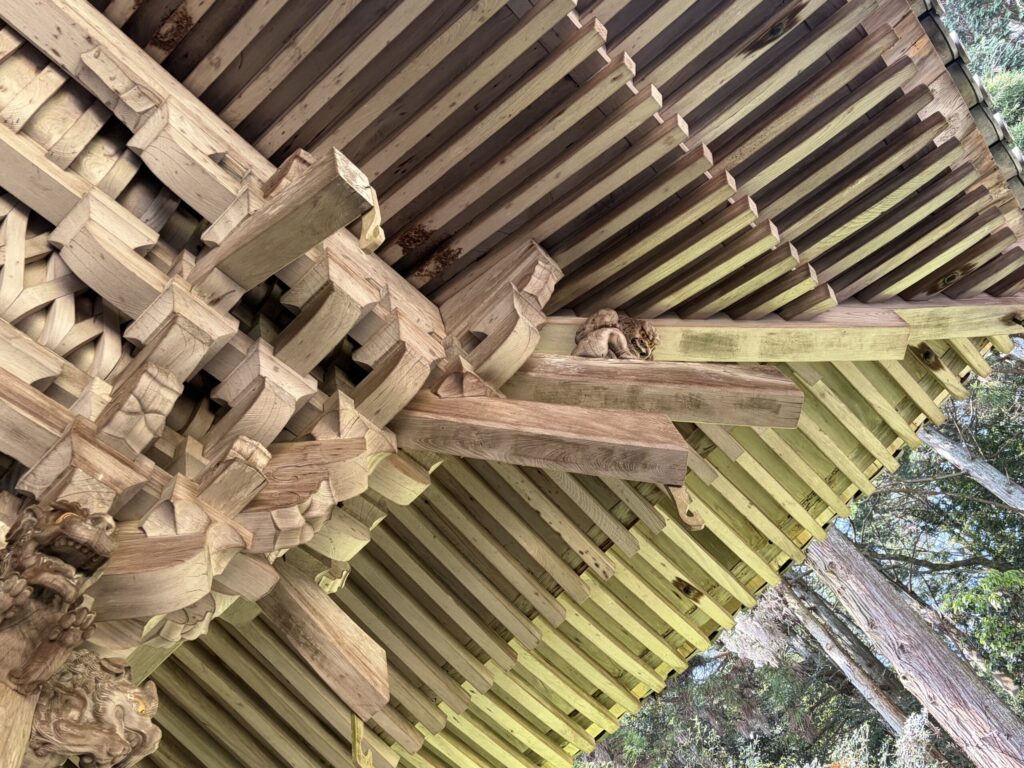
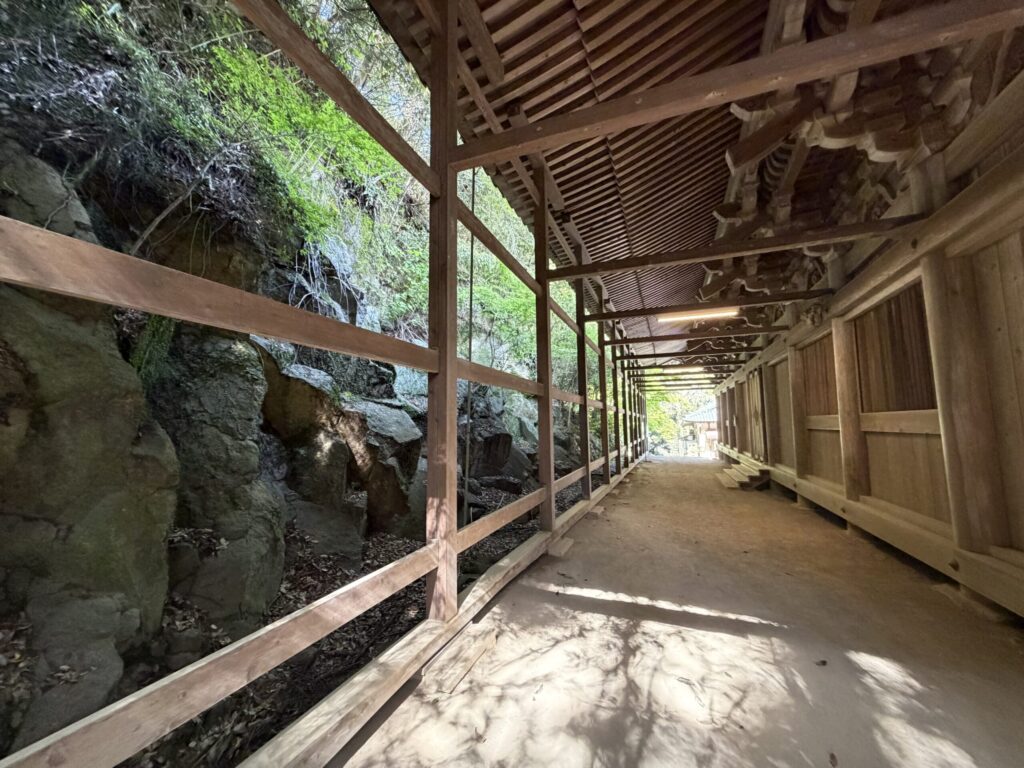
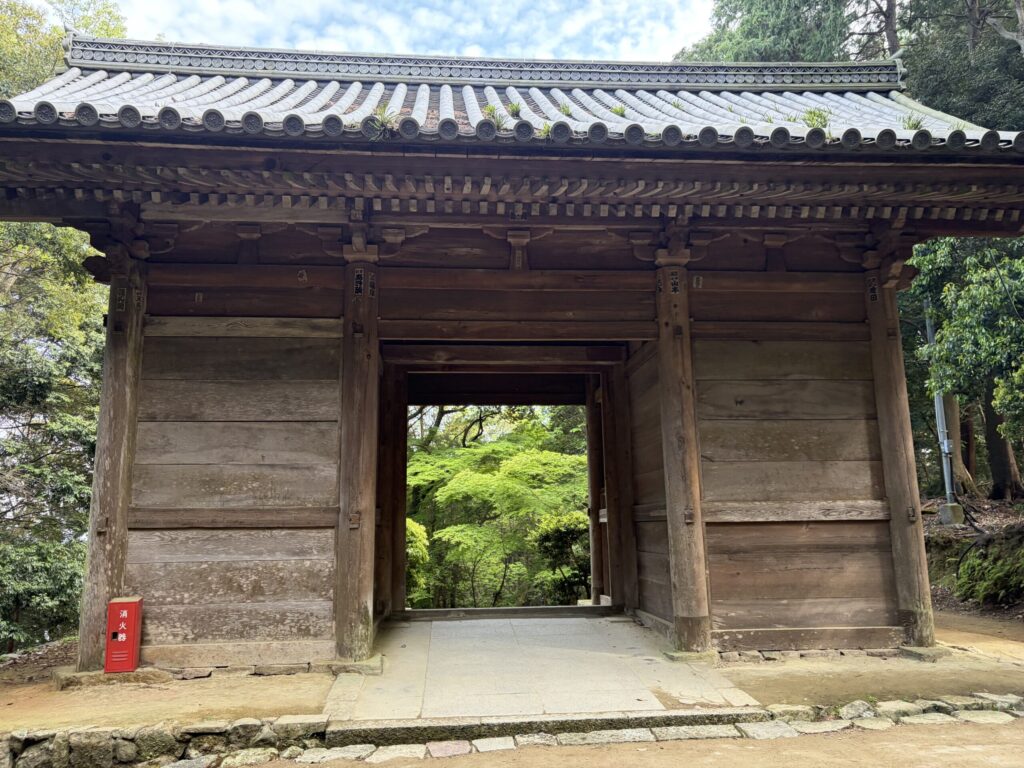
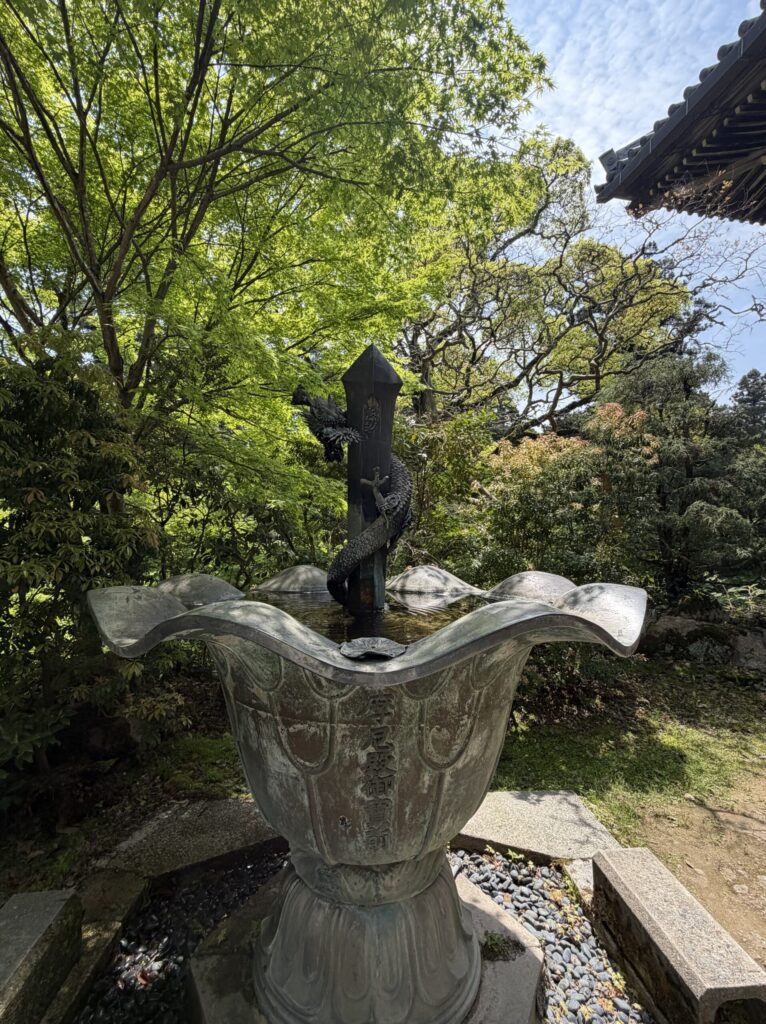
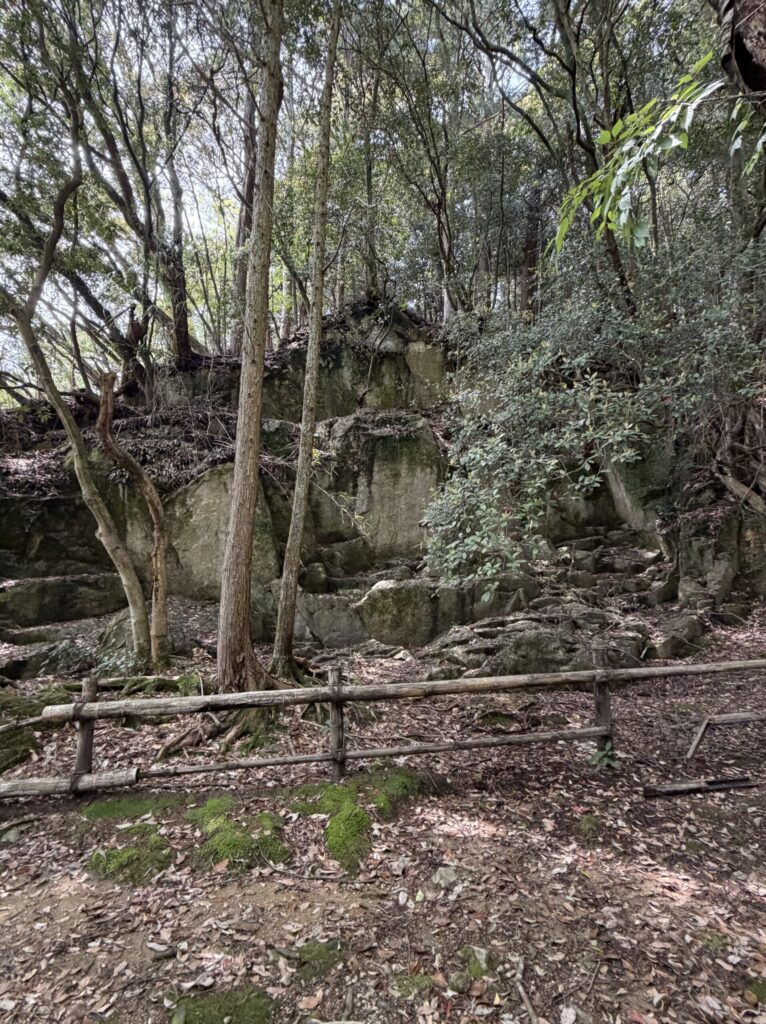
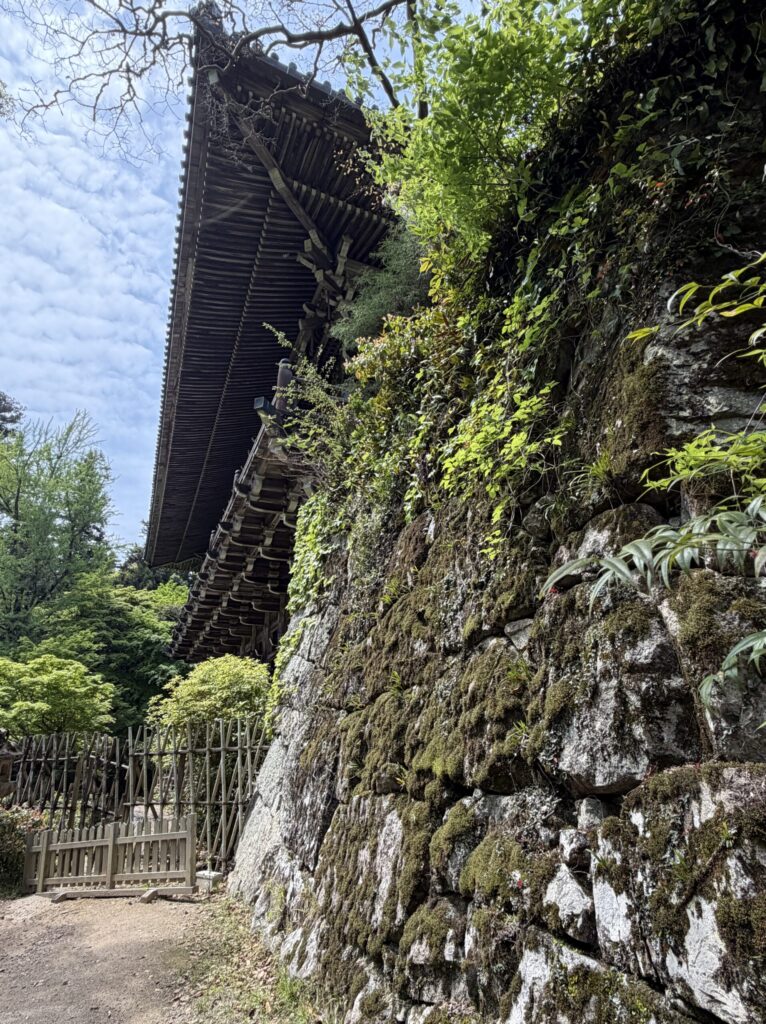
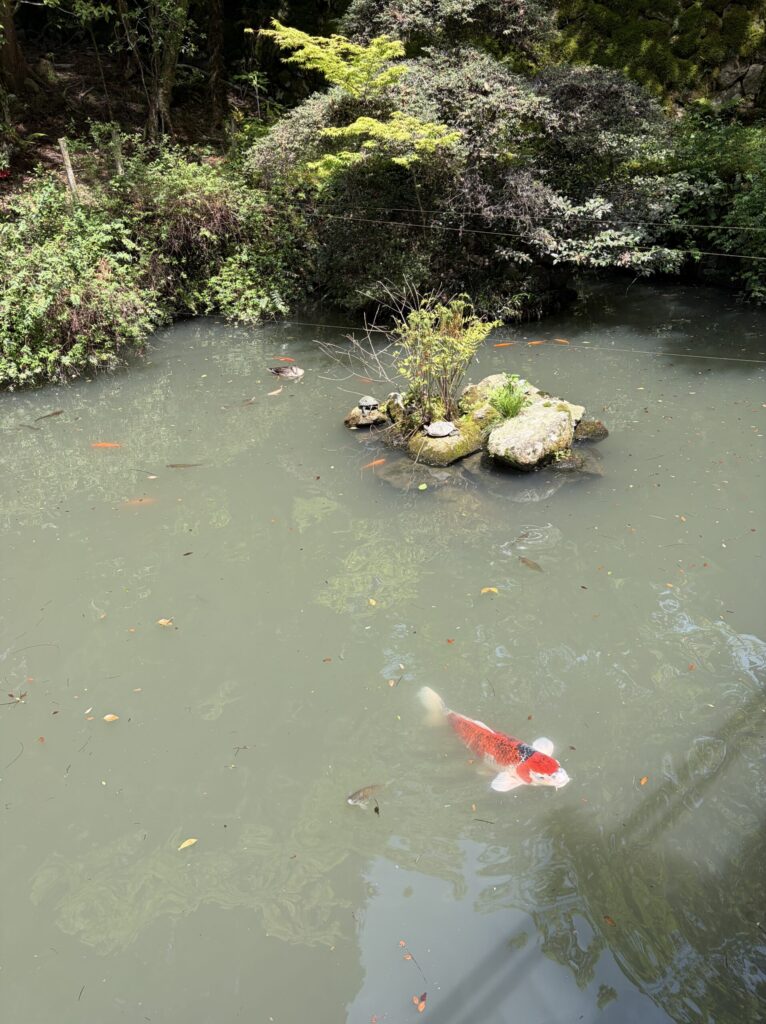
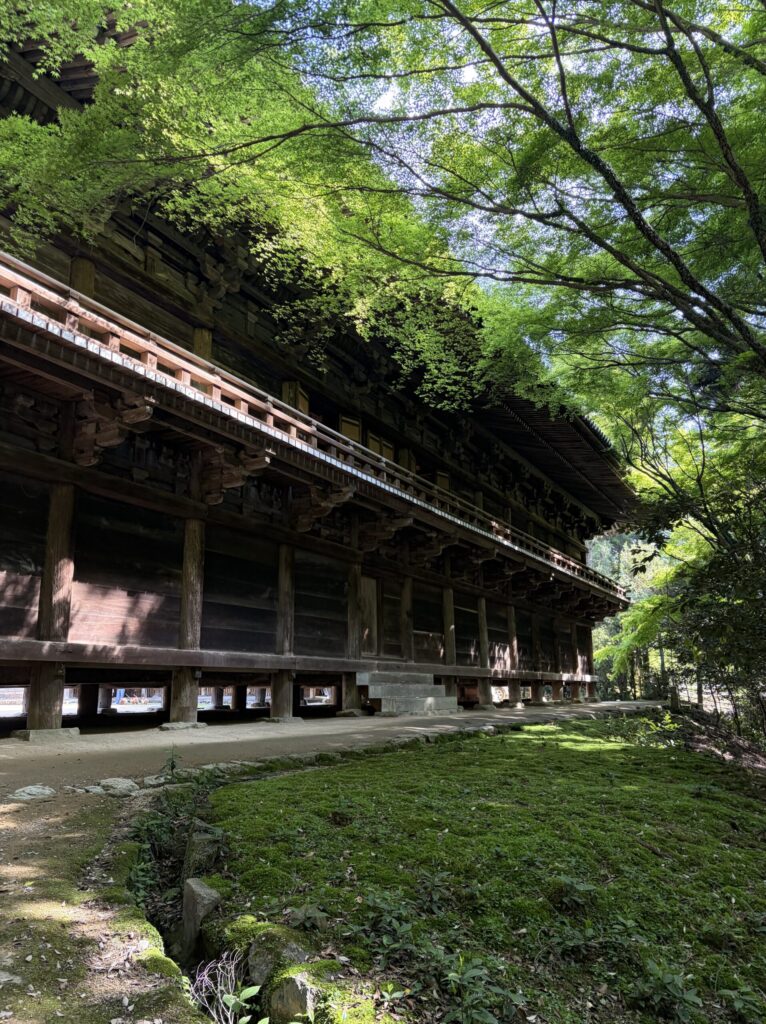
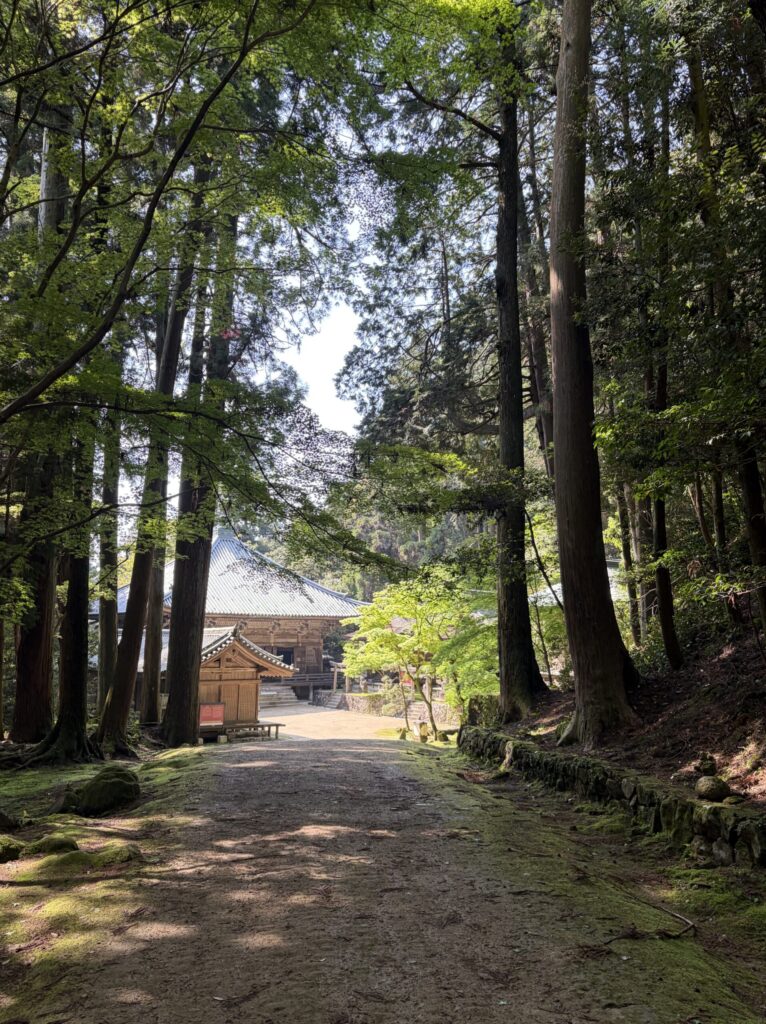
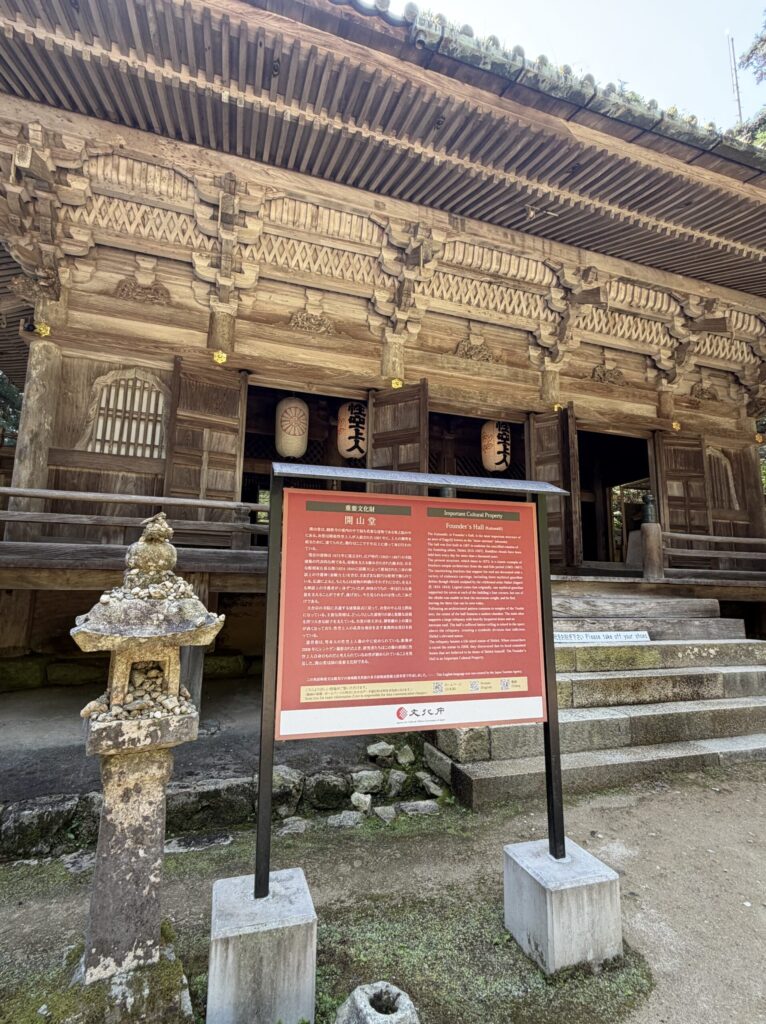
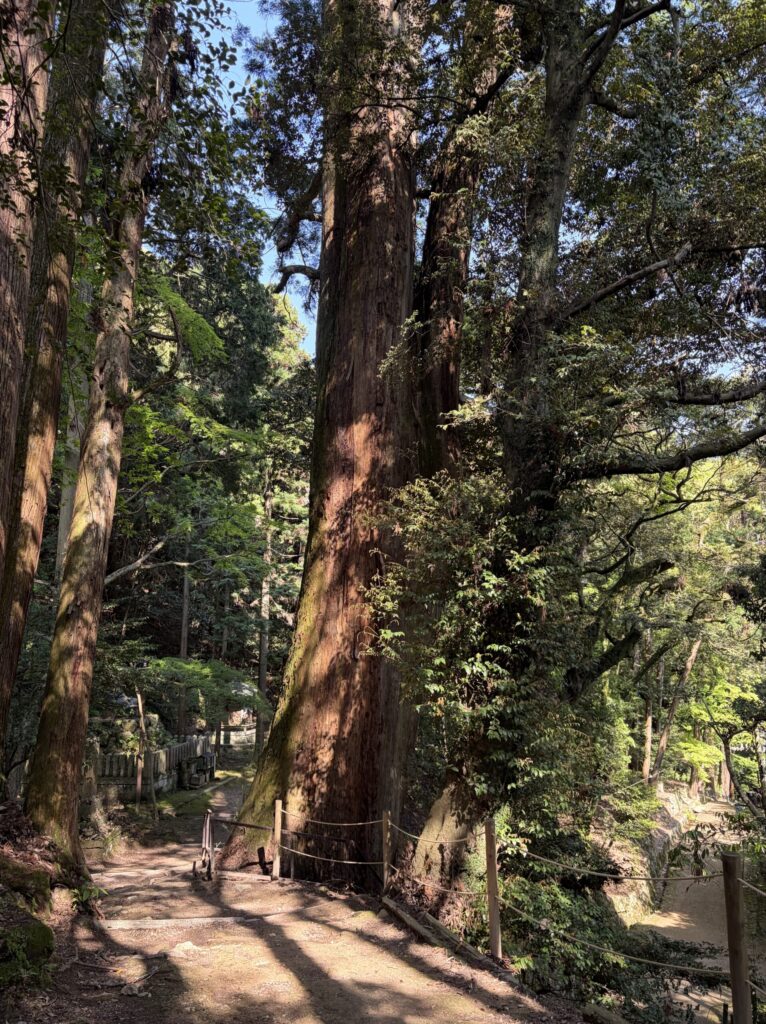
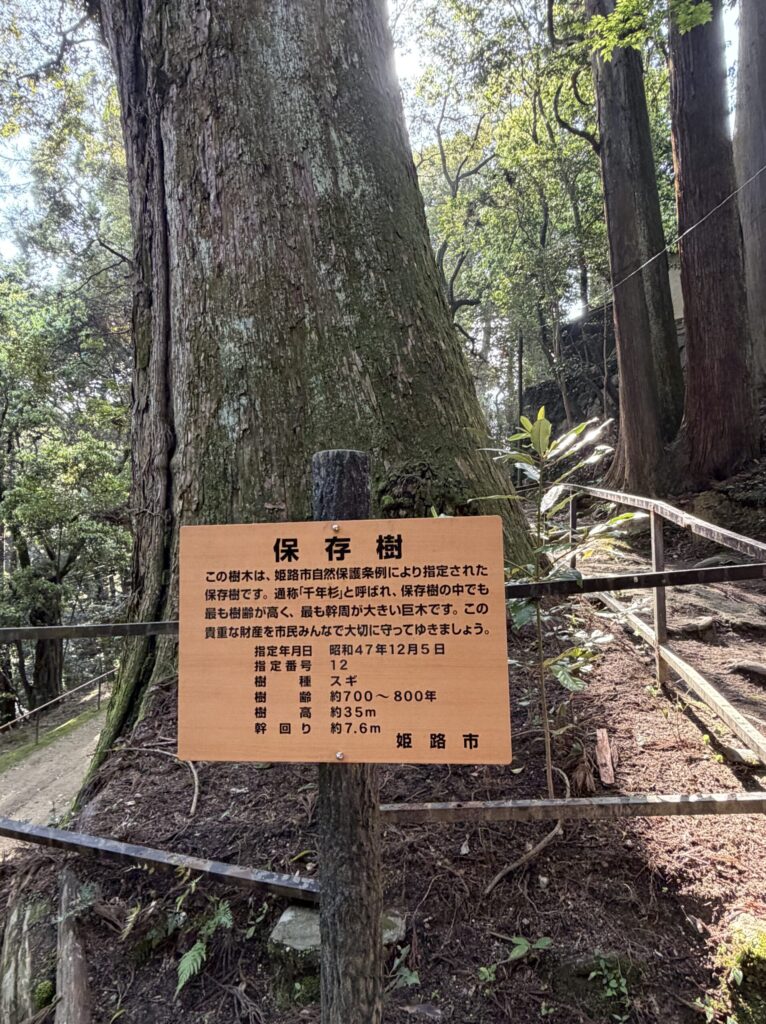
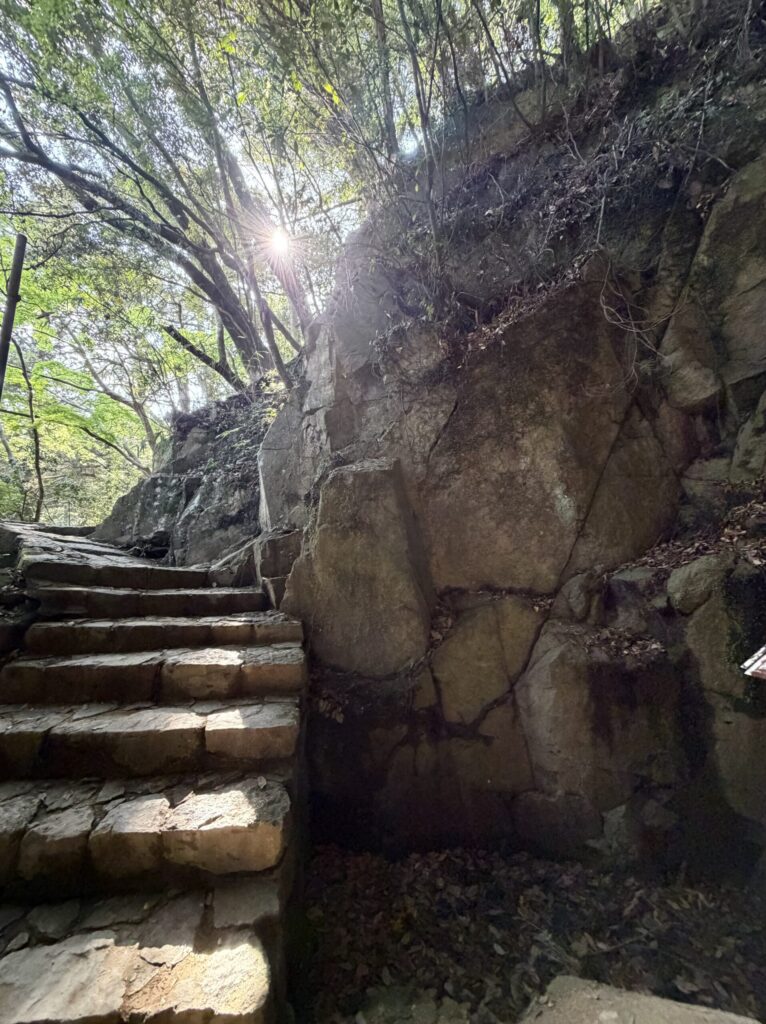
I walked slowly through the vast mountain grounds: the imposing Maniden Hall perched on the cliff face, the massive boulder rising behind it, the Great Lecture Hall dating from the Muromachi period, the Jikido refectory, the Kaisando founder’s hall. The scale of it all made it easy to understand why this place is called the “Mt. Hiei of the West.”
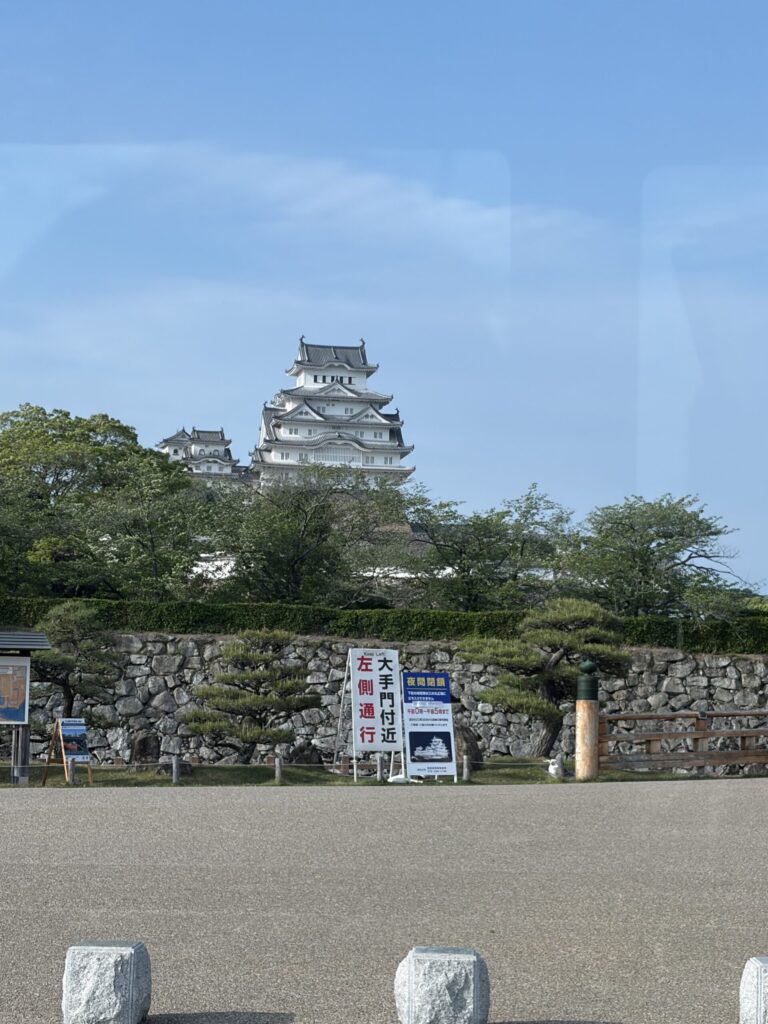
I didn’t have time to visit Himeji Castle itself — only passing by on the bus.
The Saigoku Sanjūsan-kasho is Japan’s oldest pilgrimage route, linking 33 sacred Kannon sites centered in the Kinki region. Among them, Site 27 — Engyoji Temple — stands on Shoshazan in Himeji City, Hyogo Prefecture, wrapped in history and nature. Here is a full guide to one of the most beloved temples on the entire Saigoku circuit.
What Kind of Temple Is Engyoji?
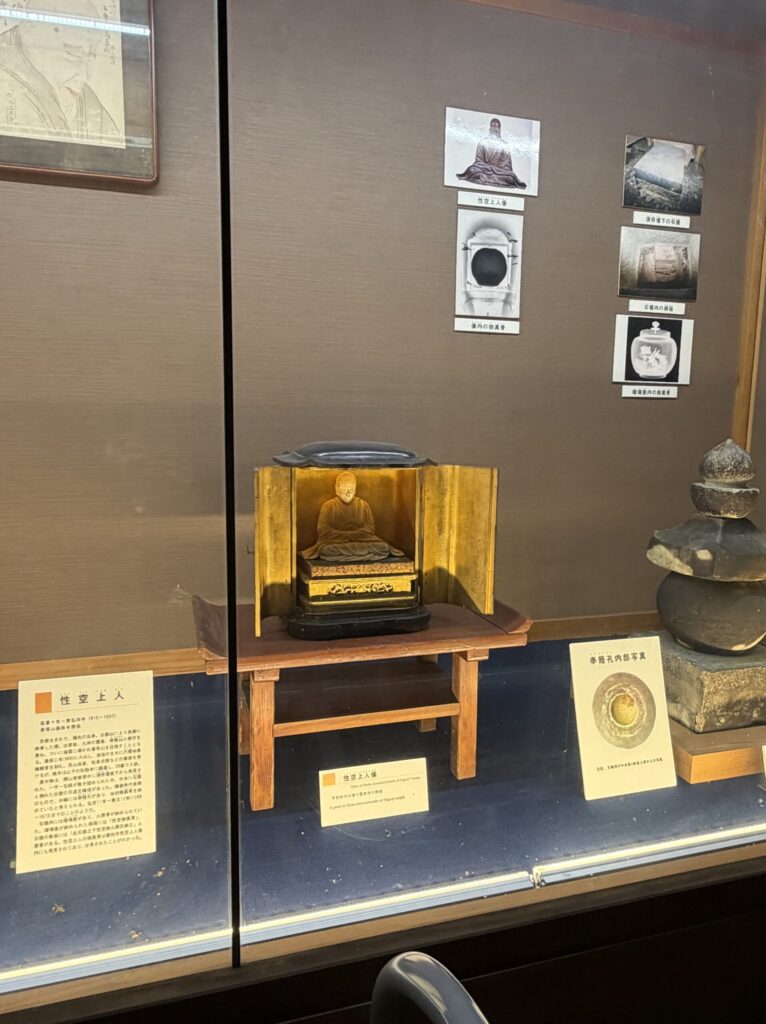
Engyoji is an ancient Tendai sect temple said to have been founded in 966 CE by the monk Shōkū Shōnin. The vast complex of halls spread across the summit of Shoshazan — at roughly 371 meters above sea level — is nothing short of magnificent. Its scale and prestige have earned it the title “Mt. Hiei of the West” since ancient times.
The temple has long enjoyed the devotion of emperors and nobles, with deep ties to both the imperial family and the warrior class. The halls standing in mountain silence offer every visitor a profound sense of awe and inner peace.
Engyoji on the Saigoku Pilgrimage
The Saigoku Pilgrimage is a journey of prayer to Kannon, seeking compassion, the fulfillment of wishes, and protection from misfortune. As Site 27, Engyoji is an essential stop for pilgrims. The principal image is the Nyoirin Kanzeon Bosatsu — a Kannon of wish-granting power — venerated here since ancient times.
Highlights of Engyoji
Maniden Hall
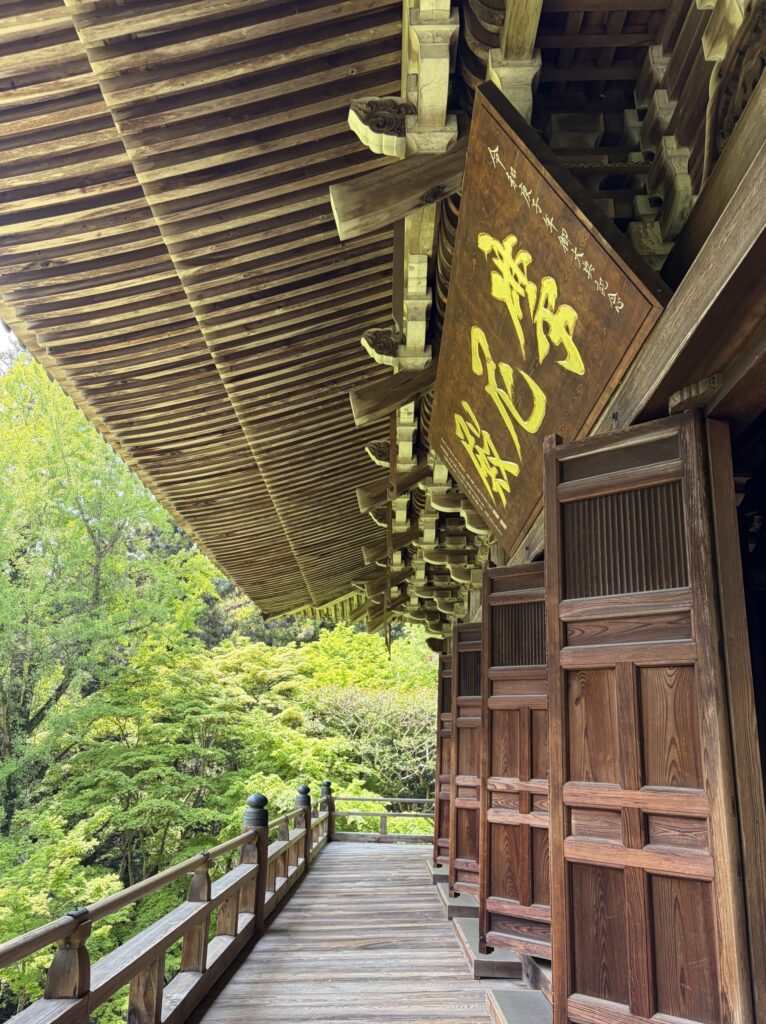
The main hall, Maniden, is built in the butai-zukuri style — a dramatic stage-like structure projecting out over a sheer cliff, reminiscent of Kiyomizudera in Kyoto. Rising above the precipice, it is an overwhelming sight at any season. The views are especially breathtaking during the fresh greens of early summer and the crimson leaves of autumn.
Mitsu-no-do: The Three Halls
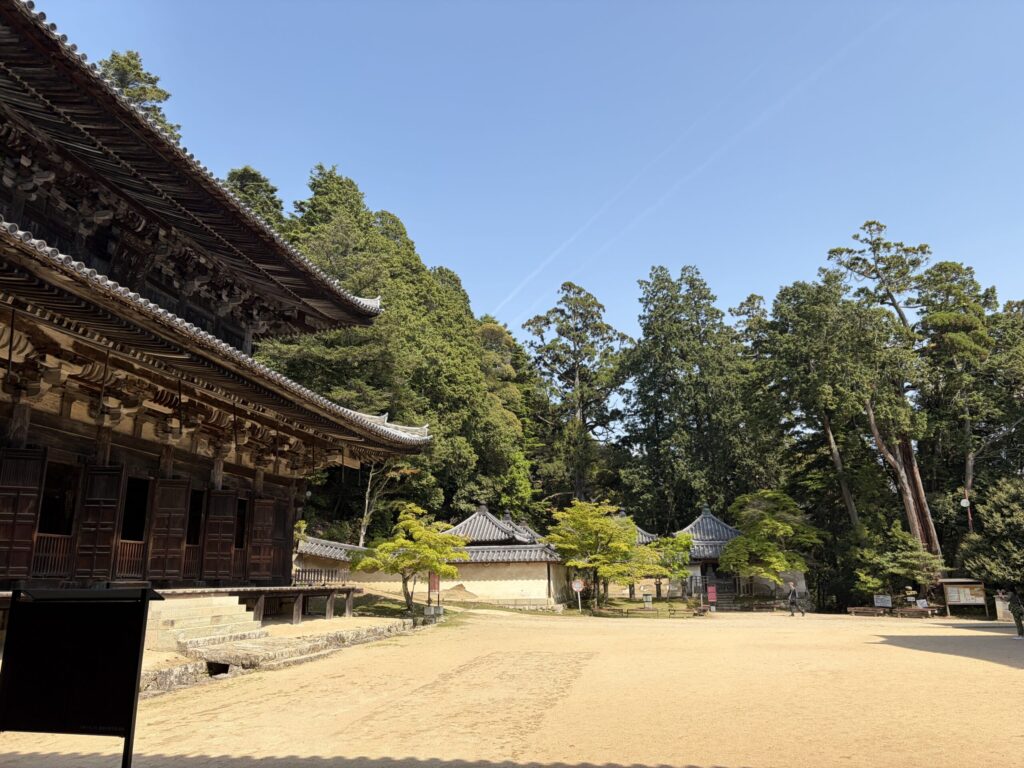
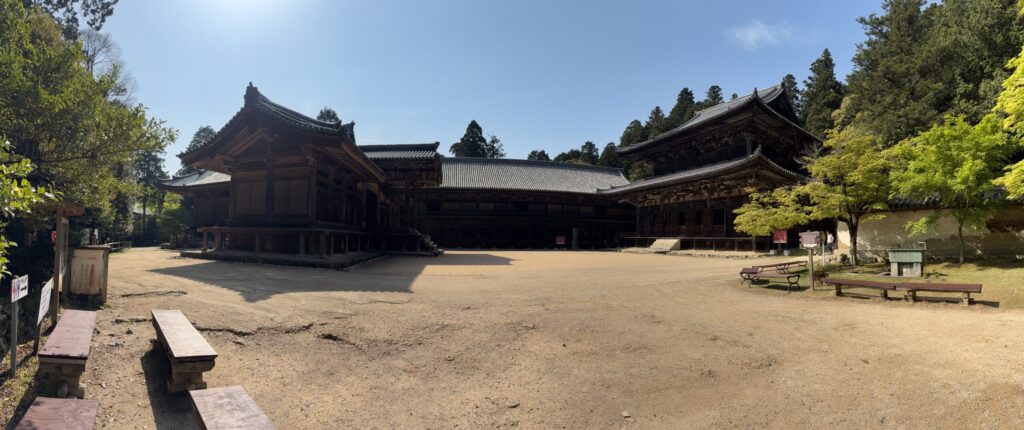
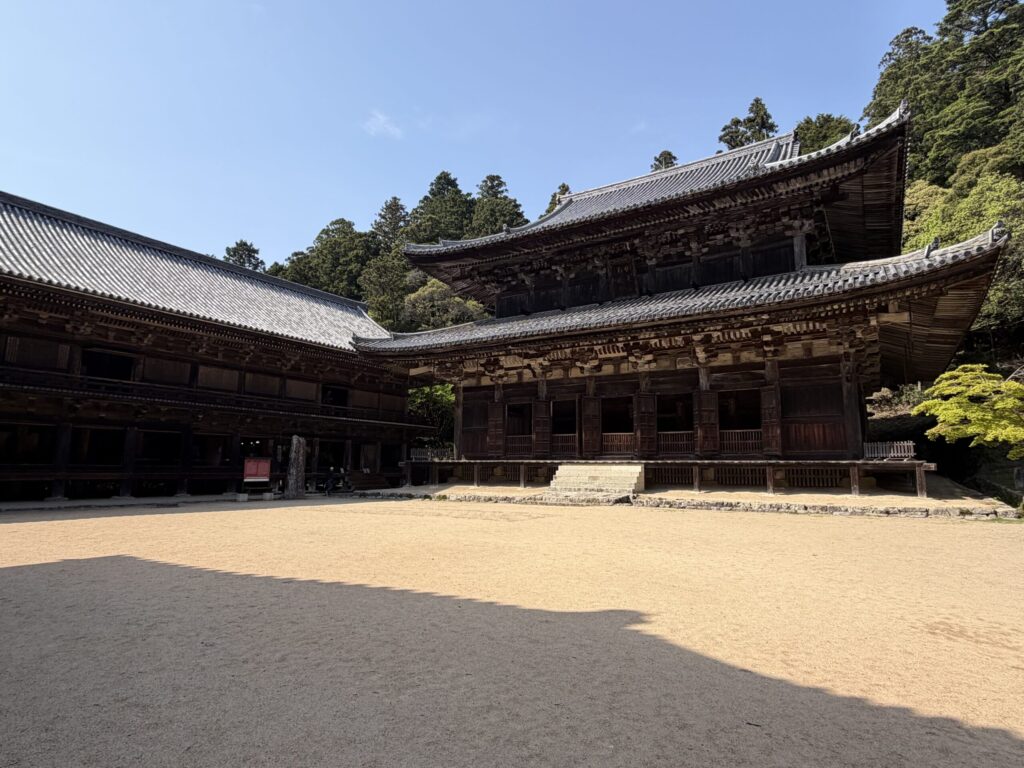
The “Mitsu-no-do” — three buildings arranged in a U-shape — forms the most iconic ensemble at Engyoji: the Great Lecture Hall (Daikodo), the Refectory (Jikido), and the Jogyodo. This space has also served as a filming location for numerous films and dramas, and its solemn grandeur is unforgettable.
- Great Lecture Hall (Daikodo): The main place of study and practice, equivalent to the central hall of the temple
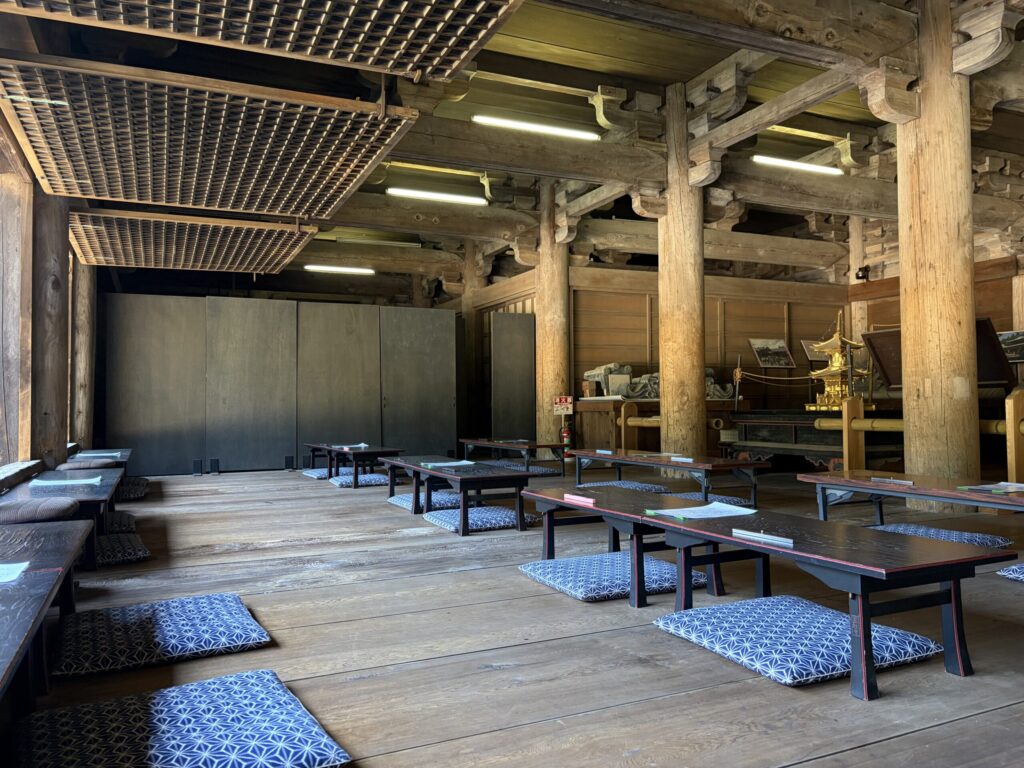
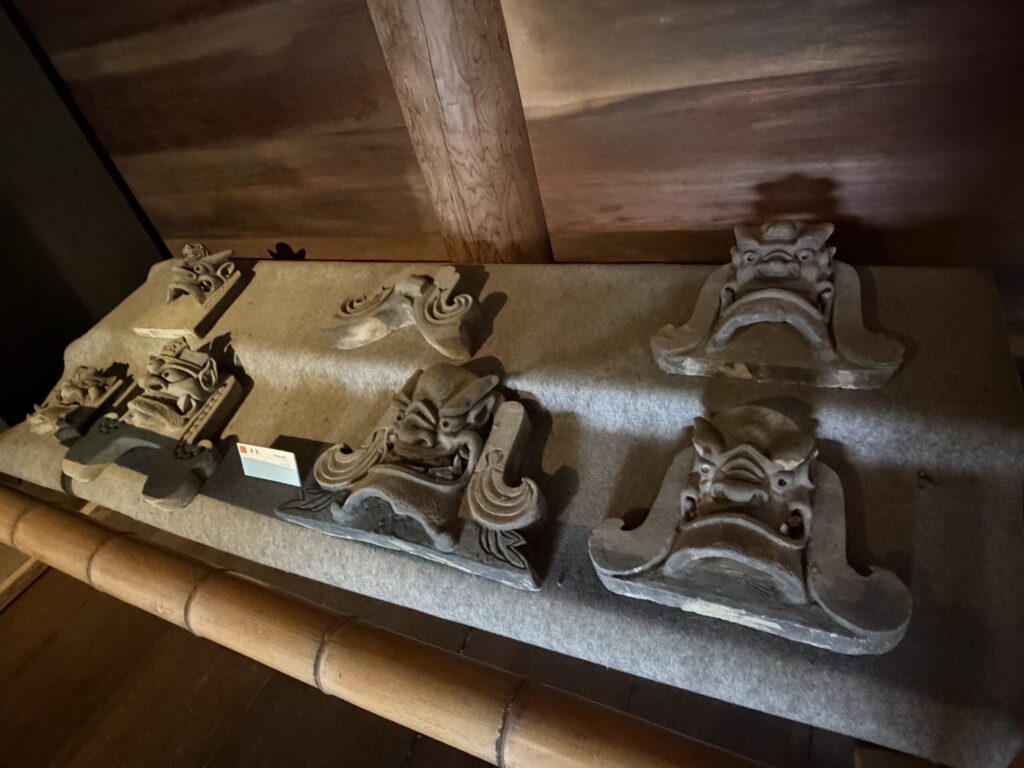
- Refectory (Jikido): A two-story building where monks once lived and trained; now includes a display of temple treasures
- Jogyodo: A hall enshrining Amida Buddha, used for meditative walking practice
The Ropeway: A Journey Through the Sky
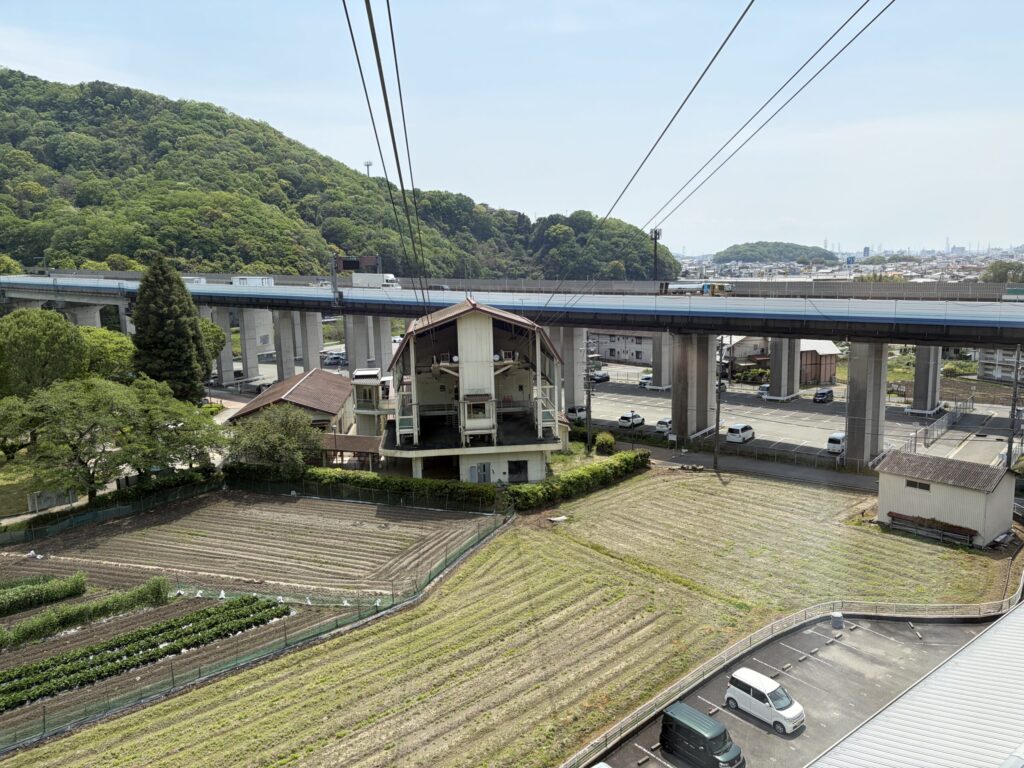
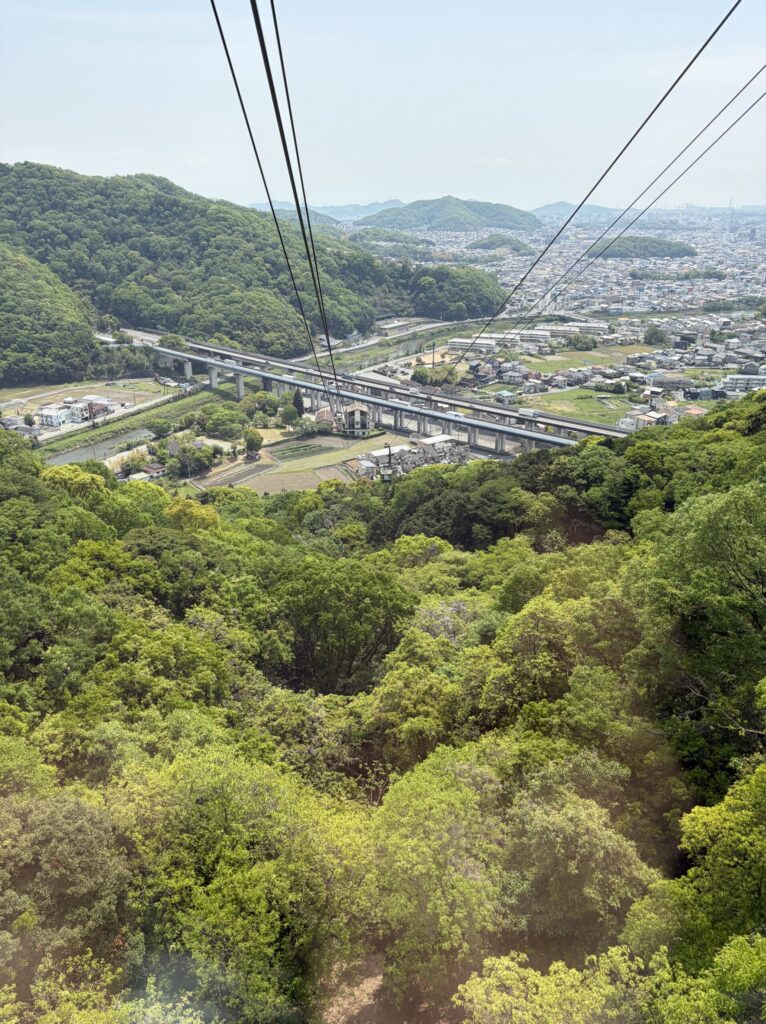
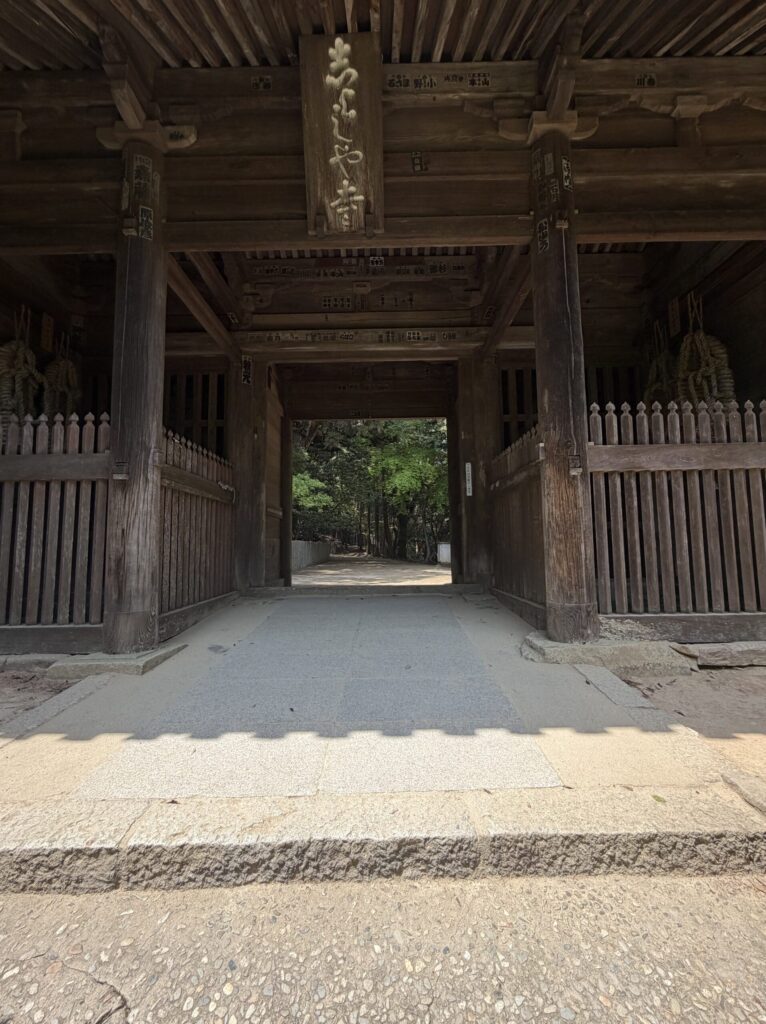
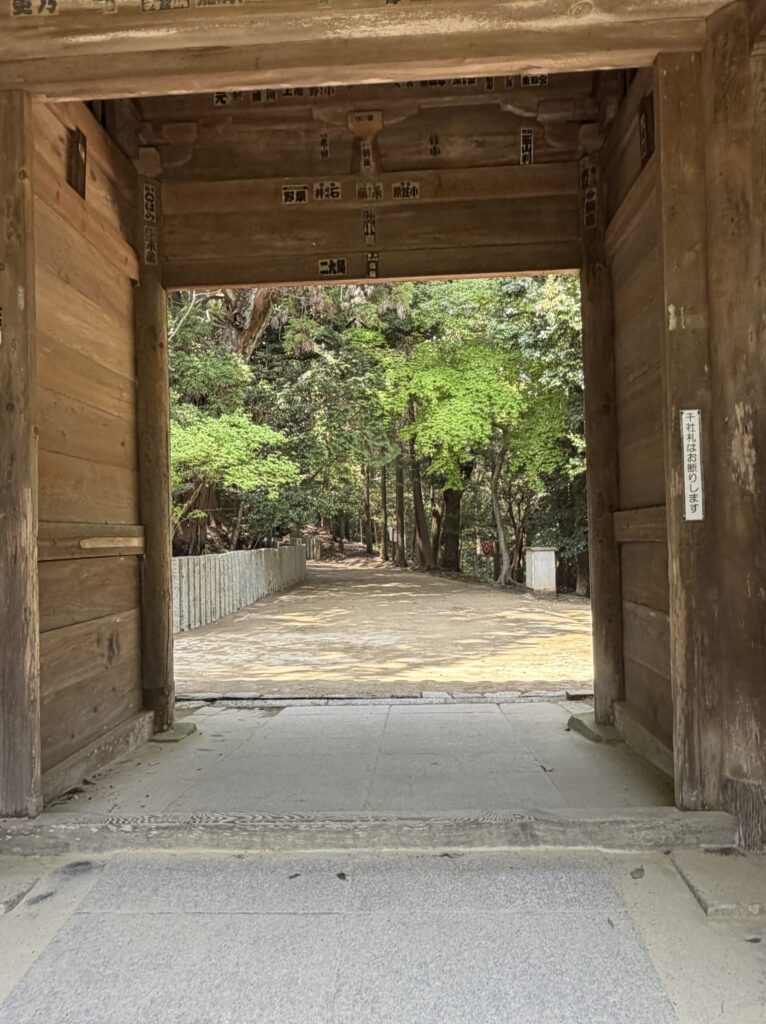
The Shoshazan Ropeway carries visitors from the base of the mountain to the summit in about four minutes. Along the way, you can enjoy sweeping views over the city of Himeji and the Seto Inland Sea — a sky-high journey before the pilgrimage even begins. From the upper station, a tree-lined path leads to the temple complex.
Tips for Your Visit
- Wear comfortable shoes: The mountain paths and stone steps call for sturdy, comfortable footwear — trainers or hiking shoes are ideal.
- Use the shuttle bus: A paid visitor shuttle runs from the upper ropeway station to near Maniden Hall. Highly recommended if you have any concerns about walking distance.
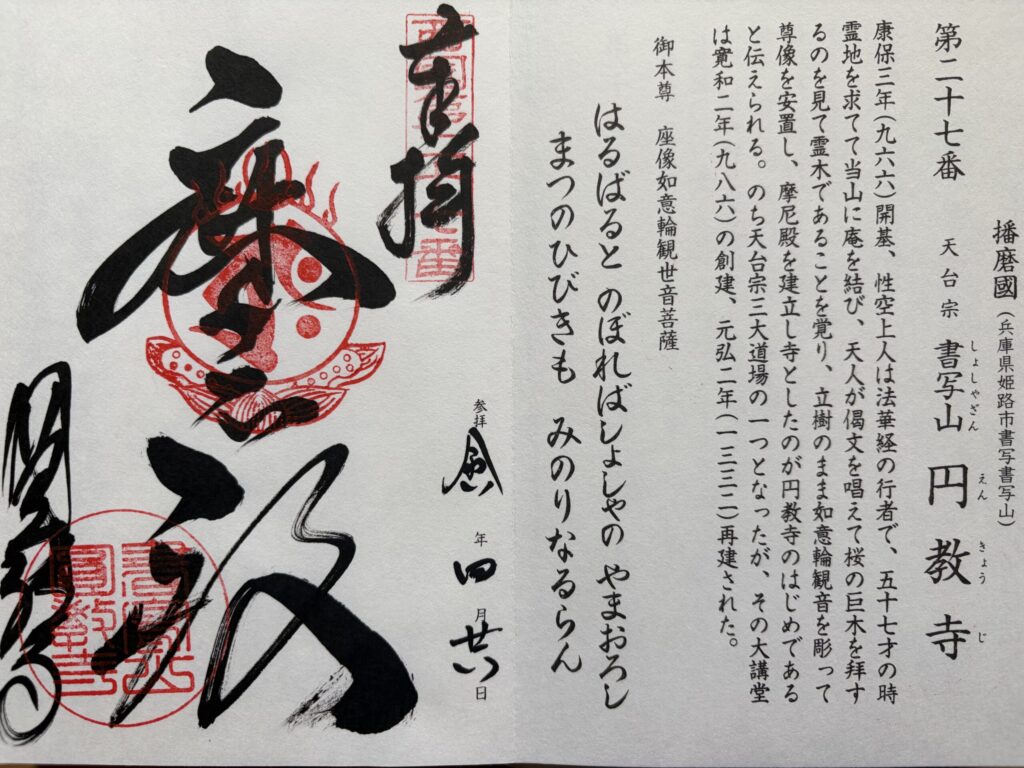
- Bring your stamp book: If you’re collecting goshuin on the Saigoku Pilgrimage, don’t forget your dedicated nokyocho.
- Allow plenty of time: The grounds are extensive — plan for two to three hours if you want to explore at a relaxed pace.
Beauty Through the Seasons
Engyoji takes on a different character with every season — cherry blossoms in spring, lush green in early summer, fiery foliage in autumn, and a quiet snowscape in winter. Autumn in particular draws large crowds, and for good reason.
Summary
Engyoji Temple, Site 27 of the Saigoku Pilgrimage, is a place where centuries of Tendai Buddhist history meet the grandeur of the natural mountain setting. Called the “Mt. Hiei of the West,” its atmosphere leaves a lasting impression on all who visit.
Easily accessible by ropeway, it is an ideal destination not only for pilgrims but for anyone seeking beauty, history, or a moment of stillness. When you find yourself in Himeji, make time to climb Shoshazan — Kannon is waiting.
References
Postscript: On Graffiti at Sacred Sites
Perhaps it is an unfortunate constant of human nature that there are always those who carve graffiti into sacred places.
Whatever one’s faith, the absence of basic respect for those who built these spaces — and for those who continue to protect them — is something to be ashamed of.
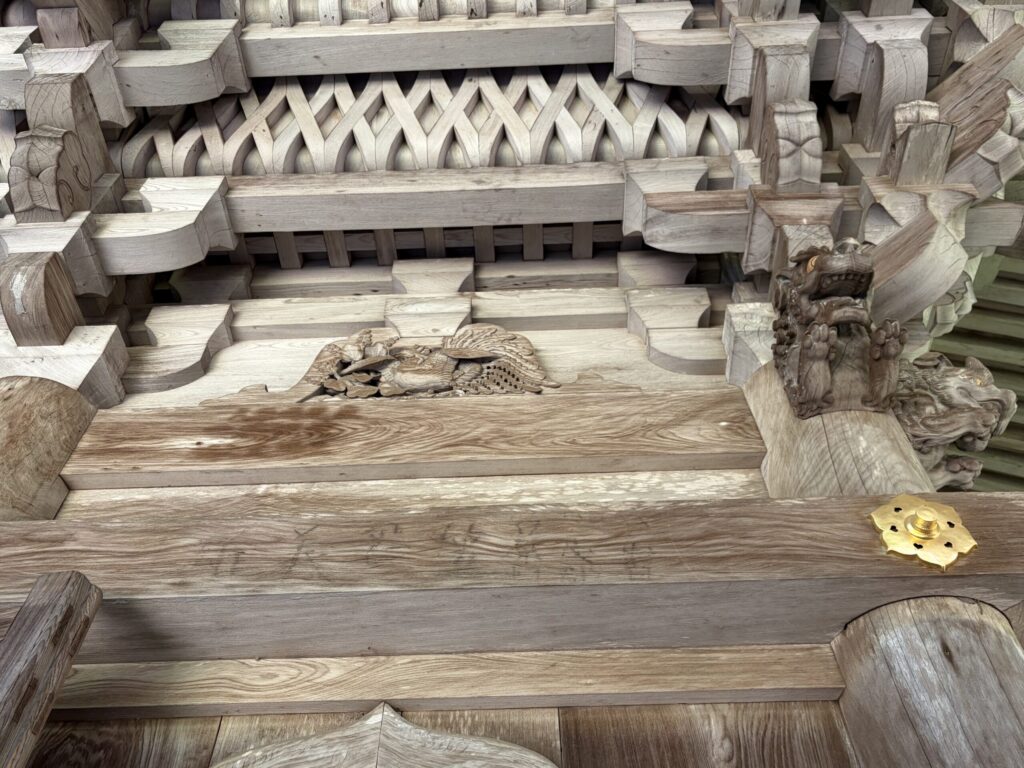
In the innermost Kaisando (Founder’s Hall), I came across deeply unpleasant graffiti carved after the Showa period.
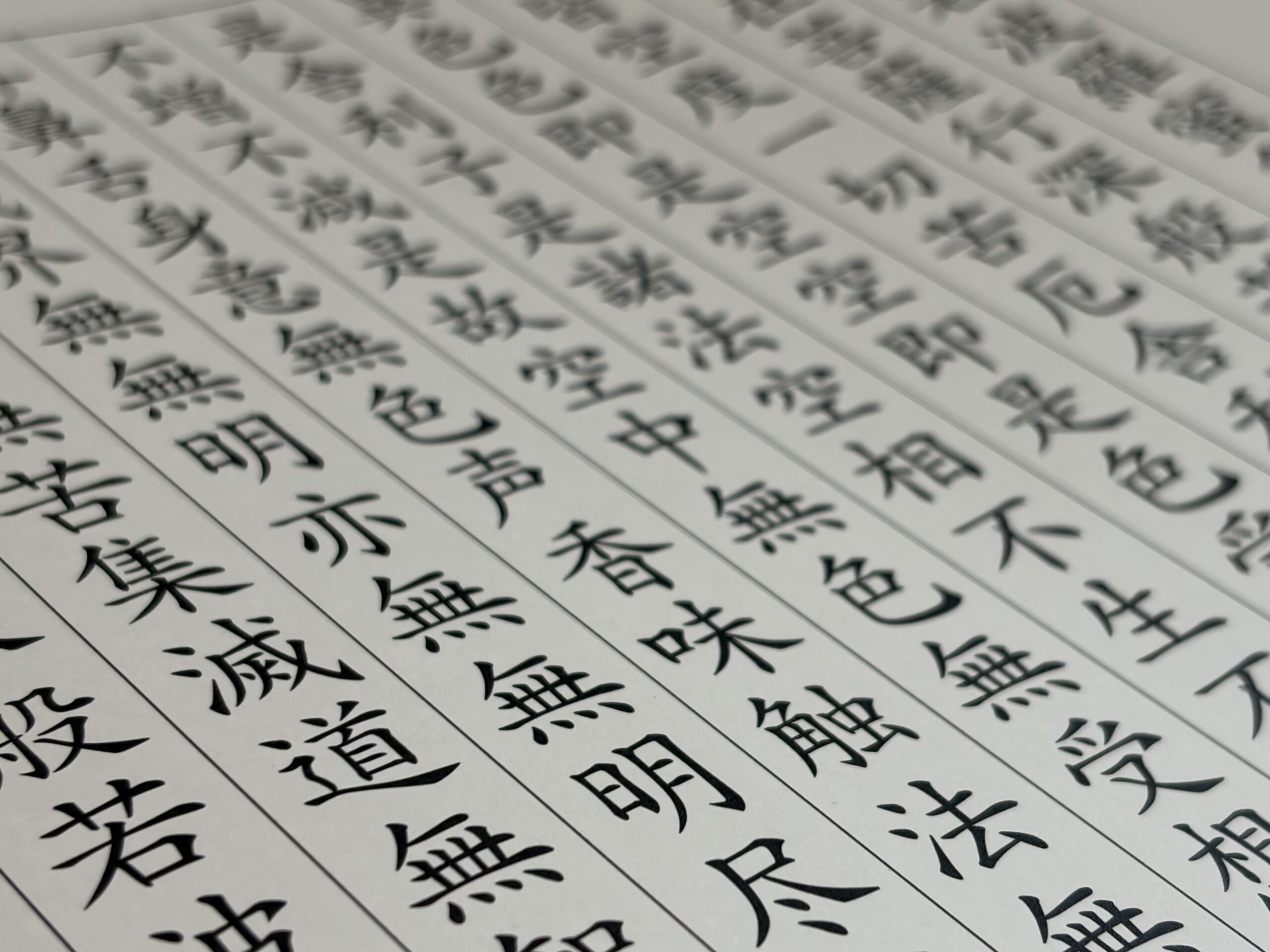
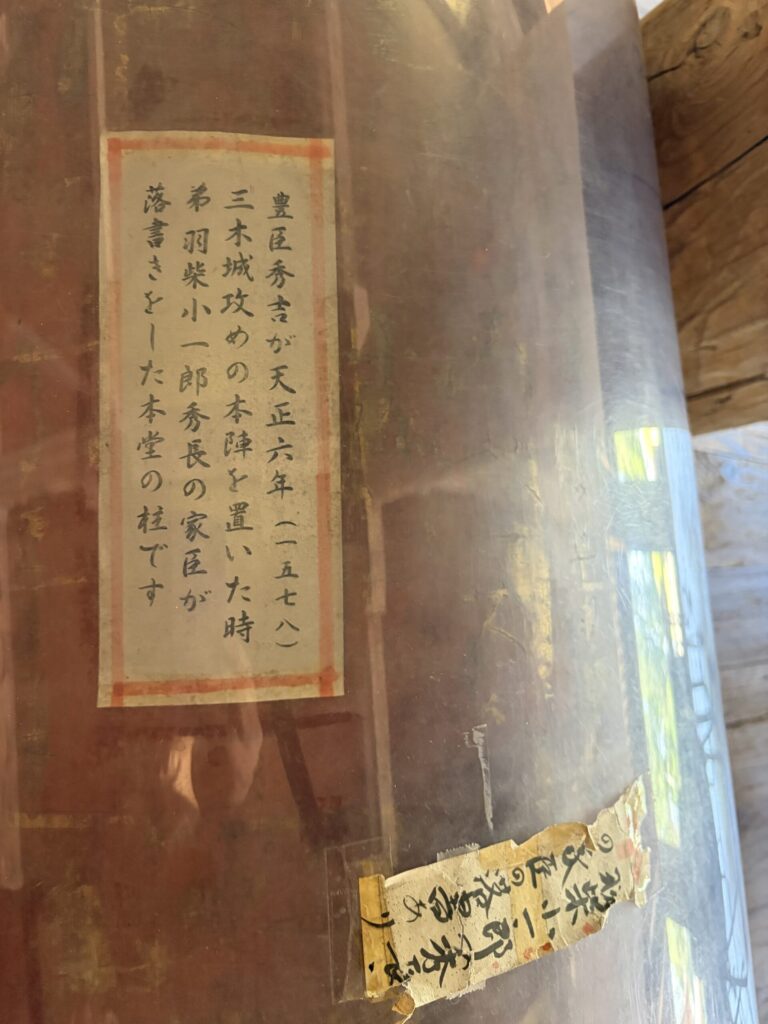
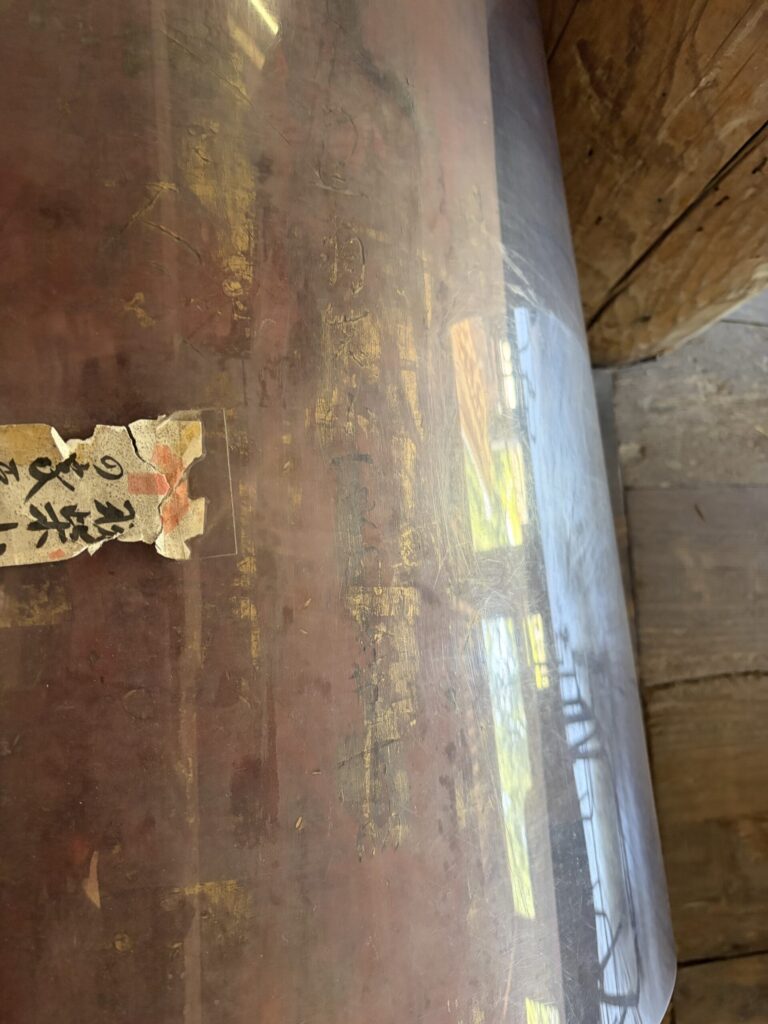
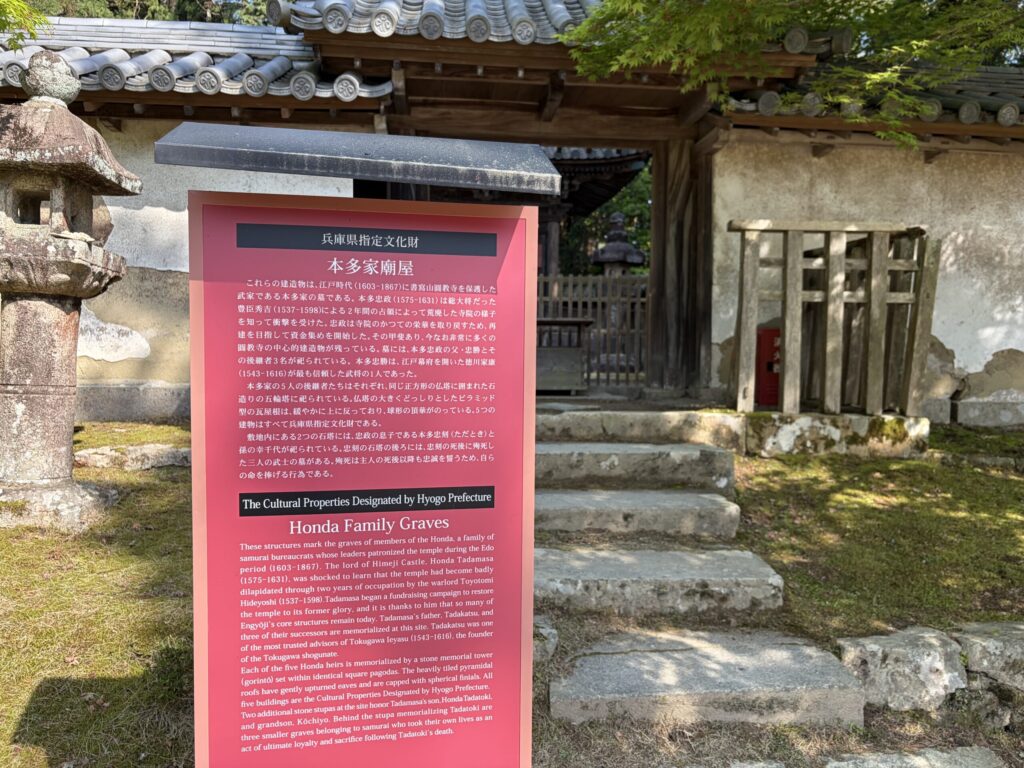
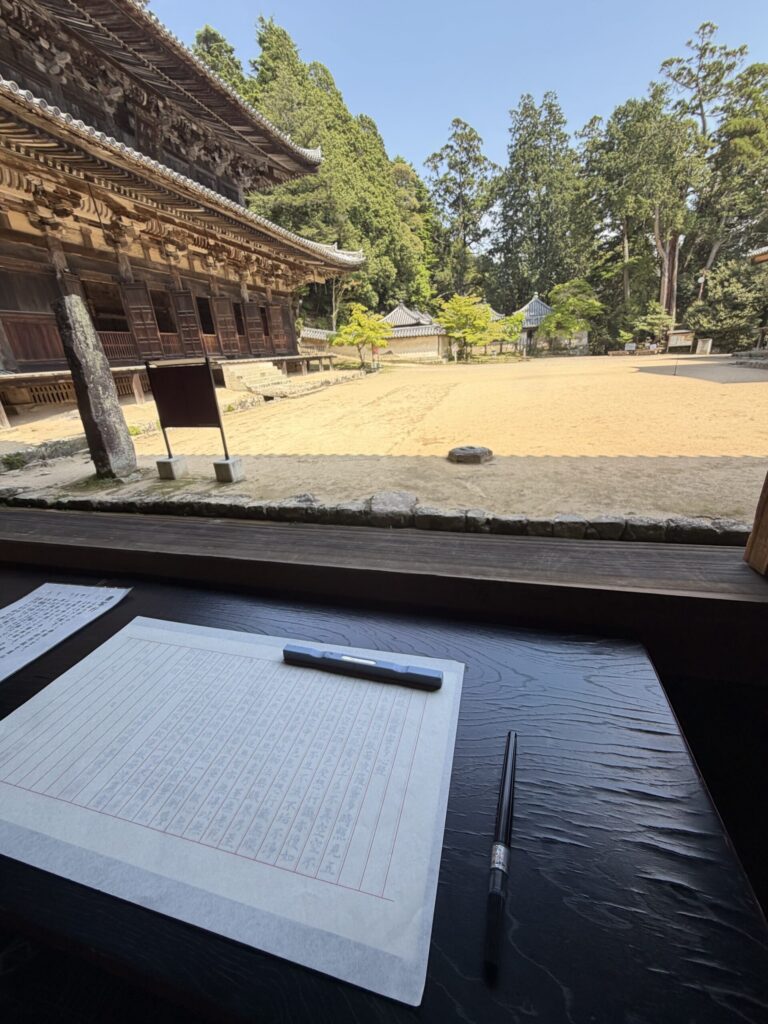
The second floor of the Jikido refectory, where I was fortunate to participate in sutra-copying (shakyo), now serves as a treasury displaying many Buddhist statues and Kannon images. On the first floor, a pillar is exhibited bearing graffiti carved by soldiers of Toyotomi Hideyoshi’s army.
Apparently, during Hideyoshi’s western campaigns, his forces occupied Engyoji — looting its treasures and causing widespread destruction throughout the temple complex. Some things, it seems, have not changed across the centuries.
About Goshuin Stamp Books and Related Items
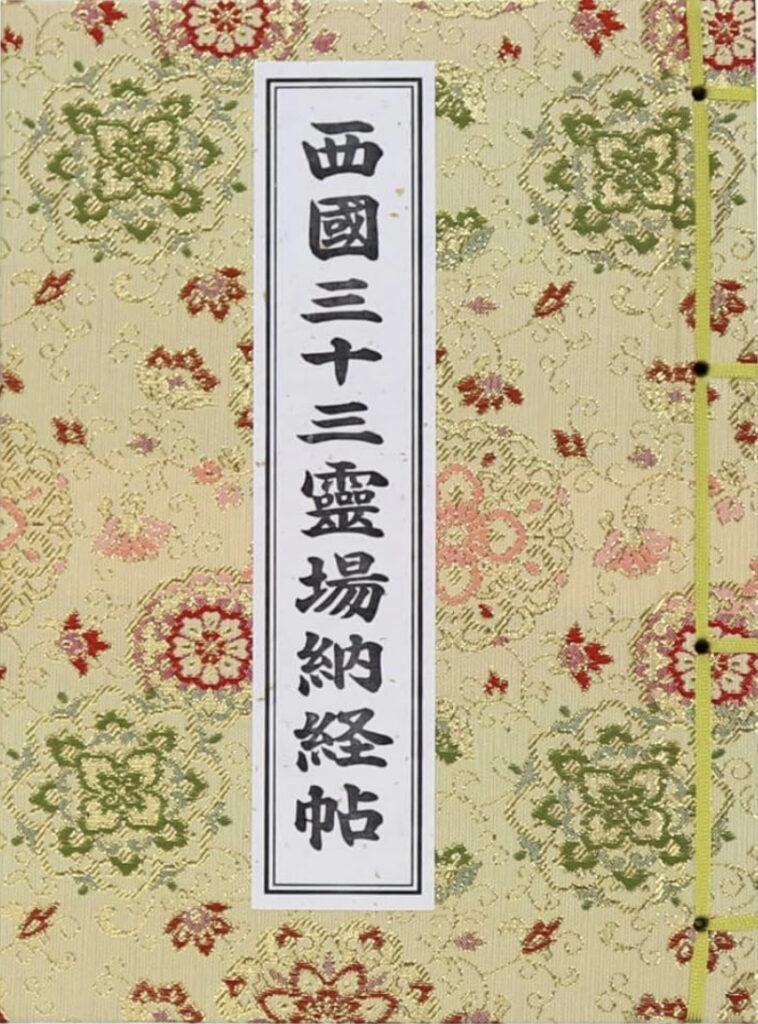
I usually collect the pre-written kakioki type of goshuin stamps, but for the Thirty-Three Temple Pilgrimage I wanted stamps written directly into a dedicated book, so I purchased one especially for the journey.
Goshuincho stamp books are also sold at the temples of the Saigoku Pilgrimage. However, the accordion-fold (jyabara) style can cause ink to bleed through to the other side. For that reason, I would recommend a bound style rather than accordion-fold — ideally one where each page is separated by an interleaving sheet of paper.
Nokyo-cho — Saigoku Thirty-Three Temples
Gold brocade binding (with vinyl cover) · Lightweight, quick-drying special washi paper that resists ink bleed-through
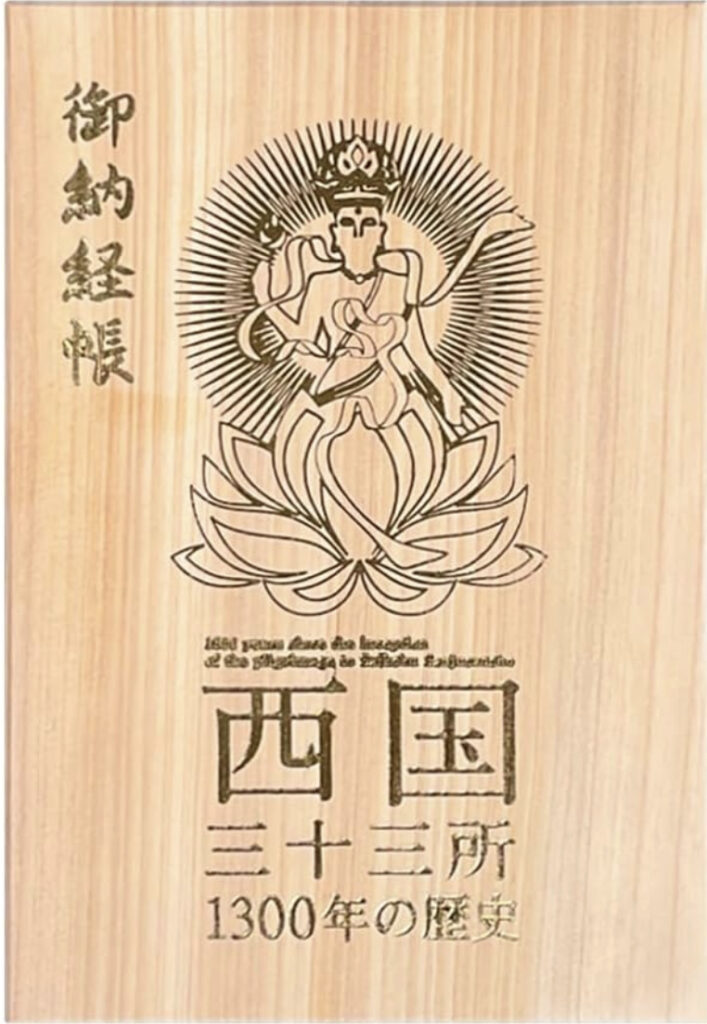
Nokyo-cho — Saigoku Thirty-Three Temples
Hinoki (Japanese cypress) solid wood binding · Handmade washi paper, accordion-fold double-layer style
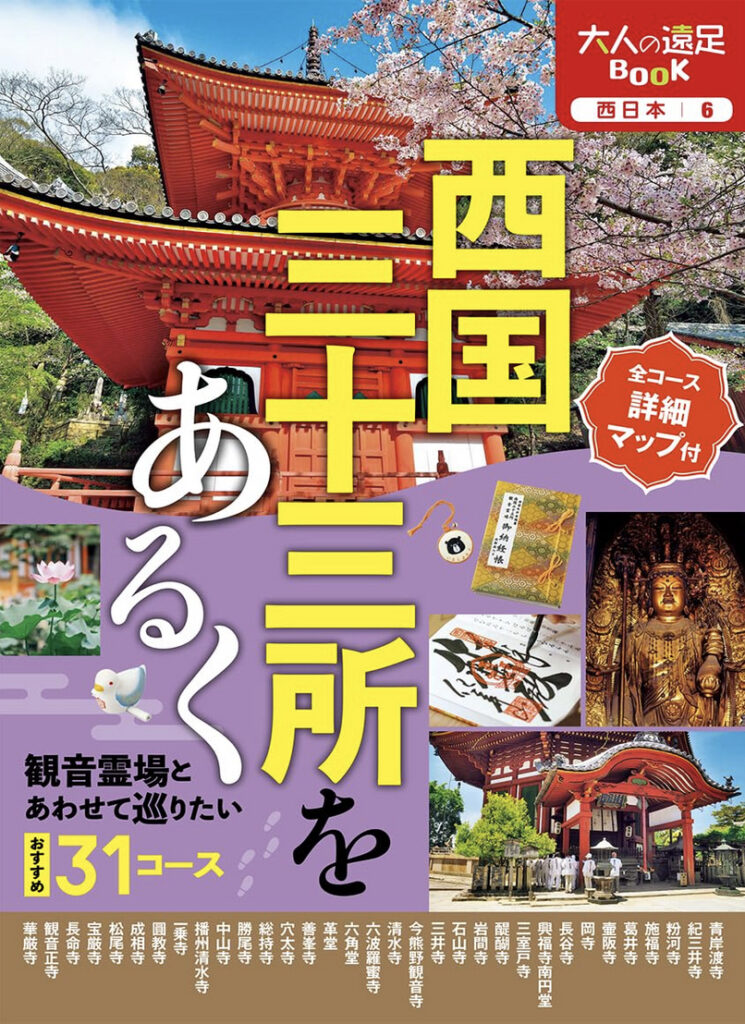
Walking the Saigoku Thirty-Three Temples
Otona no Ensoku BOOK
A guidebook for enjoying the pilgrimage and the pleasures of dedicated walking
Introduction & Overview
- What Is Esoteric Buddhism? Tendai and Shingon Explained in Simple Terms
- The Deep Connection Between the Saigoku Pilgrimage and Esoteric Buddhism | Why We Journey to Kannon Bodhisattva
Buddhas & Bodhisattvas
- What Are the 33 Forms of Kannon Bodhisattva? A Complete Guide to the Principal Images of the Saigoku Pilgrimage
- What Is the Difference Between Nyorai, Bosatsu, Myōō, and Ten? An Illustrated Guide to the Deities of Esoteric Buddhism
Practices & Culture
- The Meaning of the Heart Sutra Explained Simply | The World of the Sutras Chanted on Pilgrimage
- What Are Goshuin, Omiei, and Sange? The Esoteric Buddhist Culture You Encounter on the Saigoku Pilgrimage
Temples & History
Saigoku Pilgrimage of the Thirty-Three Temples — List of Sacred Sites
- No.12 Syohoji
- No.13 Ishiyamadera
- No.14 Miidera
- No.15 Imakumano-Knnonji
- No.16 Kiyomizudera
- No.17 Rokuharamitsuji
- No.18 Rokkakudo-Chohoji
- No.19 Kaudo-Gyoganji
- No.20 Yoshiminedera
- No.21 Anaoji
- No.22 Sojiji
- No.23 Katsuoji
- No.24 Nakayamadera
- No.25 Bansyu-Kiyomizudera
- No.26 Ichijyoji
- No.27 Engyoji
- No.28 Nariaiji
- No.29 Matsunoodera
- No.30 Chikubusima-Hogonji
- No.31 Chomeiji
- No.32 Kannonsyoji
- No.33 Kegonji